
Quick Summary:
Yes, hot showers can dry out your skin. The high temperature strips away natural oils, which protect your skin’s moisture. Shorter, lukewarm showers are much gentler and help keep your skin hydrated. Using moisturizing soaps and applying lotion right after showering can also make a big difference.
Ever stepped out of a hot shower feeling like your skin is tighter than a drum? You’re not alone! Many of us love that steamy warmth, especially on a cold day. But that comfortable heat might be doing more harm than good to your skin. Figuring out how to keep your skin happy and hydrated can be a bit of a puzzle.
Don’t worry, we’ll walk through the reasons why hot showers can dry your skin and, more importantly, what you can do about it. By the end of this article, you’ll know how to enjoy your showers without sacrificing your skin’s health. Let’s dive in!
Why Hot Showers Dry Your Skin
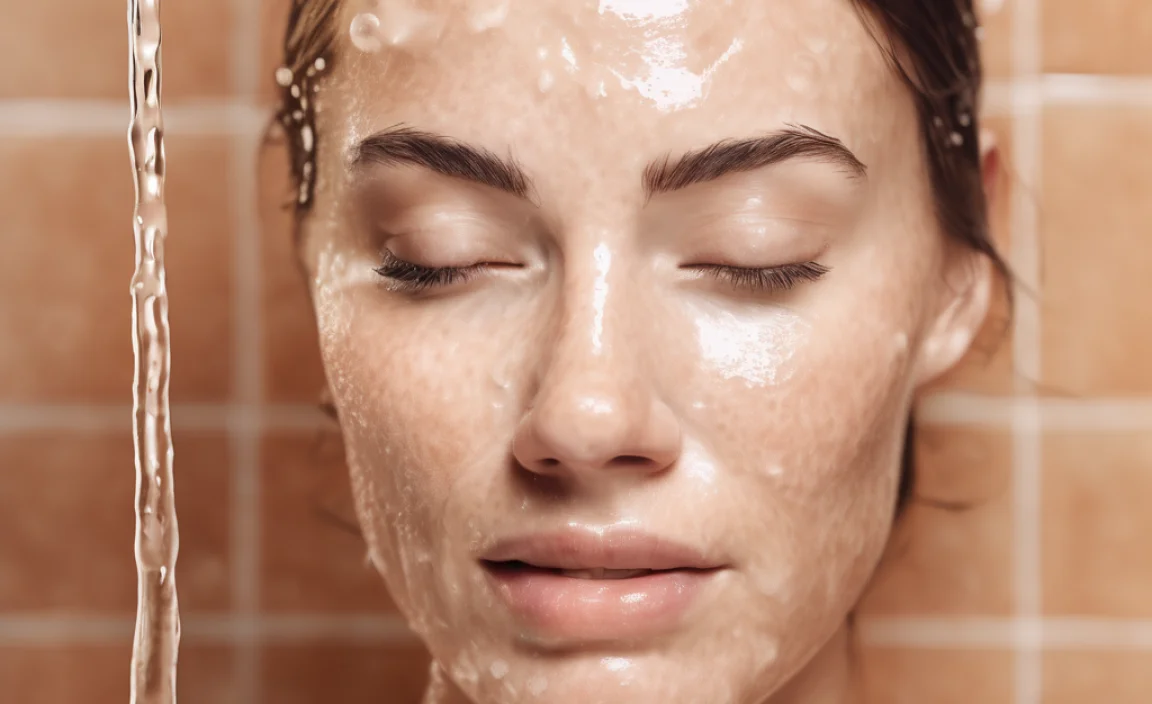
Hot water feels great, but it’s not always your skin’s best friend. Here’s a simple breakdown of why those steamy showers can leave you feeling dry and itchy:
- Natural Oil Removal: Your skin naturally produces oils (sebum) that keep it moisturized. Hot water dissolves these oils faster than lukewarm or cold water.
- Disruption of Skin Barrier: The skin barrier is like a protective shield that holds in moisture. Hot water can weaken this barrier, making it harder for your skin to stay hydrated.
- Increased Evaporation: Hot water opens up your pores, which can lead to increased water loss from your skin after you step out of the shower.
The Science Behind Skin Hydration
To really understand why hot showers are a problem, let’s look at the science behind skin hydration:
- The Epidermis: This is the outermost layer of your skin. It’s responsible for keeping moisture in and irritants out.
- Lipids: These are fats that help maintain the skin barrier. Hot water washes away these essential lipids.
- Natural Moisturizing Factors (NMFs): These compounds attract and bind water in the skin. Hot water can reduce the effectiveness of NMFs.
How Hot is Too Hot?
So, how do you know if your shower is too hot? Here’s a quick guide:
- Ideal Temperature: The recommended shower temperature is between 98°F (37°C) and 105°F (41°C). This is roughly lukewarm to slightly warm.
- Visual Cues: If your skin turns red quickly or stays red for a long time after a shower, the water is likely too hot.
- Feeling: If your skin feels tight, itchy, or uncomfortable immediately after showering, the temperature is probably too high.
Step-by-Step Guide to Skin-Friendly Showers
Now that you know why hot showers can be a problem, here’s how to make your shower routine more skin-friendly:
Step 1: Check the Water Temperature
Use a thermometer to check the water temperature. If you don’t have one, test the water with your wrist. It should feel warm, not scalding.
Step 2: Shorten Your Shower Time
Aim for showers that are 5-10 minutes long. The longer you’re in the water, the more moisture you lose.
Step 3: Choose the Right Soap
Use gentle, moisturizing soaps that are free from harsh chemicals. Look for ingredients like:
- Glycerin
- Hyaluronic acid
- Shea butter
- Ceramides
Step 4: Apply Lotion Immediately After Showering
Pat your skin dry with a towel, leaving it slightly damp. Apply a thick, moisturizing lotion or cream within a few minutes of getting out of the shower. This helps to lock in moisture.
Step 5: Consider a Humidifier
Using a humidifier in your home, especially during dry months, can add moisture back into the air and help keep your skin hydrated.
Best Soaps for Dry Skin
Choosing the right soap can make a big difference. Here are some of the best types of soaps for dry skin:
- Glycerin Soaps: These soaps attract moisture to the skin.
- Cream-Based Cleansers: These are gentle and hydrating.
- Soaps with Natural Oils: Look for soaps that contain olive oil, coconut oil, or jojoba oil.
Top Ingredients to Look for in Moisturizers
When choosing a moisturizer, look for these key ingredients:
- Humectants: These attract moisture from the air to your skin. Examples include hyaluronic acid, glycerin, and honey.
- Emollients: These smooth and soften the skin. Examples include shea butter, cocoa butter, and mineral oil.
- Occlusives: These create a barrier on the skin to prevent moisture loss. Examples include petrolatum, beeswax, and lanolin.
Lifestyle Changes for Better Skin Hydration
Besides changing your shower routine, there are other lifestyle changes you can make to improve your skin hydration:
- Drink Plenty of Water: Staying hydrated from the inside out is crucial for healthy skin.
- Eat a Balanced Diet: A diet rich in fruits, vegetables, and healthy fats can improve your skin’s overall health.
- Avoid Harsh Chemicals: Limit your exposure to harsh chemicals in cleaning products and detergents.
- Protect Your Skin from the Sun: Sun damage can dry out your skin. Wear sunscreen daily.
Common Mistakes to Avoid
Here are some common mistakes people make that can lead to dry skin:
- Over-Exfoliating: Exfoliating too often can strip your skin of its natural oils.
- Using Harsh Scrubs: Harsh scrubs can damage the skin barrier.
- Ignoring Dry Patches: Neglecting dry patches can lead to more severe skin problems.
- Not Moisturizing Enough: Many people don’t use enough moisturizer or don’t apply it consistently.
Tips for Different Skin Types
Everyone’s skin is different, so here are some tips tailored to different skin types:
Oily Skin
Even oily skin needs hydration. Use a light, oil-free moisturizer.
Dry Skin
Use a thick, rich moisturizer and apply it multiple times a day.
Sensitive Skin
Choose fragrance-free and hypoallergenic products to avoid irritation.
Combination Skin
Use different products for different areas of your face. For example, use a lighter moisturizer on oily areas and a richer one on dry areas.
When to See a Dermatologist
If you’ve tried these tips and are still struggling with dry skin, it might be time to see a dermatologist. Here are some signs that you should seek professional help:
- Severe Dryness: If your skin is cracked, bleeding, or extremely itchy.
- Persistent Irritation: If your skin is constantly red, inflamed, or irritated.
- Signs of Infection: If you notice any signs of infection, such as pus or swelling.
- Underlying Conditions: If you have a skin condition like eczema or psoriasis.
The Role of Humidity
Humidity plays a significant role in skin hydration. Here’s how:
- High Humidity: In humid environments, there’s more moisture in the air, which can help keep your skin hydrated.
- Low Humidity: In dry environments, the air pulls moisture from your skin, leading to dryness.
Using a humidifier can help combat the effects of low humidity, especially during the winter months when indoor heating can dry out the air.
DIY Hydrating Masks
You can also create your own hydrating masks at home using simple ingredients. Here are a couple of ideas:
Avocado and Honey Mask
Mix mashed avocado with honey and apply to your face for 15-20 minutes. Avocado is rich in healthy fats, while honey is a natural humectant.
Oatmeal and Yogurt Mask
Mix cooked oatmeal with plain yogurt and apply to your face for 15-20 minutes. Oatmeal soothes irritated skin, while yogurt contains lactic acid, which gently exfoliates.
Understanding Skin Conditions
Sometimes, dry skin can be a symptom of an underlying skin condition. Here are a few common conditions to be aware of:
Eczema (Atopic Dermatitis)
This is a chronic condition that causes dry, itchy, and inflamed skin. It often runs in families and can be triggered by allergens or irritants. Learn more about eczema on the National Eczema Association website.
Psoriasis
This is an autoimmune condition that causes the skin to produce cells too quickly, resulting in thick, scaly patches. You can find more information about psoriasis on the National Psoriasis Foundation website.
Ichthyosis
This is a group of genetic skin disorders that cause dry, scaly skin. The severity can vary from mild to severe.
If you suspect you have any of these conditions, it’s important to see a dermatologist for diagnosis and treatment.
The Impact of Age on Skin Hydration
As we age, our skin naturally becomes drier. This is because:
- Reduced Oil Production: The oil glands in our skin produce less sebum as we get older.
- Thinner Skin: The epidermis becomes thinner, making it harder for the skin to retain moisture.
- Decreased Collagen: Collagen helps keep the skin firm and hydrated, but its production declines with age.
To combat the effects of aging on skin hydration, it’s important to use rich, moisturizing products and protect your skin from the sun.
Seasonal Skin Care Tips
Your skin care routine should change with the seasons. Here are some tips for each season:
Summer
- Use a lightweight, oil-free moisturizer.
- Wear sunscreen daily.
- Stay hydrated by drinking plenty of water.
Winter
- Use a thick, rich moisturizer.
- Use a humidifier to add moisture to the air.
- Avoid long, hot showers.
Spring and Fall
- Adjust your routine based on the weather.
- Use a moisturizer that’s not too heavy or too light.
- Exfoliate regularly to remove dead skin cells.
Shower Filters: Are They Worth It?
Shower filters can remove chlorine and other impurities from your shower water. Some people find that this helps to reduce dryness and irritation. Here’s a quick overview:
| Pros | Cons |
|---|---|
| Removes chlorine and other impurities | Can be expensive |
| May reduce dryness and irritation | Requires regular filter replacements |
| Can improve the smell and taste of water | May not be effective for all types of water |
If you have hard water or are sensitive to chlorine, a shower filter might be worth considering. You can find shower filters at most home improvement stores or online.
Debunking Common Myths About Dry Skin
There are many myths about dry skin. Let’s set the record straight on a few of them:
- Myth: Dry skin is only a problem in the winter.
- Fact: Dry skin can be a problem year-round, especially in dry climates or if you’re not taking care of your skin properly.
- Myth: You don’t need to moisturize if you have oily skin.
- Fact: Even oily skin needs hydration. Use a light, oil-free moisturizer to keep your skin balanced.
- Myth: Hot showers are good for your skin because they open your pores.
- Fact: Hot water can actually damage your skin by stripping away its natural oils. Lukewarm water is a better choice.
Table: Comparing Shower Temperatures and Their Effects on Skin
| Temperature | Effect on Skin |
|---|---|
| Hot (above 105°F/41°C) | Dries out skin, removes natural oils, can cause irritation |
| Warm (98°F-105°F/37°C-41°C) | Relaxes muscles, but can still dry out skin if prolonged |
| Lukewarm (85°F-98°F/29°C-37°C) | Gentle on skin, helps retain moisture, good for daily showers |
| Cool (60°F-85°F/16°C-29°C) | Refreshing, can improve circulation, may be too cold for some |
FAQ: Frequently Asked Questions
Q: Can I take hot baths instead of showers?
A: Hot baths can be just as drying as hot showers. If you enjoy baths, keep the water lukewarm and add moisturizing oils or bath bombs.
Q: How often should I exfoliate?
A: Exfoliate once or twice a week, depending on your skin type. Over-exfoliating can irritate your skin.
Q: Is it okay to use a loofah?
A: Loofahs can be abrasive and harbor bacteria. If you use one, clean it regularly and replace it often. Consider using a soft washcloth instead.
Q: Can certain medications cause dry skin?
A: Yes, some medications, such as diuretics and acne treatments, can cause dry skin. Talk to your doctor if you suspect your medication is causing dryness.
Q: What’s the best time of day to shower?
A: There’s no best time, but showering at night can help you relax before bed. Just be sure to moisturize afterward.
Q: Are natural moisturizers better than synthetic ones?
A: Natural moisturizers can be great, but it depends on the ingredients and your skin type. Look for products that are free from harsh chemicals and irritants.
Q: How can I tell if my skin is dehydrated vs. dry?
A: Dry skin lacks oil, while dehydrated skin lacks water. Dehydrated skin can look dull and feel tight, while dry skin often feels rough and flaky. Drinking more water can help with dehydration, while using moisturizers helps with dry skin.
Conclusion
So, do hot showers dry your skin? Absolutely. But now you know why, and more importantly, you have a toolkit of strategies to keep your skin healthy and hydrated. Remember, small changes like adjusting the water temperature, shortening your shower time, and using the right products can make a big difference. It might take a little experimenting to find what works best for you, but the effort is worth it for comfortable, healthy skin. Don’t be afraid to try out these tips and find the perfect balance for your needs. You’ve got this!