Have you ever felt thirsty after swimming? You might think water always hydrates you. But does showering hydrate you like drinking water? It’s a tricky question!
Imagine you’re a plant. You need water to live. Do you get watered by rain or just by standing near a sprinkler? Let’s find out if showers really help!
Showers can feel refreshing. But are they actually hydrating? We will explore how water works with your body. You might be surprised by what we discover.
Key Takeaways
- Drinking water is the best way to hydrate your body from the inside out.
- Showers can help your skin feel better, but mostly add external moisture.
- Long, hot showers can actually dry out your skin.
- Using moisturizers after showering helps trap water in your skin.
- So, does showering hydrate you? Not really, drink up!
Can Showering Provide Hydration?
Showering is a part of our daily routines. We hop in to get clean. But does showering hydrate you in the same way as drinking water? The answer is more complex than you might think. When you drink water, it goes inside your body. It travels to your cells and organs. This helps them work properly. Your skin also gets some of that water. Showers, on the other hand, mostly affect the outside of your body. The water sits on your skin. Some of it gets absorbed. But it doesn’t reach your internal organs directly. So, while showering can make your skin feel nice, it’s not the same as true hydration. Think of it like watering a plant. You can spray the leaves, but the roots need water too! Drinking water is like watering the roots. Showering is like spraying the leaves. Both are helpful, but in different ways. Understanding this difference helps you take care of your body better.
- Showers clean your skin.
- Drinking water hydrates from the inside.
- Hot showers can dry out your skin.
- Moisturizers help trap in moisture.
- Hydration is vital for overall health.
- Balance showers and drinking water.
The temperature of the water also matters. Hot water can strip away your skin’s natural oils. This can leave it feeling dry and itchy. Cooler water is gentler on your skin. It helps to retain moisture. Also, how long you shower makes a difference. Short showers are better than long ones. Longer showers give water more time to wash away oils. After showering, use a good moisturizer. This helps to lock in any water that your skin has absorbed. So, while a shower isn’t a replacement for drinking water, you can make it more hydrating. Choose cooler temperatures and shorter times. Always follow up with moisturizer. This way, you can enjoy the refreshing feeling of a shower without drying out your skin too much.
Fun Fact or Stat: The average shower in the United States lasts for about 8 minutes and uses around 17 gallons of water!
How Does Skin Absorb Water?
Have you ever noticed how your fingers get wrinkly in the bath? That’s your skin absorbing water! But how does this happen? Your skin has layers. The outer layer is called the epidermis. It acts like a barrier. It protects you from the outside world. But it also lets some water in. When you shower, the water sits on your epidermis. Some of it seeps into the cells. This makes your skin feel plump and hydrated. However, this effect is temporary. Your skin can’t hold onto the water for very long. It evaporates into the air. That’s why you need to moisturize. Moisturizer creates a barrier. It traps the water inside your skin. Think of it like a sponge. A dry sponge can soak up water. But it will dry out again quickly if you don’t squeeze it out or cover it. Your skin is similar. It can absorb water. But it needs help to stay hydrated.
What Role Do Skin Oils Play?
Your skin isn’t just a simple covering. It’s like a complex machine. It produces natural oils. These oils are important for keeping your skin healthy. They act like a waterproof shield. They prevent water from escaping. When you shower with hot water, you wash away these oils. This makes it harder for your skin to stay hydrated. That’s why people with dry skin need to be extra careful. They don’t produce as much oil naturally. So, they lose moisture more easily. Using gentle soaps can help. These soaps don’t strip away as much oil. Also, avoid scrubbing your skin too hard. This can damage the oil layer. Think of your skin oils like a protective coating on a car. You want to keep that coating strong to protect the paint underneath. Your skin oils do the same thing. They protect your skin and keep it hydrated.
Why is Drinking Water Important?
Imagine your body is like a garden. What happens if you only water the leaves? The roots will dry out. Your body needs water inside and out. Drinking water helps every part of your body. It helps your organs work. It keeps your blood flowing. It even helps your skin stay healthy. When you don’t drink enough water, your skin can become dry and tight. You might even get wrinkles. Drinking water plumps up your skin cells. It makes your skin look younger and fresher. It’s like giving your garden a good, deep watering. The whole plant benefits. So, remember to drink plenty of water every day. It’s the best way to keep your body hydrated from the inside out. It is a much better way to hydrate yourself than just showering.
How Hot Showers Affect Hydration
Hot showers feel amazing. They can relax your muscles. They can also soothe your mind. But hot showers can also be bad for your skin. The high temperature strips away natural oils. These oils protect your skin. They keep it from drying out. When the oils are gone, water escapes more easily. This leaves your skin feeling tight and itchy. Think of it like washing dishes. Hot water is great for removing grease. But it can also dry out your hands. The same thing happens to your skin in a hot shower. If you love hot showers, don’t worry. You don’t have to give them up completely. Just try to make them shorter. And use cooler water when you can. Your skin will thank you for it. Also, always moisturize after a hot shower. This will help to replace the oils that were washed away. Remember, balance is key. Enjoy the warmth, but protect your skin too!
- Hot water removes skin oils.
- This leads to dryness and itching.
- Shorter showers are better.
- Cooler water is gentler on skin.
- Moisturize after showering.
- Balance warmth and skin health.
Consider switching to lukewarm water. It’s warm enough to be comfortable. But it’s not so hot that it damages your skin. You can also use a shower filter. This removes chlorine and other chemicals from the water. These chemicals can also dry out your skin. Choose soaps that are gentle and moisturizing. Avoid soaps with harsh chemicals or fragrances. Pat your skin dry instead of rubbing it. Rubbing can irritate your skin and remove more oils. Apply moisturizer while your skin is still damp. This helps to lock in the water. By making these small changes, you can still enjoy your showers. You can also keep your skin healthy and hydrated. So, go ahead and relax. Just be mindful of your skin’s needs.
Fun Fact or Stat: Water boils at 212 degrees Fahrenheit (100 degrees Celsius), but a comfortable shower temperature is usually between 98 and 105 degrees Fahrenheit!
Why Does Skin Feel Tight After?
Ever notice that tight feeling after a hot shower? It’s a sign your skin is losing moisture. The heat opens up your pores. This allows water to escape more easily. At the same time, the hot water strips away your natural oils. Without those oils, your skin can’t hold onto water. It’s like having a leaky bucket. You keep pouring water in, but it just drains out. That tight feeling is your skin telling you it’s thirsty. The best thing to do is to moisturize right away. This will help to seal in any remaining water. It will also replace some of the lost oils. Choose a moisturizer that is thick and creamy. This will provide the most hydration. You can also try using a humidifier in your home. This will add moisture to the air. It can help to prevent your skin from drying out.
How Do Skin Conditions Affect This?
If you have skin conditions like eczema or psoriasis, hot showers can be even more damaging. These conditions already make your skin dry and sensitive. Hot water can make the symptoms worse. It can cause more itching and inflammation. People with these conditions need to be extra careful. They should avoid hot showers altogether. Lukewarm water is a much better choice. They should also use special soaps and moisturizers. These products are designed to be gentle on sensitive skin. They help to protect the skin’s natural barrier. It’s also important to see a dermatologist. They can provide personalized advice and treatment. They can help you manage your skin condition. They can help keep your skin healthy and hydrated. Remember, everyone’s skin is different. What works for one person may not work for another.
What About People With Oily Skin?
You might think that people with oily skin don’t need to worry about hydration. But that’s not true! Even oily skin can become dehydrated. When your skin is oily, it means you produce a lot of sebum. Sebum is a natural oil that keeps your skin moisturized. However, sometimes your skin can produce too much sebum. This can lead to clogged pores and breakouts. Using harsh soaps to wash away the oil can backfire. It can strip away too much moisture. This can cause your skin to produce even more oil. It’s a vicious cycle! The key is to use gentle cleansers. These will remove excess oil without drying out your skin. You should also use a light moisturizer. This will help to balance your skin’s oil production. Even oily skin needs hydration to stay healthy.
Best Showering Practices for Hydration
Want to make your showers more hydrating? It’s all about changing a few habits. First, think about the water temperature. As we’ve discussed, hot water is not your friend. Opt for lukewarm or cool water instead. These temperatures are gentler on your skin. They help to retain natural oils. Next, shorten your shower time. The longer you’re in the water, the more moisture you lose. Aim for showers that are five to ten minutes long. This is enough time to get clean without over-drying your skin. Choose your soap carefully. Look for soaps that are labeled as moisturizing or gentle. Avoid soaps with harsh chemicals or strong fragrances. These can strip away your skin’s natural oils. Finally, moisturize immediately after showering. This is the most important step. It helps to lock in any water that your skin has absorbed. By following these simple tips, you can make your showers more hydrating and keep your skin healthy.
- Use lukewarm or cool water.
- Keep showers short (5-10 minutes).
- Choose gentle, moisturizing soaps.
- Moisturize immediately after.
- Pat your skin dry gently.
- Consider a shower filter.
When you get out of the shower, don’t rub your skin dry with a towel. Instead, pat it gently. Rubbing can irritate your skin and remove more oils. Apply your moisturizer while your skin is still damp. This will help it absorb the moisturizer more effectively. You can also try using a shower oil. These oils are applied to your skin while you’re still in the shower. They help to lock in moisture and leave your skin feeling soft. Consider using a humidifier in your bathroom. This will add moisture to the air. It can help to prevent your skin from drying out during your shower. By making these small changes, you can turn your shower into a hydrating spa experience. You can enjoy the benefits of cleanliness and hydration at the same time.
Fun Fact or Stat: The best time to moisturize is within three minutes of getting out of the shower, while your skin is still damp!
What Are the Best Soaps to Use?
Choosing the right soap is crucial for keeping your skin hydrated. Look for soaps that are labeled as “moisturizing” or “for dry skin.” These soaps usually contain ingredients that help to hydrate your skin. Some common moisturizing ingredients include glycerin, shea butter, and aloe vera. Avoid soaps that contain harsh chemicals, such as sulfates and parabens. These chemicals can strip away your skin’s natural oils. Opt for soaps that are fragrance-free or have natural fragrances. Artificial fragrances can irritate your skin. Consider using a soap alternative, such as a cleansing oil or a moisturizing body wash. These products are often gentler on the skin than traditional soaps. Read the labels carefully and choose products that are specifically designed for your skin type. Your skin will thank you for it!
How Does Exfoliation Fit In?
Exfoliation is the process of removing dead skin cells from the surface of your skin. It can help to improve your skin’s texture and appearance. But does it affect hydration? Yes, it can! When you exfoliate, you remove the barrier of dead skin cells. This allows your skin to absorb moisture more effectively. However, it’s important to exfoliate gently. Over-exfoliating can damage your skin and make it more prone to dryness. Use a gentle scrub or a washcloth to exfoliate. Do it once or twice a week. Moisturize immediately after exfoliating. This will help to lock in the moisture. You can also use a chemical exfoliant, such as an AHA or BHA. These exfoliants use acids to dissolve dead skin cells. They can be more effective than physical scrubs. But they can also be more irritating. Always follow the instructions carefully and start with a low concentration. It’s important to find the right balance for your skin.
Can Diet Improve Skin Hydration?
What you eat can affect your skin’s hydration levels. Eating a healthy diet that is rich in fruits and vegetables can help to keep your skin hydrated from the inside out. Fruits and vegetables contain a lot of water. They also contain vitamins and antioxidants that are good for your skin. Avoid eating processed foods and sugary drinks. These can dehydrate your body. They can also damage your skin. Eat foods that are rich in healthy fats, such as avocados and nuts. These fats help to keep your skin moisturized. Drink plenty of water throughout the day. This will help to keep your skin plump and hydrated. A healthy diet is not a replacement for good skincare. But it can definitely help to improve your skin’s overall health and hydration.
Moisturizers and Shower Hydration
Moisturizers are your best friend when it comes to shower hydration. They help to lock in the water that your skin absorbs during the shower. They also create a barrier. This prevents water from escaping. There are many different types of moisturizers available. Some are better than others for shower hydration. Look for moisturizers that contain humectants. Humectants are ingredients that attract water to your skin. Some common humectants include glycerin, hyaluronic acid, and honey. Also, look for moisturizers that contain emollients. Emollients are ingredients that soften and smooth your skin. Some common emollients include shea butter, cocoa butter, and oils. Apply your moisturizer immediately after showering. This will help to trap the water that is still on your skin. Choose a moisturizer that is appropriate for your skin type. If you have dry skin, choose a thick, creamy moisturizer. If you have oily skin, choose a light, oil-free moisturizer.
- Moisturizers lock in water.
- Humectants attract water to skin.
- Emollients soften and smooth skin.
- Apply moisturizer right after shower.
- Choose based on your skin type.
- Oils can also boost hydration.
| Moisturizer Type | Best For | Key Ingredients | When to Apply |
|---|---|---|---|
| Lotions | Normal to slightly dry skin | Water, humectants, light oils | Daily, after showering |
| Creams | Dry to very dry skin | Thick oils, humectants, emollients | Daily, especially in winter |
| Ointments | Extremely dry, cracked skin | Petroleum jelly, mineral oil | As needed, at night |
| Body Oils | All skin types, especially dry | Natural oils (e.g., coconut, jojoba) | After showering, on damp skin |
You can also use body oils to boost your skin’s hydration. Body oils are similar to moisturizers. But they are often more concentrated. They can help to seal in moisture and leave your skin feeling soft and supple. Apply body oil to your skin while it is still damp. This will help it to absorb the oil more effectively. You can also add a few drops of body oil to your bathwater. This will help to hydrate your skin while you soak. Experiment with different types of moisturizers and body oils. Find the ones that work best for your skin. Remember, consistency is key. Moisturize every day, even if you don’t shower. This will help to keep your skin hydrated and healthy.
Fun Fact or Stat: Hyaluronic acid can hold up to 1,000 times its weight in water, making it a super hydrator for your skin!
What Ingredients are Best?
When choosing a moisturizer, pay attention to the ingredients list. Some ingredients are more effective than others at hydrating your skin. Look for humectants, such as glycerin, hyaluronic acid, and honey. These ingredients attract water to your skin and help to keep it hydrated. Also, look for emollients, such as shea butter, cocoa butter, and oils. These ingredients soften and smooth your skin. They also create a barrier that prevents water from escaping. Avoid moisturizers that contain alcohol. Alcohol can dry out your skin. It can also irritate it. Choose moisturizers that are fragrance-free or have natural fragrances. Artificial fragrances can irritate your skin. Look for moisturizers that are non-comedogenic. This means that they won’t clog your pores. This is especially important if you have oily skin.
How Do You Apply Moisturizer?
The way you apply moisturizer can affect how well it works. Always apply moisturizer to clean, damp skin. This will help to trap the water that is still on your skin. Use a generous amount of moisturizer. Don’t be afraid to slather it on! Massage the moisturizer into your skin using circular motions. This will help it to absorb more effectively. Pay attention to areas that are particularly dry. Such as your elbows, knees, and feet. Reapply moisturizer throughout the day as needed. Especially if you wash your hands frequently. Don’t forget to moisturize your face! Use a separate moisturizer that is specifically designed for your face. Your facial skin is more delicate than the skin on your body. It needs a different type of moisturizer.
Can Oils Replace Moisturizers?
Oils can be a great addition to your skincare routine. But can they replace moisturizers completely? The answer is: it depends. Oils are excellent emollients. They help to soften and smooth your skin. They also create a barrier that prevents water from escaping. However, oils don’t contain humectants. Humectants are ingredients that attract water to your skin. So, oils can help to keep water in. But they don’t actually add water to your skin. If your skin is very dry, you may need to use both an oil and a moisturizer. Apply the moisturizer first. Then, apply the oil on top. This will help to seal in the moisture. You can also look for moisturizers that contain both humectants and oils. These products provide the best of both worlds. Experiment with different types of oils. Find the ones that work best for your skin.
Other Ways to Stay Hydrated
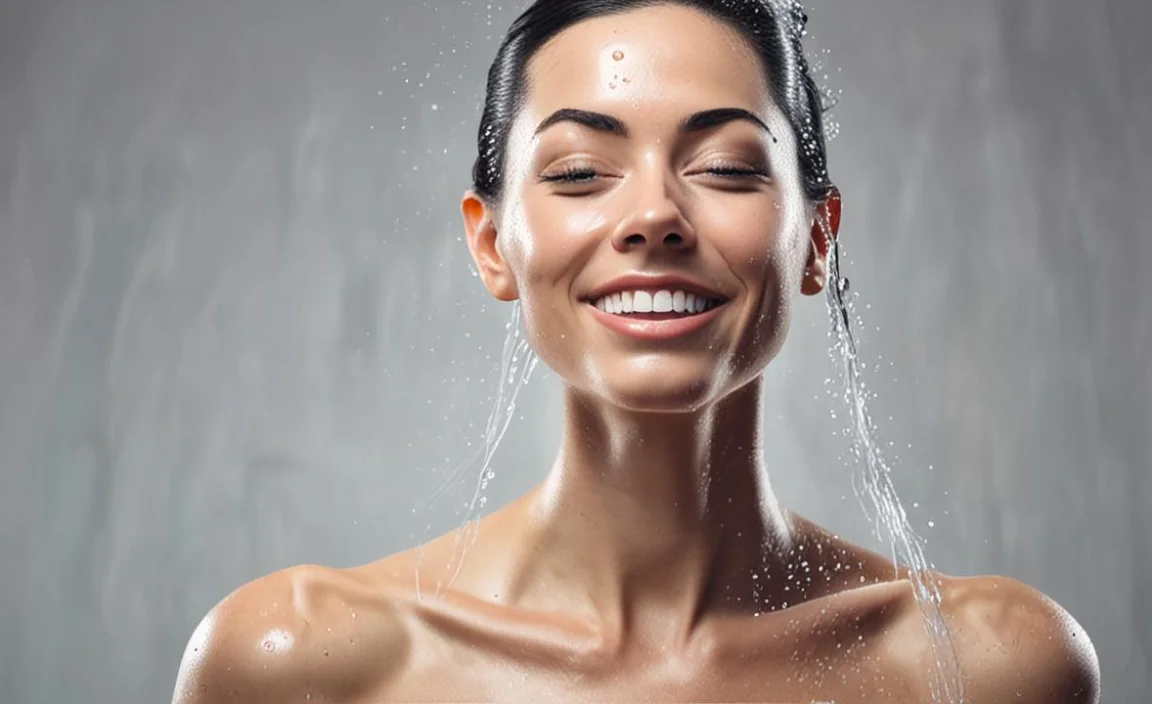
Drinking water is key for staying hydrated. But there are other ways to boost your hydration levels. Eating water-rich foods can help. Fruits like watermelon and cucumbers are great choices. They’re full of water and nutrients. They can help to keep your skin hydrated from the inside out. Avoid drinks that dehydrate you. Sugary sodas and alcohol can actually pull water out of your body. This can leave your skin feeling dry and tight. Use a humidifier in your home. This will add moisture to the air. It can help to prevent your skin from drying out, especially in the winter. Protect your skin from the sun. Sun exposure can damage your skin. It can also lead to dehydration. Wear sunscreen when you’re outdoors. Stay in the shade during the hottest part of the day. By following these tips, you can stay hydrated and keep your skin healthy.
- Eat water-rich fruits and veggies.
- Avoid sugary drinks and alcohol.
- Use a humidifier at home.
- Protect your skin from the sun.
- Get enough sleep.
- Manage stress levels.
Getting enough sleep is also important for hydration. When you sleep, your body repairs itself. It also rehydrates your skin. Aim for seven to eight hours of sleep each night. Manage your stress levels. Stress can dehydrate your body. It can also damage your skin. Find healthy ways to manage stress. Such as exercise, yoga, or meditation. Consider using a hydrating face mask once or twice a week. These masks can help to replenish your skin’s moisture levels. Pay attention to your body’s signals. If you’re feeling thirsty, drink water. Don’t wait until you’re parched to hydrate. By making these small changes, you can stay hydrated and keep your skin healthy. You can also improve your overall health and well-being.
Fun Fact or Stat: The human body is made up of about 55% to 78% water, depending on age and other factors!
What Foods Are Most Hydrating?
Some foods are more hydrating than others. Watermelon is one of the most hydrating foods you can eat. It’s made up of about 92% water. It’s also rich in vitamins and antioxidants. Cucumbers are another great choice. They’re about 96% water. They’re also low in calories. Strawberries are also hydrating. They’re about 91% water. They’re also a good source of vitamin C. Spinach is a leafy green that is also hydrating. It’s about 93% water. It’s also rich in vitamins and minerals. Celery is another hydrating vegetable. It’s about 95% water. It’s also a good source of fiber. By incorporating these foods into your diet, you can boost your hydration levels and keep your skin healthy.
How Does Exercise Affect Hydration?
Exercise is great for your health. But it can also dehydrate you. When you exercise, you sweat. This means you lose water and electrolytes. It’s important to replace these fluids. Drink water before, during, and after exercise. If you’re exercising for more than an hour, drink a sports drink. Sports drinks contain electrolytes. These help to replenish what you’ve lost in sweat. Avoid sugary drinks and alcohol. These can dehydrate you. Listen to your body. If you’re feeling thirsty, drink water. Don’t wait until you’re parched to hydrate. By following these tips, you can stay hydrated. You can also enjoy the benefits of exercise without dehydrating your body.
What About Air Conditioning and Heating?
Air conditioning and heating can both dry out your skin. Air conditioning removes moisture from the air. This can leave your skin feeling dry and tight. Heating can also dry out your skin. Especially if it’s forced-air heating. Use a humidifier in your home. This will add moisture to the air. It can help to prevent your skin from drying out. Avoid sitting directly in front of an air conditioner or heater. This can exacerbate the drying effects. Moisturize your skin regularly. Especially after showering or washing your hands. Drink plenty of water. This will help to keep your skin hydrated from the inside out. By following these tips, you can protect your skin from the drying effects of air conditioning and heating.
When to See a Doctor About Dry Skin
Sometimes, dry skin is more than just a minor inconvenience. It can be a sign of an underlying medical condition. If your dry skin is severe or persistent, it’s important to see a doctor. If you have other symptoms, such as itching, redness, or inflammation, see a doctor. If your dry skin is interfering with your daily activities, see a doctor. They can help you determine the cause of your dry skin. They can recommend appropriate treatment. They may also refer you to a dermatologist. A dermatologist is a doctor who specializes in skin conditions. They can provide more specialized care. Don’t ignore persistent or severe dry skin. It could be a sign of something more serious. Seek medical attention to get the help you need.
- Severe or persistent dry skin.
- Itching, redness, or inflammation.
- Interference with daily activities.
- Signs of infection.
- Underlying medical conditions.
- If home remedies don’t work.
If you notice any signs of infection, such as pus, swelling, or fever, see a doctor immediately. An infection can make your dry skin worse. It can also lead to more serious health problems. If you have an underlying medical condition, such as diabetes or thyroid disease, see a doctor. These conditions can contribute to dry skin. If home remedies, such as moisturizers, don’t work, see a doctor. They can prescribe stronger treatments. They can also help you identify any underlying causes of your dry skin. Remember, it’s always better to be safe than sorry. If you’re concerned about your dry skin, see a doctor. They can provide the care you need to keep your skin healthy.
Fun Fact or Stat: Dry skin affects millions of people worldwide and can be more common in older adults due to decreased oil production!
What Conditions Cause Dry Skin?
Several medical conditions can cause dry skin. Eczema is a common skin condition that causes dry, itchy, and inflamed skin. Psoriasis is another skin condition that causes thick, red, and scaly patches of skin. Diabetes can also cause dry skin. High blood sugar levels can damage the nerves and blood vessels. This can lead to decreased blood flow to the skin. Thyroid disease can also cause dry skin. An underactive thyroid gland can lead to decreased oil production. Kidney disease can also cause dry skin. The kidneys help to regulate fluid balance in the body. If the kidneys aren’t working properly, it can lead to dehydration and dry skin. Certain medications can also cause dry skin. These include diuretics, antihistamines, and acne medications. If you have any of these conditions, talk to your doctor about how to manage your dry skin.
When Is It More Than Just Dryness?
Sometimes, dry skin can be a symptom of a more serious underlying condition. If your dry skin is accompanied by other symptoms, such as fatigue, weight loss, or hair loss, see a doctor. These symptoms could indicate a thyroid problem or another medical condition. If your dry skin is accompanied by joint pain or muscle weakness, see a doctor. These symptoms could indicate an autoimmune disorder. If your dry skin is accompanied by changes in your bowel habits, see a doctor. These symptoms could indicate a digestive problem. If your dry skin is accompanied by mental health issues, such as depression or anxiety, see a doctor. These symptoms could indicate a mental health condition. It’s important to pay attention to your body and seek medical attention if you have any concerns.
How Can a Doctor Help?
A doctor can help you determine the cause of your dry skin. They can perform a physical exam and ask you about your medical history. They may also order blood tests or other tests to rule out any underlying medical conditions. A doctor can recommend appropriate treatment for your dry skin. This may include prescription medications, such as topical corticosteroids or antihistamines. They can also recommend lifestyle changes, such as using a humidifier or avoiding harsh soaps. A doctor can refer you to a dermatologist if needed. A dermatologist can provide more specialized care for your skin. They can also perform procedures, such as biopsies, to diagnose skin conditions. By seeking medical attention, you can get the help you need to manage your dry skin and keep your skin healthy.
Summary
So, does showering hydrate you? Not in the same way as drinking water. Showers mostly affect the outer layers of your skin. Drinking water hydrates your body from the inside out. Hot showers can actually dry out your skin by stripping away natural oils. Cooler, shorter showers are better for retaining moisture. Moisturizing after showering is essential to lock in any absorbed water. Choose gentle soaps and avoid harsh chemicals. Eat water-rich foods and drink plenty of fluids. If you have persistent dry skin, see a doctor. Staying hydrated involves a combination of internal and external care.
Conclusion
While showers are important for hygiene, they aren’t a primary source of hydration. Drinking water is still the best way to hydrate your body. Short, cool showers followed by moisturizing can help your skin. Remember to choose gentle soaps and avoid harsh chemicals. Does showering hydrate you deeply? No, but it can contribute to overall skin health when done right. Combine good showering habits with plenty of water for the best results!
Frequently Asked Questions
Question No 1: Does showering hydrate you internally like drinking water?
Answer: No, showering does not hydrate you internally in the same way that drinking water does. When you drink water, it is absorbed into your bloodstream and distributed throughout your body, hydrating your cells and organs from the inside out. Showering, on the other hand, primarily hydrates the outer layers of your skin. While some water may be absorbed, it doesn’t reach your internal organs or provide the same level of systemic hydration as drinking water. Therefore, it’s important to drink plenty of water throughout the day to stay properly hydrated, regardless of how often you shower.
Question No 2: Can taking long showers dry out my skin?
Answer: Yes, taking long showers, especially with hot water, can indeed dry out your skin. Hot water strips away the natural oils that protect your skin and help it retain moisture. The longer you stay in the shower, the more oils are washed away, leaving your skin feeling tight, itchy, and dry. To prevent this, try to keep your showers short, no more than 5-10 minutes. Also, use lukewarm or cool water instead of hot water. Pat your skin dry gently after showering, and apply a moisturizer immediately to lock in any remaining moisture. So while a quick shower can be refreshing, prolonged exposure to water, particularly hot water, can have a dehydrating effect on your skin.
Question No 3: What kind of soap is best for hydrating skin while showering?
Answer: When choosing a soap for hydrating your skin while showering, look for gentle, moisturizing formulas. Avoid soaps that contain harsh chemicals, such as sulfates and parabens, as these can strip away your skin’s natural oils and lead to dryness. Instead, opt for soaps that are labeled as “moisturizing” or “for dry skin.” These soaps often contain ingredients like glycerin, shea butter, aloe vera, or natural oils, which help to hydrate and nourish your skin. Fragrance-free soaps are also a good choice, as artificial fragrances can sometimes irritate sensitive skin. Always read the labels carefully and choose products that are specifically designed to hydrate and protect your skin’s natural moisture barrier.
Question No 4: How soon after showering should I apply moisturizer?
Answer: You should apply moisturizer as soon as possible after showering, ideally within three minutes of stepping out of the shower. This is because your skin is still damp, and the moisturizer will help to trap the water on your skin’s surface. This helps to lock in the moisture and prevent it from evaporating, keeping your skin hydrated for longer. Pat your skin dry gently with a towel, leaving it slightly damp, and then apply a generous amount of moisturizer all over your body. Pay extra attention to areas that tend to be drier, such as your elbows, knees, and feet. By moisturizing immediately after showering, you can maximize the hydrating benefits and keep your skin feeling soft and supple.
Question No 5: Can certain shower products help with skin hydration?
Answer: Yes, certain shower products can definitely help with skin hydration. Look for shower gels or body washes that contain moisturizing ingredients such as glycerin, shea butter, aloe vera, or natural oils. Shower oils are also a great option, as they help to lock in moisture while you’re still in the shower. Avoid products that contain harsh sulfates or fragrances, as these can strip away your skin’s natural oils and lead to dryness. You can also use a moisturizing scrub once or twice a week to gently exfoliate your skin and remove dead skin cells, allowing your moisturizer to penetrate more effectively. Remember, does showering hydrate you as much as drinking water? No, but the right products can certainly enhance your skin’s hydration levels.
Question No 6: Does the time of year affect how showers impact my skin’s hydration?
Answer: Yes, the time of year can significantly affect how showers impact your skin’s hydration. During the winter months, the air tends to be drier, both indoors (due to heating systems) and outdoors. This can lead to increased water loss from your skin, making it more prone to dryness. In contrast, during the summer months, the air is often more humid, which can help to keep your skin hydrated. Therefore, you may need to adjust your showering habits and skincare routine depending on the season. In the winter, consider taking shorter, cooler showers and using a richer moisturizer. In the summer, you may be able to get away with lighter moisturizers. Always pay attention to your skin’s needs and adjust your routine accordingly.

