Compost piles are great for recycling waste. They help turn kitchen scraps and yard waste into useful soil. But have you heard about spontaneous combustion in compost piles? Some people think it can happen. If you’ve ever wondered whether this is a myth or a fact, you’re not alone. Let’s explore this fascinating topic together!
Can compost piles really catch fire on their own? This idea sounds strange. After all, we usually think of fire as needing a spark. However, compost piles can get very hot. This heat can sometimes lead to fires. But is this really common? Or is it just a scary story?
Understanding the truth about this topic is important. It helps us make better compost. It also keeps us safe. So, is spontaneous combustion in compost piles myth or fact? Let’s dig deeper!
Key Takeaways
- Spontaneous combustion in compost piles is rare.
- Proper compost management prevents fires effectively.
- Heat builds up in compost from natural processes.
- Signs of a hot compost pile can be helpful.
- Understanding myths helps us use compost safely.
Spontaneous Combustion in Compost Piles: What Is It?
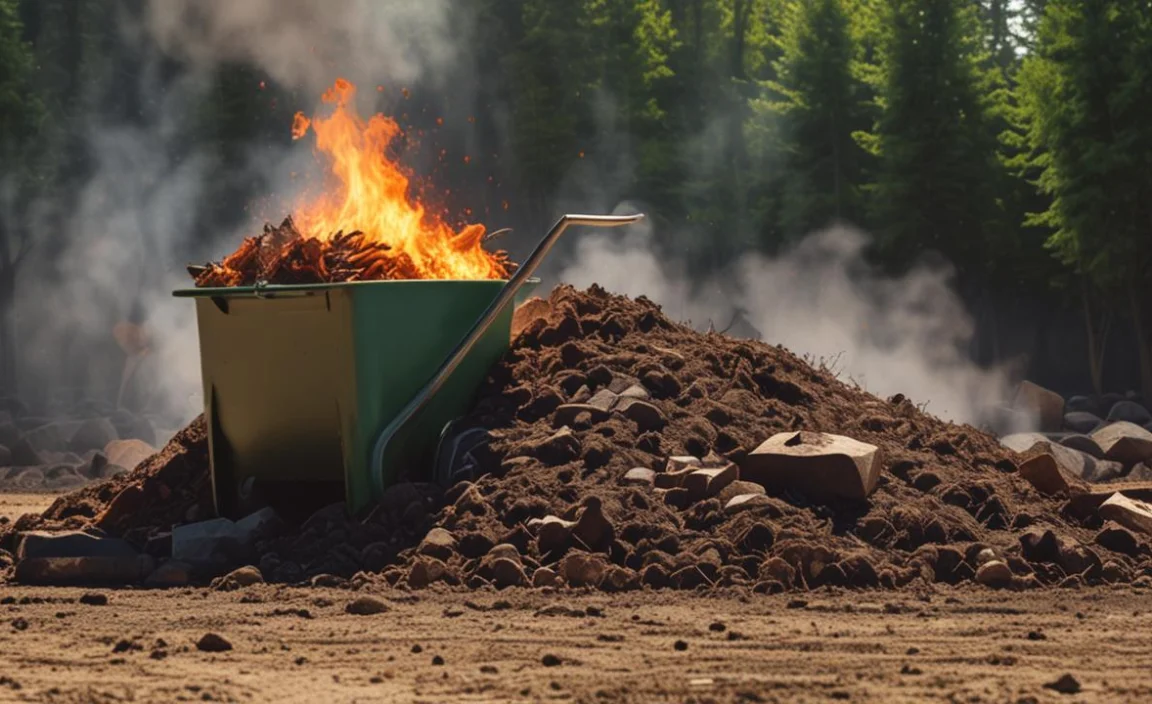
Spontaneous combustion happens when materials heat up and catch fire without an external spark. In compost piles, this can occur due to the heat generated by decomposing organic matter. When compost piles are not managed properly, they can get very hot. This heat can reach temperatures that ignite dry materials. But how often does this really happen? It’s important to learn what causes these high temperatures and how we can prevent them.
- Decomposing materials generate heat naturally.
- High temperatures can lead to combustion.
- Oxygen is needed for fires to start.
- Moisture levels also play a role.
- Temperature can be monitored with a thermometer.
Knowing how heat builds in compost helps gardeners manage their piles. Regular turning of the compost can help balance the temperature. Keeping moisture levels right also prevents overheating. So, while spontaneous combustion in compost piles seems unlikely, it can occur under certain conditions. Managing your pile wisely is the key to preventing it.
Fun Fact or Stat: Compost piles can reach temperatures over 160°F!
Signs of a Hot Compost Pile
How can you tell if your compost pile is getting too hot? First, the smell can change. A healthy compost pile smells earthy. If it smells bad, it might be too hot. You might also notice steam rising. This can be a sign of high heat. Checking the temperature can also help. Use a compost thermometer for accuracy. Knowing these signs can help you manage your compost better.
How to Monitor Compost Temperature
Monitoring compost temperature is easy. A compost thermometer has a long probe. You insert it into the pile to check the heat. The temperature should ideally be between 130°F and 160°F. If it gets higher than that, turn the pile. Turning helps cool it down and adds air, which is needed for decomposition. Keeping temperatures in check is an important step in safe composting.
How to Prevent Spontaneous Combustion
Preventing spontaneous combustion is simple with good practices. First, make sure your compost pile is not too dry. Moisture helps keep the temperature down. Second, mix in different materials for better airflow. Third, turn the pile often. This action adds oxygen, cooling the compost down. With these steps, you can enjoy composting without worry.
Fun Fact or Stat: Most compost piles do not reach dangerous temperatures!
Spontaneous Combustion in Compost Piles: Common Misconceptions
Many myths surround composting. One common myth is that all compost piles will spontaneously combust. This idea can scare people from composting. But in reality, most compost piles are safe. The chances of a fire happening are very low if managed well. Understanding these misconceptions helps us compost safely and effectively. Let’s clear up some of these myths!
- All compost piles catch fire easily.
- You need special materials to compost.
- Turning compost is not necessary.
- Only dry compost can catch fire.
- Compost must be fully dry to decompose.
Composting is a natural process. When we add the right materials and manage them well, we can avoid problems. Understanding these misconceptions helps everyone feel more confident about composting. The more we know, the better we can compost!
Fun Fact or Stat: Most fires from composting happen due to poor management!
Myth: Composting is Dangerous
Many people believe composting is dangerous. They worry about fires and smells. But with proper care, composting is safe. Most backyard compost piles do not catch fire. Keeping the pile moist and turning it regularly helps. Learning about compost helps us enjoy its benefits. Plus, composting reduces waste and helps our planet!
Myth: Only Certain Materials Can Be Composted
Some think that only specific materials can be composted. This is not true! Almost all kitchen scraps can go into your compost. Fruits and vegetables, coffee grounds, and even eggshells are great. However, some items should never be composted, like meat or dairy products. Learning what can and cannot go in helps everyone compost successfully!
Myth: Composting Takes Too Long
People often say composting takes forever. While it can take a few months, it can be sped up. Regularly turning the pile and adding water helps speed up decomposition. You can use a compost bin too! Many gardeners find that their compost is ready in less than three months. With patience and care, composting is quick and rewarding!
Fun Fact or Stat: Composting can reduce waste by up to 30%!
Spontaneous Combustion in Compost Piles: How It Happens
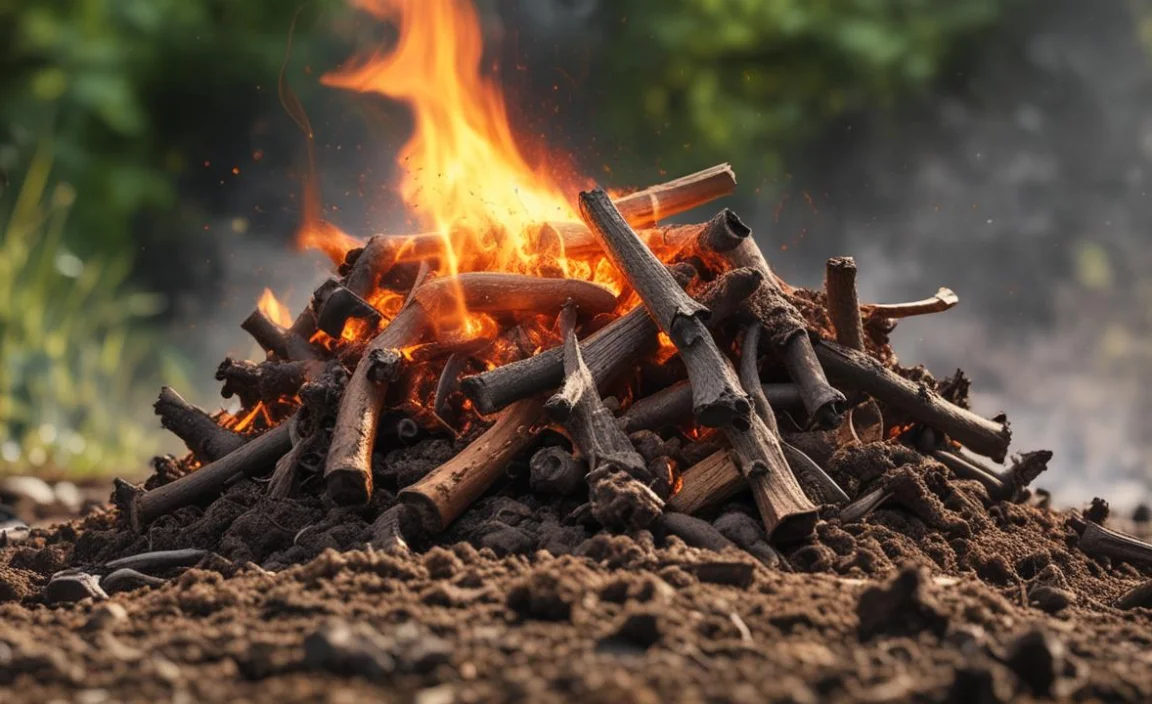
Understanding how spontaneous combustion can occur is important. As organic materials break down, they create heat. When temperatures rise too high without air, a fire can ignite. This process usually happens in large piles. The heat builds up inside, while the outside stays cooler. If there is not enough moisture, it can lead to combustion. Understanding these processes helps composters manage their piles better.
- Decomposition creates heat from microbial activity.
- Dry materials can easily ignite.
- Oxygen levels must be balanced.
- Too much nitrogen can cause excess heat.
- Proper moisture levels keep temperatures lower.
By learning how spontaneous combustion happens, composters can take action. Monitoring temperature and moisture can prevent these dangerous situations. Good compost management is key to successful composting and safety. Understanding how the process works can make composting even more rewarding!
Fun Fact or Stat: Most compost should stay cool enough to avoid combustion!
Understanding Heat Generation in Compost
Heat generation is a natural part of composting. Microorganisms work hard to break down materials. As they eat and grow, they release heat. This is why compost piles can feel warm. Managing this heat is important. Adding brown materials provides balance. Brown materials are dry, like leaves or straw. They mix well with green materials like food scraps. This balance helps keep temperatures safe!
The Role of Oxygen in Composting
Oxygen is crucial for healthy compost. It helps bacteria and fungi do their job. When compost piles are compacted, air cannot reach the middle. This can cause excess heat. To keep your compost pile healthy, turn it often. This action mixes air in and cools the pile down. Keeping the right balance of air and moisture helps prevent fires.
Moisture Levels and Fire Risk
Moisture is another important factor in composting. Too much moisture can cause odors, while too little can lead to overheating. The right amount of moisture is key. A good rule is to keep the compost pile as damp as a wrung-out sponge. A moisture meter can be helpful. This tool takes the guesswork out of maintaining the right levels. Proper moisture helps keep your compost safe!
Fun Fact or Stat: Keeping compost moist can speed up decomposition!
The Importance of Proper Compost Management
Good compost management is essential. It helps us avoid problems like spontaneous combustion. When we manage our compost properly, we create nutrient-rich soil. This soil benefits gardens and reduces waste. Simple steps can make a big difference. Regularly turning the pile, checking moisture, and balancing materials are all key. Proper management leads to happy gardening!
- Regularly turn your compost for airflow.
- Monitor moisture to keep it balanced.
- Mix browns and greens for healthy compost.
- Use a thermometer to watch temperatures.
- Avoid adding too much of one type of material.
By practicing good compost management, we can enjoy all the benefits of compost without fear. Keeping our compost healthy leads to great results in our gardens. Plus, it supports a cleaner planet. Composting is a natural way to recycle, and we can do it safely!
Fun Fact or Stat: Healthy compost can improve garden soil by adding nutrients!
Creating a Composting Plan
Creating a composting plan can help keep everything organized. Decide where to place your compost bin or pile. Choose a spot that gets some sun and shade. Next, figure out what materials to add. Keep a mix of greens and browns. You can even make a chart to track what you add each week. A plan can help you stay on top of your composting!
Regular Maintenance for Success
Regular maintenance is key to successful composting. Make it a habit to check your compost every week. Turn the pile to add air and monitor moisture. Keep an eye on the temperature too. Simple tasks like these can help ensure your compost stays healthy. Over time, you’ll see the benefits in your garden!
Recognizing When Compost Is Ready
Knowing when your compost is ready is satisfying. Finished compost looks dark and crumbly. It smells earthy and fresh. If you can no longer see the original materials, it’s likely done. You can use it to enrich your garden soil. Recognizing these signs helps you know your efforts have paid off!
Fun Fact or Stat: Finished compost can take 2-6 months to mature!
Spontaneous Combustion in Compost Piles: Facts and Safety Tips
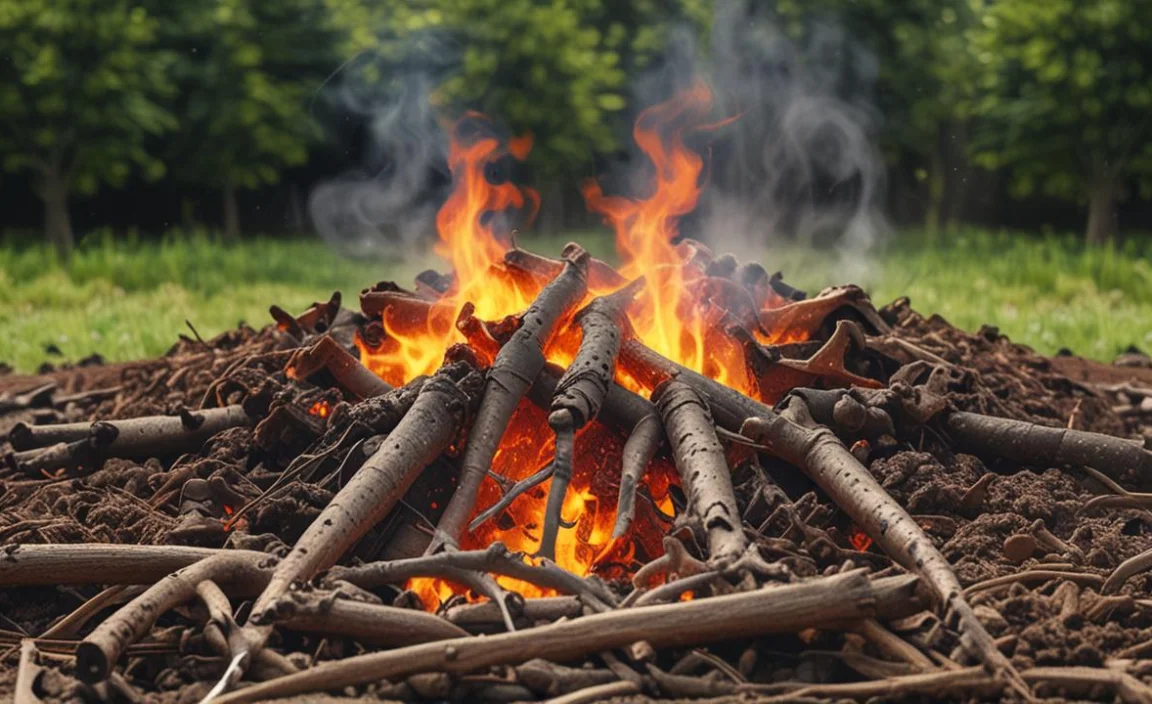
Understanding the facts about spontaneous combustion can help keep you safe. Remember that it is rare but possible. Knowing the signs and how to manage your compost is important. Always keep an eye on temperature and moisture. If you notice any issues, take action right away. Following safety tips can help prevent any dangerous situations.
- Always monitor compost temperature regularly.
- Keep moisture levels balanced in the pile.
- Avoid using highly flammable materials.
- Turn the pile often to add air.
- Know when to call for help if needed.
By following these guidelines, you can enjoy composting safely and effectively. Being aware of potential issues helps everyone stay safe and supports better gardening. Composting is a wonderful way to help the environment, and knowledge is power!
Fun Fact or Stat: Most composting fires can be prevented with good practices!
Understanding Fire Safety Around Compost
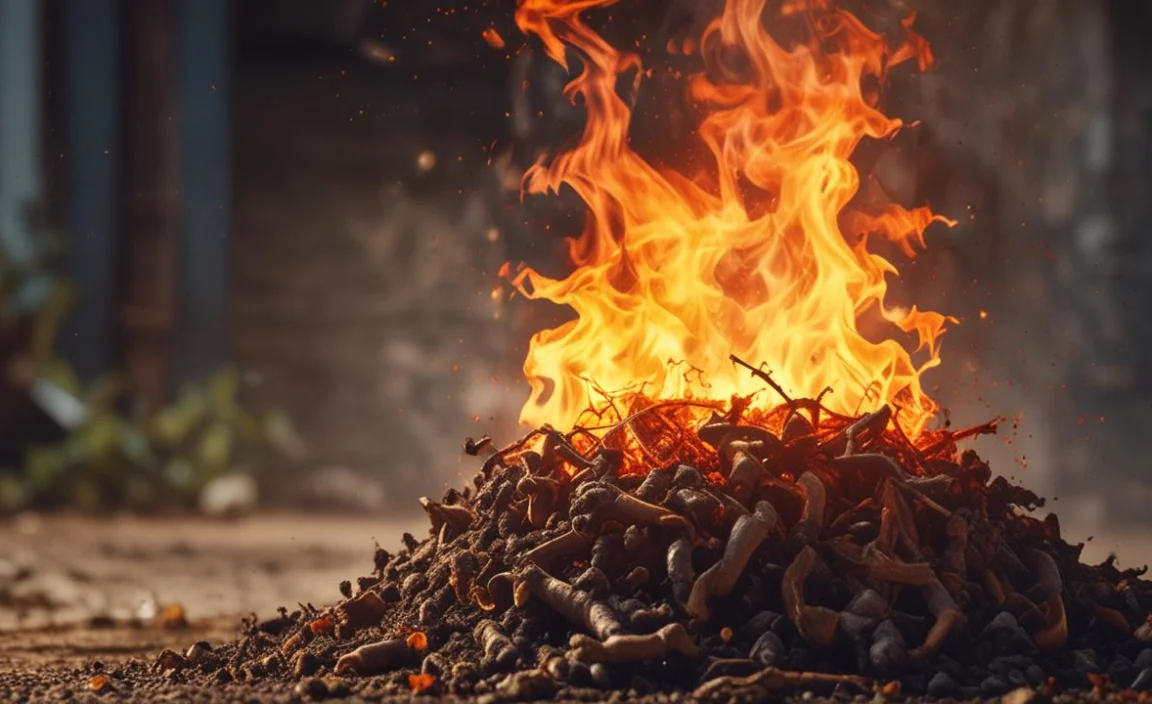
Fire safety is important for everyone composting. Always keep your compost pile away from flammable structures. This includes fences, sheds, or trees. If you’re composting near your home, choose a safe spot. In case of a fire, having a hose nearby can help. Being prepared ensures that your composting journey is fun and safe!
When to Seek Help for Fires
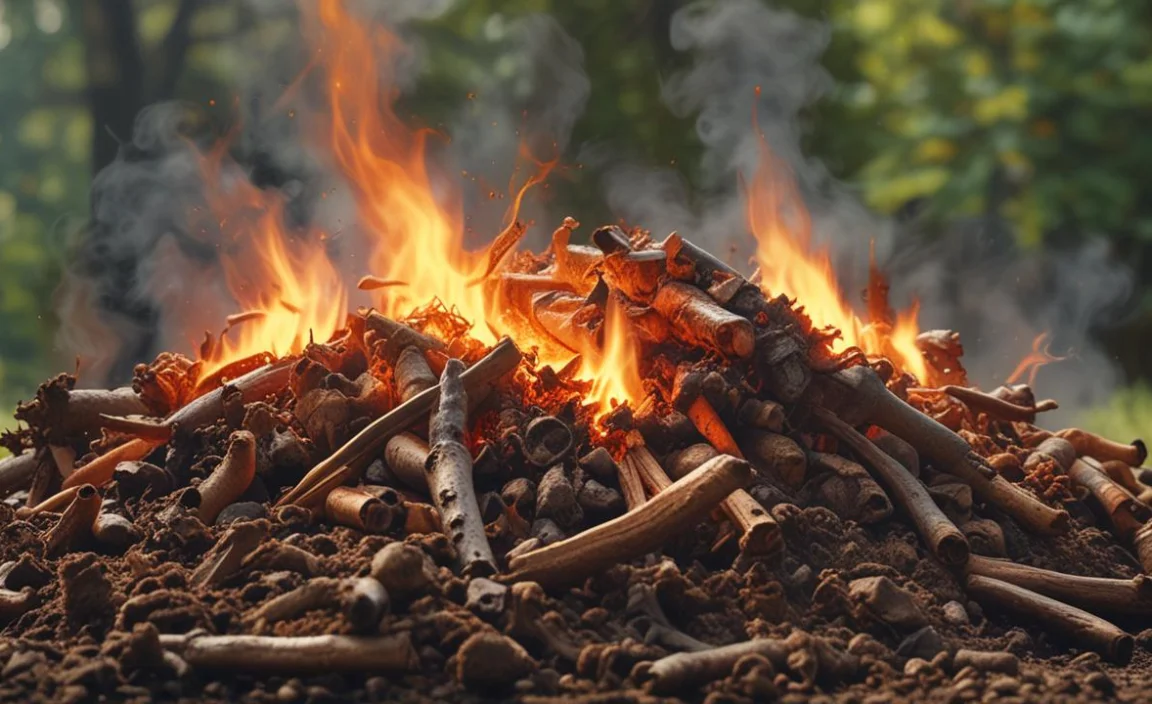
It’s important to know when to seek help. If your pile gets too hot and you can’t cool it, call for help. Fire departments are trained to handle these situations. You can work with them to ensure safety. Knowing when to ask for help keeps everyone safe and prevents larger problems.
Sharing Your Composting Experience
Sharing your composting experience can help others learn. Join a gardening group in your community. Share tips and tricks for safe composting. You can even help educate others about spontaneous combustion. Working together helps everyone enjoy the benefits of composting while staying safe.
Fun Fact or Stat: Sharing knowledge can improve community gardening efforts!
Summary
In summary, spontaneous combustion in compost piles is rare but possible. Understanding how it happens helps us manage our compost better. Regular monitoring and good practices keep compost piles safe. Knowing the facts helps dispel myths and encourages safe composting. We can all enjoy the benefits of composting while minimizing risks.
Conclusion
In conclusion, spontaneous combustion in compost piles is mainly a myth. With proper care, composting can be safe and rewarding. Monitoring heat, moisture, and airflow is key. Let’s enjoy composting while keeping it safe for everyone!
Frequently Asked Questions
Question No 1: Can compost piles really catch fire?
Answer: Yes, compost piles can catch fire, but it is rare. This usually happens when piles become too hot without enough air. Proper management, like turning the pile and checking moisture, helps prevent this. Understanding the risks can help everyone feel safer while composting.
Question No 2: What are signs of too hot compost?
Answer: Signs include a strong odor, steam rising, or very high temperatures. If your compost reaches over 160°F, it may be too hot. Regularly monitor your pile to prevent issues. Proper management helps keep composting safe and effective.
Question No 3: How can I cool a hot compost pile?
Answer: To cool a hot compost pile, turn it to add air. This helps lower the temperature. You can also add moisture if it is dry. Managing your compost well is the best way to prevent overheating and possible spontaneous combustion.
Question No 4: Are there specific materials that cause fires?
Answer: Yes, very dry materials can increase the risk of fire. Avoid adding too much dry grass or leaves. Mixing in green materials helps balance the pile. Good management practices reduce the chance of spontaneous combustion.
Question No 5: What should I do if my compost catches fire?
Answer: If your compost catches fire, call for help immediately. Fire departments can assist in controlling the fire. Make sure to keep a safe distance until help arrives. Knowing how to act quickly can save your property and keep everyone safe.
Question No 6: How can I share composting tips with friends?
Answer: You can share tips by organizing a composting workshop. Invite friends to learn about the process together. Share your experiences and discuss common myths, like spontaneous combustion in compost piles. Working together helps spread knowledge in your community!

