Curing onions is an important task. It helps keep them fresh for a long time. Have you ever wondered how to store onions for winter? Properly cured onions can last for months. This article will teach you about curing onions for long term winter storage.
Onions are a staple in many kitchens. They add flavor to many dishes. But they can spoil quickly if not stored properly. Curing onions can help them last longer. It’s a simple process that anyone can do. Let’s dive into how to cure onions so they stay fresh throughout winter.
Key Takeaways
- Curing onions for long term winter storage is essential.
- Onions need a dry, warm place to cure.
- Check onions regularly for signs of rot.
- Store cured onions in a cool, dark place.
- Proper curing can prevent spoilage and waste.
Curing Onions: What Does It Mean?
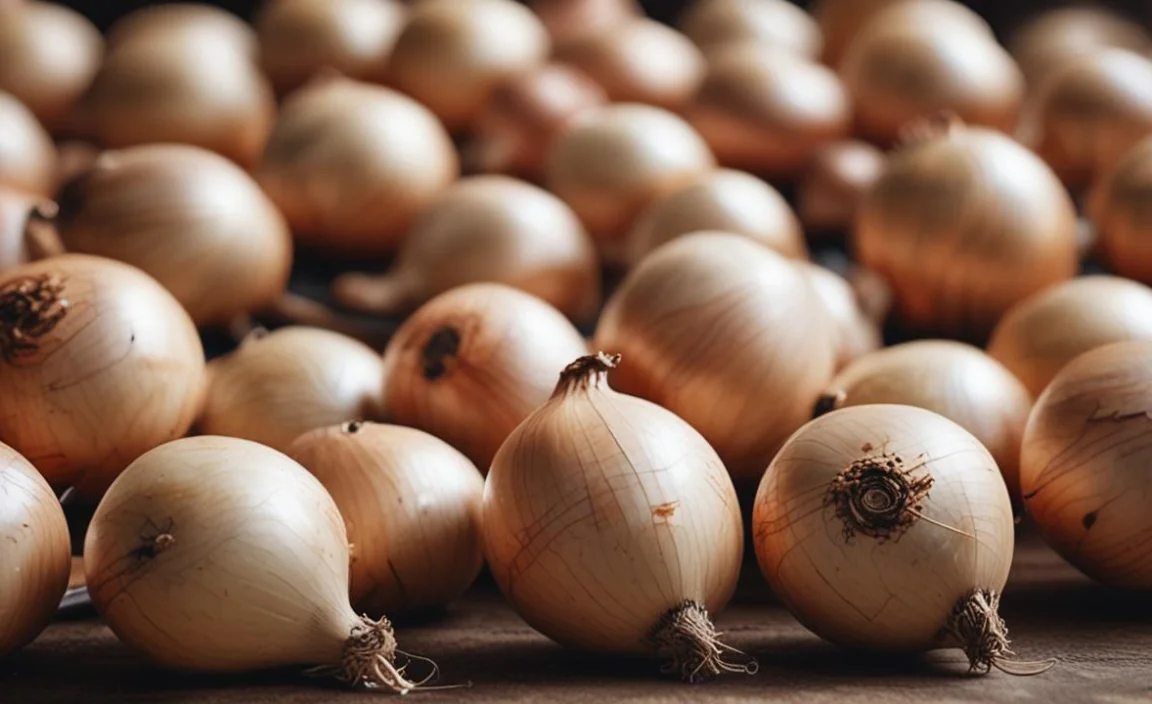
Curing onions means drying them after harvest. This process helps them store well. When you cure onions, you remove moisture. Too much moisture can lead to rot. You want your onions to be dry but not too dried out. Curing helps them keep their flavor and texture. A good cure can make your onions last through winter. Have you ever seen a big pile of onions drying in the sun? That’s curing in action!
- Curing improves flavor and texture.
- It helps to prevent spoilage.
- Good curing requires the right conditions.
- Harvest onions when they are mature.
- Drying takes about two to three weeks.
During curing, keep an eye on the weather. If it rains, bring them inside. You can cure onions indoors too. Just make sure they are in a warm and dry spot. After curing, store the onions correctly. This way, you can enjoy them all winter. Proper curing means less waste and more taste. Enjoy your homegrown onions all year long!
Fun Fact or Stat: Did you know that onions can last up to 8 months when cured properly?
Why Is Curing Important?
Curing onions keeps them fresh. When onions go bad, they can smell terrible. Curing helps to keep that smell away. Have you ever opened a bag of spoiled onions? It’s not nice! Curing also prevents mold from forming. Onions that are not cured properly can rot quickly. You wouldn’t want to waste your hard work in the garden. Proper curing means you can enjoy your onions for longer.
How Does Moisture Affect Onions?
Moisture is the enemy of stored onions. If onions hold too much water, they spoil. Curing helps to remove excess moisture. This keeps onions dry and safe. Have you ever seen an onion that was soft? That’s because it had too much moisture. By curing, you reduce the chance of this happening. Keeping onions dry allows them to last longer.
Signs of Well-Cured Onions
How can you tell if your onions are cured? Look for dry skin and necks. The tops should be shriveled and brown. Cured onions feel firm and heavy. When you cut them, the inside should be dry too. You want to avoid any mushy parts. Curing takes time, so be patient. Well-cured onions are a reward for your hard work!
Steps for Curing Onions for Winter Storage
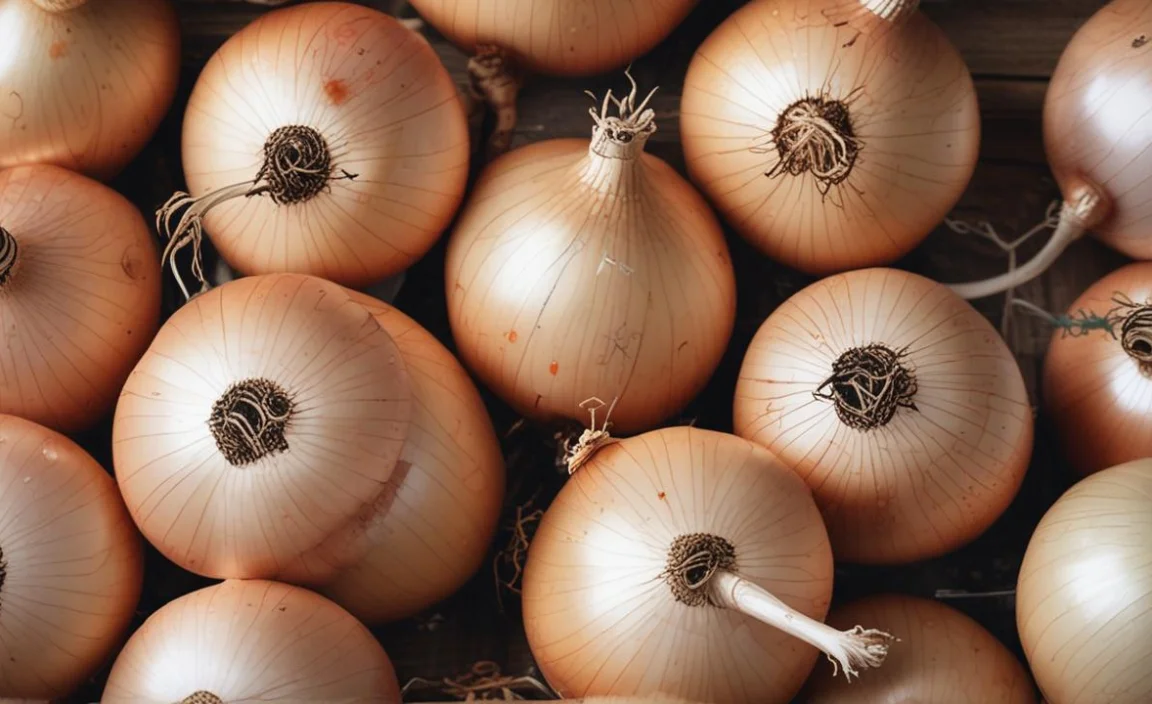
The steps to cure onions are simple. First, you need to harvest them. Pull them from the ground with care. Avoid bruising or cutting them. Next, clean off the dirt gently. You want them to be clean but not wet. After that, you need to find a good spot to cure them. A warm, dry area is best. Lay them out in a single layer. This allows air to flow around them. Keep them there for two to three weeks. After that, you can store them correctly.
- Harvest onions carefully to avoid damage.
- Clean them gently to remove dirt.
- Find a warm, dry place for curing.
- Spread onions out in a single layer.
- Allow two to three weeks for curing.
Once the curing is done, store the onions in a cool, dark place. Make sure the area has good air circulation. You can use mesh bags or baskets. Avoid plastic bags as they trap moisture. Proper storage helps maintain their quality. You want to enjoy your hard work all winter long!
Fun Fact or Stat: Properly cured onions can last up to a year!
Choosing the Right Location for Curing
Choosing the right place for curing is very important. You want a place that is warm and dry. A garage or shed can be perfect. Have you ever thought about using your attic? Just make sure it’s not too hot! Make sure the area is well-ventilated. This helps the air circulate around the onions. Avoid places with direct sunlight. Too much sun can dry them out too fast.
What to Do If It Rains?
Rain can ruin your curing process. If the weather turns wet, bring the onions inside. Find a warm space indoors. Keep them spread out so they can still dry. Too much moisture can lead to spoilage. Have you ever had to save your harvest from bad weather? It can be stressful, but it’s important. Don’t worry, just be flexible!
How to Tell if Curing Worked
Determining if your onions are cured is easy. Look for signs of dryness. The outer skins should look papery. The necks should be dry and firm. If they feel soft or look mushy, they may not be cured. This is a sign they need more time. Be patient and check them regularly. You want the best storage results!
Storing Cured Onions for Long Term Winter Storage
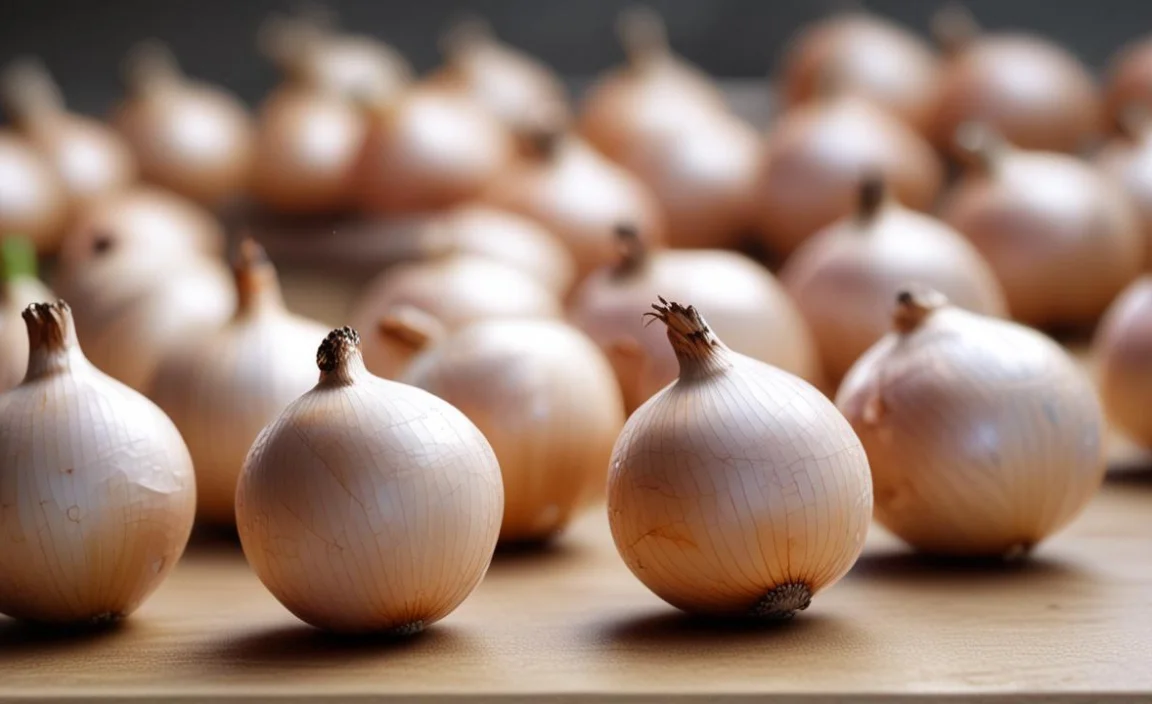
Once your onions are cured, it’s time to store them. Storing them correctly is key. First, choose a cool place. A temperature of about 32°F to 40°F works best. Next, keep them in a dark area. Light can cause sprouting. Make sure the storage container allows airflow. Good options include mesh bags or wooden crates. Check your onions every few weeks. Remove any that are bad to keep the rest safe.
- Choose a cool, dark place for storage.
- Use mesh bags or wooden crates.
- Check regularly for any spoiled onions.
- Keep stored onions away from sunlight.
- Remove bad onions to avoid spoilage.
Good storage ensures your onions last through winter. You can enjoy cooking with them in soups or stews. Keeping them fresh and tasty is the goal. You’ll be happy when that cold winter hits and you have onions to use!
Fun Fact or Stat: Onions are rich in vitamins and can boost your health!
What Containers Work Best for Onions?
Choosing the right container is important for onions. You want something that allows airflow. Mesh bags are a great option. They let air move around the onions. Cardboard boxes with holes can work too. Avoid plastic bags since they trap moisture. Have you ever tried storing onions in a basket? Baskets can also be a great choice. Just make sure they are in a cool place!
How to Keep Onions Fresh?
Keeping onions fresh is all about conditions. Remember to store them in a cool, dark spot. Check them regularly for any signs of spoilage. Good air circulation is key. You don’t want them sitting in moisture. If you notice any spoiling, remove those onions right away. Have you ever saved a batch of onions by checking them? It’s like a mini treasure hunt for your kitchen!
Common Mistakes When Storing Onions
Many people make mistakes when storing onions. One common mistake is using plastic bags. They trap moisture and cause rot. Another mistake is storing them in direct sunlight. This can lead to sprouting. Some people forget to check on their onions regularly. This can lead to waste. Have you ever found an onion that went bad? It’s a reminder to stay diligent!
Comparing Different Onion Varieties for Storage
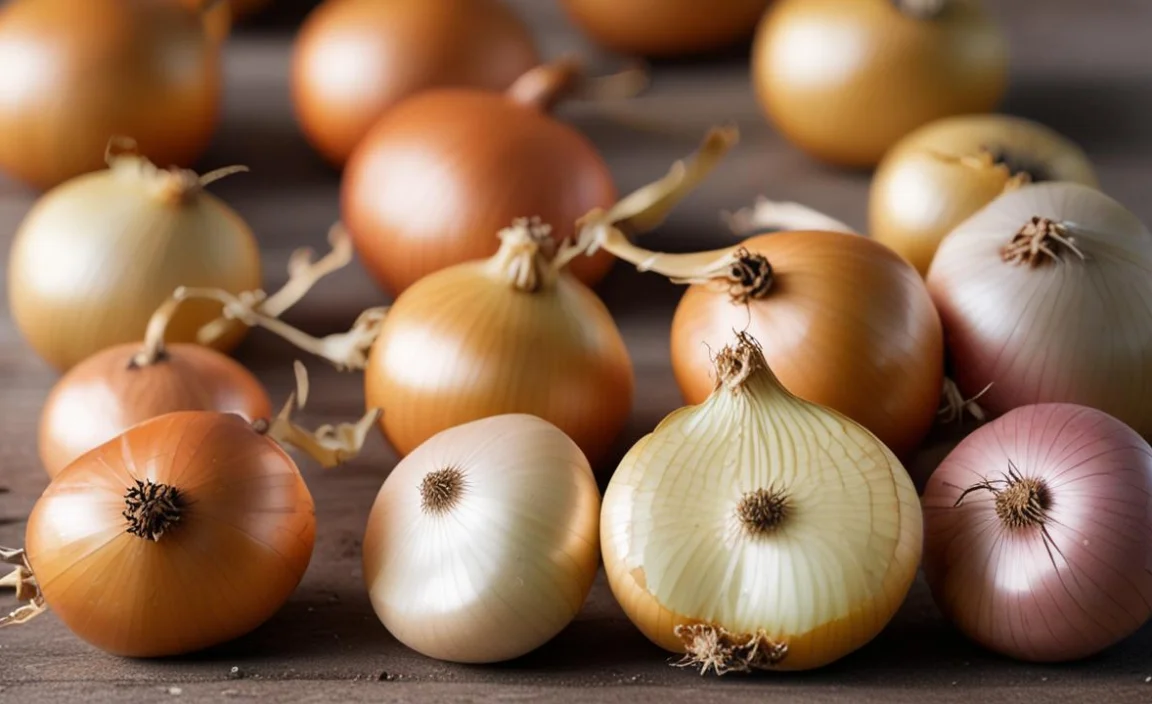
| Onion Variety | Storage Life | Best Use | Flavor Profile |
|---|---|---|---|
| Yellow Onions | 6-12 months | Cooking | Sweet and pungent |
| Red Onions | 3-6 months | Salads | Sharp and sweet |
| White Onions | 4-6 months | Salsas | Crisp and mild |
| Sweet Onions | 3-6 months | Raw eating | Very sweet |
Different onion varieties have different storage lives. Yellow onions last the longest, up to 12 months. Red and sweet onions only store for 3 to 6 months. Knowing the type of onion helps you plan. Choose your onions based on how you want to use them. You can enjoy a variety of flavors all winter long!
Fun Fact or Stat: Yellow onions are the most common type used in cooking!
What Makes Yellow Onions Special?
Yellow onions are the most popular type. They have a strong flavor that cooks well. Do you enjoy the taste of yellow onions in your meals? Their flavor makes them great for many recipes. They can last the longest in storage. Because of their versatility, they are often a favorite in households. You can use them in soups, stews, and salads!
Why Choose Red Onions?
Red onions are colorful and flavorful. They have a sharp taste that adds a kick to salads. Have you ever tried red onions on a burger? They are a great choice for toppings. While they don’t last as long, they can brighten up your meals. Red onions are a great choice if you want a fresh crunch in your food!
Using Sweet Onions in Your Cooking
Sweet onions, like Vidalia, are very tasty. They are great for eating raw. Have you ever tasted a sweet onion? They are mild and easy to enjoy. However, they don’t store as well. Use them quickly or in dishes that highlight their sweetness. They make salads and salsas delicious!
Common Problems When Curing Onions
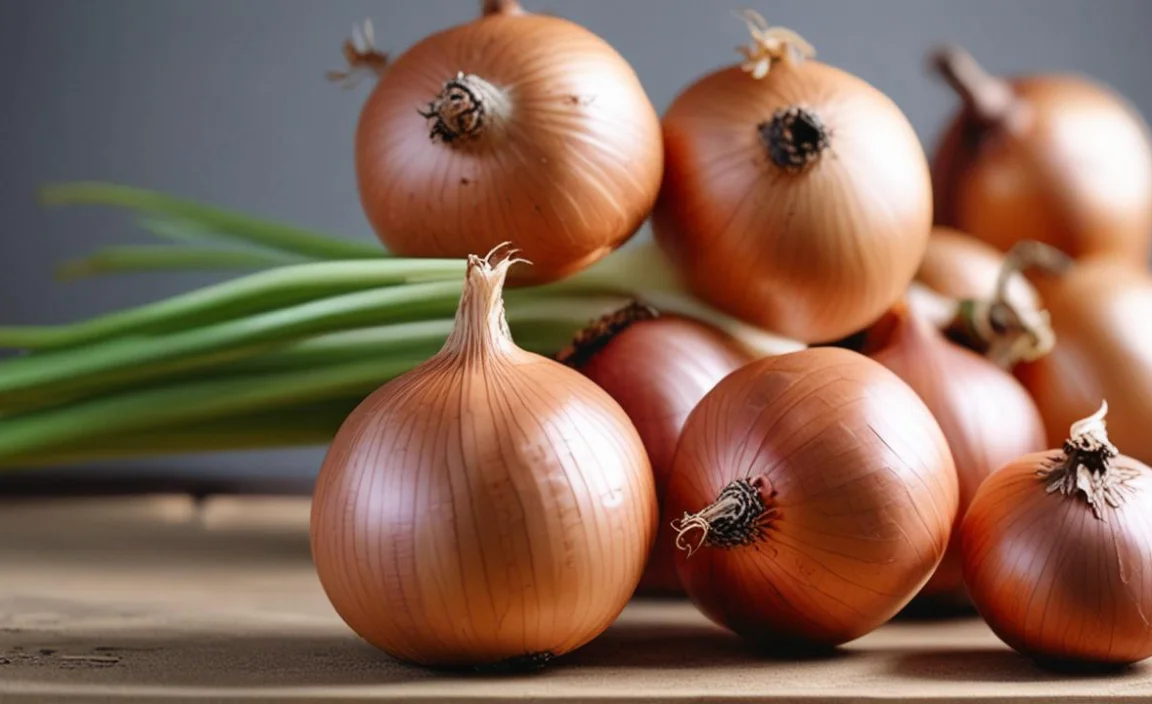
Curing onions can have its challenges. Some common problems include too much moisture. This can cause onions to spoil quickly. Other issues may involve temperature. If the area is too hot, onions may dry out too much. Have you faced these problems before? It’s important to stay aware of your curing conditions. Regularly check your onions to prevent issues from becoming worse.
- Too much moisture can lead to rot.
- High temperatures can dry onions too fast.
- Not enough air circulation can cause problems.
- Don’t store onions with potatoes; they spoil faster.
- Check for mold regularly during curing.
Being aware of these problems helps you fix them. If you see any issues, take action right away. Proper care ensures your onions stay fresh and tasty. You want to enjoy your harvest all winter long!
Fun Fact or Stat: Most onion varieties can be grown in home gardens!
How to Fix Moisture Issues
If you notice moisture in your curing area, take action. First, move onions to a drier place. Ensure there is good airflow in the area. You can also use a fan to help. Have you ever used a fan to dry clothes? It works the same way! Keeping the area dry is crucial for curing success.
Dealing with Spoiled Onions
If you find a spoiled onion, remove it immediately. Spoiled onions can affect the others. Check the rest of the batch for any signs of spoilage. You don’t want to lose your entire harvest. Have you ever had to throw away a spoiled onion? It’s frustrating, but it’s important for keeping the rest healthy!
Preventing Mold Growth
Mold can be a bad problem for onions. If your curing area is too humid, mold may grow. Try to keep it dry and well-ventilated. Have you ever seen mold grow on food? It’s not good! Regular checks can help catch mold before it spreads. If you see mold, remove those onions right away!
Summary
Curing onions for long term winter storage is important. It helps keep onions fresh and tasty. Remember to choose a warm, dry area for curing. Store them in a cool, dark place after curing. Regular checks ensure they stay good throughout winter. Enjoy your onions in your favorite dishes all season long!
Conclusion
In conclusion, curing onions for long term winter storage is simple. Follow the steps to ensure your onions last. Keep them dry and cool for best results. This process allows you to enjoy your harvest throughout winter. Happy cooking with your delicious onions!
Frequently Asked Questions
Question No 1: How long does it take to cure onions?
Answer: Curing onions takes about two to three weeks. This time allows them to dry properly. Make sure they are in a warm, dry space. Regular checks help ensure they are curing well. Remember, curing onions for long term winter storage requires patience.
Question No 2: Can I cure onions indoors?
Answer: Yes, you can cure onions indoors. Choose a warm, dry spot in your home. Just ensure they have enough airflow. Keep them spread out in a single layer. Curing onions for long term winter storage can be done anywhere with proper conditions.
Question No 3: What happens if I don’t cure onions?
Answer: If you don’t cure onions, they may spoil quickly. They can become soft and moldy. This can lead to waste and loss of your harvest. Curing onions for long term winter storage helps prevent these issues. It is essential for keeping them fresh.
Question No 4: What is the best temperature for storing onions?
Answer: The best temperature for storing onions is between 32°F and 40°F. This cool temperature helps maintain their quality. Keeping them in a dark area is also important. Proper storage allows onions to last longer and keeps them tasty. This is crucial after curing onions for long term winter storage.
Question No 5: How often should I check my stored onions?
Answer: You should check stored onions every few weeks. This helps you catch any spoiled ones early. If you notice any bad onions, remove them immediately. Regular checks prevent spoilage and waste. It’s important for maintaining the quality of your onions during storage.
Question No 6: Can I store onions with potatoes?
Answer: No, you should not store onions with potatoes. They can spoil each other. Onions release gases that can make potatoes rot faster. Keep them separate for best results. Proper storage is essential after curing onions for long term winter storage.

