Many people don’t think about their hearing while using shop tools. Did you know that loud noises can hurt your ears? Over time, this can lead to hearing loss. That’s why using hearing protection is very important. Tools like saws, drills, and grinders make a lot of noise. This noise can damage your hearing.
Hearing protection comes in many forms. You can find earplugs, earmuffs, or both. They all help block out sound. But not all hearing protection is the same! They have different ratings called NRR ratings. NRR stands for Noise Reduction Rating. Understanding the hearing protection NRR rating for shop tools is crucial.
Choosing the right hearing protection can keep your ears safe. Let’s explore how to protect your hearing while using tools.
Key Takeaways
- Choose hearing protection with a high NRR rating.
- NRR ratings help measure sound blocking ability.
- Quality protection can prevent hearing loss.
- Use hearing protection around loud shop tools.
- Always check the NRR rating for shop tools.
Understanding Hearing Protection NRR Ratings
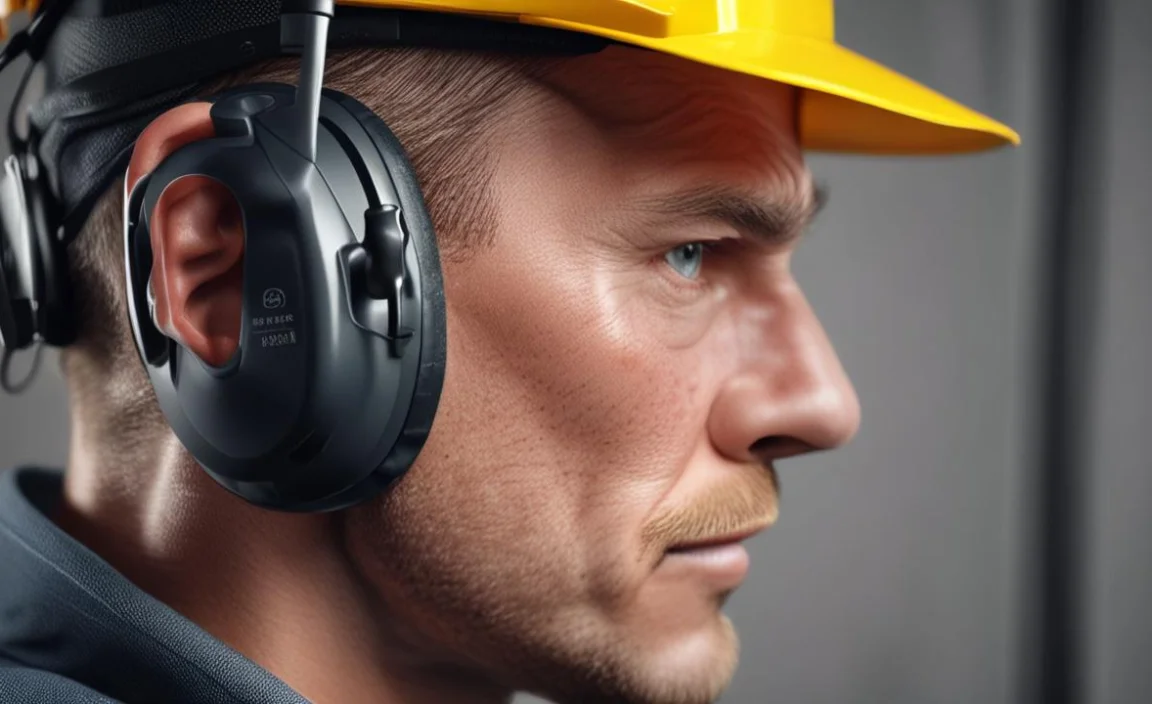
The NRR rating shows how well hearing protection works. It measures how much noise the protection can block. A higher NRR means better protection. For example, an NRR of 30 can block out more sound than an NRR of 15. This is important when using loud tools.
Before you buy hearing protection, check the NRR rating. This tells you what to expect. Some tools are noisier than others. A drill is loud, but a saw might be even louder.
- NRR ratings range from 0 to 33.
- Higher ratings mean better noise blocking.
- Different tools produce different noise levels.
- Read labels before purchasing protection.
- Consider comfort when selecting protection.
Choosing the right hearing protection with a good NRR rating is essential for safety. It helps keep your ears safe while using power tools. Always be aware of the noise levels in your environment. This knowledge helps you select the best protection.
Fun Fact or Stat: Did you know that some power tools can be louder than a rock concert?
What Tools Require Hearing Protection?
Many tools make loud sounds. If you use these tools often, you need hearing protection. Hand tools are usually quieter. But power tools like chainsaws and table saws are very loud. Have you ever used a power tool and thought, “Wow, that’s loud”? That’s when you should think about protection.
Power tools can reach noise levels over 85 decibels (dB). That’s when hearing protection becomes necessary. Over time, loud noises can cause permanent damage.
- Chainsaws can reach 110 dB.
- Table saws often reach 90 dB.
- Drills can get as loud as 95 dB.
- Grinders can reach 100 dB or more.
- Air compressors can be around 90 dB.
Always wear the right protection when using noisy tools. Your ears will thank you later. Remember that even short exposure can harm your hearing.
Fun Fact or Stat: Long exposure to sounds above 85 dB can cause hearing loss.
How to Choose the Right Hearing Protection
Choosing the right hearing protection can feel overwhelming. With so many options, how do you pick? Start by checking the NRR rating. Higher numbers mean better protection.
Next, consider comfort. If it hurts to wear, you won’t use it. Also, think about what you will be doing. Are you using a very loud tool? Then you need something with a higher NRR.
- Try on different types before buying.
- Look for adjustable earmuffs.
- Earplugs should fit snugly in your ears.
- Choose lightweight options for longer use.
- Check reviews for comfort and effectiveness.
When you find the right gear, you will feel safer. Invest time in this choice. It’s worth it for your hearing health.
Fun Fact or Stat: Most people will lose some hearing as they age, but you can protect it!
The Importance of Regular Hearing Checks
Regular hearing checks are really important. Many people don’t notice hearing loss until it’s too late. Have you ever thought about how much sound you hear? Getting your hearing checked can help catch problems early.
Doctors can check if your hearing is healthy. If they find issues, they can help. You can take steps to protect your ears.
- Get a hearing test every year.
- Early detection helps prevent further loss.
- Stay informed about your hearing health.
- Know the signs of hearing loss.
- Discuss concerns with a doctor.
Caring for your hearing is a lifelong task. Don’t wait until you have problems. Stay ahead of the game with regular check-ups.
Fun Fact or Stat: Only 15% of adults get regular hearing tests!
Common Types of Hearing Protection
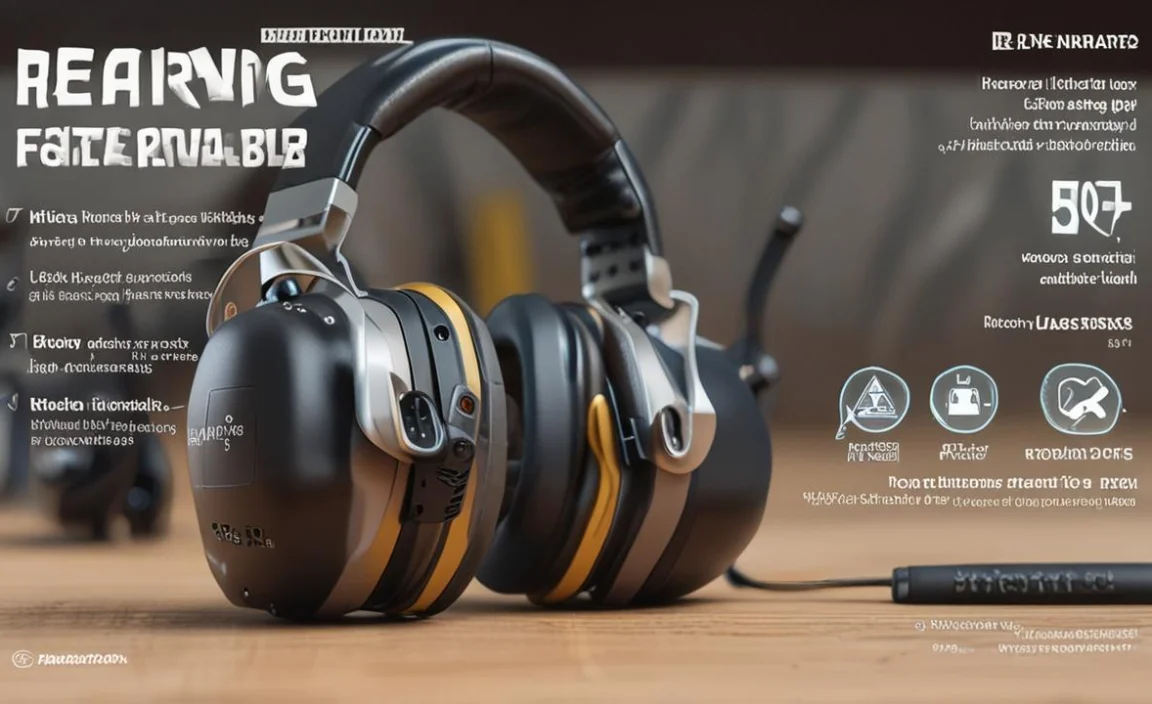
There are many types of hearing protection out there. Each type works a little differently. Some people prefer earmuffs. Others like earplugs better. It’s good to know the differences.
Earmuffs are larger and cover the entire ear. They can be very comfortable. Earplugs fit inside the ear canal. They are small and easy to carry.
- Earmuffs are great for high noise levels.
- Earplugs are less bulky and portable.
- Some earmuffs come with noise-canceling features.
- Look for reusable earplugs for cost-effectiveness.
- Try both types to see what you like best.
Finding the right type helps you stay protected. Remember that comfort matters, too. You’ll use them more often if they feel good.
Fun Fact or Stat: Many musicians use earplugs to protect their hearing!
Comparing Different Hearing Protection Options
When it comes to hearing protection, some options are better than others. Let’s look at how different types compare. Each type has its own NRR rating.
| Type of Protection | NRR Rating | Comfort Level | Price Range | Best For |
|——————–|————|—————|————-|———-|
| Earmuffs | 20-35 | High | $15-$50 | Loud tools |
| Foam Earplugs | 20-30 | Medium | $5-$20 | General use |
| Molded Earplugs | 25-32 | High | $30-$150 | Custom fit |
| Electronic Earmuffs | 25-30 | Medium | $50-$200 | Conversations |
Choosing the right protection can depend on your situation. Consider the tools you will be using. Also, think about how long you will wear them.
- Earmuffs are better for very loud environments.
- Foam earplugs are inexpensive and effective.
- Molded earplugs provide a custom fit.
- Electronic earmuffs allow for conversations.
- Compare NRR ratings before buying.
Finding a balance between comfort and protection is key. Don’t settle for less when it comes to your ears.
Fun Fact or Stat: Custom molded earplugs can last for years if cared for!
Staying Safe While Using Shop Tools
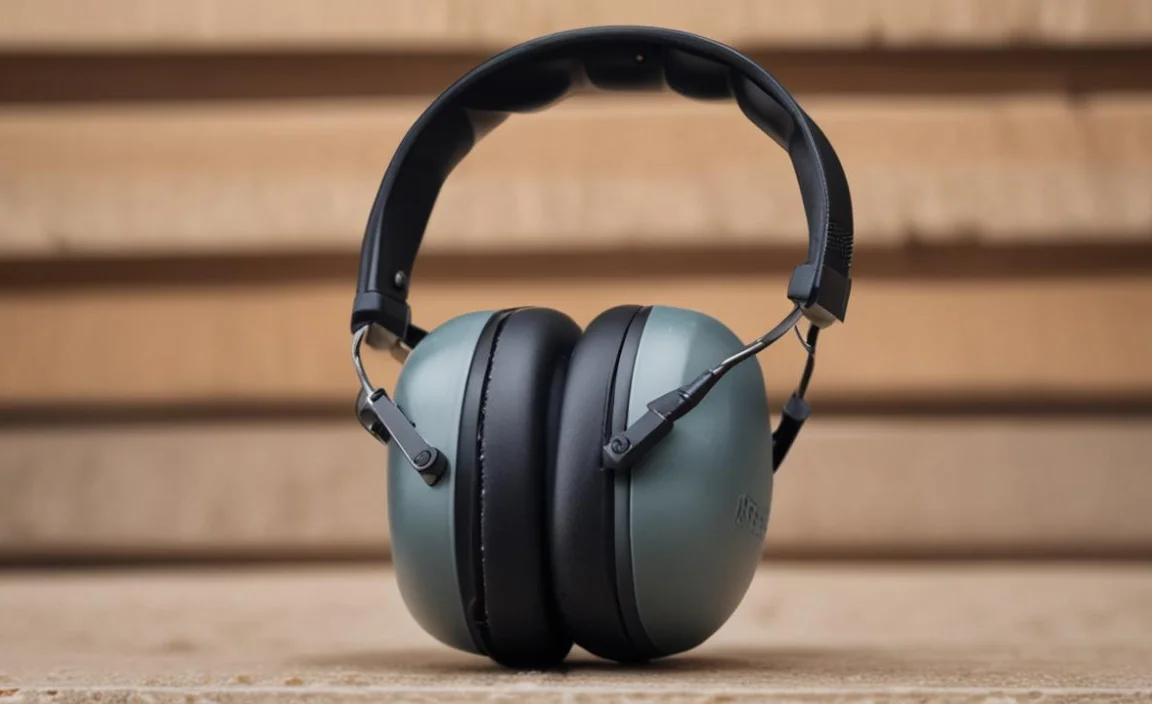
Staying safe while using shop tools is very important. Always have your hearing protection on. It can save your ears from loud noises.
Make it a habit to check your equipment. Make sure everything is working properly. This includes your hearing protection.
- Always start with a safety check.
- Keep your workspace organized and clean.
- Read the manual for each tool.
- Wear other safety gear as needed.
- Never remove hearing protection while using tools.
Following safety rules helps you avoid accidents. Protecting your hearing should always come first. With the right precautions, you can enjoy using tools without worry.
Fun Fact or Stat: Most workplace accidents happen because of a lack of safety gear!
Summary
Using the right hearing protection can save your ears. The hearing protection NRR rating for shop tools is very important. Higher ratings mean better protection from loud noises. Always choose the right protection based on the tools you use. Regular checks and knowledge can help keep your hearing safe.
Protecting your hearing should be a priority. By choosing the right gear, you can enjoy using tools safely.
Conclusion
In conclusion, knowing the hearing protection NRR rating for shop tools is vital. It helps you choose the best protection for your ears. Always wear hearing protection in loud environments. Your hearing is precious. Take care of it now to enjoy life more later.
Frequently Asked Questions
Question No 1: What is an NRR rating?
Answer: An NRR rating helps measure how much noise hearing protection can block. A higher NRR means greater protection for your ears. For example, a rating of 30 blocks more sound than a rating of 15. This is important when using loud shop tools. Always check the NRR rating before you buy!
Question No 2: Why should I wear hearing protection?
Answer: Wearing hearing protection is essential when using loud tools. Loud sounds can damage your hearing over time. Even short exposures can cause permanent damage. Using products with a good hearing protection NRR rating for shop tools helps keep your ears safe. Always put on your protection before you start working.
Question No 3: What types of hearing protection are available?
Answer: There are many types of hearing protection. Earmuffs cover the ears, while earplugs fit inside. Each offers different NRR ratings. Some earmuffs are designed for very loud environments. Choose based on comfort and the type of tools you use. Remember to check the NRR rating for shop tools before buying.
Question No 4: How often should I check my hearing?
Answer: You should get your hearing checked regularly. Most experts suggest at least once a year. Early detection can help catch problems before they become serious. Knowing your hearing health helps you protect it. If you work with loud tools, consider getting checked more often.
Question No 5: Can I use earplugs and earmuffs together?
Answer: Yes, you can use earplugs and earmuffs together. This can offer even better protection. Using both can increase the NRR rating. It is a great way to protect against really loud tools. Always check how they fit together for comfort.
Question No 6: What are some signs of hearing loss?
Answer: Signs of hearing loss can include difficulty hearing conversations or needing to raise the volume on the TV. You might also notice ringing in your ears. If you see these signs, consider a hearing check. Protecting your hearing now can help prevent more serious problems later. Use hearing protection NRR ratings for shop tools as guidance.

