Locking yourself out of your house can be frustrating. Locks can become stiff in cold weather. Have you ever noticed this? It’s annoying when the key won’t turn. Understanding how to fix a lock that gets stiff in cold weather can save you a lot of trouble. Let’s dive into some simple ways to fix this problem.
Cold weather makes locks stiff for a few reasons. First, moisture can freeze inside the lock. This can cause the key to stick. Second, dirt can build up and make it hard to turn the key. Lastly, some locks can shrink in the cold. If you know how to fix a lock that gets stiff in cold weather, you can avoid being locked out.
There are many ways to keep locks working smoothly. You can use lubricants, clean the lock, or even warm it. Knowing these tips can help you enjoy winter without worries. Let’s explore how to fix this problem easily.
Key Takeaways
- Cold weather can make locks stiff and hard to use.
- Lubricants can help fix stiff locks quickly.
- Cleaning your lock prevents dirt build-up.
- Heating a lock can loosen it in cold weather.
- Learn how to fix a lock that gets stiff in cold weather.
How to Fix a Lock That Gets Stiff in Cold Weather
Best Way to Lubricate a Door Lock
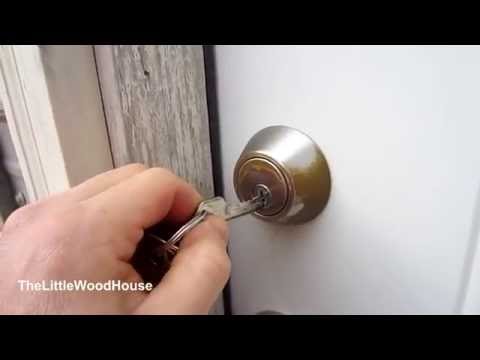
To fix a lock that gets stiff in cold weather, start with a good lubricant. A silicone-based spray works best. This type of lubricant is not affected by cold temperatures. It can keep moisture from freezing inside the lock. You can spray it directly into the keyhole. After this, insert the key and gently turn it. This may help free the lock. You might need to do this a few times.
- Use silicone spray for the best results.
- Apply a little lubricant once a month.
- Avoid using oil-based lubricants in cold weather.
- Check the lock regularly for smooth operation.
- Keep your keys clean to avoid dirt in the lock.
It is important to remember that regular maintenance can help. Try to apply lubricant before winter. This will help keep locks from stiffening. If the lock still does not work, cleaning it may help. Use a soft cloth to wipe away any dirt. This simple routine can save you a lot of trouble when it’s cold outside.
Fun Fact or Stat:
Locks can lose flexibility in temperatures below 32°F.
What Lubricants Work Best in Cold Weather?
When choosing a lubricant, consider something that will not freeze. Have you ever tried a silicone spray? It works well in low temperatures. Many people suggest it for locks. It prevents moisture from freezing inside. Other products like graphite powder can work too. They do not attract dirt and grime. However, avoid oil-based products. They can freeze and make your lock worse. Before choosing, think about your lock’s needs.
How Often Should You Lubricate Your Lock?
Do you think about how often to lubricate your lock? Cleaning and maintaining locks is important. You should aim to apply lubricant at least once a month. However, if you live in a very cold place, do it more often. It can be helpful before the first frost of the year. Taking these steps can make a big difference. Keeping the lock smooth can prevent it from freezing. Remember, a little care goes a long way!
What If the Lock Is Completely Frozen?
Sometimes, locks can freeze completely. Have you ever tried to unlock a door, but the key won’t turn? This can happen when the lock is frozen. In this case, warm the key with your hands. You can also use a hairdryer, but be careful. Do not overheat the lock. Just warm it enough to melt the ice. Once it’s warmer, try turning the key again. You might need to apply lubricant after warming it up.
Cleaning Your Lock to Prevent Stiffness

Cleaning your lock can help avoid stiffness. Dust and dirt can make locks hard to turn. Use a soft cloth to clean the keyhole. You can also use a small brush to get into hard-to-reach areas. Be gentle when cleaning the lock. Make sure not to damage anything inside. Regular cleanings can keep your lock functioning well. It is better to clean than to fix a frozen lock.
- Use a soft cloth for cleaning.
- A small brush helps reach tight spots.
- Regular cleaning prevents dirt build-up.
- Wipe the key before using it on the lock.
- Keep the lock area dry to avoid moisture.
By cleaning your lock, you can help it stay smooth. It is a good idea to check the lock whenever you use it. If you notice dirt, clean it right away. This will prevent buildup. A clean lock will be much easier to use. You can enjoy winter without worrying about getting locked out.
Fun Fact or Stat:
Locks can last longer with proper cleaning and maintenance.
How Often Should You Clean Your Lock?
Have you wondered how often you should clean your lock? It’s best to clean it at least every few months. However, if you live in a dusty area, consider cleaning it more often. Each time you use the key, look for dirt. If you see anything, take a moment to clean it. Keeping the lock clean can help it last longer. Regular maintenance is key to a smooth lock.
Can You Use Water to Clean a Lock?
Using water to clean a lock seems simple. But is it a good idea? Water can cause rust in metal locks. It may make things worse, especially in cold weather. Instead of water, use a cloth or brush. This will help remove dirt without adding moisture. Always remember, preventing rust is important. Keeping your lock dry will help it work longer.
What Tools Do You Need for Cleaning a Lock?
Do you know what tools you need to clean a lock? The right tools make cleaning easy. You can start with a soft cloth. This will help remove dust and dirt. A small brush, like a toothbrush, is also helpful. If you need, you can use a vacuum with a nozzle attachment. This will remove dirt deep inside the lock. With these simple tools, you can keep your lock clean.
Heating A Lock to Fix Stiffness in Cold Weather

Sometimes, a lock just needs a little heat. Have you ever thought about warming up your lock? You can try warming the key with your hands first. This can help loosen ice inside. If the lock is still stiff, you might need more warmth. A hairdryer works well. Just be careful not to overheat it. Aim the warm air at the lock, not too close. Once warmed, try turning the key again.
- Use your hands to warm the key first.
- A hairdryer can provide extra heat.
- Keep the heat moving; don’t stay in one spot.
- Avoid using boiling water on the lock.
- Try warming the lock gently to avoid damage.
Heating a lock can be effective, but be careful. Too much heat can damage the lock. It’s best to warm it slowly. Always keep an eye on the lock while you heat it. Trying these steps can save you time and trouble. If you are patient, you will see results. A warm lock can be much easier to use in cold weather.
Fun Fact or Stat:
Locks can freeze at temperatures as high as 32°F.
Can You Use Hot Water on a Lock?
Using hot water on a lock seems like a solution. But wait! Hot water can cause rust. It can freeze again quickly when the temperature drops. Instead, use a gentle heat source. A hairdryer is a better option. It warms the lock without adding moisture. This way, you can avoid damage and get the lock working again.
What If You Don’t Have a Hairdryer?
Sometimes you might not have a hairdryer. So what can you do? You can use hot water in a bottle. Fill a bottle with hot water and hold it against the lock. Be careful not to get water in the lock. Just let the heat pass through. This can help melt any ice that might be inside. You might also use your body heat. Hold the lock in your hands for a while.
How Long Should You Heat the Lock?
Have you ever wondered how long to heat a lock? It doesn’t take long! Just a few seconds can make a big difference. Focus on warming the keyhole gently. If you’re using a hairdryer, about 30 seconds should be enough. Just check if the key turns smoothly. If not, you can heat it a little more. Always be patient and careful.
When to Call a Professional for Stiff Locks
Sometimes, locks can be very stubborn. If you try everything and still have trouble, call a professional. They can help fix locks that are broken or damaged. It’s okay to ask for help when it’s needed. Professionals have special tools and skills to solve tough problems. If it’s cold and your key won’t turn, don’t be afraid to reach out.
- Call a locksmith if the lock is broken.
- Don’t hesitate to ask for help when stuck.
- Professionals can fix issues you can’t solve.
- It is better to get advice than to damage the lock.
- Find a trusted locksmith in your area.
Knowing when to call for help can save you time. A professional can check your lock for hidden issues. They can also recommend products to keep it working well. Regular check-ups can help avoid bigger problems. If you care for your locks, they will last longer. Sometimes, calling a professional is the best solution.
Fun Fact or Stat:
Many people wait too long before calling a locksmith.
What Signs Indicate You Need a Locksmith?
Have you experienced signs that show you need a locksmith? If your key won’t turn, it might be time. Other signs include difficulty inserting the key. If the lock makes strange noises, call for help. A professional can fix things you might not see. If you feel unsure, it’s best to ask. Getting help early can save you from bigger problems later.
Is It Expensive to Hire a Locksmith?
Are you worried about costs? Hiring a locksmith can vary in price. It often depends on the work needed. Simple tasks might not cost much. However, complicated lock issues can be more expensive. It’s okay to ask for an estimate before hiring someone. Many locksmiths are happy to help and explain their pricing.
Can a Locksmith Help with Car Locks, Too?
Did you know locksmiths can also help with car locks? If you’re locked out of your car, they can assist you. They have special tools for both home and vehicle locks. It’s worth calling a locksmith if you face trouble with your car. They can unlock doors quickly and efficiently. Always remember, they are there to help!
Summary
In cold weather, locks can become stiff and hard to use. Knowing how to fix a lock that gets stiff in cold weather is essential. You can use lubricants, clean the lock, or warm it up. Regular maintenance can help avoid freezing locks. If all else fails, don’t hesitate to call a professional for help. This simple knowledge can save you time and frustration.
Conclusion
Fixing a stiff lock in cold weather is easy with a few steps. You can apply lubricant, heat the lock, or clean it. Knowing how to fix a lock that gets stiff in cold weather can be helpful. Regular care prevents issues before they start. Take action before winter arrives, and enjoy the season!
Frequently Asked Questions
Question No 1: How can I prevent my lock from freezing?
Answer: To prevent your lock from freezing, apply silicone lubricant regularly. This helps keep moisture out. Also, clean your lock often to avoid dirt build-up. Make sure to check your lock before cold weather hits. By maintaining your lock, you can avoid stiff locks.
Question No 2: Is it safe to use oil-based lubricants on locks?
Answer: No, it is not safe to use oil-based lubricants on locks in cold weather. Oil can freeze and cause the lock to become even stiffer. It’s better to use silicone-based lubricants. They work well in cold temperatures and do not freeze easily.
Question No 3: How do I know if my lock is broken?
Answer: If your key does not turn at all or feels very stiff, your lock might be broken. Strange noises or difficulty inserting the key can also be signs. If you have tried lubricants and cleaning with no success, consider calling a locksmith for help.
Question No 4: Can I use heat to fix a frozen lock?
Answer: Yes, you can use heat to fix a frozen lock. Try warming your key with your hands first. If that doesn’t work, use a hairdryer or warm cloth. Just be careful not to overheat or damage the lock while applying heat.
Question No 5: When is it time to call a locksmith?
Answer: If your lock is still stiff after cleaning and lubricating, it might be time to call a locksmith. Additionally, if your key breaks off in the lock, that’s a sign to get professional help. Don’t hesitate to reach out, as they can provide solutions for tough problems.
Question No 6: What tools do I need to maintain my lock?
Answer: To maintain your lock, you will need a soft cloth and a small brush. These tools help clean the lock easily. A lubricant, like silicone spray, is also essential for smooth operation. Regular cleaning and maintenance can keep your lock working well for a long time.

