Have you ever tried to hang a towel and the bar fell off? It can be super annoying. The towel ends up on the floor. Then, you have to pick it up and find a place to dry it. Learning how to fix towel bar issues can save you time. It can also save you from frustration.
Towel bars are useful. They hold our towels and keep our bathrooms tidy. But, what happens when they break? Don’t worry. Fixing a loose or broken towel bar is often easier than you think. Let’s learn how to get your towel bar back in action!
Key Takeaways
- Knowing how to fix towel bar problems saves you time and money.
- Tighten loose screws to quickly solve many towel bar issues.
- Use wall anchors for extra support if screws won’t hold.
- Consider using strong adhesive options for easy, no-drill fixes.
- Regularly check your towel bar to prevent future problems.
How To Fix a Loose Towel Bar
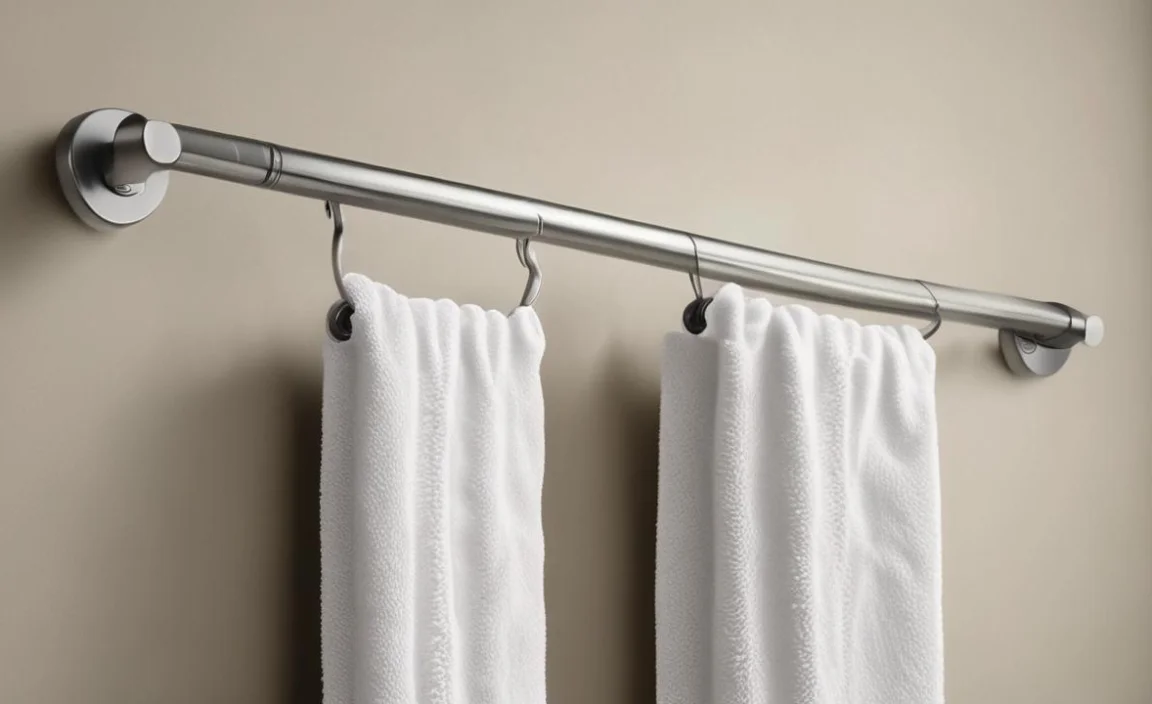
A loose towel bar is a common problem. Over time, the screws that hold it in place can come loose. This happens because of regular use. When you grab a towel, you might accidentally wiggle the bar. This constant movement can weaken the screw’s grip. Luckily, fixing a loose towel bar is usually simple. First, check the screws. Are they tight? If not, try tightening them with a screwdriver. Sometimes, that’s all it takes! But, if the screws just spin and don’t tighten, the screw holes might be too big. Don’t worry, there are solutions for that too. You can use wall anchors to provide a better grip for the screws. Or, you can try using longer screws that reach deeper into the wall. With a few simple steps, you can have your towel bar secure again.
- Check the screws first for tightness.
- Tighten any loose screws with a screwdriver.
- Use wall anchors if screws won’t tighten.
- Consider using longer screws for a better grip.
- Make sure the bar is level before tightening everything.
Sometimes, the problem isn’t just loose screws. The holes in the wall might be stripped. This means the screws can’t grip anything. Wall anchors are small plastic or metal pieces. You put them into the hole before inserting the screw. The anchor expands and grips the wall. This gives the screw something solid to hold onto. Another option is to use wood glue and small wooden dowels. Fill the old screw hole with glue and insert a dowel. Let it dry completely, then trim the dowel flush with the wall. Now you have a fresh surface to screw into. These methods can make your towel bar feel like new again. You can fix a loose towel bar with these simple steps.
Fun Fact or Stat: The average towel bar is used more than 1,000 times a year!
Why is My Towel Bar Wobbly?
Have you ever noticed your towel bar wiggling when you grab a towel? This usually means the screws are loose. It could also mean the anchors inside the wall are failing. Think of it like building with LEGOs. If the base isn’t solid, the whole structure wobbles. The same thing happens with your towel bar. The screws and anchors are the base. If they aren’t secure, the bar will move. Over time, the vibrations from using the towel bar can make screws loosen. That’s why it’s important to check them regularly. A wobbly towel bar is not only annoying, but it can also be dangerous. It could fall off the wall and cause damage or even hurt someone. So, take a few minutes to check those screws and anchors. A little bit of maintenance can prevent a bigger problem later.
How Do Wall Anchors Help?
Wall anchors are like superheroes for your towel bar. They give screws extra strength. Imagine you’re trying to hang a picture on a wall. If you just use a nail, it might not hold. But if you use a wall anchor, the picture stays put. Wall anchors work the same way for towel bars. They grip the wall tightly and provide a secure base for the screws. There are different types of wall anchors. Some are plastic, and some are metal. Some are designed for drywall, and others are for plaster. Choosing the right type of anchor is important. If you use the wrong anchor, it might not work properly. Ask for help at the hardware store. They can help you find the best anchors for your walls. With the right wall anchors, your towel bar will stay put.
Can I Use Glue to Fix It?
Using glue to fix a towel bar might seem like a quick solution. But, is it really a good idea? Glue can be a temporary fix. However, it might not hold up for long. Think about how much weight a towel bar holds. Wet towels can be heavy. The glue needs to be strong enough to support that weight. Also, bathrooms are often humid. Moisture can weaken the glue over time. If you decide to use glue, choose a strong adhesive that is waterproof. Clean the surfaces well before applying the glue. Make sure the towel bar is properly aligned. Then, let the glue dry completely before using the bar. While glue can work in some cases, it’s often better to use screws and anchors for a more secure and long-lasting fix. Remember, safety first!
Securing a Towel Bar Without Screws
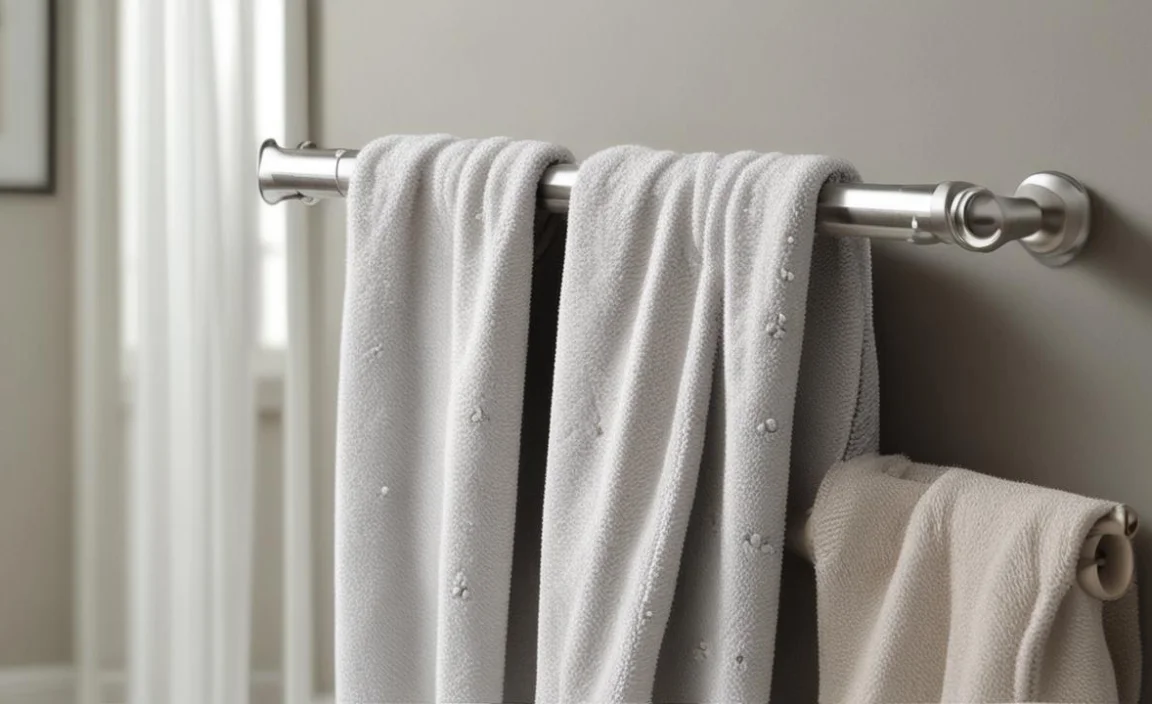
Sometimes, you might not want to use screws to install a towel bar. Maybe you’re renting and can’t make holes in the wall. Or, perhaps you just want a quick and easy solution. Luckily, there are ways to secure a towel bar without screws. One option is to use strong adhesive strips or pads. These strips are designed to stick to the wall and hold the towel bar in place. Look for adhesive strips that are specifically made for bathrooms. They should be waterproof and able to hold a decent amount of weight. Another option is to use a tension rod. Tension rods are adjustable and fit between two walls. You can hang a towel bar from the tension rod. These methods are great for renters or anyone who wants a no-drill solution. But, remember to follow the instructions carefully to ensure the towel bar stays put.
- Use strong adhesive strips for a no-drill option.
- Choose waterproof adhesive strips for bathrooms.
- Use a tension rod to hang a towel bar between walls.
- Clean the wall surface before applying adhesive.
- Follow the instructions for the adhesive carefully.
- Test the adhesive before hanging heavy towels.
Using adhesive strips is a popular way to hang things without making holes. These strips use a strong adhesive to stick to the wall. They come in different sizes and strengths. Choose the right size and strength for your towel bar. Before applying the strips, clean the wall surface. Remove any dirt or grease. This will help the adhesive stick better. Follow the instructions on the package carefully. Press the strips firmly against the wall. Then, attach the towel bar. Wait the recommended time before hanging towels. This allows the adhesive to fully bond with the wall. Remember, adhesive strips might not be as strong as screws. Don’t overload the towel bar with too many heavy towels.
Fun Fact or Stat: Adhesive strips can hold up to 20 pounds, depending on the brand and type!
What Kind of Adhesive Should I Use?
Choosing the right adhesive is key when you want to avoid screws. You need something strong and waterproof. Bathrooms are humid places. Regular glue won’t work. Look for adhesives specifically designed for bathrooms or wet environments. Construction adhesive is a good option. It’s very strong and can hold a lot of weight. Make sure it’s also waterproof. Epoxy is another strong adhesive. It comes in two parts that you mix together. Epoxy creates a very strong bond. However, it can be messy to use. Follow the instructions carefully. Consider using adhesive pads or strips. These are pre-cut and easy to apply. Just make sure they are rated for the weight of your towel bar and towels. Always read the label and choose the right adhesive for your needs.
Are Tension Rods a Good Option?
Tension rods are a clever way to hang a towel bar without any drilling. They work by applying pressure against the walls. You adjust the rod to fit snugly between two surfaces. Then, the pressure keeps it in place. Tension rods are easy to install and remove. This makes them great for renters. They also come in different sizes and styles. You can find one that matches your bathroom decor. When choosing a tension rod, make sure it’s strong enough to hold the weight of your towels. Some tension rods are designed for shower curtains. These might not be strong enough for heavy, wet towels. Look for a tension rod that is specifically designed for towel bars. Also, make sure the walls are clean and dry. This will help the tension rod grip better. With the right tension rod, you can have a towel bar up in minutes.
How Much Weight Can Adhesive Strips Hold?
Adhesive strips are a convenient way to hang things. But, how much weight can they really hold? It depends on the type of strip. Some strips are designed for light items. Others are made for heavier objects. Always check the packaging to see the weight limit. The weight limit is usually listed in pounds or kilograms. Don’t exceed the weight limit. Otherwise, the strip might fail. The surface you’re sticking the strip to also matters. Smooth, clean surfaces provide the best adhesion. Rough or dirty surfaces might not work as well. Also, consider the environment. Humidity and temperature can affect the adhesive. In humid bathrooms, choose waterproof adhesive strips. These are designed to withstand moisture. Before hanging anything heavy, test the strip with a lighter object first. This will help you see if it can hold the weight.
Repairing a Broken Towel Bar Bracket
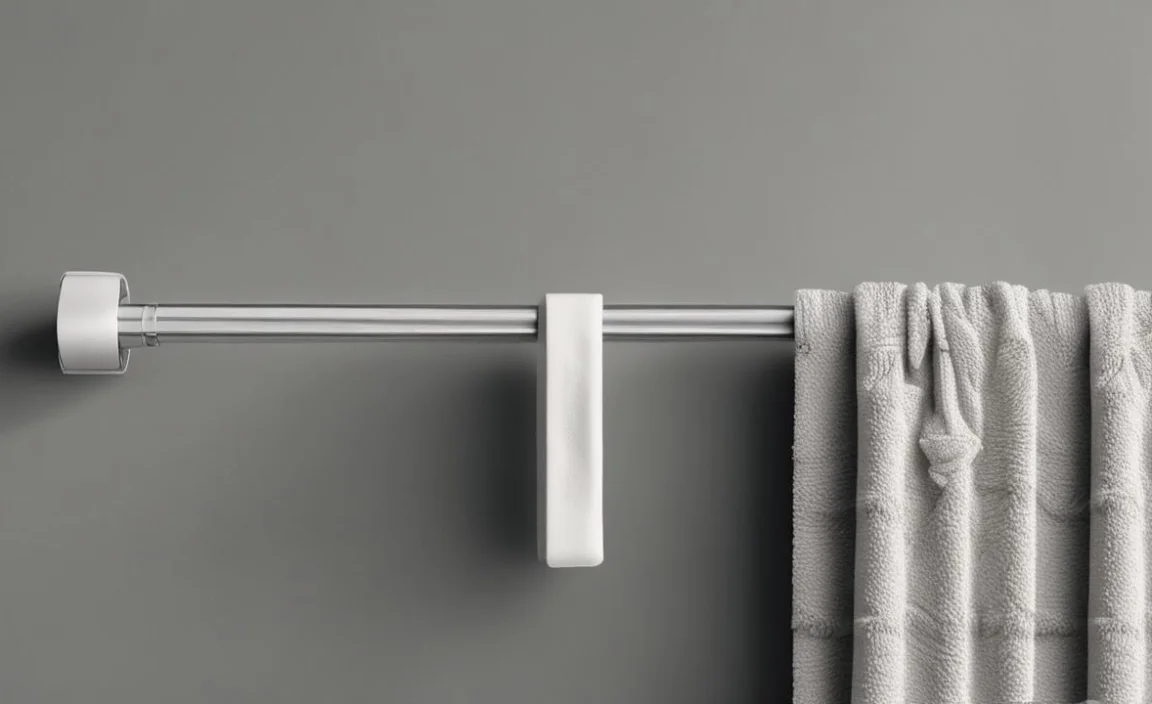
Sometimes, the problem isn’t the screws or the wall. The towel bar bracket itself might be broken. The bracket is the piece that attaches the bar to the wall. If it’s cracked or broken, the towel bar won’t stay in place. Repairing a broken bracket can be tricky. It depends on what it’s made of. If the bracket is metal, you might be able to weld it back together. However, this requires special tools and skills. If the bracket is plastic, you might be able to glue it. Use a strong epoxy adhesive. Clean the broken surfaces before applying the glue. Clamp the pieces together and let the glue dry completely. If the bracket is too damaged to repair, you might need to replace it. You can buy replacement brackets at most hardware stores. Make sure you get the right size and style to match your towel bar.
- Determine if the bracket is repairable or needs replacing.
- Weld metal brackets if you have the tools and skills.
- Use epoxy adhesive to glue plastic brackets.
- Clamp the pieces together while the glue dries.
- Buy replacement brackets at a hardware store if needed.
- Match the replacement bracket to your existing towel bar.
Replacing a towel bar bracket is often the easiest solution. First, remove the old bracket from the wall. Unscrew it or carefully pry it off. Take the old bracket with you to the hardware store. This will help you find a matching replacement. When installing the new bracket, use the same screw holes if possible. If the holes are stripped, use wall anchors for a better grip. Make sure the new bracket is securely attached to the wall. Test the towel bar to make sure it’s stable. If the new bracket doesn’t match perfectly, you might need to replace both brackets. This will ensure a consistent look. With a little effort, you can have your towel bar looking and working like new again.
Fun Fact or Stat: Towel bar brackets come in many different styles, from modern to traditional!
Can I Fix a Cracked Plastic Bracket?
A cracked plastic bracket can be a real pain. But, don’t worry, you might be able to fix it. First, assess the damage. Is the crack small or large? If it’s a small crack, you can try using epoxy glue. Clean the area around the crack with rubbing alcohol. This will help the glue stick better. Apply the epoxy glue to the crack. Make sure to fill the entire crack. Then, clamp the bracket together. This will hold the pieces in place while the glue dries. Let the glue dry for at least 24 hours. Once the glue is dry, remove the clamp. Test the bracket to see if it’s strong. If the crack is large, the bracket might be too damaged to repair. In that case, it’s best to replace it. A new bracket will be stronger and more reliable.
How Do I Remove a Broken Bracket?
Removing a broken bracket can be tricky. Be careful not to damage the wall. First, try to unscrew the bracket. If the screws are stripped, use a screw extractor. A screw extractor is a tool that helps you remove damaged screws. If you can’t unscrew the bracket, you might need to pry it off. Use a putty knife or a flathead screwdriver. Gently insert the tool between the bracket and the wall. Slowly pry the bracket away from the wall. Be careful not to damage the wall paint. If the bracket is glued to the wall, use a heat gun to soften the glue. Then, pry the bracket off. Once the bracket is removed, clean the wall. Remove any glue or debris. Now you’re ready to install a new bracket.
Where Can I Buy Replacement Brackets?
Finding replacement brackets is usually easy. You can buy them at most hardware stores. Home improvement stores also carry a variety of brackets. Take your old bracket with you when you shop. This will help you find a matching replacement. If you can’t find a matching bracket, consider buying a whole new towel bar set. This will ensure that all the pieces match. Online retailers also sell towel bar brackets. You can find a wide selection online. Read the product descriptions carefully. Make sure the bracket is the right size and style for your towel bar. Check the customer reviews to see if other people have had good experiences with the bracket. With a little searching, you can find the perfect replacement bracket for your towel bar.
Dealing With Stripped Screw Holes
Stripped screw holes are a common problem when how to fix towel bar issues arise. Over time, the threads in the screw hole can wear out. This means the screw can’t grip the wall anymore. It just spins and spins. There are several ways to fix stripped screw holes. One simple solution is to use a toothpick or wooden skewer. Break off a few small pieces and insert them into the hole. Then, insert the screw. The wood will give the screw something to grip. Another option is to use plastic wall anchors. These anchors expand when you insert the screw. This creates a tighter fit. You can also use a screw hole repair kit. These kits come with everything you need to fix stripped screw holes. With a little effort, you can get your towel bar securely mounted again.
| Method | Materials Needed | Difficulty | Durability |
|---|---|---|---|
| Toothpicks/Skewers | Toothpicks or wooden skewers | Easy | Temporary |
| Wall Anchors | Wall anchors, screwdriver | Easy | Moderate |
| Screw Hole Repair Kit | Repair kit, screwdriver | Moderate | Good |
| Wood Glue & Dowel | Wood glue, wooden dowel, saw | Moderate | Excellent |
- Use toothpicks or wooden skewers to fill the hole.
- Insert plastic wall anchors for a better grip.
- Use a screw hole repair kit for a more permanent fix.
- Try using wood glue and small wooden dowels.
- Consider using a larger screw if the hole isn’t too stripped.
- Make sure the screw is long enough to reach the wall stud.
Using wood glue and wooden dowels is a great way to repair stripped screw holes. First, drill out the old screw hole with a drill bit. Choose a drill bit that is slightly larger than the dowel. Then, insert a wooden dowel into the hole. Use wood glue to secure the dowel in place. Let the glue dry completely. Once the glue is dry, cut off any excess dowel. Use a saw or a sharp knife. Now you have a fresh surface to screw into. This method provides a strong and durable repair. It’s perfect for fixing stripped screw holes in walls.
Fun Fact or Stat: The first patent for a screw was issued in 1760!
Why Do Screw Holes Get Stripped?
Screw holes get stripped for a few reasons. Over time, the threads in the hole can wear out. This is especially true if you frequently tighten and loosen the screws. Another reason is using the wrong size screw. If the screw is too small, it won’t grip the wall properly. This can cause the threads to strip. Also, using too much force when tightening the screw can damage the hole. The screw can strip the threads if you overtighten it. Moisture can also contribute to stripped screw holes. Water can weaken the wood or drywall around the hole. This makes it easier for the screw to strip the threads. To prevent stripped screw holes, use the right size screw and don’t overtighten it. Also, consider using wall anchors for extra support.
How Do Wall Anchors Prevent Stripping?
Wall anchors are designed to prevent screws from stripping. They provide a larger surface area for the screw to grip. This distributes the weight more evenly. Wall anchors also protect the wall material from damage. When you insert a screw into a wall anchor, the anchor expands. This creates a tight fit. The screw grips the anchor, not the wall. This prevents the screw from stripping the threads in the wall. There are different types of wall anchors. Some are made of plastic, and some are made of metal. Choose the right type of anchor for your wall material. Drywall anchors are designed for drywall. Plaster anchors are designed for plaster. Using the right wall anchor will help prevent stripped screw holes and keep your towel bar securely mounted.
Are Repair Kits Worth Buying?
Screw hole repair kits can be a worthwhile investment. They come with everything you need to fix stripped screw holes. This includes screws, anchors, and sometimes even a drill bit. Repair kits are easy to use. They often come with instructions. This makes it simple to fix stripped screw holes. Repair kits can save you time and money. Instead of buying individual items, you can get everything in one kit. Also, repairing stripped screw holes can prevent further damage to your walls. If you have stripped screw holes in your home, a repair kit can be a valuable tool. Consider buying a repair kit to keep on hand for future repairs.
Preventing Future Towel Bar Problems
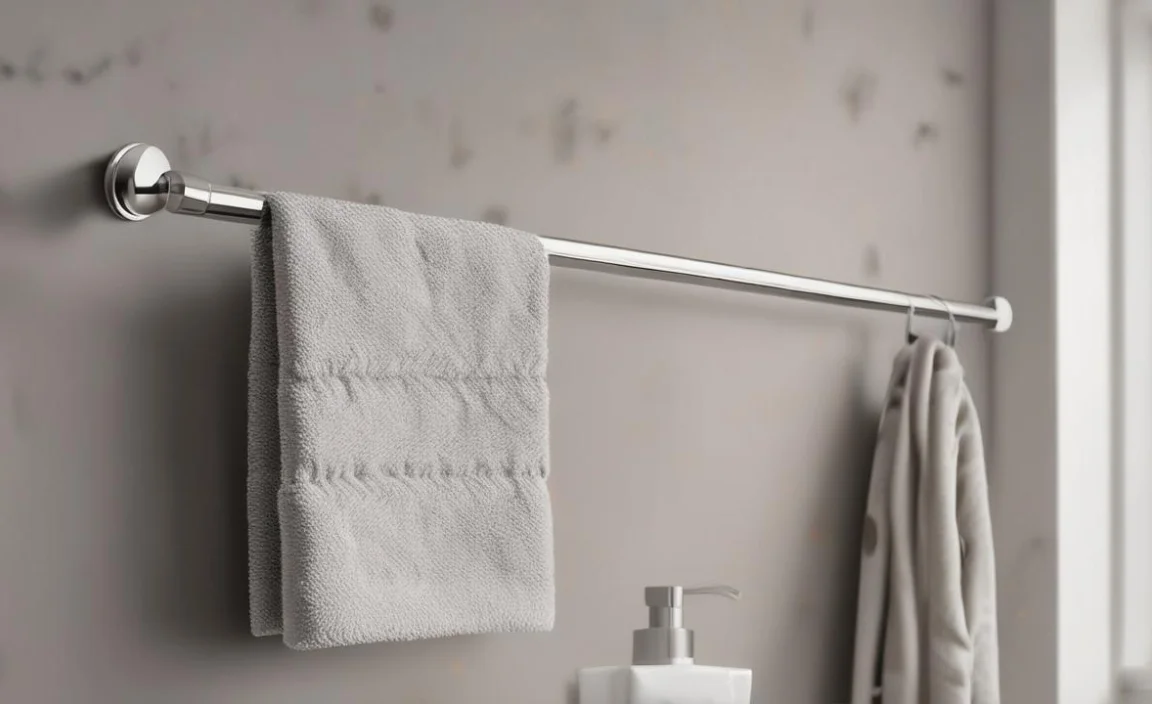
Preventing problems is always better than fixing them. This is also true for towel bars. There are several things you can do to prevent future towel bar issues. First, check the screws regularly. Make sure they are tight. If you notice any loose screws, tighten them right away. Use wall anchors for extra support. This will help prevent the screws from stripping the wall. Don’t overload the towel bar with too many heavy towels. This can put extra strain on the screws and brackets. Choose a high-quality towel bar. A well-made towel bar will be more durable and less likely to break. By taking these simple steps, you can keep your towel bar in good condition for years to come.
- Check screws regularly to ensure tightness.
- Use wall anchors for added support.
- Avoid overloading the towel bar with heavy towels.
- Choose a high-quality, durable towel bar.
- Clean the towel bar regularly to prevent rust.
- Consider using thread locker on screws to prevent loosening.
Choosing a high-quality towel bar is a smart investment. A well-made towel bar will last longer and require less maintenance. Look for towel bars made of durable materials like stainless steel or solid brass. These materials are resistant to rust and corrosion. Check the construction of the towel bar. Make sure the brackets are sturdy and well-attached. Read customer reviews before buying a towel bar. This will give you an idea of the quality and durability of the product. A high-quality towel bar might cost a little more upfront. But, it will save you money in the long run by preventing future problems and repairs.
Fun Fact or Stat: Stainless steel towel bars are popular because they resist rust and are easy to clean!
How Often Should I Check the Screws?
Checking the screws on your towel bar regularly is important. How often should you do it? A good rule of thumb is to check them every few months. This will help you catch any loose screws before they become a bigger problem. If you use the towel bar frequently, you might want to check the screws more often. Also, if you notice any wobbling or looseness, check the screws right away. Use a screwdriver to tighten any loose screws. Don’t overtighten them, as this can damage the screw holes. By checking the screws regularly, you can prevent your towel bar from falling off the wall.
What Kind of Towel Bar is Most Durable?
When it comes to durability, some towel bars are better than others. Stainless steel towel bars are a great choice. They are resistant to rust and corrosion. This makes them perfect for humid bathrooms. Solid brass towel bars are also very durable. They are strong and long-lasting. However, they can be more expensive than stainless steel towel bars. Chrome-plated towel bars are another option. But, the chrome plating can chip or peel over time. This can lead to rust. When choosing a towel bar, consider the material and construction. Look for a towel bar that is well-made and built to last. A durable towel bar will save you money in the long run.
Should I Use Thread Locker on the Screws?
Thread locker is a liquid adhesive that prevents screws from loosening. It’s a great way to keep your towel bar securely mounted. Applying thread locker is easy. Just put a small drop on the screw threads before inserting the screw. The thread locker will fill the gaps between the threads. This will create a tighter fit. It will also prevent the screw from vibrating loose over time. There are different types of thread locker. Some are designed for small screws, and some are designed for larger screws. Choose the right type of thread locker for your screws. You can buy thread locker at most hardware stores. Using thread locker is a simple way to prevent future towel bar problems.
Summary
Fixing a towel bar can seem tough. But, it’s often a simple task. First, check the screws. Tighten them if they are loose. If the screws don’t hold, use wall anchors. Wall anchors give screws something to grip. If the bracket is broken, replace it. You can buy new brackets at a hardware store. Sometimes, the screw holes are stripped. You can fill them with toothpicks or wood glue. You can also use a screw hole repair kit. Remember to check your towel bar regularly. Tighten any loose screws. This will prevent future problems. Knowing how to fix towel bar issues saves time and money.
Conclusion
Keeping your towel bar in good shape is important. It keeps your bathroom tidy. It also prevents accidents. By following these simple tips, you can fix most towel bar problems. Check the screws, use wall anchors, and replace broken brackets. Preventing problems is also key. Check the screws regularly and don’t overload the bar. With a little care, your towel bar will stay secure. Now you know how to fix towel bar issues. You can keep your towels hanging properly for years to come.
Frequently Asked Questions
Question No 1: Why does my towel bar keep falling down?
Answer: Your towel bar probably keeps falling down because the screws are loose or the screw holes are stripped. Over time, the vibrations from using the towel bar can cause the screws to loosen. If the screw holes are stripped, the screws won’t have anything to grip. To fix this, try tightening the screws. If that doesn’t work, use wall anchors to provide a better grip. You can also try filling the stripped screw holes with toothpicks or wood glue. Remember to check the screws regularly to prevent future problems. Also, avoid overloading the towel bar with too many heavy towels. This can put extra strain on the screws and brackets. With a little maintenance, you can keep your towel bar securely mounted.
Question No 2: What are wall anchors, and how do I use them?
Answer: Wall anchors are small plastic or metal pieces that you insert into the wall before inserting a screw. They provide a larger surface area for the screw to grip, which helps to prevent the screw from stripping the wall. To use wall anchors, first drill a hole in the wall that is the same size as the anchor. Then, insert the anchor into the hole. Tap it gently with a hammer if needed. Next, insert the screw through the towel bar bracket and into the wall anchor. Tighten the screw until the bracket is securely attached to the wall. Wall anchors are a great way to add extra support to your towel bar and prevent it from falling down. There are various types of wall anchors, so choose the one that is appropriate for your wall type.
Question No 3: Can I use glue instead of screws to hang my towel bar?
Answer: While you can use glue to hang your towel bar, it’s generally not the best option. Glue might provide a temporary fix, but it’s not as strong or reliable as screws. Bathrooms are humid environments, and moisture can weaken the glue over time. If you do decide to use glue, choose a strong, waterproof adhesive that is specifically designed for bathrooms. Clean the surfaces well before applying the glue. Make sure the towel bar is properly aligned. Then, let the glue dry completely before using the bar. However, for a more secure and long-lasting solution, it’s always better to use screws and wall anchors. This will ensure that your towel bar stays put, even when loaded with heavy, wet towels. If you are renting, consider using strong adhesive strips as a temporary solution, but be aware of their weight limits.
Question No 4: How do I fix a stripped screw hole in the wall?
Answer: A stripped screw hole is a common problem, but it’s usually easy to fix. One simple solution is to insert toothpicks or wooden skewers into the hole. Break off a few small pieces and insert them until the hole is filled. Then, insert the screw. The wood will give the screw something to grip. Another option is to use plastic wall anchors. These anchors expand when you insert the screw, creating a tighter fit. You can also use a screw hole repair kit. These kits come with everything you need to fix stripped screw holes. Another method is to use wood glue and small wooden dowels. Fill the hole with glue, insert the dowel, let it dry, and then trim it flush with the wall. Now you have a fresh surface to screw into to how to fix towel bar problems.
Question No 5: What type of towel bar is the most durable and long-lasting?
Answer: When it comes to durability, stainless steel and solid brass towel bars are the best choices. Stainless steel is resistant to rust and corrosion, making it perfect for humid bathrooms. Solid brass is also very strong and long-lasting. Chrome-plated towel bars are another option, but the chrome plating can chip or peel over time, leading to rust. When choosing a towel bar, consider the material and construction. Look for a towel bar that is well-made and built to last. A high-quality towel bar might cost a little more upfront, but it will save you money in the long run by preventing future problems and repairs. Proper installation is also key to ensuring the towel bar’s longevity. Make sure to use appropriate wall anchors and tighten the screws properly.
Question No 6: How can I prevent my towel bar from becoming loose in the future?
Answer: Preventing your towel bar from becoming loose requires regular maintenance and proper installation. Check the screws regularly, about every few months, to ensure they are tight. If you notice any looseness, tighten them right away. Use wall anchors for extra support. This will help prevent the screws from stripping the wall. Avoid overloading the towel bar with too many heavy towels. This can put extra strain on the screws and brackets. Choose a high-quality towel bar made of durable materials like stainless steel or solid brass. You can also use thread locker on the screws to prevent them from loosening over time. By taking these simple steps, you can keep your towel bar securely mounted and prevent future problems. Remember to address any issues promptly to avoid more extensive repairs later when thinking about how to fix towel bar issues.

