Have you ever built a sandcastle too close to the ocean? The waves come and wash it away. What if a whole city was like that sandcastle? Some people wonder, is NYC sinking? Let’s learn about New York City and what might happen to it.
New York City is a very big and important place. Many people live and work there. It has tall buildings and busy streets. But is NYC sinking? Let’s find out what the science says. It’s an important question for everyone who lives there.
Key Takeaways
- Melting glaciers and ice sheets are causing sea levels to rise around the world.
- New York City faces increased flooding due to rising sea levels.
- Is NYC sinking? Yes, the land is naturally sinking, making the problem worse.
- The city is working on projects to protect itself from rising waters.
- Everyone can help by reducing pollution and slowing climate change.
Is NYC Sinking? Understanding the Basics
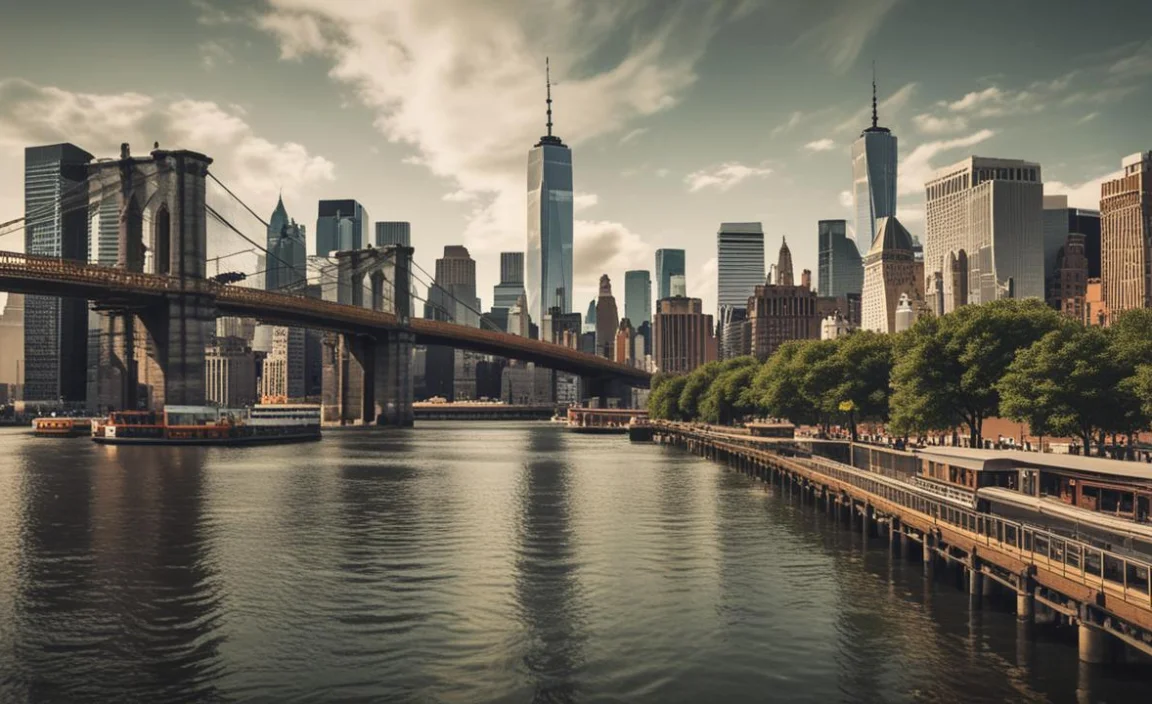
New York City is a vibrant place. It is full of energy and dreams. But it also faces a serious challenge. The city sits on land that is naturally sinking. This sinking is called subsidence. At the same time, the ocean is rising. This is due to melting ice and warming waters. When the land sinks and the water rises, it can cause big problems. Think of it like this: if your bathtub is filling up (rising sea), and the floor is also moving down (subsidence), the water will overflow faster. New York City is dealing with both of these things happening together. It’s important to understand these basics to know what the future might hold.
- NYC is built on land that is sinking.
- Sea levels are rising around the world.
- Both changes can lead to more flooding.
- Scientists study these changes carefully.
- We need to understand the risks.
Imagine you have a stack of books. If you slowly take books from the bottom, the whole stack gets lower. This is similar to what is happening in New York City. The land is made of layers of earth and rock. Over time, these layers compress and settle. This causes the ground to sink slowly. At the same time, the ocean is getting higher because of melting ice caps. These melting glaciers add more water to the ocean. Warmer water also takes up more space. This combination of sinking land and rising water is a big concern for New York City. That’s why people ask, is NYC sinking? Understanding these basics helps us see why this is happening.
What is Land Subsidence?
Land subsidence is when the ground level goes down. It can happen for many reasons. Sometimes, it’s because we take too much water from underground. Other times, it’s because of the weight of buildings. In New York City, the weight of all the skyscrapers and buildings pushes down on the land. This makes the land sink a little bit. It’s like when you sit on a soft chair. The chair squishes down because of your weight. The same thing happens to the land under New York City. It’s a slow process, but it adds up over time. Scientists are studying how much the land is sinking. They use special tools to measure the changes.
Why Are Sea Levels Rising?
Sea levels are rising because of climate change. The Earth is getting warmer. This is because of things like burning fuels. When we burn fuels, it releases gases into the air. These gases trap heat. The extra heat melts glaciers and ice sheets. The melting ice adds water to the oceans. Also, warmer water takes up more space than cooler water. This is called thermal expansion. Both of these things make the sea levels rise. Rising sea levels can cause flooding in coastal cities like New York. So, is NYC sinking? It’s a combination of sinking land and rising seas.
How Do These Changes Affect NYC?
The changes happening to the land and sea affect New York City in many ways. Rising sea levels can cause more frequent flooding. Even small storms can cause big problems. The sinking land makes the flooding even worse. Important places like airports, subways, and roads can be flooded. This can disrupt daily life. It can also damage buildings and homes. The city is working on ways to protect itself. They are building walls and improving drainage systems. They are also studying the problem to find better solutions. Understanding the risks is the first step in protecting the city.
Fun Fact or Stat: Did you know that some parts of New York City are sinking at a rate of 1-2 millimeters per year? That might not sound like much, but it adds up over time!
The Science Behind NYC’s Sinking
To understand if is NYC sinking, we need to look at the science. Scientists use many tools to study the land and the sea. They use satellites to measure how much the land is sinking. These satellites can see tiny changes from space. They also use sensors on the ground to track sea levels. These sensors measure how high the water is. Scientists also build computer models. These models help them predict what might happen in the future. The models take into account things like melting ice and sinking land. By studying the science, we can better understand the risks. We can also find ways to protect New York City.
- Satellites measure land changes from space.
- Sensors track sea levels on the ground.
- Computer models predict future changes.
- Scientists study ice melt and land sinking.
- This research helps protect the city.
- Data shows NYC is slowly sinking.
Imagine you are a detective trying to solve a mystery. To solve the mystery, you need clues. Scientists are like detectives. They gather clues about the land and the sea. They look at old maps and historical records. They also collect new data with advanced technology. They study the different layers of earth under the city. They analyze how the weight of buildings affects the land. They also study how climate change is affecting the oceans. By putting all these clues together, they can get a better picture of what is happening. This helps them understand if is NYC sinking and what we can do about it.
How Satellites Track Land Movement
Satellites are like eyes in the sky. They can see things that we cannot see from the ground. Satellites use special tools called radar. Radar sends out signals to the Earth. The signals bounce back to the satellite. By measuring how long it takes for the signals to return, scientists can see how far away the ground is. If the ground is sinking, the signals will take a little less time to return. Satellites can measure changes as small as a few millimeters. This helps scientists track how much the land is moving over time. It’s like having a giant ruler in space that can measure tiny changes on Earth.
Measuring Sea Level Rise with Sensors
Sensors are like special thermometers for the ocean. They are placed in the water to measure the height of the sea. Some sensors are on buoys that float in the ocean. Other sensors are on docks and piers along the coast. These sensors use radar or sound waves to measure the distance to the water’s surface. They can measure the sea level very accurately. Scientists use this data to track how much the sea level is rising. They can also see how the sea level changes during different times of the year. This information is important for understanding the risks of flooding in New York City.
Computer Models and Future Predictions
Computer models are like virtual worlds. Scientists use them to simulate how the Earth works. They put in data about the land, the sea, and the climate. The computer model then runs simulations to predict what might happen in the future. These models can show how much the sea level might rise. They can also show how much the land might sink. Scientists use these models to plan for the future. They can see which areas are most at risk of flooding. This helps them decide where to build protective structures. The models also help them understand if is NYC sinking and how quickly.
Fun Fact or Stat: Scientists use a tool called InSAR (Interferometric Synthetic Aperture Radar) to measure land subsidence from space. It’s like taking a super-detailed picture of the Earth’s surface!
Factors Contributing to the Sinking of NYC
Several things contribute to the question, is NYC sinking. We know the land is naturally subsiding. The weight of all the buildings is also a factor. Plus, rising sea levels make things worse. Climate change is a big part of the problem. Burning fuels releases gases that warm the Earth. This causes ice to melt and the ocean to expand. All these factors work together to create a challenging situation for New York City. Understanding these factors helps us see the big picture. It also helps us find solutions to protect the city.
- Land subsidence is a natural process.
- The weight of buildings adds to the problem.
- Rising sea levels increase flood risks.
- Climate change is melting ice and warming water.
- All factors combine to threaten NYC.
Imagine you are making a cake. You need flour, sugar, eggs, and butter. Each ingredient plays a role in making the cake. The same is true for the sinking of New York City. Land subsidence is like the flour. It’s a natural part of the process. The weight of buildings is like the sugar. It adds to the problem. Rising sea levels are like the eggs. They make the problem bigger. Climate change is like the butter. It makes everything worse. All these ingredients combine to create a challenging situation. Understanding each factor helps us know how to bake a better cake – or in this case, protect New York City!
The Impact of Building Weight
Think about a tiny ant carrying a crumb. Now, imagine millions of ants carrying a giant rock. That’s kind of like what’s happening in New York City. All the skyscrapers and buildings are very heavy. They put a lot of pressure on the land underneath. This pressure causes the land to compress and sink. It’s like squeezing a sponge. When you squeeze it, the water comes out and the sponge gets smaller. The same thing happens to the land under New York City. The weight of the buildings squeezes the land, causing it to sink a little bit. This is a slow process, but it adds up over time.
Climate Change and Sea Level Rise
Climate change is like a fever for the Earth. When you have a fever, your body gets warmer than usual. The same thing is happening to the Earth. Burning fuels like coal and oil releases gases into the air. These gases trap heat and make the Earth warmer. This extra heat melts glaciers and ice sheets. The melting ice adds water to the oceans. Warmer water also takes up more space. This is called thermal expansion. Both of these things make the sea levels rise. Rising sea levels can cause more flooding in coastal cities like New York. So, is NYC sinking? Climate change makes it worse.
Natural Land Subsidence Processes
Land subsidence is a natural process. It happens all over the world. The Earth is made of layers of earth and rock. Over time, these layers compress and settle. This causes the ground to sink slowly. It’s like when you build a tower of blocks. The bottom blocks get squished a little bit because of the weight of the blocks on top. The same thing happens to the land under New York City. The weight of the layers of earth and rock causes the land to sink slowly. This natural process is happening all the time. It’s one of the reasons why people ask, is NYC sinking?
Fun Fact or Stat: New York City has over one million buildings. Their combined weight is a significant factor in land subsidence!
Areas of NYC Most Vulnerable to Sinking
Not all parts of New York City are sinking at the same rate. Some areas are more vulnerable than others. Low-lying areas are at greater risk. These areas are closer to the water. They are more likely to flood when sea levels rise. Areas with softer soil are also more vulnerable. Softer soil compresses more easily. This means the land sinks faster. Some examples of vulnerable areas include Lower Manhattan, the Rockaways, and parts of Brooklyn and Queens. Knowing which areas are most at risk helps the city plan for the future. It also helps people who live and work in those areas.
- Low-lying areas are most vulnerable.
- Areas with soft soil sink faster.
- Lower Manhattan is at high risk.
- The Rockaways face significant threats.
- Parts of Brooklyn and Queens are vulnerable.
Imagine you are playing a game of tag. Some players are faster than others. The slower players are more likely to get tagged. The same is true for the sinking of New York City. Some areas are sinking faster than others. The low-lying areas are like the slower players. They are more likely to get flooded when sea levels rise. The areas with softer soil are also like the slower players. They sink faster because the soil compresses more easily. Knowing which areas are most vulnerable is like knowing who the slower players are. It helps the city protect those areas first.
Lower Manhattan’s Flood Risk
Lower Manhattan is the southern tip of Manhattan Island. It is home to many important businesses and landmarks. It is also very close to the water. This makes it vulnerable to flooding. Rising sea levels and sinking land increase the risk. During storms, the water can easily flood the streets of Lower Manhattan. This can disrupt businesses and damage buildings. The city is working on projects to protect Lower Manhattan. They are building seawalls and raising streets. The goal is to keep the water out and protect this important area.
The Rockaways: A Coastal Community
The Rockaways are a long, narrow peninsula in Queens. They are surrounded by water on both sides. This makes them very vulnerable to coastal flooding. Rising sea levels and sinking land are big concerns for the Rockaways. Storms can cause waves to crash over the beaches and flood the streets. This can damage homes and businesses. The community is working hard to protect itself. They are building dunes and improving drainage systems. They are also educating people about the risks of flooding. They want to make sure the Rockaways are safe for future generations.
Brooklyn and Queens: Vulnerable Neighborhoods
Parts of Brooklyn and Queens are also vulnerable to sinking and flooding. Some neighborhoods are low-lying and close to the water. Others have softer soil that sinks more easily. These neighborhoods face similar risks as Lower Manhattan and the Rockaways. Rising sea levels and sinking land can cause more frequent flooding. This can damage homes and businesses. The city is working on projects to protect these neighborhoods. They are improving drainage systems and building seawalls. They are also studying the problem to find better solutions. It’s important to protect all parts of New York City.
Fun Fact or Stat: The coastline of New York City is over 500 miles long. Protecting all of it is a big challenge!
NYC’s Efforts to Combat Sinking
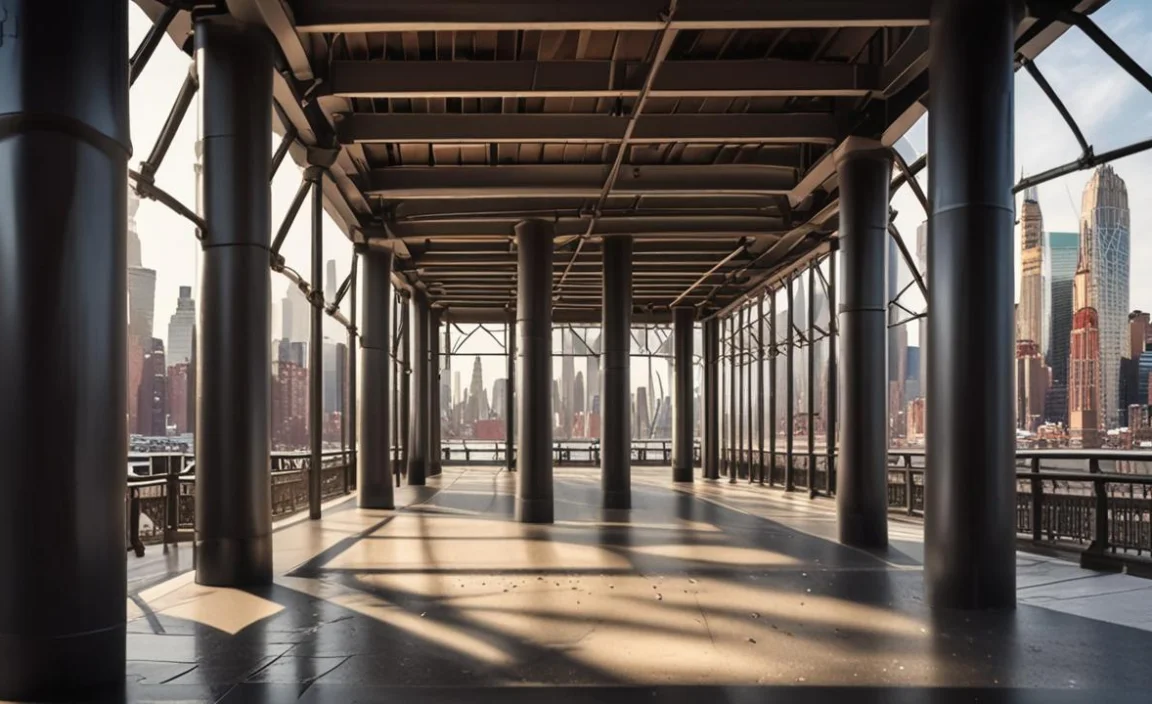
Even with the question of is NYC sinking, New York City is not just standing still. The city is taking action to combat sinking and flooding. They are building seawalls to keep the water out. They are improving drainage systems to handle more water. They are also raising streets and buildings to make them less vulnerable. These projects are expensive and take time. But they are important for protecting the city. The city is also working on long-term solutions. They are reducing pollution to slow climate change. They are also studying the problem to find better ways to adapt.
- NYC is building seawalls for protection.
- Drainage systems are being improved.
- Streets and buildings are being raised.
- The city is reducing pollution.
- Long-term solutions are being developed.
- Planning helps NYC adapt.
Imagine you are building a fort to protect yourself from a storm. You need strong walls to keep the wind and rain out. You need a good roof to keep the water from leaking in. You also need a way to drain the water away from your fort. New York City is building a similar fort to protect itself from sinking and flooding. The seawalls are like the strong walls. They keep the water out. The improved drainage systems are like the drains. They carry the water away. Raising streets and buildings is like building a higher fort. It makes it harder for the water to reach. These efforts are all part of the city’s plan to protect itself.
Building Seawalls and Barriers
Seawalls are like giant walls that protect the coastline. They are built along the edge of the water. They block waves and prevent flooding. New York City is building seawalls in vulnerable areas. These seawalls are made of concrete and steel. They are designed to withstand strong storms. They are also built to last for many years. Building seawalls is an important part of protecting the city from rising sea levels. It’s one way to answer the question of is NYC sinking with a plan.
Improving Drainage Systems
Drainage systems are like a network of pipes and channels. They carry rainwater away from the city. New York City has a very old drainage system. It was not designed to handle the amount of rain that we get today. The city is working to improve the drainage system. They are building new pipes and channels. They are also upgrading the old ones. This will help the city handle more rainwater and reduce the risk of flooding. A good drainage system is important for keeping the streets dry and safe.
Raising Streets and Buildings
Raising streets and buildings is like giving them a lift. It makes them less vulnerable to flooding. New York City is raising streets in some areas. They are also helping building owners raise their buildings. This involves lifting the entire building a few feet. It’s a complicated and expensive process. But it can protect buildings from flood damage. Raising streets and buildings is a good way to adapt to rising sea levels. It helps keep the city safe and dry.
Fun Fact or Stat: New York City is investing billions of dollars in coastal protection projects to combat the effects of sinking and rising sea levels!
What Individuals Can Do to Help
Protecting New York City is not just the city’s job. Everyone can help! One of the most important things we can do is reduce pollution. This helps slow down climate change. We can also conserve energy. This means using less electricity and gas. We can also recycle and reuse materials. This reduces waste and saves resources. By working together, we can make a big difference. We can help protect New York City for future generations. Even small actions can add up and make a big impact.
| Action | Why It Helps |
|---|---|
| Reduce Pollution | Slows climate change and sea level rise. |
| Conserve Energy | Reduces the burning of fossil fuels. |
| Recycle and Reuse | Saves resources and reduces waste. |
| Support Green Policies | Encourages government action on climate change. |
Imagine you are part of a team. Your team is trying to win a game. Each player has a role to play. If everyone does their part, the team is more likely to win. The same is true for protecting New York City. The city government has a role to play. They are building seawalls and improving drainage systems. But individuals also have a role to play. We can reduce pollution, conserve energy, and recycle. If everyone does their part, we are more likely to protect the city. It’s like a team effort to keep New York City safe and dry. So, let’s all pitch in to make sure the answer to is NYC sinking becomes “not on our watch!”
Reducing Pollution to Slow Climate Change
Pollution is like a cloud that hangs over the Earth. It traps heat and makes the planet warmer. This causes ice to melt and sea levels to rise. We can reduce pollution by driving less. We can walk, bike, or take public transportation. We can also use less energy at home. Turn off lights when you leave a room. Unplug electronics when you are not using them. We can also support businesses that are environmentally friendly. By reducing pollution, we can slow down climate change and protect New York City.
Conserving Energy at Home and School
Conserving energy is like saving money. When you save money, you have more to spend on other things. When you conserve energy, you reduce pollution and protect the environment. You can conserve energy by turning off lights when you leave a room. You can also unplug electronics when you are not using them. You can also use energy-efficient appliances. These appliances use less energy than older models. At school, you can encourage your teachers and classmates to conserve energy. Together, you can make a big difference.
Recycling and Reusing Materials
Recycling and reusing materials is like giving them a second life. Instead of throwing things away, we can turn them into something new. Recycling helps save resources and reduces waste. We can recycle paper, plastic, glass, and metal. We can also reuse things like shopping bags and water bottles. By recycling and reusing materials, we can reduce pollution and protect the environment. It’s a simple way to help protect New York City. It helps reduce the factors that make people wonder, is NYC sinking?
Fun Fact or Stat: Recycling one aluminum can saves enough energy to power a TV for three hours!
Summary
New York City faces a serious challenge. The land is sinking, and the sea is rising. This combination can cause more frequent flooding. Several factors contribute to this problem. Land subsidence is a natural process. The weight of buildings adds to the problem. Climate change is melting ice and warming water. All these factors work together to threaten New York City. Some areas are more vulnerable than others. Lower Manhattan, the Rockaways, and parts of Brooklyn and Queens are at high risk. The city is taking action to combat sinking and flooding. They are building seawalls and improving drainage systems. They are also raising streets and buildings. Individuals can also help by reducing pollution, conserving energy, and recycling. We all have a role to play in protecting New York City. That’s why knowing if is NYC sinking is important.
Conclusion
New York City is a strong and resilient place. It has faced many challenges in the past. It has always found a way to overcome them. The challenge of sinking and rising sea levels is a serious one. But the city is working hard to find solutions. With the help of scientists, engineers, and individuals, New York City can protect itself. By reducing pollution and adapting to changing conditions, we can ensure a safe and sustainable future. While some parts of it are sinking, the city’s spirit and determination are not. The question of is NYC sinking has a complex answer, but the future is still in our hands.
Frequently Asked Questions
Question No 1: Is New York City really sinking?
Answer: Yes, parts of New York City are sinking. This is due to a natural process called land subsidence. The weight of buildings also contributes to the sinking. At the same time, sea levels are rising due to climate change. This combination of sinking land and rising water increases the risk of flooding. So, while it’s not sinking like a ship, the land is gradually getting lower.
Question No 2: What is land subsidence?
Answer: Land subsidence is when the ground level goes down. It can happen for many reasons. Sometimes it’s because we take too much water from underground. Other times it’s because of the weight of buildings. In New York City, the weight of all the skyscrapers and buildings pushes down on the land. This makes the land sink a little bit. It’s a slow process, but it adds up over time. Think of it like a sponge being compressed under weight.
Question No 3: Why are sea levels rising?
Answer: Sea levels are rising because of climate change. The Earth is getting warmer. This is because of things like burning fuels. When we burn fuels, it releases gases into the air. These gases trap heat. The extra heat melts glaciers and ice sheets. The melting ice adds water to the oceans. Also, warmer water takes up more space than cooler water. This is called thermal expansion. Both of these things make the sea levels rise. It’s a big reason why people ask, is NYC sinking?
Question No 4: Which parts of New York City are most at risk?
Answer: Some parts of New York City are more vulnerable than others. Low-lying areas are at greater risk. These areas are closer to the water. They are more likely to flood when sea levels rise. Areas with softer soil are also more vulnerable. Softer soil compresses more easily. This means the land sinks faster. Some examples of vulnerable areas include Lower Manhattan, the Rockaways, and parts of Brooklyn and Queens. It’s important to know if is NYC sinking and where.
Question No 5: What is New York City doing to protect itself?
Answer: New York City is taking action to combat sinking and flooding. They are building seawalls to keep the water out. They are improving drainage systems to handle more water. They are also raising streets and buildings to make them less vulnerable. These projects are expensive and take time. But they are important for protecting the city. The answer to “is NYC sinking?” has led to some very important projects.
Question No 6: What can I do to help protect New York City?
Answer: Everyone can help protect New York City. One of the most important things we can do is reduce pollution. This helps slow down climate change. We can also conserve energy. This means using less electricity and gas. We can also recycle and reuse materials. This reduces waste and saves resources. By working together, we can make a big difference. Even small actions can add up and help reduce the impact of the fact that is NYC sinking.

