Many people love to grow plants. They want to help their plants grow strong. But how do you know which lights to use? This is where the terms *PAR* and *lumens* come in. Both are important for your plants. But what do they mean? Should you focus on *PAR* or *lumens* when choosing grow lights?
*PAR* stands for Photosynthetically Active Radiation. It measures the light that plants use for photosynthesis. On the other hand, *lumens* measure the brightness of light. This can be confusing for new growers. Understanding *PAR vs lumens for plant grow lights* can help you pick the right lights for your plants.
Do you want the best growth for your plants? Keep reading to learn more about the difference between *PAR* and *lumens*. You’ll discover how to choose the right grow lights that fit your needs.
Key Takeaways
- Plants need specific light waves for healthy growth.
- *PAR* measures light that aids photosynthesis.
- *Lumens* show how bright a light appears to humans.
- Understanding *par vs lumens for plant grow lights* is crucial.
- Choose lights based on your plants’ needs.
Understanding PAR for Plant Growth
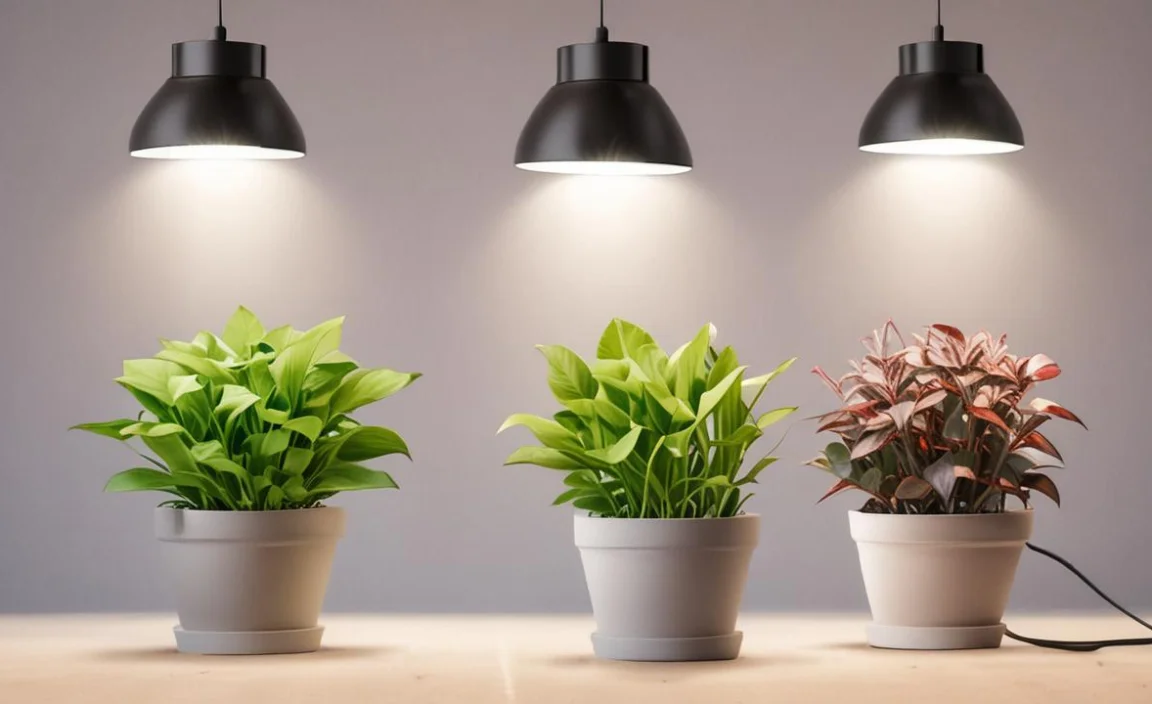
Plants need light to grow. But not all light is equal. *PAR* is key because it tells us what light plants use. Plants use light for photosynthesis. This is how they turn light into energy. If you want healthy plants, you must understand *PAR*.
Plants use light from 400 to 700 nanometers. This range is called *PAR*. It includes blue and red light. Blue light helps plants grow leaves. Red light helps with flowering and fruiting.
- *PAR* measures light wavelengths plants use.
- It supports essential plant functions.
- Plants thrive best with the right light mix.
- Different plants have different light needs.
- Grow lights can produce various *PAR* levels.
Knowing about *PAR* is important. It helps you pick the right lights for your garden. Lights that provide good *PAR* will help your plants grow healthier and stronger. It can be the difference between a flourishing garden and a struggling one.
Fun Fact or Stat: Plants using *PAR* light often grow faster than those using regular bulbs.
Why PAR Matters for Your Plants
Have you seen a plant that just isn’t growing? It may not be getting enough *PAR* light. This light is crucial for plants. Without it, they can’t make food. Think about a seedling in the dark. It will stretch and attempt to find light. But if there is no *PAR*, it will struggle.
Good light helps your plants perform photosynthesis. This process gives them energy to grow. When your plants get enough *PAR*, they will grow tall and strong. They’ll also produce more flowers and fruit.
Using lights with proper *PAR* levels is important. You need to know which plants you have. Different plants have different light needs. Some need more blue or red light.
Fun Fact or Stat: Plants can grow 30% faster with proper *PAR* lighting.
How to Measure PAR
Measuring *PAR* can sound tricky. But it isn’t. You can use a tool called a *PAR* meter. This meter tells you how much *PAR* light your plants receive. You can measure light in your garden or home.
Keep in mind, different plants may need different *PAR* levels. For example, a tomato plant needs more *PAR* than a fern. If you want to grow tomatoes, check the *PAR* level in your grow lights.
Knowing how to measure *PAR* helps you make the best decisions. You may find that you need to adjust your lights. Or, you might discover that your plants need a different light.
Fun Fact or Stat: A good *PAR* reading can show you how healthy your plants are.
Optimal PAR Levels for Different Plants
Do you know what your plants need? Some plants need more light than others. For example, a good *PAR* level for tomatoes is around 600 to 800 µmol/m²/s. On the other hand, a plant like a succulent may need only 200 to 400 µmol/m²/s.
Understanding these levels helps you choose the right lights. If you choose lights with too low *PAR*, your plants may not thrive. If the *PAR* levels are too high, you might burn your plants.
It’s always best to research first. Knowing your plant types can save you a lot of trouble. You want your plants to be happy and healthy.
Fun Fact or Stat: Many indoor plants thrive best with around 300 µmol/m²/s of *PAR*.
Understanding Lumens for Plant Growth
Now let’s talk about *lumens*. While *PAR* is vital, *lumens* also matter. Lumens measure how bright light appears to the human eye. They don’t tell us if the light is good for plants, though.
High lumens can make a room bright. But not all bright lights are good for plants. Some lights may have high lumens but low *PAR*. This can confuse new growers.
You need to balance brightness and plant health. Just because a light is bright doesn’t mean it’s best for your plants.
- *Lumens* measure visible light for humans.
- High lumens don’t equal better plant growth.
- Some lights can have low *PAR* but high lumens.
- Choose lights that provide both *PAR* and lumens.
- Check both factors when selecting grow lights.
Using lights with high lumens can make your space bright. But remember, they must also have good *PAR* for your plants to thrive. This balance is crucial for a successful garden.
Fun Fact or Stat: A common LED bulb can produce 800 lumens but may not have good *PAR*.
How Lumens Affect Plant Growth
Have you ever tried growing plants in a dark room? It doesn’t work well. Your plants need light to grow strong.
Lumens help us see, but they don’t always help plants grow. If you have a bright light, it might look good to you. It could have high lumens, but it may lack the necessary *PAR*.
Many indoor plants do well with 1000 to 2000 lumens. But make sure to check the *PAR* level too. If your light is only bright, it may not help your plants make food.
Choosing lights with both high lumens and good *PAR* is important. This way, your plants will be healthy and happy.
Fun Fact or Stat: Bright lights can trick you into thinking they’re good for plants.
Measuring Lumens for Your Grow Lights
Measuring lumens is easy. You can use a light meter. This tool tells you how bright a light is in lumens. It helps you understand your lights better.
When growing plants, you want to know the lumens too. You want a balance between brightness and *PAR*. If you measure lumens, think about your plants’ needs.
The right amount of lumens can keep your plants healthy. But remember, it’s not just about brightness. Make sure your lights also provide good *PAR*.
Fun Fact or Stat: A light meter can help you find the best light setup for plants.
Optimal Lumens for Different Plants
Different plants need different amounts of light. Some plants thrive in low light with fewer lumens. Others need bright light to grow.
For example, leafy greens like lettuce do well with 2000 to 3000 lumens. But succulents can survive with lower levels. They often need only around 1000 lumens.
Understanding these levels helps you choose the right grow lights for your plants. You want to keep your plants healthy and happy.
Remember that *lumens* are important, but they must go hand in hand with *PAR*. Both factors are key to a flourishing garden.
Fun Fact or Stat: Leafy greens need more lumens than flowering plants.
PAR vs Lumens for Plant Grow Lights
When it comes to grow lights, both *PAR* and *lumens* matter. But they serve different purposes. Understanding the difference is key for plant success.
*PAR* measures the light that plants use for photosynthesis. On the other hand, *lumens* measure how bright light appears to us. So, you can have a light with high lumens that doesn’t help your plants.
For example, some LED lights have bright lumens but low *PAR*. This means they might not help your plants grow. If you want healthy plants, focus on *PAR* first. Then look at *lumens* to ensure it’s bright enough for your space.
- Focus on *PAR* for plant health.
- Check lumens for brightness in your space.
- Good grow lights need both high *PAR* and lumens.
- Don’t pick lights based only on brightness.
- Balance both factors for a successful garden.
Choosing the right lights is crucial. You want your plants to thrive and grow strong. Knowing about *PAR vs lumens for plant grow lights* can help you make the best choices.
Fun Fact or Stat: Good grow lights can improve plant growth by up to 50%.
Choosing the Best Grow Lights
Are you ready to pick the best grow lights? Start by checking the *PAR* levels. Look for lights that provide a good amount of *PAR* for your plants.
Next, consider the lumens. You want your space to be bright enough to see your plants. But remember, brightness doesn’t mean better growth.
Check the type of plants you have. Research their light needs. This will help you find the right lights.
Mixing both *PAR* and lumens can lead to a thriving garden. You want strong plants with lots of flowers and vegetables.
Fun Fact or Stat: Proper lights can double your plant production.
Common Mistakes with Grow Lights
It’s easy to make mistakes when choosing grow lights. Some people focus only on lumens. They think more brightness means better growth. But this isn’t always true.
Others may ignore *PAR*. They think all lights work the same. But plants need specific light wavelengths to thrive.
Make sure to do your research. Understand your plants’ needs. Look for lights that offer both high *PAR* and sufficient lumens.
Avoiding these common mistakes can help your plants grow stronger. You’ll have a beautiful garden in no time!
Fun Fact or Stat: Many new growers make these mistakes every year.
Adjusting Light for Plant Needs
Do you know that plants change their light needs? As they grow, their light requirements can change too. Young seedlings often need less light. But mature plants need more.
Use adjustable lights to meet these changing needs. You can raise or lower the lights as your plants grow. This helps ensure they get the right amount of *PAR* and lumens.
It’s best to monitor your plants regularly. Look for signs of growth or stress. If your plants look stretched, they may need more light. If they look burned, they might be getting too much.
Adjusting your lights can make a big difference. Your plants will thank you for it!
Fun Fact or Stat: Plants can often double their growth with the right light adjustments.
Comparison of PAR and Lumens
Understanding the difference between *PAR* and lumens is critical for plant growth. Here’s a simple comparison to clear up confusion.
| Feature | PAS (Photosynthetically Active Radiation) | Lumens |
|---|---|---|
| Definition | Light plants use for photosynthesis. | Brightness visible to human eyes. |
| Measure Type | Wavelengths in nanometers. | Brightness in lumens. |
| Importance | Essential for plant growth. | Affects how we see light. |
| Best Use | Choosing grow lights for plants. | Lighting for visibility. |
Understanding this comparison helps you balance both types of light. Good choices will lead to healthy plants and a vibrant garden.
Fun Fact or Stat: Knowing both can lead to a 30% increase in plant yield.
Why You Need Both for Healthy Plants
Are you wondering why you need both *PAR* and lumens? The answer is simple. Plants need the right wavelengths to grow. But they also need enough brightness to thrive.
If you just focus on one or the other, your plants may suffer. High lumens with low *PAR* won’t help them. Similarly, low lumens with good *PAR* may not light your garden well.
By balancing both, you give your plants the best chance to grow strong. You’ll have a garden full of healthy, happy plants.
Fun Fact or Stat: Combining both factors can result in thriving plants all year long.
Final Thoughts on PAR vs Lumens
As you can see, both *PAR* and lumens are important for plant growth. It’s not just about how bright the light is. You need to consider what wavelengths your plants need.
Remember to research your plants. Understand their light needs. This will help you choose the best grow lights. You can create a beautiful garden with the right lighting.
Finding the right balance of *PAR* and lumens is key. Your plants will be healthy and strong, and you’ll be proud of your garden.
Fun Fact or Stat: Many gardeners notice better growth with the right lighting.
Summary
In conclusion, understanding *PAR vs lumens for plant grow lights* is crucial. *PAR* measures the light that plants use to grow, while *lumens* measure brightness for humans. A good grow light needs to have both high *PAR* and sufficient lumens. By choosing the right lights based on these factors, you will help your plants thrive.
You can create a beautiful garden full of healthy plants. Knowing these differences will lead to better plant care and success.
Conclusion
In summary, understanding *PAR vs lumens for plant grow lights* can improve your gardening. Remember that both are important. *PAR* helps plants grow while lumens provide brightness. Choose the right grow lights for your plants. A little knowledge can lead to a thriving garden. Happy growing!
Frequently Asked Questions
Question No 1: What is PAR?
Answer: *PAR*, or Photosynthetically Active Radiation, measures the light plants use for photosynthesis. This light is essential for plant growth. If you want healthy plants, pay attention to *PAR*. The more *PAR* your grow lights provide, the better your plants will grow.
Question No 2: What are lumens?
Answer: Lumens measure how bright light appears to the human eye. High lumens can make a space bright, but they don’t tell you if the light is good for plants. When choosing grow lights, check both *lumens* and *PAR* to ensure your plants thrive.
Question No 3: Which is more important, PAR or lumens?
Answer: *PAR* is more important for plant growth because it measures the light plants use. Lumens only measure brightness. It’s best to find grow lights that offer both good *PAR* and bright lumens for your plants to thrive.
Question No 4: How do I choose the right grow lights?
Answer: To choose the right grow lights, first research your plants’ light needs. Look for lights that provide a balance of high *PAR* and sufficient lumens. This will help your plants grow healthy. Adjust the lights as your plants change.
Question No 5: Can I use regular bulbs for growing plants?
Answer: Regular bulbs may not provide the right *PAR* for plants. They often have high lumens but low *PAR*. Instead, use grow lights designed for plants. These lights will help ensure your plants get the best light for growth.
Question No 6: How does light affect plant growth?
Answer: Light is essential for plant growth. It helps plants perform photosynthesis. The right amount of *PAR* and lumens allows plants to grow strong and healthy. If your plants do not get enough light, they may struggle to thrive.

