Ever found yourself wrestling with a stubborn bolt in a tight spot? It can be super frustrating! Traditional wrenches mean lots of back-and-forth turning, which can be slow and tiring, especially when space is limited. But there’s a smarter way! Today, we’re diving into a tool that can seriously save you time and a lot of hand-cramping. It’s called a ratchet wrench, and once you know what it is and how it works, you’ll wonder how you ever lived without it. Let’s get you up to speed!
What Is a Ratchet Wrench: Your Essential Guide
Hey there, DIYers! Troy D Harn here, your go-to guy for making home projects less of a headache and more of a win. If you’ve ever tackled a DIY project, fixed a leaky faucet, or even just assembled some furniture, you’ve likely encountered those fiddly nuts and bolts. Sometimes, getting them just right feels like a wrestling match, especially when you’re working in cramped spaces. That’s where the humble, yet mighty, ratchet wrench comes in. It’s a game-changer for anyone who loves to build, fix, or tinker.
So, what exactly is this magical tool? In simple terms, a ratchet wrench is a type of hand tool that allows you to tighten or loosen fasteners (like nuts and bolts) without having to remove the wrench from the fastener after each turn. Think of it like a ratcheting mechanism that does the work for you, allowing for continuous motion. This means fewer hand movements, less fumbling, and a whole lot more efficiency, especially in those awkward spots where a regular wrench would make you want to pull your hair out!
We’re going to break down everything you need to know about ratchet wrenches. We’ll cover how they work, their different types, the benefits they offer, and when you should definitely have one in your toolbox. By the end of this guide, you’ll be well-equipped to understand why this tool is a DIY essential and perhaps even find yourself eyeing one at your local hardware store. Ready to make your next project smoother?
The Magic Behind the Ratchet Wrench: How It Works
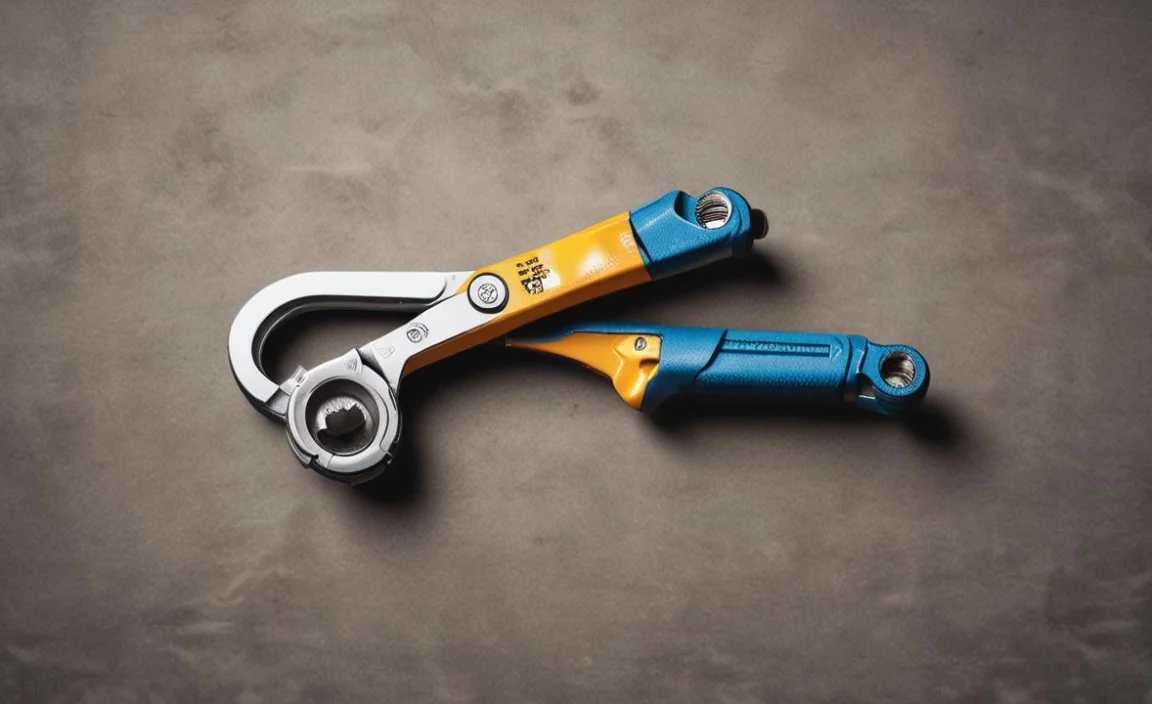
The core of a ratchet wrench’s brilliance lies in its internal mechanism. At its heart is a gear and a pawl system. Let’s break down this nifty engineering in plain terms. Imagine a finely toothed gear. This gear is attached to the drive head of the wrench. Then, there’s a small lever or “pawl” that can engage with the teeth of that gear.
Here’s the neat part:
- In one direction (tightening): The pawl catches onto a tooth of the gear. As you turn the handle, the gear moves the socket, and thus the bolt, in that direction.
- In the other direction (loosening): You simply flip a small switch on the wrench head. This disengages the pawl from the gear teeth, allowing the handle to rotate freely backward without turning the socket.
This “ratcheting” action is what lets you keep turning the handle back and forth, tightening or loosening the fastener without ever having to lift the wrench off the bolt. It’s like a continuous win-win for your turning efforts!
Key Components of a Ratchet Wrench
- Handle: This is what you grip and turn. Ratchet wrench handles come in various lengths and ergonomic designs for comfort and leverage.
- Ratcheting Mechanism: Housed inside the head, this is the gear and pawl system that allows for the back-and-forth turning without removing the tool.
- Head: This is the part that connects to the socket or the drive size you need. It can be fixed, swiveling, or even have adjustable angles on some models.
- Selector Lever: Usually a small switch on the head or handle, this lets you choose between tightening and loosening modes, or sometimes a neutral position.
- Socket/Drive: This isn’t part of the ratchet handle itself, but it’s crucial! The ratchet connects to a socket (for hex nuts/bolts) or a bit driver adapter, which then fits onto your fastener.
Why Use a Ratchet Wrench? The Big Benefits
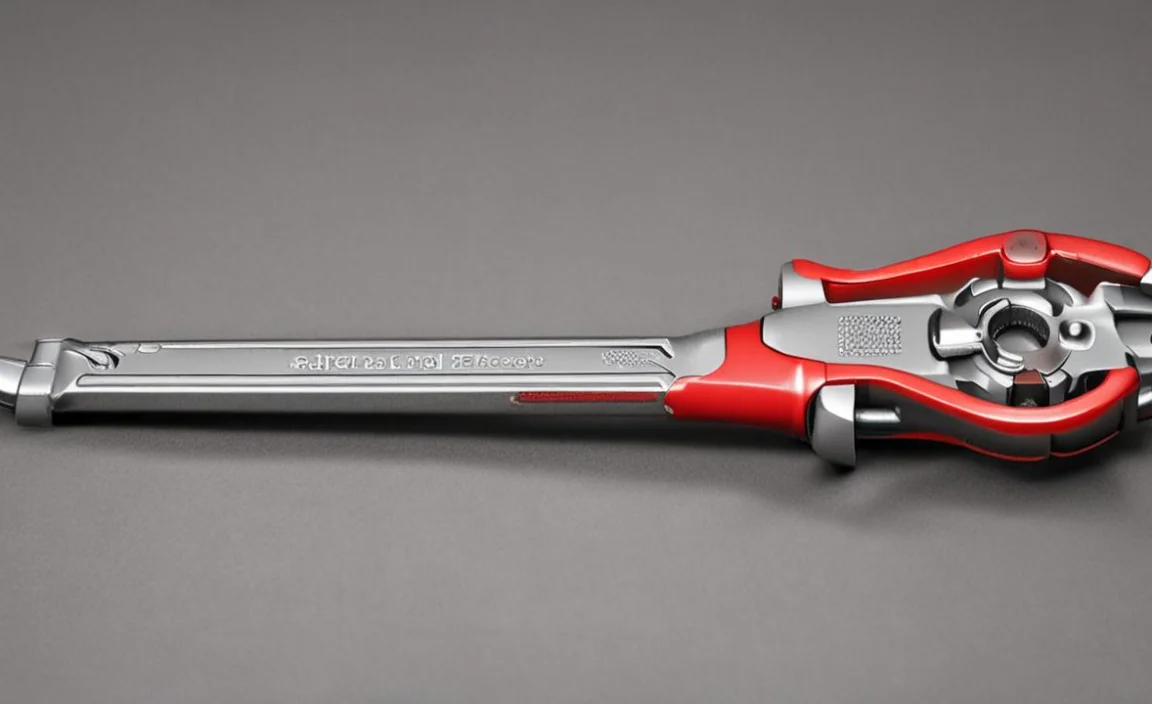
If you’re still using a standard combination wrench for everything, you might be wondering what all the fuss is about. Trust me, once you experience the benefits of a ratchet wrench, you’ll wonder how you managed without one for so long. It’s not just about convenience; it’s about making your work easier, safer, and more effective.
Time-Saving Speed
This is probably the most obvious advantage. No more lifting the wrench, repositioning it, and starting again for every tiny fraction of a turn. The continuous motion of a ratchet wrench means you can thread or unthread fasteners significantly faster. This is a huge win for any project, whether you’re assembling furniture, working on your car, or fixing something around the house. Less time spinning, more time getting the job done!
Working in Tight Spaces
This is where ratchet wrenches truly shine. Think about those awkward engine compartments, cramped cabinets, or narrow spaces behind appliances. With a standard wrench, you might only be able to make a tiny turn before hitting an obstruction. A ratchet wrench, however, only needs a small arc of movement to engage the next tooth. This allows you to keep turning even when you have very little clearance. It’s a lifesaver!
Reduced Fatigue
Constantly removing and repositioning a wrench can be tiring, especially when dealing with many fasteners or particularly stubborn ones. The seamless action of a ratchet wrench requires less physical effort and fewer repetitive motions. Your hand and wrist will thank you, leading to less strain and a more comfortable DIY experience.
Increased Precision and Control
Because you maintain contact with the fastener, you often have better control. This is especially helpful when you need to apply precise torque or when working with delicate components. You can feel the fastener as it turns, giving you a better sense of its progress.
Versatility with Swappable Sockets
Most ratchet wrenches use interchangeable sockets. This means one ratchet handle can work with a wide range of socket sizes and types. You can simply swap out the socket to fit the specific nut or bolt you’re working on. This reduces the number of individual tools you need to carry, making your toolbox more streamlined.
Safety First
While all tools require careful use, the constant contact a ratchet wrench maintains with the fastener can reduce the risk of the wrench slipping off. A slipping wrench can lead to scraped knuckles or damaged fasteners. The consistent engagement helps keep the tool securely in place.
Types of Ratchet Wrenches
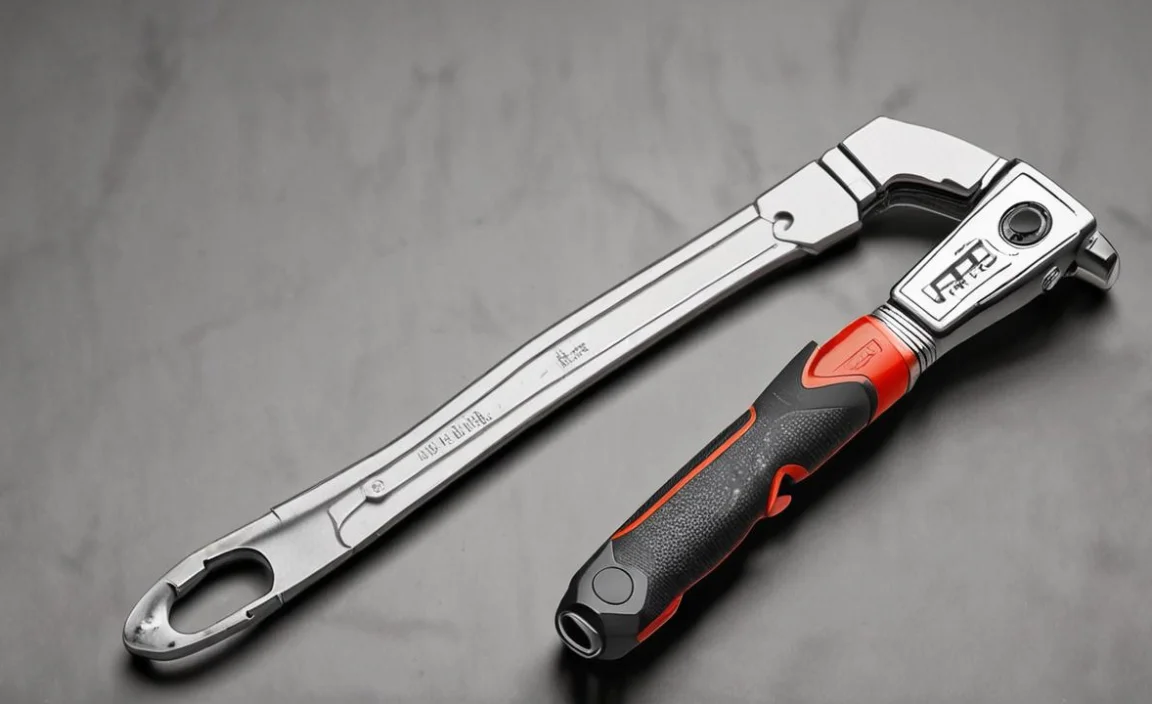
Just like you have different types of hammers for different jobs, there are a few variations of ratchet wrenches that cater to specific needs. Understanding these can help you choose the right tool for your toolkit.
Standard Ratchet Wrench (Socket Wrench)
This is the most common type people think of. It’s a handle with a ratcheting mechanism in the head, and it connects to various sockets. They come in different drive sizes (like 1/4-inch, 3/8-inch, and 1/2-inch) which determine the size of the socket they can accept. The 3/8-inch drive is a very popular all-rounder for home DIY tasks.
Pros: Extremely versatile, widely available, many socket options.
Cons: Requires separate sockets.
Combination Ratchet Wrench
This is a fantastic hybrid tool. One end features a standard open-ended wrench, while the other end has a ratcheting box-end (closed-end) wrench in the same size. This gives you the best of both worlds. You can use the open end for quickly starting or finishing a bolt in limited space, and the ratcheting box end for fast, continuous turning.
Pros: Two tools in one, very convenient for specific bolt sizes.
Cons: You’re limited to the fixed size on each end; less versatile than a socket wrench.
Ratcheting Pipe Wrench
These look a bit different and are designed specifically for gripping and turning pipes. They often have jaws that adjust to fit different pipe diameters and a ratcheting mechanism to make tightening or loosening pipe fittings much easier than with a traditional pipe wrench.
Pros: Excellent for plumbing tasks, requires less effort for pipe fittings.
Cons: Specialized for pipe work, not for nuts and bolts.
Torque Wrench (with Ratcheting Function)
Some higher-end torque wrenches can function as a regular ratchet wrench. A torque wrench is designed to apply a specific amount of rotational force (torque) to a fastener. While their primary function is precision tightening, many allow you to use them in a ratcheting mode for initial tightening or loosening. It’s crucial to use them correctly to avoid damaging the tool or over-tightening fasteners, which can be dangerous. Always consult the manufacturer’s instructions for proper usage. For example, the National Institute of Standards and Technology (NIST) provides valuable information on torque measurement standards and its importance in engineering and manufacturing for ensuring safety and reliability.
Pros: Allows for precise torque application for critical jobs.
Cons: More expensive, requires careful use to get accurate torque readings.
Stubby Ratchet Wrench
These are essentially shorter versions of the standard ratchet wrench. Their compact size makes them perfect for ultra-tight engine bays or other confined spaces where a full-sized ratchet just won’t fit. They offer less leverage but provide access where it matters most.
Pros: Superior access in extremely tight areas.
Cons: Limited leverage due to short handle.
Teardrop Head Ratchet
These are popular for their slim profile and smooth ratcheting action, often featuring a “teardrop” shaped head. They are excellent for getting into very narrow gaps and offer a high number of teeth in the mechanism for finer adjustment. This often means you can start turning with even less swing than other ratchets. Many professional mechanics prefer these. For more on tool specifications and standards, the International Organization for Standardization (ISO) publishes global standards for various tool types, ensuring quality and interoperability.
Pros: Excellent access, smooth operation, fine adjustment.
Cons: Often a bit pricier than basic models.
Ratchet Wrench vs. Standard Wrench: A Quick Comparison
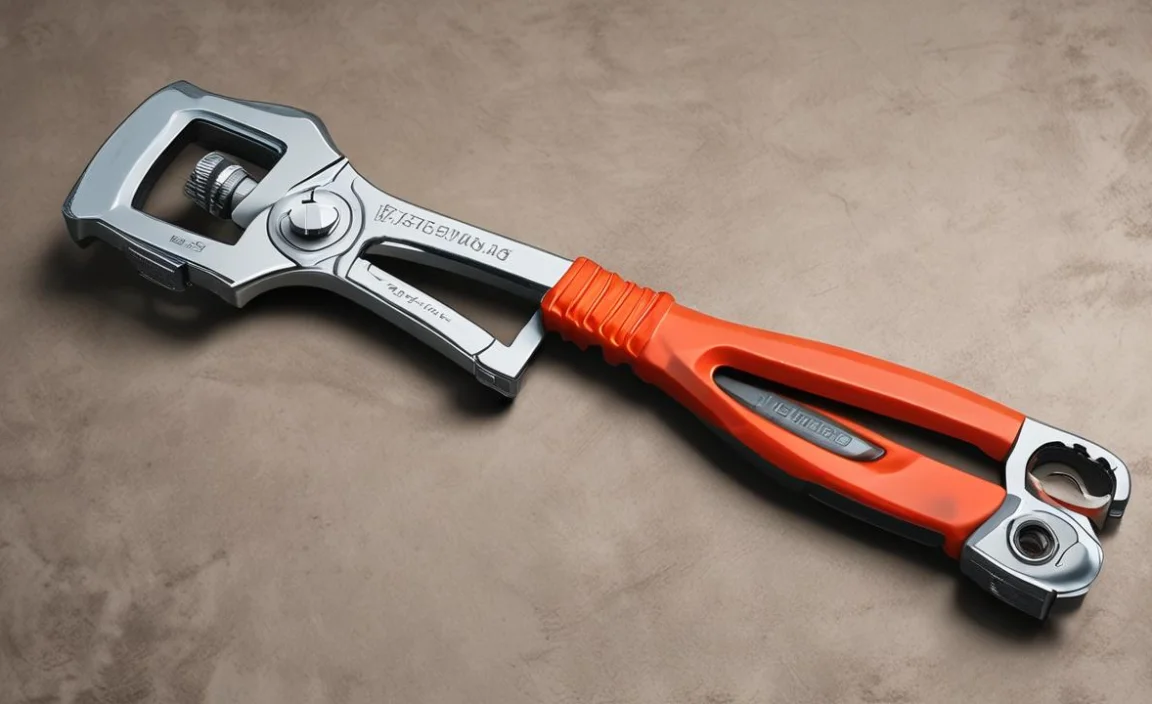
To really drive home the advantages, let’s put a ratchet wrench side-by-side with a traditional wrench. This comparison table highlights the key differences and where each shines.
| Feature | Ratchet Wrench (Socket Type) | Standard Combination Wrench |
|---|---|---|
| Operation | Turns fastener continuously without removing. | Requires lifting and repositioning for each turn. |
| Speed | Much faster for multiple turns. | Slower, requires more steps. |
| Tight Spaces | Excellent; needs minimal swing arc. | Can be difficult or impossible to use if swing is limited. |
| Fatigue | Less physical effort. | More repetitive motion, can cause hand/wrist strain. |
| Versatility | Highly versatile with interchangeable sockets. | Fixed size; you need a wrench for each size. |
| Tool Count | One handle + interchangeable sockets. | One tool per size. |
| Best For | Projects with many fasteners, tight access, efficiency. | Very simple tasks, situations where only one bolt needs turning, general utility. |
Choosing the Right Ratchet Wrench for You
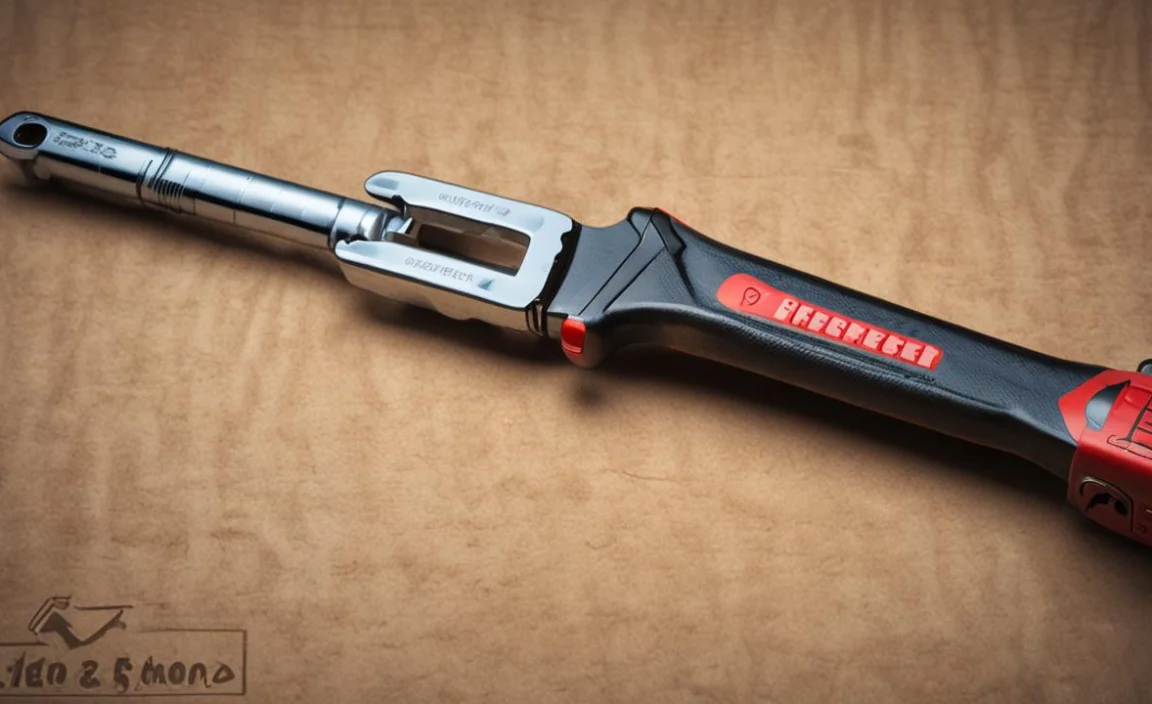
With so many options, picking the right ratchet wrench can seem a bit daunting. But don’t worry, it’s simpler than you think. Consider these factors:
Drive Size Matters
The drive size (1/4″, 3/8″, 1/2″) refers to the square fitting where the socket attaches. Popular Mechanics often recommends starting with a 3/8-inch drive set for general home use as it balances power and maneuverability.
- 1/4-inch: Great for small fasteners, delicate work, and tight spaces on electronics or small appliances.
- 3/8-inch: The most common and versatile size for general home repairs, auto work, and DIY projects.
- 1/2-inch: Best for larger fasteners, heavy-duty applications, and when significant leverage is needed, like on larger vehicles or machinery.
Handle Length and Grip
A longer handle generally provides more leverage, which is helpful for loosening tight bolts. However, it can be cumbersome in tight spaces. Shorter (stubby) ratchets offer better access but less torque. Look for comfortable, non-slip grips, especially if you’ll be working for extended periods or with greasy hands.
Number of Teeth (Gear Profile)
Ratchet mechanisms have varying numbers of teeth, typically ranging from 24 to over 100. A higher number of teeth means a smaller swing arc is needed to engage the next tooth, allowing you to work in even tighter spaces. For example, a 72-tooth ratchet only needs a 5-degree swing arc, while a 24-tooth ratchet needs a 15-degree arc. This finer engagement is a significant advantage.
Material and Durability
Most good quality ratchets are made from hardened steel alloys (like Chrome Vanadium, or Cr-V) for strength and durability. Check reviews if possible, or opt for reputable tool brands known for quality.
Fixed vs. Flex Head
Some ratchet heads can pivot or flex at different angles. This is incredibly useful for reaching fasteners at odd angles. However, a flex head can sometimes feel less sturdy than a fixed head, so consider what’s more important for your typical tasks.
Combination vs. Socket Ratchets
If you mostly deal with one or two common bolt sizes and want ultimate speed, combination ratchet wrenches are great. If you work on a variety of projects needing different fastener sizes, a standard socket ratchet with a good set of sockets is usually the better investment.
When to Use a Ratchet Wrench (and When Not To)
Ratchet wrenches are fantastic, but like any tool, they have their ideal scenarios and their limitations.
Ideal Scenarios:
- Assembly/Disassembly: Building furniture, assembling kits, taking apart appliances.
- Automotive Repairs: Working on engines, changing parts, or general maintenance.
- Plumbing: With the right adapters or specialized pipe ratchets, they can be useful.
- Tight Spots: Anywhere clearance is limited and a standard wrench would struggle.
- Projects with Many Fasteners: Projects involving numerous nuts and bolts where efficiency matters.
- Repetitive Tasks: When you have to tighten or loosen many fasteners of the same size.
When a Ratchet Wrench Might Not Be Your First Choice:
- Initial Loosening of Very Tight Bolts: Sometimes, the initial “break” force needed to loosen a severely seized bolt is better applied with a breaker bar or a sturdy standard wrench for maximum leverage and control. The fine teeth in a ratchet can potentially get damaged if extreme force is applied suddenly.
- Applying Precise Torque Without a Torque Wrench: While you can feel the tension, standard ratchets aren’t designed for precise torque application. For critical fasteners (like engine parts or lug nuts), always use a calibrated torque wrench.
- Extremely Dirty or Corroded Fasteners: If a bolt is heavily rusted or jammed, you might need a more robust tool like a pipe wrench or impact wrench, or you might risk damaging the ratchet mechanism with excessive force.
- When Only One Turn is Needed: For a single bolt that only needs a tiny adjustment, a standard wrench might be quicker to grab and use.
Essential Accessories for Your Ratchet Wrench
Your ratchet wrench itself is awesome, but pairing it with the right accessories can unlock its full potential and make even more jobs a breeze. Here are some must-haves:
Sockets
This is the most critical accessory. You’ll need a set of sockets that match your ratchet’s drive size. Standard sockets are common, but consider deep sockets for longer bolts and spark plug sockets if you do any automotive work.

