Many people love gardening. However, not all soil is perfect for plants. Did you know that sandy soil can be tricky? It drains water quickly, making it hard for plants to get enough moisture. This is where sandy soil water retention improvement comes in. Improving how sandy soil holds water can help plants thrive.
Imagine you have a garden full of flowers. You water them, but they still look droopy. What’s wrong? It could be that the sandy soil is not holding enough water. Learning how to improve sandy soil can make your garden bloom.
Sandy soil is light and easy to dig. However, it can’t hold water well. Many gardeners want to know how to fix this. Let’s explore ways to improve sandy soil water retention.
Key Takeaways
- Good soil helps plants grow healthy and strong.
- Improving sandy soil water retention is essential.
- Adding organic matter increases water holding capacity.
- Cover crops can help sandy soil hold moisture.
- Mulching retains water and keeps soil cool.
Why Sandy Soil Needs Water Retention Improvement
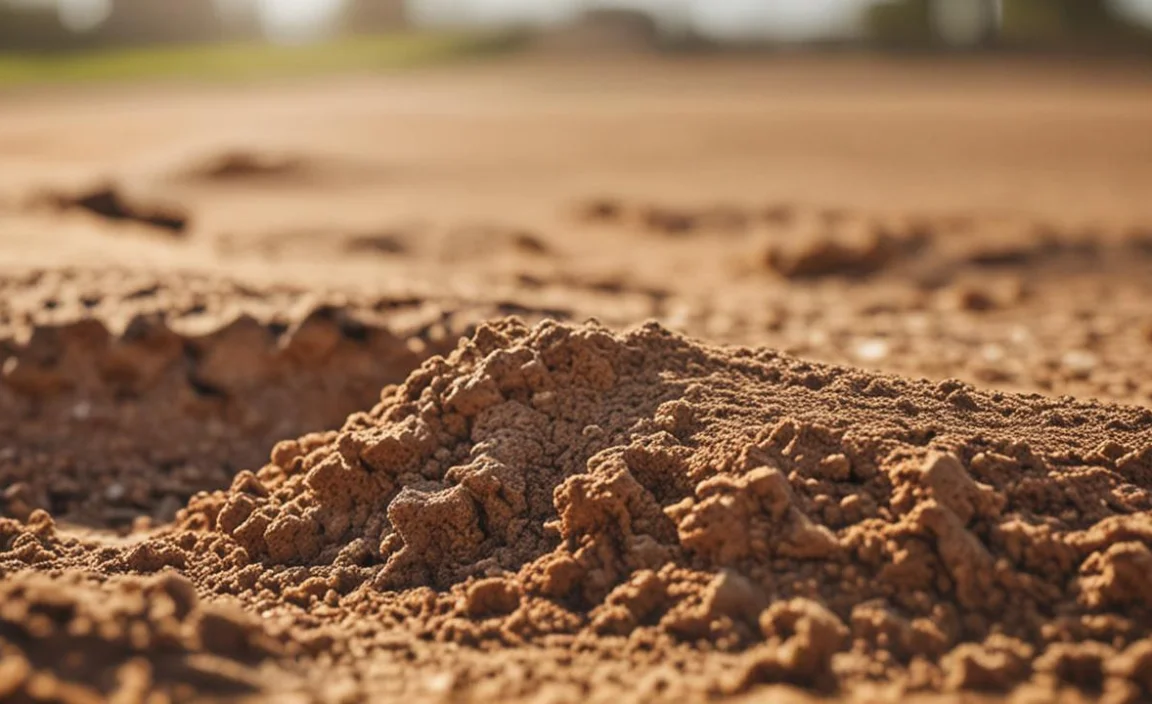
Sandy soil is made of large particles. These particles create spaces between them. When it rains, water quickly flows away. Plants can’t drink it fast enough. This is why sandy soil water retention improvement is important.
Without enough water, plants can wilt and die. To help, gardeners can make small changes. Adding materials can help hold water in sandy soil.
Here are some materials that can improve sandy soil:
- Compost increases nutrients and moisture.
- Pine needles create a natural barrier.
- Wood chips break down and add organic matter.
- Clay can help trap water.
- Peat moss absorbs moisture effectively.
Improving sandy soil can make a big difference. Plants grow faster and look healthier with enough water. This is a simple change that can lead to beautiful gardens.
Fun Fact or Stat: Did you know that sandy soil drains water five times faster than clay soil?
What Makes Sandy Soil Different?
Sandy soil feels gritty and light. It drains water quickly, which is both good and bad. It’s easy to dig, making gardening fun. But without water, plants struggle.
Have you ever planted a seed in sandy soil? It might not sprout well. This is because the water flows away too fast. To help, we can add materials to slow down the water loss.
Plants need time to absorb water. With sandy soil, this can be a challenge.
How to Test Your Soil
Testing soil is key to successful gardening. You can do a simple test at home. Take a small jar and fill it with soil, water, and shake. Let it sit.
After a while, you will see layers. The sand will settle at the bottom. This shows how much sand is in your soil. Knowing this helps you improve sandy soil water retention.
You can also take soil samples to a local garden store. They can test it for you.
The Role of Organic Matter
Organic matter is anything that comes from living things. This includes leaves, food scraps, and compost. Adding organic matter to sandy soil helps it hold water.
When organic matter breaks down, it creates a sponge-like texture. This helps trap water and nutrients. Healthy soil is full of life, which is good for plants.
Try mixing in compost or leaf mulch in your garden. You’ll notice that plants grow better with rich, organic soil.
Fun Fact or Stat: Adding just 5% organic matter can improve sandy soil’s water retention by 20%.
Methods for Sandy Soil Water Retention Improvement
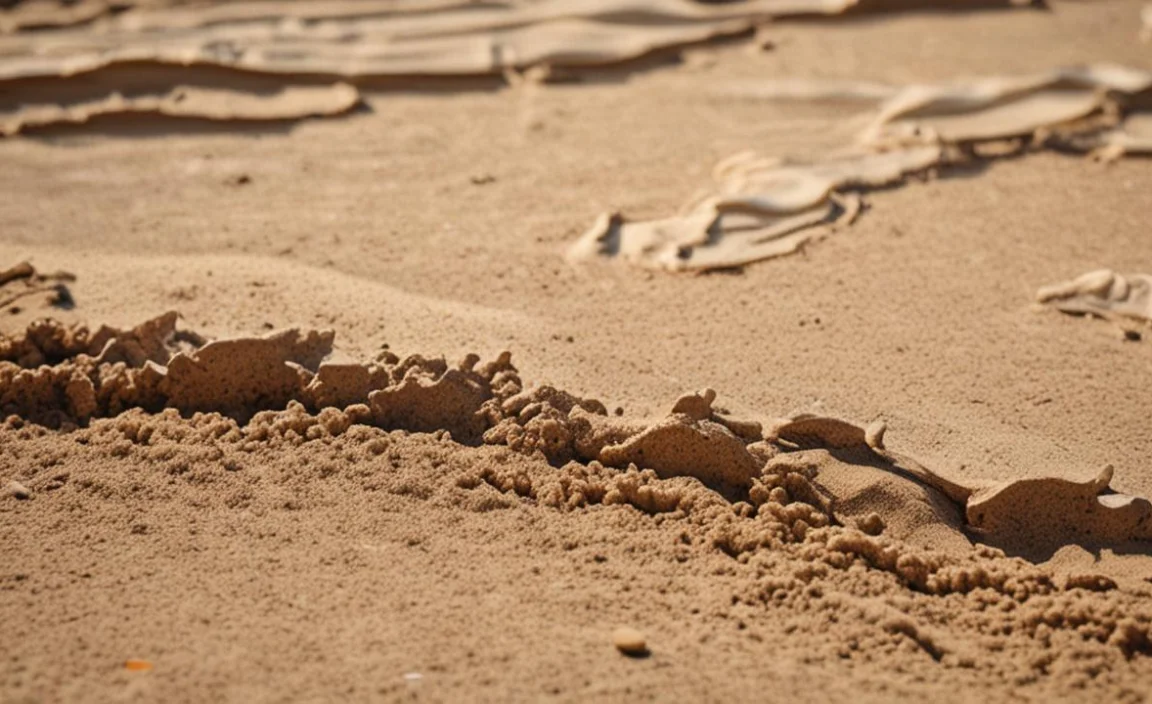
There are many methods to help sandy soil hold water. Each method can make a difference. One popular way is to add mulch. Mulch keeps the ground cool and moist.
Another method is to use cover crops. Cover crops are plants that protect and enrich the soil. They keep the ground covered, which helps reduce evaporation.
Here are some effective methods:
- Using mulch to keep soil moist.
- Planting cover crops in the off-season.
- Incorporating compost into the soil.
- Using water-absorbing gels or crystals.
- Creating raised beds to improve drainage.
These methods are easy to apply. Even beginner gardeners can try them. With some effort, sandy soil becomes better at holding water. This leads to healthy, happy plants.
Fun Fact or Stat: Cover crops can improve soil quality and water retention by up to 30%.
Benefits of Using Mulch
Mulch is a layer of material spread on the soil. It can be made from leaves, straw, or wood chips. Using mulch helps sandy soil a lot.
Have you noticed dry spots in your garden? Mulch can help with that. It slows down evaporation and keeps the soil moist.
Mulch also prevents weeds from growing. Weeds compete with plants for water and nutrients. Less weeds mean more water for your plants.
Make sure to apply mulch in a thick layer. This will keep your soil cooler and more hydrated.
Cover Crops: A Smart Solution
What if I told you cover crops can help your garden? Cover crops are plants that grow in empty spaces. They protect the soil and add nutrients.
Did you know that some cover crops can even improve sandy soil water retention? When these plants die back, they leave organic matter behind. This helps soil hold moisture better.
Popular cover crops include clover and rye. They are easy to grow and very beneficial.
If you have an empty garden bed, consider planting cover crops. They will enrich your soil and keep it healthy.
Water-Absorbing Gels
Have you heard of water-absorbing gels? These special gels soak up water and release it slowly. They are great for sandy soil.
Using them is easy. Just mix them into the soil when planting. They will help retain moisture for a long time.
This can be especially helpful during hot summer months. Your plants will have access to water even on dry days.
Try using water-absorbing gels in your garden. It’s a simple way to help sandy soil.
Fun Fact or Stat: Water-absorbing gels can hold up to 400 times their weight in water!
Choosing the Right Plants for Sandy Soil
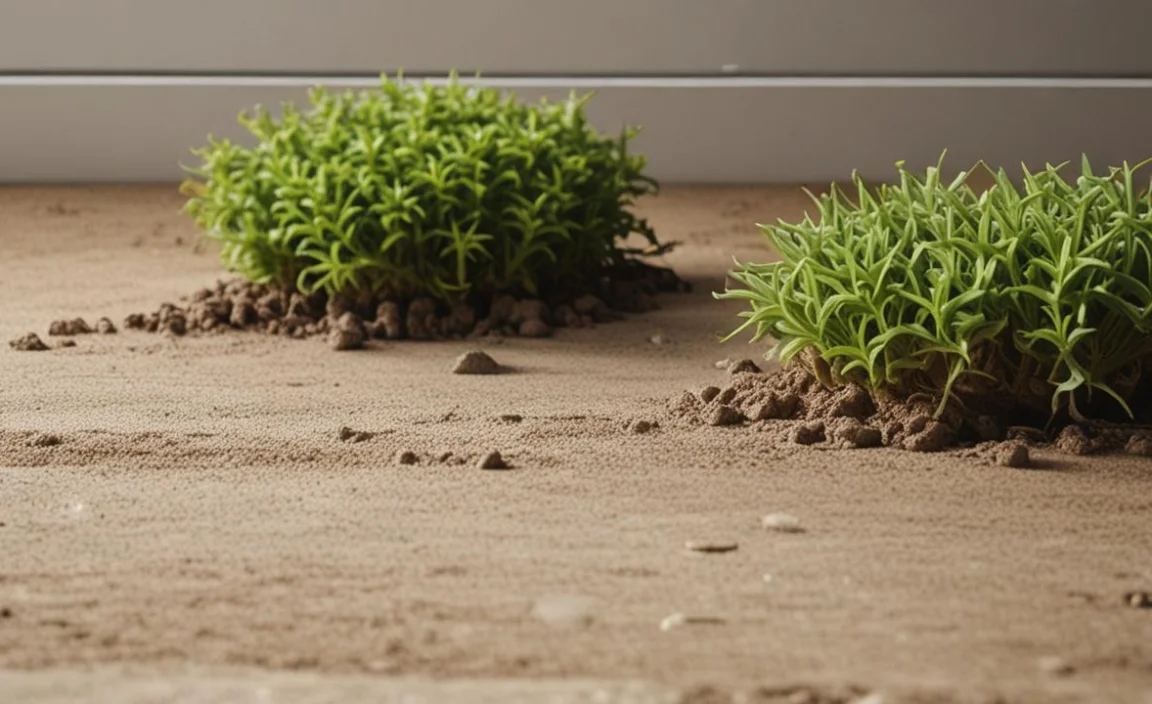
Choosing plants for sandy soil is important. Some plants love sandy soil and thrive in it. Others struggle and may not grow well.
Look for plants that need well-drained soil. Native plants are often the best choice. They are adapted to local soil types.
Here are some great plants for sandy soil:
- Lavender loves dry, sandy conditions.
- Yucca plants are tough and drought-resistant.
- Succulents store moisture in their leaves.
- Daylilies can adapt to many soil types.
- Ornamental grasses need less water.
Choosing the right plants helps your garden succeed. Healthy plants can thrive even in challenging conditions.
Fun Fact or Stat: Native plants can reduce the need for watering by up to 50%.
Native Plants: The Best Choice
Have you ever noticed how well native plants grow? They are perfect for local conditions. Native plants are adapted to the local climate and soil.
For sandy soil, many native plants are drought-resistant. They require less water than non-native plants.
Consider planting native flowers or shrubs in your garden. They will thrive with less effort. This not only helps your garden but also supports local wildlife.
Native plants attract butterflies and birds. This brings life into your garden and makes it vibrant.
Drought-Resistant Plants
What are drought-resistant plants? They are plants that can survive with little water. These plants are perfect for sandy soil.
They are often found in deserts and dry climates. Examples include succulents and cacti. These plants can store water in their leaves and stems.
Gardening with drought-resistant plants can save you time and effort. You won’t have to water as much. Plus, they add unique beauty to your garden.
Try adding these plants to your sandy soil garden. They will thrive even during dry spells.
Herbs that Love Sandy Soil
Did you know that some herbs love sandy soil? Herbs like rosemary and thyme can grow well in this type of soil.
These herbs are also drought-resistant, making them easy to care for. Imagine stepping outside and picking fresh herbs for dinner. How wonderful is that?
Planting herbs in sandy soil can be a great choice. They add flavor to your meals and beauty to your garden.
Consider starting an herb garden. You can enjoy the benefits of fresh herbs while improving your sandy soil.
Fun Fact or Stat: Some herbs can reduce water use in gardens by up to 30%.
Common Mistakes in Sandy Soil Management
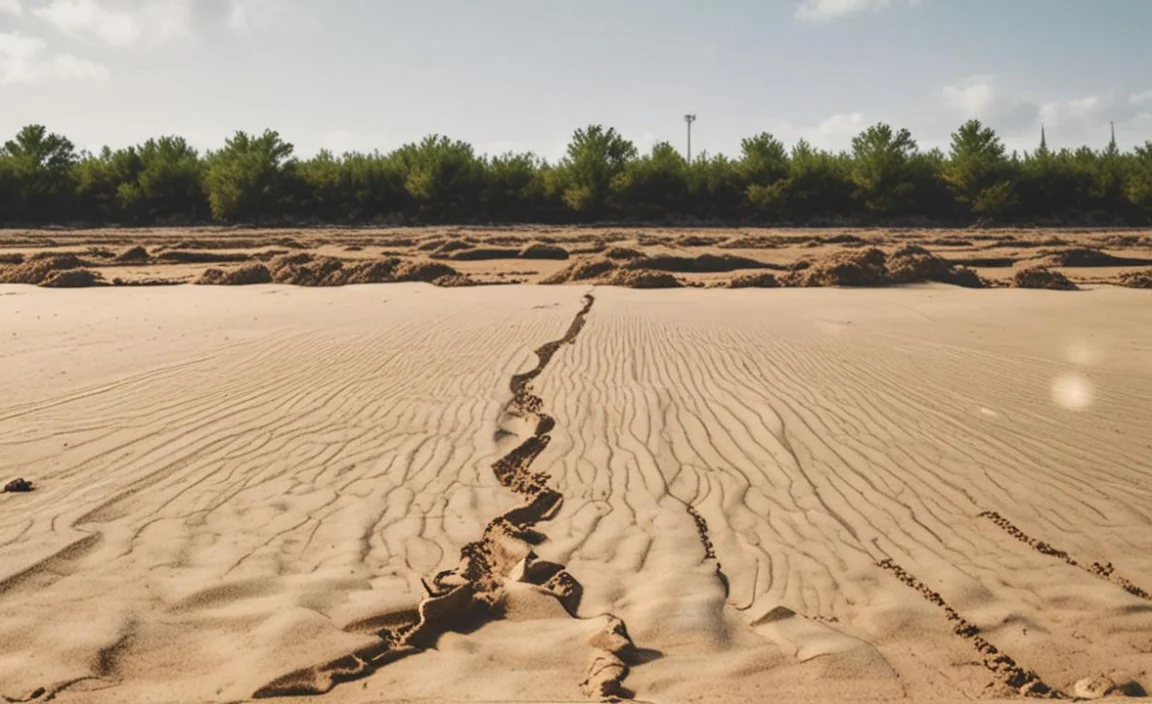
Many gardeners make mistakes when dealing with sandy soil. Often, they don’t realize how fast water drains away.
One common mistake is overwatering plants. Water can flow away before plants can absorb it.
Another mistake is not adding organic matter. Without it, sandy soil remains dry.
Here are some common mistakes to avoid:
- Not testing soil before planting.
- Ignoring the need for organic matter.
- Overwatering instead of watering deeply.
- Planting wrong types of plants.
- Neglecting mulch in garden beds.
Avoiding these mistakes can lead to a thriving garden. With the right care, sandy soil can support many healthy plants.
Fun Fact or Stat: Overwatering can drown roots and cause plant death.
Ignoring Soil Testing
Soil testing is important for a healthy garden. Without it, you may not know your soil’s needs. Some gardeners skip this step.
Doing a soil test tells you what nutrients are missing. It also helps you understand the type of soil you have.
Testing is simple. You can use kits from garden stores or send samples to a lab. Knowing your soil helps you make better choices.
Don’t skip this important step. It can save you time and effort in the long run.
Overwatering Plants
Have you ever watered your plants too much? Overwatering is a common mistake in sandy soil. Water drains away quickly, so plants may not need as much.
When plants sit in water, their roots can rot. This can kill your plants fast.
Instead of frequent watering, give your plants a deep soak. This allows them to absorb water properly.
Be mindful of your watering habits. It can make a big difference in plant health.
Not Using Mulch
Mulch is essential for sandy soil. Some gardeners forget to use it. Without mulch, sandy soil dries out quickly.
Mulch helps retain moisture and keeps the soil cool. It also prevents weeds from growing.
Make it a habit to apply mulch each year. This will protect your soil and help your plants grow.
Using mulch can save you time and effort in gardening.
Tools for Improving Sandy Soil
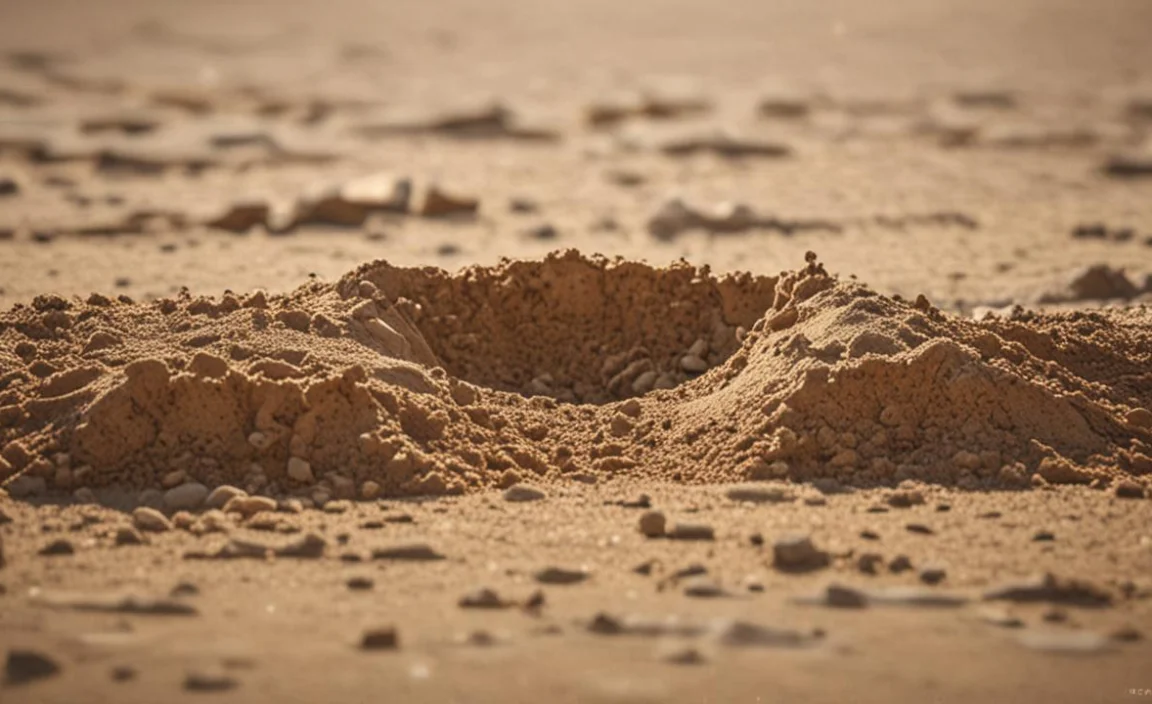
Having the right tools makes gardening easier. Some tools can help improve sandy soil.
A good shovel is essential for digging and mixing. A rake helps spread mulch evenly. A soil test kit is also useful for checking soil health.
Here are some helpful tools for sandy soil:
- Shovel for digging and mixing soil.
- Rake for leveling and spreading mulch.
- Soil test kit for checking nutrients.
- Watering can for precise watering.
- Compost bin for making organic matter.
These tools can make your gardening journey easier. With the right help, sandy soil can become a great place for plants.
Fun Fact or Stat: A good compost bin can reduce kitchen waste by 30%.
Essential Gardening Tools
Every gardener needs a few essential tools. These tools make gardening easier and more enjoyable.
A sturdy shovel helps you dig and mix soil. A rake is great for spreading mulch and leveling ground.
Don’t forget gloves! They protect your hands while working.
Investing in quality tools pays off. They last longer and make your gardening tasks easier.
Watering Techniques
Watering is an important part of gardening. It’s best to water deeply but less often. This encourages roots to grow deeper into the soil.
Using soaker hoses can help. They deliver water directly to the soil. This helps reduce evaporation.
Experiment with different watering techniques. Find out what works best for your plants.
Good watering habits lead to healthier plants and better soil.
Composting for Better Soil
Composting is a great way to improve sandy soil. It adds organic matter that helps retain moisture.
You can compost kitchen scraps, grass clippings, and leaves. Set up a compost bin in your yard.
Mixing compost into sandy soil improves its health. It helps plants grow strong and lush.
Start composting today and notice the difference in your garden.
Summary
Improving sandy soil water retention is crucial for gardeners. Sandy soil drains quickly, making it hard for plants to thrive. By adding organic matter, using mulch, and choosing the right plants, you can improve soil health. Simple changes can lead to beautiful, blooming gardens. Remember, healthy soil supports strong plants.
Conclusion
In conclusion, sandy soil water retention improvement is essential for any gardener. With the right knowledge, you can transform your garden. Use organic matter, mulch, and the right plants to create a thriving environment. Your efforts will lead to lush, beautiful plants and a successful garden.
Frequently Asked Questions
Question No 1: What is sandy soil?
Answer: Sandy soil is made of large particles that create spaces. It drains water quickly. This can be a challenge for growing plants. To improve sandy soil water retention, you can add organic matter and mulch. These changes can help plants absorb more water and thrive.
Question No 2: How can I improve sandy soil?
Answer: To improve sandy soil, you can add organic matter like compost. Using mulch can also help retain moisture. Another way is to plant cover crops. These methods enhance sandy soil water retention and support plant health.
Question No 3: What are cover crops?
Answer: Cover crops are plants grown to protect and enrich the soil. They cover the ground when not planted with other crops. Cover crops can improve sandy soil water retention by adding organic matter when they die back, helping plants grow better.
Question No 4: Why is mulching important?
Answer: Mulching is important because it helps keep soil moist. It also prevents weeds from growing. This is especially helpful in sandy soil, which dries out quickly. Using mulch can improve sandy soil water retention and support plant growth.
Question No 5: What plants grow well in sandy soil?
Answer: Many plants thrive in sandy soil. Native plants and drought-resistant herbs like rosemary and thyme do well. These plants require less water and adapt to sandy soil’s quick drainage. This enhances sandy soil water retention and helps your garden flourish.
Question No 6: How can I tell if my soil is sandy?
Answer: You can tell if your soil is sandy by feeling it. Sandy soil feels gritty and dry. Another way is to do a simple jar test. Mix soil and water in a jar, and let it settle. The sand will settle at the bottom.

