Did you know you can grow plants in bales of straw? Straw bale gardening is a fun way to create a garden. It uses bales of straw instead of soil. This method is easy for beginners. One important step is nitrogen conditioning.
Why is nitrogen conditioning so crucial? It helps break down the straw, making it better for plants. Without it, plants might not grow well. Straw alone does not provide enough nutrients.
Let’s explore how to make the most of straw bale gardening. Understanding nitrogen conditioning will help your plants thrive. Are you ready to learn more?
Key Takeaways
- Nitrogen conditioning is key for straw bale gardening.
- Healthy bales help grow strong, healthy plants.
- Conditioning takes about 10 to 14 days.
- Use high-nitrogen fertilizer for best results.
- Straw bales can last for multiple growing seasons.
What Is Straw Bale Gardening?
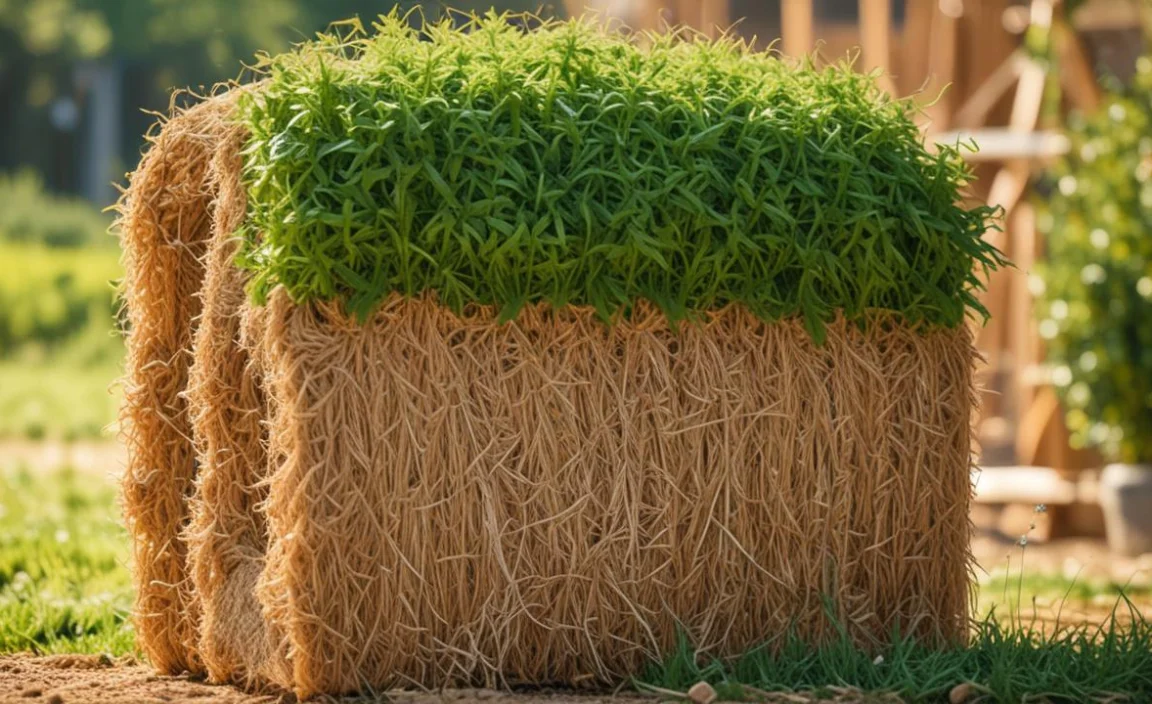
Straw bale gardening is a creative way to grow plants. It uses bales of straw instead of traditional soil. This method is growing in popularity. Many people enjoy it because it is easy and fun.
To start, place bales in a sunny spot. Make sure they are tightly packed. You can plant vegetables, flowers, or herbs in them. The straw provides support for the plants.
Here’s a list of benefits of straw bale gardening:
- Less weeding than traditional gardening.
- Ideal for small spaces.
- Easy to set up and maintain.
- Warmer soil for quicker plant growth.
- Good for people with mobility issues.
Straw bale gardening allows anyone to grow plants. It’s especially good for those without soil access. This method can make gardening more accessible. Just remember, nitrogen conditioning helps make the bales ready for planting. Without it, plants may struggle to get nutrients.
Fun Fact or Stat: Straw bales can last for years when properly cared for.
How Straw Bales Work
Ever wonder how straw bales can grow plants? It’s all about how they break down. When you water your bales, they start to decompose. This process creates heat and moisture.
The straw bales provide support for plants. They also slowly release nutrients as they break down. This is why nitrogen conditioning is important. It helps start this process quickly.
Here are some key points about how straw bales work:
- They provide structure for the plants.
- They hold moisture to help plants grow.
- Decomposition creates heat for the roots.
- They can be reused after one growing season.
- Healthy bales nourish your plants.
Understanding how straw bales work shows their benefits. They are more than just a place to grow. With the right care, they can be a thriving garden. Adding nitrogen is the first step in this process.
Fun Fact or Stat: Straw bales can heat up to 160°F during decomposition!
Choosing the Right Straw Bales
Choosing the right straw bales is essential. Not all straw is created equal. Look for bales that are tightly packed and free of mold.
Good straw bales should smell fresh and clean. They should not have any rotting spots. The best type of straw for gardening is wheat straw. It breaks down well and is nutrient-rich.
Here are tips for selecting your straw bales:
- Pick bales that are tightly compressed.
- Look for a fresh, pleasant smell.
- Avoid bales with mold or rot.
- Wheat straw is the best choice.
- Check for pests before buying.
Choosing the right straw bales matters. High-quality bales will help your garden grow better. It’s worth the time to find the best straw. Healthy bales lead to healthy plants.
Fun Fact or Stat: Healthy straw bales can provide nutrients for several years!
Preparing Straw Bales for Planting
Are you excited to prepare your straw bales? The first step is nitrogen conditioning. This process usually takes about 10 to 14 days.
Start by soaking the bales with water. Then, apply high-nitrogen fertilizer. This helps kickstart decomposition. You will notice steam rising from the bales. That means they are working!
Here’s how to prepare straw bales for planting:
- Water the bales thoroughly.
- Add high-nitrogen fertilizer evenly.
- Cover bales with a tarp to keep moisture.
- Let bales sit for 10 to 14 days.
- Check for steam; it shows decomposition.
Preparing straw bales is a simple process. Following these steps will give you a great start. Make sure to check the bales during conditioning. This way, you ensure they are ready for planting.
Fun Fact or Stat: The steam you see is a sign of active decomposition!
The Role of Nitrogen in Conditioning
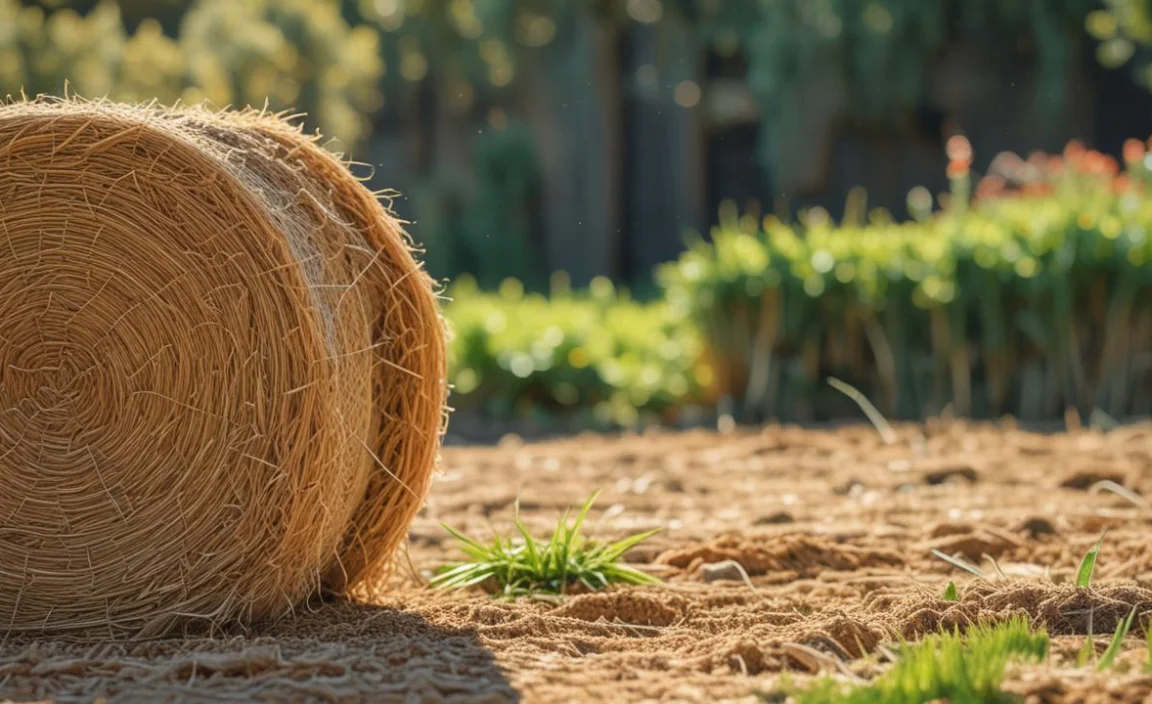
Nitrogen is a key part of straw bale gardening. Plants need nitrogen to grow strong and healthy. Without it, they may struggle. Nitrogen helps break down the straw, making it rich in nutrients.
When you condition your straw bales with nitrogen, you help them decompose. This creates a cozy environment for plants. It also helps the plants absorb nutrients better.
Here are some important points about nitrogen’s role:
- Nitrogen aids in the decomposition process.
- Healthy plants rely on nitrogen for growth.
- It enriches the soil around the bales.
- It helps produce good harvests.
- Nitrogen conditioning takes time and care.
Understanding nitrogen’s role is vital in straw bale gardening. This nutrient makes all the difference for your plants. Remember, healthy bales lead to a thriving garden.
Fun Fact or Stat: Nitrogen is often called the “building block of life” for plants!
Types of Nitrogen Fertilizers
Choosing the right nitrogen fertilizer is essential. There are many types available. Some fertilizers are quick-release, while others are slow-release. Quick-release fertilizers are great for immediate results.
Slow-release fertilizers provide a steady supply of nutrients. They are better for long-term gardening. Find one that fits your gardening style.
Here’s a list of common types of nitrogen fertilizers:
- Ammonium nitrate: fast-acting and effective.
- Urea: a popular option and easy to find.
- Blood meal: natural and rich in nitrogen.
- Fish emulsion: gentle and beneficial for plants.
- Compost: a slow-release source for nutrients.
Picking the right nitrogen fertilizer helps your garden thrive. The type you choose can affect how well your plants grow. Consider your gardening goals when selecting your fertilizer.
Fun Fact or Stat: Blood meal can contain up to 15% nitrogen!
Monitoring Your Straw Bales
Monitoring your straw bales is an important part of gardening. You need to check them regularly during the conditioning phase. Look for signs of decomposition like steam or warmth.
Feel the bales to check for moisture. They should stay damp but not soggy. Adjust watering as needed. This monitoring helps ensure that your plants will thrive.
Here’s how to monitor your straw bales:
- Check for steam rising from the bales.
- Feel for warmth to indicate decomposition.
- Keep the bales evenly moist.
- Look for any mold or pests.
- Adjust water levels as needed.
Regularly monitoring your bales helps you know their condition. This way, you can take action if needed. Healthy bales lead to healthy plants.
Fun Fact or Stat: Monitoring your bales can prevent pests from ruining your garden!
Planting in Straw Bales
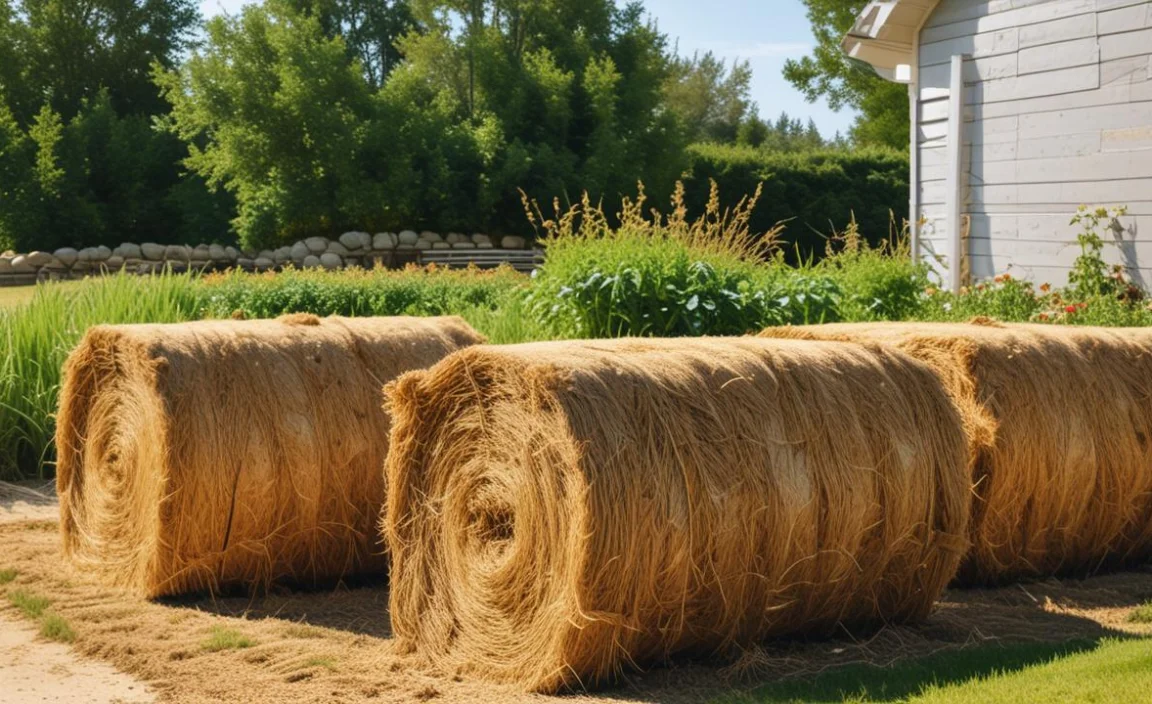
Once your bales are ready, it’s time to plant! Choose your favorite plants. You can grow herbs, vegetables, or flowers. The best time to plant is in the spring.
Make holes in the bales for your seeds or seedlings. The bales will provide support as they grow.
Here’s a list of tips for planting in straw bales:
- Choose plants that grow well in bales.
- Make holes deep enough for roots.
- Water the bales before planting.
- Space plants according to their needs.
- Monitor growth regularly for issues.
Planting in straw bales can be exciting. Watch as your plants grow and thrive. The straw supports them while providing nutrients.
Fun Fact or Stat: You can grow tomatoes, peppers, and herbs in straw bales!
Watering Your Straw Bales
Watering your straw bales is essential. They need regular moisture. However, over-watering can lead to problems.
Water your bales every few days, depending on the weather. Check the moisture level by feeling the bales. They should be damp but not soaked.
Here’s how to water your straw bales effectively:
- Water deeply to reach the core of the bales.
- Use a soaker hose for even moisture.
- Monitor weather conditions, adjust as needed.
- Avoid letting them dry out completely.
- Water less often in cooler months.
Watering your bales properly helps your plants thrive. Healthy plants need the right amount of moisture. With good care, your straw bale garden will flourish.
Fun Fact or Stat: Straw bales can hold up to 26 gallons of water!
Fertilizing Your Plants
Fertilizing your plants is important in straw bale gardening. After planting, your plants will need extra nutrients. Use a balanced fertilizer every few weeks.
This helps them grow strong and healthy. Too much fertilizer can harm plants, so be careful.
Here’s how to fertilize your plants in straw bales:
- Choose a balanced fertilizer for plants.
- Follow the instructions on the label.
- Apply every 4-6 weeks for best results.
- Water the plants before fertilizing.
- Watch for signs of nutrient deficiency.
Fertilizing supports healthy growth in your plants. It keeps them green and productive. With the right care, your garden will thrive throughout the season.
Fun Fact or Stat: Fertilizing too much can cause leaf burn in plants!
Harvesting Your Straw Bale Garden
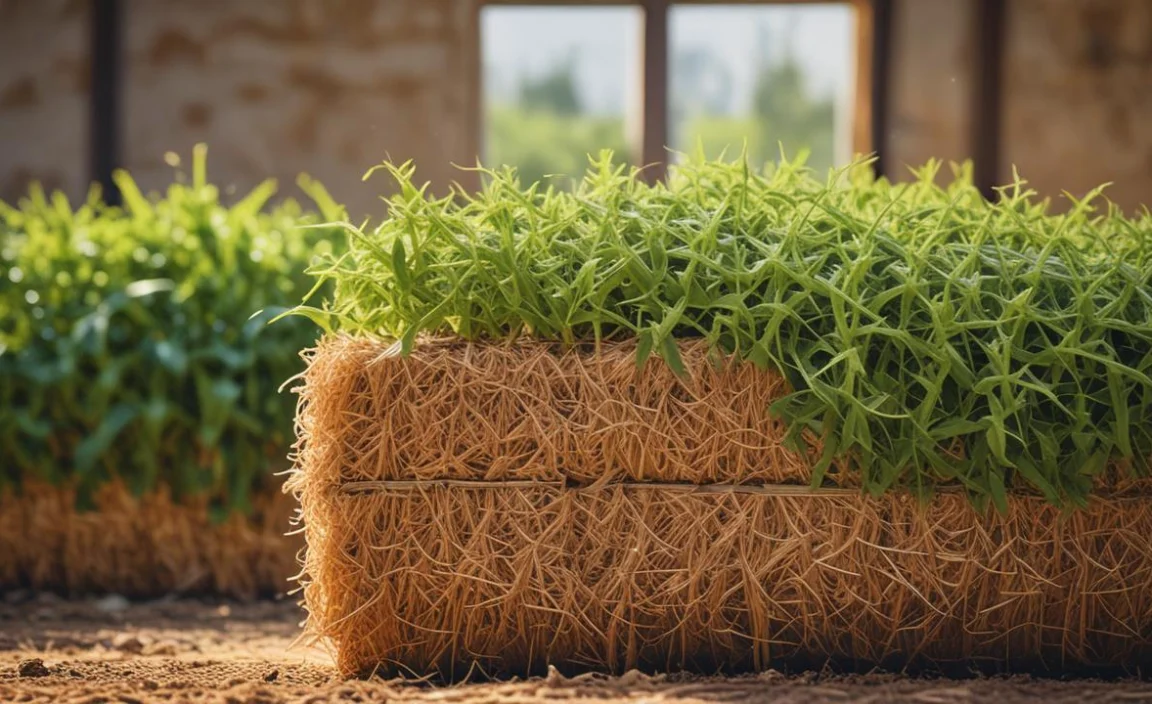
Are you excited to harvest your crops? Harvesting is one of the best parts of gardening. You get to enjoy the fruits of your labor!
Once your plants are mature, it’s time to pick them. Check for ripeness by looking for color and size.
Here’s how to harvest from your straw bale garden:
- Use sharp tools to avoid damaging plants.
- Harvest at the right time for best flavor.
- Be gentle to avoid damaging the bales.
- Wear gloves if needed for prickly plants.
- Store your harvest properly to keep it fresh.
Harvesting is rewarding. It shows how well your straw bale garden can work. Enjoy fresh veggies and herbs straight from your garden.
Fun Fact or Stat: Harvesting often leads to more growth from plants!
Summary
Straw bale gardening is a fun and easy way to grow plants. Nitrogen conditioning is a crucial step. It helps break down the straw, providing nutrients for your plants.
With the right care, your straw bale garden can thrive. Monitor the bales, water them properly, and fertilize as needed. Enjoy the fruits of your labor with a successful harvest!
Conclusion
In conclusion, straw bale gardening is an exciting method for growing plants. By focusing on nitrogen conditioning, you ensure healthy growth. Follow the steps for preparation, planting, and care. Enjoy a bountiful garden!
Frequently Asked Questions
Question No 1: What is straw bale gardening?
Answer: Straw bale gardening uses bales of straw for planting. Instead of using soil, plants grow in the bales. This method is easy and fun, especially for beginners. Proper preparation is key, including nitrogen conditioning. This helps create a healthy environment for the plants.
Question No 2: Why is nitrogen conditioning important?
Answer: Nitrogen conditioning is crucial for straw bale gardening. It helps break down the straw into nutrients. Without it, plants may struggle to grow. Conditioning usually takes 10 to 14 days. This process ensures that the bales provide a healthy environment for plants.
Question No 3: How do I choose the right straw bales?
Answer: Choose tightly packed straw bales without mold. Fresh bales should smell pleasant. Wheat straw is the best option for gardening. It breaks down well and provides nutrients. Always check for pests before buying. Healthy bales are essential for a successful garden.
Question No 4: What types of plants can I grow?
Answer: You can grow many plants in straw bales! Popular choices include tomatoes, peppers, and herbs. Flowers also thrive in this environment. Just make sure to choose plants that fit in the bales. Enjoy watching them grow and flourish!
Question No 5: How often should I water my bales?
Answer: Water your straw bales every few days. Make sure they are damp but not soggy. Feel the bales to check moisture levels. During hot weather, you might need to water more often. Keeping the bales moist helps your plants grow strong.
Question No 6: Can I reuse straw bales?
Answer: Yes, straw bales can be reused for multiple growing seasons. After the first season, they may break down more. However, you can still use them for new plants. Just remember to condition the bales with nitrogen again. This will help create a healthy environment for your garden.

