Hey there, fellow DIYers! Troy D Harn here from TopChooser, ready to tackle another project that’ll make your life a little bit easier and your truck bed much happier. Ever hauled something home, only to watch it get soaked by the rain or blown around by the highway wind? It’s a common frustration, right? That’s where a good truck bed tarp comes in. But not just any tarp – the right tarp, secured properly. Don’t worry, it’s simpler than you might think. We’ll walk through it step-by-step, so you can protect your cargo like a pro. Ready to get those loads secured?
Why Tarping Your Truck Bed is a Game-Changer
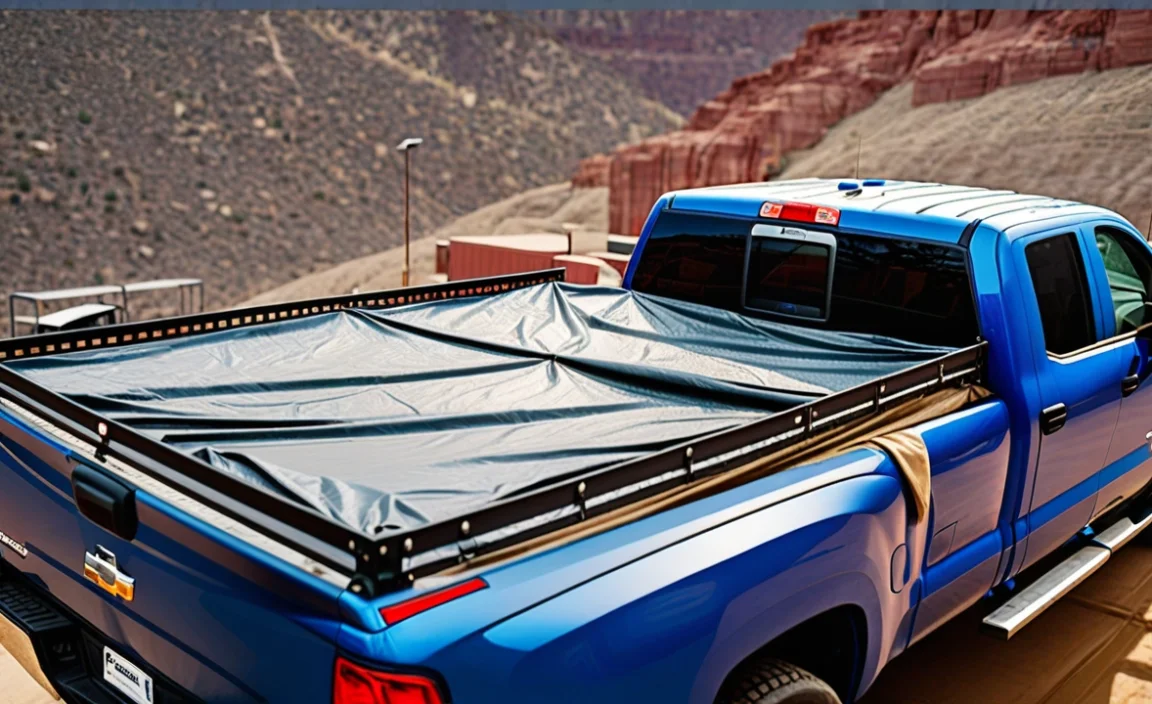
Let’s talk about why this simple task is so important. Your truck bed is a workhorse, meant to haul all sorts of gear, from lumber for a DIY project to furniture for a new home. But without protection, that gear is at the mercy of the elements and the open road. Rain, snow, sun, and wind can damage your items, making them unusable or unsightly. Beyond that, unsecured items can become projectiles, posing a serious safety hazard to you and other drivers. Properly tarping your truck bed isn’t just about keeping things dry; it’s about safety, preserving your items, and saving yourself headaches and potential costs down the road.
Think about it: That new couch you just bought? A sudden downpour can ruin the upholstery. Bags of mulch or soil? They can scatter and create a mess. Even something as simple as groceries can get tossed around, leading to spilled milk and squashed bread. Tarping is your first line of defense.
Choosing the Right Tarp for Your Truck Bed
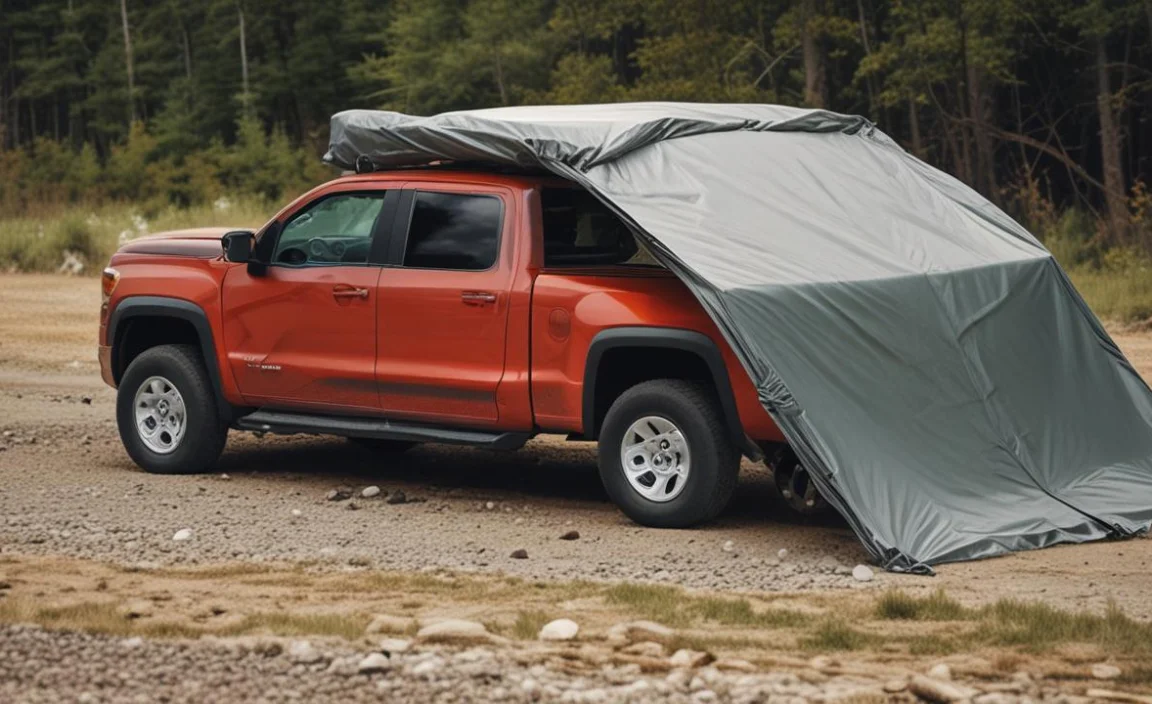
Not all tarps are created equal, and picking the right one for your truck bed makes a big difference. We want something durable, water-resistant, and the right size. Here’s what to look for:
Materials Matter
Most truck bed tarps are made from heavy-duty materials designed to withstand the outdoors. Common options include:
- Polyethylene (Poly): These are often the most budget-friendly option. They’re generally water-resistant and UV-treated to resist sun damage. They come in various thicknesses (mil), with higher mils indicating more durability.
- Vinyl: Vinyl tarps are incredibly strong and completely waterproof. They’re a great choice if you’re hauling sensitive items or frequently transport wet materials. They tend to be more expensive but offer superior protection.
- Canvas: While traditionally used, canvas tarps are less common for truck beds nowadays due to their weight and tendency to absorb water if not treated. They offer good breathability but require more maintenance for water resistance.
Size It Up
This is crucial! A tarp that’s too small won’t cover your cargo adequately, leaving it exposed. A tarp that’s too large can flap around in the wind, becoming difficult to secure and potentially damaging itself or your truck. Measure your truck bed, and if you’re covering a load, measure the load itself. You’ll want at least a foot or two of overlap on all sides of your cargo and truck bed for a secure fit. For example, a standard short-bed truck (around 6 feet) might need a tarp that’s 8×10 feet or larger, depending on what you’re hauling.
Key Features to Look For
- Grommets: These are metal rings reinforced around grommeted tarps, making them essential for tying down. Ensure they are spaced consistently and made of sturdy material.
- UV Treatment: Prolonged sun exposure can degrade tarp materials. Look for tarps specifically advertised as having UV resistance.
- Water Resistance/Waterproof: Depending on your needs, ensure the tarp is at least water-resistant. For maximum protection, go for waterproof.
- Reinforced Edges: Stronger seams and reinforced corners prevent tearing, especially where grommets are located.
Essential Tools and Gear You’ll Need
Before you start, gather your supplies. You don’t need a ton of fancy equipment, just a few practical items that will make the job easier and ensure your tarp stays put.
- Your Chosen Tarp
- Bungee Cords or Ratchet Straps: These are your primary tools for securing the tarp. Bungee cords are quick and easy for lighter loads or temporary coverings. Ratchet straps offer superior tension and security for heavier or more critical loads.
- Heavy-Duty Gloves: Protect your hands from rough surfaces and the tarp material.
- Optional: Tarp Clips or Ball Bungees: These can help create a tighter seal or provide extra anchoring points if your tarp doesn’t have enough grommets or if you need to secure flaps.
- Optional: Rope: For certain tie-down methods, strong rope can be very useful.
Step-by-Step Guide: How to Tarp a Truck Bed
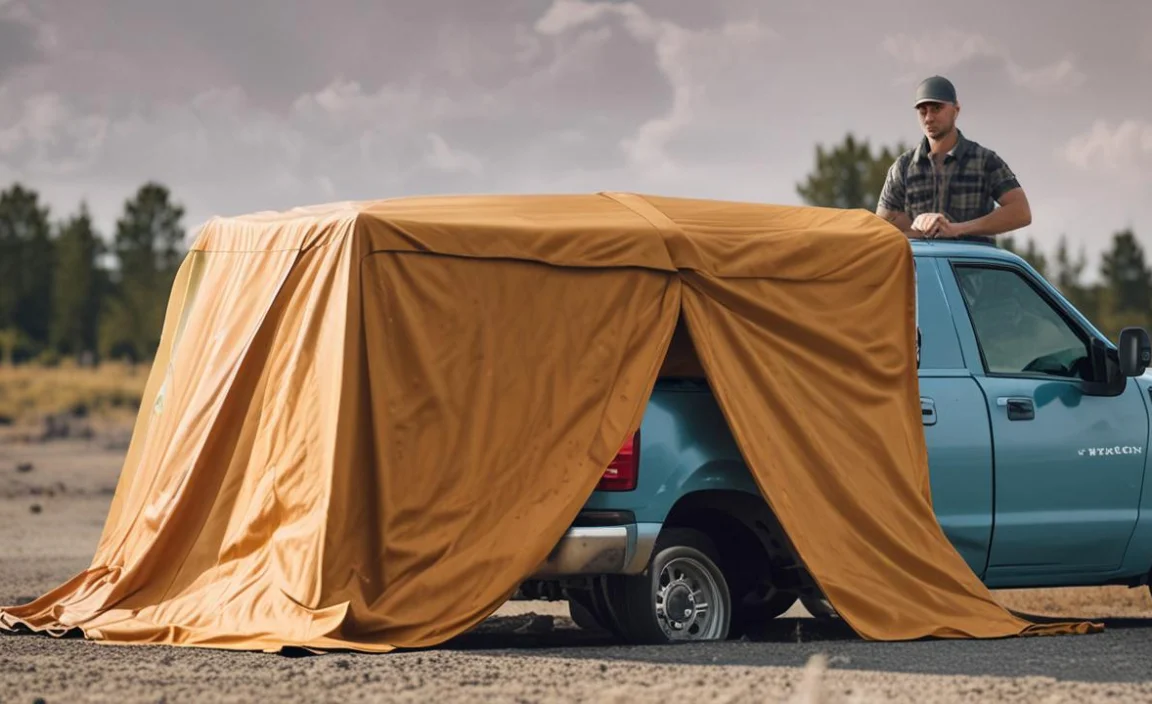
Now for the hands-on part! Follow these steps for a secure and effective tarping job. Remember, practice makes perfect, so don’t get discouraged if your first attempt isn’t flawless.
Step 1: Prepare Your Truck Bed and Cargo
First things first, make sure your truck bed is clean. Remove any loose dirt, debris, or sharp objects that could potentially tear the tarp. If you’re hauling loose items like gravel or soil, level them out as much as possible. For oddly shaped items, try to arrange them so they don’t create sharp points that could stress the tarp. If possible, place larger or flatter items at the bottom to create a more even surface. For tall loads, ensure they are stable and won’t shift during transit.
Step 2: Lay Out the Tarp
Unfold your tarp and spread it out over your truck bed and cargo. Center it as best you can, ensuring that there’s ample overlap on all sides. You want enough overhang to reach anchor points like the truck bed rails, tailgate, or even the wheels, depending on the load and tarp size. For large loads, you might need to climb into the truck bed to position the tarp correctly.
Step 3: Secure the Tarp – The Core of the Job
This is where your bungee cords or ratchet straps come into play. You’ll want to create a tight, drum-like surface with the tarp. This prevents flapping and reduces the chance of wind catching the tarp and ripping it or loosening your tie-downs.
Using Bungee Cords:
- Start by attaching bungees from the grommets on one side of the tarp to anchor points on the truck bed.
- Work your way around the truck, connecting grommets to anchor points.
- Pull the bungee cords taut. If a bungee feels too loose, you might need a shorter one or to use a different anchor point.
- For a more secure fit, you can “cross” the bungees over each other or use two bungees for each anchor point.
- Ensure the bungees are hooked onto sturdy parts of the truck bed, like the tie-down hooks or the bed rails, not flimsy plastic trim.
Using Ratchet Straps:
Ratchet straps offer a more secure and adjustable hold. They are highly recommended for larger or heavier loads.
- Thread the strap through the grommet on the tarp and around a sturdy anchor point on your truck.
- Make sure the strap is not twisted.
- Feed the loose end of the strap into the ratchet mechanism and begin to tighten by operating the ratchet.
- Continue ratcheting until the strap is snug and the tarp is pulled tight against the cargo and truck bed.
- Repeat this process for all anchor points, working systematically around the truck.
- Periodically check the tension of the straps after driving a short distance, as they can settle.
A good rule of thumb is to create a pattern. If you tie down one side, immediately tie down the opposite side to equalize tension. For instance, secure the front-right grommet, then the rear-left, then the front-left, and finally the rear-right. This method helps prevent the tarp from shifting or pulling unevenly.
Step 4: Check for Tightness and Coverage
Once everything is tied down, give the tarp a good tug in several places. It should feel snug and secure. There should be no large, loose flaps that could flap in the wind. Walk around the truck and look for any areas that are still exposed or seem inadequately covered. Adjust your tie-downs as needed.
A common mistake is to only secure the tarp from the top. Make sure to utilize anchor points along the sides and possibly the tailgate area to prevent the tarp from lifting or shifting.
Step 5: Double-Check, Then Drive!
Before you hit the road, do one final sweep. Ensure all grommets are engaged, all straps are tightened, and there are no obvious points of weakness. Check that the tarp isn’t rubbing against any sharp edges of your truck or cargo that could cause it to tear. Drive cautiously for the first few miles and then pull over in a safe spot to re-check your tie-downs. Things can settle, and you might need to tighten them further.
Advanced Tarping Techniques & Tips
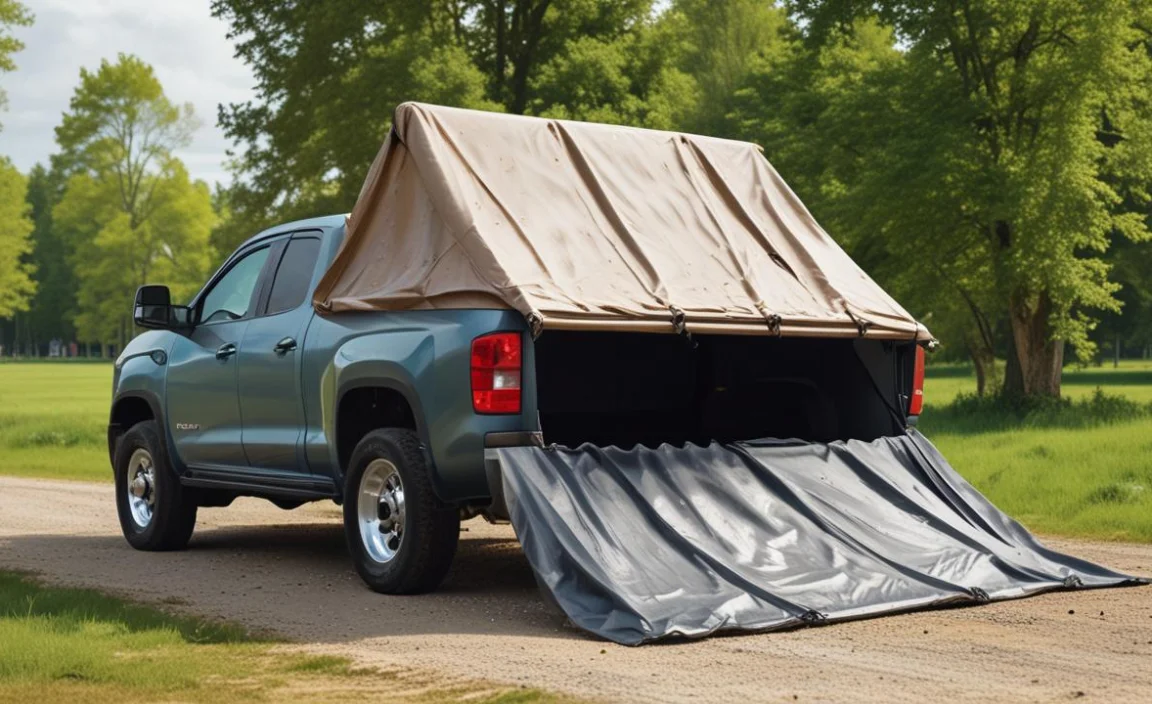
Once you’ve mastered the basics, a few extra tips can elevate your tarping game.
Securing Loose Cargo Under the Tarp
If you’re hauling smaller, loose items like gravel, sand, or even mulch (though dedicated covers are often better for loose materials), ensure the tarp is pulled down as far as the cargo allows. Use plenty of bungees or straps to keep the tarp from ballooning upwards. For extra security, you can sometimes use a heavier tarp or even a second, lighter tarp over the top for added containment, secured to the first tarp or directly to the truck.
Protecting Against Sharp Edges
Sharp corners from lumber, metal, or equipment can easily snag and tear a tarp. Before placing the tarp, consider laying down an old blanket, a piece of carpet scrap, or even a smaller, scrap piece of tarp directly over the sharp edge. Then, place your main tarp over the load.
Dealing with Wind and Rain
When wind is a factor, the tighter you can make the tarp, the better. Ratchet straps are your best friend here. For heavy rain, ensure your tarp is waterproof and that the water has a way to drain off without pooling on top of the tarp, which can create a heavy sag. Angle the tarp if possible, or ensure your tie-downs allow for water runoff.
Using Tarp Clips
Tarp clips are inexpensive yet incredibly useful. They clamp onto the edge of a tarp and create a reinforced point where you can attach a bungee or rope, especially if the tarp’s grommets are too far apart or you need to secure flaps more effectively. They are great for creating custom tie-down points on the fly. You can find them at most hardware stores.
Here’s a quick snapshot of their utility:
| Tarp Clip Use | Benefit |
|---|---|
| Creating extra anchor points | Tighter, more secure fit for oddly shaped loads or when grommets are sparse. |
| Securing tarp flaps | Prevents wind from catching loose edges, reducing flapping and potential tearing. |
| Reinforcing worn grommets | Provides a stronger hold when original grommets show signs of wear. |
For more information on cargo securement best practices, the U.S. Department of Transportation offers comprehensive guidelines.
Tarp Alternatives and Complements
While tarping is a versatile solution, sometimes other options might be better, or you might want to use them alongside a tarp. Tonneau covers (hard or soft) offer a more permanent and streamlined solution for covering your truck bed. Cargo nets are excellent for securing oddly shaped items that might not be easily covered by a tarp. For very fine materials, specialty mesh tarps can allow water to pass through while containing the load.
Troubleshooting Common Tarping Problems
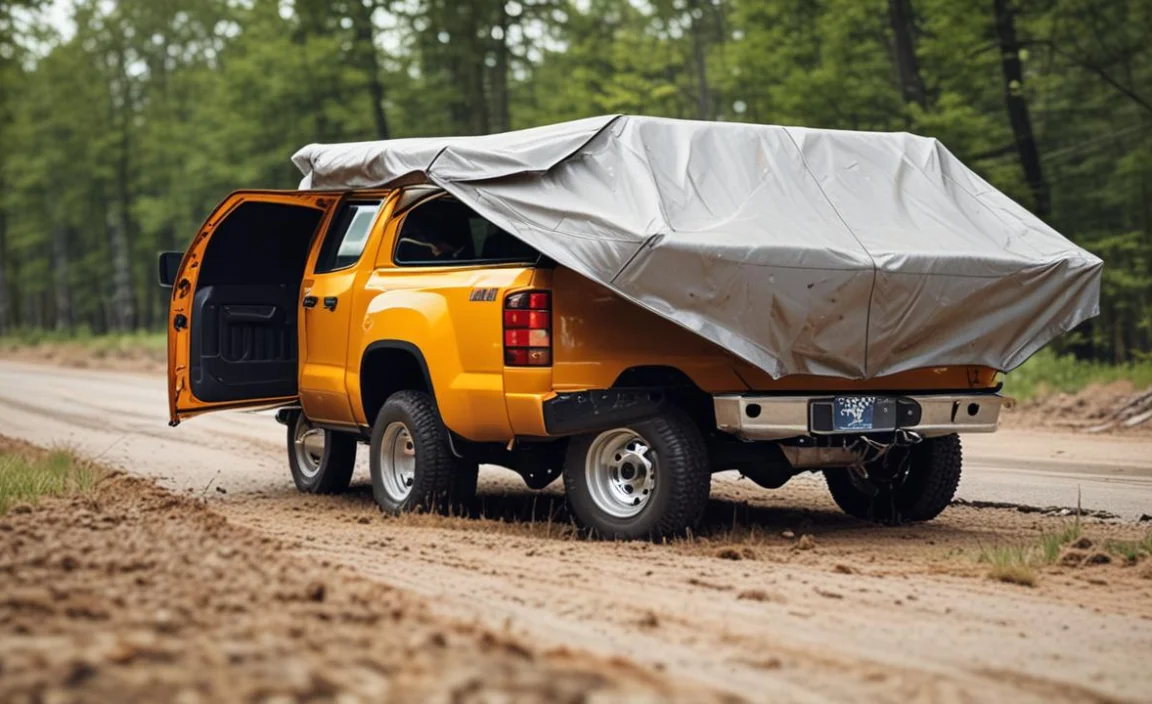
Even with the best intentions, you might run into a snag. Here are some common issues and how to fix them:
- Tarp is flapping too much: This means it’s not tight enough. Add more bungee cords or ratchet straps, and ensure you’re using anchor points that pull the tarp downwards and sideways. Try to create a smooth, taut surface.
- Bungee cords keep slipping off: Ensure you are hooking them to secure points. If the grommets are small or the bungee hook is too large, try using rope or a carabiner. For truck tie-down points, make sure there’s a solid lip or hook for the bungee to grab. Always check that the bungee is firmly seated.
- Tarp seems too small: If you find yourself stretching the tarp to its absolute limit or the grommets are straining, you probably need a larger tarp. Overlapping is key. Try to reposition it to cover as much as possible, but be aware of the strain.
- Tarp is tearing near grommets: This usually happens when the tarp is over-tightened on a sharp edge or if the grommet itself is weak. Use a tarp repair kit to reinforce the area, or use tarp clips to distribute the stress over a wider area.
Remember, patience is key. Take your time, assess the situation, and use the right tools for the job.
Tarp Care and Maintenance
To get the most life out of your tarp, proper care is essential:
- Cleaning: After use, especially if it’s dirty or has been used for wet materials, clean your tarp. A mild soap and water solution with a stiff brush usually does the trick.
- Drying: Allow the tarp to dry completely before storing it. Storing a wet tarp can lead to mold and mildew, which can weaken the material.
- Storage: Store your tarp rolled or folded loosely in a dry place, out of direct sunlight, to prevent degradation. Avoid folding it along the same creases repeatedly, as this can weaken the material over time.
- Repairs: Small tears and holes can often be repaired with tarp repair tape or patches. Address minor damage promptly before it becomes a bigger problem.
Frequently Asked Questions About Tarping a Truck Bed
Here are some common questions beginners have:
Can I use a standard tarp or does it have to be a truck bed specific tarp?
You can absolutely use a standard, heavy-duty tarp! The key is to ensure it’s the right size, made of durable material (like polyethylene or vinyl), and has sturdy grommets. Truck bed specific tarps might have slightly different shapes or integrated tie-down systems, but a good quality general-purpose tarp will work perfectly well.
How tight should the tarp be?
The tarp should be pulled taut, like a drum, with no significant slack or flapping. This prevents wind from catching it and creating drag or tearing. However, avoid over-tightening to the point where you are straining the grommets or the tarp material itself, which can cause damage.
How often should I check my tarp tie-downs?
It’s best practice to check your tie-downs shortly after you begin driving, especially on the first trip after securing the load. Then, periodically check them during longer journeys, especially if you encounter strong winds or rough roads. Vibrations and shifting loads can cause them to loosen.
What are the best anchor points on a truck bed?
The best anchor points are sturdy, integrated tie-down hooks or loops that are specifically designed for securing cargo. Many truck beds have these built into the bed rails or the bed walls. You can also use the stake pockets on some truck beds, or the trailer hitch receiver if necessary, depending on your load and tie-down strategy.
Is it safe to tie a tarp directly to the wheels or suspension?
No, this is generally not a safe or recommended practice. Tie-downs should be secured to the frame, bed rails, or designated tie-down points on the vehicle itself. Tying to suspension components can damage them, affect steering, or lead to the load becoming unsecured.
How do I prevent water from pooling on top of the tarp?
To prevent pooling, ensure your tarp is slightly sloped, allowing water to run off. When securing, try to create a shape where the center is not the lowest point. If your cargo has high points, use those to help angle the tarp. You might need to adjust your tie-downs to achieve this slope. Some specialized truck tarps are designed with channels to aid water runoff.
Conclusion
There you have it – your essential guide to tarping a truck bed! It’s a straightforward process that can save you a ton of trouble, protect your belongings, and keep you and others safe on the road. By choosing the right tarp, gathering your tools, and following these step-by-step instructions, you can confidently secure any load. Remember to always check your tie-

