Sometimes, ceiling fans stop working or make strange noises. This can be very annoying, especially on hot days. Have you ever wondered why that happens? One reason could be a problem with the fan’s motor. You can find out what’s wrong by testing the ceiling fan motor with a multimeter. A multimeter is a handy tool that measures electricity. It helps you see if the motor is working properly or if it needs repair.
Learning how to use a multimeter is not hard. With some simple steps, you can check your ceiling fan motor. This can save you money on repairs and help you understand your fan better. So, let’s dive in and learn how to test a ceiling fan motor with a multimeter!
Key Takeaways
- Testing a ceiling fan motor is easy with a multimeter.
- A multimeter measures electrical current and resistance.
- Check for continuity to find problems in motors.
- Always turn off power before testing any motor.
- Regular checks can prevent future fan issues.
Understanding Multimeters for Testing a Ceiling Fan Motor
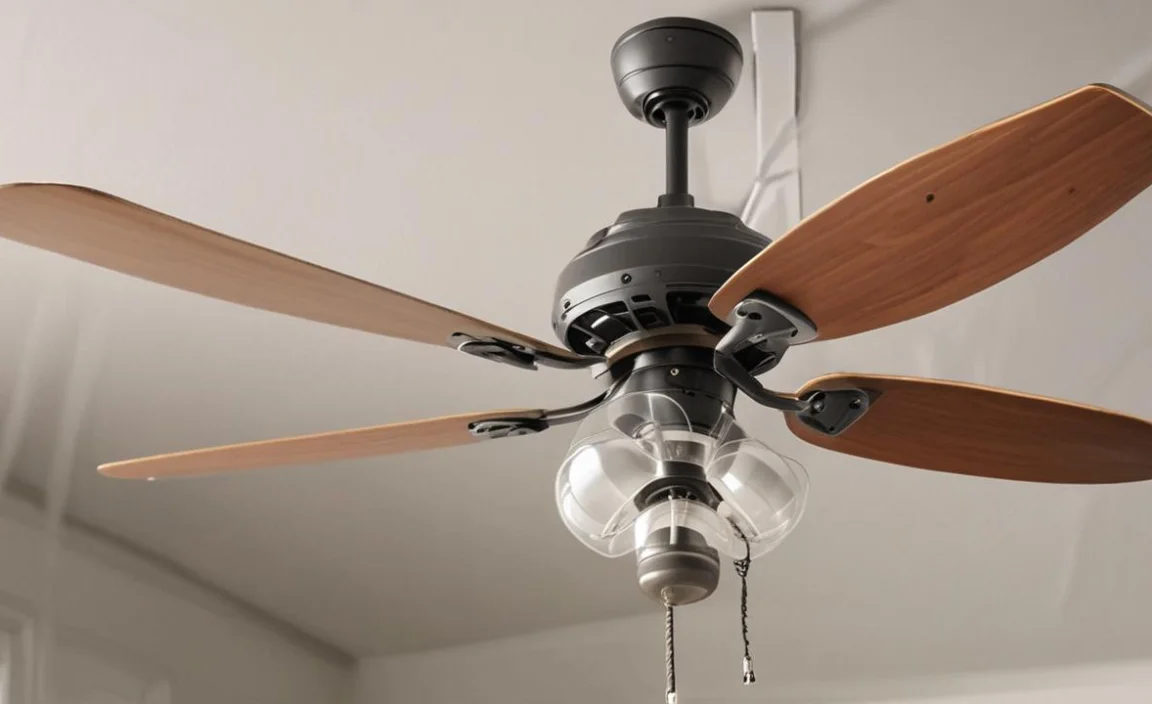
A multimeter is a useful tool. It measures voltage, current, and resistance. You can use it for many home projects. It is especially helpful for checking electrical devices. Have you ever thought about how it can help you with your ceiling fan? By understanding how to use a multimeter, you can troubleshoot your ceiling fan motor. This tool can tell you if the motor is getting power. It can also check if there are any broken parts inside it. Knowing how to use this tool can make you feel like an electrician!
- A multimeter can measure both AC and DC voltage.
- It has probes for testing connections.
- Digital multimeters are easy to read.
- Analog multimeters use a needle for readings.
- Some multimeters have special features for fans.
Once you learn about multimeters, you can start testing your ceiling fan motor. It is important to understand how they work first. This way, you can trust the readings. You don’t want to guess if your fan is broken! Just think about how nice it feels to fix things yourself. With practice, testing a ceiling fan motor with a multimeter can become easy for you.
Fun Fact or Stat: Did you know that multimeters can also measure temperature?
What Is a Multimeter and Why Use It?
A multimeter is a device that combines several measuring tools into one. It can measure electrical current, voltage, and resistance. Why is this important? Let’s say your fan isn’t working. You could call a professional, but that costs money. Instead, you can use a multimeter to check if there’s power going to your fan. It can show you what the problem is. This saves time and money!
Using a multimeter is like having superpowers. You can find out what’s wrong with your electrical devices without guessing. This way, you can fix issues faster. You can learn and become skilled at home repairs. Isn’t that exciting?
When you know how to use a multimeter, you can test other devices too. Think about your lights, appliances, and even toys. The more you practice, the better you get. You will feel more confident in fixing things around the house.
How to Use a Multimeter
Using a multimeter is simple. First, turn on the multimeter. Choose the correct setting based on what you want to measure. For instance, if you are checking voltage, set it to that option. Next, insert the probes into the correct ports. The black probe usually goes into the COM port. The red probe goes into the VΩmA port. Now you are ready to start testing!
When testing, touch the probes to the wires you want to check. Make sure you are careful and do not touch the metal parts with your hands. It’s best to have an adult help you the first time. Follow the instructions on the multimeter screen or dial. This way, you will get the right readings.
Once you get the hang of it, you’ll find that using a multimeter can be fun. You’ll want to test everything! You’ll feel like a real technician doing important work.
Safety Tips When Using a Multimeter
Safety is very important when using a multimeter. Electricity can be dangerous if you don’t take precautions. Always remember to turn off the power before testing any fan motor. This helps you avoid shock. If you’re unsure, ask an adult for help. Make sure you wear rubber-soled shoes. This protects you from electrical shocks.
When using the probes, be careful not to touch the metal ends. Keep your hands dry and the area around you clear. If there are any signs of damage, do not use the multimeter. This could lead to accidents. Following these tips can keep you safe while testing your ceiling fan motor.
Being safe means you can enjoy your new skills without fear. You can feel proud of fixing your own fan and helping others too.
Testing a Ceiling Fan Motor with a Multimeter: Step-by-Step Guide
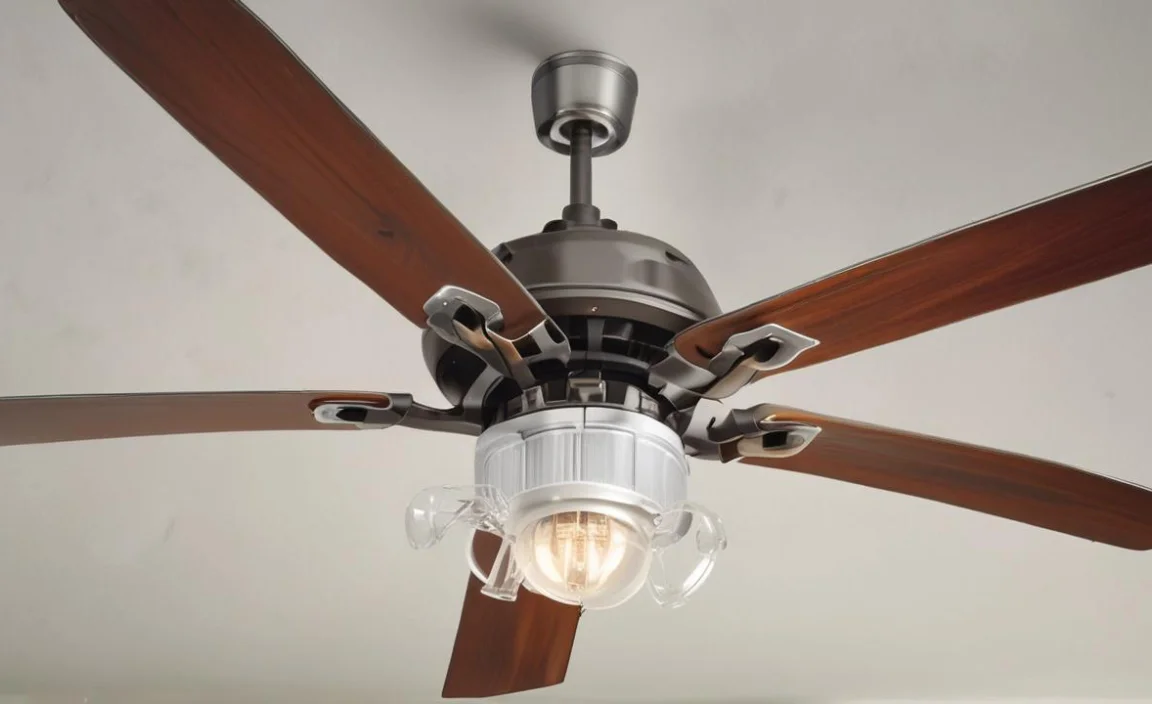
Testing a ceiling fan motor might seem tricky. But with a few simple steps, you can do it! First, make sure you have your multimeter ready. Turn off the fan and unplug it for safety. Next, you will need to locate the motor wires. Usually, there are three wires: one for the power supply and two for the motor. This is where the fun begins!
- Turn off the power and unplug the ceiling fan.
- Remove the fan cover to access the motor.
- Identify the motor wires carefully.
- Set the multimeter to measure resistance (Ω).
- Touch the probes to the motor wires.
After connecting the probes, check the reading on the multimeter. You want to see a value near zero. If you see that, the motor is fine! If the reading is infinite or very high, the motor may be broken. This means it needs to be repaired or replaced. With this step-by-step guide, you can feel confident testing your ceiling fan motor.
Fun Fact or Stat: Most ceiling fans can last over ten years if taken care of!
Checking for Continuity in the Motor
Continuity is an important test. It tells you if electricity can flow through the motor. If there’s no continuity, the motor won’t work. To check for continuity, set your multimeter to the continuity setting. Connect the probes to the motor wires. If the multimeter beeps, there is continuity! If it doesn’t beep, the motor is likely damaged. Understanding continuity can help you diagnose problems quickly.
Why is checking continuity so important? Without it, you might waste time trying to fix a working motor. Knowing this helps you focus on the actual issue. It saves you time and effort in the long run.
Continuity checks can also apply to other devices around your home. You can test extension cords, light fixtures, and more. Once comfortable, you will feel more confident in troubleshooting other areas of your home.
Measuring Voltage for the Motor
Measuring voltage is another key step in testing a ceiling fan motor. This tells you if the motor is getting enough power. Set your multimeter to the voltage setting. For ceiling fans, you will usually measure AC voltage. Be cautious when doing this test! Turn the power back on briefly while using the multimeter. Touch the probes to the motor wires while wearing rubber gloves.
If the reading is around the right voltage, your motor is receiving power. If the voltage is low, there could be issues with the power supply. This is an important test, as it helps fix problems early. Regular checks can save your ceiling fan from breaking down.
Measuring voltage helps you become more skillful. You will understand how electricity flows. Plus, you will be able to help others with similar problems!
Common Issues Found When Testing a Ceiling Fan Motor
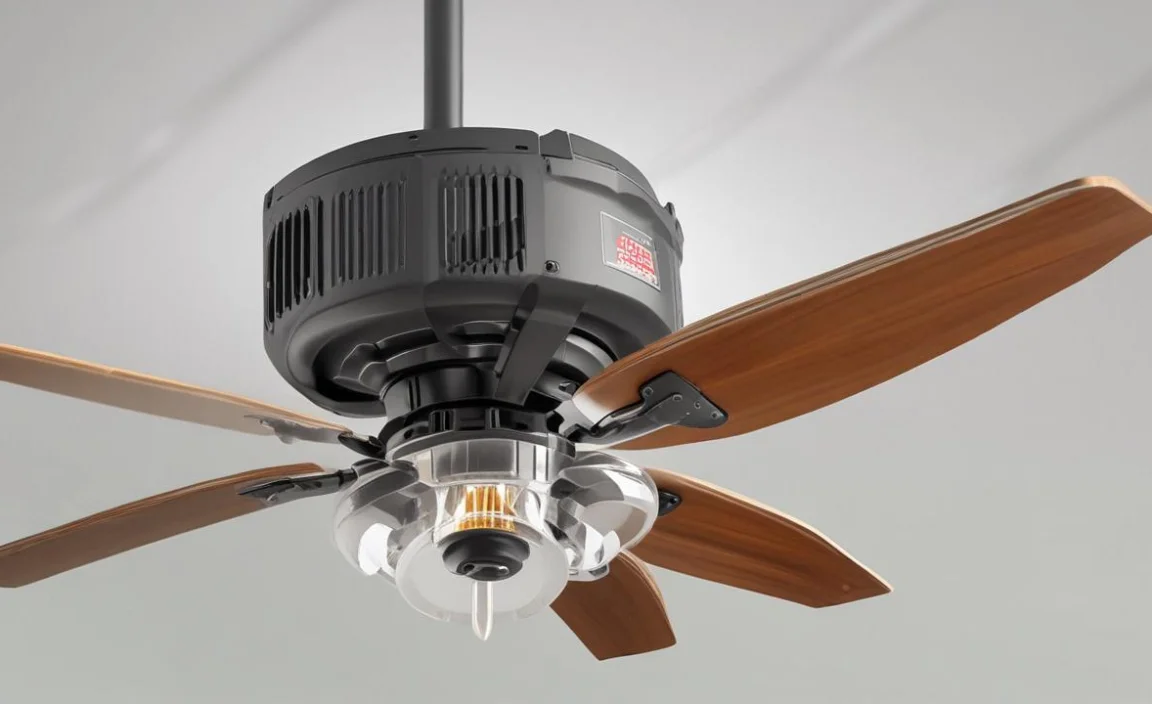
Sometimes, ceiling fan motors have issues. It’s good to know what they are. One common problem is lack of power. If the fan doesn’t turn on, it could be a wiring issue. Over time, wires can break or become loose. Another issue is overheating. If the motor gets too hot, it might shut down. This could mean the motor is worn out.
- Worn-out motor brushes can cause issues.
- Faulty wiring can lead to power loss.
- Overheating shuts down the motor.
- Bad bearings can create noise and vibrations.
- Capacitors may fail, affecting fan speed.
By recognizing these issues, you can troubleshoot more effectively. You will save time and maybe even money. Regular checks are key, so don’t skip them! Knowing what to look for can keep your ceiling fan in great shape. You’ll be proud to say you fixed it yourself!
Fun Fact or Stat: Regular maintenance can double the life of your ceiling fan!
Understanding Fan Motor Components
Ceiling fan motors have many parts. Each part works together to make the fan spin. One important piece is the rotor. The rotor is connected to the fan blades. It spins when the motor gets power. Another important part is the stator. The stator creates a magnetic field. This field is what makes the rotor turn.
Other components include bearings and capacitors. Bearings help the rotor spin smoothly, while capacitors help start the motor. If one part fails, it can affect the entire fan. Understanding these parts helps you know what to test. You can find the problem faster!
Learning about motor components can also help you in the future. If you have other appliances, you will know what to look for. You’ll feel like a mini-engineer in your home!
When to Seek Professional Help
Sometimes, you may not be able to fix the ceiling fan yourself. If testing a ceiling fan motor with a multimeter does not help, it might be time to call an expert. If there are burning smells, strange noises, or other signs of trouble, don’t wait! It’s better to be safe than to risk injury. An electrician can find deeper issues that you may not be able to see.
Asking for help can save you from bigger problems later. It’s important to know your limits. Even expert technicians had to start somewhere. Don’t feel bad if you need help. It can be a learning experience!
In the end, getting help can give you peace of mind. You’ll know your fan is in safe hands, and you can feel relaxed. It’s better to be sure than to guess.
Pros and Cons of Testing a Ceiling Fan Motor with a Multimeter
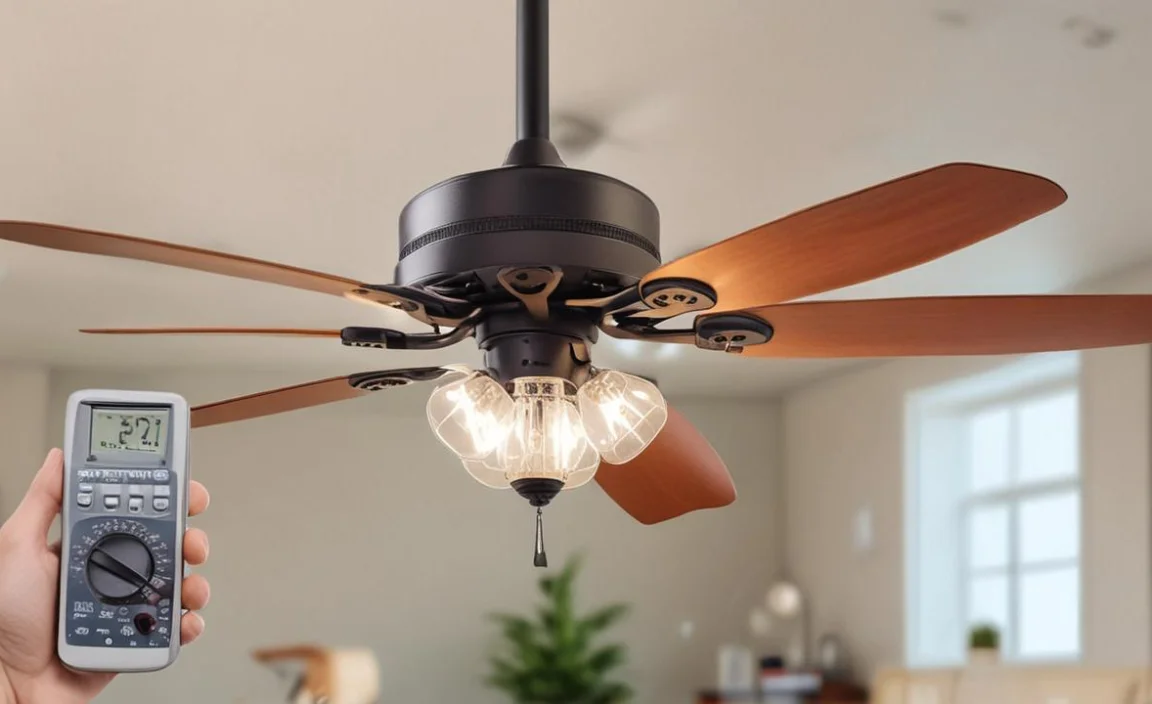
Testing a ceiling fan motor with a multimeter has both good and bad sides. Knowing these can help you decide if it’s worth your time. On the positive side, using a multimeter is often quick. You can learn to do it yourself, which is a valuable skill. It can save you money since you won’t need to hire someone right away. Plus, you’ll understand your fan better.
- Testing is quick and straightforward.
- Learning this skill builds your confidence.
- It saves money on repairs.
- You gain knowledge about electrical systems.
- It can prevent future issues with your fan.
However, there can be downsides too. For example, if you don’t feel comfortable around electricity, it can be scary. There’s also a chance you might misread the multimeter. This can lead to unnecessary repairs. You have to be careful with power tools and equipment.
These pros and cons can help you weigh your options. Make sure you feel ready before you start testing. If you do, you’ll likely have a great experience!
Fun Fact or Stat: DIY repairs can boost your problem-solving skills!
Comparing DIY Testing to Hiring Professionals
When deciding between testing yourself or hiring someone, think about skills. If you are comfortable with tools and understand electricity, DIY can be fun. However, if you’re nervous or lack experience, calling a professional is wise. Professionals can often identify issues faster. They may also have access to better tools.
Let’s look at a quick comparison in the table below:
| Aspect | DIY Testing | Hiring Professionals |
|---|---|---|
| Cost | Low – Just need a multimeter | Higher – Pay for labor and expertise |
| Time | May take longer if you’re learning | Usually faster due to experience |
| Skills | Good learning opportunity | Expertise can solve complex issues |
| Safety | Need to be cautious | Saves you from electrical risks |
Choosing between DIY and professional help depends on your comfort level. Weigh each option carefully. You want to make the best decision for your ceiling fan!
When is it Worth Hiring an Electrician?
It is good to know when to call an electrician. If your ceiling fan has serious issues, like sparks or burning smells, you should call for help. If you try to fix it and it doesn’t work, an expert can help. It’s important to act quickly if you notice these problems. Don’t risk your safety!
Another time to call a professional is if you want to install a new fan. This can be tricky, and an electrician can ensure it’s done correctly. It’s better to be safe and have someone with experience do the work for you.
Asking for help does not mean you have failed. Everyone needs help sometimes! You can learn from the expert and gain knowledge for future projects.
Summary
Testing a ceiling fan motor with a multimeter can be easy and rewarding. With a little practice, you can learn to use a multimeter well. This tool helps you find out if your fan motor is working properly. You should remember to always turn off the power before testing. Recognizing common issues, understanding the motor, and knowing when to call for help are crucial. Regular checks will keep your ceiling fan running smoothly for years. You’ll feel proud when you can fix issues on your own.
Conclusion
In conclusion, testing a ceiling fan motor with a multimeter is a valuable skill. It can help you save time and money while learning about electrical systems. Always prioritize safety when working with electricity. With practice, you will feel more confident in your abilities. Enjoy the satisfaction of maintaining your ceiling fan like a pro!
Frequently Asked Questions
Question No 1: How do I use a multimeter on a ceiling fan?
Answer: To use a multimeter on a ceiling fan, first turn off the power. Then, set the multimeter to the correct setting. You can measure resistance or voltage. Touch the probes to the motor wires carefully. This way, you will get the right readings.
Question No 2: Can I fix my ceiling fan myself?
Answer: Yes, you can test and sometimes fix your ceiling fan yourself. If you know how to use a multimeter, you can check for problems. However, if it looks complicated or unsafe, it is best to call a professional.
Question No 3: What happens if my fan motor is broken?
Answer: If your fan motor is broken, it will not work. You may hear strange noises or see sparks. Testing a ceiling fan motor with a multimeter can help you find out if it’s broken. If it is, you may need to replace it.
Question No 4: How often should I test my ceiling fan motor?
Answer: It’s good to test your ceiling fan motor at least once a year. Regular checks can help you catch problems early. This way, you can prevent larger issues and keep your fan working well.
Question No 5: What tools do I need to test a ceiling fan motor?
Answer: The main tool you need to test a ceiling fan motor is a multimeter. It helps measure voltage and resistance. You may also need screwdrivers to access the motor and wires. Having rubber gloves can help with safety too.
Question No 6: Is using a multimeter safe?
Answer: Yes, using a multimeter can be safe if you follow all safety guidelines. Always turn off the power before testing. Use rubber gloves and avoid touching the metal probes. If you are unsure, ask an adult for help when testing a ceiling fan motor.

