Growing peppers can be a fun adventure. Did you know that topping pepper plants can help them grow more fruit? It’s true! Many gardeners use this trick to boost their pepper harvests. Topping means cutting off the top part of the plant. This may sound strange, but it helps the plant focus on producing more peppers.
Have you ever wondered how to get the most out of your pepper plants? With topping, you can increase their yield. Imagine picking fresh peppers from your garden all summer long. It might make your family very happy. Let’s explore how topping works and how you can do it too!
Key Takeaways
- Topping pepper plants boosts their fruit production.
- Cutting the top encourages new branch growth.
- Healthy plants yield better peppers.
- Proper timing is key for topping success.
- Learn topping techniques to increase yield.
Topping Pepper Plants for Better Growth
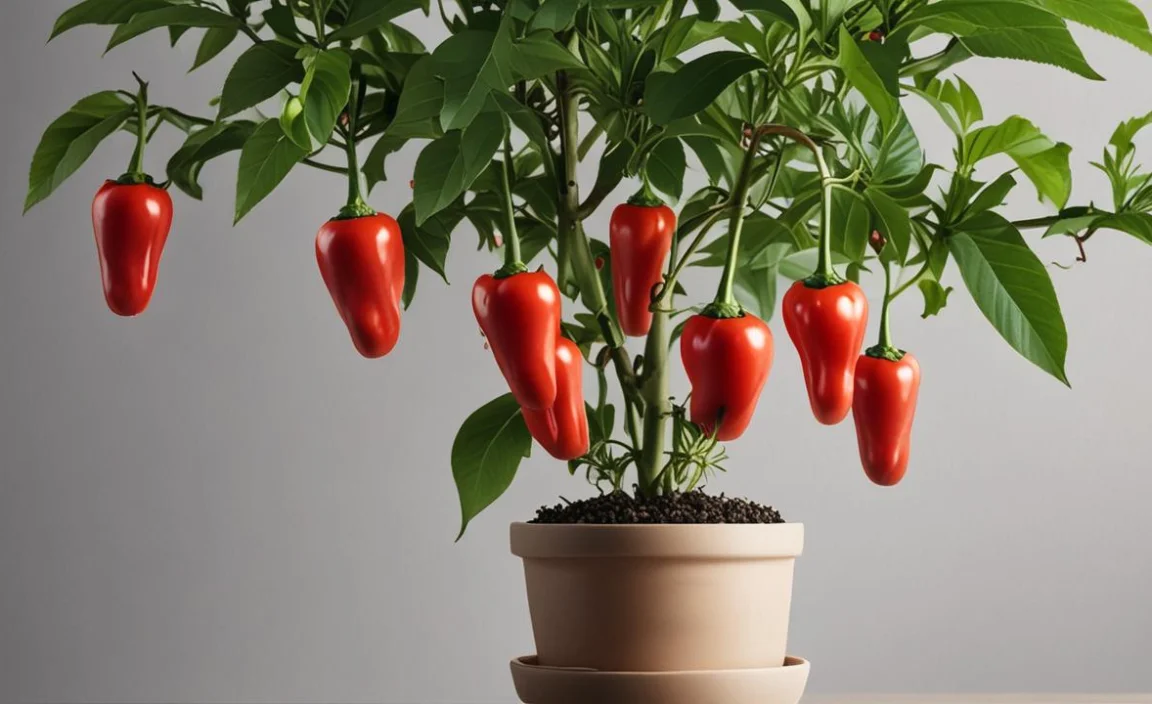
Topping pepper plants is a gardening technique. It helps the plants grow better and produce more peppers. When you cut the top off, the plant becomes bushier. This bushy shape allows for more branches to grow. More branches mean more flowers. More flowers lead to more peppers.
Here are some key points about topping:
- Topping should be done above a leaf node.
- Use clean, sharp scissors for best results.
- Timing affects how well the plant responds.
- Water the plants well before topping.
- Topping can help manage plant height.
Topping pepper plants can be fun and rewarding. It is important to know when to top. You should wait until the plants are strong and healthy. Look for plants that have many leaves. Once they reach a height of about 10-12 inches, it’s time to top them. This will help them grow into strong, productive plants.
Fun Fact or Stat: Topping can increase pepper yields by up to 30%!
Why Topping Works
Have you ever noticed how some plants grow tall and thin? These plants may not produce many fruits. Topping helps change that. By cutting off the top, you force the plant to use its energy differently. Instead of growing tall, the plant grows wider. This means more branches and leaves.
More leaves mean more energy. The plant can soak up sunlight better. It also helps the plant produce more flowers. With more flowers, the chances of getting peppers increase. Isn’t it amazing how a simple cut can change everything?
When to Top Your Pepper Plants
Timing is everything when it comes to topping. You want to wait until your pepper plants are at least 10-12 inches tall. This is when they are ready for topping. If you top too early, the plant might get weak. If you wait too long, it may not help at all.
After topping, keep an eye on your plants. They will start to grow new branches quickly. You will see new leaves sprouting. This is a good sign! Your plant is ready to produce lots of peppers.
How to Top Your Pepper Plants
Topping is easy and quick. First, gather your tools. You need sharp scissors or shears. Make sure they are clean. This helps prevent any plant diseases.
Next, decide where to cut. You should cut just above a leaf node. This is where the leaves meet the stem. Cutting here encourages new growth. After topping, give your plant plenty of water. This helps it recover and grow strong.
Benefits of Topping Pepper Plants
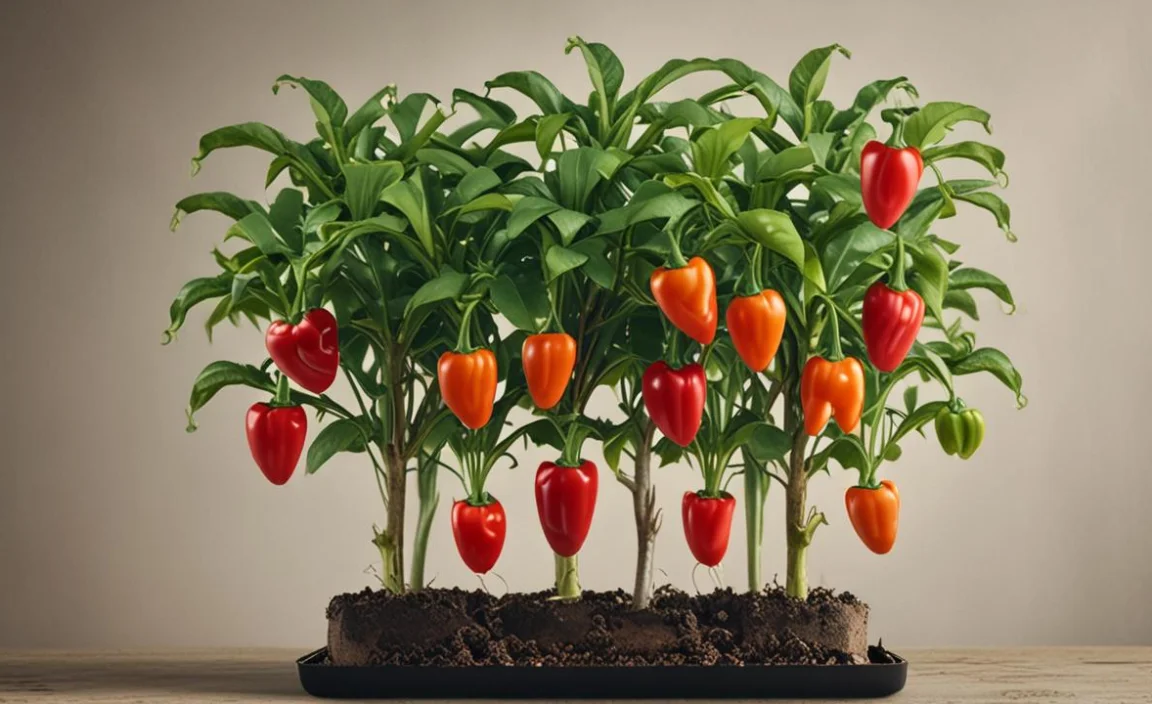
Topping pepper plants has many benefits. It helps the plants grow better. It also increases the number of peppers you can harvest. A healthy, bushy plant can give you more fruits. More fruits mean more delicious meals for you!
Here are some benefits of topping:
- Increases overall yield of peppers.
- Encourages bushier plant growth.
- Makes harvesting easier with better access.
- Helps control plant height for small spaces.
- Enhances light exposure for the whole plant.
Topping also helps your pepper plants stay healthy. By encouraging new growth, you reduce the risk of diseases. A bushy plant can compete better with weeds. With less competition, your peppers can thrive. This means a bigger harvest for you in the end!
Fun Fact or Stat: A well-topped pepper plant can produce up to 50% more fruit!
Improving Pepper Flavor
Have you ever tasted a pepper that was just okay? Sometimes, the way we grow plants affects their flavor. When you top your pepper plants, they focus on producing quality fruits. This means your peppers may taste better.
Bushier plants have more leaves to soak up sunlight. More sunlight often means sweeter peppers. If you want great flavor, topping is a good step.
Topping and Disease Resistance
Strong plants are less likely to get sick. Topping helps make your pepper plants stronger. When plants grow wider, they can fend off diseases better. They have more energy to fight off pests too.
A healthy plant will not only produce more, but it will also be more resistant. People who top their plants often see fewer problems with pests and diseases. Isn’t that a great reason to try topping?
Common Mistakes When Topping
Even though topping is simple, some mistakes can happen. One common mistake is cutting too much. If you cut off too many branches, your plant may struggle. Another mistake is not using clean tools. Always clean your scissors before topping.
People may also top at the wrong time. Remember to wait until the plants are strong. If you top too early, it may hurt the plant. Avoiding these mistakes can help you have a better harvest.
Timing for Topping Pepper Plants
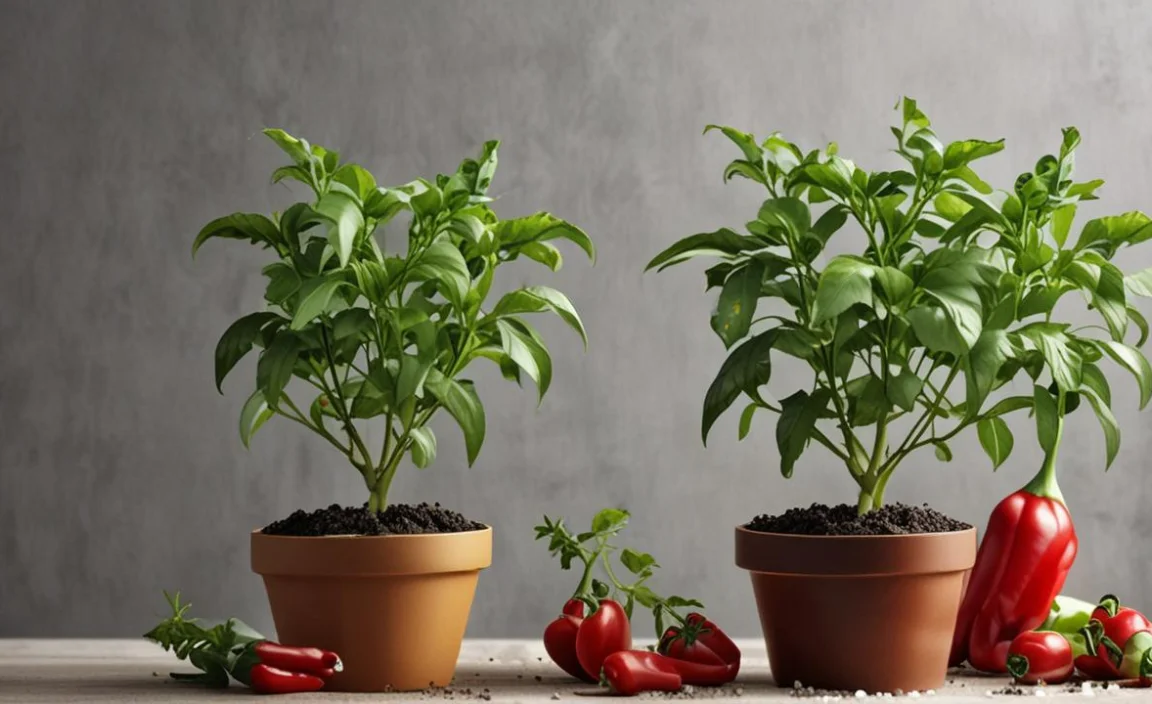
The timing of your topping can make a big difference. If you wait too long, it might not help your plants as much. If you do it too early, it can damage your plants. So, when is the right time?
Wait until your pepper plants are about 10–12 inches tall. This is when they are strong enough to handle the cut. After topping, they will quickly grow new branches. This will boost their productivity.
Here are some timing tips:
- Topping is best done in early summer.
- Don’t top when temperatures are too hot.
- Check soil moisture before topping.
- Be patient and wait for the right height.
- Avoid topping during extreme weather conditions.
After topping, give your plants some care. Water them regularly, but avoid over-watering. This helps them recover from the cut. They will grow strong and healthy.
Fun Fact or Stat: The best time to top is when plants have 4-6 sets of leaves!
Signs Your Pepper Plants Are Ready
How do you know when to top your plants? Look for certain signs. Your plants should be around 10-12 inches tall. They should also have several sets of leaves.
If your plants look healthy and green, that’s a good sign. Strong plants are ready for topping. You can also check the width of the stem. If it’s thick and sturdy, it’s time!
Aftercare Following Topping
After you top your plants, they need some care. Water them well. This helps them recover quickly. You may also want to feed them with fertilizer. A balanced fertilizer can give them extra nutrients.
Keep an eye on your plants for the next few weeks. You will see new growth soon. If they start to droop, make sure they have enough water.
Monitoring Growth After Topping
Once you top your plants, watch how they grow. You should see new branches starting to sprout. This means your topping was successful.
Measuring the growth can help too. Check the height and width of your plants. Keep notes on how many peppers they produce. This will help you understand the impact of topping over time.
Challenges of Topping Pepper Plants
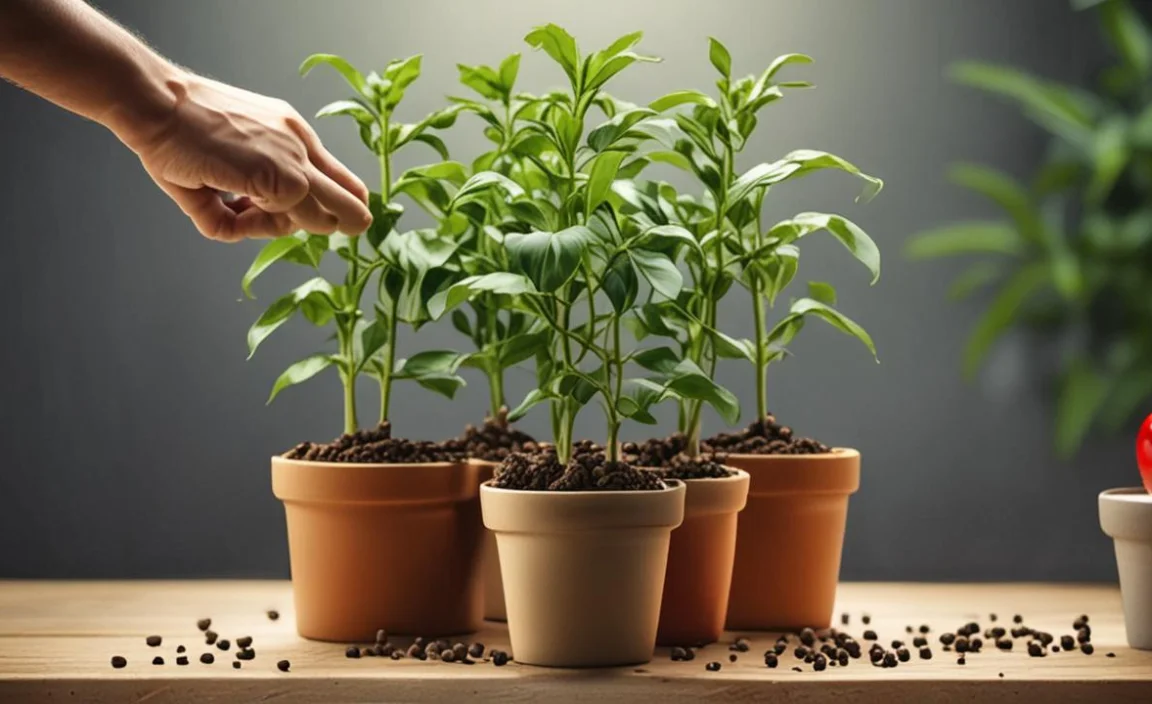
Topping is not without its challenges. Some gardeners worry about cutting their plants. It’s natural to feel nervous. But topping can be very beneficial when done correctly.
Here are some challenges you might face:
- Fear of harming the plants.
- Uncertainty about when to top.
- Managing plant recovery after topping.
- Possible pests attacking newly topped plants.
- Inconsistent results based on plant type.
It’s important to remember that every plant is different. Some may recover quickly, while others take time. Just be patient and give them the care they need.
Fun Fact or Stat: Over 80% of gardeners see a boost in pepper yield after topping!
How to Overcome Topping Fears
If you’re nervous about topping, you aren’t alone. Many gardeners feel the same way. Start by only topping a few plants. This way, you can see how they respond.
Take notes on their growth and yield. This will help you understand the process. The more you practice, the more confident you will feel.
Dealing with Recovery Issues
After topping, some plants may show signs of stress. They might droop or seem weak. Don’t worry! This is normal. Make sure to give them extra care.
Water them regularly and check for pests. Healthy plants can bounce back quickly. Just keep monitoring their growth. Soon, they will be back to thriving!
Understanding Plant Varieties
Different pepper varieties react differently to topping. Some may thrive and produce well, while others might not respond as much. Research your pepper types. Understanding how they grow can help you decide.
Keep track of your results. This will help you learn what works best for your garden. Each year, you’ll become more skilled at topping for better yields.
Measuring Success After Topping
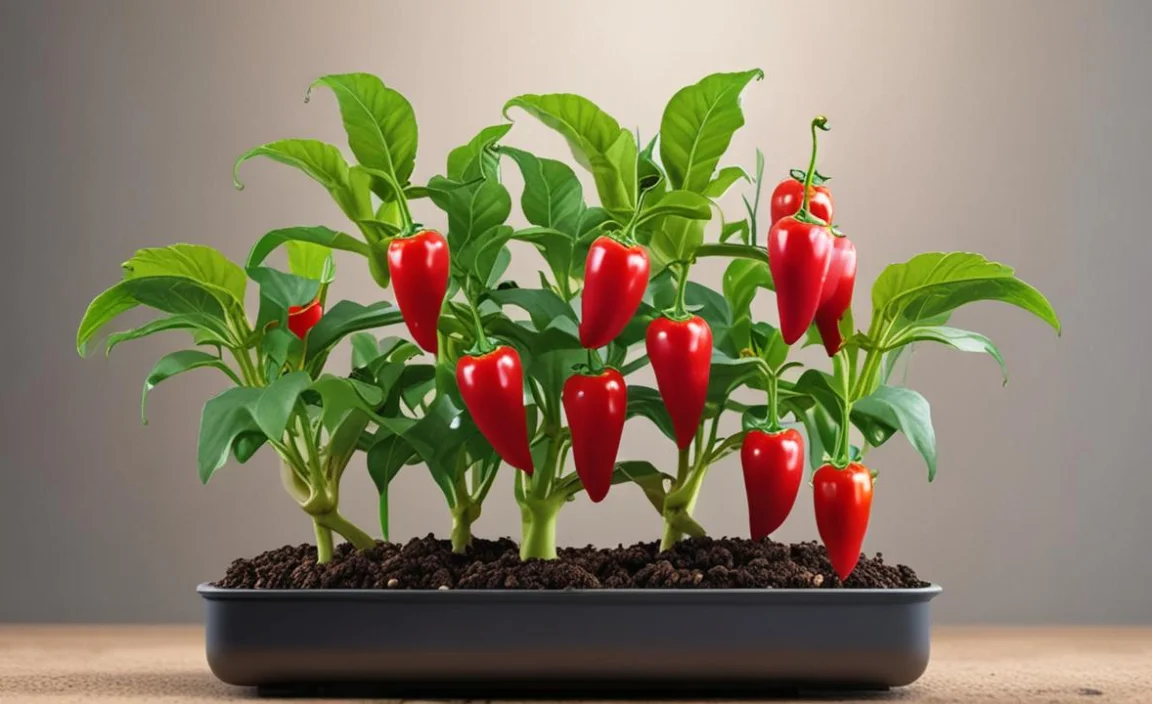
Once you have topped your plants, measuring success is key. You want to know if topping was worth it. A good way to measure is by counting the peppers you harvest.
You can also check the size of the peppers. Are they larger than before? This can show you if topping improved quality.
Here are some tips to measure your success:
- Count the number of peppers harvested.
- Record the size of the peppers.
- Note any changes in plant health.
- Compare yields from previous years.
- Look at the growth rate after topping.
By keeping a record, you can see the benefits of topping. You will learn to apply it better in future growing seasons.
Fun Fact or Stat: Many gardeners report a 20% increase in pepper size after topping!
Tracking Growth Patterns
After topping, you might wonder how fast your plants grow. Tracking growth patterns can help you see the benefits. Measure the height and width of your plants weekly.
Notice how quickly they sprout new branches. This can show how effective your topping was. Over time, you will see a pattern.
Comparing Yields Over Seasons
One great way to measure topping success is by comparing yields. Each year, keep track of how many peppers you collect. Make sure to note the conditions of each season.
Check how many peppers were harvested from topped plants vs. untopped ones. This data can help you make better choices in your gardening.
Conclusion and Final Thoughts
Topping pepper plants to increase yield is a great gardening technique. It helps plants grow fuller and produce more peppers. With the right timing and care, you can enjoy a bountiful harvest.
Don’t be afraid to try topping! With practice, you will see amazing results. Happy gardening!
Summary
Topping pepper plants can help increase their yield. By cutting off the tops, you encourage new growth. This makes the plants bushier and healthier. Strong plants produce more fruits, which means more peppers for you. Knowing how and when to top is important. With care and patience, your pepper harvest can be amazing!
Conclusion
Topping pepper plants to increase yield is a fun and useful method. It makes the plants stronger and helps them produce more peppers. Remember to time your topping right and care for your plants well. With these tips, you will have a fantastic pepper harvest!
Frequently Asked Questions
Question No 1: What is topping in gardening?
Answer: Topping is cutting off the top part of a plant. For pepper plants, this helps them grow bushier and produce more peppers. Many gardeners use this method to increase yield.
Question No 2: How does topping affect pepper plants?
Answer: Topping encourages new growth and helps plants focus their energy. This can lead to more branches, flowers, and ultimately, more peppers. Topping truly helps increase yield.
Question No 3: When is the best time to top pepper plants?
Answer: The best time to top is when plants are 10-12 inches tall. This height shows that the plant is strong enough to handle the cut. Topping at the right time is crucial for success!
Question No 4: What tools do I need for topping?
Answer: You need sharp scissors or garden shears for topping. Make sure your tools are clean to avoid diseases. Clean tools help ensure your plants remain healthy after topping.
Question No 5: Can all types of peppers be topped?
Answer: Most types of peppers can be topped successfully. However, some varieties react differently. Research your specific pepper type to understand how they might respond to topping.
Question No 6: How can I measure the success of topping?
Answer: Measure the number of peppers harvested and their size. Compare the yield of topped plants to untopped ones. This will show you how topping has benefited your plants over time.

