Many gardeners love growing tomatoes in greenhouses. They provide the perfect environment for plants. But did you know that pests can ruin your hard work? One such pest is the whitefly. A whiteflies infestation in greenhouse tomatoes can cause big problems. These tiny bugs suck the juice from your plants. This can make your tomatoes weak and sick.
Have you ever seen little white bugs flying around your plants? That’s a sign of a whiteflies infestation. They can appear suddenly and spread quickly. It’s important to take action right away. If you ignore them, they can damage your whole crop. Let’s learn more about how to handle this problem.
Key Takeaways
- Whiteflies can harm greenhouse tomatoes quickly.
- Act fast to prevent a whiteflies infestation.
- Regular inspections help catch these pests early.
- Natural predators can control whiteflies populations.
- Healthy plants resist whiteflies better than weak ones.
Understanding Whiteflies Infestation in Greenhouse Tomatoes
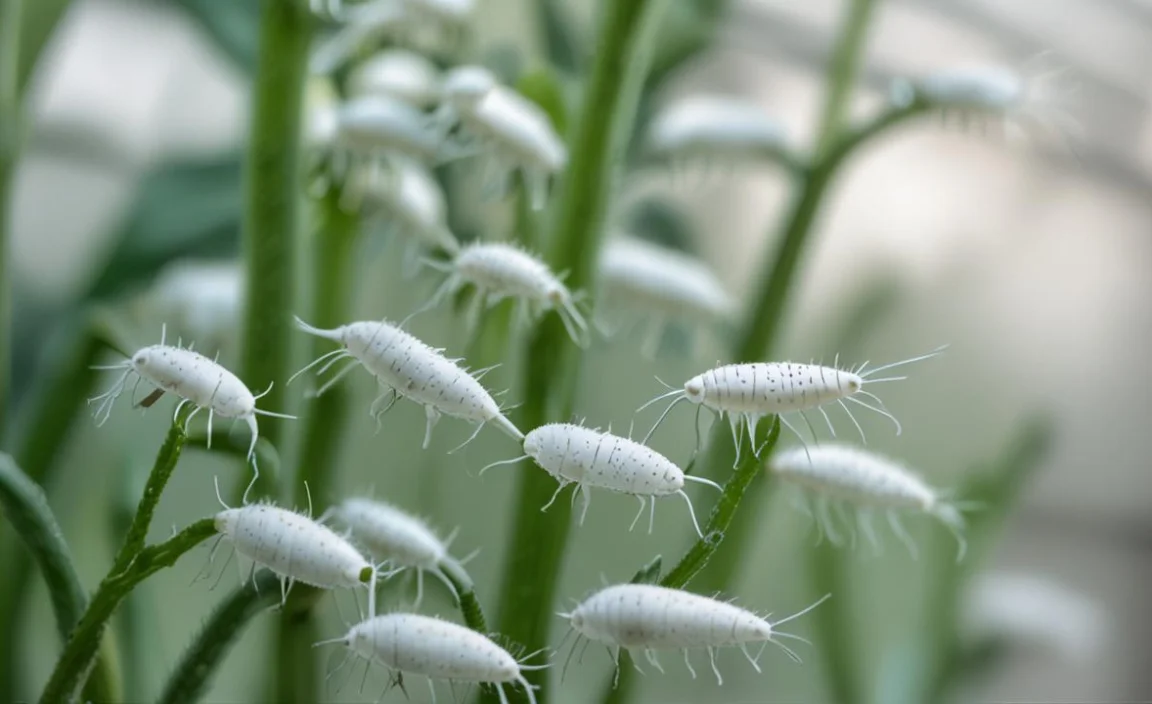
Whiteflies are small, white insects. They often gather on the undersides of leaves. They love warm, humid environments like greenhouses. When they feed, they suck sap from plants. This weakens the plants over time. A whiteflies infestation in greenhouse tomatoes can cause yellowing leaves. You might also see black mold from their waste. This can ruin your tomatoes’ quality and yield.
- Whiteflies are tiny, about 1/16 of an inch long.
- They reproduce quickly, laying hundreds of eggs.
- They can spread diseases among plants.
- High humidity attracts whiteflies to greenhouses.
- They can often be found in warm areas.
To prevent a whiteflies infestation, it’s important to monitor your plants. Check the leaves often, especially under them. If you see whiteflies, act right away. You can use sticky traps to catch them. Also, keep your greenhouse clean to reduce hiding spots. This will help protect your tomatoes and keep them healthy.
Fun Fact or Stat: A single female whitefly can lay up to 400 eggs in her lifetime!
Signs of Whiteflies Infestation
Have you ever wondered what signs to look for? Whiteflies leave clues behind. You might see tiny white dots on your leaves. These are actually the insects themselves.
Another sign is yellowing leaves. Your plants may look sick and weak. You may also notice sticky residue. This is called honeydew and comes from whitefly feeding.
The sooner you find these signs, the better. Early detection can save your plants.
How Whiteflies Harm Greenhouse Tomatoes
Whiteflies attack the juicy parts of the tomato plant. They suck out the nutrients. This can stunt growth and lead to poor fruit.
Have you ever bitten into a tomato and found it tasteless? That could be due to whiteflies. They not only weaken plants but also spread diseases, making them dangerous.
By keeping your plants healthy, you can resist some of this damage. Regular watering and feeding help your tomatoes grow strong.
Ways to Control Whiteflies Infestation
Controlling a whiteflies infestation takes effort. You can use several easy methods. First, you can introduce natural predators. Ladybugs and lacewings eat whiteflies.
Another option is using insecticidal soap. This can help kill whiteflies without harming your plants. Sticky traps also work well. Place them around your greenhouse to catch the pests.
Always remember to keep checking your plants. The sooner you act, the less damage they will cause.
Fun Fact or Stat: Whiteflies are more active during warm weather, especially in summer!
Preventing Whiteflies Infestation in Greenhouse Tomatoes
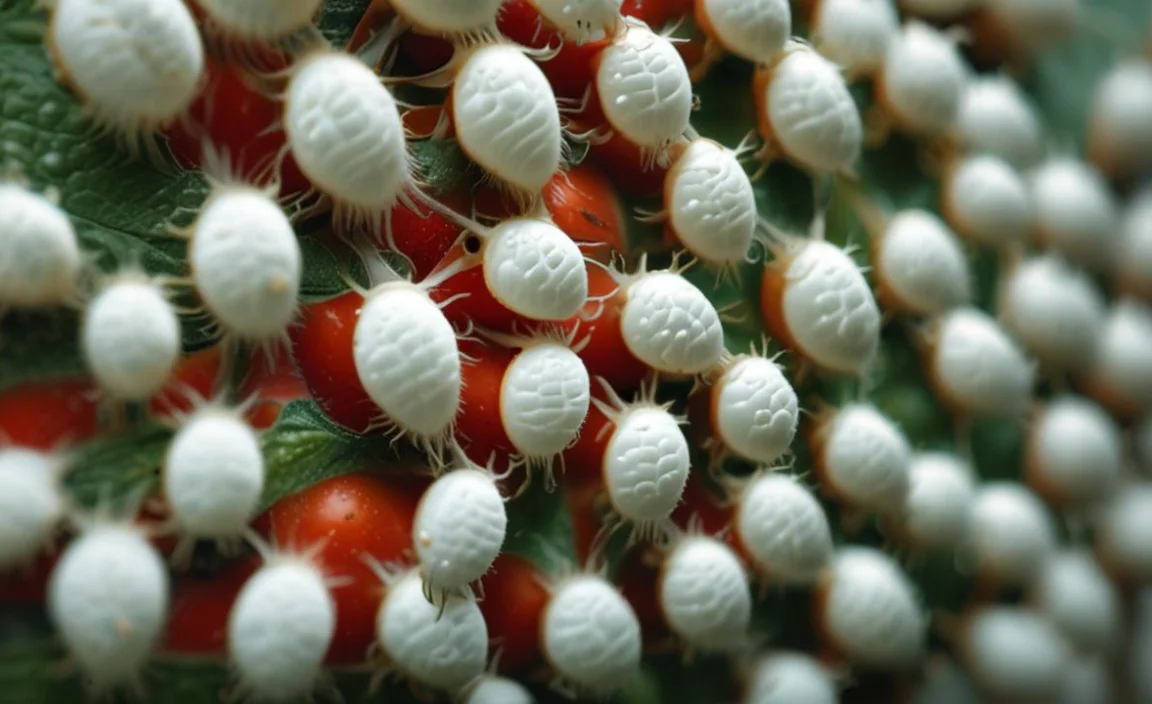
Prevention is better than cure. Creating a healthy environment is key. Make sure your tomatoes are well-fed and watered. Strong plants can resist pests better than weak ones. Avoid overcrowding plants in your greenhouse. This helps improve air circulation.
Regular cleaning of your greenhouse helps too. Remove old plants and debris to keep pests away. You can also cover vents to stop whiteflies from entering.
These small steps can save you from a whiteflies infestation in greenhouse tomatoes. It’s smart to stay ahead and protect your plants.
- Keep your greenhouse clean and tidy.
- Water and fertilize plants regularly.
- Avoid overcrowding tomato plants.
- Use barriers to prevent whiteflies entry.
- Monitor plants regularly for any signs of pests.
Taking these simple actions can make a big difference. A clean and healthy greenhouse is the best way to keep whiteflies away. You’ll enjoy a bountiful tomato harvest in no time.
Fun Fact or Stat: A clean greenhouse can reduce pest problems by up to 50%!
Using Biological Control for Whiteflies
Have you heard of biological control? This method uses natural enemies to manage pests. Ladybugs are a great example. They eat whiteflies and help keep their numbers down.
You can buy ladybugs and release them in your greenhouse. They will find and eat the whiteflies. This is an eco-friendly way to control pests.
Biological control also helps your plants stay healthy. It reduces the need for chemicals. This makes growing tomatoes safer and more enjoyable.
Organic Solutions for Whiteflies Infestation
Some gardeners prefer organic methods. You can use neem oil as a natural insect repellent. It’s gentle on plants and effective against whiteflies.
Another option is garlic spray. You can make it at home by mixing garlic with water. Spray this mixture on your plants to deter pests.
Organic methods are great for keeping your garden safe. They help protect beneficial insects too. Always remember to try these solutions early for the best results.
The Role of Climate in Whiteflies Infestation
Climate plays a big part in pest problems. Whiteflies thrive in warm, humid areas. If your greenhouse gets too hot, you may attract them.
You can control the temperature and humidity in your greenhouse. Use fans to cool the area down. This can help keep whiteflies at bay.
Staying aware of your greenhouse’s environment helps you manage pests. A good climate means healthy plants and fewer infestations.
Fun Fact or Stat: Whiteflies can reproduce in as little as 8 days under ideal conditions!
Identifying Common Types of Whiteflies
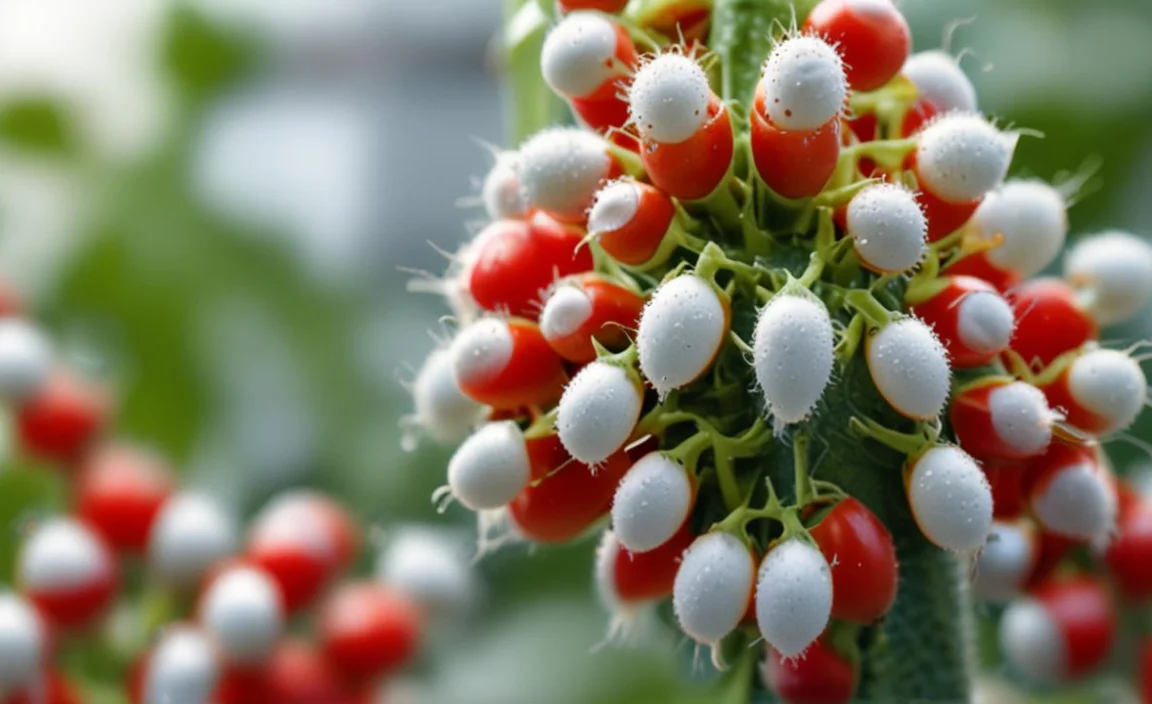
Not all whiteflies are the same. There are different types that can affect your plants. The most common is the greenhouse whitefly. This is the biggest threat to greenhouse tomatoes.
Another type is the sweet potato whitefly. They can also damage plants, but they’re less common. Knowing which type of whitefly is in your greenhouse can help you control them better.
Check your plants regularly to identify any issues. The sooner you know, the sooner you can act.
- Greenhouse whitefly is the most common type.
- Sweet potato whitefly can also affect tomatoes.
- Different whiteflies may need different control methods.
- Identifying them helps manage infestations better.
- Regular inspections can help you spot them early.
Being aware of these types will guide your control strategies. It will also help you understand their life cycles.
Fun Fact or Stat: There are over 1,500 species of whiteflies worldwide!
Life Cycle of Whiteflies
Have you ever wondered how whiteflies multiply? They have a simple life cycle. It starts with eggs laid on leaves. After about 6 to 10 days, tiny nymphs hatch. These nymphs then settle on leaves and start feeding.
After some time, they become adults. An adult whitefly can lay hundreds of eggs. This is why infestations can grow so quickly. Understanding their life cycle helps you know when to act.
Regular checks can help you catch them in any stage of life.
Impact of Whiteflies on Tomato Yield
Whiteflies can cause significant harm to your tomato yield. If they spread unchecked, they can reduce the amount of fruit. Weak plants produce fewer tomatoes.
Have you ever felt disappointed when your harvest is small? That could be due to pest problems like whiteflies. Healthy plants yield more fruit.
It’s important to take steps to protect your tomatoes. Regular monitoring and control measures will help.
How to Remove Whiteflies from Plants
Removing whiteflies can be tricky but not impossible. You can start by using a strong jet of water. This can knock them off your plants.
Another option is to use insecticidal soap. It’s safe for plants and can help kill whiteflies.
Always remember to repeat treatments as needed. Checking your plants often will help you react quickly.
Fun Fact or Stat: A heavy whiteflies infestation can reduce tomato yield by up to 80%!
Monitoring for Whiteflies Infestation
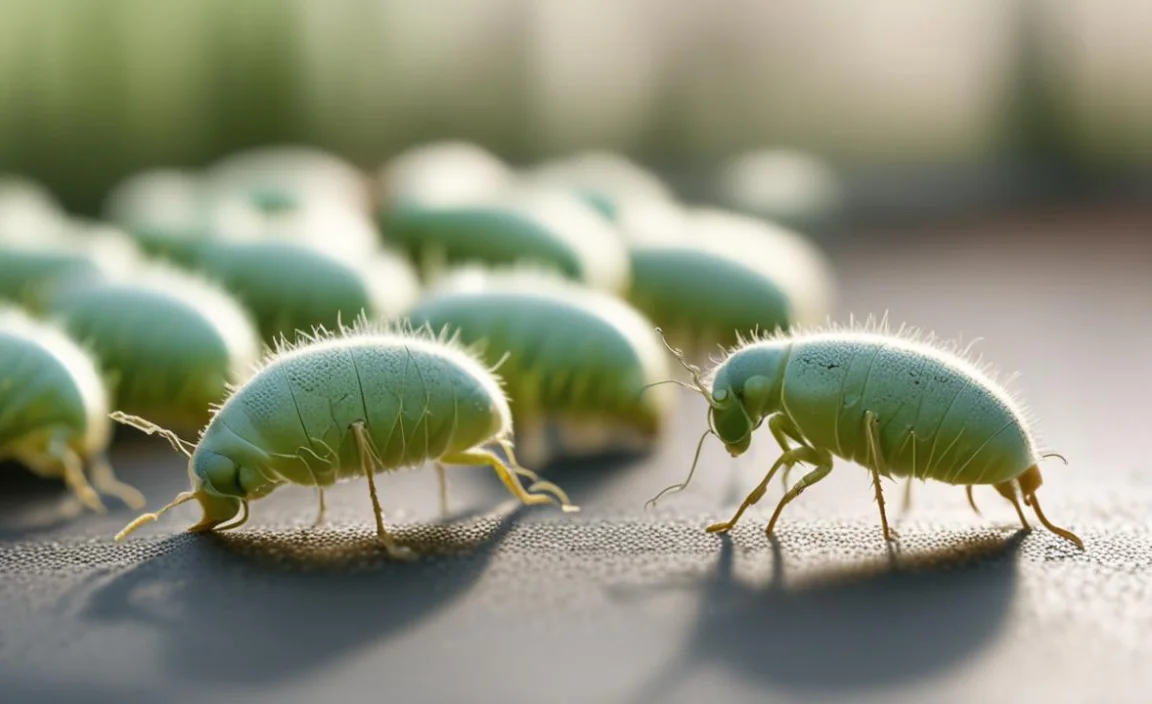
Monitoring is key to preventing a whiteflies infestation in greenhouse tomatoes. You should check your plants regularly. Look for any signs of whiteflies or damage.
Sticky traps can help catch whiteflies before they spread. Place them near your plants for the best results.
Create a routine for checking your greenhouse. This can help you notice changes. The sooner you spot problems, the easier they are to fix.
- Check plants weekly for any signs of pests.
- Use sticky traps to monitor whiteflies.
- Look for yellowing leaves and other damage.
- Keep a journal to track your observations.
- Act quickly if you notice any infestations.
By staying alert, you can keep your plants safe. Regular monitoring will help you maintain a healthy greenhouse.
Fun Fact or Stat: Regular monitoring can reduce pest problems by up to 30%!
Keeping Your Greenhouse Clean
A clean greenhouse is essential for healthy plants. Remove any dead leaves and debris regularly. This helps reduce hiding places for pests.
Cleaning your tools is important too. Make sure to disinfect them before using. This prevents spreading pests from one plant to another.
A simple cleaning routine can make a big difference. It helps keep your greenhouse healthy and pest-free.
Using Traps for Whiteflies
Traps are a great way to catch whiteflies. Sticky traps are easy to use. Just hang them near your plants. The whiteflies get stuck and cannot escape.
You can also make your own traps using yellow paper. The color attracts whiteflies, making it effective.
Traps help you monitor and control pests. They are a simple tool for keeping your greenhouse safe.
Involving the Community in Pest Control
Have you thought about involving others in your pest control efforts? Your neighbors might face the same problems. Sharing information can help everyone.
You can organize community workshops. Teach others about spotting and controlling whiteflies. This can create a support network for everyone growing tomatoes.
Together, you can share tips and tricks. A community effort can lead to healthier gardens all around.
Fun Fact or Stat: Community gardening can reduce pest problems by up to 25%!
Summary
Whiteflies infestation in greenhouse tomatoes can cause serious damage. These tiny pests suck nutrients from plants. This leads to weak and sick tomatoes. Regular monitoring and quick action are keys to prevention. You can use traps, natural predators, and organic solutions. By keeping your greenhouse clean and healthy, you protect your plants.
Working together with your community can make gardening easier. Everyone can learn how to fight these pests effectively.
Conclusion
Preventing a whiteflies infestation in greenhouse tomatoes is essential for healthy plants. Regular checks and maintaining a clean environment are key. Use traps and consider natural predators. By staying alert, you can protect your tomato plants. Happy gardening!
Frequently Asked Questions
Question No 1: What are whiteflies?
Answer: Whiteflies are tiny, winged insects that feed on plant sap. They are commonly found on the underside of leaves. They can cause damage to many plants, especially tomatoes in greenhouses. Their feeding weakens the plants and can lead to disease. A whiteflies infestation in greenhouse tomatoes can be very harmful.
Question No 2: How can I spot a whiteflies infestation?
Answer: To spot a whiteflies infestation, check the undersides of leaves. Look for tiny white insects or yellowing leaves. You may also see sticky residue on the leaves, called honeydew. If you notice any of these signs, act quickly. Early action is essential to protect your greenhouse tomatoes.
Question No 3: How can I control whiteflies naturally?
Answer: You can control whiteflies naturally by using insecticidal soap or neem oil. Introducing beneficial insects like ladybugs also helps. They eat whiteflies and reduce their numbers. Keeping your greenhouse clean is another natural control method. All these steps help prevent a whiteflies infestation in greenhouse tomatoes.
Question No 4: What damage do whiteflies do to tomatoes?
Answer: Whiteflies suck the sap from tomato plants. This weakens the plants and reduces fruit production. They can also spread diseases, making it hard for plants to grow. A severe infestation can lead to poor yields and sick plants. Protecting your greenhouse tomatoes is crucial to avoid these problems.
Question No 5: Can whiteflies affect other plants?
Answer: Yes, whiteflies can affect many plants, not just tomatoes. They are known to target vegetables and flowers. Keeping a close eye on all your plants is important. Early detection helps prevent widespread issues. A whiteflies infestation in greenhouse tomatoes can also spread to other species nearby.
Question No 6: How can I prevent a whiteflies infestation?
Answer: To prevent a whiteflies infestation, monitor your plants regularly. Keep your greenhouse clean and free of debris. Use sticky traps to catch any pests. Also, consider introducing natural predators. A healthy environment helps keep whiteflies away from your greenhouse tomatoes.

