Composting is a great way to recycle food scraps and yard waste. It turns old materials into rich soil. Many people expect their compost pile to heat up, especially in summer. But what if it doesn’t? You might wonder, “Why won’t my compost pile heat up in summer?” This question is common among new composters.
If your compost pile stays cold, it can be frustrating. Heat helps break down material quickly. Without heat, composting takes longer. Understanding how compost works can help. Let’s explore why some piles don’t heat up.
Key Takeaways
- Your compost pile may lack enough materials.
- Too much moisture can cool down the pile.
- Not enough air can stop heat from building.
- Watch the balance of greens and browns.
- Learn why won’t my compost pile heat up in summer.
Why Won’t My Compost Pile Heat Up in Summer?
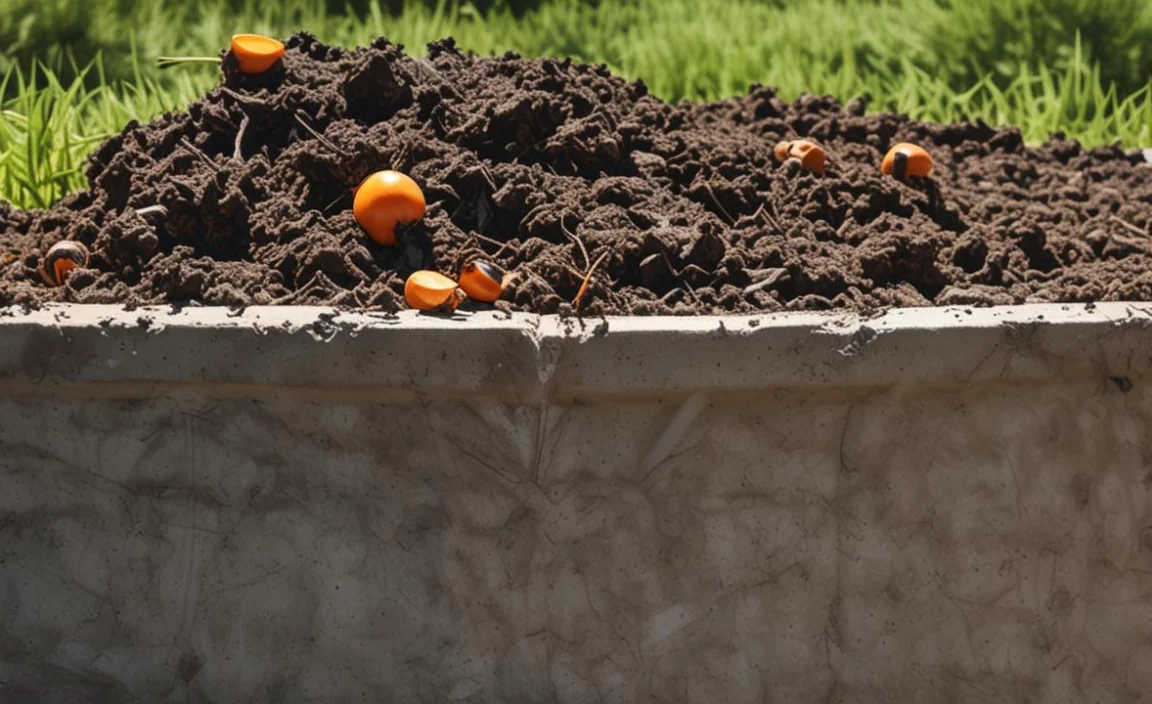
Sometimes, a compost pile doesn’t heat up in summer due to various reasons. One big reason is that it might not have enough nitrogen. Nitrogen-rich materials like grass clippings help create heat. If your pile is mostly brown materials, it may need more greens. Another common issue is moisture. If the pile is too wet, it can become compacted. This stops air from reaching the center, where heat builds up.
- Balance nitrogen and carbon-rich materials.
- Keep the moisture levels just right.
- Turn the pile regularly for air circulation.
- Choose the right size for your compost pile.
- Keep track of temperature changes.
Understanding how to balance materials is key. If your pile lacks greens, add kitchen scraps like vegetable peels. Watch how these changes affect your pile’s heat. Remember, a healthy compost pile can reach temperatures of 130°F to 160°F!
Fun Fact or Stat: A compost pile can heat up due to the microbes breaking down materials.
Are You Using the Right Materials?
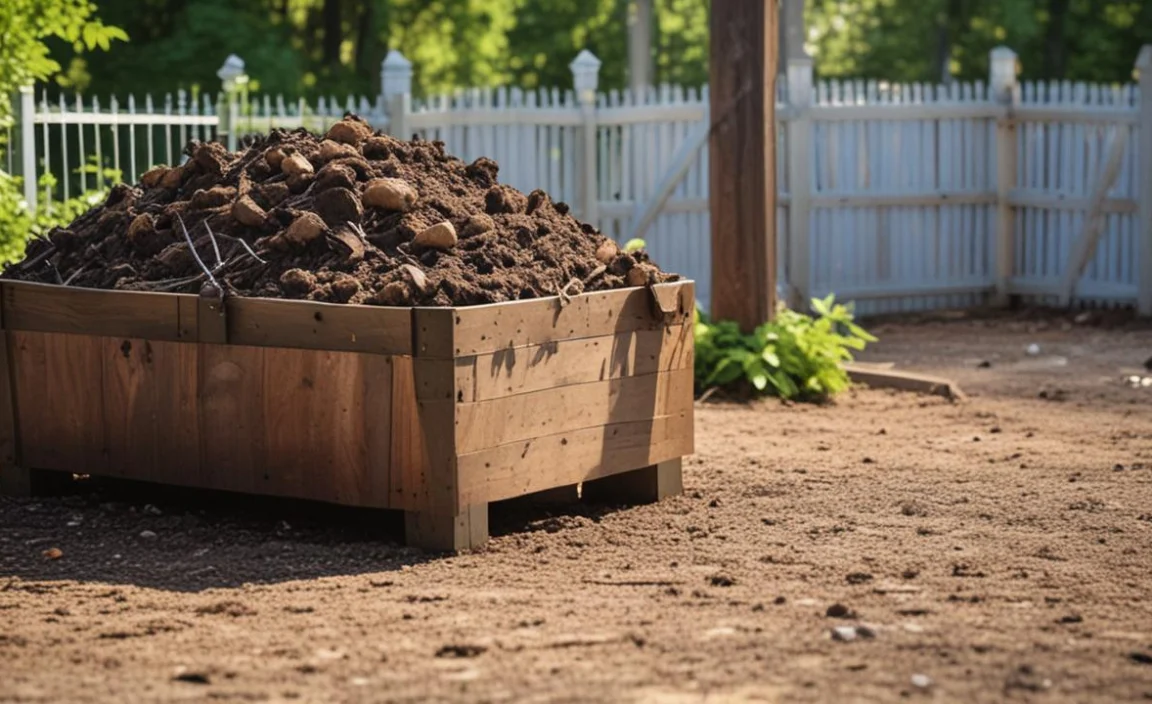
When starting a compost pile, the right materials are crucial. Are you throwing in only brown leaves? They are great but need greens too. Green materials like kitchen scraps or fresh grass clippings add nitrogen. Without enough nitrogen, the pile won’t heat up. It’s like a recipe. You need the right ingredients to get good results.
Adding a variety of materials can make a big difference. A mix helps the pile break down faster. If you keep your compost interesting, it will reward you with heat.
Do you know the difference between greens and browns? Greens are wet and rich in nitrogen. Browns are dry and high in carbon.
Fun Fact or Stat: A compost pile needs a mix of 30 parts carbon to 1 part nitrogen.
How Moisture Levels Affect Composting
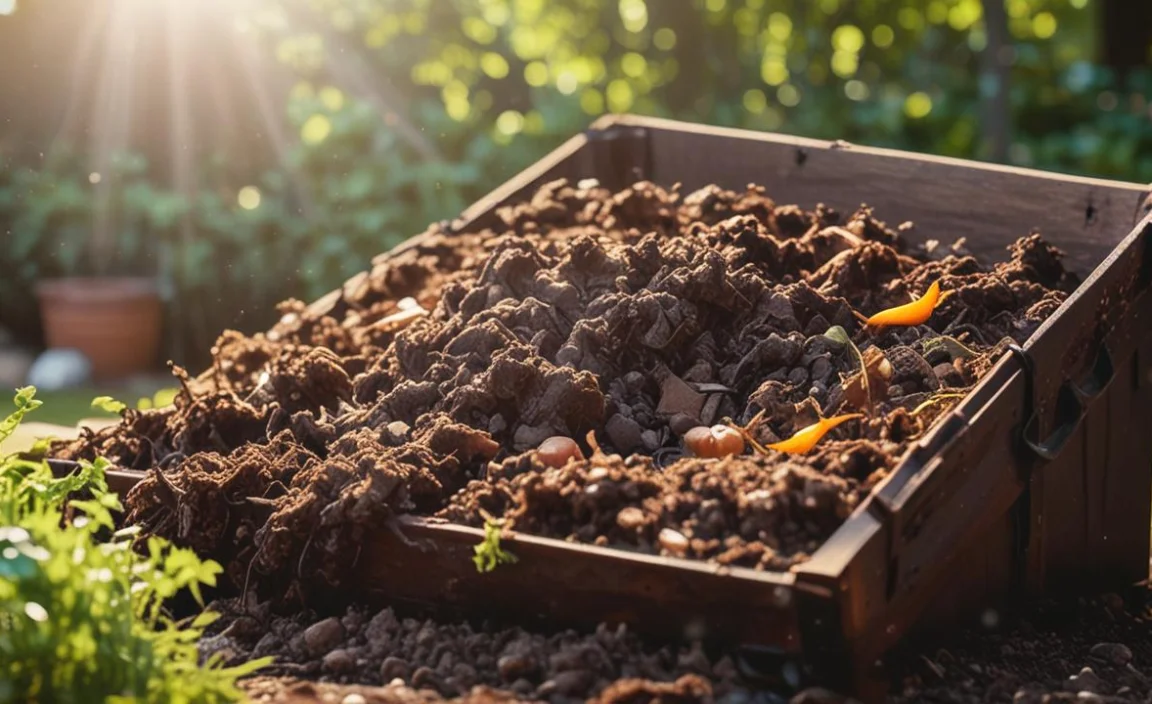
Moisture is vital to composting. Too little moisture makes the pile dry. But too much water can be just as bad. If your pile is soggy, it can cool down. You may find it hard to get it hot again.
Check the moisture by grabbing a handful. It should feel like a wrung-out sponge. If it drips water, it’s too wet. If it falls apart, it’s too dry.
Finding the right moisture level is important. You can use a watering can to add water or add dry materials. Try mixing in shredded paper or straw if it’s too wet.
Fun Fact or Stat: Wet compost can lose heat quickly, slowing down the process.
Is Your Pile Getting Enough Air?
Airflow is essential for a hot compost pile. Microbes need oxygen to thrive. Without air, they can’t create heat. A compact pile can trap air. This can keep your compost cool in summer.
Turning the pile helps. Use a pitchfork or shovel to mix it up. This adds air and encourages heat production.
You can also build your pile using a bin with holes. These holes allow air to flow through. Keeping your compost aerated can really help it heat up.
Fun Fact or Stat: Turning your compost once a week can speed up the heating process significantly.
Understanding the Balance of Greens and Browns
Balance is key in composting. Too many browns can slow down heating. Too many greens can make it smelly. Finding the right mix takes practice.
Greens include food scraps, grass, and manure. Browns are dry leaves, straw, and cardboard. A good rule is to use three parts browns for every one part green. This balance keeps the microbes happy and the pile hot.
- Mix greens and browns in your pile.
- Use a variety of materials for better results.
- Regularly monitor your pile’s appearance.
- Adjust materials based on the weather.
- See how changes affect the temperature.
If your compost pile stays cold, check the balance. Adjust your materials and turn your pile. Doing this can help bring back the warmth.
Fun Fact or Stat: Proper balance can cut composting time in half.
Using the Right Size for Your Compost Pile
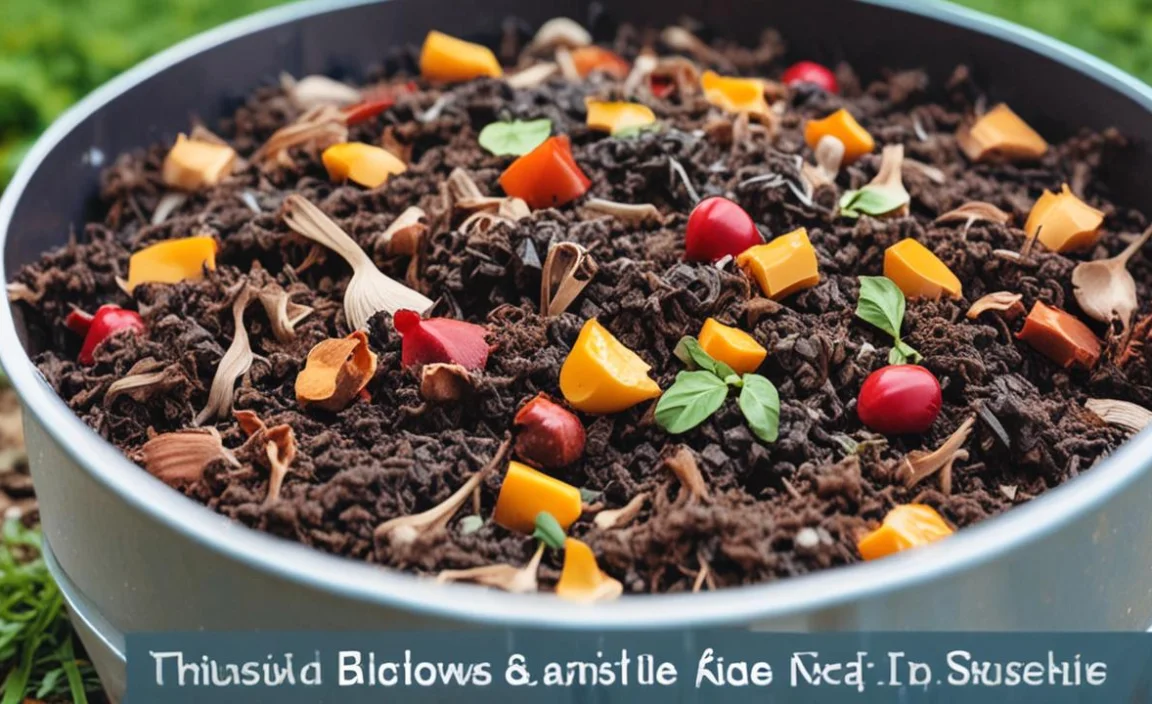
The size of your compost pile matters. A small pile might not generate enough heat. A pile needs to be at least three feet wide and three feet tall. This size helps trap heat and moisture. Larger piles can retain heat better.
If your pile is too small, consider adding more material. You can also combine piles if you have several small ones.
- Build your pile at least three feet wide.
- A larger volume retains heat better.
- Stack materials in layers for best results.
- Combine smaller piles into one larger pile.
- Make sure the pile is tall enough to hold heat.
A good size helps in composting efficiently. If your pile is small and cold, think about making it bigger. Remember, bigger isn’t always better; it must be balanced too.
Fun Fact or Stat: A compost pile smaller than three feet may not heat up enough.
Temperature Changes and Their Impact
Temperature is a crucial factor in composting. When the pile heats up, it shows that the microbes are working. If you notice the temperature dropping, something is wrong. This can happen due to too much moisture or lack of air.
Keeping track of temperature can help you know what to fix. You can use a compost thermometer to measure it.
- A compost thermometer helps track temperature changes.
- Heat should reach between 130°F and 160°F.
- Monitor temperature weekly for best results.
- Look for signs of cooling and adjust as needed.
- Temperature changes can indicate problems.
If your compost pile cools down, check the moisture and air flow. Make necessary adjustments to get the heat back.
Fun Fact or Stat: The right temperature can speed up decomposition significantly.
Summary
Composting is a fun and useful activity. However, many people ask, “Why won’t my compost pile heat up in summer?” This can happen for various reasons. Your pile may need more nitrogen, better air flow, or correct moisture levels. Keeping a close eye on the balance of greens and browns also matters. If you adjust these factors, your compost pile can heat up and work efficiently. Enjoy the process of composting, and soon you’ll have rich soil for your plants!
Conclusion
In conclusion, understanding why won’t my compost pile heat up in summer is essential. Composting requires balance and attention. Check your materials, moisture, and airflow. Make sure your pile is the right size too. With these tips, your compost pile can thrive even in hot weather. Happy composting!
Frequently Asked Questions
Question No 1: Why won’t my compost pile heat up in summer?
Answer: Your compost pile may lack enough nitrogen-rich materials. If you only add browns like leaves, the pile won’t heat up properly. Try mixing in greens like fruit scraps or grass clippings. This can boost temperature and speed up decomposition. It’s all about balance!
Question No 2: How can I tell if my compost pile is too wet?
Answer: If your compost feels soggy or drips water when squeezed, it’s too wet. Wet piles do not heat up well. If you notice this, mix in dry materials like straw or shredded paper. Be careful not to let it get too dry either!
Question No 3: Can turning my compost help it heat up?
Answer: Yes! Turning your compost adds air, helping microbes thrive. This can increase heat. If your pile cools down, turn it every week. This simple action can make a big difference in keeping your compost hot.
Question No 4: What materials can I add to get more heat?
Answer: To increase heat, add more greens like food scraps or grass clippings. These materials are high in nitrogen. Make sure to balance these with browns like dry leaves or straw. This mix helps create the heat necessary for quick composting!
Question No 5: Is size important for a compost pile?
Answer: Yes! A compost pile should be at least three feet wide and tall. This size helps trap heat efficiently. Smaller piles may struggle to heat up. If your compost is small, consider combining it with others for better results.
Question No 6: How often should I check my compost?
Answer: It’s good to check your compost weekly. Look for changes in temperature and moisture. If your pile cools down, investigate the cause. Also, regularly turning your compost can help maintain heat and speed up the process.

