Have you ever stood under a hot shower? It feels so good when you are cold. The warm water can help you relax. But, are hot showers bad for you? Let’s find out the good and bad things about hot showers.
Taking a hot shower is a common thing. Many people do it every day. We will see if it is good or bad for your body. This article will help you decide if hot showers are right for you.
Key Takeaways
- Hot showers can dry out your skin, so use moisturizer after you shower.
- Taking shorter, warm showers can help keep your skin healthy and hydrated.
- Hot showers can relax muscles, but avoid them if you have low blood pressure.
- If you have skin problems, talk to a doctor about what shower temperature is best.
- Consider the pros and cons when deciding if are hot showers bad for you.
Are Hot Showers Bad For Your Skin?
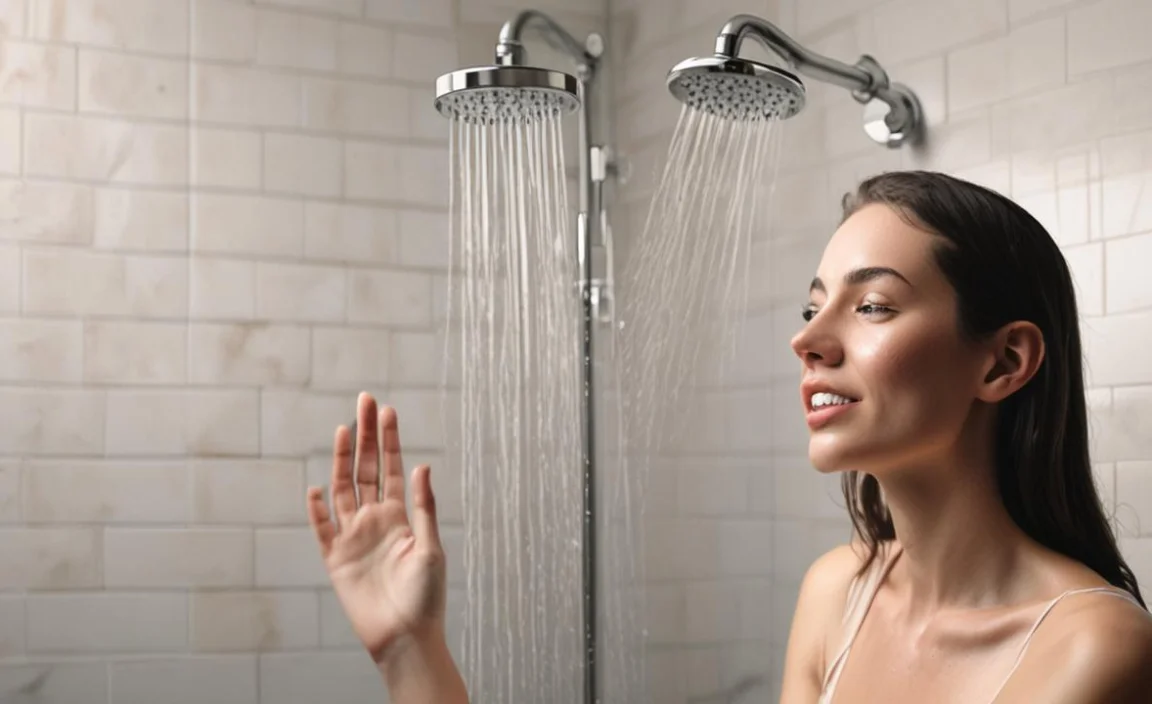
Many people love hot showers. They feel good, especially when it is cold. But, are hot showers bad for you, especially your skin? Hot water can strip away natural oils. These oils keep your skin moist. When the oils are gone, your skin can get dry and itchy. Dry skin can crack and become sore. If you already have skin problems, hot showers can make them worse. Eczema and psoriasis can flare up with hot water. It is important to think about how hot water affects your skin. You want to feel clean and comfortable. But you also want to keep your skin healthy. Finding the right balance is key. Using warm water instead of hot water can help. Also, use a good moisturizer after you shower. This will help put moisture back into your skin. Taking care of your skin is important for your overall health.
- Hot water removes natural skin oils.
- Dry skin can become itchy and sore.
- Hot showers can worsen skin conditions.
- Moisturizing after showering helps.
- Warm water is gentler on the skin.
Think about how your skin feels after a hot shower. Is it tight or itchy? These are signs that the hot water is drying it out. There are things you can do to help. Try using a mild soap that won’t strip your skin. Also, don’t shower for too long. A short shower is better for your skin. When you get out of the shower, pat your skin dry instead of rubbing it. This helps keep some moisture in. Then, put on moisturizer right away. Look for moisturizers with ingredients like shea butter or hyaluronic acid. These help to hydrate your skin. Taking these steps can help you enjoy your shower without damaging your skin. Remember, healthy skin is happy skin. Making small changes to your shower routine can make a big difference.
Fun Fact or Stat: The ideal shower temperature for skin health is between 98°F and 105°F (37°C and 41°C).
What Happens When Skin Dries Out?
Have you ever noticed your skin feeling tight and itchy after a shower? This can happen when your skin dries out. Hot water can remove the natural oils that keep your skin soft. These oils are like a protective layer. They help to keep moisture in and keep bad things out. When the oils are gone, your skin loses its ability to stay hydrated. This can lead to dryness, itching, and even cracking. Dry skin is not just uncomfortable. It can also make you more likely to get infections. Cracks in the skin let germs in. These germs can cause problems. Keeping your skin moisturized is very important. It helps to keep that protective layer strong. Using moisturizer after a shower is a great way to do this. It puts moisture back into your skin and helps to prevent dryness.
How Can Moisturizers Help?
Moisturizers are like a drink of water for your skin. They help to keep it hydrated and healthy. There are many different kinds of moisturizers. Some are thick and creamy, while others are light and lotion-like. The best moisturizer for you depends on your skin type. If you have dry skin, you might want a thicker cream. If you have oily skin, a lighter lotion might be better. Look for moisturizers with ingredients that are good for your skin. Shea butter, cocoa butter, and hyaluronic acid are all great choices. These ingredients help to lock in moisture and keep your skin soft. Apply moisturizer after you shower, while your skin is still damp. This helps it to absorb the moisturizer better. Using moisturizer every day can make a big difference in how your skin feels and looks.
What Are the Best Soaps to Use?
Choosing the right soap can make a big difference for your skin. Some soaps can be very harsh and drying. They strip away the natural oils that keep your skin healthy. Look for soaps that are gentle and moisturizing. Soaps with added oils or butters are a good choice. These help to keep your skin from drying out. Avoid soaps with a lot of fragrance or dyes. These can irritate your skin. A simple, unscented soap is often the best choice. Read the labels carefully to see what ingredients are in the soap. If you have sensitive skin, look for soaps that are made for sensitive skin. These are usually very gentle and won’t cause irritation. Remember, the right soap can help keep your skin clean and healthy.
Can Hot Showers Affect Your Hair?
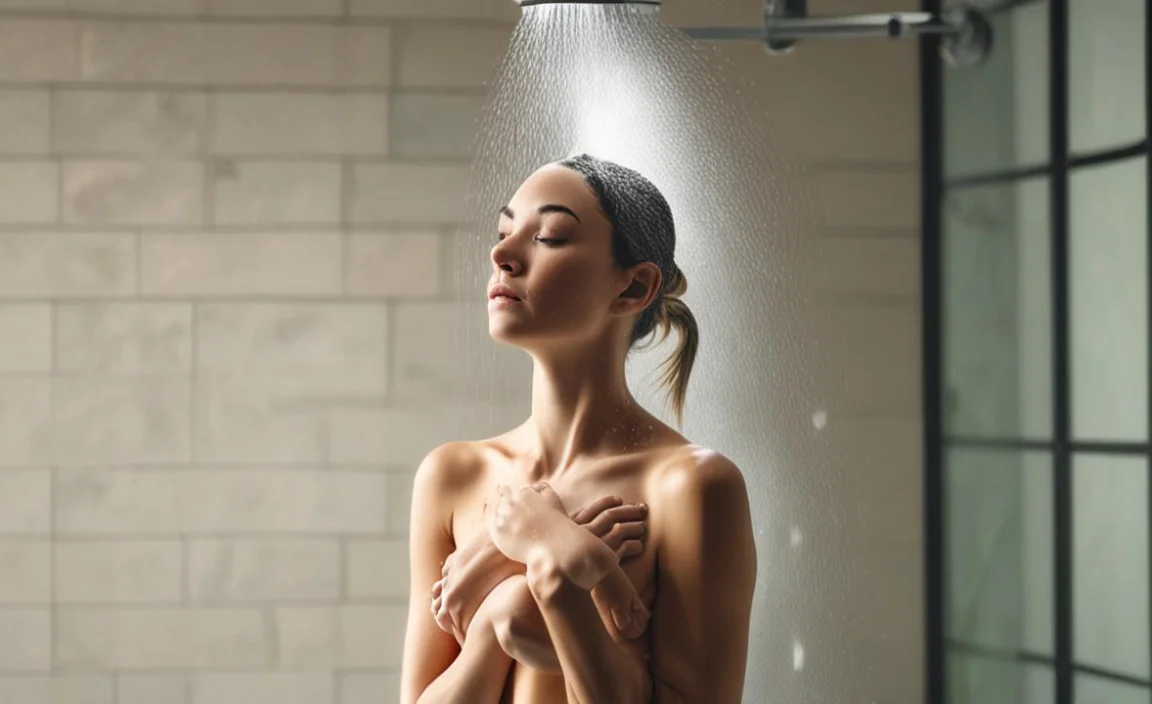
Are hot showers bad for you, especially your hair? Hot water can damage your hair. It can strip away the natural oils that keep your hair shiny and healthy. When these oils are gone, your hair can become dry and brittle. It can also make your hair more likely to break. The heat can also damage your scalp. A dry scalp can lead to dandruff and itching. It is important to protect your hair from hot water. Using warm water instead of hot water can help. Also, try not to wash your hair every day. Washing it too often can dry it out. When you do wash your hair, use a gentle shampoo and conditioner. Look for products that are designed for your hair type. This will help to keep your hair healthy and strong. Taking care of your hair is just as important as taking care of your skin.
- Hot water can dry out your hair.
- It can make your hair brittle.
- Hot showers can damage your scalp.
- Use warm water to wash your hair.
- Don’t wash your hair every day.
Think about how your hair feels after a hot shower. Is it dry and frizzy? These are signs that the hot water is damaging it. There are things you can do to help. Try rinsing your hair with cool water after you wash it. This helps to close the hair cuticle and lock in moisture. You can also use a hair mask or deep conditioner once a week. This will help to hydrate your hair and make it stronger. Avoid using heat styling tools too often. Blow dryers, curling irons, and straighteners can all damage your hair. If you do use them, use a heat protectant spray. This will help to shield your hair from the heat. Taking these steps can help you keep your hair healthy and shiny. Remember, healthy hair is beautiful hair. Making small changes to your hair care routine can make a big difference.
Fun Fact or Stat: The hair cuticle is like tiny shingles on a roof. Hot water makes them open up, while cool water makes them close.
Why Does Hair Get Dry?
Hair gets dry when it loses its natural oils. These oils keep the hair soft and shiny. Hot water, harsh shampoos, and heat styling can all strip away these oils. When the oils are gone, the hair becomes brittle and prone to breakage. Dry hair can also be difficult to manage. It can be frizzy and hard to style. To keep your hair from getting dry, avoid washing it too often. Use a gentle shampoo and conditioner. And protect your hair from heat. A healthy diet can also help. Eating foods that are rich in vitamins and minerals can make your hair stronger and more resilient. Remember, healthy hair starts from within. Taking care of your body is just as important as taking care of your hair.
How Can Conditioners Help?
Conditioners are like a spa treatment for your hair. They help to hydrate and nourish the hair. Conditioners can also help to detangle the hair and make it easier to manage. There are many different kinds of conditioners. Some are designed for dry hair, while others are designed for oily hair. Choose a conditioner that is right for your hair type. Apply conditioner after you shampoo your hair. Leave it on for a few minutes to allow it to soak in. Then, rinse it out thoroughly. Using conditioner regularly can make a big difference in how your hair feels and looks. It can help to keep your hair soft, shiny, and healthy.
What Are Heat Protectant Sprays?
Heat protectant sprays are like sunscreen for your hair. They help to protect it from the damaging effects of heat styling. These sprays create a barrier between the hair and the heat. This helps to prevent the hair from drying out and breaking. If you use heat styling tools, it is important to use a heat protectant spray. Apply the spray to your hair before you use the tool. Make sure to cover all of your hair, especially the ends. Heat protectant sprays come in different forms. Some are sprays, while others are creams or serums. Choose one that you like and that works well for your hair. Using a heat protectant spray can help to keep your hair healthy and strong, even if you use heat styling tools.
Do Hot Showers Affect Blood Pressure?
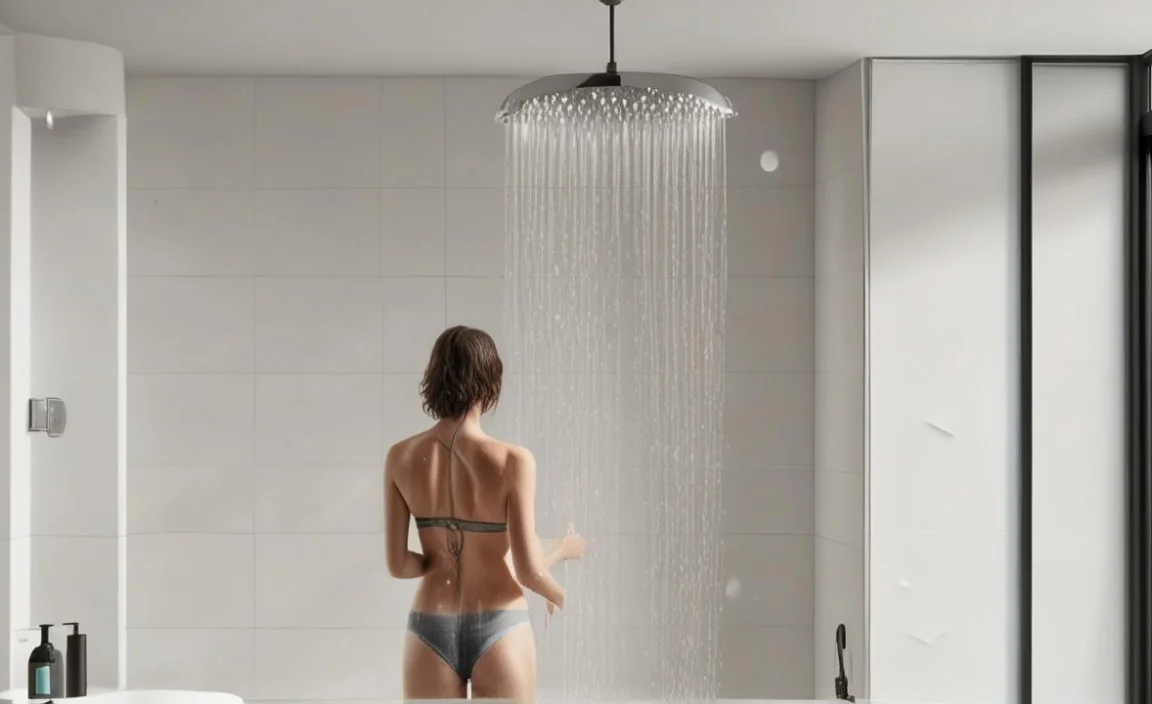
Are hot showers bad for you if you have problems with blood pressure? Hot showers can affect your blood pressure. When you are in hot water, your blood vessels widen. This can cause your blood pressure to drop. For most people, this is not a problem. But, if you already have low blood pressure, it can make you feel dizzy or faint. If you have high blood pressure, a hot shower might lower it a little. But, it is not a good way to control high blood pressure. It is important to talk to your doctor about the best way to manage your blood pressure. If you feel dizzy or lightheaded in the shower, turn down the water temperature. You can also sit down or get out of the shower. Listen to your body and take care of yourself. Hot showers can be relaxing, but they are not worth risking your health.
- Hot water can lower blood pressure.
- Low blood pressure can cause dizziness.
- Hot showers are not a treatment for high blood pressure.
- Talk to your doctor about blood pressure.
- Be careful if you feel dizzy in the shower.
It’s important to understand how your body reacts to heat. If you know you have low blood pressure, be extra careful. Start with warm water and slowly increase the temperature. Pay attention to how you feel. If you start to feel lightheaded, turn the water down right away. You might also want to avoid taking very long, hot showers. The longer you are in the hot water, the more your blood pressure can drop. It is also a good idea to have someone nearby when you shower. This way, if you do feel faint, they can help you. Remember, your health is the most important thing. Don’t risk it for a hot shower. There are other ways to relax and feel good.
Fun Fact or Stat: A sudden drop in blood pressure can cause orthostatic hypotension, making you feel dizzy when you stand up quickly.
What is Low Blood Pressure?
Low blood pressure means that your blood is not pushing as hard against the walls of your arteries. This can happen for many reasons. Some people naturally have low blood pressure. Others may have it because of medications or medical conditions. Low blood pressure can cause you to feel dizzy, lightheaded, or even faint. It can also make you feel tired and weak. If you think you have low blood pressure, talk to your doctor. They can check your blood pressure and see if there is a problem. There are things you can do to raise your blood pressure. Drinking more water and eating salty foods can help. Your doctor may also prescribe medication. It is important to manage low blood pressure to prevent problems.
What is High Blood Pressure?
High blood pressure means that your blood is pushing too hard against the walls of your arteries. This can damage your heart and blood vessels. High blood pressure often has no symptoms. That is why it is important to get your blood pressure checked regularly. If you have high blood pressure, your doctor may recommend lifestyle changes. These include eating a healthy diet, exercising, and losing weight. They may also prescribe medication to lower your blood pressure. It is important to manage high blood pressure to prevent serious health problems. These problems include heart disease, stroke, and kidney failure.
How Does Heat Affect Blood Vessels?
Heat causes your blood vessels to widen. This is called vasodilation. When your blood vessels widen, your blood pressure drops. This is because the blood has more space to flow through. In a hot shower, the heat from the water causes vasodilation. This can lower your blood pressure. For most people, this is not a problem. But, if you have low blood pressure, it can make you feel dizzy or faint. Cold temperatures have the opposite effect. They cause your blood vessels to constrict. This is called vasoconstriction. When your blood vessels constrict, your blood pressure rises. Understanding how heat and cold affect your blood vessels can help you stay healthy.
Are Hot Showers Bad For Relaxation?
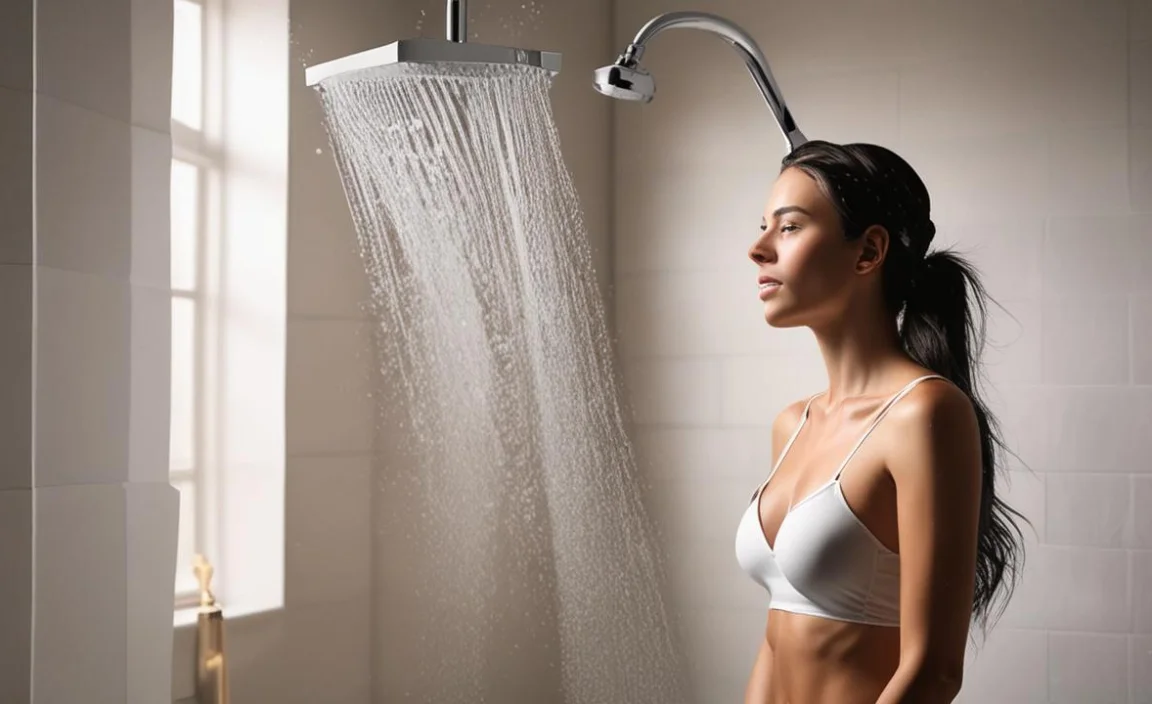
Are hot showers bad for you when you need to relax? Hot showers can be very relaxing. The warm water can soothe your muscles and ease tension. It can also help to calm your mind and reduce stress. Many people find that a hot shower before bed helps them sleep better. The heat can help you to unwind and prepare for sleep. However, it is important to be careful. If the water is too hot, it can actually have the opposite effect. It can make you feel more alert and energized. It is also important to stay hydrated. Hot water can dehydrate you. Drink plenty of water before and after your shower. A relaxing hot shower can be a great way to take care of yourself. Just make sure to do it safely and responsibly.
- Hot showers can relax muscles.
- They can reduce stress and tension.
- Hot showers can improve sleep.
- Too much heat can be energizing.
- Stay hydrated when taking hot showers.
Think about how you feel when you are stressed. Your muscles are tight, and your mind is racing. A hot shower can help to release that tension. The warm water can gently massage your muscles and ease the pain. It can also help to slow down your thoughts and calm your mind. Try adding some aromatherapy to your shower. Lavender, chamomile, and eucalyptus are all known for their relaxing properties. You can use essential oils in a diffuser or add them to your bath water. Creating a relaxing atmosphere can enhance the benefits of your hot shower. Remember to take your time and enjoy the experience. A hot shower can be a simple but effective way to de-stress and recharge.
Fun Fact or Stat: Studies show that warm water immersion can reduce cortisol levels, the hormone associated with stress.
How Do Hot Showers Relax Muscles?
Hot showers relax muscles by increasing blood flow. When your muscles are tense, they are often tight and constricted. This can limit blood flow and cause pain. The heat from the shower causes your blood vessels to dilate. This allows more blood to flow to your muscles. The increased blood flow brings oxygen and nutrients to the muscles. This helps them to relax and release tension. Hot showers can be especially helpful for sore muscles after exercise. The heat can soothe the muscles and reduce inflammation. If you have chronic muscle pain, talk to your doctor about other treatments. A hot shower can be a good way to get temporary relief.
What is Aromatherapy?
Aromatherapy is the use of essential oils to improve your mood and health. Essential oils are extracted from plants and have different properties. Some essential oils are relaxing, while others are energizing. You can use essential oils in many ways. You can add them to a diffuser to fill the air with their scent. You can add them to a bath or shower. You can also apply them to your skin, but be sure to dilute them first. Some popular essential oils include lavender, chamomile, eucalyptus, and peppermint. Experiment with different essential oils to find the ones that you like best. Aromatherapy can be a simple and effective way to improve your well-being.
Can Hot Showers Help with Sleep?
Hot showers can help with sleep by relaxing your body and mind. When you are stressed, it can be hard to fall asleep. Your mind is racing, and your body is tense. A hot shower can help to calm your mind and relax your muscles. This can make it easier to fall asleep. The heat from the shower can also help to lower your body temperature. This can signal to your body that it is time to sleep. Try taking a hot shower about an hour before bed. This will give your body time to cool down before you go to sleep. A hot shower can be a simple and effective way to improve your sleep quality.
What About Water Temperature and Health?
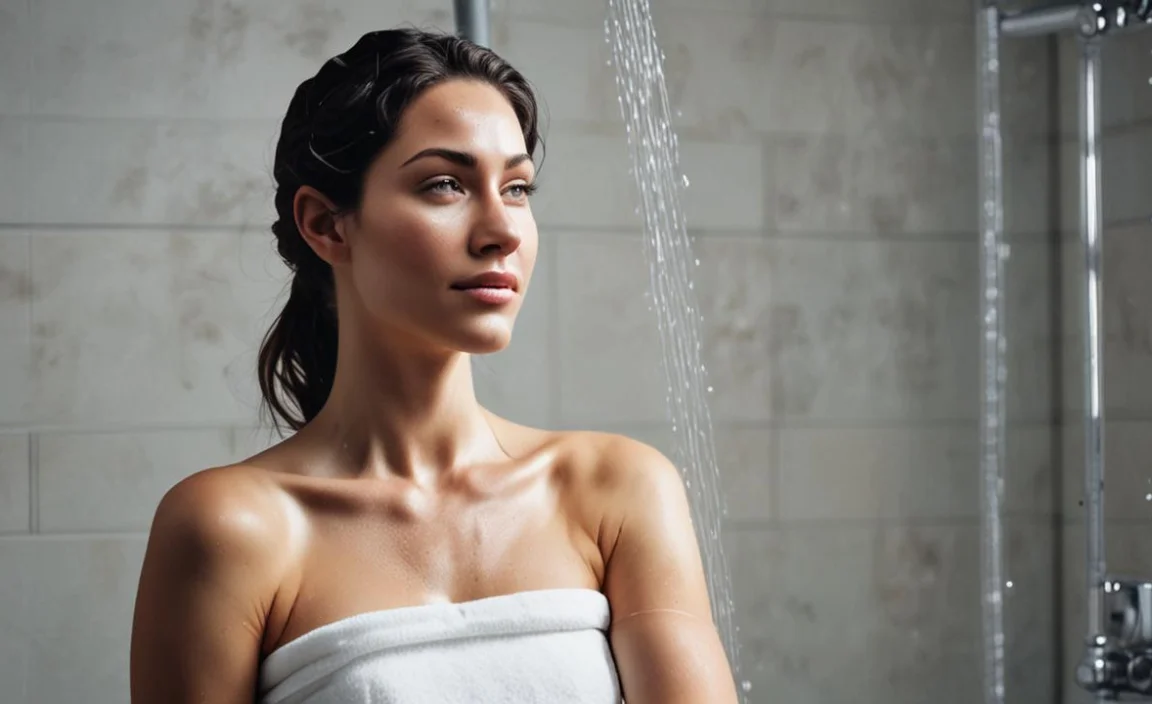
Are hot showers bad for you compared to cooler ones? The temperature of your shower water can have a big impact on your health. As we’ve discussed, hot showers can dry out your skin and hair. They can also lower your blood pressure. Cooler showers, on the other hand, can have some benefits. They can boost your circulation and energize you. Some people even take cold showers to reduce inflammation and improve their immune system. However, cold showers are not for everyone. They can be shocking and uncomfortable. It is important to find a water temperature that is comfortable for you. Warm water is a good compromise. It is gentle on your skin and hair, but it still provides some relaxation. Experiment with different temperatures to see what works best for you. Remember, the goal is to feel clean, comfortable, and healthy.
- Hot showers can dry out skin and hair.
- Cool showers can boost circulation.
- Cold showers may reduce inflammation.
- Warm water is a good compromise.
- Find a comfortable water temperature.
Consider the season when you are choosing your shower temperature. In the winter, a warm shower can feel great. It can help you to warm up after being outside in the cold. In the summer, a cooler shower can be refreshing. It can help you to cool down after being in the heat. Pay attention to how your body feels. If you are feeling sick, a warm shower might help to soothe your muscles and ease your symptoms. If you are feeling tired, a cooler shower might help to wake you up. There is no one-size-fits-all answer to the question of shower temperature. It depends on your individual needs and preferences. Listen to your body and choose a temperature that makes you feel good.
Fun Fact or Stat: Some athletes take ice baths after workouts to reduce muscle soreness and inflammation.
What Are the Benefits of Cold Showers?
Cold showers can be a shock to the system, but they have some potential benefits. They can boost your circulation, which can improve your overall health. Cold showers can also energize you and make you feel more alert. Some people find that cold showers help to reduce inflammation and improve their immune system. Cold showers may also help to improve your mood. They can release endorphins, which have mood-boosting effects. However, cold showers are not for everyone. They can be uncomfortable and even dangerous for some people. If you have heart problems, talk to your doctor before taking cold showers. Start slowly and gradually decrease the water temperature. Listen to your body and stop if you feel uncomfortable.
What Are the Benefits of Warm Showers?
Warm showers are a good compromise between hot and cold showers. They are gentle on your skin and hair, but they still provide some relaxation. Warm showers can help to soothe your muscles and ease tension. They can also help to calm your mind and reduce stress. Warm showers are a good choice for people who have sensitive skin or who are prone to dryness. They are also a good choice for people who want to relax without overheating. Warm showers are a safe and comfortable way to cleanse your body and improve your well-being.
How to Find the Right Temperature?
Finding the right shower temperature is a matter of personal preference. There is no one-size-fits-all answer. Experiment with different temperatures to see what works best for you. Start with warm water and gradually increase or decrease the temperature until you find a comfortable level. Pay attention to how your body feels. If you are feeling too hot or too cold, adjust the temperature accordingly. Consider the season and your individual needs. If you have any health concerns, talk to your doctor before making changes to your shower routine. The goal is to find a temperature that makes you feel clean, comfortable, and healthy.
How Shower Length Affects You
Are hot showers bad for you if they are too long? Shower length matters. Long, hot showers can be especially drying to your skin. They also use a lot of water and energy. Try to keep your showers short, around 5-10 minutes. This will help to protect your skin and hair. It will also save water and energy. Use a timer if you have trouble keeping track of time. You might be surprised at how quickly the minutes add up. Short showers are better for the environment and better for your health. Plus, you will have more time to do other things. It’s a win-win situation. Make a conscious effort to shorten your showers. Your body and the planet will thank you.
- Long showers dry out skin.
- They waste water and energy.
- Keep showers short (5-10 minutes).
- Use a timer to track time.
- Short showers are better for the environment.
Think about what you do in the shower. Do you spend a lot of time just standing under the hot water? That is a sign that you might be taking too long. Try to be more efficient. Wash your hair and body quickly and then get out. You can also try turning off the water while you are shaving or washing your hair. This will save even more water. Make a game out of it. See how quickly you can get through your shower. You might be surprised at how much time you can save. Even a few minutes can make a difference. Every little bit helps when it comes to conserving water and energy. Shortening your showers is a simple way to make a positive impact.
Fun Fact or Stat: The average shower in the United States lasts for about 8 minutes and uses about 17 gallons of water.
Why Are Long Showers Bad for Skin?
Long showers are bad for your skin because they strip away the natural oils. These oils keep your skin moisturized and protected. The longer you are in the water, the more oils are removed. This can lead to dry, itchy, and irritated skin. Hot water makes the problem even worse. It opens up your pores and allows the oils to escape more easily. If you have sensitive skin, long showers can be especially damaging. They can trigger eczema flare-ups and other skin problems. To protect your skin, keep your showers short and use warm water instead of hot water. Moisturize your skin immediately after showering to replenish the lost oils.
How to Save Water in the Shower?
Saving water in the shower is easy. There are many simple things you can do to reduce your water consumption. Take shorter showers. Turn off the water while you are shaving or washing your hair. Install a low-flow showerhead. This will reduce the amount of water that comes out of the showerhead. Collect the water that runs while you are waiting for it to warm up. You can use this water to water your plants or flush the toilet. Educate your family and friends about the importance of water conservation. Every little bit helps. By making a few small changes, you can significantly reduce your water usage.
What Are the Benefits of Short Showers?
Short showers have many benefits. They are better for your skin and hair. They save water and energy. They also save you time. Short showers are more environmentally friendly. They reduce your carbon footprint. They are also more cost-effective. They lower your water and energy bills. Short showers can also be more efficient. You can get clean and refreshed without spending a lot of time in the shower. By taking short showers, you can improve your health, save money, and protect the environment.
Comparing Shower Types
Are hot showers bad for you compared to other shower types? There are many different types of showers. Each type has its own advantages and disadvantages. Here is a comparison of some common shower types:
| Shower Type | Water Temperature | Benefits | Drawbacks |
|---|---|---|---|
| Hot Shower | High | Relaxing, soothes muscles | Dries out skin and hair, lowers blood pressure |
| Warm Shower | Moderate | Gentle on skin, relaxing | May not be as effective for muscle relaxation |
| Cool Shower | Low | Energizing, boosts circulation | Can be uncomfortable, shocking |
| Cold Shower | Very Low | Reduces inflammation, improves immune system | Can be dangerous for some people, very uncomfortable |
| Power Shower | Variable | Strong water pressure, invigorating | Can use a lot of water, may be too intense for some |
| Rain Shower | Variable | Gentle water flow, relaxing | May not be as effective for cleaning |
Choose the shower type that is best for you. Consider your individual needs and preferences. If you have dry skin, avoid hot showers. If you want to energize yourself, try a cool shower. If you want to relax, try a warm shower or a rain shower. Experiment with different shower types to see what works best for you. Remember, the goal is to feel clean, comfortable, and healthy.
Fun Fact or Stat: Rain showers mimic natural rainfall, providing a gentle and relaxing showering experience.
What is a Power Shower?
A power shower is a type of shower that has a strong water pressure. This is achieved by using a pump to increase the water pressure. Power showers can be very invigorating and refreshing. They can also be helpful for people who have low water pressure in their homes. However, power showers can use a lot of water. They may not be the best choice for people who are trying to conserve water. Power showers can also be too intense for some people. If you have sensitive skin, you may find that the strong water pressure is irritating.
What is a Rain Shower?
A rain shower is a type of shower that has a large, flat showerhead. The water flows out of the showerhead in a gentle, cascading stream. This mimics the feeling of standing in the rain. Rain showers can be very relaxing and soothing. They are a good choice for people who want to de-stress and unwind. However, rain showers may not be as effective for cleaning. The gentle water flow may not be strong enough to remove all of the dirt and grime from your body. Rain showers can also be more expensive than traditional showerheads.
Which Shower Type is Best for You?
The best shower type for you depends on your individual needs and preferences. Consider your skin type, your energy levels, and your budget. If you have dry skin, avoid hot showers and power showers. If you want to energize yourself, try a cool shower or a power shower. If you want to relax, try a warm shower or a rain shower. If you are on a budget, stick with a traditional showerhead. Experiment with different shower types to see what works best for you. Remember, the goal is to find a shower type that makes you feel clean, comfortable, and healthy.
Summary
So, are hot showers bad for you? Hot showers can feel great. They can relax your muscles and ease tension. However, they can also dry out your skin and hair. They can even lower your blood pressure. Cooler showers can be energizing. They can boost your circulation. But, they might not be as relaxing. The best shower temperature is warm. Warm water is gentle on your skin and hair. It still provides some relaxation. Shower length also matters. Long showers can be especially drying. Try to keep your showers short, around 5-10 minutes. Listen to your body and choose a shower routine that works for you.
Conclusion
In conclusion, hot showers have both good and bad points. They can relax you, but they might dry your skin. Warm showers are often a better choice. They clean you without the harsh effects. Short showers save water and protect your skin. Consider these things when you shower. Decide if are hot showers bad for you, or if they can fit into a healthy routine with some changes. Taking care of your skin and body is important.
Frequently Asked Questions
Question No 1: Are hot showers really that bad for your skin?
Answer: Yes, hot showers can be quite harsh on your skin. The high temperature strips away the natural oils that keep your skin moisturized. This can lead to dryness, itching, and irritation. If you already have skin conditions like eczema or psoriasis, hot showers can make them worse. It’s better to opt for warm water instead. This will help to cleanse your skin without removing too much of its natural moisture. Remember to moisturize immediately after showering to replenish any lost oils.
Question No 2: How can I tell if my shower is too hot?
Answer: There are a few signs that your shower is too hot. If your skin turns red quickly, the water is probably too hot. If your skin feels tight and itchy after you get out of the shower, that’s another sign. Also, if the steam in your bathroom is so thick that you can barely see, the water is likely too hot. The ideal water temperature should be warm, not scalding. Adjust the temperature until it feels comfortable without causing any discomfort to your skin. Are hot showers bad for you? Yes, if they cause these symptoms.
Question No 3: What’s the best way to moisturize after a shower?
Answer: The best time to moisturize is immediately after you get out of the shower. Pat your skin dry with a towel, but leave it slightly damp. Then, apply your moisturizer. This helps to lock in the moisture. Choose a moisturizer that is right for your skin type. If you have dry skin, look for a thick cream. If you have oily skin, a light lotion might be better. Look for moisturizers with ingredients like shea butter, cocoa butter, or hyaluronic acid. These ingredients help to hydrate and protect your skin.
Question No 4: Can hot showers affect my hair color?
Answer: Yes, hot showers can fade your hair color more quickly. The hot water opens up the hair cuticle. This allows the dye molecules to escape. If you want to preserve your hair color, wash your hair with cool or lukewarm water. Use a shampoo and conditioner that are designed for color-treated hair. These products help to seal the hair cuticle and prevent the color from fading. Also, avoid washing your hair too often. Washing it every day can strip away the color and dry out your hair.
Question No 5: Are cold showers better for you than hot showers?
Answer: Cold showers have some potential benefits. They can boost your circulation, energize you, and reduce inflammation. However, they are not for everyone. They can be shocking and uncomfortable. If you have heart problems, talk to your doctor before taking cold showers. Are hot showers bad for you? Well, it depends on your individual needs and preferences. Some people prefer hot showers for relaxation. Others prefer cold showers for their invigorating effects. The best option is to find a temperature that is comfortable and beneficial for you.
Question No 6: How can I make my showers more eco-friendly?
Answer: There are many ways to make your showers more eco-friendly. Take shorter showers. Install a low-flow showerhead. Turn off the water while you are shaving or washing your hair. Collect the water that runs while you are waiting for it to warm up. Use eco-friendly soap and shampoo. These products are made with natural ingredients and are less harmful to the environment. Educate your family and friends about the importance of water conservation. Every little bit helps when it comes to protecting our planet.

