Cilantro is a tasty herb used in many dishes. Some people love its fresh flavor. Others find it a little too strong. Have you ever grown cilantro in your garden? If you have, you may have noticed it can bolt quickly. Bolting means the plant starts to flower and go to seed. This can make the leaves bitter and less tasty. So, how can you delay bolting cilantro? Let’s explore this interesting topic.
Cilantro prefers cool weather. It loves spring and fall. When temperatures get too hot, cilantro may bolt. This can happen very fast! You may want to keep your cilantro healthy and tasty. Knowing how to delay bolting cilantro is important for every gardener. You can enjoy fresh cilantro for longer with the right tips.
Key Takeaways
- Plant cilantro in cooler months to prevent bolting.
- Provide shaded spots for your cilantro plants.
- Keep the soil moist to avoid stress on the plant.
- Use succession planting for a steady cilantro supply.
- Learn bolting cilantro how to delay using these easy tips.
Understanding Cilantro Bolting
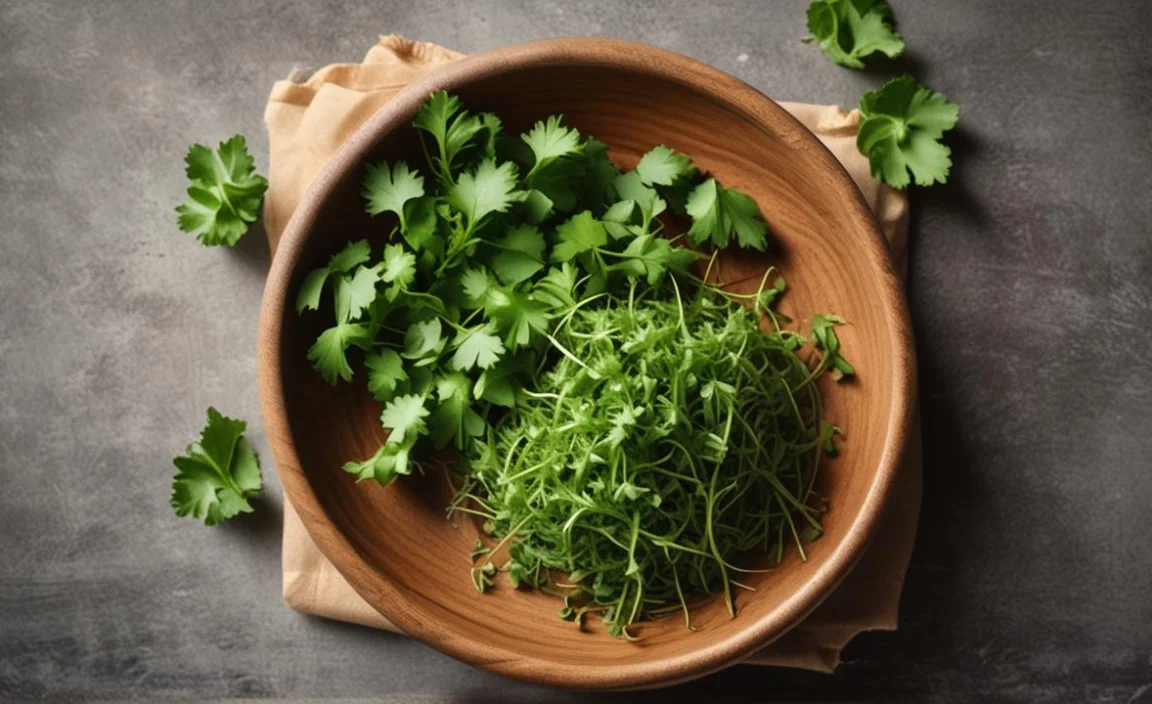
Cilantro is a fast-growing herb. It can bolt when temperatures rise above 75°F or 24°C. This is when the plant starts to flower. Flowers may be pretty, but they change the taste of the leaves. The leaves become less flavorful and more bitter. To understand bolting, think of how plants react to their environment. Plants need the right conditions to grow well. If they get too hot or dry, they stress out. This stress can lead to bolting.
- Hot weather causes cilantro to bolt quickly.
- Flowers take energy away from leaf growth.
- Plants bolt to ensure they reproduce.
- Stressful conditions lead to faster bolting.
- Healthy plants are less likely to bolt.
To keep cilantro growing strong, gardeners need to understand why it bolts. Knowing this helps us delay bolting cilantro. If you notice the weather getting warm, take action early. Give your plants some shade. You can also check the soil moisture. Keeping plants happy helps them stay leafy and tasty.
Fun Fact or Stat: Cilantro can bolt in just a few weeks when stressed.
Signs of Bolting in Cilantro
Have you ever seen a cilantro plant suddenly change? It might start growing taller and produce flowers. These are signs that your plant is bolting. The leaves may also lose their tasty flavor. It’s important to catch these signs early. You can save your plant if you act quickly.
When cilantro bolts, it focuses on survival. It wants to produce seeds. This means the leaves will not taste as good. You may want to check for flowers. If you see them, it’s time to take action.
Why does this happen? Plants are smart! They have ways to stay alive. When they feel heat, they want to spread their seeds.
How Weather Affects Cilantro
Weather plays a big role in growing cilantro. If it’s too hot, your plant may bolt. But what about cooler weather? Cilantro grows best in temperatures between 50°F and 70°F. This is why many gardeners plant it in spring or fall.
Keeping your cilantro in the right climate helps it grow well. Too much heat can send plants into shock. This shock leads to bolting. If you live in a hotter area, consider planting in the shade.
When you plant cilantro, pay attention to the forecast. Warm days can be fine, but watch for heat waves. You can protect your plants and delay bolting cilantro by providing shade or moving pots.
Planting Cilantro at the Right Time
Timing is everything when planting cilantro. If you want great flavor, you need to plant at the right moment. The best time to plant is in early spring or early fall. This helps keep the temperature cool enough for growth.
When you plant cilantro, think about the sun. It needs sunlight to grow, but not too much heat. Watch the weather during these times. If temperatures rise, you may want to cover your plants. This way, they can grow without bolting.
You can also learn when to plant each season. Planting cilantro every few weeks can help you have fresh leaves all season long. This is called succession planting.
Fun Fact or Stat: Cilantro can grow in both spring and fall for the best flavor.
Providing the Right Amount of Water
Water is essential for all plants, including cilantro. If cilantro does not get enough moisture, it can bolt. The soil should be kept evenly moist, but not soggy. Check the soil often, especially in warm weather.
When plants are thirsty, they can stress out. Stress leads to bolting, which is something all gardeners want to avoid. Make sure to water your cilantro regularly.
To help manage watering, consider using mulch. Mulch can keep the soil cool and moist. It also helps prevent weeds. With the right watering plan, you can delay bolting cilantro and keep your plants happy.
- Water cilantro deeply and regularly.
- Check soil moisture before watering.
- Use mulch to help retain moisture.
- Avoid letting soil dry out completely.
- Water early in the morning for best results.
By providing enough water, you help your cilantro stay green and tasty. Plants need water to grow strong. If they don’t get what they need, they may bolt.
Fun Fact or Stat: Cilantro needs about 1 inch of water per week.
Using Shade to Prevent Bolting

Shade can be a friend to cilantro plants. When the sun is too strong, cilantro can bolt quickly. You might want to consider growing cilantro in a spot that gets some shade. This can help keep it cool and delay bolting.
You can use larger plants or garden structures for shade. Using shade cloth is another option. This is a special fabric that blocks some sunlight. It helps keep the temperature just right for growing cilantro.
If you notice hot weather, adding shade can make a difference. It keeps your plants cool and happy. You can enjoy fresh cilantro longer this way.
- Plant cilantro near larger plants for shade.
- Use shade cloth to block strong sunlight.
- Move pots to cooler areas during hot weather.
- Monitor temperature changes regularly.
- Adjust shading as the seasons change.
Shade is a helpful tool when growing cilantro. It can prevent the heat from causing stress. With the right shade, your cilantro can grow strong and flavorful.
Fun Fact or Stat: Cilantro prefers light shade to full sun in hot weather.
Succession Planting for Fresh Cilantro
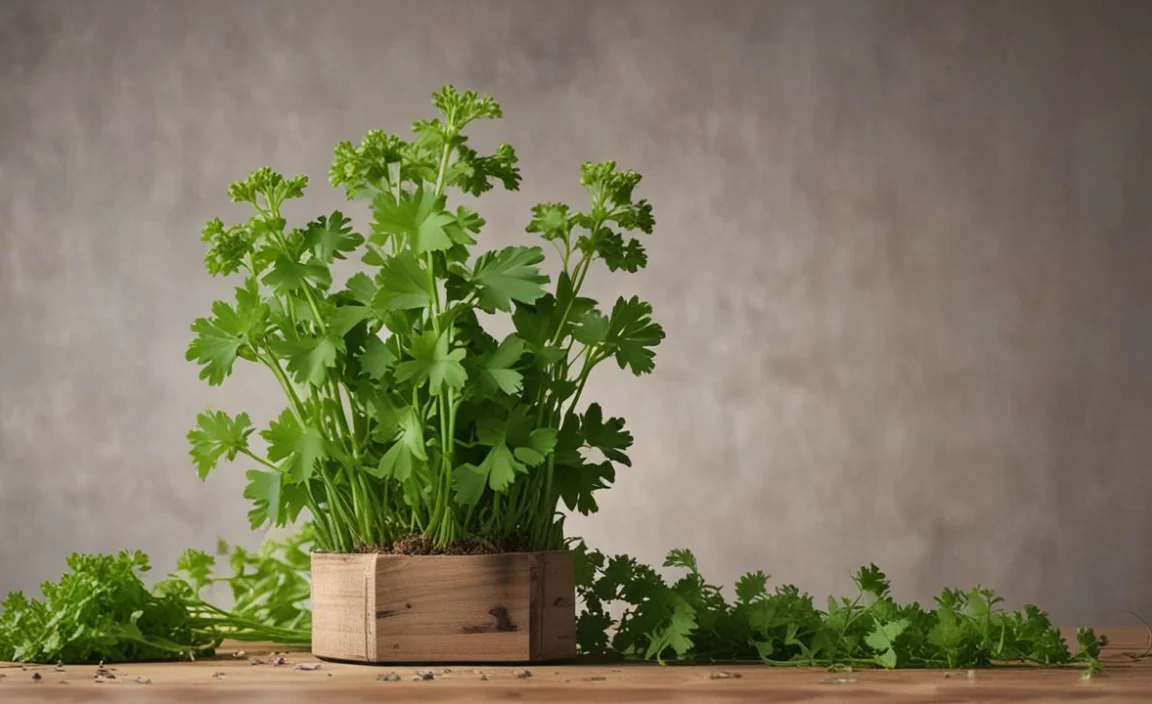
Succession planting is a great trick for gardeners. It means planting the same crop at different times. This way, you have a steady supply of fresh cilantro. You can enjoy it for weeks without worrying about bolting.
When you plant cilantro, consider how often you use it. If you use it a lot, plant every few weeks. This keeps your harvest going.
Timing is key for succession planting. Start by sowing seeds in early spring. Then wait a few weeks before planting again. This way, you can have young plants ready when older ones bolt.
This method can help you manage cilantro better. It guarantees you won’t run out of fresh herbs. If one plant bolts, you will have others ready to go.
- Plant cilantro every 2-3 weeks.
- Keep track of your planting schedule.
- Use markers to remember when you planted.
- Harvest older plants before they bolt.
- Enjoy fresh cilantro for a longer time.
Succession planting is an easy way to extend your cilantro harvest. It keeps your kitchen full of fresh flavors. When you know how to delay bolting cilantro, you can enjoy it even longer.
Fun Fact or Stat: Many gardeners use succession planting for various herbs.
Comparing Different Cilantro Varieties
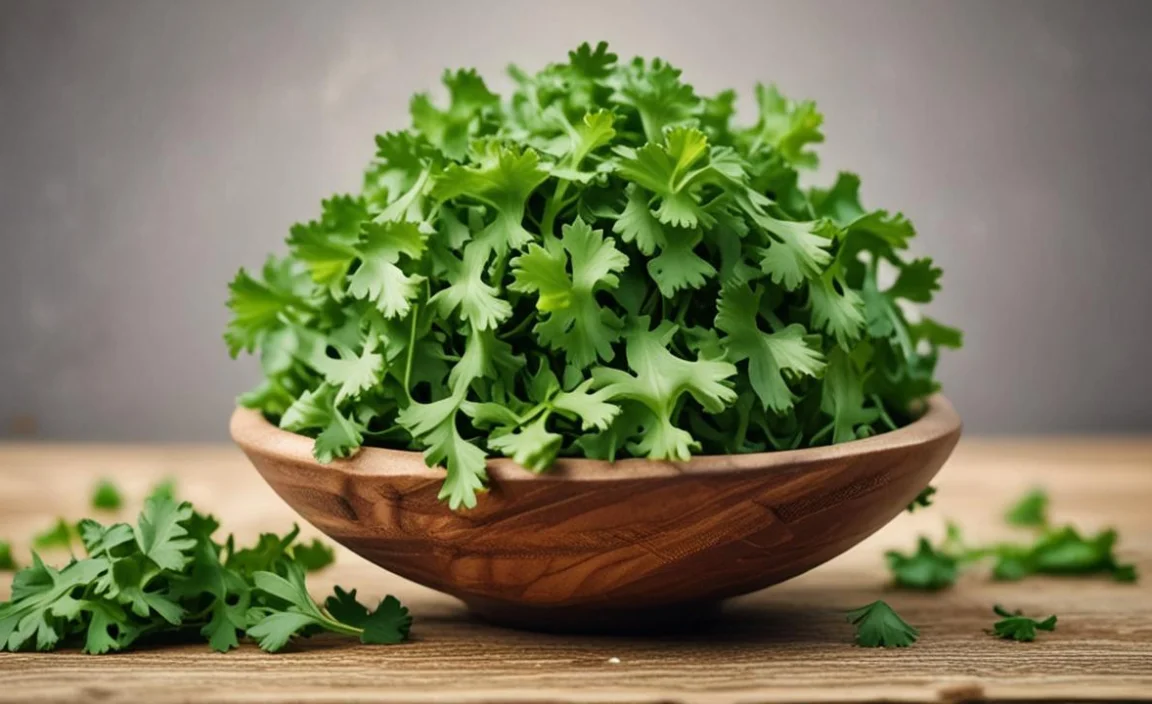
Not all cilantro is the same. Some varieties resist bolting better than others. Knowing which ones to plant can help you enjoy fresh leaves longer. Some cilantro types are bred to withstand heat. This helps prevent quick bolting.
Check out the table below to see some common cilantro varieties.
| Variety | Heat Resistance | Bolting Time | Flavor Profile |
|---|---|---|---|
| Slow Bolt | High | Late | Strong, fresh |
| Leafy | Medium | Medium | Mild, sweet |
| Standard | Low | Early | Strong, pungent |
| Chinese | Medium | Medium | Spicy, bold |
Choosing the right cilantro variety can make a big difference. Some can stay leafy longer in warm weather. You can also check local gardening shops for tips on what grows best in your area.
By selecting the right type, you can delay bolting cilantro and keep enjoying its flavor. Experimenting with different varieties lets you find your favorite.
Fun Fact or Stat: Some cilantro varieties can grow all summer long!
Summary
Cilantro is a great herb for cooking. Knowing how to delay bolting cilantro is essential for a tasty harvest. You can plant at the right time, use shade, and provide enough water. Succession planting helps ensure you have fresh cilantro for longer. Different varieties also help with this. With the right care, you can enjoy cilantro all season.
Conclusion
Cilantro is loved by many for its flavor. Learning bolting cilantro how to delay will help you enjoy it longer. Use these tips to grow strong plants. With the right care, your cilantro can thrive. Enjoy fresh herbs in your cooking!
Frequently Asked Questions
Question No 1: What is cilantro bolting?
Answer: Cilantro bolting occurs when the plant starts to flower. This usually happens when temperatures get too warm. Once it bolts, the leaves become bitter. It’s essential to recognize this early to save your cilantro.
Question No 2: How can I prevent cilantro from bolting?
Answer: You can prevent bolting by planting in cooler months. Providing shade and keeping the soil moist also helps. Regularly check your plants for signs of stress. This way, you can delay bolting cilantro and keep it fresh.
Question No 3: What is the best temperature for cilantro?
Answer: Cilantro grows best in temperatures between 50°F and 70°F. When it gets warmer than that, it may bolt quickly. Planting in spring or fall helps keep temperatures favorable for growth.
Question No 4: Can I grow cilantro indoors?
Answer: Yes, you can grow cilantro indoors! Make sure it gets enough light and water. Use pots with good drainage. Indoor plants can also bolt if conditions aren’t right, so monitor them closely.
Question No 5: How often should I water cilantro?
Answer: You should water cilantro regularly, aiming for 1 inch per week. Check soil moisture before watering. Keeping the soil moist helps delay bolting cilantro and keeps your plants happy.
Question No 6: What are some cilantro varieties to try?
Answer: Some great cilantro varieties include Slow Bolt, Leafy, and Chinese. Each type has different heat resistance and flavor. Choosing the right variety can help you delay bolting and enjoy fresh leaves longer.

