Growing ginger can be a fun project. Have you ever thought about where ginger comes from? Most people don’t realize that ginger grows underground. You can even grow it right in your home! Imagine having fresh ginger at your fingertips. It is easier than you might think. Today, let’s explore how to start growing ginger in containers indoors.
Ginger is a plant that loves warmth and moisture. It can add flavor to many dishes. You can also use it for tea! Growing ginger in containers indoors is a great way to enjoy this spicy root. Plus, it can be a cool science project. Are you ready to learn how to grow ginger? Let’s jump in!
Key Takeaways
- Growing ginger in containers indoors is easy and fun.
- Use a large, wide container for best results.
- Ginger needs warm temperatures to thrive.
- Keep the soil moist but not soggy.
- Harvest ginger roots in about 4-6 months.
Choosing the Right Container for Ginger
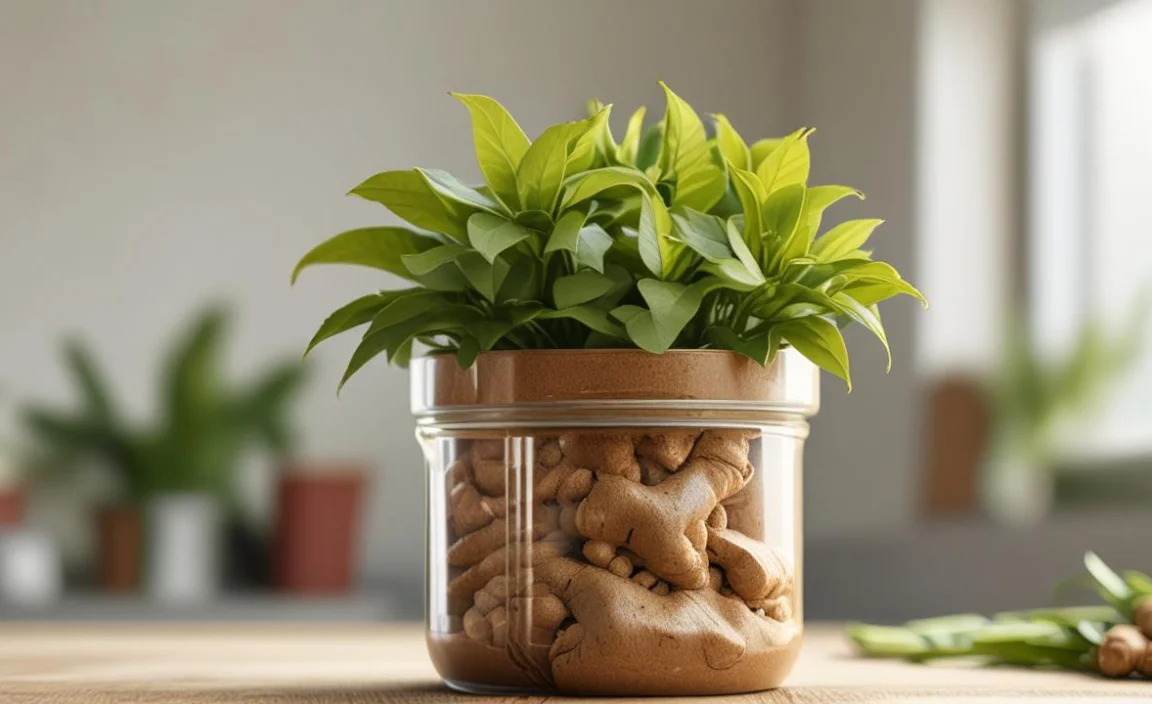
When you start growing ginger in containers indoors, choosing the right container is important. A large, wide pot is best. Ginger roots spread out, so they need space. A container that is at least 12 inches deep and wide is a great choice. Make sure the pot has drainage holes. This helps to prevent overwatering. Ginger does not like soggy soil.
Here are some tips for choosing the right container:
- Prefer pots made of clay or plastic.
- Look for containers with drainage holes.
- Avoid using very small pots.
- Choose a pot that feels heavy when filled with soil.
- Consider using a raised planter for more space.
Finding the right container is the first step. Once you have your pot, you can fill it with soil and get ready to plant. Remember, ginger loves warmth! A sunny windowsill is perfect for ginger plants. They will grow strong and healthy there.
Fun Fact or Stat: Ginger can grow up to three feet tall in the right conditions!
Why Use Containers for Ginger?
Growing ginger in containers has many benefits. Containers allow you to control the environment. You can move them to get more sunlight. This is great when the weather changes. If it gets too cold, you can bring them inside. Have you ever tried moving a plant to see it thrive better? Containers make this easy!
Plants grown in containers also have fewer pests. This means you can enjoy your ginger without worrying. It is easier to monitor water and nutrients too. If the soil gets dry, you can quickly add water. This keeps your ginger happy!
Growing ginger in containers also lets you create a beautiful space. You can place pots on your balcony or windowsill. They brighten up any area. What a great way to enjoy gardening indoors!
Best Soil Mix for Ginger
The soil you use can affect how well your ginger grows. A good soil mix is light and drains well. You can make your own mix by combining different materials. A mix of potting soil, compost, and sand is a great start. This helps retain moisture while draining excess water.
Try this simple recipe for your ginger soil:
- 1 part potting soil
- 1 part compost
- 1 part coarse sand
- Mix well before filling your container.
- Check the soil moisture before watering.
With the right soil, your ginger can grow strong roots. Healthy roots lead to a bigger harvest. Healthy plants also resist diseases better. You will be proud of how well your ginger grows.
Fun Fact or Stat: Ginger roots can be used in over 1,000 recipes worldwide!
Where to Place Your Ginger Container
Choosing the right spot for your ginger container is crucial. Ginger loves warmth and light. A sunny windowsill works well. If you have a southern-facing window, that’s even better!
Try to keep the temperature around 70°F to 85°F. If it’s too cool, the ginger won’t grow. Too much direct sunlight can also be harmful. Watch your plant during the day. If the leaves start to brown, it might be getting too much sun!
Ginger likes humidity too. If you’re in a dry area, you can mist the leaves. This helps keep the plant happy. Have you ever noticed how some plants thrive in humidity? This is why keeping your ginger in the right place is important.
Fun Fact or Stat: The highest concentration of ginger is found in Asia!
Watering Your Ginger Plant
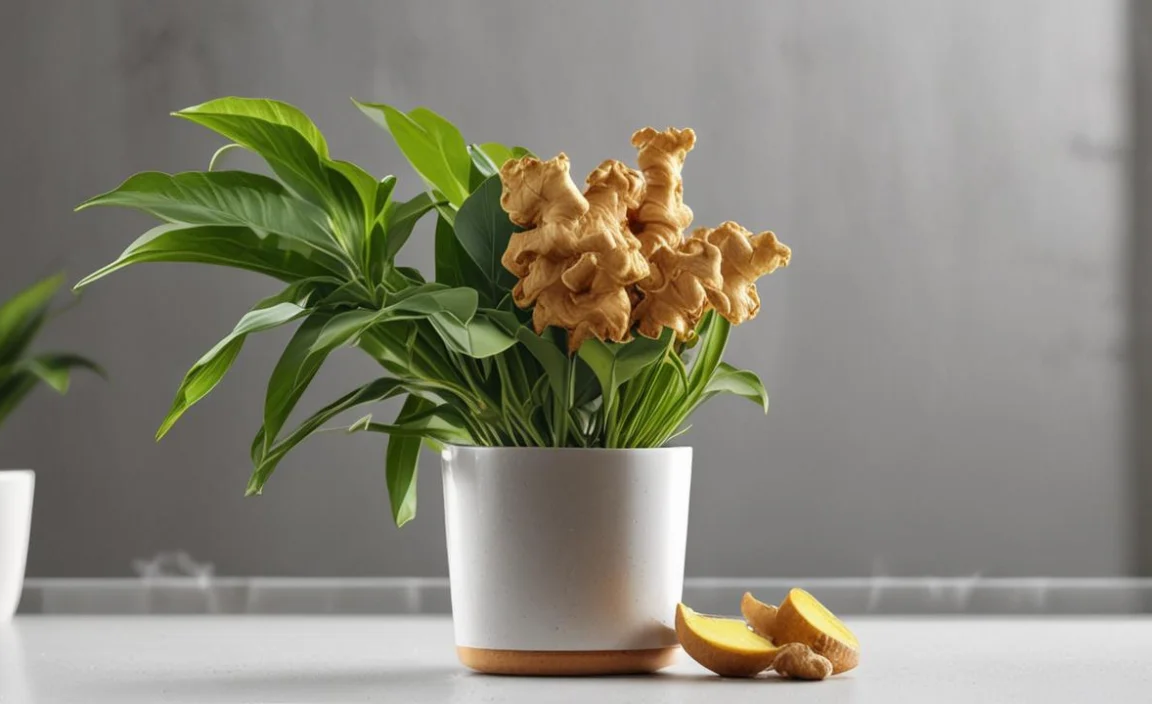
Watering is key when growing ginger in containers indoors. Ginger loves moisture but hates soggy soil. It is important to find a balance. Water your ginger plant regularly. Check the soil every few days. If the top inch feels dry, it is time to water.
Here are some watering tips:
- Water deeply but less often.
- Let the water drain out completely.
- Avoid watering in the evening.
- Use room-temperature water to avoid shock.
- Consider using a self-watering pot for ease.
By keeping a close eye on your watering habits, you can help your ginger grow strong. If the leaves start to droop, it might need more water. Healthy leaves indicate a happy plant.
Fun Fact or Stat: Ginger can also help with nausea and upset stomachs!
Signs of Overwatering or Underwatering
It can be tricky to know when to water your ginger plant. Signs of underwatering include wilting leaves or dry soil. If you notice these, it’s time to give it a drink.
On the other hand, overwatering can cause yellow leaves or a mushy root. If you pull the plant out, the roots may look brown. This is not good! Have you ever accidentally overwatered a plant? It’s an easy mistake to make.
To avoid these issues, always check the soil. Stick your finger into the dirt to measure moisture. This small trick can save your plant from harm. Learning to listen to your plant is part of the fun!
Fun Fact or Stat: An adult ginger plant can produce up to 10 pounds of ginger!
When to Harvest Your Ginger
Knowing when to harvest is exciting! Ginger takes about 4 to 6 months to grow. You can tell it is ready when the leaves turn yellow and die back. This means the plant is done growing.
To harvest, carefully dig up the roots. Use a small shovel or your hands. You can take as much as you want, but leave some roots behind. This will allow your ginger plant to grow again in the future.
Have you ever harvested fresh vegetables? It’s rewarding to eat what you grew! Fresh ginger has a stronger flavor than store-bought. You can use it in your favorite recipes or teas.
Fun Fact or Stat: Fresh ginger can last in the fridge for up to three weeks!
Common Problems When Growing Ginger Indoors
Like all plants, ginger can face challenges. Identifying problems early helps save your plant. One common issue is pests. Watch for tiny bugs on the leaves. You can wash them off with soap and water.
Another problem can be root rot. This happens when the soil is too wet.
Here are some common problems with solutions:
- Yellow leaves: check for overwatering.
- Pests: use insecticidal soap.
- Slow growth: check light and water levels.
- Brown tips: increase humidity or water.
- Fungal infections: ensure good air circulation.
If you notice any issues, try to fix them right away. Keeping your ginger plant healthy means more delicious ginger to eat!
Fun Fact or Stat: Ginger has been used for over 2,000 years in cooking and medicine!
Pest Control for Indoor Ginger
Pests can be a problem when growing ginger indoors. Aphids and spider mites are common. They live on the leaves and suck out nutrients. If you see tiny bugs, it’s time to take action.
To control pests, try these methods:
- Wash leaves with soapy water.
- Use neem oil as a natural pesticide.
- Keep the area clean and free of debris.
- Check plants regularly for signs of pests.
- Encourage ladybugs, which eat aphids!
With these methods, you can keep your plants safe. Prevention is better than cure! Regular checks make a big difference.
Fun Fact or Stat: Ginger can even help fight inflammation and pain!
Dealing with Fungal Diseases
Fungal diseases can also affect ginger. They often come from too much moisture. If you notice spots on leaves, this might be a sign.
To avoid these issues, do the following:
- Ensure good air circulation around the plant.
- Don’t water directly on the leaves.
- Use pots with drainage holes.
- Change the soil if it seems too wet.
- Remove any dead leaves or debris from the pot.
By staying alert, you can prevent these problems. A healthy environment helps your ginger flourish!
Fun Fact or Stat: Ginger is known to boost your immune system!
Benefits of Growing Ginger Indoors
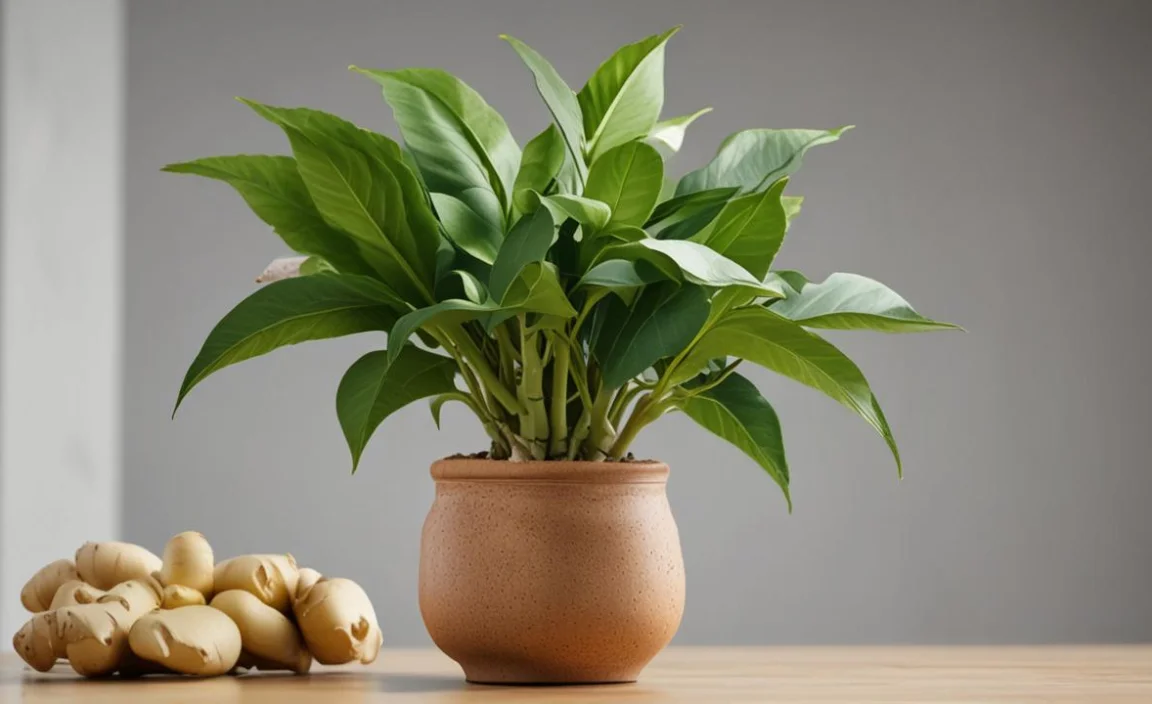
Growing ginger indoors has many benefits. First, it provides fresh ginger for cooking. You can’t get that from the store! Fresh ginger tastes much better. It also has many health benefits, like easing nausea and digestive issues.
Another benefit is the joy of gardening. Watching something grow is exciting. It teaches responsibility and patience. Have you ever felt proud of growing your own food? It’s a rewarding experience.
Finally, ginger plants can beautify your home. They have lush green leaves that make any room look nicer. Plus, they are easy to care for. With just a bit of attention, they can thrive!
Here are some great benefits of growing ginger indoors:
- Access to fresh ginger anytime you need it.
- Improves your cooking with fresh flavor.
- Helps you learn about plants and gardening.
- Good for your health and wellness.
- Can beautify your indoor space.
With all these benefits, why not start your ginger garden today? Growing ginger in containers indoors is fun and rewarding!
Fun Fact or Stat: Ginger is one of the most popular spices worldwide!
Cooking with Fresh Ginger
Using fresh ginger in cooking is a treat! You can add it to stir-fries, soups, and teas. The flavor is much stronger than dried ginger. It brings warmth and spice to any dish.
You can also use ginger for baking. Gingerbread cookies are a favorite treat during the holidays. Have you ever baked with fresh ginger?
Try these easy ways to use fresh ginger:
- Add it to smoothies for extra flavor.
- Make ginger tea with hot water.
- Use it in marinades for meats.
- Chop it up for salads.
- Mix it into sauces for extra spice.
Using fresh ginger makes cooking more exciting. You can experiment with flavors and recipes.
Fun Fact or Stat: Ginger can be used in both sweet and savory dishes!
Storing Fresh Ginger
Storing fresh ginger properly is important. If you want to keep it for a while, wrap it in paper towel and place it in a bag. This helps keep it fresh for longer.
You can also freeze ginger! Simply peel and chop it, then store it in a container. Frozen ginger works well in cooking. You’ll always have some on hand.
Here are a few tips for storing fresh ginger:
- Keep it in the fridge for up to three weeks.
- Wrap it in a dry paper towel.
- Freeze chopped ginger in ice cube trays.
- Label containers with the date.
- Use fresh ginger within a month for best taste.
By storing it right, you can enjoy fresh ginger whenever you want!
Fun Fact or Stat: Ginger contains gingerol, which has powerful anti-inflammatory effects!
Summary
Growing ginger in containers indoors is a rewarding experience. It allows you to enjoy fresh ginger without leaving your home. You can choose the right container and soil to give your plants the best chance. Watering and caring for your ginger is essential for growth. By watching for problems, you can keep your ginger healthy.
With patience and care, you will have a delicious harvest in no time. The benefits of fresh ginger are endless. Are you excited to start your ginger garden?
Conclusion
In conclusion, growing ginger in containers indoors is fun and easy. With the right container, soil, and care, you can enjoy fresh ginger. Remember to check on your plants regularly and watch for pests or diseases. You will be amazed at how much ginger you can grow. Start your indoor garden today!
Frequently Asked Questions
Question No 1: Can I grow ginger in a small pot?
Answer: It is best to use a larger pot. Ginger needs space to grow. A pot that is at least 12 inches wide and deep is ideal for healthy growth. Smaller pots may limit root development and lead to poor growth.
Question No 2: How long does it take to grow ginger?
Answer: Ginger typically takes about 4 to 6 months to grow. It depends on the conditions and care. You will know it is ready when the leaves turn yellow. This is a great time to harvest your ginger and enjoy it!
Question No 3: How do I know if my ginger plant is healthy?
Answer: Healthy ginger plants have bright green leaves and sturdy stems. If the leaves start to turn yellow or brown, it may be a sign of trouble. Check the soil and light conditions to keep your plant thriving.
Question No 4: Can I grow ginger without soil?
Answer: Yes, you can grow ginger in water. Use a jar with water and place the ginger root in it. Change the water regularly, and it will sprout roots. However, growing in soil is better for large harvests.
Question No 5: Is it hard to grow ginger indoors?
Answer: No, growing ginger indoors is not hard! With the right care, it can thrive. Just provide warmth, moisture, and light. Regular checks help catch problems early. You can enjoy fresh ginger with some effort!
Question No 6: Can I use dried ginger seeds to grow ginger?
Answer: No, dried ginger seeds will not grow into new plants. You need fresh ginger roots with “eyes” to sprout. These roots can be found at local stores. Plant them in soil to start your indoor ginger garden!

