Fungus gnats are tiny flying bugs. They often invade houseplants. Have you ever seen a small black fly buzzing around your flowers? These flies can cause a big problem. They lay eggs in the potting soil. The eggs hatch into larvae. These little larvae can destroy plant roots. This can lead to sad, droopy plants.
Many people do not even know they have fungus gnats. They might notice the flies but not the larvae in the soil. This can lead to more issues if not handled quickly. Knowing about fungus gnats larvae in potting soil can help you protect your plants.
To keep your plants healthy, you should learn about these pests. How can you spot them? How can you get rid of them? Let’s explore the answers together.
Key Takeaways
- Fungus gnats larvae develop in potting soil.
- They can damage plant roots.
- Healthy soil helps prevent these pests.
- There are ways to control fungus gnats.
- Regularly check plants for any signs.
Understanding Fungus Gnats Larvae in Potting Soil
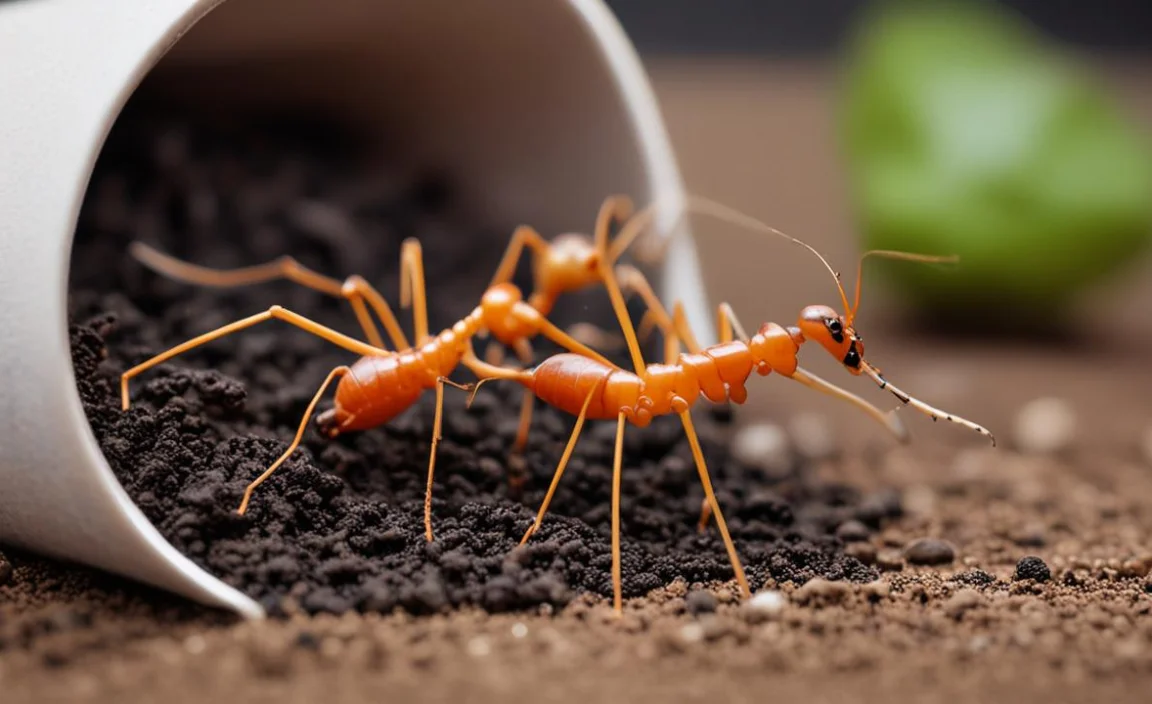
Most people don’t know much about fungus gnats. These pests are small, but they can cause big issues. Fungus gnats love damp soil. That’s why they lay their eggs in potting soil. When the eggs hatch, tiny larvae appear. These larvae feed on plant roots. This makes the plant weak. Sometimes, the plant may even die.
If you notice tiny flies buzzing around your plants, check the soil. The larvae might be hiding there. They are small, worm-like creatures. They can be hard to see. But you can spot them by looking closely at the soil. If you find them, it’s time to take action!
- Fungus gnats thrive in moist soil.
- Larvae are small and can be hard to see.
- They feed on roots, harming the plant.
- Check soil regularly for signs of trouble.
- Healthy plants resist these pests better.
In summary, fungus gnats larvae in potting soil can hurt your plants. Knowing about them helps you act quickly. Do not ignore the tiny flies. They can signal a much bigger problem. Always check your potting soil if you see any signs. Keep your plants healthy, and they will thrive!
Fun Fact or Stat: Did you know one female fungus gnat can lay about 200 eggs?
What Do Fungus Gnat Larvae Look Like?
Fungus gnat larvae are small and pale. They are about 1/4 inch long. Their bodies are soft and look like tiny worms. These larvae may be hard to see. They blend into the soil. You might spot them moving near the surface.
The larvae are usually white or translucent. They may have a dark head. This makes them look a bit like mini maggots. Sometimes, they can even move fast. If you dig into the soil, you might find them hiding.
Knowing how to identify them is important. Can you picture what they look like? Once you see them, you will know they are a problem.
- Larvae are about 1/4 inch long.
- They are soft and worm-like.
- Color can be pale or white.
- Dark heads make them easy to spot.
- They move quickly when disturbed.
If you can identify fungus gnats larvae in potting soil, you can act quickly. This can save your plants from damage. Regular checks can help stop infestations. Always be on the lookout for these tiny pests!
Fun Fact or Stat: Larvae are often confused with other small insects!
How Do Fungus Gnats Get Into Your Home?
Fungus gnats can enter your home in many ways. They often come in with new plants. When you buy a plant, it might already have eggs in the soil. They can also come in through open windows. They are attracted to light, so they might fly inside.
Overwatering plants is another reason they thrive. If the soil stays wet, it creates a perfect home for gnats. They love dampness. This makes it easy for them to lay their eggs in the soil.
If you have a lot of indoor plants, you may have a higher risk. It’s important to check each plant carefully.
- New plants may carry fungus gnats.
- Open windows can let them inside.
- Overwatering creates a perfect environment.
- Indoor plants are more at risk.
- Check each plant for signs constantly.
By understanding how fungus gnats get into your home, you can take steps to stop them. Be careful with new plants and control the watering. This will help keep your house safe from these pests.
Fun Fact or Stat: Fungus gnats can fly a surprising distance!
Why Fungus Gnats Are Bad for Your Plants
Fungus gnats might be small, but they can cause big damage. Their larvae eat plant roots. When plants lose roots, they struggle to get water. This leads to weak plants that can droop or die.
Plants need strong roots to grow healthy. Without good roots, plants can’t absorb nutrients. This can cause leaves to turn yellow. If you see your plant wilting, it might be from gnats.
Another issue is that fungus gnats can spread diseases. They can carry harmful germs from one plant to another. This is dangerous for your whole garden.
- They weaken plants by damaging roots.
- Weak plants can droop or die.
- They can spread diseases between plants.
- Signs of harm include yellowing leaves.
- Healthy roots are essential for growth.
To protect your plants, it’s important to control fungus gnats. Keep an eye on your plants and the soil. This can help avoid big problems later. Healthy plants are less likely to be affected by these pests.
Fun Fact or Stat: Fungus gnats can harm multiple plants at once!
Effective Ways to Control Fungus Gnats Larvae in Potting Soil
Controlling fungus gnats is key to keeping your plants healthy. There are many ways to do this. One effective method is to let your soil dry out. Fungus gnats love damp soil. By letting the soil dry, you make it less inviting.
Another method is to use sticky traps. These traps catch adult gnats before they can lay more eggs. You can place them near your plants. The bright color attracts the flies.
You can also use beneficial nematodes. These tiny worms eat fungus gnat larvae. They are safe for your plants and help keep the soil healthy.
- Let the soil dry to control moisture.
- Use sticky traps to catch adult gnats.
- Beneficial nematodes can eat larvae.
- Regularly check for signs of new gnats.
- Keep your plants well-aerated.
By using these methods, you can control fungus gnats effectively. Remember, prevention is just as important. Keep your plants healthy, and they will be strong against pests.
Fun Fact or Stat: Sticky traps can catch hundreds of gnats!
Natural Remedies for Fungus Gnats
You can also use natural remedies to fight fungus gnats. One popular method is the use of apple cider vinegar. This attracts the adult gnats. They dive into the liquid and drown. Just place a small bowl of vinegar near your plants.
Another remedy is using hydrogen peroxide. Mix one part peroxide with four parts water. This mixture can kill larvae in the soil. Just water your plants with it.
You can also try cinnamon. Cinnamon is a natural fungicide. It can help prevent eggs from hatching. Sprinkle some cinnamon on the soil to help keep gnats away.
- Apple cider vinegar attracts and traps adults.
- Hydrogen peroxide can kill larvae in soil.
- Cinnamon helps prevent hatching of eggs.
- Natural remedies are safe for your plants.
- Regular use can keep pests away.
Using natural remedies can be a great way to control fungus gnats. These methods are safe and effective. Try them out to see what works best for your plants!
Fun Fact or Stat: Apple cider vinegar is a favorite trap for many gardeners!
Keeping Your Soil Healthy to Prevent Fungus Gnats
Healthy soil is key to preventing fungus gnats. If your soil is rich and balanced, your plants are stronger. Stronger plants can resist pests better. Always use good quality potting soil. Make sure it drains well.
Proper watering is also important. Overwatering can cause fungus gnats to thrive. Water your plants only when needed. This keeps the soil from being too damp.
Consider adding beneficial microbes to your soil. These microbes can help break down organic matter. This makes soil healthier and less inviting to pests.
- Use good quality and well-draining potting soil.
- Water your plants only when necessary.
- Healthy soil supports strong plants.
- Beneficial microbes help keep soil balanced.
- Regular checks on soil help prevent pests.
By keeping your soil healthy, you can prevent fungus gnats from taking over. Regular care and attention will keep your plants strong. Remember, healthy plants are happy plants!
Fun Fact or Stat: Healthy soil can resist pests better than poor soil!
Table: Comparing Different Control Methods for Fungus Gnats
| Control Method | Effectiveness | Safety for Plants | Cost |
|---|---|---|---|
| Sticky Traps | Good | Safe | Low |
| Apple Cider Vinegar | Fair | Safe | Low |
| Hydrogen Peroxide | Very Good | Safe | Low |
| Beneficial Nematodes | Excellent | Very Safe | Medium |
Summary
Fungus gnats larvae in potting soil can harm your plants. They eat roots, causing weak plants. You can control these pests through various methods. Letting soil dry helps a lot. Using traps and natural remedies can also work. Healthy soil keeps your plants strong. Always check your plants for signs of gnats. The sooner you act, the better for your plants.
Conclusion
Fungus gnats larvae in potting soil can be a serious problem. Knowing how to identify and control them is important. Keep your plants healthy, and they will thrive. Use natural methods and maintain good soil health. This way, your indoor garden can stay happy and pest-free!
Frequently Asked Questions
Question No 1: How can I tell if I have fungus gnats?
Answer: Look for tiny black flies around your plants. You might also notice wilting or yellowing leaves. Check the soil for small larvae. If you find these signs, you likely have fungus gnats. They thrive in damp soil and can multiply quickly. Regularly inspect your plants and soil to catch them early.
Question No 2: What happens if I ignore fungus gnats?
Ignoring fungus gnats can lead to serious plant problems. Their larvae will eat roots, causing weak plants. If not controlled, your plants may droop or die. They can also spread diseases to other plants. Early action is necessary to prevent these issues. Always be on the lookout for signs of gnats.
Question No 3: Can I use chemicals to get rid of them?
Yes, but many gardeners prefer natural methods. Chemical solutions can harm beneficial insects. Natural methods like sticky traps and hydrogen peroxide are safer. They can effectively reduce fungus gnats without harming your plants. Always consider the health of your plants first before using chemicals.
Question No 4: How can I prevent fungus gnats?
To prevent fungus gnats, ensure proper watering. Overwatering creates a perfect environment for them. Use good quality potting soil that drains well. Regularly check your plants for signs of pests. Healthy plants are less likely to attract these gnats. Keep your indoor garden happy and strong!
Question No 5: Are fungus gnats harmful to humans?
Fungus gnats are not harmful to humans. They do not bite or cause diseases. However, they can be annoying. Their presence may signal that your plants are struggling. It’s best to control them for the health of your plants, even if they aren’t dangerous to you.
Question No 6: What is the best way to get rid of larvae?
The best way to get rid of fungus gnats larvae in potting soil is to use hydrogen peroxide. Mix one part peroxide with four parts water. Water your plants with this mix to kill larvae. You can also let the soil dry out to make it less inviting. Combining methods often gives the best results for controlling pests.

