Quick Summary: Cleaning your sink after handling raw chicken is super important to prevent the spread of harmful bacteria. First, rinse the sink with hot, soapy water. Then, disinfect it using a bleach solution or a commercial disinfectant. Finally, rinse thoroughly and dry with a clean paper towel. This quick process helps keep your kitchen safe and healthy!
Handling raw chicken can be a bit nerve-wracking, especially when you think about the germs it might leave behind. It’s easy to worry about salmonella and other bacteria lurking in your sink. But don’t stress! Cleaning up after dealing with raw chicken doesn’t have to be a big deal. With a few simple steps, you can quickly disinfect your sink and keep your kitchen safe for cooking.
This guide will walk you through each step, showing you exactly how to clean and disinfect your sink after handling raw chicken. We’ll cover everything from the best cleaning supplies to the most effective techniques. Let’s get started and make sure your kitchen stays a healthy and happy place!
Why Cleaning After Raw Chicken Matters
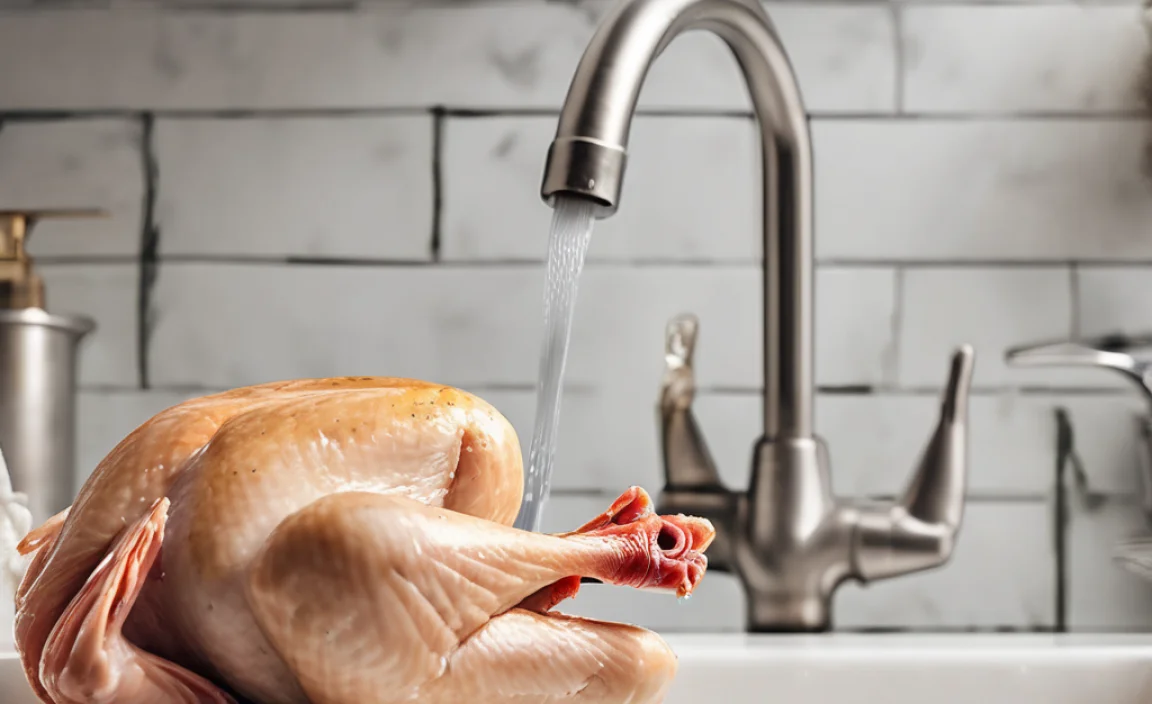
Raw chicken often carries bacteria like Salmonella and Campylobacter, which can cause foodborne illnesses. These bacteria can easily spread to your sink, countertops, and even your hands if you’re not careful. That’s why it’s super important to clean and disinfect thoroughly after handling raw chicken. By taking a few extra minutes, you can protect yourself and your family from getting sick.
Understanding the Risks
- Salmonella: A common bacterium that can cause diarrhea, fever, and stomach cramps.
- Campylobacter: Another bacterium that leads to similar symptoms as Salmonella.
- Cross-Contamination: Bacteria can spread from raw chicken to other foods and surfaces in your kitchen.
Preventing the Spread of Bacteria
The goal is to kill any bacteria that might be present. Cleaning removes visible dirt and grime, while disinfecting kills the harmful bacteria. Here’s why both steps are crucial:
- Cleaning: Removes physical dirt and some bacteria.
- Disinfecting: Kills the remaining bacteria to prevent illness.
By following a simple cleaning and disinfecting routine, you can significantly reduce the risk of foodborne illnesses in your home.
Essential Supplies for Cleaning
Before you start, gather all the supplies you’ll need. Having everything within reach will make the cleaning process much smoother and more efficient. Here’s a list of essentials:
- Hot Water: Essential for rinsing and cleaning.
- Dish Soap: Helps to remove grease and grime.
- Disinfectant: Bleach solution or commercial disinfectant spray.
- Clean Sponge or Cloth: For scrubbing and wiping surfaces.
- Paper Towels: For drying and avoiding cross-contamination.
- Gloves: To protect your hands from bacteria and harsh chemicals.
Choosing the Right Disinfectant
There are several options when it comes to disinfectants. Here’s a quick comparison to help you choose:
| Disinfectant | Pros | Cons | Best Use |
|---|---|---|---|
| Bleach Solution (1 tablespoon bleach per gallon of water) | Effective, inexpensive | Strong odor, can discolor surfaces | Stainless steel sinks, non-porous surfaces |
| Commercial Disinfectant Spray | Easy to use, various scents | Can be more expensive | Most sink types, quick cleanups |
| Vinegar | Natural, mild | Less effective against some bacteria | Light cleaning, odor removal |
For most situations, a bleach solution or a commercial disinfectant spray will be your best bet. Just make sure to follow the instructions on the product label for safe and effective use.
Step-by-Step Guide to Cleaning Your Sink
Now, let’s dive into the step-by-step process of cleaning your sink after handling raw chicken. Follow these instructions carefully to ensure a thorough and safe cleaning.
Step 1: Remove Any Food Particles
Start by removing any visible food particles from the sink. Use a paper towel to wipe away any bits of chicken or packaging. Dispose of the paper towel immediately in a trash can. This prevents the spread of bacteria to other areas.
Step 2: Wash with Hot, Soapy Water
Turn on the hot water and add a squirt of dish soap. Use a clean sponge or cloth to scrub the entire sink, including the faucet, handles, and drain. Hot, soapy water helps to remove grease and loosen any remaining particles.
- Scrub thoroughly: Pay attention to corners and hard-to-reach areas.
- Rinse well: Make sure to remove all traces of soap.
Step 3: Disinfect the Sink
Now it’s time to disinfect the sink. Choose your preferred disinfectant (bleach solution or commercial spray) and apply it to all surfaces of the sink. Here’s how to use each option:
Using a Bleach Solution:
- Prepare the solution: Mix 1 tablespoon of bleach with 1 gallon of water.
- Apply: Pour the solution into the sink or use a spray bottle to coat all surfaces.
- Let it sit: Allow the solution to sit for at least 10 minutes to effectively kill bacteria.
Using a Commercial Disinfectant Spray:
- Spray: Apply the disinfectant spray to all surfaces of the sink.
- Let it sit: Allow it to sit for the time recommended on the product label (usually a few minutes).
Important: Never mix bleach with ammonia or other cleaning products, as this can create dangerous fumes. Always ensure good ventilation when using bleach.
Here is a list of disinfectants approved by the EPA to use.
Step 4: Rinse Thoroughly
After the disinfectant has sat for the recommended time, rinse the sink thoroughly with hot water. Make sure to remove all traces of the disinfectant. This step is crucial to prevent any chemical residue from contaminating food or utensils in the future.
Step 5: Dry with Paper Towels
Use clean paper towels to dry the entire sink. Paper towels are preferable to cloth towels because they reduce the risk of spreading bacteria. Dispose of the paper towels immediately after use.
Step 6: Clean Your Cleaning Tools
Don’t forget to clean the sponge or cloth you used to clean the sink. You can disinfect sponges by microwaving them for 2 minutes while wet or running them through the dishwasher. For cloths, wash them in hot water with detergent.
Additional Tips for a Safe Kitchen
Cleaning your sink is just one part of maintaining a safe kitchen. Here are some additional tips to keep in mind:
- Wash Your Hands: Always wash your hands with soap and water for at least 20 seconds before and after handling raw chicken.
- Use Separate Cutting Boards: Use one cutting board for raw meats and another for fruits and vegetables.
- Clean Countertops: Disinfect countertops and other surfaces that may have come into contact with raw chicken.
- Cook Chicken Thoroughly: Ensure chicken is cooked to an internal temperature of 165°F (74°C) to kill bacteria.
- Avoid Splashing: Be careful to avoid splashing when handling raw chicken to prevent spreading bacteria.
Maintaining a Clean Sink
Regular cleaning can prevent the buildup of bacteria and keep your sink looking its best. Here’s a simple routine to follow:
- Daily: Rinse the sink with hot, soapy water after each use.
- Weekly: Disinfect the sink with a bleach solution or commercial spray.
- Monthly: Deep clean the sink with a specialized cleaner to remove stains and buildup.
Dealing with Different Sink Materials
The type of sink you have can affect how you clean it. Here’s a quick guide to cleaning different sink materials:
Stainless Steel Sinks
Stainless steel is durable and easy to clean, but it can be prone to water spots and scratches. Use a non-abrasive cleaner and a soft cloth to avoid damaging the surface. For tough stains, try a paste of baking soda and water.
Porcelain Sinks
Porcelain sinks can be delicate and prone to chipping. Avoid using abrasive cleaners or scrub brushes. Use a mild detergent and a soft sponge. For stains, try a solution of vinegar and water.
Composite Sinks
Composite sinks are durable and resistant to staining, but they can be damaged by harsh chemicals. Use a mild detergent and a soft cloth. Avoid using bleach or abrasive cleaners.
Cast Iron Sinks
Cast iron sinks are durable but can rust if not properly maintained. Dry the sink thoroughly after each use to prevent rust. Use a non-abrasive cleaner and a soft cloth. For rust stains, try a specialized rust remover.
| Sink Material | Cleaning Tips | Products to Avoid |
|---|---|---|
| Stainless Steel | Use non-abrasive cleaners, dry thoroughly | Abrasive scrubbers, steel wool |
| Porcelain | Use mild detergents, avoid harsh scrubbing | Abrasive cleaners, strong chemicals |
| Composite | Use mild detergents, wipe spills quickly | Bleach, abrasive cleaners |
| Cast Iron | Dry after each use, use rust remover for stains | Abrasive cleaners, harsh chemicals |
Natural Cleaning Alternatives
If you prefer to avoid harsh chemicals, there are several natural cleaning alternatives you can use to disinfect your sink.
Vinegar
Vinegar is a natural disinfectant that can kill some types of bacteria. Mix equal parts vinegar and water in a spray bottle and apply to the sink. Let it sit for a few minutes, then rinse with hot water.
Baking Soda
Baking soda is a mild abrasive that can help to remove stains and odors. Sprinkle baking soda in the sink and scrub with a damp sponge. Rinse with hot water.
Lemon Juice
Lemon juice is a natural disinfectant and deodorizer. Cut a lemon in half and rub it over the surface of the sink. Let it sit for a few minutes, then rinse with hot water.
It’s important to know that natural cleaners are not as effective as commercial disinfectants at killing bacteria, so be sure to use them properly.
Common Mistakes to Avoid
Even with the best intentions, it’s easy to make mistakes when cleaning your sink. Here are some common pitfalls to avoid:
- Not Cleaning Thoroughly: Make sure to clean all areas of the sink, including the faucet, handles, and drain.
- Using the Wrong Cleaners: Avoid using abrasive cleaners on delicate surfaces.
- Not Rinsing Properly: Make sure to rinse all traces of cleaner from the sink.
- Using Dirty Sponges: Clean or replace sponges regularly to prevent the spread of bacteria.
- Skipping Disinfecting: Cleaning alone is not enough to kill bacteria. Always disinfect after cleaning.
FAQ: Cleaning Sink After Raw Chicken
Q: How long should I let the bleach solution sit in the sink?
A: For effective disinfection, let the bleach solution (1 tablespoon of bleach per gallon of water) sit in the sink for at least 10 minutes before rinsing.
Q: Can I use the same sponge to clean the sink and my dishes?
A: No, it’s best to use separate sponges. Use one sponge for cleaning the sink and another for washing dishes to avoid cross-contamination.
Q: Is it safe to mix bleach with other cleaning products?
A: Absolutely not! Mixing bleach with ammonia or other cleaning products can create dangerous and toxic fumes. Always use bleach by itself.
Q: How often should I clean my sink after handling raw chicken?
A: Clean and disinfect your sink immediately after handling raw chicken to prevent the spread of bacteria.
Q: Can I use vinegar instead of bleach to disinfect the sink?
A: Vinegar is a natural cleaner but not as effective as bleach for killing bacteria. It can be used for light cleaning, but for thorough disinfection after raw chicken, bleach or a commercial disinfectant is recommended.
Q: What should I do if I accidentally splashed raw chicken juices on my countertop?
A: Clean the countertop immediately with hot, soapy water, and then disinfect it with a bleach solution or a commercial disinfectant spray. Dry with a clean paper towel.
Q: How do I clean my drain after handling raw chicken in the sink?
A: Pour a cup of bleach down the drain, let it sit for 10 minutes, and then flush with hot water. This helps to kill any bacteria that may be present in the drain.
Conclusion
Cleaning your sink after handling raw chicken is a simple but crucial step in maintaining a safe and healthy kitchen. By following the steps outlined in this guide, you can effectively remove bacteria and prevent the spread of foodborne illnesses. Remember to use the right cleaning supplies, disinfect thoroughly, and maintain a regular cleaning routine. With a little effort, you can keep your kitchen clean, safe, and ready for your next culinary adventure!
Related Posts