Have you ever turned on your sink and wondered, “Why is the water trickling?” It’s frustrating when the water pressure isn’t what it should be. A weak flow can make simple tasks take much longer. When you wash your hands, it can feel like you’re waiting forever. Did you know that low water pressure can happen for many reasons?
Sometimes, old pipes or clogs are the culprits. Other times, a faucet might need some adjustments. The good news is that fixing water pressure in your sink is possible. Imagine enjoying a strong, steady stream of water when you need it. Doesn’t that sound great?
In this article, we will explore easy steps to fix water pressure in your sink. You will learn how to check for problems and what to do about them. From cleaning aerators to examining pipes, we’ve got you covered. Let’s dive in and get your sink flowing like new!
How to Fix Water Pressure in Sink
Struggling with low water pressure in your sink? You’re not alone! Many people face this issue. First, check if your faucet aerator is clogged; cleaning it can make a big difference. If that doesn’t help, inspect the pipes for leaks or kinks. Sometimes, the main water supply may need a boost, too. Regular maintenance can prevent future problems. Keeping your water pressure steady keeps your daily tasks flowing smoothly!
Understanding Water Pressure
Definition of water pressure and how it affects sink performance. Importance of maintaining optimum water pressure in household plumbing.
Water pressure is like the superhero of your sink. It tells water how fast and strong to flow. If the pressure is too low, you might get a slow drip instead of a glorious splash. This can make tasks like washing dishes feel like a marathon!
Keeping water pressure at the right level is crucial for household plumbing. Aim for between 40-60 psi for best performance. It’s like keeping your sink in shape—no one wants a lazy faucet!
| Water Pressure (psi) | Flow Rate |
|---|---|
| Below 40 | Weak flow |
| 40-60 | Ideal flow |
| Above 60 | Risk of leaks |
Remember, a happy sink means a happy home! Who wouldn’t want that?
Identifying Low Water Pressure Issues
Signs that indicate low water pressure in your sink. Common causes of low water pressure in kitchen and bathroom sinks.
Low water pressure in your sink can be a real hassle. Here are some signs to watch for:
- Water flows slowly.
- Strange noises come from the pipes.
- Water drips from the faucet or showerhead.
Common causes include:
- Clogs in the pipes.
- Faulty faucet or showerhead.
- Issues with the water supply.
Identifying these problems early can help you fix the issue faster.
What are the signs of low water pressure?
The main signs of low water pressure are slow water flow and strange noises from faucets. You may also notice dripping water which is a clear warning sign.
Tools and Materials Needed for Fixing Water Pressure
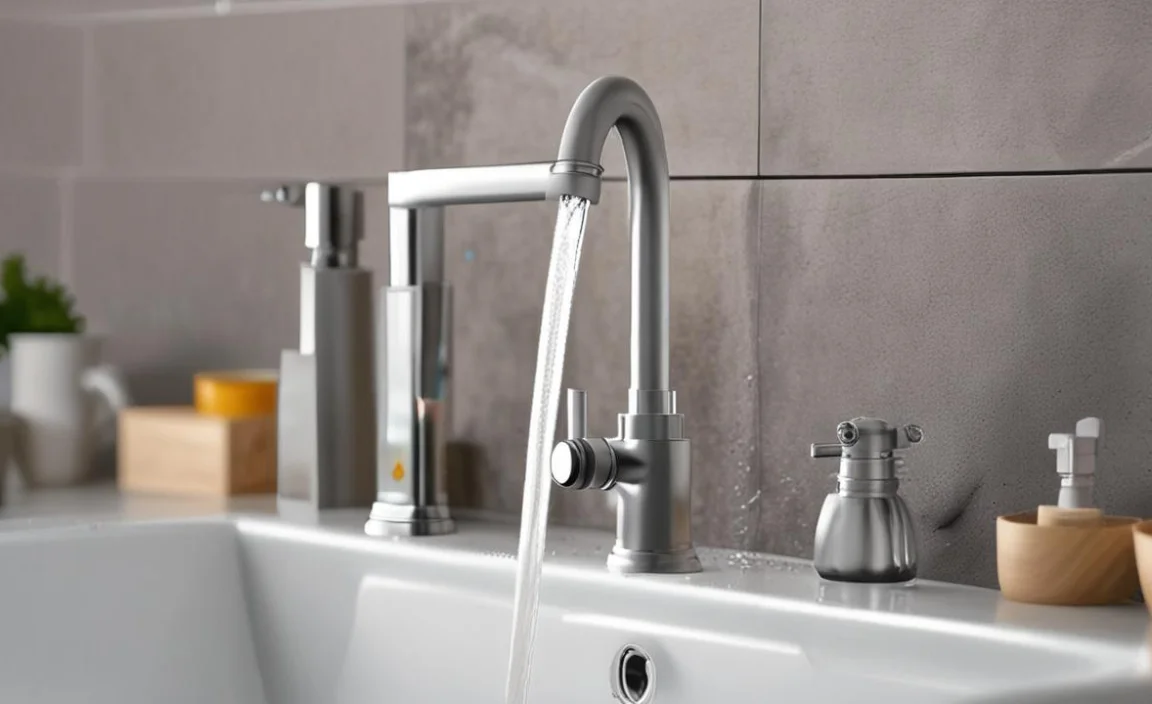
Essential tools for diagnosing and fixing sink water pressure issues. List of materials that may be required for repairs.
To fix water pressure in your sink, you’ll need a few tools and materials. First, gather these essential tools:
- Wrench
- Screwdriver
- Tape measure
- Bucket
- Plumber’s tape
Next, have some materials ready for repairs:
- New faucet aerator
- Replacement hoses
- Sealant
Using the right tools and materials makes fixing water pressure easier and faster!
What tools do I need to check my sink’s water pressure?
You need a wrench and screwdriver to check your sink’s water pressure. A tape measure is also helpful to measure hoses. Keep a bucket nearby to catch any excess water.
Step-by-Step Guide to Diagnose Low Water Pressure
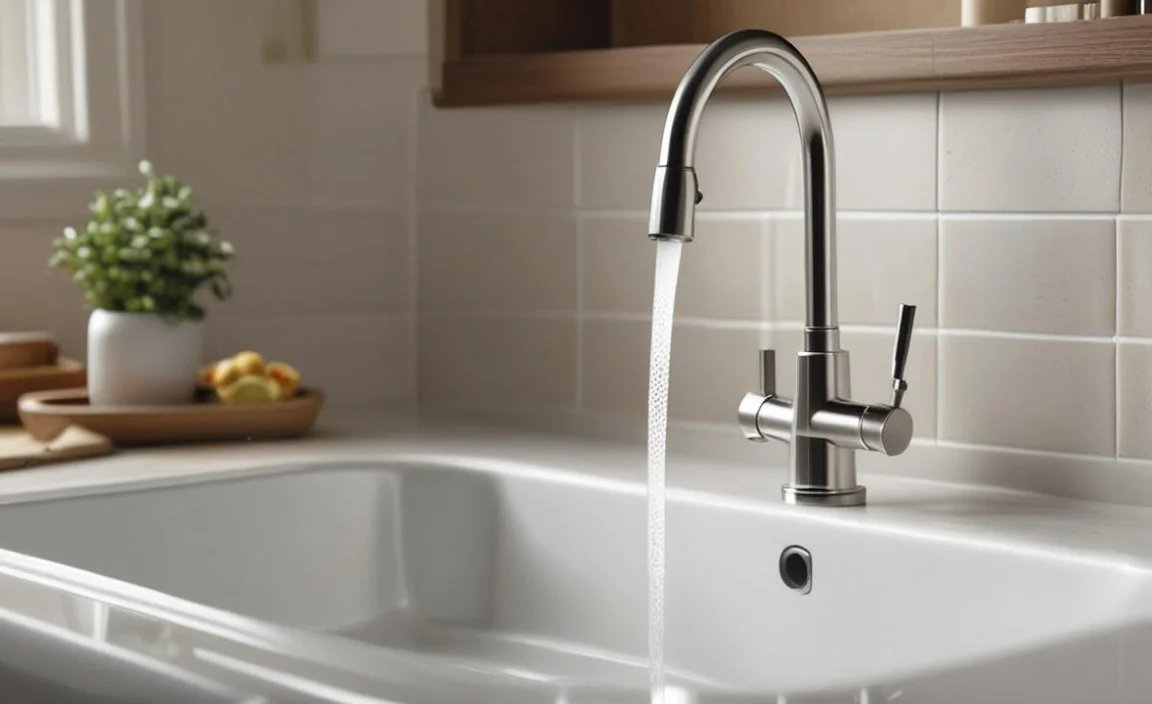
How to check the faucet aerator for clogs and debris. Testing the water pressure using a pressure gauge.
First up, check your faucet aerator for clogs. This little screen can collect debris, causing low water pressure. Just twist it off and give it a rinse. If it looks like it attended a dirt party, a good scrub will do the trick!
Next, grab a pressure gauge. These handy tools can help you measure your water pressure accurately. Simply attach the gauge to your faucet and turn on the water. If the needle is stuck lower than a turtle on a lazy day, it’s time to investigate further!
| Step | Action |
|---|---|
| 1 | Check aerator for clogs |
| 2 | Attach pressure gauge |
Solutions for Low Water Pressure in Sink
Cleaning or replacing the aerator and its impact on water flow. Adjusting or replacing the pressure regulator if applicable.
Low water pressure can be a big hassle. Luckily, there are simple solutions you can try. First, clean or replace the aerator on your faucet. A dirty aerator can block water flow. Just unscrew it and rinse it out, or buy a new one if needed. Second, check the pressure regulator, if your sink has one. You might need to adjust it or replace it if it’s broken. These steps can help you get more water flow in no time!
What should I do to fix my sink’s water pressure?
You can start by cleaning the aerator. Then check the pressure regulator. If these don’t work, it may be time to call a plumber.
Preventive Measures to Maintain Water Pressure
Regular maintenance practices to keep water pressure stable. Importance of checking for leaks and ensuring proper plumbing installation.
Keeping your water pressure steady is easier than it seems. First, inspect your pipes regularly. Leaks can be sneaky and often cost you gallons of water—and money! Don’t forget to check if your plumbing was installed right; it can make a big difference. Think of it like making sure your shoes are laced before a race. You wouldn’t want to trip! Here’s a quick maintenance table to help you remember:
| Action | Frequency | Why It Matters |
|---|---|---|
| Check for leaks | Monthly | Stops waste and low pressure |
| Inspect water softener | Every 3 months | Prevents clogs and buildup |
| Flushing faucets | Annually | Keeps things flowing smoothly |
When to Call a Professional Plumber
Situations that require expert assistance for fixing water pressure issues. How to choose a reliable plumber for water pressure problems.
Every now and then, water pressure problems pop up at the most inconvenient times. If your sink feels more like a trickle than a waterfall, it might be time to let the pros tackle it. Situations like constant low pressure, leaking pipes, or strange noises can signal that an expert is needed. Think of plumbing problems as misbehaving pets; sometimes, they need a little professional discipline!
Finding a reliable plumber is simple. Ask friends for recommendations or check reviews online. A good plumber will be licensed, insured, and have plenty of happy customers. Don’t forget to get a quote before they start! Remember, a friendly smile can mean they’ve got a great sense of humor to go along with their skills.
| Signs You Need a Plumber | What to Look For |
|---|---|
| Low water pressure | Check for leaks and call a pro! |
| Pipe noises | An expert can fix those squeaks. |
| Frequent clogs | A plumber can get to the root of the problem. |
Conclusion
In summary, fixing water pressure in your sink can be easy. Start by checking for clogs and cleaning aerators. You can also adjust the pressure regulator or inspect pipes for leaks. If problems persist, call a plumber. With these tips, you can enjoy better water flow. For more help, consider reading guides on home plumbing!
FAQs
What Are The Common Causes Of Low Water Pressure In A Sink?
Low water pressure in a sink can happen for a few reasons. First, there might be a clog in the pipes. This can block the water from flowing properly. Second, we could have a faucet that is dirty or old. Sometimes, the main water supply has low pressure, especially if there’s work being done on the pipes outside.
How Can I Identify If The Water Pressure Issue Is Due To A Problem With The Faucet Or The Plumbing System?
To find out if the water pressure problem is from the faucet or the plumbing, start by checking other faucets. Turn on a different faucet in your house. If that faucet has good pressure, the first one might be clogged. If all faucets have low pressure, the plumbing might have a bigger issue. You can also look for leaks or strange noises in the pipes.
What Steps Can I Take To Clean Clogged Aerators Or Filters To Improve Water Pressure?
To clean clogged aerators or filters, first, turn off the water. Then, take off the aerator or filter from the faucet. Soak it in vinegar for about an hour to break down dirt. Use a small brush to scrub it gently. Rinse it well, put it back on, and turn the water back on to check if the pressure is better!
Are There Any Tools Or Equipment I Need To Adjust Or Fix The Water Pressure In My Sink?
Yes, you might need a few tools to fix water pressure in your sink. You will need a wrench to loosen pipes. A screwdriver can help if you need to take off any covers. Sometimes, you might need a bucket to catch water. With these tools, you can check and adjust the sink easily.
When Should I Consider Calling A Professional Plumber To Address Persistent Low Water Pressure Issues?
You should call a professional plumber if you have low water pressure for a long time. If it doesn’t improve after checking your faucets or pipes, it’s time for help. Also, if you see leaks or water stains, call a plumber right away. They can find the problem and fix it safely.

