It can be surprising to see rust forming on stainless steel shower arms. Most people think stainless steel doesn’t rust. But it can, especially in certain conditions. Have you ever noticed small reddish-brown spots on your shower arm? That is rust! It’s important to know why this happens and how to prevent it. Understanding this can help keep your bathroom looking nice and clean.
Rust forms when metal reacts with water and air. Even stainless steel isn’t completely immune. It is a mix of iron, carbon, and chromium. The chromium helps prevent rust, but not all the time. High humidity and water exposure can lead to rust forming on stainless steel shower arms. Learning how to stop this can save you from replacing your shower arm.
Key Takeaways
- Rust can form on stainless steel shower arms.
- High humidity increases rust risk on metal.
- Clean your shower arm regularly to prevent rust.
- Not all stainless steel is equal in rust resistance.
- Understanding rust helps in bathroom maintenance.
Why Does Rust Form on Stainless Steel Shower Arm?
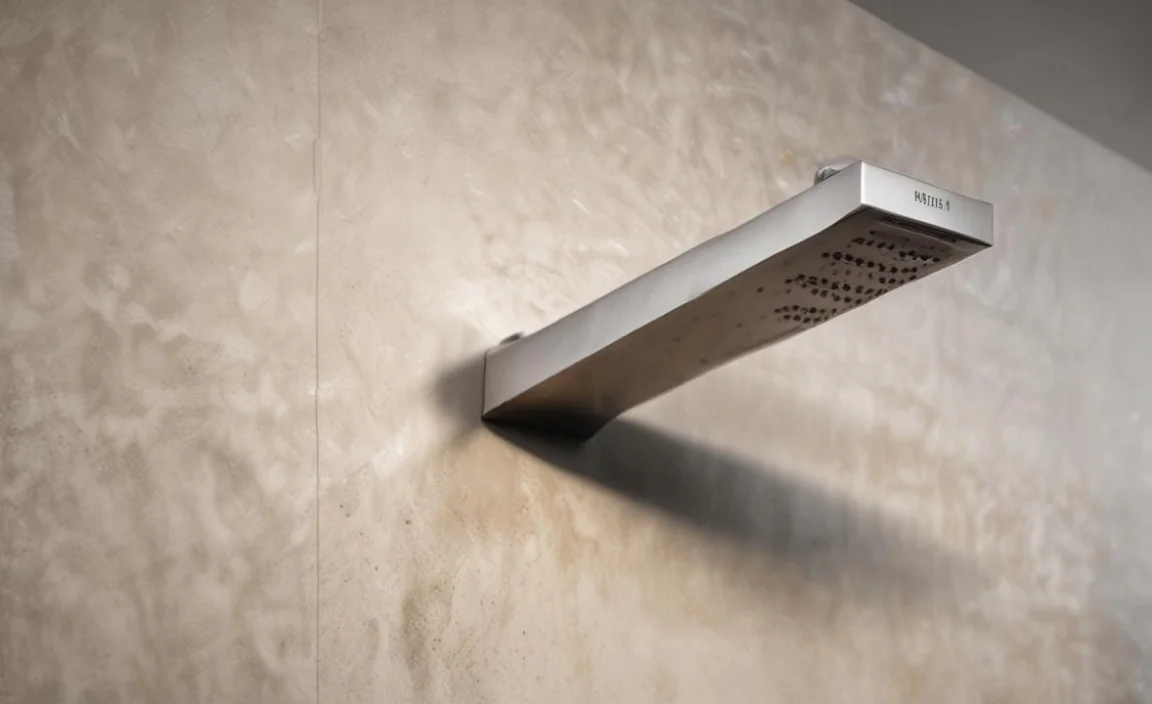
Rust forms when moisture and air meet metal. Stainless steel has iron, which can rust. The chromium in stainless steel protects it. However, if the chromium layer is damaged, rust can form. Water buildup is another problem. If you leave water on the shower arm, it can lead to rust.
- Stainless steel is not completely rust-proof.
- Damaged surfaces allow rust to appear.
- Water left on metal encourages rust.
- Low-quality stainless steel can rust easily.
- Humidity in the bathroom affects metal surfaces.
If you see rust on your shower arm, act quickly. Remove it as soon as possible. You can use baking soda or vinegar to scrub the rust away. If the rust is deep, you might need to replace the arm. Regular cleaning can prevent rust from starting. Always dry the shower arm after use to keep moisture away.
Fun Fact or Stat: Stainless steel needs at least 10.5% chromium to resist rust.
What Causes Rust on Stainless Steel?
Have you ever wondered why some metals rust? It happens through a process called oxidation. When metal meets water and oxygen, it can start to rust. This is true for stainless steel, too. It sounds strange, right? But even durable materials can weaken. If your shower arm is scratched, rust can form more easily.
When you know what causes rust, you can take steps to protect your shower arm. Choosing high-quality stainless steel is a good start. It will have more chromium and resist rust better.
How to Prevent Rust on Your Shower Arm?
Preventing rust is easier than fixing it. First, always dry your shower arm after using it. This helps keep water from sitting on the surface. Next, use a soft cloth to clean it regularly. Avoid harsh chemicals, as they can damage the metal.
You can also apply a coat of mineral oil. This creates a barrier against moisture. Consider checking your bathroom’s humidity levels. A dehumidifier can help if it gets too high.
Is All Stainless Steel the Same?
Not all stainless steel is created equal. There are different types, and some are better than others at resisting rust. Type 304 is commonly used in shower arms. It has a good balance of chromium and nickel. Type 316 is even better, especially in wet areas.
If you are buying a new shower arm, look for the type. High-quality stainless steel may cost more, but it lasts longer. Investing in the right material can save you money in the long run.
Fun Fact or Stat: The first stainless steel was invented in 1913.
How to Remove Rust from Stainless Steel Shower Arm?
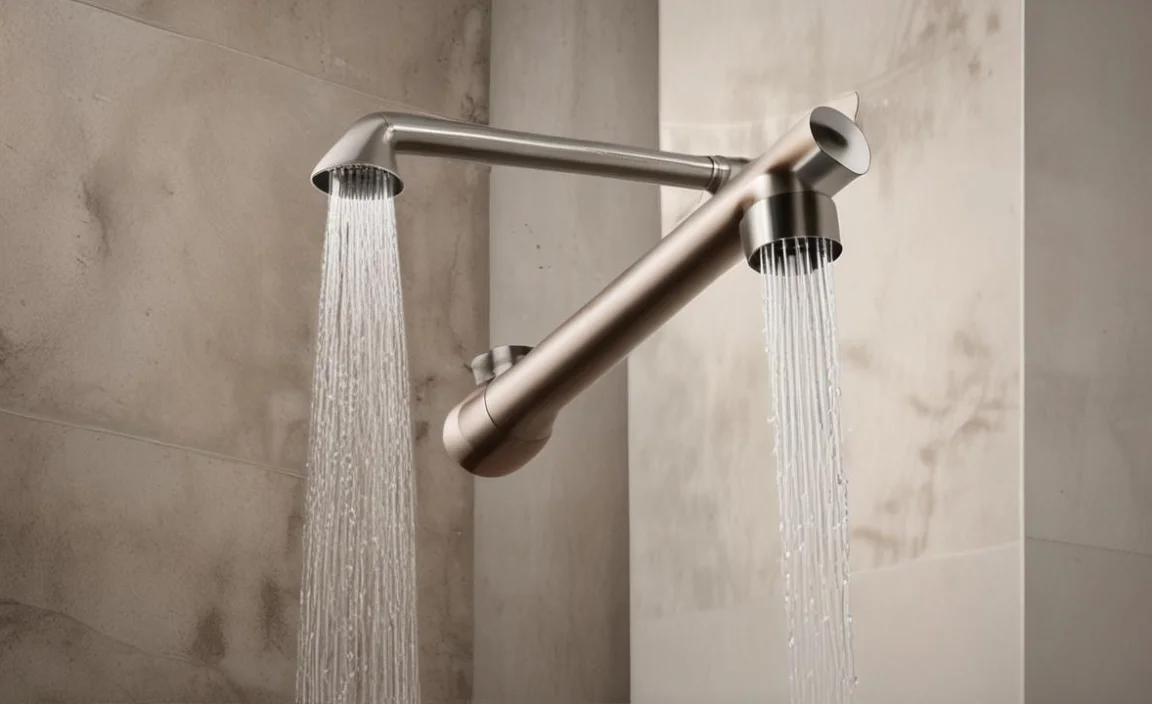
Removing rust is important for keeping your shower arm nice. You can use simple items like baking soda or vinegar. Baking soda is a gentle scrubber. Mix it with a little water to make a paste. Apply this to the rust and scrub gently.
Vinegar is another great option. It can dissolve rust. Soak a cloth in vinegar and wrap it around the rusted area. Leave it for a few hours, then scrub. Rinse with water and dry thoroughly afterward.
- Baking soda paste works well for small rust spots.
- Vinegar can dissolve rust without harsh chemicals.
- Scrubbing gently prevents scratching the surface.
- Always dry the area after cleaning rust.
- Consider using a rust-resistant spray after cleaning.
Once you remove the rust, you can protect the metal. Applying a coat of mineral oil helps keep rust away. Regular cleaning can also help prevent rust from forming again. Enjoy your shiny shower arm!
Fun Fact or Stat: Rust can weaken metal up to 50% in just a few years.
Can You Use Commercial Rust Removers?
You might think of using commercial rust removers. Some products work well, but be careful. They can contain acids that harm stainless steel. Always read the labels before using anything.
If you choose a commercial product, test it on a small area first. This will show whether it damages the metal. Remember to wear gloves and goggles for protection.
After using any rust remover, rinse the surface well. You want to remove all the chemicals. Then dry the area completely to prevent future rust.
Why is Regular Maintenance Important?
Regular maintenance is key to preventing rust. Just like brushing your teeth keeps them healthy, cleaning your shower arm keeps it shiny.
Set a cleaning schedule for your bathroom. This way, you won’t forget to clean the shower arm. Use mild soap and water for daily cleaning. A quick wipe can make a big difference.
Check for any signs of rust regularly. Catching it early makes removal easier. You can keep your bathroom looking great with just a little effort.
Fun Fact or Stat: Regular maintenance can extend the life of your shower arm.
What to Look for in a Quality Shower Arm?
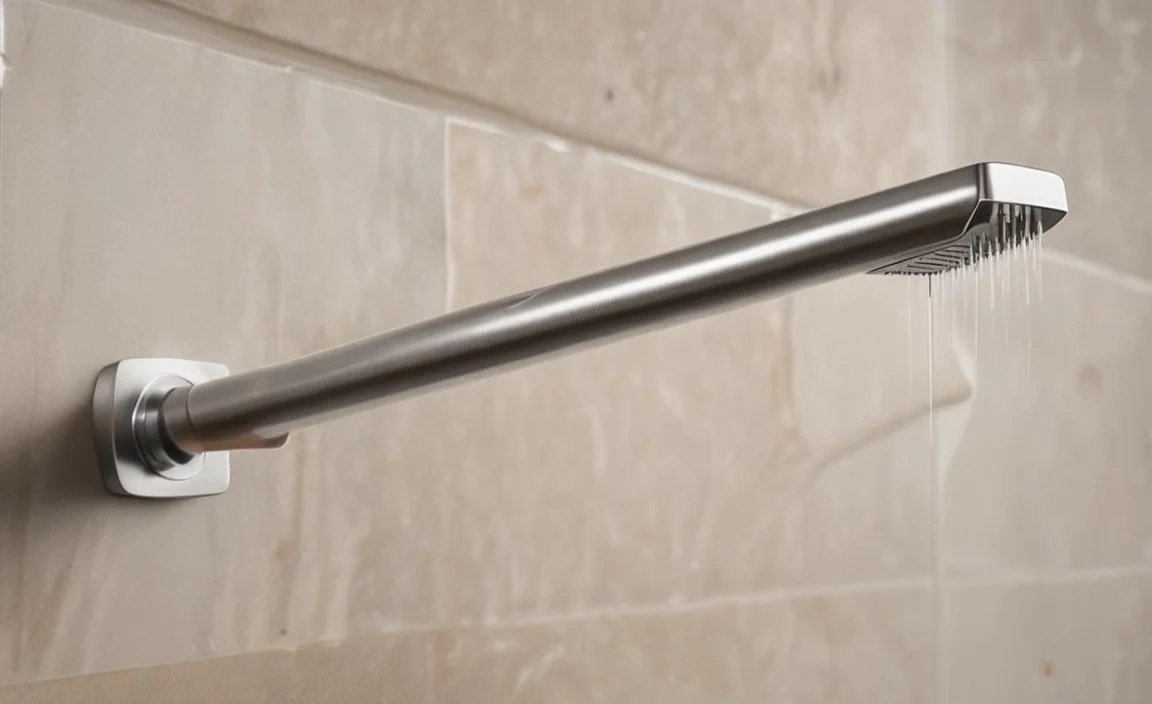
When buying a shower arm, look for quality and materials. Check if it’s made from type 304 or 316 stainless steel. This ensures better rust resistance. The finish is also important. A polished finish is often better than a brushed one for preventing rust.
Consider the design and how it fits in your bathroom. A good fit makes for easier installation. Look at the warranty, too. A longer warranty often means a better product.
- Choose high-quality stainless steel for best results.
- Check if the finish is polished for rust resistance.
- Consider the design for a good fit.
- Look for a warranty to ensure quality.
- Read reviews from other customers for ideas.
If you invest in a good shower arm, it will last longer. Take your time shopping around. Don’t settle for the first one you find. Quality matters when it comes to preventing rust.
Fun Fact or Stat: A good shower arm can last over 10 years with care.
How to Install a New Shower Arm?
Installing a new shower arm is simple. First, gather your tools. You will need an adjustable wrench and Teflon tape. Start by removing the old shower arm. Use the wrench to loosen it.
Clean the threads on the wall pipe before installation. Wrap Teflon tape around the threads of the new arm. This helps create a good seal.
Screw the new shower arm into place by hand. Use the wrench to tighten it, but don’t overdo it. Turn on the water and check for leaks before using it.
How Often Should You Replace Your Shower Arm?
Thinking about how often to replace your shower arm? It depends on the material and how well you care for it. With good stainless steel, you might not need to replace it for years.
If you see rust forming on stainless steel shower arms, it’s time to act. Remove rust as soon as you see it. Regular maintenance can prevent the need for replacement.
If the damage is too severe, consider buying a new one. It’s better to replace a rusty arm than risk leaks in your bathroom.
Fun Fact or Stat: Regular replacement can keep your shower looking fresh.
How to Maintain Your Shower Arm?
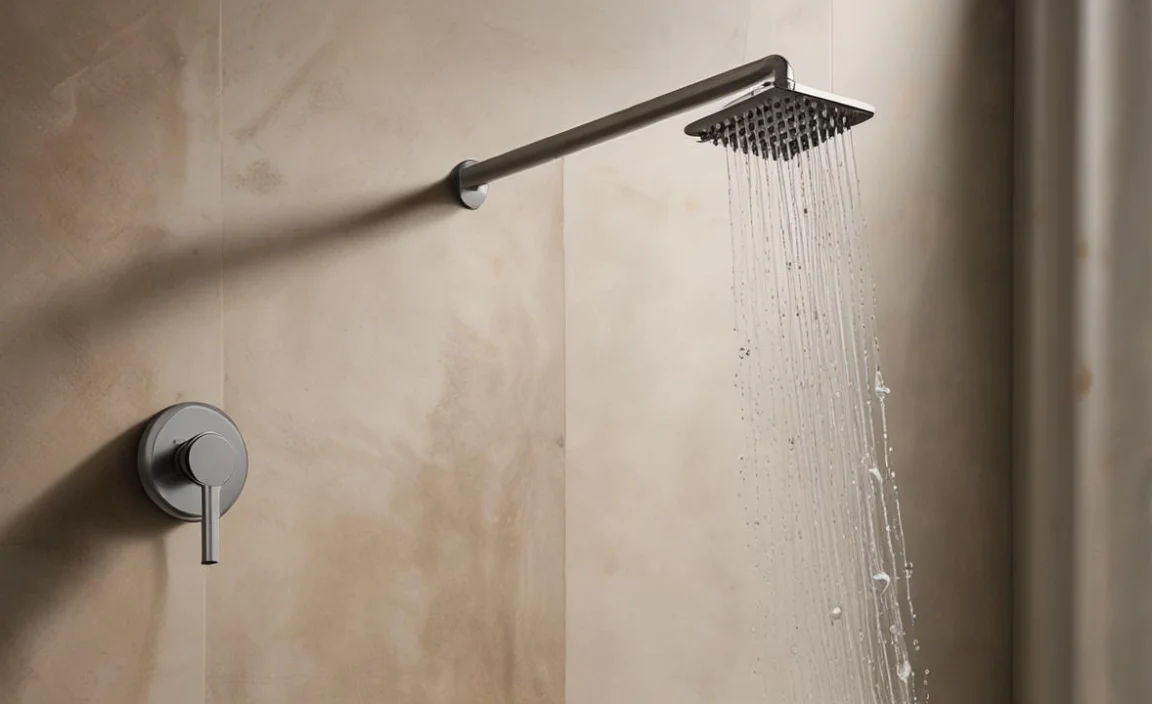
Maintaining your shower arm is easy with a few simple steps. First, clean it regularly to remove soap scum and water spots. Use a soft cloth and mild soap for the best results.
Next, dry your shower arm after each use. This helps keep moisture away. You can use a towel or a squeegee.
Consider using a rust-resistant spray once a month. This adds an extra layer of protection. Check for any signs of wear, like scratches or rust. Taking care of your shower arm keeps it looking new.
- Clean with mild soap and soft cloth regularly.
- Dry the arm after each use to prevent rust.
- Apply rust-resistant spray monthly for protection.
- Inspect for scratches or rust during cleaning.
- Keep the bathroom well-ventilated to reduce humidity.
By following these steps, you can enjoy a shiny, rust-free shower arm. A little care goes a long way. Your bathroom will look great for years to come.
Fun Fact or Stat: Proper maintenance can add years to your shower arm’s life.
What Cleaning Products are Safe for Stainless Steel?
When cleaning your shower arm, use safe products. Avoid harsh chemicals that can scratch or damage stainless steel. Many household items work well.
Baking soda, vinegar, and mild dish soap are great choices. You can mix baking soda with water for a paste. This helps scrub away rust without harming the metal. Vinegar can dissolve stains and rust.
Always rinse well after cleaning. This removes any leftover cleaning product. Dry the shower arm to keep it looking nice.
How Humidity Affects Your Shower Arm?
Humidity plays a big role in rust forming on stainless steel shower arms. High humidity means more moisture in the air. This can cause water to collect on surfaces. Over time, this moisture can lead to rust.
In areas with high humidity, consider using a dehumidifier. This helps keep levels down. You can also leave a window open during showers to let moisture escape.
If you notice rust, act fast. Removing it early can save your shower arm from damage.
Fun Fact or Stat: Humidity over 60% can increase rust risk on metals.
Common Myths About Stainless Steel and Rust
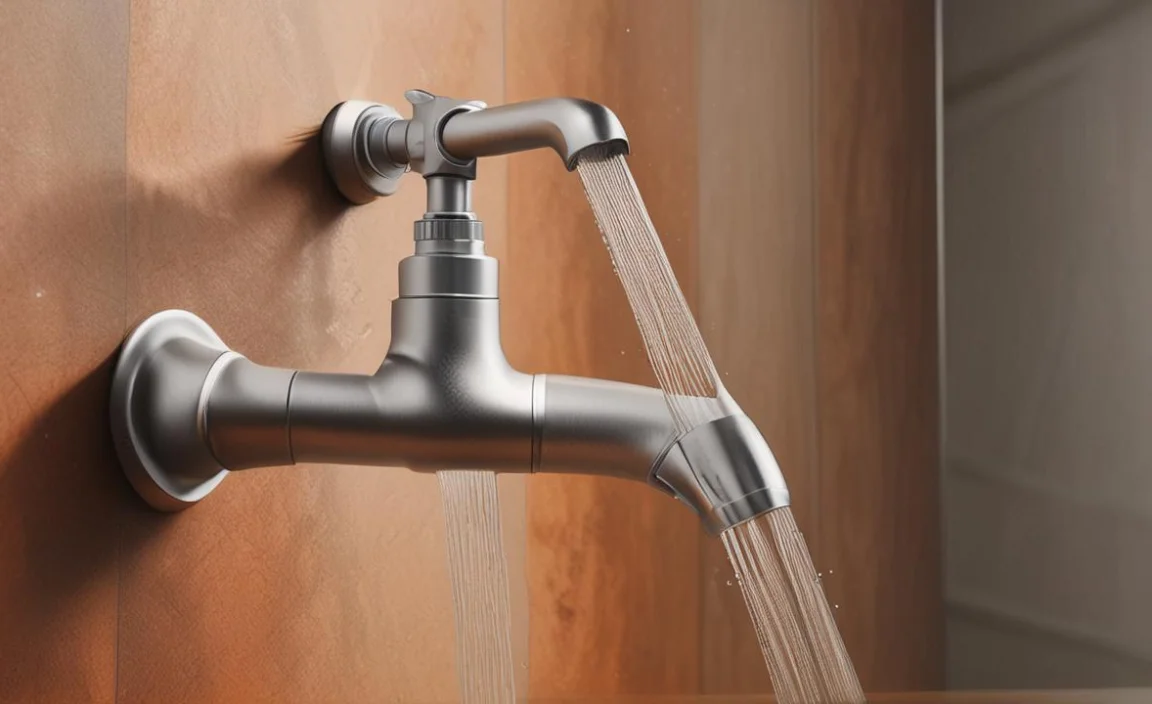
Many myths exist about stainless steel and rust. One common myth is that stainless steel never rusts. This isn’t true! While it is resistant, it can still rust under the right conditions.
Another myth is that all stainless steel is the same. Different types have various levels of rust resistance. Knowing this helps you choose the right product.
Lastly, some people believe that any cleaning product is safe. This is false. Harsh chemicals can harm stainless steel, leading to rust.
- Stainless steel can rust if not cared for properly.
- Different types of stainless steel have different qualities.
- Harsh chemicals can cause more harm than good.
- Regular cleaning is necessary to avoid rust.
- Routine checks help catch rust early.
Understanding these myths can help you maintain your shower arm. Proper care can keep it looking great for years to come.
Fun Fact or Stat: Many people believe stainless steel is completely rust-proof.
Summary
Rust forming on stainless steel shower arms can be avoided. Regular cleaning and maintenance are key. Always dry your shower arm after use. Choose high-quality stainless steel for better rust resistance. If you see rust, remove it quickly. With proper care, your shower arm can last a long time.
Conclusion
In conclusion, rust forming on stainless steel shower arms can be a problem. It happens more than you think. Knowing why it happens and how to prevent it is essential. With simple care, you can keep your shower arm looking great for years.
Frequently Asked Questions
Question No 1: Why does rust form on my shower arm?
Rust forms when stainless steel reacts with moisture and air. Even stainless steel can rust under the right conditions. High humidity and water exposure can lead to this problem. If you see rust forming on stainless steel shower arms, act quickly to remove it.
Question No 2: How can I prevent rust on my shower arm?
You can prevent rust by regularly cleaning your shower arm. Always dry it after using it. Consider applying a rust-resistant spray for extra protection. Keeping your bathroom well-ventilated helps reduce humidity. Regular maintenance is key to avoiding rust forming on stainless steel shower arms.
Question No 3: Can I use vinegar to remove rust?
Yes, vinegar is a great option for removing rust. Soak a cloth in vinegar and wrap it around the rusted area. Leave it for a few hours, then scrub the rust. Always rinse and dry afterward. This method can help you avoid rust forming on stainless steel shower arms in the future.
Question No 4: What should I do if the rust is deep?
If the rust is deep, you might need to replace the shower arm. Check if it can be cleaned first. Scrubbing with baking soda or vinegar may help. If it is too damaged, look for a new, high-quality stainless steel arm. This will prevent future rust from forming on stainless steel shower arms.
Question No 5: How often should I clean my shower arm?
You should clean your shower arm at least once a week. This helps prevent rust and keeps it looking nice. Always dry the arm after cleaning to reduce moisture. Regular maintenance helps keep rust forming on stainless steel shower arms at bay.
Question No 6: What is the best type of stainless steel for shower arms?
The best types are 304 and 316 stainless steel. Type 316 has better rust resistance and is ideal for wet areas. When buying a new shower arm, look for these types. They help prevent rust forming on stainless steel shower arms in the long run.

