Soil is the home for many plants. Have you ever wondered how plants know what to grow in the soil? One important thing is the soil’s pH. It tells us if the soil is acidic, neutral, or alkaline. Knowing the pH helps us understand what plants will thrive. Sometimes, we might not have a kit to test it. No worries! You can learn how to test soil pH without a kit. It’s fun and easy to do at home!
Let’s dive into how we can do this. You may be surprised to learn that simple ingredients from your kitchen can help. These methods can give us clues about the soil’s pH. Are you ready to find out more?
Key Takeaways
- You can test soil pH without a kit easily.
- Using vinegar and baking soda are common methods.
- Soil pH affects plant growth greatly.
- Different plants need different pH levels.
- Testing soil pH without a kit is fun!
Testing Soil pH Without a Kit: Simple Steps
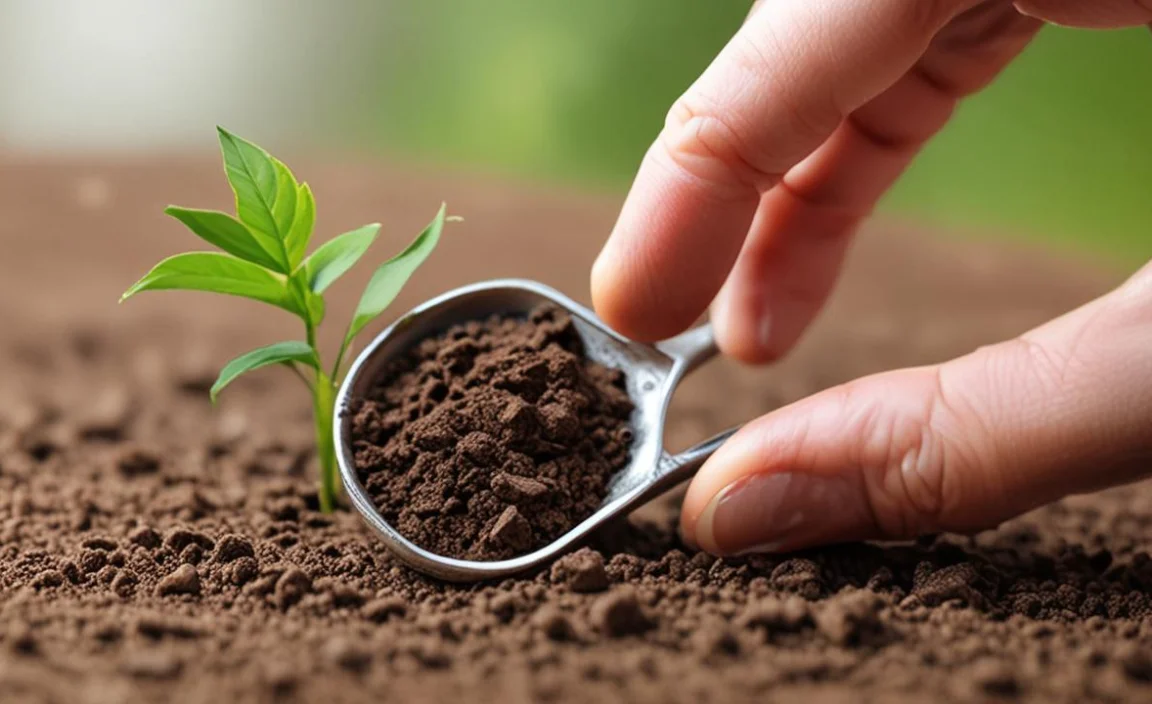
Testing soil pH without a kit is easy! All you need are a few household items. You can use vinegar and baking soda to check your soil. First, take a small amount of soil. Place it in a cup. Next, add vinegar. If it fizzes, the soil is alkaline. If it doesn’t, you can try baking soda next. Add water to the soil to make it wet. Then, sprinkle baking soda on it. If it bubbles, the soil is acidic. If nothing happens, it’s likely neutral. Isn’t it cool how simple it is?
- Use vinegar for alkaline testing.
- Baking soda helps check acidity.
- Soil needs to be damp for accurate tests.
- Observe the fizz for results.
- These tests are quick and easy.
These simple methods show how to test soil pH without a kit. They help you learn what your soil needs. This knowledge can help your garden grow better. Knowing your soil’s pH can help you decide what plants to grow. It is a fun science experiment you can do anytime!
Fun Fact or Stat: The ideal pH for most plants is around 6 to 7!
Why Does Soil pH Matter?
Have you ever thought about why soil pH is important? It’s crucial for plant health. When the pH is right, plants can absorb nutrients well. If the pH is too low or too high, they can’t take in what they need. This may lead to stunted growth or even death. Imagine planting a beautiful flower. If the soil is too acidic, it might not bloom. On the other hand, a vegetable garden needs different pH levels to thrive. Understanding soil pH helps you choose the best plants.
Common pH Levels for Plants
Different plants have different needs. Some like acidic soil, while others prefer alkaline. For example, blueberries thrive in acidic soil with a pH of 4.5 to 5.5. On the other hand, asparagus loves neutral soil around 7.0. When you know these levels, you can plan your garden better. Using our simple method of testing soil pH without a kit can help you find out what your soil needs. It’s a great way to improve your garden!
Signs of pH Problems
Sometimes, plants show signs of pH problems. If your plants are yellowing or not growing well, it could be the soil pH. Acidic soil can cause nutrient lockout. This means plants can’t get the food they need. Alkaline soil can do the same. Knowing how to test soil pH without a kit can help you identify these issues early. You can act quickly to adjust the pH. This could save your plants from stress!
Testing Soil pH Without a Kit: Using Natural Indicators
Another exciting way to test soil pH without a kit is to use flowers. Some flowers change color based on soil pH. For example, hydrangeas can be blue or pink. Blue flowers mean acidic soil, while pink shows alkaline. This is a fun and magical way to tell soil pH. You can plant hydrangeas in your garden. Over time, you can see their colors and learn about your soil. It’s like having a natural pH indicator in your garden!
- Hydrangeas change color with soil pH.
- Blue means acidic, pink means alkaline.
- Planting these flowers is easy.
- This method is a great visual indicator.
- You can enjoy beautiful flowers while testing soil!
Using natural indicators like hydrangeas can be a fun way to test soil pH without a kit. It combines gardening with science. When you see the colors change, you can learn about your soil’s nature. This method adds beauty to your garden while giving you valuable information. It’s a win-win for every gardener!
Fun Fact or Stat: Hydrangeas can change color based on soil acidity!
Benefits of Natural Indicators
Natural indicators have many benefits. First, they are beautiful to look at. You can enjoy vibrant flowers while learning. Second, they are easy to grow. Most people can plant them without much trouble. Third, they teach us about our soil. This helps us understand how to take care of our gardens better. Imagine showing your friends how your flowers change color. You will impress them with your knowledge of soil pH!
Using Kitchen Ingredients as Indicators
You can also use kitchen ingredients to test soil pH. For example, cabbage juice can change color based on acidity. First, boil red cabbage in water. Once the water turns purple, let it cool. Then, add a small amount of soil to the juice. If it turns pink, your soil is acidic. If it remains purple, it’s neutral. If it turns greenish, the soil is alkaline. This simple experiment is fun and teaches us about pH!
How to Adjust Soil pH Without a Kit
If you find out your soil pH is not right, don’t worry! You can make adjustments easily. If your soil is too acidic, adding lime can help. It raises the pH level. On the other hand, if your soil is too alkaline, you can add sulfur. This will lower the pH. Remember to test the pH again after a while. You want to make sure your plants are happy and healthy!
- Add lime to increase soil pH.
- Add sulfur to decrease soil pH.
- Test the soil again after adjustments.
- Make changes slowly, step by step.
- Healthy soil equals healthy plants!
Adjusting soil pH is a key part of gardening. When you learn how to test soil pH without a kit, you can take care of your plants better. By making these changes, you help your garden thrive. Every plant has its perfect pH, and it’s your job to find it. Your knowledge will help create a beautiful and productive garden!
Fun Fact or Stat: Lime can raise soil pH over time!
Monitoring Soil pH Regularly
Keeping an eye on your soil pH is important. You should check it at least once a year. Plants can change the soil, so regular testing helps. If you keep adjusting the soil based on plant needs, your garden can flourish. Regular checks can prevent problems before they start. Think of it as taking your garden’s temperature. You want to make sure it stays healthy!
Signs of Soil pH Change
Sometimes, soil pH changes without us knowing. If you notice your plants struggling, it could be the pH. For example, if your tomatoes are not growing, it might be time to test. Plants give us clues about their needs. They are our best indicators. By watching them closely, we can learn when to check the soil. This is how we become better gardeners!
Comparing Methods for Testing Soil pH
| Method | Pros | Cons |
|---|---|---|
| Vinegar and Baking Soda | Quick and easy to do | Only gives a rough estimate |
| Hydrangea Color Change | Beautiful flowers to enjoy | Only works with specific plants |
| Cabbage Juice | Fun experiment for kids | Requires extra steps |
| Traditional Kit | Accurate and reliable results | Can be expensive and complex |
Each method for testing soil pH has its own strengths and weaknesses. Some methods are quick and easy, while others provide detailed results. By knowing the pros and cons, you can choose the best method for your needs. Remember, knowing how to test soil pH without a kit can save you time and money!
Fun Fact or Stat: Using vinegar and baking soda can be done in minutes!
Choosing the Right Method for You
When deciding which method to use, think about what you need. Do you want quick results? Then using vinegar and baking soda is great! If you want a fun experiment, try cabbage juice. If you want a serious test, consider a traditional kit. Each method has its place in your gardening toolbox. By understanding these options, you can grow a healthy garden!
Combining Methods for Best Results
Sometimes, the best approach is to combine methods. You can start with the vinegar and baking soda test for a quick check. If you see a problem, you can follow up with a more accurate method later. This strategy helps you monitor your soil pH regularly. It ensures your plants get what they need to grow strong. Combining methods can give you the best of both worlds!
Summary
Testing soil pH without a kit is simple and fun! You can use everyday items to learn about your soil. Whether you use vinegar, baking soda, or natural indicators, each method tells you something. Knowing the pH helps you grow better plants. Regular checks will keep your garden healthy and vibrant. Enjoy your gardening journey and keep learning about your soil!
Conclusion
In conclusion, testing soil pH without a kit is easy. It opens up opportunities for better gardening. With simple methods, you can find out what your plants need. This knowledge helps create a beautiful and thriving garden. Start experimenting today, and watch your plants flourish!
Frequently Asked Questions
Question No 1: How can I test soil pH without a kit?
Answer: You can use vinegar and baking soda. First, take some damp soil. Add vinegar to check for alkalinity. If it fizzes, the soil is alkaline. Then, add baking soda to check acidity. If it bubbles, the soil is acidic. This is a simple way of testing soil pH without a kit!
Question No 2: What can I do if the pH is not right?
Answer: If your soil is too acidic, add lime to raise the pH. If it is too alkaline, add sulfur to lower the pH. Always test your soil again after making changes. This helps you ensure your plants are getting what they need!
Question No 3: Why is soil pH important for plants?
Answer: Soil pH affects how plants absorb nutrients. If the pH is too high or too low, plants won’t get the food they need. This can lead to poor growth or even death. Understanding the right pH helps you pick the best plants for your garden!
Question No 4: Can I use flowers to test soil pH?
Answer: Yes! Some flowers, like hydrangeas, change color based on soil pH. Blue means acidic soil, while pink indicates alkaline soil. This is a fun and beautiful way to understand your garden’s soil conditions!
Question No 5: What are some signs of soil pH problems?
Answer: If your plants are yellowing or not growing well, it might be the soil pH. Other signs include stunted growth or droopy leaves. Regular testing can help you catch these issues early, ensuring your plants stay healthy!
Question No 6: How often should I test my soil?
Answer: It’s a good idea to test your soil at least once a year. Changes can happen over time, so regular checks help keep your garden healthy. Monitoring your soil pH will help you make the best adjustments for your plants!

