Have you ever wondered where the water goes when you flush? Toilets are more than just a bowl. They have secret tunnels! One important part is called the toilet trapway. But what is a toilet trapway and why does it matter?
Toilets use clever designs. These designs help keep your bathroom clean. They also stop bad smells from coming up. Let’s learn about this hidden hero of your bathroom! It’s more interesting than you think.
Key Takeaways
- The toilet trapway is a curved pipe in a toilet that traps water.
- This water seal prevents sewer gases from entering your bathroom.
- Trapways come in different shapes and sizes, affecting flushing power.
- A larger trapway usually means a more powerful and efficient flush.
- Understanding trapways helps you choose the best toilet for your home.
Understanding What Is A Toilet Trapway
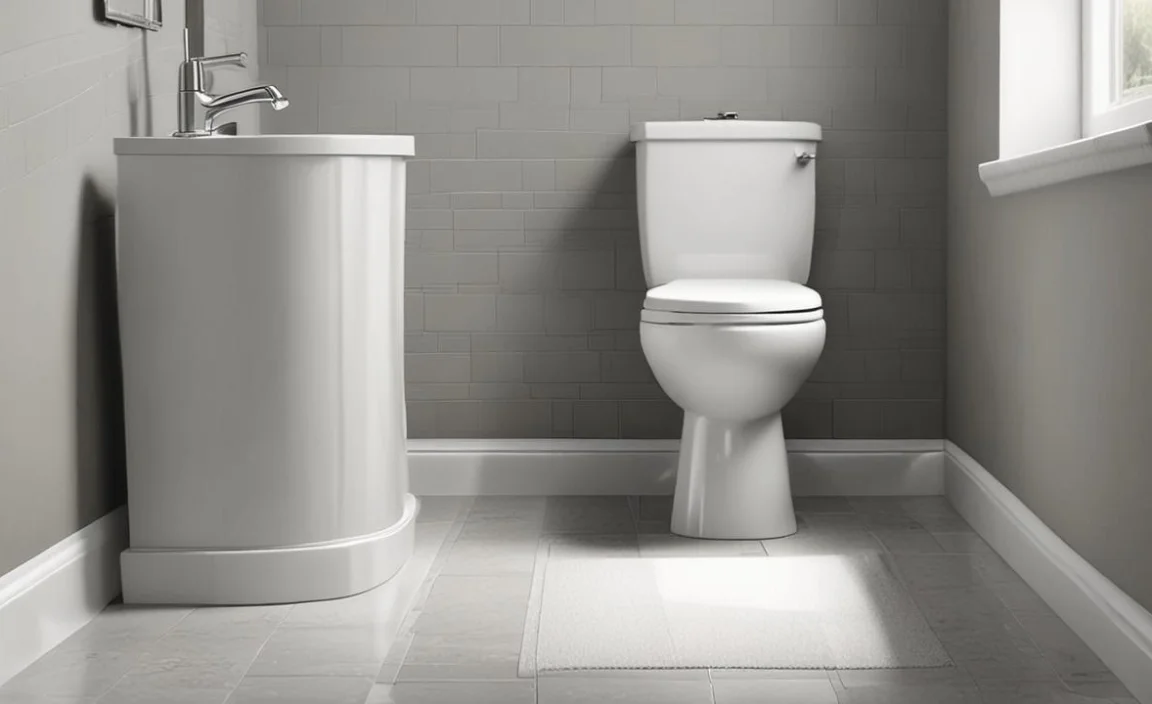
The toilet trapway is a hidden but important part. It is the S-shaped or P-shaped pipe. This pipe is located at the base of your toilet. It has a very important job. The main job is to hold a small amount of water. This water creates a seal. This seal stops sewer gases from coming up into your bathroom. Without it, your bathroom would smell really bad! The trapway also helps to flush waste away properly. It guides the waste down the drain. Different toilet designs have different trapways. Some are hidden. Some are more visible. But they all do the same important job.
- The trapway stops bad smells.
- It helps flush waste away.
- Different toilets have different trapways.
- Some trapways are hidden.
- The trapway holds water to create a seal.
Think of the trapway as a gatekeeper. It guards your bathroom against nasty smells. It also ensures that everything goes down the drain as it should. The design of the trapway affects how well your toilet flushes. A well-designed trapway can help prevent clogs. It can also make your toilet more efficient. When you choose a new toilet, think about the trapway. It’s a small part with a big job! By understanding this part, you can ensure the air in your bathroom stays clean and fresh.
Fun Fact or Stat: The first toilet trap was invented in 1775 by Alexander Cumming. He was a Scottish watchmaker and plumber!
Why Is the Trapway Shaped Like That?
Have you ever wondered why the trapway is curved? It’s not just a random shape! The curve is very important. It allows the trapway to hold water. This water then forms a barrier. This barrier stops sewer gases. These gases can contain methane and other unpleasant things. The curved shape ensures that there is always some water left. Even after you flush. This water seal is simple but very effective. Without this curve, our bathrooms would be much less pleasant places! So, the next time you see a curved pipe under your sink or toilet, remember its important job.
What Happens If the Trapway Is Broken?
Imagine what would happen if the trapway cracked or broke. It wouldn’t be good! The water seal would disappear. This would allow sewer gases to come into your bathroom. You would notice a bad smell. This smell could be strong and unpleasant. Also, a broken trapway could cause leaks. This could damage your floor. If you think your trapway might be broken, get it fixed quickly. A plumber can help. They can replace the trapway and stop the smells. A working trapway keeps your bathroom clean and safe.
Are All Trapways the Same Size?
No, not all trapways are the same size. The size of the trapway can affect how well your toilet flushes. A bigger trapway can usually handle more waste. It can also reduce the chance of clogs. Some toilets have smaller trapways. These might be in older homes. Newer toilets often have larger trapways. These help them flush more efficiently. When you buy a new toilet, check the trapway size. This can help you choose a toilet. It will work well and prevent problems.
Different Types of Toilet Trapways
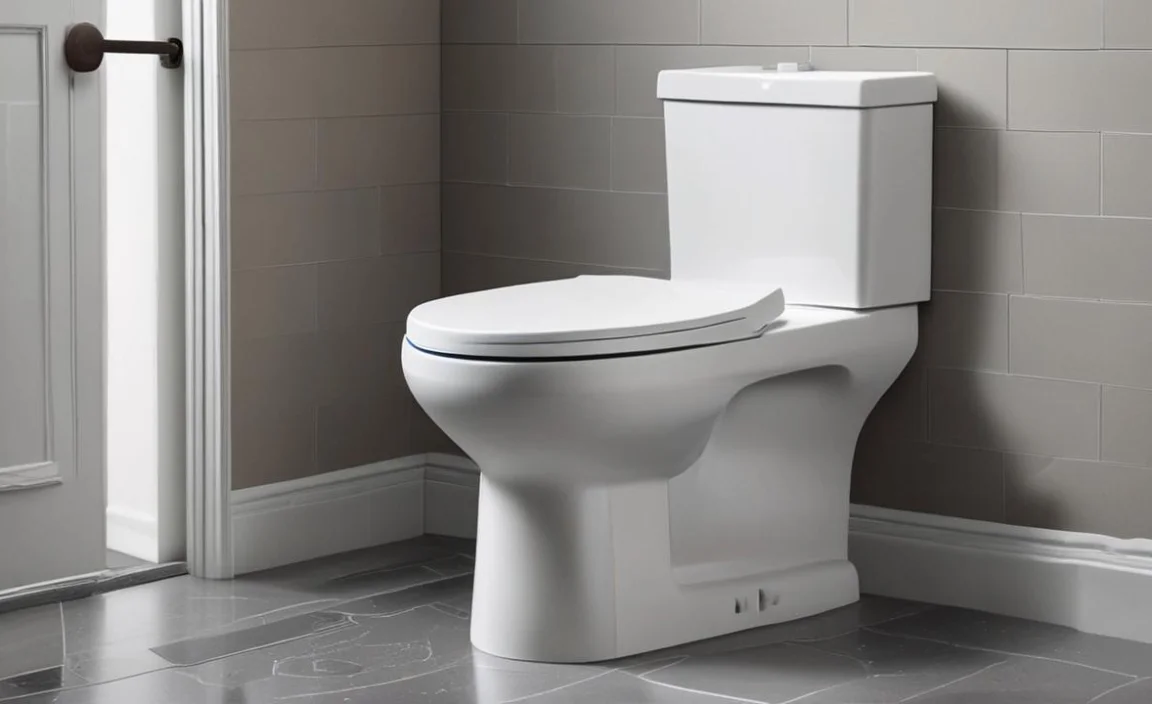
There are different types of toilet trapways. The most common are S-traps and P-traps. S-traps curve down and then up again. They look like the letter “S.” P-traps are similar. But they connect to a wall drain. Most modern toilets use P-traps. S-traps can sometimes cause problems with suction. This can lead to the water seal being sucked away. Another type is the concealed trapway. This hides the trapway. It gives the toilet a cleaner look. The type of trapway can affect how your toilet works. It can also affect how easy it is to install.
- S-traps look like the letter “S.”
- P-traps connect to a wall drain.
- Concealed trapways hide the pipe.
- P-traps are more common in new homes.
- The trapway affects flushing power.
Choosing the right trapway depends on your bathroom setup. P-traps are usually best for modern homes. They connect easily to wall drains. S-traps might work in older homes. But they can have problems with suction. Concealed trapways are a good choice if you want a sleek look. They hide the pipes. No matter which type you choose, make sure it is installed correctly. This will prevent leaks and smells. A properly installed trapway will keep your bathroom fresh for years.
Fun Fact or Stat: Toilets are flushed more than 300 million times every day in the United States!
What Is a Concealed Trapway Toilet?
A concealed trapway toilet hides the trapway. This makes the toilet look cleaner and more modern. You won’t see the curved pipe. It’s hidden inside the toilet base. This design is popular. Many people like the clean look. It also makes the toilet easier to clean. There are fewer nooks and crannies for dirt to hide. Concealed trapway toilets often cost more. But many people think the extra cost is worth it. They like the style and easy cleaning. Would you pay more for a cleaner-looking toilet?
How Does a P-Trap Work?
A P-trap is a type of trapway. It is shaped like the letter “P.” It connects to a drainpipe in the wall. The P-trap holds water. This water creates a seal. This seal stops sewer gases from coming into your bathroom. When you flush, the water pushes the waste through the trap. Then, the trap refills with clean water. This keeps the seal in place. P-traps are common in newer homes. They work well. They are less likely to have problems with suction.
What Problems Can S-Traps Cause?
S-traps can sometimes cause problems. They can lose their water seal. This happens because of something called suction. When water rushes down the drain, it can suck all the water out of the trap. Then, the sewer gases can come into your bathroom. This is not good! Modern plumbing codes often don’t allow S-traps. P-traps are better. They are less likely to have this problem. If you have an S-trap, you might want to think about changing it. This can help keep your bathroom smelling fresh.
The Importance of Toilet Trapway Size
The size of the toilet trapway is very important. It affects how well your toilet flushes. A larger trapway can handle more waste. This means fewer clogs. A smaller trapway might get clogged more easily. Most modern toilets have a trapway that is at least two inches wide. This is usually enough for most homes. But if you have a busy household, you might want a larger trapway. This can help prevent problems. The size of the trapway is something to think about. It will help you choose the best toilet for your needs.
- A larger trapway means fewer clogs.
- Most toilets have a 2-inch trapway.
- A bigger family may need a larger trapway.
- Trapway size affects flushing power.
- Choose the right size for your needs.
When you are shopping for a new toilet, look at the trapway size. It is usually listed in the toilet’s specifications. Don’t just think about the price or the look of the toilet. The trapway size is important too. A toilet with a good flushing system and a large trapway will be a good investment. It will save you trouble in the long run. Nobody wants to deal with a clogged toilet! So, take the time to learn about trapway sizes. It will help you make a smart choice.
Fun Fact or Stat: The average person uses the toilet about 2,500 times a year!
How Does Trapway Size Prevent Clogs?
A larger trapway has more space. This space allows waste to pass through easily. If the trapway is too small, waste can get stuck. This can cause a clog. A bigger trapway can handle more solid waste. It reduces the risk of a backup. This is why many people prefer toilets with larger trapways. They are more reliable. They need less maintenance. A well-designed trapway is an important part of a good toilet. Have you ever had to deal with a really bad toilet clog?
What Is the Standard Trapway Size?
The standard trapway size for most toilets is around 2 inches. This size is usually enough for most households. It can handle normal amounts of waste. Some toilets have larger trapways. These can be 2.5 inches or even 3 inches wide. These larger trapways are good for homes with many people. They can also be useful if you often flush large items. Check the trapway size when you buy a toilet. Make sure it is right for your home.
Does a Bigger Trapway Use More Water?
Not necessarily. A bigger trapway does not always mean more water use. Many modern toilets use less water. They still have powerful flushes. They do this with clever designs. These designs use the water more efficiently. Look for toilets with the WaterSense label. These toilets use less water. They still work well. You can save water and money. It is important to choose a toilet. It is both efficient and has the right trapway size.
Choosing the Right Toilet Trapway
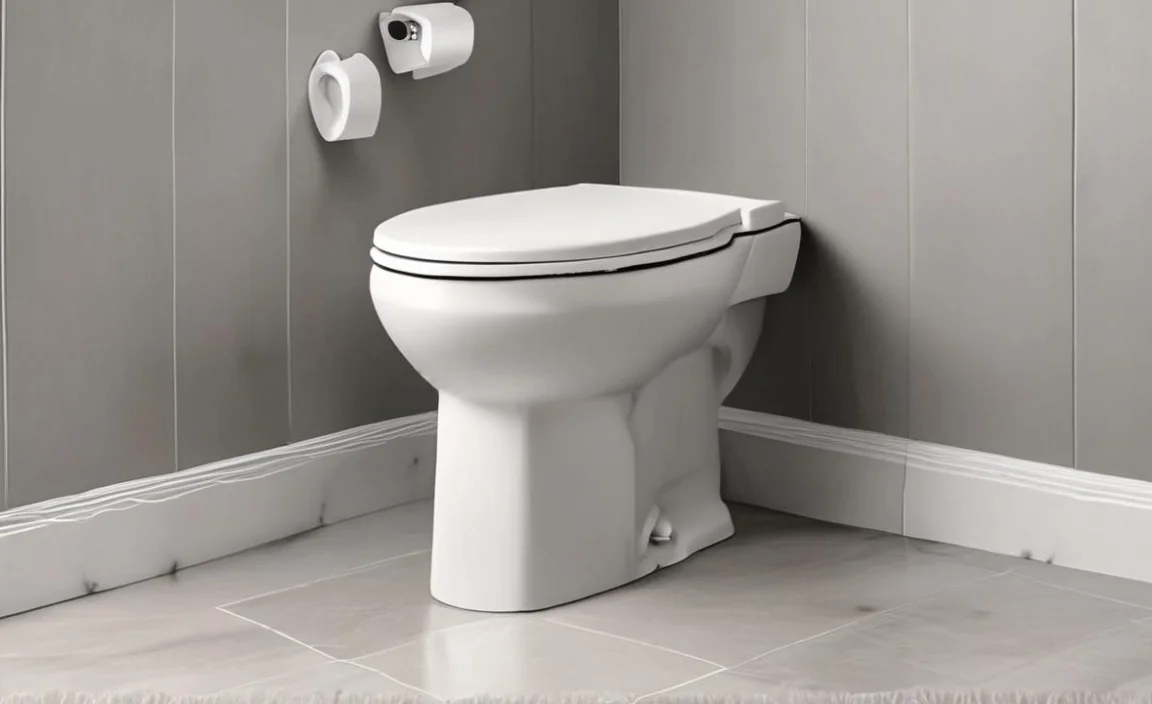
Choosing the right toilet trapway is important. It can affect how well your toilet works. Think about your needs. Do you have a large family? Do you often have problems with clogs? If so, you might want a toilet with a larger trapway. Also, think about the style of your bathroom. Do you want a concealed trapway for a cleaner look? Consider the type of drain in your bathroom. This will help you choose between a P-trap and an S-trap. By thinking about these things, you can pick the perfect toilet.
- Consider your family size.
- Think about your bathroom style.
- Choose between P-trap and S-trap.
- Look for a WaterSense label.
- Read reviews before you buy.
Don’t be afraid to ask for help. Talk to a plumber or a store employee. They can give you advice. They can help you understand the different types of trapways. They can also help you find a toilet that fits your budget. Remember, a toilet is an investment. You will use it every day. So, it is worth taking the time to choose the right one. With a little research, you can find a toilet that works well. It will also look great in your bathroom.
Fun Fact or Stat: A leaky toilet can waste up to 200 gallons of water per day!
Should You Choose a P-Trap or an S-Trap?
This depends on your plumbing. P-traps are usually better for modern homes. They connect to the wall drain. S-traps might work for older homes. But they can have problems. Check your drain setup. See which type of trap fits best. If you’re not sure, ask a plumber. They can tell you which one to use. Choosing the right trap will help prevent problems. It will keep your toilet working well.
What Are the Benefits of a Concealed Trapway?
Concealed trapways have a few benefits. They look cleaner. They are easier to clean. There are fewer places for dirt to hide. This can make your bathroom look nicer. Some people also think they are more modern. They can add value to your home. If you care about style, a concealed trapway might be a good choice. It can make a big difference in your bathroom.
Where Can You Buy Toilets with Different Trapways?
You can buy toilets with different trapways at many places. Home improvement stores sell them. Plumbing supply stores also sell them. You can even buy them online. Look at the toilet’s description. It will tell you what kind of trapway it has. Read reviews. See what other people think. This can help you make a good choice. Shopping around can help you find the perfect toilet.
Maintaining Your Toilet Trapway
Taking care of your toilet trapway is important. It will help your toilet last longer. It will also prevent problems. Don’t flush things that can clog the toilet. This includes things like diapers and paper towels. Pouring chemicals down the toilet can also damage the trapway. If you have a clog, try using a plunger. If that doesn’t work, call a plumber. Regular maintenance will keep your trapway working well. This will keep your bathroom clean and fresh.
- Don’t flush diapers or paper towels.
- Avoid pouring chemicals down the toilet.
- Use a plunger for minor clogs.
- Call a plumber for big problems.
- Regularly check for leaks.
One easy way to maintain your trapway is to flush regularly. This helps keep the water flowing. It also prevents buildup in the trap. If you are going away for a long time, pour some water down the drain. This will keep the trap filled. It will stop sewer gases from coming up. A little bit of care can go a long way. It can help you avoid expensive repairs. So, take the time to maintain your toilet. It will thank you for it!
Fun Fact or Stat: The average toilet lasts for about 50 years!
How Can You Prevent Toilet Clogs?
Preventing clogs is easy. Don’t flush anything but toilet paper and human waste. Keep a trash can in the bathroom. Use it for other things. This includes diapers, wipes, and feminine products. These things can clog your toilet. They can also damage your plumbing. Be careful about what you flush. This will help you avoid problems. It will save you time and money. What do you do to avoid toilet clogs?
What Should You Do If You Have a Clog?
If you have a clog, don’t panic. Try using a plunger first. A plunger can often clear minor clogs. Make sure there is water in the bowl. Place the plunger over the drain. Push up and down firmly. If the plunger doesn’t work, try a toilet auger. This is a special tool for clearing clogs. If you still can’t clear the clog, call a plumber. They have the tools and skills to fix the problem.
How Can You Tell If Your Trapway Is Leaking?
A leaky trapway can cause water damage. Check around the base of the toilet. Look for wet spots. See if there is water on the floor. If you see any water, you might have a leak. You might also notice a musty smell. This can be a sign of mold. If you think your trapway is leaking, call a plumber. They can find the leak and fix it. Fixing a leak quickly can prevent more damage.
Toilet Trapway and Water Conservation
The toilet trapway can play a role in water conservation. Toilets with efficient trapway designs use less water per flush. This saves water. It also lowers your water bill. Look for toilets with the WaterSense label. These toilets meet EPA standards for water efficiency. They use no more than 1.28 gallons per flush. By choosing a water-efficient toilet, you can help protect our planet. You can also save money. It’s a win-win situation.
| Feature | Standard Toilet | WaterSense Toilet |
|---|---|---|
| Gallons per flush | 1.6 | 1.28 or less |
| Water usage per year (family of 4) | 14,600 gallons | 11,680 gallons or less |
| Trapway design | Varies | Optimized for efficient flushing |
| Cost | Lower initial cost | May be slightly higher |
- Look for the WaterSense label.
- Choose a toilet with low flow rate.
- Consider dual-flush models.
- Replace old, inefficient toilets.
- Teach your family to conserve water.
Many new toilets have dual-flush options. These let you choose how much water to use. A half-flush is for liquid waste. A full flush is for solid waste. This can save a lot of water. By using less water, you can help protect our environment. You can also reduce your impact on the planet. Every little bit helps. Choosing a water-efficient toilet is a great way to start. It’s a simple change. But it can make a big difference.
Fun Fact or Stat: WaterSense toilets can save a family of four more than $110 per year on their water bill!
What Is a WaterSense Toilet?
A WaterSense toilet meets strict EPA standards. It uses no more than 1.28 gallons per flush. This is much less than older toilets. These older toilets use 3.5 gallons or more. WaterSense toilets are tested. They must work well. They must flush properly. They must also save water. Look for the WaterSense label. It means the toilet is efficient. It will save you money.
How Can Dual-Flush Toilets Save Water?
Dual-flush toilets have two flush options. One is for liquid waste. It uses less water. The other is for solid waste. It uses more water. This lets you choose how much water to use. You only use the full flush when you need it. This can save a lot of water over time. Dual-flush toilets are a good choice. They are environmentally friendly.
What Else Can You Do to Save Water in the Bathroom?
There are many things you can do. Take shorter showers. Turn off the water while brushing your teeth. Fix any leaks. These small changes can add up. They can save a lot of water. They can also lower your water bill. Every drop counts. By being mindful of your water use, you can make a difference. What other ways can you think of to save water?
Future of Toilet Trapway Technology
The future of toilet trapway technology looks promising. Engineers are always working on new designs. These designs aim to make toilets more efficient. They also try to reduce clogs. Some new toilets use vacuum-assisted flushing. This uses a vacuum to suck waste down the drain. This can be very powerful. Other toilets use pressure-assisted flushing. This uses compressed air to push waste. These new technologies could make toilets even better. They could save even more water.
- Vacuum-assisted flushing uses suction.
- Pressure-assisted flushing uses air.
- New designs aim for fewer clogs.
- Engineers are making toilets more efficient.
- Smart toilets can monitor water use.
Smart toilets are also becoming more popular. These toilets have sensors. These sensors can monitor water use. They can also detect leaks. Some can even diagnose problems. They can then alert you. This can help you fix problems quickly. It can also prevent water damage. As technology improves, toilets will become more advanced. They will be more efficient. They will also be easier to maintain. The future of toilets is looking bright.
Fun Fact or Stat: The most expensive toilet in the world is made of solid gold and costs over $2.5 million!
What Are the Benefits of Vacuum-Assisted Flushing?
Vacuum-assisted flushing is very powerful. It uses suction to remove waste. This can reduce clogs. It can also use less water. Vacuum-assisted toilets are often more expensive. But they can save you money in the long run. They are also more environmentally friendly. They use less water. This is a good thing for the planet. Would you like a toilet that uses a vacuum to flush?
How Do Smart Toilets Help with Water Conservation?
Smart toilets have sensors. These sensors track water use. They can detect leaks. They can also help you understand your water habits. Some smart toilets can even adjust the flush. This helps you save water. They can also send you alerts. This reminds you to fix leaks. Smart toilets can help you be more water-conscious. They can also save you money on your water bill.
What New Materials Are Being Used in Trapways?
Engineers are always looking for new materials. They want to make trapways stronger. They also want to make them more durable. Some new trapways are made of special plastics. These plastics are very strong. They can resist chemicals. They can also last a long time. Other trapways are made of stainless steel. This is also a strong and durable material. New materials can help prevent leaks. They can also make toilets last longer.
Summary
The toilet trapway is a curved pipe. It’s usually shaped like an S or a P. It sits at the base of your toilet. This simple curve has a very important job. It holds water. This water forms a seal. The seal stops nasty sewer gasses from coming into your bathroom. Different kinds of trapways exist. They have different designs. These designs affect how well your toilet flushes. The size of the trapway matters too. A bigger trapway can help prevent clogs. Choosing the right trapway can keep your bathroom fresh.
Taking care of your toilet trapway is important. Don’t flush things that can cause clogs. Regular maintenance helps. It keeps everything working well. New toilet technology is always improving. Engineers are creating better trapway designs. These designs use less water. They also prevent clogs. Understanding the toilet trapway helps you choose the best toilet. It will keep your bathroom clean and odor-free.
Conclusion
The toilet trapway is a small part. But it plays a big role. It keeps your bathroom smelling fresh. It also helps your toilet flush properly. Understanding trapways can help you choose the best toilet for your home. Look for a toilet with the right trapway size. It should also be water-efficient. By making a smart choice, you can have a toilet. It will work well for many years.
Frequently Asked Questions
Question No 1: What exactly does a toilet trapway do?
Answer: The toilet trapway is a curved pipe at the base of the toilet. It holds a small amount of water. This water creates a seal. The seal prevents sewer gases from entering your bathroom. Without the trapway, your bathroom would smell very bad. The trapway also helps to flush waste away properly, ensuring that everything goes down the drain as it should. It’s like a gatekeeper, keeping the bad smells out.
Question No 2: What are the different types of toilet trapways?
Answer: There are a few different types of toilet trapways. The most common are S-traps and P-traps. S-traps look like the letter “S”. P-traps connect to a wall drain. Most modern toilets use P-traps. There are also concealed trapways. These hide the trapway inside the toilet. Each type has its own advantages and disadvantages. It is important to choose the right one for your bathroom setup.
Question No 3: Why is the size of the toilet trapway important?
Answer: The size of the toilet trapway affects how well your toilet flushes. A larger trapway can handle more waste. This reduces the chance of clogs. A smaller trapway might get clogged more easily. Most modern toilets have a trapway that is at least two inches wide. If you have a large family, you might want a larger trapway. This can help prevent problems.
Question No 4: How can I prevent my toilet trapway from clogging?
Answer: Preventing clogs is easy! Don’t flush anything but toilet paper and human waste. Keep a trash can in the bathroom. Use it for other things like diapers, wipes, and feminine products. These items can clog your toilet. They can also damage your plumbing. Being careful about what you flush will help you avoid problems and save you time and money.
Question No 5: What is a WaterSense toilet, and how does it relate to the trapway?
Answer: A WaterSense toilet meets strict EPA standards. It uses no more than 1.28 gallons per flush. While the trapway design isn’t the only factor, WaterSense toilets often have optimized trapways. These help to flush efficiently with less water. This saves water and lowers your water bill. Look for the WaterSense label when buying a new toilet to ensure efficiency.
Question No 6: What should I do if I suspect my toilet trapway is broken or leaking?
Answer: If you think your toilet trapway is broken or leaking, it’s important to act quickly. Look for wet spots around the base of the toilet. Check for water on the floor. You might also notice a musty smell. This can be a sign of mold. If you see any of these signs, call a plumber. They can find the leak and fix it. Fixing a leak quickly can prevent more damage to your bathroom.

