Ceiling fans are great for keeping us cool. But have you ever thought about what happens if they fall? A falling ceiling fan can cause injuries and damage. It’s important to know the signs that might show a fan is about to fall. What should you look for? There are several warning signs. If you pay attention, you can keep your home safe. Let’s explore the signs to look for and how to prevent a ceiling fan from falling.
Key Takeaways
- Look for wobbling or unusual noises from the fan.
- Check for loose mounting brackets or screws.
- Inspect the fan blades for damage or bending.
- Watch for signs of rust or corrosion over time.
- Know the ceiling fan falling from ceiling signs to look for.
Signs Your Ceiling Fan Might Fall
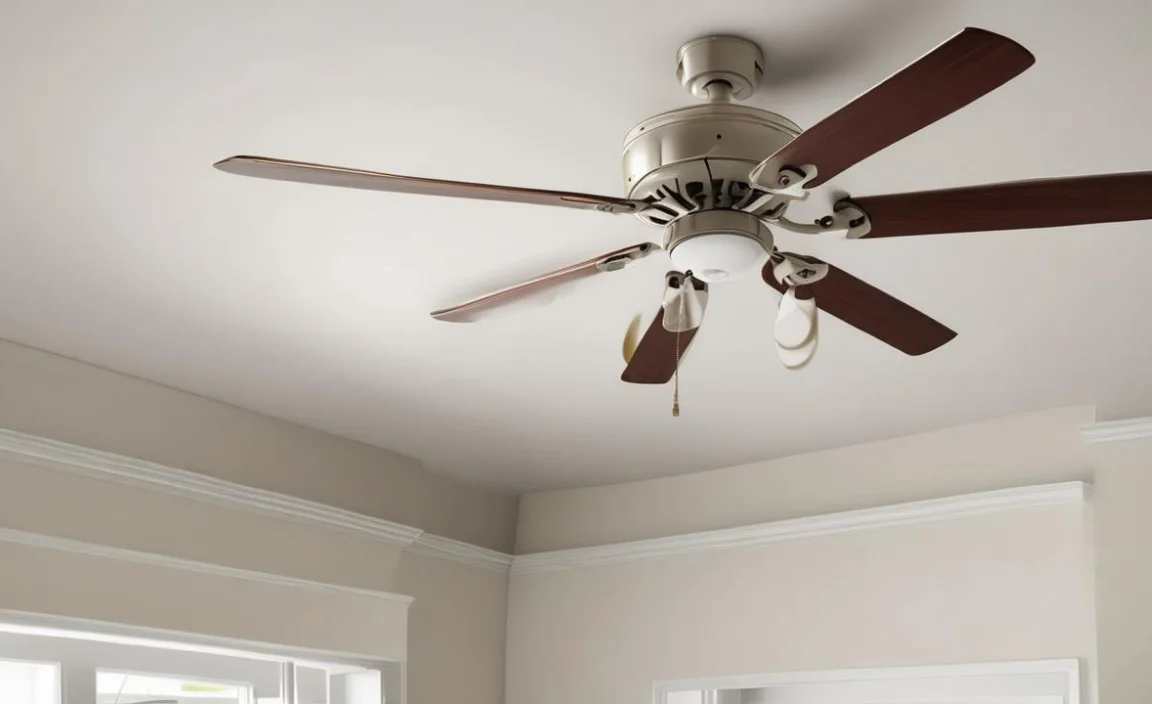
A ceiling fan that wobbles is a big warning sign. It means something is wrong. The fan should spin smoothly. If it shakes, check the screws and brackets. A loose screw can lead to a fan falling. Fans can wobble for many reasons. Sometimes, the blades are bent or not balanced. It’s important to fix these issues quickly.
- Wobbling fans may need balancing weights.
- Noises can mean loose parts or worn-out bearings.
- Check if the fan shakes when it’s on high speed.
- Fans should not make creaking or clicking sounds.
- Always turn off the fan if it looks unsafe.
It is essential to act if you notice these signs. Waiting can lead to bigger problems. A falling fan can hurt someone or damage furniture. Regular maintenance can help keep your ceiling fan safe. Always check your ceiling fan at least once a year. This can help you find any issues before they become serious.
Fun Fact or Stat: Ceiling fans can fall if their weight distribution is off!
Checking for Loose Parts
Have you ever looked closely at your ceiling fan? Loose parts can be hard to see. But they are a main reason why fans fall. You can start by checking the screws. Make sure they are tight. If they are loose, tighten them with a screwdriver. Next, check the mounting bracket. This holds the fan to the ceiling. A loose bracket can lead to a falling fan.
Always look for signs of wear, too. If you see rust or damage, it’s time to replace parts. A small repair can prevent a big accident.
Fun Fact or Stat: Most ceiling fans have safety features to prevent falling!
Listening for Unusual Noises
Do you hear strange sounds from your ceiling fan? Listen closely! Creaking or rattling noises can mean trouble. These sounds may come from loose screws or worn-out parts. If you hear noises, don’t ignore them.
Try to find out where the sound is coming from. You might need to take off the fan cover. Check the inside for any loose pieces. Also, check the fan blades. If they are not balanced, they can make noise.
Taking action right away can save you from a falling fan.
Fun Fact or Stat: Ceiling fans can last more than 10 years with proper care!
Inspecting the Blades and Motor
Have you checked your fan blades lately? They play an important role. If the blades are damaged, they can cause problems. Look for cracks or bends. Damaged blades can throw off the balance of the fan.
Next, check the motor. If it’s making noise, it might need oil. A well-oiled motor works better and lasts longer. If the motor shows signs of wear, consider getting a new fan.
Regular checks can prevent a falling fan. Always keep your fan clean and well-maintained.
Fun Fact or Stat: Fans with balanced blades run smoother and last longer!
Preventive Measures for Ceiling Fans
Preventing accidents is always better than fixing them. Regular checks can keep your ceiling fan safe. Always make sure it is properly installed. If you don’t feel comfortable doing it yourself, hire a professional. A good installation can prevent many problems.
You can also use balancing kits. These kits help redistribute weight on the fan blades. It can help stop wobbling and noise.
Additionally, keep the area around your fan clear. Don’t hang anything from the fan. This can add extra weight and make it unsafe.
- Hire a pro for installation if unsure.
- Use balancing kits to help stabilize your fan.
- Keep the area around the fan clear of clutter.
- Regularly check for signs of wear on all parts.
- Replace damaged parts immediately to prevent falls.
By taking these steps, you can prevent accidents. Knowing the signs can help you stay safe. Remember to keep checking your ceiling fan often.
Fun Fact or Stat: Proper maintenance can extend a ceiling fan’s life by years!
Regular Maintenance Tips
Do you know how to take care of your ceiling fan? Regular maintenance is key! Start by dusting the blades. Dust can make the fan unbalanced. Use a soft cloth or a vacuum with a brush.
Next, check the screws and brackets. Over time, they can loosen. It only takes a minute to tighten them. Also, check the light bulbs if your fan has lights. Make sure they are working properly.
Finally, oil the motor if needed. A well-oiled motor runs smoother and lasts longer. Regular maintenance can save you money and keep your fan safe.
Fun Fact or Stat: Most fans need oiling every few years!
When to Call a Professional
When should you call a professional? If you see signs of wear that you can’t fix, get help. A professional can safely check your fan. They can identify problems that you might miss.
It’s also a good idea if you want to install a new fan. A new fan should be installed correctly to avoid issues. Always consider hiring someone if you are unsure.
Don’t wait for a problem to get worse. Calling a professional can save you from accidents later.
Fun Fact or Stat: A professional can help extend the life of your ceiling fan!
Understanding the Risks of a Falling Fan
Ceiling fans can be dangerous if they fall. They can injure someone or break things. It is important to understand the risks. A falling fan can cause serious injuries. Young children and pets are especially at risk.
Always keep an eye on the fan. If something seems off, don’t use it. This can prevent accidents before they happen.
If a ceiling fan does fall, what should you do? Call for help immediately. Seek medical attention if someone gets hurt.
Understanding the risks and acting early can save lives.
- Injuries can happen if a fan falls.
- Children and pets are most at risk.
- Watch for signs of wear to avoid accidents.
- Call for help if there is an injury.
- Always prioritize safety around ceiling fans.
By being aware of these risks, you can protect yourself and others. Always take safety seriously when it comes to ceiling fans.
Fun Fact or Stat: Ceiling fans can weigh around 25 pounds!
The Importance of Safety Measures
Safety should always come first. Ceiling fans can be safe if you take precautions. Start by checking your fan regularly. You can prevent accidents before they happen.
Make sure everyone in your home knows the signs. Educate your family about ceiling fan safety. This includes checking for loose parts or unusual noises.
Encourage kids to stay away from fans while they are running. Explain why it is important to be cautious.
With everyone aware of the risks, you can enjoy your ceiling fan safely.
Fun Fact or Stat: Simple checks can keep your home safe!
Emergency Procedures for Fan Falls
What do you do if a fan falls? First, ensure everyone is safe. Check for injuries before anything else. If someone is hurt, call for help right away.
Next, assess the damage. If the fan is broken, don’t try to fix it yourself. Contact a professional to handle repairs.
Always remember to keep emergency numbers handy. This way, you can act quickly.
Staying calm can help you manage the situation better. Knowing what to do can save lives.
Fun Fact or Stat: Many people are injured each year by falling objects!
Ceiling Fan Safety Guidelines
Safety guidelines can help keep your fan secure. Start with a proper installation. Make sure the fan is mounted correctly. This can prevent many problems later on.
Check the fan’s weight limit. Some fans may not hold extra weight. Avoid hanging items from the fan.
Keep the fan clean and dust-free. Dust can affect balance and safety. Every few months, inspect the fan closely.
Educating your family about safety is also important. Teach them how to spot problems.
- Always mount the fan correctly for safety.
- Avoid adding weight to the ceiling fan.
- Dust the fan to keep it balanced.
- Teach family members the signs of problems.
- Regularly inspect the fan for wear and tear.
Following these guidelines can help prevent accidents. It’s better to be safe than sorry when it comes to ceiling fans.
Fun Fact or Stat: Following safety guidelines can prevent over 75% of accidents!
Choosing the Right Ceiling Fan
Picking the right ceiling fan is important. Look for quality materials. Fans made from sturdy materials are safer.
Consider the size of the room too. A large fan in a small room might wobble. Always check the weight limit.
Also, think about the style you want. Fans come in many designs. You want one that fits your home’s look.
Safety and style can go hand in hand.
Fun Fact or Stat: A good ceiling fan can lower energy bills!
Using Ceiling Fans Properly
Do you know how to use ceiling fans correctly? A ceiling fan should rotate counterclockwise in summer. This creates a cool breeze. In winter, use the reverse setting. This helps to circulate warm air.
Always turn off the fan when you leave the room. This saves energy.
Make sure to stay aware of your fan’s condition. Regular checks can help keep everyone safe.
Using your ceiling fan properly can keep you comfortable and safe.
Fun Fact or Stat: Ceiling fans can lower temperatures by as much as 5 degrees!
Summary
In this article, we explored the ceiling fan falling from ceiling signs to look for. We learned about wobbling fans, unusual noises, and loose parts. Regular maintenance is essential for safety. Always check your fan to prevent accidents. Knowing the signs can keep your family safe. Prioritizing safety is key to enjoying your ceiling fan.
Conclusion
Paying attention to your ceiling fan can save lives. Knowing the ceiling fan falling from ceiling signs to look for is crucial. Regular checks can prevent accidents and injuries. Always prioritize safety around your ceiling fans. Keeping your home safe is important for everyone.
Frequently Asked Questions
Question No 1: What are the signs of a falling ceiling fan?
Answer: Signs of a falling ceiling fan include wobbling, unusual noises, and loose parts. If you notice any of these signs, it’s important to check your fan immediately. Regular maintenance can help you spot these issues early. Always stay alert for changes in how your fan operates.
Question No 2: How can I prevent my ceiling fan from falling?
Answer: To prevent your ceiling fan from falling, regularly check for loose screws and brackets. Keep the fan clean and balanced. Install it correctly and check the weight limit. If you’re unsure, call a professional for help. Regular maintenance can keep your fan secure.
Question No 3: What should I do if my ceiling fan falls?
Answer: If your ceiling fan falls, check everyone for injuries first. Call for help if someone is hurt. After that, assess the damage. Don’t try to fix it yourself. Always keep emergency numbers handy. Knowing what to do can help you manage the situation better.
Question No 4: How often should I check my ceiling fan?
Answer: You should check your ceiling fan at least once a year. Regular checks can help you spot any issues early. Look for wobbling, loose screws, and unusual noises. Keeping an eye on your fan can prevent accidents in the future.
Question No 5: Can a ceiling fan cause serious injuries?
Answer: Yes, a falling ceiling fan can cause serious injuries. It can hurt someone or break things. Young children and pets are especially at risk. Always prioritize safety and regularly check your fan for signs of wear. This can help prevent accidents.
Question No 6: What materials are best for ceiling fans?
Answer: The best materials for ceiling fans are sturdy and durable options. Fans made from metal or quality wood are safer. Avoid plastic fans as they may not last long. Choosing the right materials can enhance safety and the lifespan of your ceiling fan.

