Air compressors are important machines. They help power tools and inflate tires. But do you know the terms SCFM and CFM? Many people confuse them. Both are about air flow, but they are not the same. Understanding the difference between SCFM and CFM in air compressors is key for choosing the right machine.
What if you have a big job? Do you need more air flow? This is where SCFM and CFM come into play. Knowing these terms can save you time and money. Let’s dive in and learn more.
Key Takeaways
- SCFM stands for Standard Cubic Feet per Minute.
- CFM means Cubic Feet per Minute.
- The difference between SCFM and CFM in air compressors matters.
- Air temperature affects both SCFM and CFM.
- Choose the right measurement for your needs.
Understanding SCFM in Air Compressors
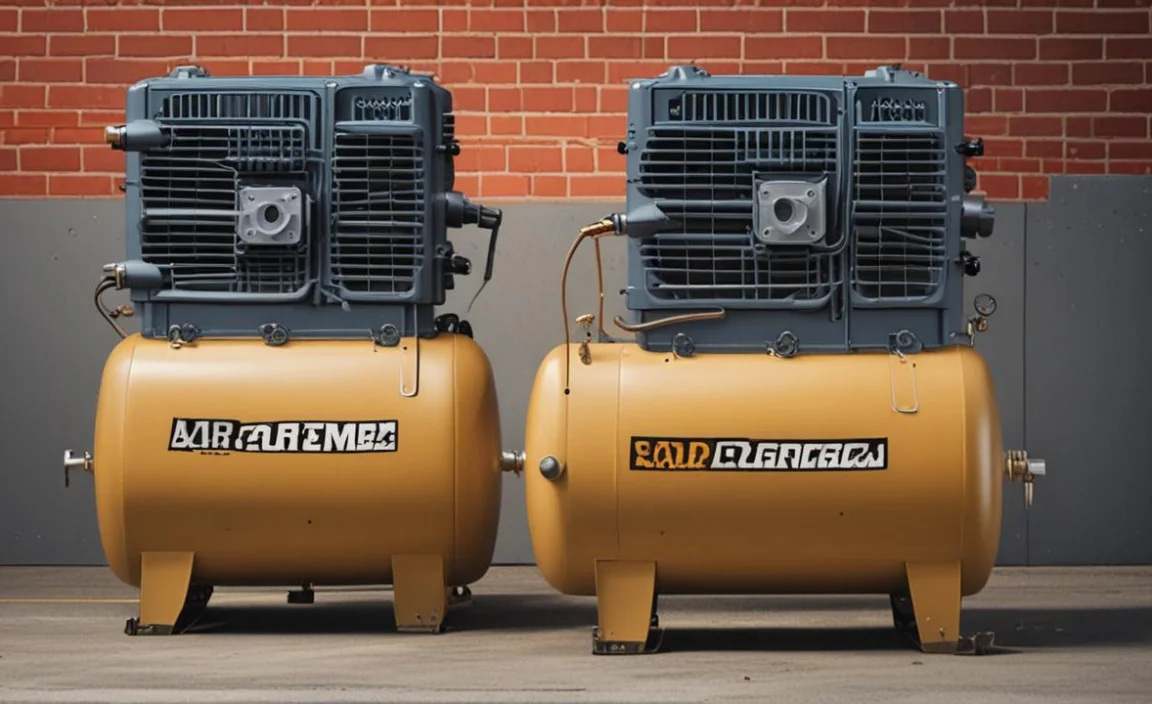
SCFM is an important measurement in air compressors. It tells you how much air flows under standard conditions. These conditions include a specific temperature and pressure. SCFM helps users compare air compressors fairly. You can make better choices about which compressor to buy. This measurement is useful for many tasks. For instance, if you want to fill up a tire quickly, you need to know about SCFM.
- SCFM is measured at standard conditions.
- This measurement helps with accurate comparisons.
- Higher SCFM means more air flow.
- SCFM considers temperature and humidity.
- Tools may require specific SCFM ratings.
Understanding SCFM gives you better control over your air compressor. It helps you pick tools that match your needs. Always check SCFM ratings when buying a compressor. This ensures you have enough air flow for your jobs.
Fun Fact or Stat: SCFM can change based on pressure and temperature!
Why SCFM Matters in Real Life
Have you ever used an air compressor? You might not know how SCFM helps. Picture this: you are inflating a large tire. If your compressor has low SCFM, it takes longer to fill. This can be frustrating when you are in a hurry. Knowing about SCFM helps you choose the right compressor for quick tasks.
Using SCFM correctly can save you time and effort. It allows you to finish jobs faster. Choose a compressor with high SCFM for larger tasks.
Common Uses for SCFM Ratings
Many tools use SCFM. Nail guns, spray guns, and air wrenches rely on it. Each tool has a specific SCFM requirement. If your compressor does not meet this, it won’t work well. For example, a nail gun may need 2 SCFM. If your compressor only gives 1.5, it will struggle.
When buying tools, always check the SCFM needed. This ensures you have a good match. If your compressor has low SCFM, consider upgrading.
How to Calculate SCFM
Calculating SCFM may sound tricky, but it’s not! You need to know the air pressure and temperature. Use this formula: SCFM = (CFM × Pressure) / Standard Pressure. It sounds complex, but it’s simple with a calculator. This calculation helps you find the SCFM you need.
Remember, SCFM varies with changes in pressure and temperature. Regular checks can keep your tools working well.
Understanding CFM in Air Compressors
CFM means Cubic Feet per Minute. It measures how much air flows from the compressor. Unlike SCFM, CFM does not consider temperature or pressure. This means it can vary based on conditions. So, when you see a CFM rating, know it’s affected by the environment.
CFM is important for many applications. It helps users understand how much air their compressor provides. A higher CFM means a more powerful compressor. This is useful for heavy-duty tasks.
- CFM measures air flow without standard conditions.
- Tools often list their CFM needs.
- Understanding CFM helps in choosing tools.
- Different tasks need different CFM levels.
- CFM can change based on temperature.
Knowing about CFM allows you to choose the right compressor. It ensures you have enough air flow for your tasks. Always check the CFM rating and match it with your tools.
Fun Fact or Stat: CFM ratings can be affected by the compressor’s design!
How CFM Affects Tool Performance
Imagine using a spray gun. If the spray gun needs 5 CFM, but your compressor only provides 3 CFM, it won’t work well. CFM is crucial for ensuring your tools function properly. Always check the CFM requirements before buying a compressor.
Using tools with the right CFM means fewer headaches. You can complete jobs without interruptions. This makes your work more efficient.
Ways to Measure CFM
Measuring CFM can help you understand your compressor’s power. One way is to use a flow meter. This tool measures the air flow directly. You can also check the manufacturer’s specifications. They often provide CFM ratings for their compressors.
Another method is to use a stopwatch and a container. Fill the container with air over a set time. Divide the volume by the time to find CFM.
Common CFM Ratings for Tools
Different tools have different CFM ratings. For example, an air wrench needs about 4 CFM. A spray painter may need 10 CFM. Knowing these ratings helps you buy the right compressor.
Make a list of your tools and their CFM needs. This guides you in choosing a compressor that matches them.
The Difference Between SCFM and CFM in Air Compressors

Now that we know about SCFM and CFM, let’s compare them. The main difference is how they measure air flow. SCFM uses standard conditions, while CFM does not. Many people find this confusing. It is vital to know these differences when buying tools.
If you need steady air flow, SCFM is crucial. For general tasks, CFM may be enough. Always consider your needs when choosing which measurement to follow.
- SCFM is more precise for comparisons.
- CFM can change based on conditions.
- Both are important for selecting tools.
- SCFM is ideal for consistent performance.
- CFM is great for general use.
By understanding the difference between SCFM and CFM in air compressors, you can make informed choices. Pick the right tools for your tasks. This ensures that you have the right air flow for everything you do.
Fun Fact or Stat: Some tools work better with SCFM over CFM ratings!
When to Use SCFM vs. CFM
When should you use SCFM? If you are using tools that need steady air flow, SCFM is best. For example, a nail gun may work best with SCFM. This ensures consistent performance.
On the other hand, if you have general tasks, CFM will do. A tire inflator may only need CFM. It is important to match the right measurement with the tools you use.
Real-World Comparisons
Consider using a compressor to power tools. If a tool needs 8 CFM, it’s better to have 10 CFM for flexibility. If the tool requires 4 SCFM, have a compressor rated for 5 or more. This ensures you don’t run into problems.
When buying a compressor, check both CFM and SCFM ratings. This will help you find the best fit for your tasks.
Common Misunderstandings
Many people think CFM and SCFM are the same. This is not true. CFM can change based on pressure, while SCFM remains constant.
Mismatching these ratings can lead to problems. For example, using a compressor with low SCFM for a high-demand tool can cause issues. Always pay close attention to each measurement.
Choosing the Right Air Compressor
Choosing the right air compressor can be tricky. You must consider both CFM and SCFM. Think about the tools you plan to use. This will help you find the right compressor.
Look for a compressor with enough CFM for your tasks. If you need to maintain a steady air flow, check SCFM. This ensures you have enough air for your needs.
- Know your tools’ CFM and SCFM needs.
- Choose compressors based on these ratings.
- Check reviews and specifications carefully.
- Consider future needs and upgrades.
- Don’t rush your decision; take your time.
A good air compressor is essential for many tasks. It powers tools and inflates things quickly. When you know how to choose one, you can save time and effort. This is key to finishing jobs successfully.
Fun Fact or Stat: A good compressor can last a decade or more!
Assessing Your Needs
Before you buy a compressor, think about your needs. What tools will you use? Are they high-demand or low-demand tools? Understanding this helps you choose wisely.
Make a list of your tools and their CFM or SCFM needs. This list will guide you in selecting the right compressor.
The Importance of Reliability
A reliable compressor is key for many projects. If your compressor fails, it can slow down your work. Always choose a compressor with good reviews. This helps ensure that your tool works when you need it.
When you have a reliable compressor, you can finish jobs efficiently. This reduces stress and makes work more enjoyable.
Budgeting for Your Compressor
Budget is an important factor when buying a compressor. You need to find the best value for your money. Look for compressors that meet your needs without breaking the bank.
Consider both CFM and SCFM ratings when budgeting. A slightly higher investment can save you money long-term by ensuring efficiency.
Common Applications for Air Compressors
Air compressors are used everywhere. From workshops to home garages, they help with many tasks. Common uses include inflating tires, powering nail guns, and running air tools. Knowing how to choose the right compressor helps in these tasks.
Different projects require different CFM and SCFM ratings. Always check your tool specifications before choosing a compressor.
- Air compressors inflate tires and sports equipment.
- They power pneumatic tools like nailers.
- Many use them for spray painting.
- They help in cleaning with air blasts.
- Air compressors are essential in workshops.
With so many applications, air compressors are vital tools. They make tasks easier and quicker. Knowing how to choose the right one is essential for success.
Fun Fact or Stat: Air compressors were invented in the 19th century!
Inflating Tires Efficiently
Inflating tires is a common use for air compressors. You need to know the PSI required for your tires. A good compressor can inflate them quickly.
Using a compressor with the right CFM ensures efficiency. You can get back on the road faster.
Powering Tools with Air Compressors
Many tools need air power to function. Nail guns, impact wrenches, and air hammers depend on it. If the compressor doesn’t provide enough air flow, the tools will not work well.
Choosing a compressor with high CFM ensures your tools run smoothly. This makes your work easier and quicker.
Using Air Compressors for Painting
If you enjoy painting, you might use a spray gun. These tools usually need higher CFM ratings. When using a spray gun, ensure your compressor meets the requirements.
A good compressor will provide a smooth finish. This makes your painting projects look more professional.
Summary
Understanding the difference between SCFM and CFM in air compressors is important. SCFM measures air flow under standard conditions, while CFM does not. Knowing these terms helps you choose the right compressor for your tasks. Always check the ratings before making a purchase. This ensures you have enough air flow to complete your projects successfully.
Conclusion
In summary, knowing the difference between SCFM and CFM in air compressors helps you make informed choices. Always check the ratings for the tools you plan to use. This ensures you have the right air flow for your needs. Make smart decisions, and your projects will be more efficient.
Frequently Asked Questions
Question No 1: What is SCFM?
Answer: SCFM stands for Standard Cubic Feet per Minute. It measures air flow under specific conditions. This allows for accurate comparisons between compressors. If you need steady air flow, SCFM is the way to go. It ensures tools work as expected. Understanding SCFM can save time and effort in your projects.
Question No 2: How does CFM differ from SCFM?
Answer: CFM stands for Cubic Feet per Minute. Unlike SCFM, it does not account for standard conditions. This means CFM can vary based on temperature and pressure. Understanding the difference between SCFM and CFM in air compressors is important for choosing the right tool. Always check ratings for both measurements when buying equipment.
Question No 3: Why is SCFM important for air tools?
Answer: SCFM is crucial for air tools because it provides a steady air flow. Tools like nail guns and spray guns require specific SCFM to function properly. If the compressor does not provide enough SCFM, the tools may underperform. This is why understanding the difference between SCFM and CFM in air compressors matters when selecting equipment.
Question No 4: Can I use CFM ratings for my tools?
Answer: Yes, you can use CFM ratings for your tools. However, remember that CFM does not consider standard conditions. This means it can change based on temperature or pressure. Always check your tools’ requirements and match them with the compressor’s ratings. This helps ensure proper performance during use.
Question No 5: How do I find the right compressor for my needs?
Answer: To find the right compressor, list your tools and their CFM or SCFM needs. Compare this with compressor ratings. Choose a compressor that meets or exceeds these ratings. This ensures that you have enough air flow for your tasks. Understanding the difference between SCFM and CFM in air compressors is key to making the best choice.
Question No 6: What tools typically need SCFM ratings?
Answer: Tools that usually need SCFM ratings include nail guns, spray guns, and certain air tools. These tools require steady air flow for optimal performance. If the compressor does not provide sufficient SCFM, the tools may not function as expected. Knowing the difference between SCFM and CFM in air compressors helps you choose the right tools for your tasks.

