Air compressors help us perform many tasks. They power tools like nail guns and spray guns. Did you know that some air compressors are quieter than others? This is where the difference between low noise and standard air compressors comes in. Understanding this difference can help you pick the right air compressor for your needs.
Some people use air compressors inside. Others use them outside. If you use one inside, noise might be a problem. You don’t want a loud machine in your garage or workshop. A low noise air compressor can help with this. It can run quietly while you work.
On the other hand, standard air compressors are often louder. They may be fine for outdoor jobs, but they can disturb others nearby. Knowing the difference between low noise and standard air compressors is important. Let’s explore this topic further.
Key Takeaways
- Low noise air compressors are quieter than standard models.
- Standard air compressors often produce loud sounds.
- Choose low noise for indoor use to avoid disturbance.
- Standard compressors may have better power and speed.
- Noise levels impact your comfort while working.
Understanding Low Noise Air Compressors
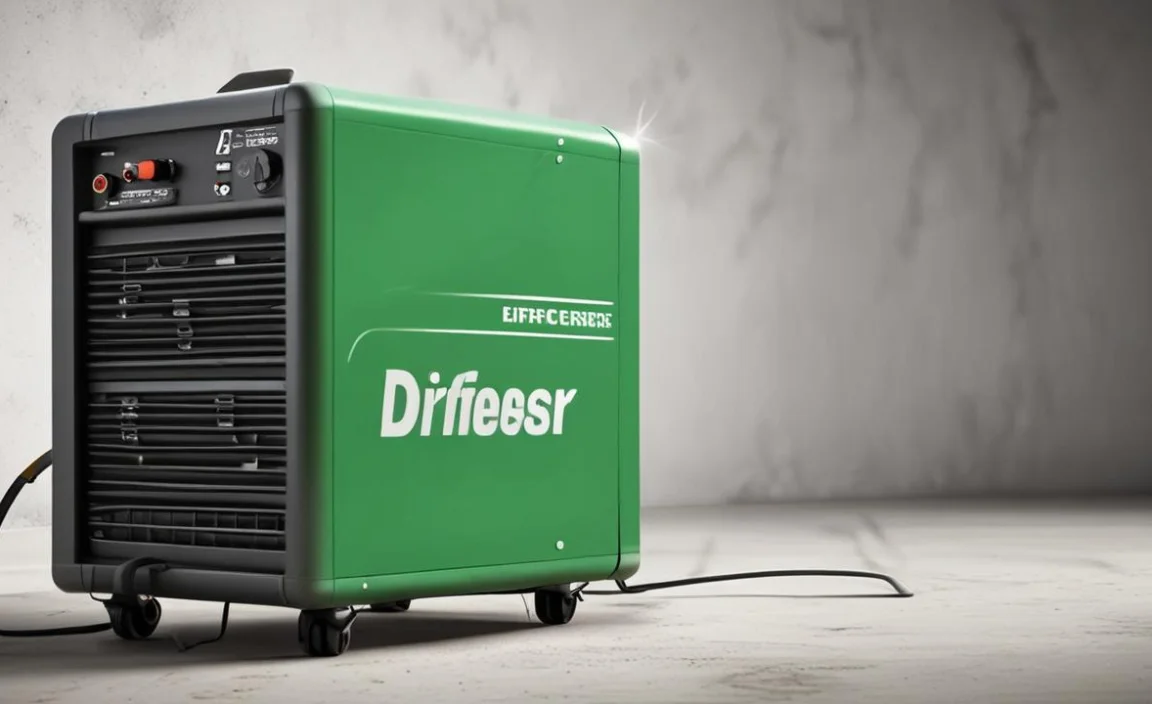
Low noise air compressors are designed to run quietly. They are perfect for indoor work. Many people use them in garages or workshops. These compressors use special designs to minimize sound. They can operate at lower decibel levels than standard models. This makes them more pleasant to use.
Low noise compressors often have:
- Sound-dampening materials in their design.
- Lower RPM motors to reduce noise levels.
- Better insulation around the compressor.
- Special mufflers to lessen sound.
- Advanced engineering to limit vibrations.
When you need a quiet air compressor, look for these features. They help keep noise to a minimum. This is especially useful if you live in a small space. You can work without bothering others nearby. Low noise air compressors are a smart choice for many users.
Fun Fact or Stat: Some low noise air compressors operate at only 50 decibels. That’s like a quiet library!
What Makes Them Quieter?
Have you ever wondered why some machines are quieter than others? Low noise air compressors use smart engineering. They include special materials and designs. These help absorb sound. This means you can work without much distraction.
Some of these compressors have added insulation. This keeps the noise inside the machine. Others use quieter motors. Lower RPM motors run slower and produce less noise. This design makes a big difference in the sounds you hear.
Not only do they run quietly, but they also work well. You can get the power you need without the loud sounds. This is great for environments where noise matters.
When to Choose Low Noise Compressors
Choosing the right air compressor depends on where you work. If you have a workshop in your home, a low noise compressor is best. It allows you to use tools without disturbing anyone. Imagine working on a project while your family watches TV. A quiet compressor won’t interrupt them.
Low noise compressors are also good for professional settings. For example, if you run a car repair shop, customers will appreciate a quieter environment. It can improve their experience while they wait.
In contrast, if you work outdoors, noise might not be a big deal. You may even prefer the power of a standard air compressor. But for indoor use, low noise is ideal.
Benefits of Low Noise Compressors
Low noise air compressors offer many benefits. First, they create a calm work environment. You can focus better when it is quiet. This can lead to improved work quality.
Second, they are often more user-friendly. People are less likely to feel annoyed by the sounds. This makes working with the compressor more enjoyable.
Additionally, they can be more suitable for home use. If you live in a neighborhood, you want to respect your neighbors. Using a low noise compressor helps you do that.
Lastly, some low noise models are energy-efficient. They might use less power compared to standard compressors. This can help save money on electricity bills.
Fun Fact or Stat: Low noise air compressors can save you up to 30% in energy costs.
Exploring Standard Air Compressors
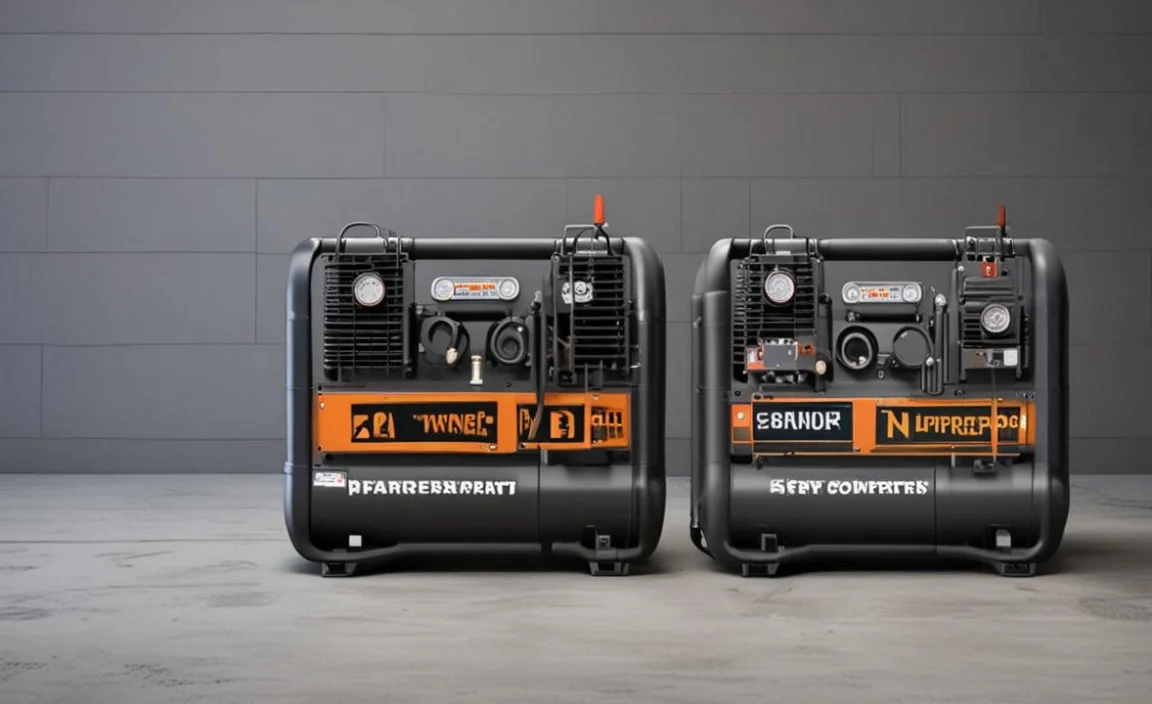
Standard air compressors are more common. They are often more powerful than low noise models. Many people use them for heavy-duty tasks. These compressors can handle large jobs quickly. However, they can be quite loud.
Standard compressors usually operate at higher decibel levels. This can cause noise issues, especially indoors. If you are working in a crowded area, this can be a problem. Many people find the noise annoying.
Some people prefer standard compressors for their power. They often have robust motors and can fill air tanks quickly. However, the loud sounds can create an uncomfortable workspace. If you need power and speed, be ready for the noise.
- Standard compressors are great for heavy-duty tasks.
- They often produce more air pressure than low noise models.
- Standard models are usually cheaper to buy.
- They may have faster fill times for air tanks.
- Noise levels can reach 90 decibels or more.
In summary, standard air compressors are powerful machines. They are suitable for many tasks, but they come with noise. If you have a big job, they may be the right choice. However, if you work in a quiet environment, you might want to reconsider. Noise can really affect how well you can work.
Fun Fact or Stat: Standard air compressors can reach sound levels over 90 decibels. That’s as loud as a lawnmower!
Power vs. Noise
Have you ever faced a tough choice between power and noise? Standard air compressors often win for power. They can perform heavy tasks quickly. But, they can also be very loud.
Many users choose standard models when they need quick results. If you have a big project, you want to finish fast. However, loud noise can be a disturbance. This can be a problem in residential areas.
When deciding, think about where you will use the compressor. Do you need it for outdoor work? A standard model may be just fine. But if you are working indoors, consider the noise factor.
Cost Differences in Air Compressors
Cost is an important factor when buying an air compressor. Standard air compressors are often less expensive. This is because they do not have special features for noise reduction.
Low noise air compressors can be pricier. They include advanced technology and soundproofing. But think about what you need. If you work indoors, the extra cost may be worth it.
In the long run, a quieter compressor can improve your work environment. It can also keep your neighbors happy. So, while the price is important, consider your situation.
Ideal Uses for Standard Compressors
Standard air compressors have many uses. They are often found in construction sites. Workers use them for tools like nail guns and sprayers. These tools need high air pressure to work well.
Another common use is in automotive shops. Mechanics rely on powerful compressors to run tools. Standard models can fill air tanks fast and keep up with heavy work.
However, using these compressors indoors can be tough. Noise can be distracting and annoying. If you work in a busy environment, you need a quiet solution. But for outdoor tasks, a standard compressor is often the best choice.
Fun Fact or Stat: Standard air compressors are used in most construction sites.
Comparing Noise Levels
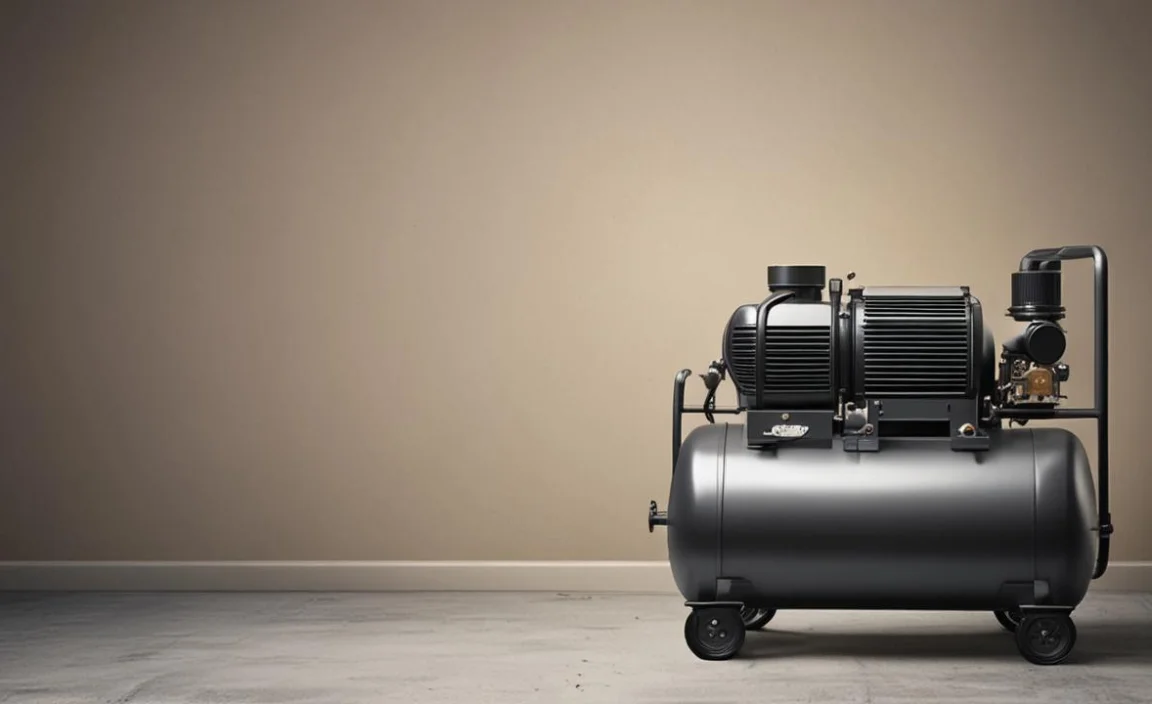
When buying an air compressor, noise levels matter. Let’s compare the noise levels of low noise and standard air compressors. The table below shows the differences in decibels.
| Type of Compressor | Typical Noise Levels (dB) | Best Use | Typical Price Range |
|---|---|---|---|
| Low Noise Compressor | 50-70 dB | Indoor use | $200 – $600 |
| Standard Compressor | 70-95 dB | Outdoor use | $100 – $400 |
| Heavy Duty Compressor | 90-110 dB | Industrial use | $500 – $1,500 |
| Portable Compressor | 60-80 dB | Various uses | $150 – $300 |
As you can see, low noise compressors are quieter. They are great for indoor use. In contrast, standard compressors create more noise. They work well for heavy tasks outdoors. Knowing the noise levels helps you choose wisely.
Fun Fact or Stat: A difference of 10 dB means the sound is twice as loud!
Decibel Levels Explained
Decibels measure sound levels. The higher the number, the louder the sound. For example, a whisper is about 30 dB. A normal conversation is around 60 dB.
Low noise air compressors usually run around 50-70 dB. This means they are quiet but still effective.
Standard compressors often run at 70-95 dB. This is much louder and can be annoying. Imagine working in a quiet room and suddenly hearing a loud air compressor. It can be very distracting!
Understanding decibel levels helps you decide what you need. If you want a peaceful workspace, go for the lower noise levels.
Importance of Noise Control
Controlling noise is important for many reasons. First, loud sounds can be annoying and distracting. This can make it hard to focus on your work.
Second, too much noise can harm your hearing over time. Working around loud machines without protection can lead to problems. It’s smart to choose a quieter compressor.
Finally, if you work in a neighborhood, noise can annoy your neighbors. They might complain if you use a loud air compressor. Choosing low noise models can help you avoid this issue.
Choosing Based on Environment
When picking an air compressor, think about your environment. If you work indoors, a low noise compressor is best. It will not disturb your family or coworkers.
If you work outside, the noise might not be a problem. In this case, a standard model could be a better choice.
Think about where you will use the compressor most. If it’s mostly indoors, choose low noise. But if you work outside often, standard may be the way to go.
Fun Fact or Stat: Quieter machines can improve your focus and productivity!
How to Choose the Right Compressor
Choosing the right air compressor can be tricky. Always consider the noise level first. If you work in a quiet space, get a low noise model. If you need power, see if you can manage the noise.
Next, think about the tasks you will do. Will you use it for small jobs or heavy-duty work? Standard compressors may be better for larger tasks. Low noise models are often best for light work or home use.
Lastly, check the price. You want a compressor that fits your budget. But remember, a quiet machine may cost a bit more.
- Consider where you will use the compressor.
- Think about the tasks you need it for.
- Check the noise levels before buying.
- Look for additional features that may help.
- Make sure it fits your budget.
When you follow these steps, you can find the right air compressor. Think about your needs and you can make a good choice. This way, you will be happy with your purchase.
Fun Fact or Stat: Choosing the right compressor can save you time and money.
Read Reviews Before Buying
Reading reviews can help you choose the right air compressor. Many people share their experiences online. You can learn from them before making a decision.
Look for reviews that mention noise levels. See what others say about using the compressors indoors or outdoors. Some people may share stories about how loud the compressor was.
You can also find comparisons between low noise and standard models. This information can help you understand which one is better for your needs.
Overall, reading reviews gives you a clearer idea of what to expect. Make sure to check multiple sources to get a well-rounded view.
Getting Expert Advice
Sometimes, it’s good to get expert advice. If you are unsure about which air compressor to buy, ask a professional. They can help you understand the differences.
Experts know about noise levels, power, and features. They can point you to the best options based on your needs. You can find experts at local hardware stores or online forums.
Don’t hesitate to ask questions. The more you know, the better your choice will be. Buying the right air compressor can make a big difference in your projects.
Testing Noise Levels
If you can, test the compressors before buying. Many stores allow you to hear the noise levels. This way, you can hear how loud or quiet they are.
Bring a friend or family member with you. They can help you decide which compressor is right for you.
Testing the noise levels gives you a real sense of how the machine will work. It’s much better than just reading a number on a label. You want to ensure it will fit your needs.
Fun Fact or Stat: Many stores allow you to test machines for noise before buying!
Summary of the Differences
The difference between low noise and standard air compressors is clear. Low noise compressors are quieter and ideal for indoor use. They create a calm work environment. Standard compressors are more powerful but can be very loud. They work well for outdoor tasks.
When deciding, consider your needs. Think about where you will use the compressor. Also, think about the noise levels. If you choose wisely, you’ll find the perfect air compressor for your tasks.
Conclusion
In conclusion, understanding the difference between low noise and standard air compressors is important. Low noise air compressors are great for indoor use. They keep the noise level down while you work. Standard compressors are powerful but can be loud. Always consider your workspace when making your choice.
Frequently Asked Questions
Question No 1: What is a low noise air compressor?
A low noise air compressor runs quietly, usually between 50-70 decibels. This makes it perfect for indoor use. You can work without disturbing others around you. It’s a great choice for home workshops or garages.
Question No 2: How loud are standard air compressors?
Standard air compressors can be quite loud. They usually run at 70-95 decibels. This is often too loud for indoor work. If you are using one outside, it might not matter as much.
Question No 3: What are the benefits of a low noise compressor?
Low noise compressors help create a peaceful workspace. They are quieter, making them user-friendly. This is especially helpful in a home or shared environment. They can also save on energy costs and help avoid disturbing neighbors.
Question No 4: Can I use a standard compressor indoors?
You can use a standard compressor indoors, but it may be too loud. Most standard models produce noise levels that can disturb others. If you work in a quiet area, consider a low noise option instead.
Question No 5: Are low noise compressors more expensive?
Yes, low noise air compressors tend to cost more. They include special features and designs to reduce noise. However, if you need quiet while working, the extra cost can be worth it.
Question No 6: How do I choose between low noise and standard compressors?
Think about where you will use the compressor. If you need it indoors, a low noise model is best. If you need more power for outdoor tasks, a standard model may work better for you.

