Resetting the thermal overload switch on an air compressor can be a bit tricky. Have you ever seen your air compressor stop working suddenly? It can be frustrating! One common reason for this is the thermal overload switch. This switch stops the compressor to prevent it from overheating. If you know how to reset it, you can get your compressor running again in no time.
Many people don’t realize how important this switch is. It helps keep the machine safe. When the compressor gets too hot, it shuts off. You might need to reset the thermal overload switch on your air compressor to make it work again. Let’s learn how to do this!
Key Takeaways
- Resetting the thermal overload switch is simple.
- Check for overheating before resetting.
- Follow steps carefully to reset correctly.
- Always unplug the air compressor first.
- Regular maintenance keeps your compressor safe.
Understanding the Thermal Overload Switch on Air Compressors
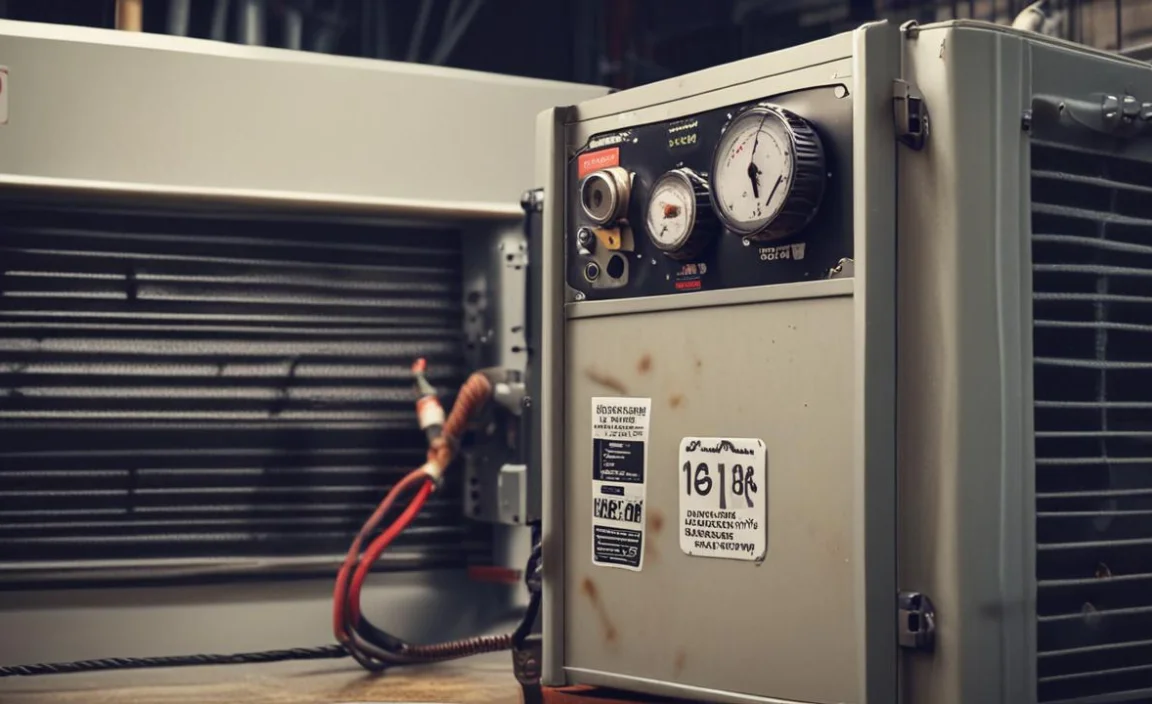
The thermal overload switch is a safety feature in air compressors. It stops the motor from running when it gets too hot. This can happen if the compressor runs for too long or has a blockage. When the switch activates, it protects the compressor from damage.
If you ignore the switch, the compressor may break. That’s why knowing about it is important. When you notice your compressor is not working, check the thermal overload switch. It could be the reason for your problem.
- Protects the motor from overheating.
- Helps avoid costly repairs.
- Can be reset once the compressor cools.
- Found in many types of air compressors.
- Important for safe operation.
Knowing the role of the thermal overload switch helps you understand your air compressor better. It’s a simple part, but it does a big job! If your air compressor stops, check this switch first. If it has tripped, wait for it to cool down. Then you can reset it and get back to work.
Fun Fact or Stat: The thermal overload switch can save your compressor from overheating!
What Causes the Thermal Overload to Trip?
Sometimes, air compressors stop because of the thermal overload switch. But what causes this switch to trip? Overworking the compressor is a big reason. When you use it for a long time without breaks, it can get hot.
Another reason is a clogged filter. If air cannot flow properly, the compressor heats up. Lastly, if the compressor is old, it may trip more easily. Keeping your compressor in good shape can help avoid these problems.
- Running for too long without breaks.
- Clogged air filters reduce airflow.
- Electrical issues can cause extra heat.
- Old compressors may trip more often.
- Using the wrong power supply can overheat it.
To keep your air compressor running well, check it often. Clean the filters and let it cool down when needed. This will help prevent the thermal overload switch from tripping. Remember, a little care goes a long way!
Fun Fact or Stat: Regular maintenance can extend the life of your air compressor!
How to Recognize a Tripped Switch
When the thermal overload switch trips, the compressor stops working. How do you know it has tripped? First, listen for any unusual sounds. If the motor is quiet, it might not be running.
Next, look for a reset button. This button is usually red or yellow. If it’s popped out, the switch has tripped. Lastly, check the compressor’s temperature. If it feels too hot, that’s a sign to let it cool down.
- Listen for sounds from the compressor.
- Look for a reset button on the machine.
- Check for excessive heat on the unit.
- Notice if the compressor is completely off.
- Wait a while to see if it cools down.
Knowing how to spot a tripped switch helps you take action quickly. Once you recognize the signs, you can reset the switch. This ensures your air compressor is ready for use when you need it.
Fun Fact or Stat: Most compressors have built-in indicators to show a tripped switch!
Steps to Reset the Thermal Overload Switch
Resetting the thermal overload switch is easy. First, make sure the compressor is unplugged. Safety comes first! Next, let the compressor cool down for about 20 minutes. This will allow the motor to return to a safe temperature.
After cooling, you will find the reset button. Press it firmly. If it clicks, that means it’s reset. Now, plug the compressor back in and turn it on.
- Unplug the air compressor from the outlet.
- Wait for about 20 minutes to cool.
- Find the reset button on the compressor.
- Press the reset button until you hear a click.
- Plug the compressor back in and test.
Following these steps helps you reset the thermal overload switch correctly. Always remember to prioritize safety. A few minutes of waiting can save you from a bigger problem.
Fun Fact or Stat: Most compressors have a reset button designed for user safety!
Tips for Preventing Overheating in Air Compressors
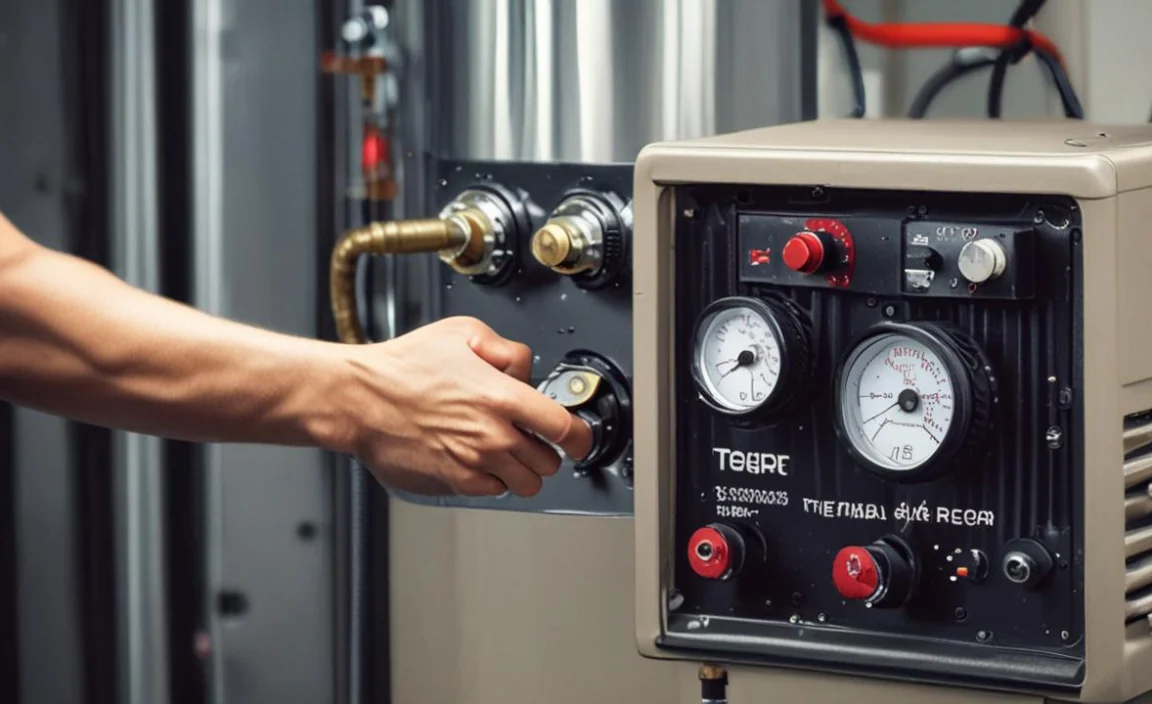
Preventing overheating is key to keeping your air compressor running well. There are simple steps you can take to keep it cool. First, always ensure proper ventilation. A well-ventilated area helps the compressor stay cool while working.
Next, clean the air filters regularly. Dust and dirt can block airflow. This causes the compressor to work harder, leading to overheating. Lastly, do not overload the compressor. Follow the manufacturer’s guidelines for usage.
- Keep the compressor in a cool, open space.
- Clean filters to ensure proper airflow.
- Follow usage guidelines carefully.
- Take breaks to let the compressor cool down.
- Check and maintain electrical connections periodically.
Taking these steps can help prevent the thermal overload switch from tripping. You will enjoy smoother operation and better performance. Regular checks make a big difference in keeping your air compressor healthy!
Fun Fact or Stat: A clean compressor runs more efficiently and lasts longer!
The Importance of Regular Maintenance
Regular maintenance is important for air compressors. It keeps everything running smoothly and safely. When you take care of your compressor, you avoid many problems, including overheating.
Changing the oil and cleaning filters are part of maintenance. This ensures the compressor works efficiently. Regular checks also help you spot potential issues before they become serious.
- Change oil as recommended by the manufacturer.
- Inspect hoses and connections for wear.
- Top up fluids when needed.
- Keep the area around the compressor tidy.
- Schedule professional checks every year.
By staying on top of maintenance tasks, you can avoid having to reset the thermal overload switch often. Good care leads to better performance and a longer life for your compressor.
Fun Fact or Stat: Regular maintenance can increase efficiency by up to 30%!
Benefits of Using an Air Compressor Safely
Using an air compressor safely has many benefits. First, it helps you avoid accidents. When you know how to manage your compressor, you protect yourself and others.
Next, proper use increases the lifespan of the equipment. You will not need frequent repairs or replacements. Lastly, safe practices improve efficiency. Your compressor will work better and use less energy.
- Avoid accidents by using safety gear.
- Read the manual to understand your compressor.
- Make sure the area is clear when using.
- Use the right attachments for your tasks.
- Teach others how to use the equipment safely.
When you focus on safety, you enjoy all the benefits of using an air compressor. You will have fewer problems and get more done. Safe use is smart use!
Fun Fact or Stat: A well-maintained air compressor can last over a decade!
Knowing When to Call for Help
Sometimes, you might need help with your air compressor. If resetting the thermal overload switch does not work, it is time to call an expert. Ignoring the problem can lead to bigger issues.
Look for signs that something is wrong. If your compressor keeps shutting off, this may indicate a deeper problem. Strange noises or smells can also be warning signs.
- Unusual noises could mean internal damage.
- Frequent shutdowns may indicate electrical issues.
- Burning smells are a sign of trouble.
- Leaks can lead to performance problems.
- Poor airflow may mean clogs or blockages.
Knowing when to ask for help protects your investment. It also ensures your compressor runs safely and effectively. Don’t hesitate to reach out when in doubt!
Fun Fact or Stat: Professional repairs can save you money in the long run!
Finding a Reliable Technician
Finding the right technician for air compressor issues is important. You want someone who is skilled and trustworthy. Start by asking friends or family for recommendations. They might know someone good.
Next, check online reviews. Many people share their experiences with local services. Look for someone who specializes in air compressors.
- Ask friends for trusted service recommendations.
- Search online for local technician reviews.
- Look for certifications and experience.
- Get quotes before making a decision.
- Choose someone with good customer service.
Finding a reliable technician can make repairs easier and faster. This ensures your air compressor gets the best care possible.
Fun Fact or Stat: Technicians can diagnose problems you may miss!
What to Expect from a Professional Repair
When you call a professional, they will inspect your air compressor. They will look for any issues like wear and tear. Expect them to ask questions about your compressor’s performance and symptoms.
Once they find the problem, they will explain the necessary repairs. They may replace parts or clean components.
- Expect a thorough inspection of your unit.
- Technicians will discuss any findings with you.
- Repairs may take a few hours or longer.
- They will ensure your unit is safe to use.
- Get advice on future maintenance and care.
After repairs, your air compressor should work like new. You can feel confident using it again. Professional repairs bring peace of mind and safety.
Fun Fact or Stat: A well-repaired air compressor can run efficiently for years!
Summary
Resetting the thermal overload switch on an air compressor is essential for safe operation. Understanding this switch can help you troubleshoot problems. Regular maintenance and proper use prevent overheating. If issues persist, calling a professional is wise. Learning how to reset the switch is just one part of caring for your air compressor.
By following the steps in this article, you can keep your compressor running smoothly. Always prioritize safety and keep an eye on maintenance.
Conclusion
In summary, resetting the thermal overload switch on air compressor is an important task. It can save you time and money. Understanding this switch helps you keep your compressor running well. Regular checks and maintenance prevent overheating. Stay safe and enjoy using your air compressor for many years!
Frequently Asked Questions
Question No 1: What is a thermal overload switch?
Answer: A thermal overload switch is a safety feature in air compressors. It stops the motor from running when it gets too hot. This protects the compressor from damage. If you see your air compressor stop suddenly, check this switch! Resetting the thermal overload switch on air compressor can help it run again.
Question No 2: How do I reset the thermal overload switch?
Answer: To reset the thermal overload switch, first unplug your air compressor. Wait for about 20 minutes to let it cool down. Then, find the reset button and press it. After that, plug the compressor back in. This should allow it to run properly again.
Question No 3: Why does my air compressor keep tripping?
Answer: Your air compressor may keep tripping the thermal overload switch for several reasons. These include overheating, clogged filters, and electrical issues. If you reset the thermal overload switch on air compressor and it still trips, check for blockages or call a technician.
Question No 4: Can I prevent my compressor from overheating?
Answer: Yes, you can prevent your compressor from overheating. Keep the area well-ventilated and clean the filters regularly. Allow the compressor to cool down between uses. Following the manufacturer’s guidelines also helps. These steps can lower the chances of tripping the thermal overload switch.
Question No 5: When should I call a professional?
Answer: You should call a professional if resetting the thermal overload switch on air compressor does not work. Look for signs like unusual noises or frequent shutdowns. These might indicate a deeper problem. Don’t hesitate to seek help when you notice something unusual.
Question No 6: What are the benefits of regular maintenance?
Answer: Regular maintenance has many benefits. It helps your air compressor run efficiently and safely. You can catch problems before they become serious. Good maintenance also extends the life of your compressor and keeps it from overheating. Following these tips can lead to fewer trips to the thermal overload switch!

