Ever feel like your clothes just don’t hang right? You love a certain top, but it makes your legs look even shorter. Or perhaps a dress hits in an awkward spot. It can be super frustrating when your body shape doesn’t seem to fit the “standard” clothing proportions. But don’t worry, finding stylish outfits that flatter your figure is totally doable! It’s all about understanding a few key tricks.
This guide will walk you through simple, smart ways to create the illusion of longer legs and a more balanced silhouette. We’ll break down exactly what works and why, so you can shop and dress with confidence. Get ready to discover your new favorite looks!
Understanding Your Proportions: The Long Torso, Shorter Legs
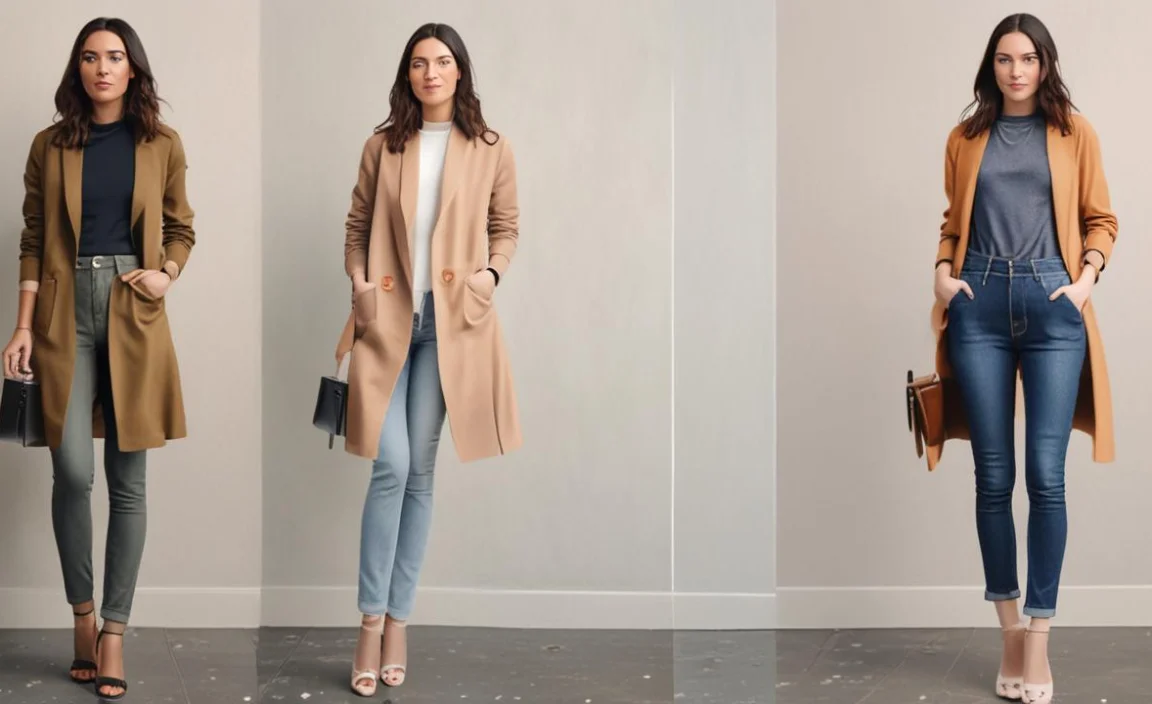
First off, let’s talk about what we mean by a “long torso, shorter legs” body shape. This basically means that the part of your body from your hips up is proportionally longer than the part from your hips down to your feet. It’s a very common and beautiful body type!
The goal when dressing this shape is often to:
- Visually lengthen your legs.
- Lower the perceived waistline.
- Create a balanced, elongated silhouette.
It’s not about hiding your body, but about highlighting your best features and creating a harmonious look that makes you feel amazing. We’re going to focus on simple adjustments that make a big difference.
Key Principles for Dressing a Long Torso, Short Legs Figure
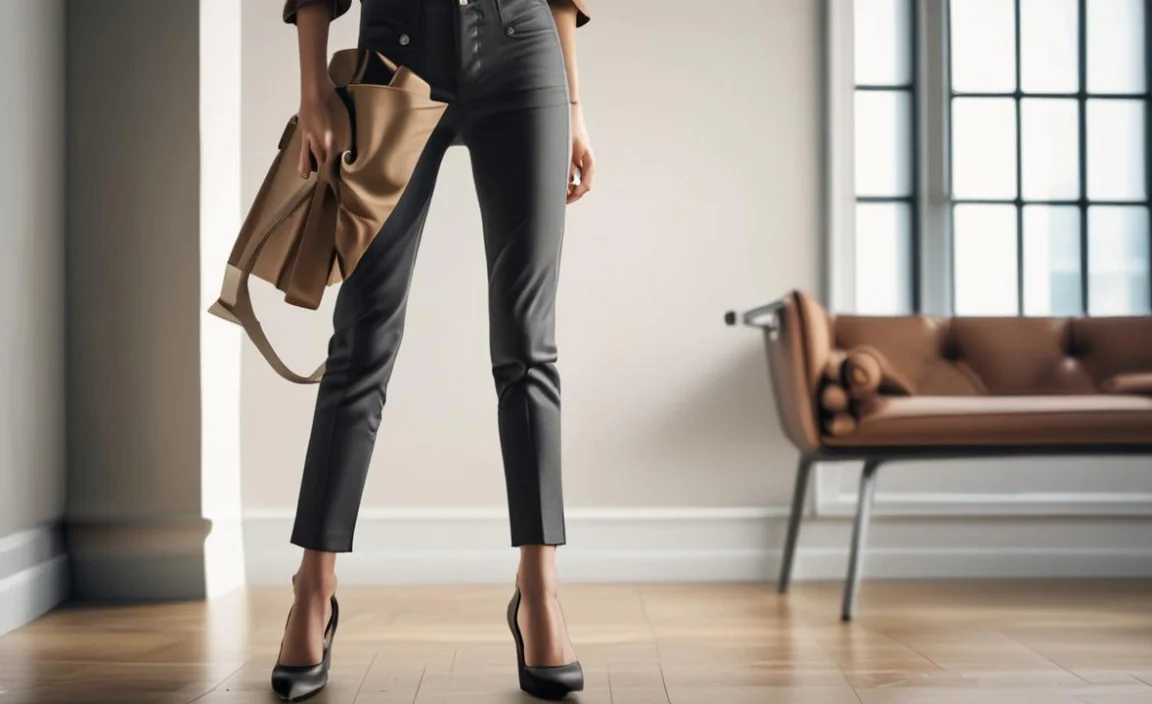
There are a few core ideas that will guide your wardrobe choices. Think of these as your style superpowers!
1. The Illusion of a Higher Waist
This feels counterintuitive, right? When your torso is long, you might think you want to lower your waist. However, for this specific proportion, we want to create the appearance of a higher waist to make your legs look longer. How? By drawing the eye upwards and letting your bottom half appear to be more substantial.
2. Elongating the Legs
This is our primary mission! We want to make your legs appear as long as possible. Think clean lines, continuous color, and styles that add vertical emphasis.
3. Balancing the Silhouette
A long torso can sometimes make the upper body feel more dominant. We’ll use clothing choices to create a more even visual balance between your upper and lower halves.
Top Style Strategies: What Works Best
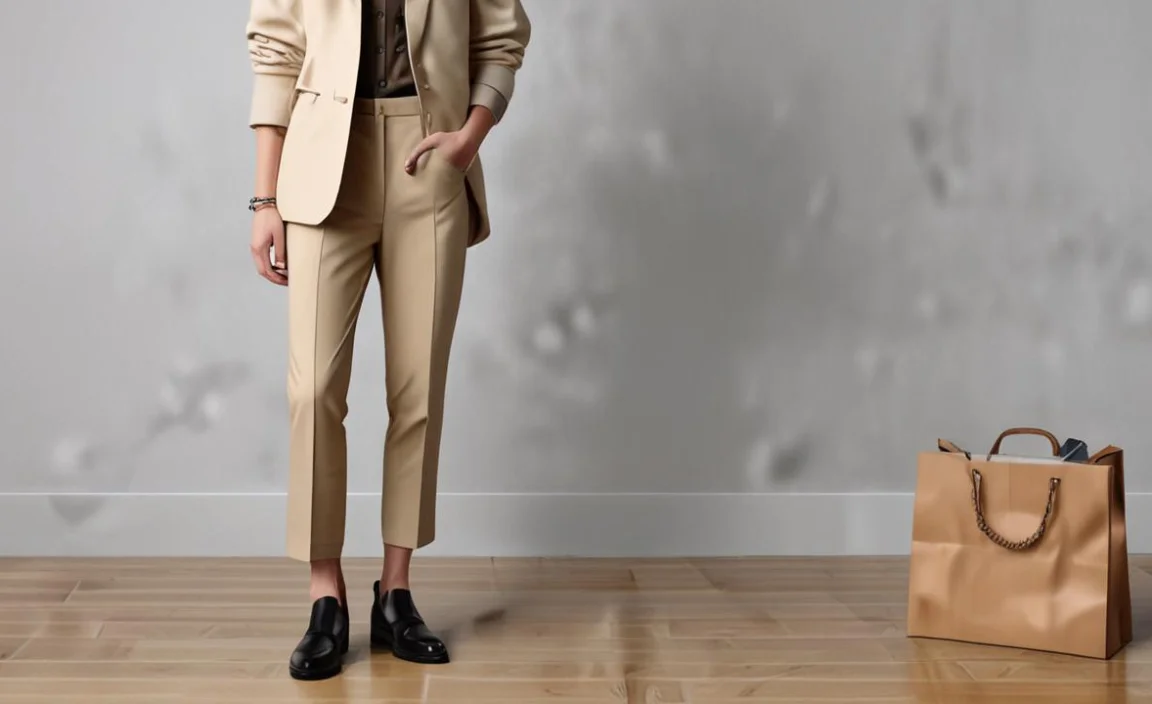
Now for the fun part – applying these principles to your wardrobe! Here are specific strategies and clothing items that will become your best friends.
Tops: Creating a Shorter Upper Half
The aim here is to visually “shorten” your torso. This means avoiding tops that add bulk or length.
- Cropped Tops: This is your secret weapon! Cropped tops hit at or just above your natural waist. When paired with high-waisted bottoms, they create a super-defined, high waist, which in turn makes your legs look miles long.
- Tuck It In: A simple front-tuck or a full tuck of your blouse or t-shirt into your bottoms instantly defines your waistline. A full tuck is especially effective at creating the illusion of a higher, shorter torso.
- V-Necklines: V-necks draw the eye downwards and create a vertical line, which can help elongate the upper body in a flattering way, rather than making it look wider or shorter.
- Fitted Silhouettes: Avoid baggy or oversized tops that can further add volume to your torso. Opt for pieces that skim your body.
- Shorter Tops: Look for tops that are naturally shorter in length. Button-downs that can be tied at the waist are also fantastic.
- Avoid: Long tunics, untucked oversized shirts, and tops with dropped sleeves or a lot of horizontal detailing at the hemline.
Bottoms: Maximizing Leg Length
This is where we really work on that leg-lengthening magic!
- High-Waisted Everything: This is your golden ticket! High-waisted pants, skirts, and shorts are designed to sit at your natural waist or even slightly higher. This elongates your legs by creating a longer “bottom half” of your body.
- Wide-Leg Pants & Palazzo Pants: These styles create a continuous vertical line from your waist down to your feet. When they are well-tailored and paired with heels or wedges, they can be incredibly leg-lengthening.
- Straight-Leg or Bootcut Jeans: Unlike very tapered skinny jeans, straight and bootcut styles can help create a more balanced and elongated look by providing a consistent width down the leg.
- Monochromatic Dressing: Wearing the same color (or shades of the same color) for your top and bottom breaks up the body visually. This creates a seamless vertical line, making your legs appear longer. Think a navy top with navy pants.
- Vertical Stripes: A classic for a reason! Vertical stripes on pants or skirts create an undeniable elongating effect.
- Ankle-Length Pants (With Heels): If you opt for ankle-length pants, pairing them with heels or ankle boots visually extends the leg line. A nude heel can be particularly effective.
- Skirts: A-line skirts and pencil skirts that hit just at or below the knee are great. Midi skirts can also work if they are high-waisted and flow nicely.
- Avoid: Low-rise bottoms, capri pants (which can visually cut off the leg line), and overly voluminous skirts that can overwhelm your lower half.
Dresses: The Art of the Empire Waist and Beyond
Dresses can be tricky, but with the right choices, they can be incredibly flattering.
- Empire Waist Dresses: These dresses have a waistline that sits just below the bust, with the rest of the fabric then flowing downwards. This is fantastic for lengthening the appearance of your legs because it visually raises your waist.
- Wrap Dresses: The V-neckline and the cinched waist of a wrap dress are brilliant for flattering a longer torso. They create a defined waistline and a lovely vertical flow.
- A-Line Dresses: Similar to A-line skirts, these dresses cinch at the natural waist (or slightly higher) and then gently flare out, creating a balanced and elongating effect.
- Dresses with Defined Waistbands: Look for dresses that have a clear seam or belt at your natural waist.
- Maxi Dresses: A well-fitted maxi dress, especially in a solid color or with vertical patterns, can be very elongating. Ensure the waist hits at the right spot.
- Avoid: Dresses with a very low waistline, shift dresses that have no waist definition, and dresses with a lot of horizontal paneling or detailing that cuts you in half.
Outerwear: Extending the Line
Your outerwear can also play a big role in creating a cohesive, elongated look.
- Longer Coats: Trench coats, duster coats, and long cardigans that fall to mid-thigh or below can help create a long, lean silhouette.
- Belted Jackets: A belted jacket or blazer cinches you in at the waist, helping to define your proportions.
- Vertical Details: Open-front cardigans or jackets with vertical seams or an open closure naturally create long, unbroken lines.
- Avoid: Cropped jackets that end right at your natural waist can sometimes visually cut off your legs, especially if worn with mid-rise bottoms.
Shoes: The Finishing Touch
The right shoes can make a world of difference!
- Pointed-Toe Shoes: Pointed toes create an optical illusion of longer legs by extending the line from your foot.
- Nude or Matching Shoes: Wearing shoes in a color that matches your skin tone or your pants/skirt creates a seamless line from leg to foot, making your legs appear longer.
- Heels and Wedges: These are obvious leg-lengtheners. Even a small heel can make a difference.
- Monochromatic Footwear: Similar to clothing, wearing shoes in a color that matches your bottoms emphasizes length.
- Avoid: Chunky, ankle-strap shoes can sometimes visually cut off your leg line, making them appear shorter. This isn’t a strict rule, but something to be mindful of.
Color and Pattern Play
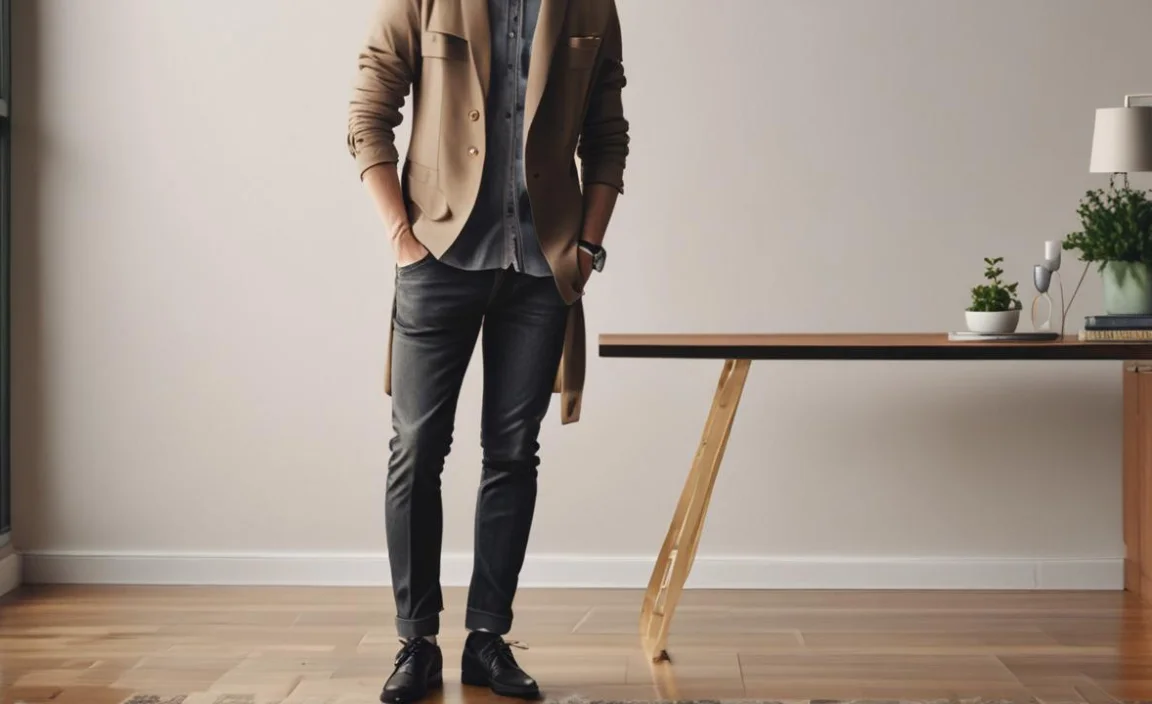
How you use color and pattern can significantly impact the illusion of your proportions.
Color Blocking Strategically
Instead of blocking color in a way that visually divides your body in half (e.g., a bright color top with dark pants), try to keep the bottom half darker or the same color as your shoes to make legs appear longer. Alternatively, a light or bright color on your bottom half with a darker top can also help draw attention downwards and balance proportions.
Patterns: Vertical is Your Friend
As mentioned before, vertical stripes are fantastic. Beyond stripes, look for patterns that have a dominant vertical element or are placed in a way that draws the eye up and down.
Monochromatic Magic
This technique truly cannot be overstated. Wearing a single color from head to toe (or in coordinating shades) is one of the most effective ways to create a long, unbroken line, making you appear taller and your legs longer. Think a chic all-black outfit, or a sophisticated cream-on-cream ensemble.
Wardrobe Essentials for a Long Torso, Short Legs
Let’s recap with a list of items that are worth investing in:
- High-waisted jeans (straight leg, bootcut, or wide leg)
- High-waisted trousers
- High-waisted skirts (pencil, A-line)
- Fitted t-shirts and blouses (that tuck well)
- Cropped tops
- Wrap dresses
- Empire waist dresses
- V-neck tops and dresses
- Long cardigans or coats
- Pointed-toe shoes
- Nude or skin-tone heels/flats
- Belts (to cinch the waist)
What to Avoid (and Why)
Knowing what to steer clear of is just as important as knowing what to embrace.
Here’s a quick rundown:
| Clothing Item | Why to Avoid | Better Alternative |
|---|---|---|
| Low-Rise Pants/Jeans | Visually shortens legs, makes torso appear longer. | High-Waisted Pants/Jeans |
| Untucked, Oversized Tops | Adds bulk and length to the torso, hides waist. | Tucked-in Tops, Cropped Tops, Fitted Tops |
| Capri Pants | Cut off the leg line, can make legs look shorter. | Full-length pants, Ankle-length pants (with heels) |
| Shift Dresses (no waist definition) | Hides natural waist, can create a boxy, unbalanced look. | Wrap Dresses, A-Line Dresses, Empire Waist Dresses |
| Horizontal Stripes at Waistline | Visually widens and shortens the torso or legs. | Vertical Stripes, Solid Colors |
| Ankle Straps on Shoes | Can visually cut off the leg line. | Slingbacks, Pointed-toe, Nude Shoes |
Putting It All Together: Outfit Examples
Let’s visualize how these tips come to life. Imagine these scenarios:
Casual Chic:
Bottoms: High-waisted, dark wash straight-leg jeans.
Top: A fitted, tucked-in V-neck t-shirt in a complementary color.
Shoes: Pointed-toe flats or low block heels in a nude shade.
Outerwear: An open-front, long cardigan.
Result: Legs look longer, torso is visually balanced.
Smart Casual:
Bottoms: High-waisted wide-leg trousers in black or navy.
Top: A silky blouse, fully tucked in.
Shoes: Wedge espadrilles or heeled boots.
Outerwear: A tailored blazer that ends at the hip.
Result: Sleek, elongating silhouette.
Dressy Occasion:
Dress: An empire waist or wrap dress in a solid color or subtle vertical print.
Shoes: Strappy heeled sandals in a nude or metallic shade.
Accessories: A statement necklace to draw the eye up, and a clutch.
Result: Elegant, leg-lengthening look that flatters your shape.
A Note on Confidence
Remember, these are guidelines, not strict rules. The most important thing is to wear what makes you feel confident and comfortable. These tips are about enhancing your natural beauty and creating proportions you love.
Experiment with different combinations! You might find that certain styles work better for you than others. Fashion is about expressing yourself, and understanding your body shape is just another tool in your creative arsenal. For more insights on how clothing can impact perception, the Fashion History site offers some interesting perspectives on how clothing has been used to create illusions throughout time.
Frequently Asked Questions (FAQ)
Q1: Can I wear skinny jeans if I have a long torso and short legs?
You can, but be mindful of how they are styled. High-waisted skinny jeans are your best bet. Tucking in your top completely or wearing a cropped top will help define your waist and make your legs appear longer. Avoid low-rise or mid-rise skinny jeans that can shorten your leg line.
Q2: What kind of belts should I wear?
Thin to medium-width belts worn at your natural waist are generally best. They help define your waist without adding too much visual bulk. For an elongating effect, matching the belt color to your bottoms or shoes can also work well.
Q3: Should I always wear heels?
Not necessarily! While heels are fantastic for lengthening legs, stylish flats, pointed-toe loafers, or fashion sneakers can also work. The key is often the pointed toe and choosing colors that blend with your outfit or skin tone.
Q4: What about petite sizing? Does that help?
Petite sizing is designed for shorter height overall, which often means shorter inseams and sometimes shorter torsos. While it can help with pant length and sleeve length, it might not always address the specific long torso/short leg proportion perfectly. Focus on the styling principles we discussed, regardless of whether you choose petite or regular sizes.
Q5: How can I tell if my torso is long?
A simple way to check is by standing near a mirror. Measure the distance from your collarbone down to your waist, and then from your waist down to your ankle. If the top measurement is significantly longer than the bottom measurement, you likely have a longer torso relative to your legs.
Q6: Are there any specific fabrics I should prefer?
Look for fabrics that drape well and create clean lines. Stiff, bulky fabrics can add unwanted volume. Stretchy materials that skim the body, or flowy fabrics that create a long silhouette, are generally great choices.
Conclusion
Mastering the art of dressing a long torso and shorter legs is all about smart styling choices that create balance and enhance your natural shape. By focusing on high-waisted bottoms, tucked-in or cropped tops, strategic color choices, and elongating footwear, you can create a visually harmonious silhouette that makes your legs appear longer and your proportions beautifully balanced. Remember these tips – have fun experimenting, and most importantly, wear outfits that make you feel fabulous and confident!

