Do you toss your banana peels? What about coffee grounds? Many people do. But did you know you can turn them into treasure? It’s true! You can learn how to compost kitchen waste at home. It is easier than you think.
Imagine your food scraps becoming super-food for your plants. Your garden will thank you. Plus, you’ll help the planet. Composting reduces waste. It also enriches the soil. Let’s learn how to make black gold from trash!
Composting is like magic. Food scraps and yard waste break down. They turn into a dark, crumbly material. This material is called compost. Compost is full of nutrients. Plants love it. It helps them grow big and strong. Let’s explore how to compost kitchen waste at home.
Key Takeaways
- Composting kitchen waste is a great way to reduce landfill waste and help the environment.
- You can easily compost kitchen waste at home using a bin, tumbler, or even a worm farm.
- Effective composting needs a mix of “greens” (nitrogen-rich) and “browns” (carbon-rich) materials.
- Regularly turning and monitoring moisture levels will speed up the composting process.
- Finished compost can be used to enrich garden soil, flower beds, and potted plants.
Setting Up Your Compost System at Home
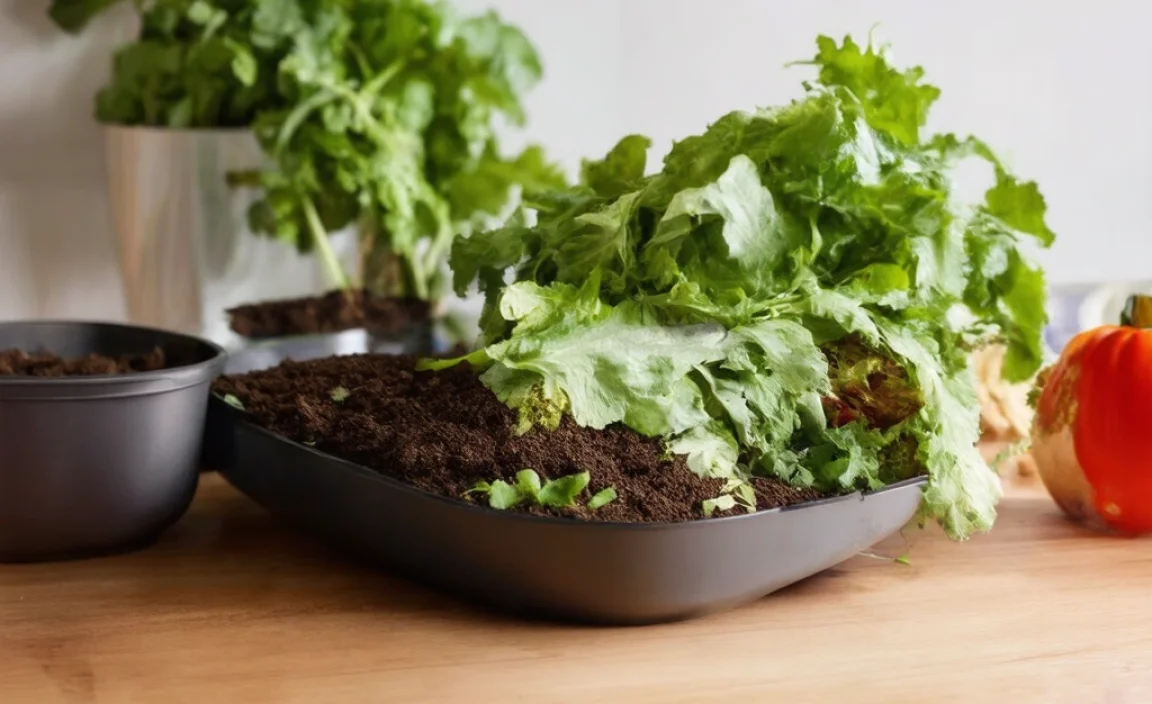
Ready to start composting? First, you need a compost system. Many options exist. You can use a simple pile in your yard. You can also buy a compost bin. A compost tumbler is another choice. Worm farms are great for small spaces. No matter what you pick, make sure it drains well. Good drainage is key. Your compost needs air. Air helps it break down. Pick a spot that is easy to access. You’ll be visiting it often. Consider the sun and shade. Too much sun can dry it out. Too much shade can make it soggy. A good spot is part sun and part shade. Keep it away from your house. This can prevent unwanted smells. Now you are ready to learn how to compost kitchen waste at home.
- Choose a compost bin, tumbler, or pile.
- Pick a spot with good drainage.
- Ensure the compost gets enough air.
- Find a spot that is easy to reach.
- Consider sun and shade balance.
- Keep it away from your house if possible.
Setting up your system is the first step. Now you need to think about what to put in it. Remember, compost needs a mix of things. It needs “greens” and “browns.” Greens are things like food scraps. Browns are things like leaves and paper. The right mix is important. Too many greens can make it smelly. Too many browns can make it dry. Aim for a balance. Add greens and browns in layers. This helps everything break down evenly. As you add materials, mix them in. This helps air circulate. It also helps the microbes do their job. Microbes are tiny organisms. They break down the waste. With a good system and the right mix, you are ready to go.
Fun Fact or Stat: Did you know that food scraps and yard waste make up 20-30% of what we throw away? Composting can significantly reduce this waste!
What Type of Bin is Best for You?
Choosing the right bin is important. Different bins work for different people. A simple pile works well in large yards. Compost bins keep things tidy. They also keep pests out. Tumblers are easy to turn. This speeds up the process. Worm farms are great for small spaces. They also produce nutrient-rich compost. Think about how much space you have. Think about how much time you have. Also, think about how much waste you create. These factors will help you choose the right bin. Remember, the best bin is the one you will use.
Where Should You Place Your Compost?
The location of your compost is key. It needs to be accessible. You don’t want it too far away. You also don’t want it too close. Consider the smell. Compost can sometimes smell. Keep it away from windows and doors. Think about water. You will need to water your compost. Place it near a water source. Also, consider the ground. You want a level surface. This will help the compost drain. A good location makes composting easier. It also makes it more enjoyable. You are more likely to compost if it is easy.
How Big Should Your Compost Be?
Size matters when it comes to compost. Too small, and it won’t heat up properly. Too big, and it will be hard to turn. A good size is about three feet by three feet. This size allows for good air circulation. It also allows for good heat retention. If you are using a bin, check the size. Make sure it is big enough for your needs. Remember, you can always start small. You can always expand later. The important thing is to start. Don’t let the size overwhelm you. Just begin your journey learning how to compost kitchen waste at home.
Greens and Browns: What to Compost
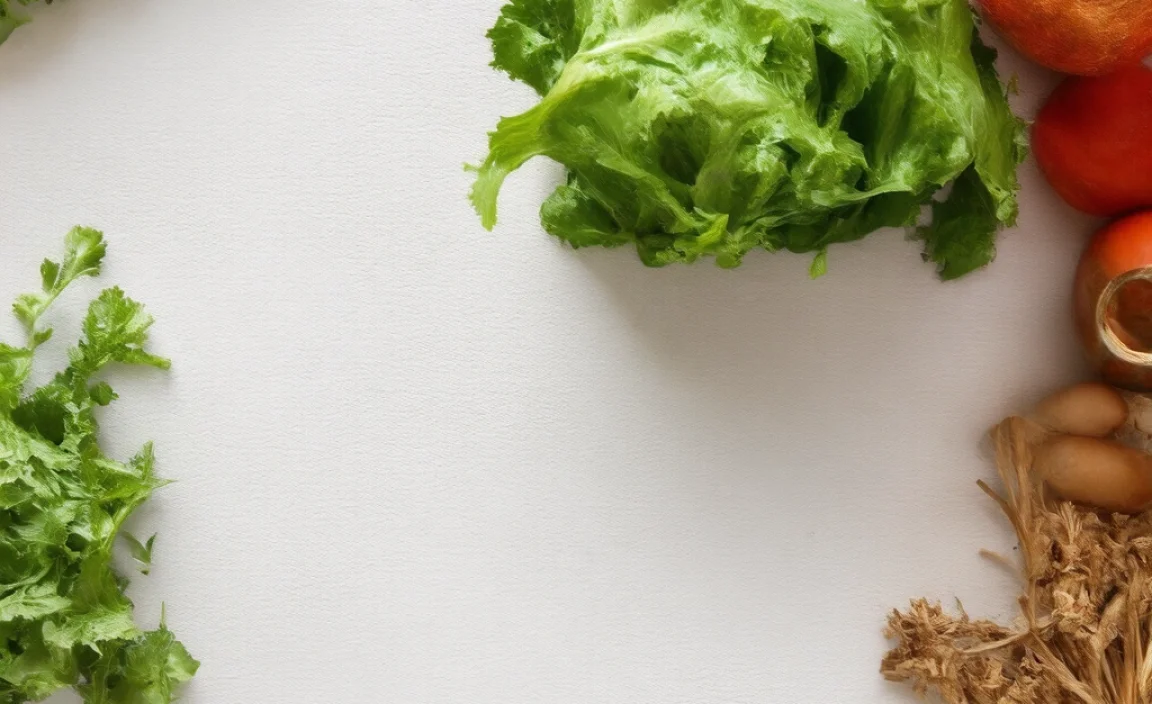
To compost successfully, you need the right ingredients. These ingredients are called “greens” and “browns.” Greens are rich in nitrogen. They help get the compost cooking. Browns are rich in carbon. They provide structure and air flow. A good mix of greens and browns is essential. Too many greens can make the compost smelly. Too many browns can make it dry and slow to decompose. Aim for a ratio of about one part greens to two parts browns. This will create a healthy, balanced compost pile. Knowing what to compost is half the battle. Learning how to compost kitchen waste at home involves understanding the right ingredients. You will be a pro in no time!
- Greens: Fruit and vegetable scraps
- Greens: Coffee grounds and tea bags
- Greens: Fresh grass clippings
- Browns: Dried leaves
- Browns: Shredded paper and cardboard
- Browns: Straw and wood chips
Knowing what to compost is important. But knowing what not to compost is just as crucial. Avoid composting meat, dairy, and oily foods. These items can attract pests. They can also create unpleasant odors. Also, avoid composting diseased plants. These can spread disease to your garden. Be careful with pet waste. It can contain harmful bacteria. Some people compost pet waste in a separate, contained system. However, it’s best to avoid it if you’re just starting out. When in doubt, leave it out. A little caution can save you a lot of trouble. Stick to the basics. Greens and browns are the way to go.
Fun Fact or Stat: Coffee grounds are a fantastic addition to your compost! They’re rich in nitrogen and help balance the pH level.
What Are the Best “Green” Materials?
Green materials are essential for composting. They provide nitrogen. Nitrogen fuels the decomposition process. Good green materials include fruit and vegetable scraps. Coffee grounds and tea bags are also great. Fresh grass clippings are another option. Just be sure they haven’t been treated with chemicals. Other green materials include garden waste. Think weeds and plant trimmings. Remember to remove any seeds or diseased parts. The more diverse your green materials, the better. A variety of greens provides a range of nutrients. This results in richer, more fertile compost.
What Are the Best “Brown” Materials?
Brown materials provide carbon. Carbon helps balance the nitrogen in greens. Good brown materials include dried leaves. Shredded paper and cardboard are also excellent. Straw and wood chips work well. Sawdust can be used sparingly. Avoid using treated wood. It can contain harmful chemicals. Other brown materials include pine needles. They decompose slowly, but add acidity to the compost. This can be beneficial for certain plants. A good mix of brown materials creates a fluffy, airy compost. This allows for good drainage and air circulation.
What Should You Never Compost?
Some things should never go in your compost. Meat and dairy products are a no-no. They attract pests and create odors. Oily foods can also cause problems. They can slow down the decomposition process. Diseased plants should be avoided. They can spread disease to your garden. Pet waste can contain harmful bacteria. It’s best to avoid composting it. Finally, avoid composting treated wood. It can contain chemicals that are harmful to plants. When in doubt, leave it out. Stick to the basics. Greens and browns are the safest bet. Learning how to compost kitchen waste at home means knowing what to avoid.
The Composting Process: Mixing and Turning
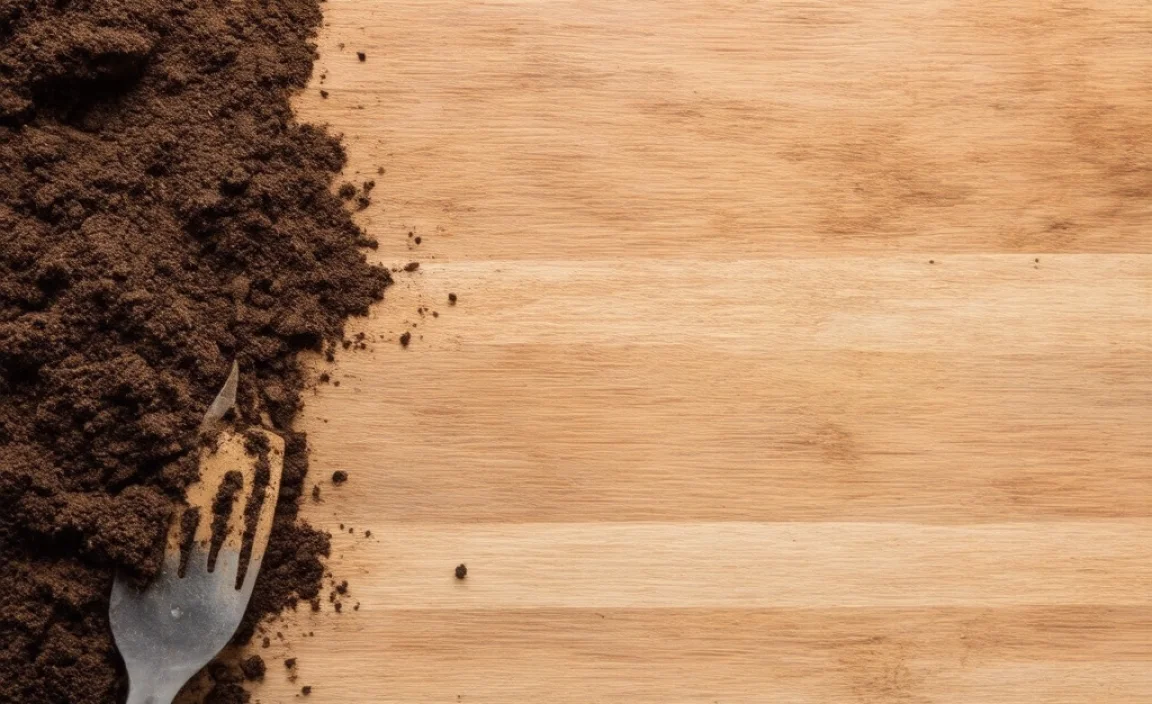
Now that you have your compost system set up and know what to compost, it’s time to get to work. The composting process involves mixing and turning the materials. This helps to aerate the pile. Aeration is important. It provides oxygen for the microbes. The microbes break down the waste. Turning also helps to distribute moisture evenly. A compost pile should be moist, like a wrung-out sponge. Too dry, and the microbes will die. Too wet, and the compost will become anaerobic. Anaerobic means without oxygen. This can cause unpleasant odors. Aim to turn your compost every few days. This will keep it healthy and happy. Learn how to compost kitchen waste at home by mastering mixing and turning.
- Turn the compost every few days.
- Aeration provides oxygen for microbes.
- Distribute moisture evenly.
- Keep the compost moist, like a sponge.
- Avoid making the compost too wet.
Mixing is also important. As you add new materials, mix them in with the old. This helps to blend the greens and browns. It also helps to introduce microbes to the new waste. Use a pitchfork or shovel to turn the compost. Start from the bottom and work your way up. This ensures that everything gets mixed. If your compost is in a tumbler, simply turn the tumbler. This is much easier than turning a pile. No matter how you turn it, make sure you do it regularly. This will speed up the composting process. It will also result in a better quality compost. Now you know how to compost kitchen waste at home with proper mixing.
Fun Fact or Stat: A well-managed compost pile can reach temperatures of 130-160°F, hot enough to kill weed seeds and pathogens!
Why is Turning Important?
Turning your compost is crucial. It aerates the pile. Microbes need oxygen to break down waste. Turning also distributes moisture. A dry pile won’t decompose. A soggy pile will smell bad. Turning mixes the materials. This ensures a good balance of greens and browns. Regular turning speeds up the composting process. It also helps to prevent odors. Make turning a part of your routine. Your compost will thank you. The faster it decomposes the sooner you have nutrient rich material.
How Often Should You Turn?
How often you turn depends on your system. A simple pile needs less turning. A tumbler needs more frequent turning. Aim to turn every few days. This provides good aeration. It also distributes moisture evenly. If you notice odors, turn more often. If the pile is dry, add water and turn. If the pile is soggy, add browns and turn. Adjust your turning schedule as needed. The more you compost, the better you’ll get. The best time to turn is when you add new material.
What Tools Do You Need?
You don’t need a lot of fancy tools. A pitchfork or shovel is essential. These are used for turning and mixing. A compost thermometer is helpful. It helps you monitor the temperature. A watering can or hose is needed for moisture. Gloves protect your hands. A compost bin or tumbler is necessary. Choose one that fits your needs. A notebook is useful for tracking progress. You can record what you add and when you turn. With these simple tools, you’re ready to compost.
Troubleshooting Common Composting Problems
Composting is usually easy, but sometimes problems arise. One common issue is bad smells. This usually means the compost is too wet. It could also mean there are too many greens. Add more browns to balance it out. Turn the compost to aerate it. Another problem is a dry compost pile. This means there’s not enough moisture. Add water and turn the compost. Pests can also be a problem. Keep meat and dairy out of the compost. Cover the compost with a layer of browns. This will deter pests. If you follow these tips, you can solve most composting problems. Now you know how to compost kitchen waste at home without any trouble!
| Problem | Possible Cause | Solution |
|---|---|---|
| Bad Smell | Too wet, too many greens | Add browns, turn compost |
| Dry Compost | Not enough moisture | Add water, turn compost |
| Slow Decomposition | Lack of air, poor balance | Turn more often, adjust greens/browns |
| Pests | Meat/dairy in compost | Avoid meat/dairy, cover with browns |
| Compost Too Hot | Too much nitrogen | Add more browns, turn compost |
- Bad smells: Add more browns and turn.
- Dry compost: Add water and turn.
- Slow decomposition: Turn more often.
- Pests: Avoid meat and dairy.
- Compost too hot: Add more browns.
Another common problem is slow decomposition. This can happen for several reasons. The compost may not be getting enough air. Turn it more often to aerate it. The compost may not have the right balance of greens and browns. Add more of whichever is lacking. The compost may be too cold. This usually happens in winter. Insulate the compost pile with straw or leaves. You can also add a compost starter. This contains microbes that help speed up decomposition. Be patient. Composting takes time. But with a little effort, you’ll have beautiful compost in no time. You are becoming a pro at how to compost kitchen waste at home!
Fun Fact or Stat: Adding a compost starter or accelerator can speed up the decomposition process by introducing beneficial microbes!
Why Does My Compost Smell Bad?
A smelly compost is no fun. It usually means the compost is anaerobic. This means there’s not enough oxygen. The microbes are producing foul-smelling gases. To fix this, turn the compost. This will introduce oxygen. Also, make sure the compost isn’t too wet. Add browns to absorb excess moisture. Avoid adding meat, dairy, and oily foods. These attract pests and cause odors. If the smell persists, consider moving the compost. Place it away from windows and doors. A well-managed compost pile shouldn’t smell bad.
Why Is My Compost Not Breaking Down?
Slow decomposition can be frustrating. It usually means the compost isn’t getting enough air. Turn it more often. Make sure the compost is moist. Dry compost won’t decompose. Add water as needed. Check the balance of greens and browns. A good ratio is one part greens to two parts browns. Add more of whichever is lacking. Cold weather can also slow decomposition. Insulate the compost pile with straw or leaves. Be patient. Composting takes time. With a little effort, your compost will break down.
How Do I Keep Pests Away?
Pests can be a nuisance. Avoid adding meat, dairy, and oily foods. These attract pests. Cover the compost with a layer of browns. This makes it harder for pests to get in. Make sure the compost bin is sealed. This will prevent pests from entering. If you have a serious pest problem, consider using a compost tumbler. Tumblers are harder for pests to access. You can also try adding diatomaceous earth. This is a natural pest control. Keeping pests away is important for successful composting.
Harvesting and Using Your Compost
After a few months, your compost will be ready to harvest. It should be dark, crumbly, and smell earthy. This is called humus. It’s full of nutrients. To harvest, stop adding new materials to the pile. Let it cure for a week or two. This allows any remaining waste to break down. Then, sift the compost. This removes any large pieces. You can use a screen or a compost sifter. The finished compost is ready to use. Mix it into your garden soil. Use it as a top dressing for your plants. Add it to your potting mix. Your plants will love it! Now that you know how to compost kitchen waste at home, you can use the results in your garden.
- Stop adding new materials before harvesting.
- Let the compost cure for a week or two.
- Sift the compost to remove large pieces.
- Mix compost into garden soil.
- Use compost as a top dressing.
- Add compost to potting mix.
Compost is a wonderful soil amendment. It improves soil structure. It adds nutrients. It helps the soil retain moisture. It also helps to suppress plant diseases. Compost can be used in many ways. Use it when planting new trees and shrubs. Use it when starting seeds. Use it when transplanting seedlings. You can even make compost tea. This is a liquid fertilizer made from compost. Simply soak compost in water for a few days. Then, strain the liquid and use it to water your plants. Compost is a versatile and valuable resource. Enjoy using the compost you made learning how to compost kitchen waste at home.
Fun Fact or Stat: Compost can improve soil drainage in clay soils and increase water retention in sandy soils!
How Do You Know When Compost is Ready?
Knowing when your compost is ready is key. It should be dark and crumbly. It should smell earthy and sweet. You shouldn’t be able to recognize the original materials. If you can still see food scraps, it’s not ready. The compost should be cool to the touch. If it’s still hot, it’s still decomposing. A good test is the “squeeze test.” Grab a handful of compost and squeeze it. It should hold its shape, but crumble easily. If it’s too wet or too dry, it’s not ready. Patiently wait for the right conditions.
How Do You Use Compost in the Garden?
Compost is a versatile garden tool. Mix it into the soil before planting. This improves soil structure and adds nutrients. Use it as a top dressing around plants. This helps retain moisture and suppress weeds. Add it to your potting mix. This creates a nutrient-rich growing medium. Use it when transplanting seedlings. This helps them get established. You can also make compost tea. This is a liquid fertilizer. Compost is a valuable resource for any gardener. Your garden will thank you for it.
Can You Store Compost?
Yes, you can store compost. Store it in a cool, dry place. A shed or garage works well. You can also store it in a plastic bin or bag. Make sure the compost is moist. If it dries out, it will lose its beneficial microbes. Don’t store compost in direct sunlight. This can overheat it. Compost can be stored for several months. It may lose some nutrients over time. But it will still be a valuable soil amendment. Storing compost allows you to use it whenever you need it.
Composting for a Healthier Planet
Composting is not just good for your garden. It’s also good for the planet. When you compost, you reduce waste. Food scraps and yard waste make up a large portion of landfill waste. Landfills are overflowing. They release harmful greenhouse gases. Composting diverts waste from landfills. It reduces greenhouse gas emissions. Compost also enriches the soil. Healthy soil stores more carbon. This helps to combat climate change. Composting is a simple way to make a big difference. You are contributing to a healthier planet. Now you know how to compost kitchen waste at home and help the Earth.
- Reduces waste in landfills.
- Lowers greenhouse gas emissions.
- Enriches soil with nutrients.
- Helps combat climate change.
- Promotes sustainable living.
Composting also reduces the need for chemical fertilizers. Chemical fertilizers can pollute waterways. They can also harm beneficial soil organisms. Compost is a natural fertilizer. It releases nutrients slowly. This is better for plants and the environment. Composting promotes sustainable living. It encourages us to be mindful of our waste. It connects us to the natural world. By composting, you are making a positive impact. You are reducing waste, enriching soil, and helping to create a healthier planet. You are protecting the environment while learning how to compost kitchen waste at home.
Fun Fact or Stat: Composting can reduce your household waste by up to 30%! That’s a big impact on landfills.
How Does Composting Reduce Landfill Waste?
Composting reduces landfill waste by diverting organic materials. Food scraps and yard waste are a big part of what we throw away. When these materials go to landfills, they decompose anaerobically. This means without oxygen. This process releases methane, a potent greenhouse gas. Composting provides oxygen. This allows the materials to decompose aerobically. This process releases carbon dioxide, which is less harmful. By composting, you reduce the amount of waste going to landfills. You also reduce greenhouse gas emissions. It’s a win-win for the environment.
How Does Composting Help Soil Health?
Composting improves soil health in many ways. It adds organic matter to the soil. This improves soil structure. It helps the soil retain moisture. It also improves drainage. Compost adds nutrients to the soil. These nutrients are essential for plant growth. Compost also helps to suppress plant diseases. It encourages beneficial soil organisms. Healthy soil is the foundation of a healthy ecosystem. Composting is a simple way to improve soil health. Your plants will thrive in compost-enriched soil.
What Are the Environmental Benefits of Composting?
Composting has many environmental benefits. It reduces landfill waste. It lowers greenhouse gas emissions. It enriches the soil. It reduces the need for chemical fertilizers. It promotes sustainable living. Composting helps to conserve resources. It connects us to the natural world. By composting, you are making a positive impact on the environment. You are reducing waste, improving soil health, and helping to combat climate change. Composting is a simple way to make a big difference.
Summary
How to compost kitchen waste at home is easier than you think! You can use a bin, a tumbler, or even a worm farm. The key is to mix “greens” and “browns.” Greens are food scraps and coffee grounds. Browns are leaves and paper. Turn the compost regularly. Keep it moist but not too wet. Avoid composting meat, dairy, and oily foods. After a few months, you’ll have beautiful compost. Use it in your garden to enrich the soil. Your plants will love it.
Composting is good for the environment too. It reduces waste in landfills. It also lowers greenhouse gas emissions. So, start composting today! You’ll be helping the planet while creating a beautiful garden. Learning how to compost kitchen waste at home is a simple step with big rewards.
Conclusion
Composting kitchen waste is a great way to reduce waste and help the environment. It’s easy to do at home. You need a compost bin, some greens and browns, and a little patience. You can turn your food scraps into valuable compost. This compost can enrich your garden soil. You can grow healthy plants. Start today and discover the benefits of how to compost kitchen waste at home. You will be glad you did!
Frequently Asked Questions
Question No 1: What are the benefits of composting kitchen waste at home?
Answer: Composting kitchen waste at home offers several benefits. It reduces the amount of waste sent to landfills, which helps conserve valuable landfill space and reduces methane emissions, a potent greenhouse gas. Compost enriches the soil, improving its structure, fertility, and water retention. This leads to healthier plants and reduces the need for chemical fertilizers. By composting, you are also participating in a sustainable practice that helps protect the environment. Learning how to compost kitchen waste at home is good for the planet.
Question No 2: What kind of kitchen waste can I compost?
Answer: You can compost a wide variety of kitchen waste. This includes fruit and vegetable scraps, coffee grounds, tea bags (remove the staples if any), eggshells, and stale bread. Avoid composting meat, dairy products, oily foods, and cooked foods containing these ingredients, as they can attract pests and create unpleasant odors. It is also best to avoid composting diseased plants or those treated with pesticides. Always chop or break down larger items to speed up the decomposition process. You can easily learn how to compost kitchen waste at home with a bit of practice.
Question No 3: How do I start composting kitchen waste at home?
Answer: Starting to compost is easy. First, choose a composting method that suits your space and lifestyle. Options include a compost bin, a tumbler, or a worm farm. Next, gather your “greens” (nitrogen-rich materials like food scraps) and “browns” (carbon-rich materials like dried leaves and shredded paper). Layer these materials in your compost bin, aiming for a ratio of about one part greens to two parts browns. Turn the compost regularly to aerate it and keep it moist. Avoid overwatering and remember to be patient. Learning how to compost kitchen waste at home is a rewarding experience.
Question No 4: How long does it take to compost kitchen waste?
Answer: The time it takes to compost kitchen waste varies. Several factors influence the speed. These include the type of composting method, the mix of materials, the moisture level, and the temperature. A well-managed compost pile can produce usable compost in as little as three to six months. A slower, less actively managed pile may take longer. Tumblers often speed up the process. Regular turning and maintaining optimal moisture levels will also help accelerate decomposition. The better you get at how to compost kitchen waste at home, the faster the process!
Question No 5: What are some common composting mistakes to avoid?
Answer: Several common composting mistakes can hinder the process. One is not maintaining the right balance of greens and browns. Too many greens can lead to a smelly, anaerobic pile. Too many browns can result in slow decomposition. Another mistake is not turning the compost regularly. This can prevent proper aeration. Overwatering or underwatering can also be problematic. Avoid adding meat, dairy, or oily foods. Finally, be patient and give the process time. Learning how to compost kitchen waste at home requires a bit of trial and error.
Question No 6: How do I know when my compost is ready to use?
Answer: Compost is ready to use when it has a dark, crumbly texture. It should also have an earthy smell. You should not be able to recognize the original ingredients. If you can still see large pieces of food scraps, it needs more time to decompose. The finished compost should also be cool to the touch. If it is still hot, it is still actively decomposing. Squeeze a handful of compost. It should hold its shape but crumble easily when touched. This indicates it is moist and ready to be added to your garden. It is a sign you have mastered how to compost kitchen waste at home.

