Making your compost better can be an exciting project. Have you ever thought about how to separate compost? One great way is by making a DIY compost sifter screen with hardware cloth. This tool helps you get fine compost. It can be fun and easy to make. Plus, you can use it to enrich your garden soil. Ready to learn how to create your own sifter? Let’s dive in!
- Making a DIY compost sifter screen is easy and fun.
- It improves compost quality for better garden growth.
- Hardware cloth makes the sifter strong and durable.
- It’s a great project for kids and families.
- Follow simple steps to create your own sifter.
Gathering Materials for Making a DIY Compost Sifter Screen
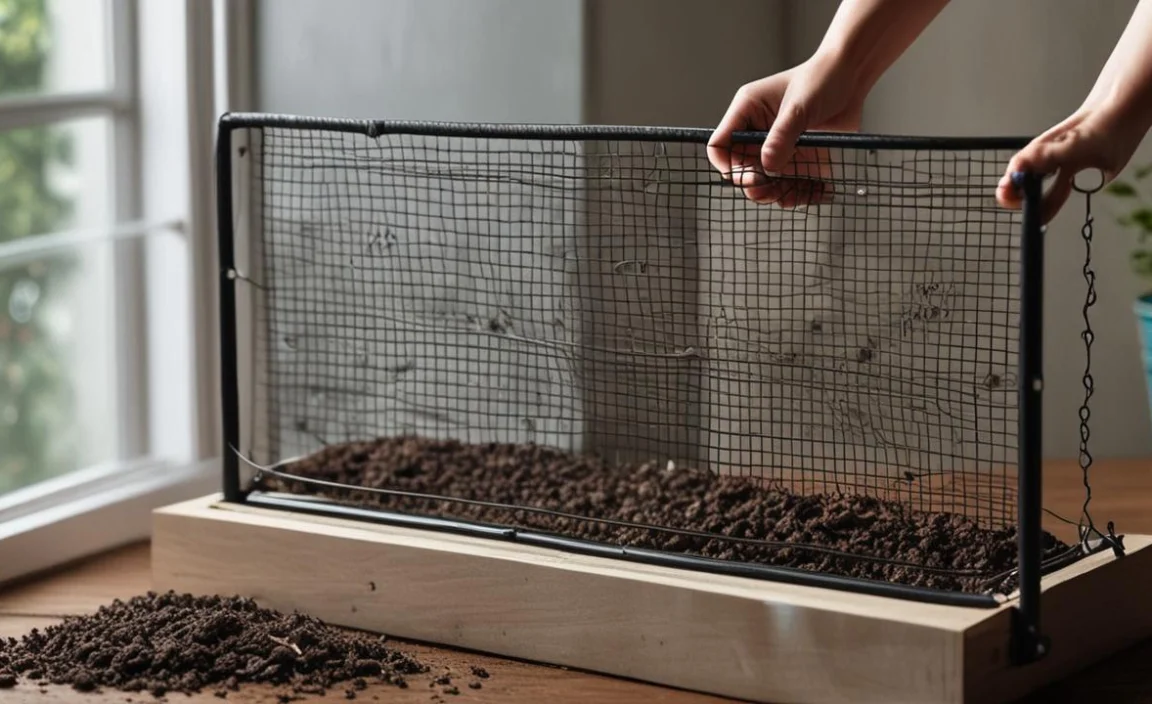
To start, you need the right materials. First, get some hardware cloth. This is a strong wire mesh that lasts a long time. You also need a wooden frame. You can use wood from old pallets or buy new boards. Other tools include a saw, screws, and a drill. You might also want gloves for safety. Choosing the right materials helps you build a sturdy sifter. Have you seen how easy it is to gather these things?
- Hardware cloth comes in different sizes.
- Wooden frames can be made from old pallets.
- Use screws to join the wooden pieces.
- Buy a saw if you don’t have one.
- Wearing gloves protects your hands while working.
Once you have everything, you can start building. Measure your hardware cloth and cut it to size. Then, create a frame to hold it. This frame will help keep the cloth tight. A tight cloth is important for sifting. It allows small compost bits to fall through. Your compost will turn into rich soil for your plants. Isn’t that exciting?
Fun Fact or Stat:
Did you know that using a sifter can speed up composting?
Why Hardware Cloth Works Well for Sifting
Have you ever used a strainer in the kitchen? Hardware cloth works the same way! It has small holes that let fine compost through. This helps separate the bigger chunks. Using hardware cloth prevents the need for hand sifting. Plus, it’s sturdy and can last for years. You won’t need to replace it often. Isn’t it nice to have tools that last a long time?
Choosing the Right Size of Hardware Cloth
Choosing the right size of holes is very important. If the holes are too big, you will lose good compost. If they are too small, it will take longer to sift. You want holes that are around half an inch. This size works well for most compost. It lets small bits through while keeping larger pieces back. Have you thought about what size you need for your garden?
Cost-Effective Options for Your Sifter
You can find hardware cloth at local stores or online. Prices can vary, so it’s smart to shop around. Sometimes, you can find leftover pieces at construction sites. Ask if you can take some. Many people are happy to give it away. This is a great way to save money. Why spend more when you can find good materials for free?
Fun Fact or Stat:
Many gardeners save money by using recycled materials for their compost sifters.
Steps to Build Your DIY Compost Sifter Screen
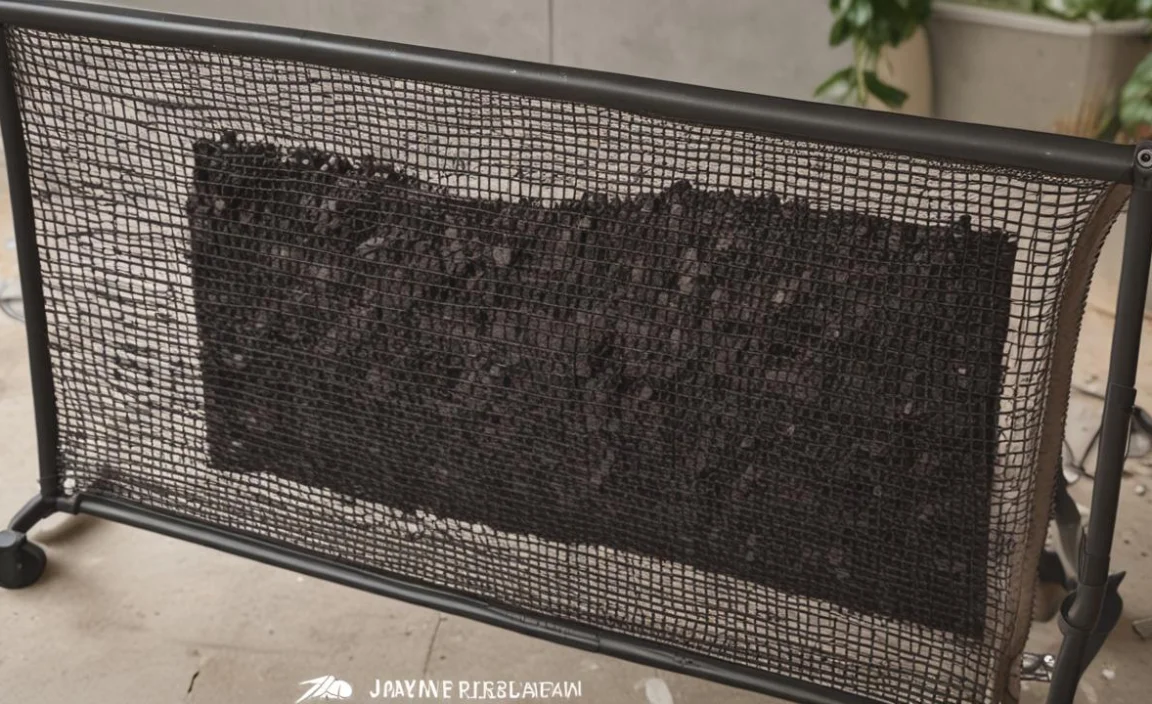
Now that you have your materials, let’s build! First, cut your frame pieces. These should be equal lengths. Next, you will attach the hardware cloth to the frame. Use screws to keep it tight. Ensure there are no gaps. This helps with sifting. Finally, you can paint or decorate your sifter if you want. Making it colorful can be fun! How exciting to have a custom tool just for you!
- Cut your wooden pieces to the right length.
- Attach the hardware cloth using screws.
- Make sure it is tight and secure.
- Check for gaps; they will let compost escape.
- Feel free to decorate your sifter.
Once the sifter is built, it’s time to test it out. Grab some compost and pour it on top. Shake the sifter gently, and watch as the fine compost falls through. The bigger chunks will stay on top. You can use these pieces for more composting or to help your garden. It’s satisfying to see the results of your hard work!
Fun Fact or Stat:
You can make your compost sifter in under an hour!
Testing Your Compost Sifter
After building your compost sifter, testing it is important. You want to see if it works well. Start with a small batch of compost. Place it on the screen and shake. Observe how much compost falls through. If it works well, you’re ready to sift bigger amounts. Sometimes, you might need to adjust your frame. Have you ever had to change something to make it better?
Maintaining Your DIY Compost Sifter
Once you have your compost sifter, taking care of it is key. After using it, clean it off. Remove any stuck bits of compost. This prevents hard clumps from forming. Store it in a dry place to avoid rusting. If you notice any wear, fix it quickly. This will keep your sifter lasting for years. Isn’t it great to have a tool that works well for a long time?
Getting Other Family Members Involved
Making a DIY compost sifter can be a family project. You can ask siblings or parents to help. Each person can have a task. One can cut wood, and another can attach the hardware cloth. Working together makes it fun. Plus, you learn from each other. Have you ever worked on a project as a team?
Fun Fact or Stat:
Team projects can help teach kids about teamwork and responsibility.
Using Your Compost Sifter Effectively
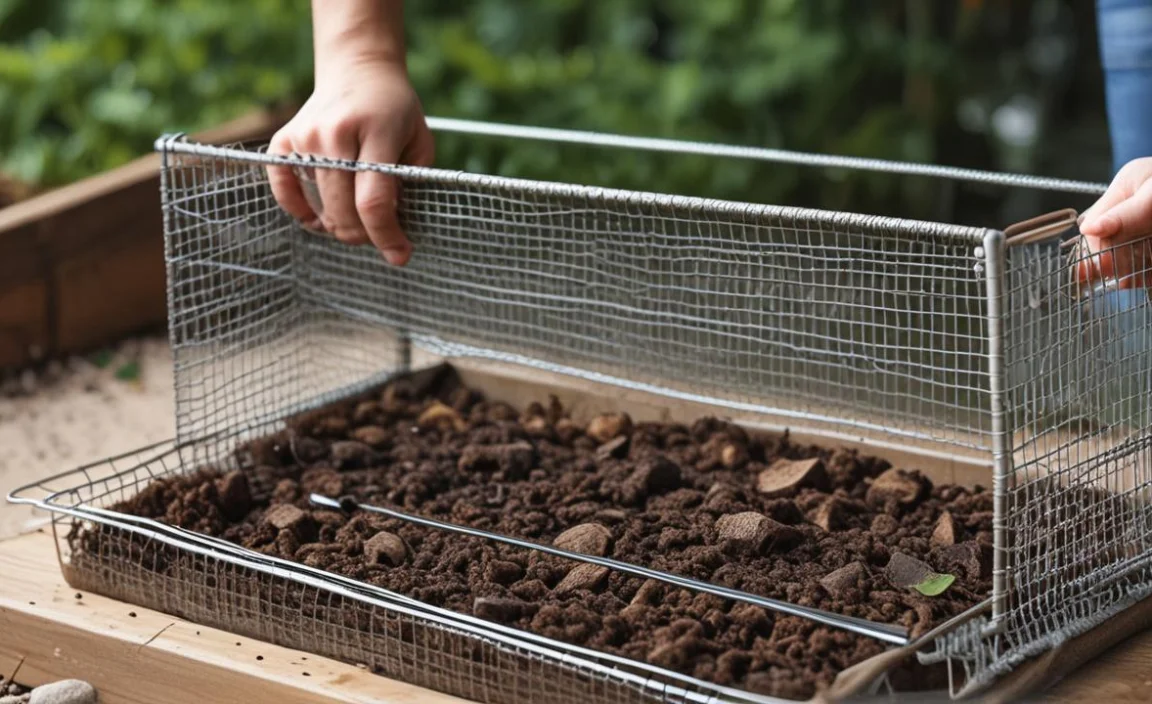
Now that you’ve made your compost sifter, how do you use it? Start by gathering your compost. It’s best to use slightly dry compost. If it’s too wet, it can clump together. Place the compost on top of your sifter. Shake it side to side. The fine compost will fall through. You can use the larger pieces again in your compost bin. Isn’t it awesome to see how much you can reuse?
- Always use slightly dry compost for best results.
- Shake the sifter gently from side to side.
- Collect the fine compost in a bucket.
- Reuse larger pieces for more composting.
- Make it a fun activity with family and friends.
Using your compost sifter can be quick and fun. You can make it a regular part of your gardening routine. Over time, you will notice healthier plants. Your garden will thank you for the effort. Sifting compost helps create nutrient-rich soil. Have you thought about how great your garden can look with good soil?
Fun Fact or Stat:
Healthy soil can lead to more vibrant plants and flowers!
Benefits of Sifting Compost
Why should you sift your compost? Sifting helps remove large bits. These can slow down the compost process. By removing them, you speed up the making of rich soil. Sifting also makes it easier to work with the compost. When it’s fine, you can mix it with soil more effectively. Does it sound appealing to have better soil for your garden?
Common Mistakes When Sifting Compost
Many people make simple mistakes while sifting compost. One common mistake is using wet compost. This makes it clump together. Another mistake is not shaking enough. If you don’t shake, you won’t get good results. Sometimes, people forget to clean their sifter. This can lead to poor performance. Being aware of these mistakes helps you improve your technique. Have you ever learned something by making a mistake?
Sharing Your Experience with Others
Once you have made your DIY compost sifter, share your experience! Tell friends and family about how easy it was. You can even show them how to make their own. Sharing knowledge is a great way to inspire others. Your friends might want to join in on the fun of composting. Have you inspired anyone to start gardening?
Fun Fact or Stat:
Sharing gardening tips encourages more people to grow their own food.
Benefits of Making a DIY Compost Sifter Screen with Hardware Cloth
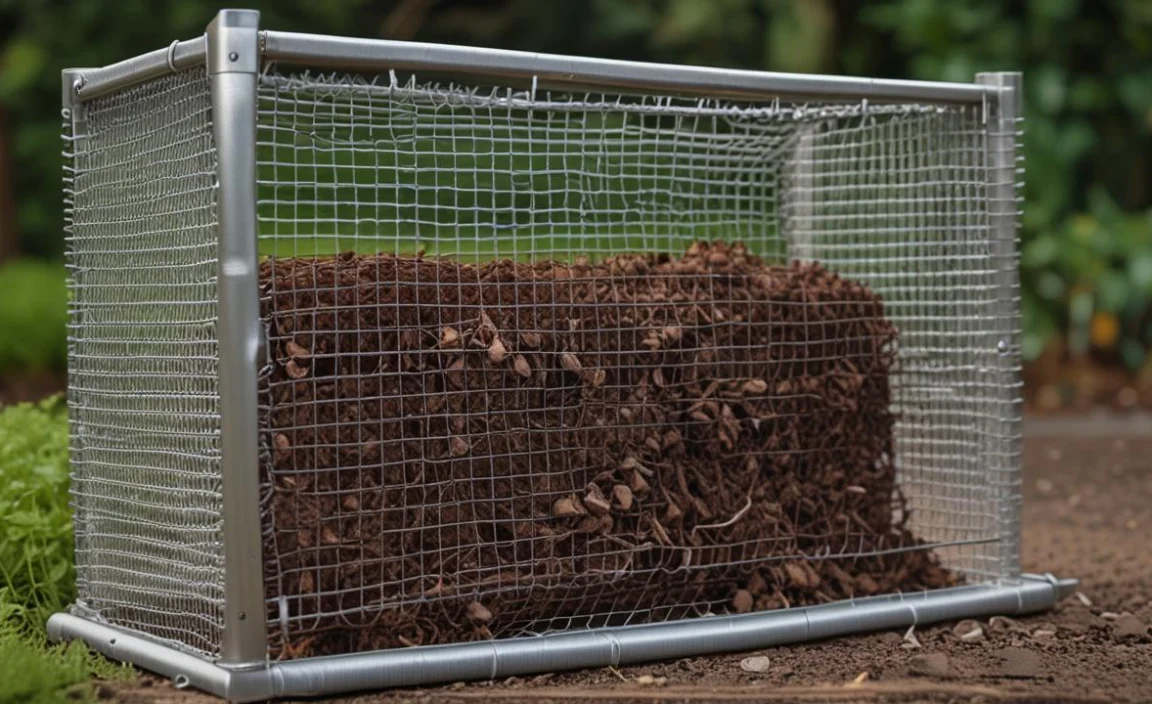
There are many advantages to creating your own compost sifter. First, it saves you money. Buying a sifter can be expensive. By making one, you use materials you have. Second, you learn new skills. Building things helps you understand how tools work. You also help the environment. Recycling materials is good for the planet. Isn’t it nice to know you are doing something helpful?
- Making your sifter saves money and time.
- You learn new skills while building.
- Recycling materials is good for the environment.
- It provides better compost for your garden.
- DIY projects can be fun and rewarding.
Creating your own sifter also encourages creativity. You can design it in any shape you like. You can paint it, making it unique to you. Plus, you can teach others about the process. Sharing your project enriches everyone’s knowledge. It’s a great way to be part of a community. Making a DIY compost sifter screen with hardware cloth is full of benefits. Isn’t it awesome to have such a fun project?
Fun Fact or Stat:
Making DIY tools can be a fun family bonding activity!
Environmental Impact of Composting
Composting has a big impact on the environment. It reduces waste in landfills. Instead of throwing scraps away, you can turn them into compost. This helps cut down on methane gases. These gases are harmful to our planet. When you sift your compost, you make it better for plants. Good compost leads to healthier plants. Isn’t it amazing how something small can make a difference?
Teaching Others about Composting
Once you understand composting, you can teach others. Share your DIY compost sifter skills with friends. Explain how composting helps the earth. You can even create a small workshop. Gather kids and teach them the fun of turning waste into soil. Engaging others helps spread the message about gardening and recycling. Have you thought about starting a community project?
Future of Composting and Gardening
As more people learn about composting, gardening will grow. People will want to learn how to make rich soil. This leads to healthier communities. With better soil, we can grow better food. Imagine a world where everyone gardens! It’s exciting to think about how much we can help our planet. Are you ready to be part of this change?
Fun Fact or Stat:
Composting can help reduce food waste by 30%!
Summary
Making a DIY compost sifter screen with hardware cloth is a fun project. You learn new skills and help the environment. This simple tool helps create rich soil for your garden. Everyone can benefit from better compost. By sharing your experience with others, you inspire them. Together, we can all grow amazing gardens and care for our planet.
Conclusion
In conclusion, making a DIY compost sifter screen with hardware cloth is rewarding. You get to recycle materials and build something helpful. The process is easy and fun. Enjoy better compost and healthier plants. So grab your materials and start building your sifter today!
Frequently Asked Questions
Question No 1: What is a compost sifter used for?
Answer: A compost sifter is used to separate fine compost from larger pieces. It helps create nutrient-rich soil for gardens. By making a DIY compost sifter screen with hardware cloth, you can easily sift through your compost. This tool ensures you only use the best materials for your plants.
Question No 2: How do you maintain a DIY compost sifter?
Answer: To maintain your compost sifter, keep it clean after each use. Remove stuck compost bits to prevent clumps. Store it in a dry place to avoid rust. If you notice wear and tear, fix it right away. This helps your DIY compost sifter screen with hardware cloth last for years.
Question No 3: Can I make a compost sifter with other materials?
Answer: Yes, you can! While hardware cloth is strong, you can use other materials. Some people use window screens or plastic mesh. However, hardware cloth is more durable. It’s best for making a DIY compost sifter screen with hardware cloth for long-lasting results.
Question No 4: Is sifting compost necessary?
Answer: Sifting compost isn’t necessary, but it helps. It separates large pieces that can slow down composting. By using a DIY compost sifter screen with hardware cloth, you can speed up your soil’s nutrient absorption. Healthier soil leads to better plants!
Question No 5: How long does it take to make a compost sifter?
Answer: You can make a compost sifter in about an hour. Gather your materials and follow the steps. Then, you can test it out right away. It’s a quick project that yields great results for your garden.
Question No 6: What are the benefits of composting?
Answer: Composting reduces waste and helps the environment. It turns kitchen scraps into rich soil for your garden. By making a DIY compost sifter screen with hardware cloth, you can improve the quality of your compost. Healthy soil leads to better plants and a happier planet!

