Do you love tasty food? Do you want to add fresh flavors? You can learn how to grow herbs indoors. It is easier than you think. Fresh herbs can make any meal better. Imagine picking basil right from your kitchen.
Have you ever bought herbs that went bad quickly? Growing your own solves this problem. It also saves you money. Plus, it’s a fun and rewarding hobby. Let’s explore how to grow herbs indoors. We will show you everything you need to know.
Key Takeaways
- Growing herbs indoors provides fresh flavors all year long.
- Choose the right pots and soil for healthy herb growth.
- Consistent watering and feeding are key to thriving herbs.
- Provide ample light, either natural or artificial, for your herbs.
- Regularly harvest your herbs to encourage more growth.
How to Start an Indoor Herb Garden
Starting an indoor herb garden is simple. First, choose the right location. Most herbs need at least six hours of sunlight. A sunny windowsill is often perfect. If you don’t have enough sunlight, use a grow light. Next, pick your pots. Make sure they have drainage holes. This prevents the soil from getting too wet. Good drainage helps avoid root rot. Choose a good potting mix. Don’t use soil from your garden. Potting mix is lighter and drains better. Select herbs you love to eat. Basil, mint, and parsley are easy to grow. With the right care, you’ll have fresh herbs all year.
- Choose a sunny spot or use a grow light.
- Select pots with good drainage.
- Use a quality potting mix.
- Pick herbs you enjoy using.
- Start small and expand later.
Once you have your supplies, it’s time to plant. Fill your pots with potting mix. Make a small hole for each herb. Gently place the herb in the hole. Cover the roots with soil. Water the herbs well. Be sure not to overwater. Keep the soil moist but not soggy. Label each pot with the herb’s name. This helps you remember what you planted. Keep an eye on your herbs. Watch for any signs of pests or disease. With a little care, your indoor herb garden will thrive. Imagine the joy of cooking with fresh, homegrown herbs.
What Herbs Grow Best Indoors?
Not all herbs grow well indoors. Some herbs need more sunlight than others. Basil, mint, and parsley are great choices. They adapt well to indoor conditions. Chives and oregano also do well. Consider the space you have. Some herbs grow larger than others. Mint, for example, can spread quickly. Plant mint in its own pot. This prevents it from taking over other herbs. Choose herbs that you use often in your cooking. This ensures you’ll always have fresh flavors on hand. Research each herb’s specific needs. This helps you provide the best care. Growing herbs indoors can be a rewarding experience. You will have fresh herbs all year.
Best Location for Your Indoor Herbs?
The right location is crucial for indoor herbs. Most herbs need at least six hours of sunlight. A south-facing window is often ideal. If you don’t have enough sunlight, use a grow light. Place the light a few inches above the plants. Rotate the pots regularly. This ensures even light exposure. Avoid placing herbs near drafts. Cold drafts can damage the plants. Keep them away from heating vents. These can dry out the soil too quickly. Monitor the temperature. Most herbs prefer a temperature between 60 and 75 degrees Fahrenheit. A good location makes all the difference. Your herbs will thrive with the right light and temperature.
What About Soil and Containers?
Choosing the right soil and containers matters. Use a well-draining potting mix. Avoid using garden soil. It is too heavy and doesn’t drain well. Select pots with drainage holes. This prevents water from sitting in the bottom. Terracotta pots are a good choice. They allow the soil to breathe. Plastic pots retain more moisture. Choose the size of the pot based on the herb. Small herbs need smaller pots. Larger herbs need bigger pots. Repot your herbs as they grow. This gives them more room to spread their roots. Good soil and containers are essential. They help your herbs grow strong and healthy. Taking the time to get this right will set you up for success.
Fun Fact or Stat: Basil is one of the most popular herbs to grow indoors. It is used in many different types of cooking!
The Best Lighting for Indoor Herb Gardens
Lighting is very important for how to grow herbs indoors. Herbs need lots of light to grow. Natural sunlight is best. But sometimes, you need extra help. A south-facing window is great. It gives the most sunlight. If you don’t have one, use grow lights. Grow lights give the herbs the light they need. There are different types of grow lights. LED lights are a good choice. They don’t use much energy. Fluorescent lights are also an option. Place the lights close to the herbs. About six inches away is good. Turn the lights on for 12-16 hours a day. This helps the herbs grow strong and healthy.
- Use a south-facing window if possible.
- Supplement with grow lights if needed.
- LED lights are energy-efficient.
- Place lights close to the herbs.
- Keep lights on for 12-16 hours daily.
Pay attention to your herbs. If they look pale, they need more light. If the leaves are burned, the light is too close. Adjust the lighting as needed. Rotate the pots regularly. This helps all sides of the plant get light. Different herbs need different amounts of light. Research each herb’s specific needs. This ensures you provide the right amount of light. With the right lighting, your indoor herb garden will thrive. You will have fresh, flavorful herbs all year long. Don’t underestimate the power of good lighting.
Do LED Grow Lights Work?
LED grow lights are a great option for indoor herbs. They are energy-efficient and last a long time. LED lights also produce less heat. This is important for indoor plants. Too much heat can damage the herbs. LED lights come in different colors. Blue light helps with leaf growth. Red light helps with flowering. Some LED lights offer both blue and red light. These are a good choice for herbs. Place the LED lights close to the herbs. About six inches away is a good distance. Monitor the herbs. Adjust the distance as needed. LED grow lights can make a big difference. They can help your herbs grow strong and healthy indoors.
How Much Sunlight Do Herbs Need?
Most herbs need at least six hours of sunlight each day. Some herbs can tolerate less light. But they won’t grow as well. A south-facing window is the best option. It provides the most sunlight. If you don’t have one, use a grow light. Pay attention to your herbs. If they are stretching towards the light, they need more. If the leaves are pale, they also need more light. Rotate the pots regularly. This ensures even light exposure. Different herbs have different sunlight needs. Research each herb to provide the best care. Giving your herbs enough sunlight is essential. It helps them grow healthy and flavorful.
What If I Don’t Have a Sunny Window?
If you don’t have a sunny window, don’t worry. You can still grow herbs indoors. Use a grow light to provide the needed light. Place the grow light close to the herbs. Turn it on for 12-16 hours each day. There are many types of grow lights available. LED lights are a good choice. They are energy-efficient and don’t produce much heat. Fluorescent lights are another option. Monitor your herbs closely. If they seem weak, adjust the light. You can also try moving the herbs to a brighter spot. Even a few hours of sunlight can help. With a little extra effort, you can grow herbs anywhere. You don’t need a sunny window to enjoy fresh, homegrown herbs.
Fun Fact or Stat: Grow lights can mimic natural sunlight, allowing you to grow herbs indoors any time of year!
Watering and Feeding Your Indoor Herbs
Watering and feeding are key to how to grow herbs indoors. Overwatering is a common mistake. It can lead to root rot. Only water when the soil feels dry. Stick your finger into the soil. If it’s dry an inch down, it’s time to water. Water thoroughly until water drains out the bottom. Empty the saucer under the pot. This prevents the herbs from sitting in water. Use a balanced liquid fertilizer. Dilute the fertilizer according to the instructions. Fertilize every two to four weeks. Don’t over-fertilize. This can burn the roots. With proper watering and feeding, your herbs will thrive.
- Water only when the soil is dry.
- Water thoroughly until it drains out.
- Use a balanced liquid fertilizer.
- Fertilize every two to four weeks.
- Avoid overwatering and over-fertilizing.
Pay attention to the specific needs of each herb. Some herbs need more water than others. Mint, for example, likes to stay moist. Rosemary prefers to dry out between waterings. Research each herb’s needs. This helps you provide the best care. Check your herbs regularly. Look for signs of overwatering or underwatering. Yellow leaves can indicate overwatering. Wilting leaves can indicate underwatering. Adjust your watering and feeding as needed. A little attention goes a long way. Your indoor herb garden will reward you with fresh, flavorful herbs.
How Often Should You Water Herbs?
The frequency of watering depends on several factors. The type of herb matters. The size of the pot matters too. The temperature and humidity also play a role. A good rule of thumb is to check the soil regularly. Stick your finger into the soil. If it feels dry an inch down, it’s time to water. Water more often in warm, sunny weather. Water less often in cool, cloudy weather. Overwatering is worse than underwatering. It can lead to root rot. Pay attention to your herbs. Adjust your watering schedule as needed. With a little practice, you’ll get the hang of it.
What Type of Fertilizer Is Best?
A balanced liquid fertilizer is best for indoor herbs. Look for a fertilizer with equal parts nitrogen, phosphorus, and potassium. These are the three main nutrients that plants need. Dilute the fertilizer according to the instructions. Use a weaker solution than recommended. This prevents burning the roots. Fertilize every two to four weeks. Don’t fertilize during the winter months. The herbs are not actively growing then. Organic fertilizers are also a good option. They release nutrients slowly. This is less likely to burn the roots. Choose a fertilizer that is right for your herbs. This helps them grow strong and healthy.
What Are Signs of Overwatering?
Overwatering is a common problem for indoor herbs. Yellow leaves are a sign of overwatering. The leaves may also feel soft and mushy. The soil may be constantly wet. There may be mold growing on the soil surface. Root rot is another sign of overwatering. The roots will be brown and mushy. If you see these signs, take action. Stop watering the herbs. Allow the soil to dry out completely. Remove any affected leaves or roots. Repot the herbs in fresh, dry potting mix. Improve drainage by adding perlite or vermiculite to the soil. With prompt action, you can save your overwatered herbs.
Fun Fact or Stat: Some herbs like rosemary prefer to dry out completely between waterings, while others like mint prefer consistently moist soil!
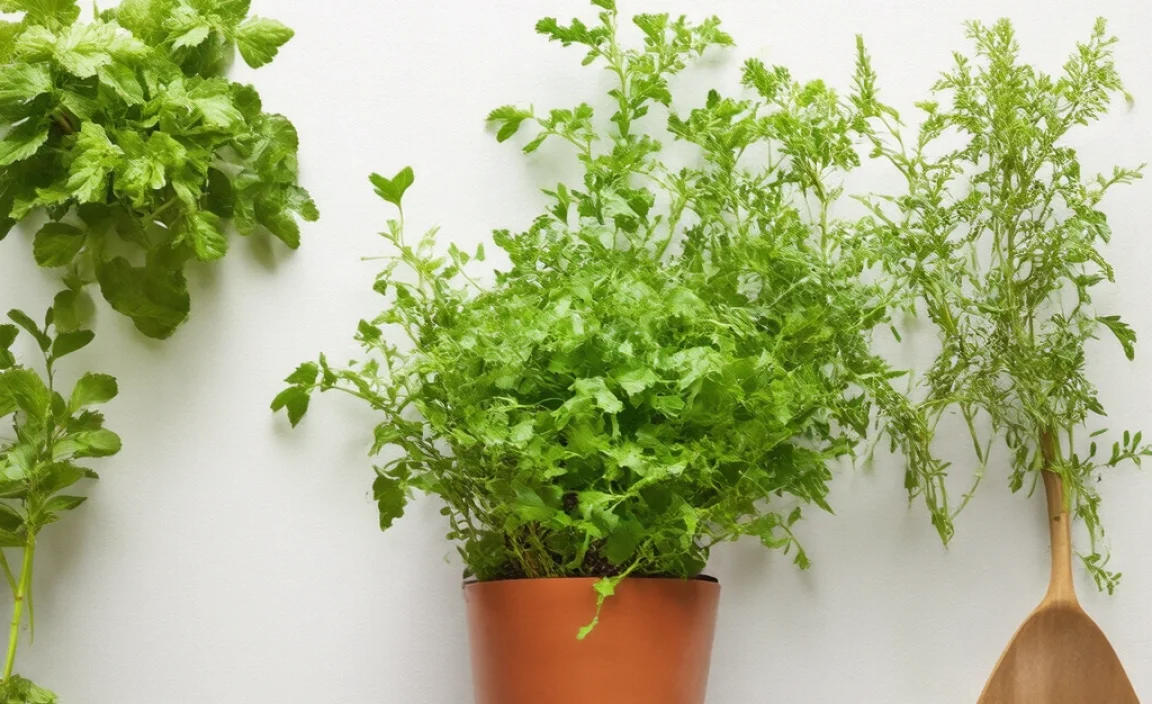
Pruning and Harvesting Your Indoor Herbs
Pruning and harvesting are important for how to grow herbs indoors. Pruning encourages new growth. It keeps your herbs healthy and bushy. Use clean scissors or pruning shears. Cut the stems just above a leaf node. This is where new leaves will grow. Harvest your herbs regularly. This also encourages new growth. Pick the leaves as you need them. Start with the older, outer leaves. Leave the younger, inner leaves to grow. Don’t remove more than one-third of the plant at a time. With regular pruning and harvesting, your herbs will thrive.
- Prune to encourage new growth.
- Use clean scissors or shears.
- Harvest regularly to promote growth.
- Pick older leaves first.
- Don’t remove more than one-third at once.
Different herbs benefit from different pruning techniques. Basil, for example, should be pinched back regularly. This prevents it from flowering. Flowering basil can become bitter. Mint can be pruned heavily. It tends to spread quickly. Rosemary can be trimmed to maintain its shape. Research each herb’s specific pruning needs. This helps you provide the best care. Don’t be afraid to prune your herbs. It may seem scary, but it’s good for them. With a little practice, you’ll become a pruning pro. Your indoor herb garden will thank you with abundant growth.
How Do You Prune Herbs?
Pruning herbs is simple. Use clean scissors or pruning shears. Cut the stems just above a leaf node. This is where new leaves will grow. Remove any dead or yellow leaves. This keeps the plant healthy. Prune regularly to encourage new growth. Don’t be afraid to cut back the plant. It will grow back stronger. Different herbs need different pruning techniques. Research each herb to provide the best care. With a little practice, you’ll become a pruning expert. Your herbs will thank you with lots of fresh leaves.
When Should You Harvest Herbs?
Harvest herbs when they are at their peak flavor. This is usually in the morning. The essential oils are most concentrated then. Harvest regularly to encourage new growth. Pick the leaves as you need them. Start with the older, outer leaves. Leave the younger, inner leaves to grow. Don’t remove more than one-third of the plant at a time. Store your harvested herbs properly. This will help them stay fresh longer. Use fresh herbs as soon as possible. They have the best flavor when fresh. With proper harvesting, you’ll always have fresh herbs on hand.
Can You Eat the Flowers on Herbs?
Some herb flowers are edible. Basil flowers are edible. They have a mild basil flavor. Chive flowers are also edible. They have a mild onion flavor. Rosemary flowers are edible too. They have a slightly spicy flavor. Not all herb flowers are edible. Some can be bitter or even toxic. Research the specific herb before eating its flowers. Use herb flowers sparingly. They can be quite strong in flavor. Add them to salads, soups, or other dishes. They make a beautiful garnish. With a little caution, you can enjoy the flowers of your herbs.
Fun Fact or Stat: Regular harvesting encourages herbs to produce more leaves, resulting in a fuller, bushier plant!
Common Problems and Solutions
Even with the best care, you might face problems when learning how to grow herbs indoors. Pests are a common issue. Aphids, spider mites, and whiteflies can attack your herbs. Check your plants regularly for signs of pests. Use insecticidal soap to control pests. Spray the plants thoroughly, including the undersides of the leaves. Disease is another potential problem. Root rot can occur if the soil is too wet. Powdery mildew can develop in humid conditions. Ensure good air circulation to prevent disease. Remove any affected leaves or stems. With prompt action, you can solve most problems.
- Check regularly for pests.
- Use insecticidal soap for pests.
- Ensure good air circulation.
- Remove affected leaves or stems.
- Address problems promptly.
Sometimes, herbs can struggle to grow indoors. They may not get enough light. They may not be getting enough water or nutrients. Adjust your care as needed. Move the herbs to a sunnier location. Use a grow light to supplement natural light. Water more or less frequently, depending on the herb. Fertilize regularly with a balanced fertilizer. Don’t give up! With a little troubleshooting, you can overcome most challenges. Your indoor herb garden will thrive with the right care and attention. Remember, every gardener faces challenges. It’s part of the learning process.
What Are Common Pests for Indoor Herbs?
Aphids are tiny, soft-bodied insects. They suck sap from plants. They can cause leaves to turn yellow and distorted. Spider mites are tiny, spider-like pests. They create webs on the undersides of leaves. They also suck sap from plants. Whiteflies are small, white, flying insects. They feed on plant sap. They can cause leaves to turn yellow and drop off. Scale insects are small, armored pests. They attach themselves to stems and leaves. They suck sap from the plant. These pests can weaken your herbs. Check your plants regularly and take action if you see any pests.
How Do You Get Rid of Pests Naturally?
Insecticidal soap is a natural way to control pests. It suffocates the insects. It is safe for plants and humans. Neem oil is another natural option. It disrupts the insect’s life cycle. It also has antifungal properties. Horticultural oil can also be used. It smothers the insects. Diatomaceous earth is a powder made from fossilized algae. It cuts the insects’ exoskeletons. This causes them to dehydrate and die. Introduce beneficial insects, like ladybugs. They eat aphids and other pests. These natural methods can help you control pests without harsh chemicals.
What Are Signs of Nutrient Deficiency?
Yellow leaves can indicate a nutrient deficiency. Stunted growth is another sign. The leaves may be small and pale. The plant may not be producing many new leaves. The stems may be weak and spindly. The plant may not be flowering or fruiting. Different nutrient deficiencies cause different symptoms. Nitrogen deficiency causes yellowing of older leaves. Phosphorus deficiency causes purple leaves. Potassium deficiency causes yellowing of leaf edges. Identify the specific deficiency and adjust your fertilizer accordingly. With proper fertilization, you can correct nutrient deficiencies and help your herbs thrive.
| Problem | Possible Cause | Solution |
|---|---|---|
| Yellowing Leaves | Overwatering, nutrient deficiency | Adjust watering, fertilize |
| Pests | Poor ventilation, infested plants | Insecticidal soap, neem oil |
| Stunted Growth | Lack of light, poor soil | More light, repot with good soil |
| Root Rot | Overwatering, poor drainage | Reduce watering, improve drainage |
Fun Fact or Stat: Introducing ladybugs to your indoor herb garden can help control aphid populations naturally!
Choosing the Right Herbs for Your Space
Consider your space when choosing herbs. Some herbs need more room than others. Mint and oregano can spread quickly. Plant them in their own pots. Basil and parsley are more compact. They can be grown in smaller containers. Think about the amount of sunlight you have. Some herbs need more sunlight than others. Basil and rosemary need at least six hours of sunlight. Mint and parsley can tolerate less light. Choose herbs that you will actually use. There’s no point in growing herbs you don’t like. With careful planning, you can create a thriving indoor herb garden.
- Consider the size of your space.
- Think about the amount of sunlight.
- Choose herbs you will actually use.
- Start with easy-to-grow herbs.
- Plant herbs in appropriate-sized pots.
Start with easy-to-grow herbs. Basil, mint, and parsley are good choices. They are relatively low-maintenance. They are also versatile in the kitchen. As you gain experience, you can try growing more challenging herbs. Rosemary and thyme can be a bit more finicky. They need well-draining soil and plenty of sunlight. Don’t be afraid to experiment. Try growing different herbs to see what works best for you. Growing herbs indoors is a rewarding experience. You will have fresh, flavorful herbs right at your fingertips.
Best Herbs for Small Spaces?
For small spaces, choose compact herbs. Basil is a great option. It doesn’t take up much room. Parsley is another good choice. It grows well in small pots. Chives are also suitable for small spaces. They have a small footprint. Thyme can be grown in small containers. It is a low-growing herb. Avoid herbs that spread quickly, like mint. These can quickly outgrow a small space. With careful selection, you can grow herbs even in the tiniest of apartments.
Which Herbs Need the Most Sunlight?
Basil needs at least six hours of sunlight per day. Rosemary also needs plenty of sunlight. Thyme prefers a sunny location. Oregano thrives in full sun. These herbs need lots of light to grow well. If you don’t have enough sunlight, use a grow light. Place the light close to the herbs. Turn it on for 12-16 hours per day. With enough light, these herbs will thrive indoors.
What About Herbs for Shade?
Mint can tolerate shade. It doesn’t need as much sunlight as other herbs. Parsley can also grow in partial shade. Chives can tolerate some shade. These herbs are a good choice for shady locations. If you don’t have a sunny windowsill, don’t worry. You can still grow herbs indoors. Just choose shade-tolerant varieties. With the right care, these herbs will thrive even in low-light conditions.
Fun Fact or Stat: Basil is sensitive to cold temperatures, making it an ideal candidate for indoor growing!
Summary
How to grow herbs indoors is a rewarding and simple process. It allows you to have fresh herbs all year. Start by choosing the right location. A sunny windowsill or a grow light will work. Select the right pots and potting mix. Water and fertilize your herbs regularly. Don’t forget to prune and harvest. Watch out for pests and diseases. Choose herbs that fit your space and needs. With a little care, you can have a thriving indoor herb garden. Enjoy the fresh flavors in your cooking.
Growing herbs indoors brings many benefits. You save money on store-bought herbs. You have fresh ingredients whenever you need them. It is also a fun and relaxing hobby. Experiment with different herbs and techniques. Soon, you’ll be an expert at how to grow herbs indoors. Share your harvest with friends and family. They will appreciate the fresh, homegrown flavors.
Conclusion
Growing herbs indoors is easier than you think. You can enjoy fresh, flavorful herbs all year. Choose the right herbs, provide enough light, and water properly. Prune and harvest regularly to encourage growth. Don’t be afraid to experiment and learn. Soon, you will have a thriving indoor herb garden. Learning how to grow herbs indoors is a rewarding experience. Enjoy the taste of fresh, homegrown herbs in your meals.
Frequently Asked Questions
Question No 1: What are the easiest herbs to grow indoors?
Answer: Some of the easiest herbs to grow indoors include basil, mint, parsley, chives, and oregano. These herbs are relatively low-maintenance and adapt well to indoor conditions. They don’t require a lot of sunlight and can thrive with just a few hours of direct light per day. Plus, they are all commonly used in cooking, so you’ll have plenty of opportunities to use your fresh herbs. These herbs are great for beginners who want to learn how to grow herbs indoors.
Question No 2: How much sunlight do indoor herbs need?
Answer: Most indoor herbs need at least six hours of sunlight per day. A south-facing window is ideal. If you don’t have enough natural light, use a grow light. Place the grow light a few inches above the plants. Turn it on for 12-16 hours per day. Some herbs, like mint and parsley, can tolerate less sunlight. But they will grow best with at least a few hours of direct light each day. Adequate sunlight is crucial when considering how to grow herbs indoors. Without enough light, the herbs may become leggy and weak.
Question No 3: How often should I water my indoor herbs?
Answer: The frequency of watering depends on several factors. These include the type of herb, the size of the pot, and the temperature and humidity. A good rule of thumb is to check the soil regularly. Stick your finger into the soil. If it feels dry an inch down, it’s time to water. Water thoroughly until water drains out the bottom. Empty the saucer under the pot. This prevents the herbs from sitting in water. Overwatering can lead to root rot. Pay attention to your herbs and adjust your watering schedule as needed. With practice, you will master how to grow herbs indoors.
Question No 4: What type of soil is best for indoor herbs?
Answer: Use a well-draining potting mix for indoor herbs. Avoid using garden soil. It is too heavy and doesn’t drain well. A good potting mix will contain ingredients like peat moss, perlite, and vermiculite. These ingredients help to improve drainage and aeration. This prevents the soil from becoming compacted. You can also add some compost to the potting mix. This will provide extra nutrients for your herbs. Choosing the right soil is essential for healthy herb growth. It is a key step in how to grow herbs indoors successfully.
Question No 5: How do I prevent pests on my indoor herbs?
Answer: To prevent pests on your indoor herbs, check your plants regularly for signs of pests. Aphids, spider mites, and whiteflies are common indoor herb pests. Use insecticidal soap to control pests. Spray the plants thoroughly, including the undersides of the leaves. Ensure good air circulation around your plants. This helps to prevent pests and diseases. You can also introduce beneficial insects, like ladybugs, to control pests naturally. Taking these steps will help you keep your indoor herbs healthy and pest-free. Knowing how to grow herbs indoors includes pest prevention.
Question No 6: Can I grow herbs indoors all year round?
Answer: Yes, you can grow herbs indoors all year round. With the right conditions, your herbs can thrive indoors even during the winter months. Provide enough light, water, and nutrients. Pay attention to temperature and humidity. Keep your herbs away from drafts. Prune and harvest regularly to encourage growth. With a little care, you can enjoy fresh, homegrown herbs all year long. Learning how to grow herbs indoors is the gift that keeps on giving. You will have fresh herbs whenever you need them.

