Have you ever tried to wash dishes with a trickle of water? It can be super frustrating! Low water pressure in your kitchen sink makes chores hard. You might wonder how to increase water pressure in kitchen sink. Don’t worry, there are ways to fix it! Let’s explore some easy solutions together.
Sometimes, a simple fix can make a big difference. Imagine the water flowing strongly again. You can quickly rinse plates and fill pots. It’s like having a brand-new kitchen! Ready to learn how to increase water pressure in kitchen sink? Let’s get started!
Key Takeaways
- Knowing how to increase water pressure in kitchen sink can save time and effort.
- Clean your faucet aerator regularly to remove mineral buildup.
- Check for any leaks in pipes under the sink or in the house.
- Consider installing a water pressure booster if needed.
- Call a plumber for complex problems like broken pipes.
How to Check Your Kitchen Sink Aerator
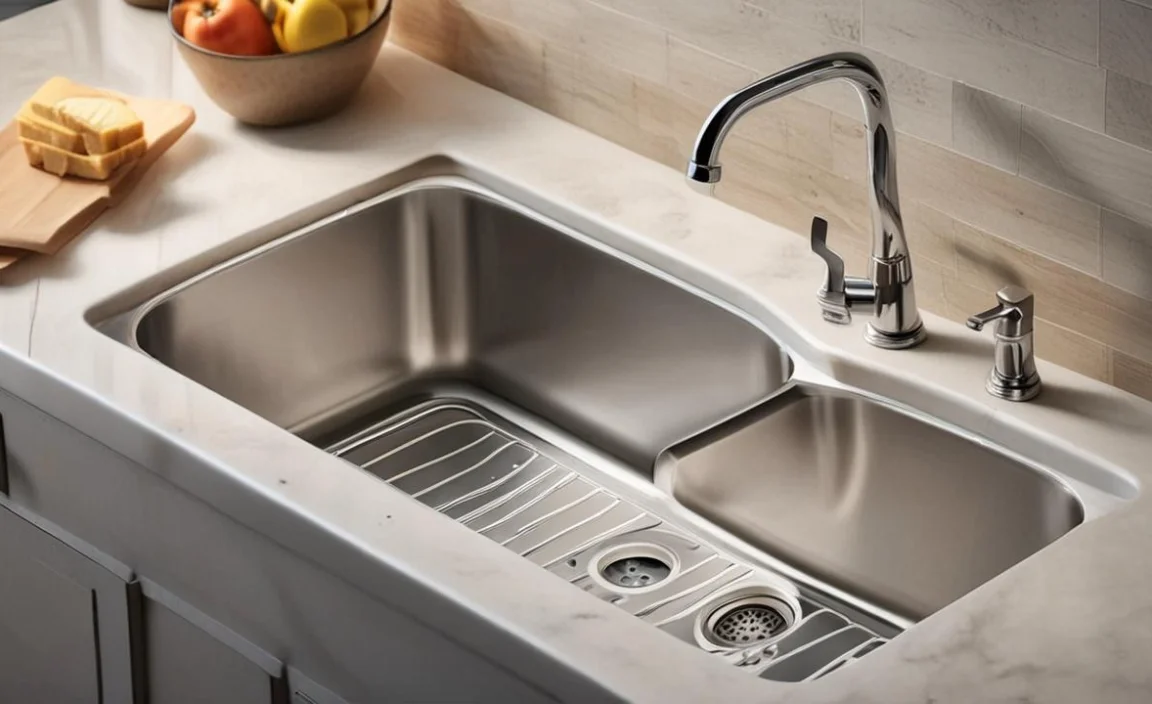
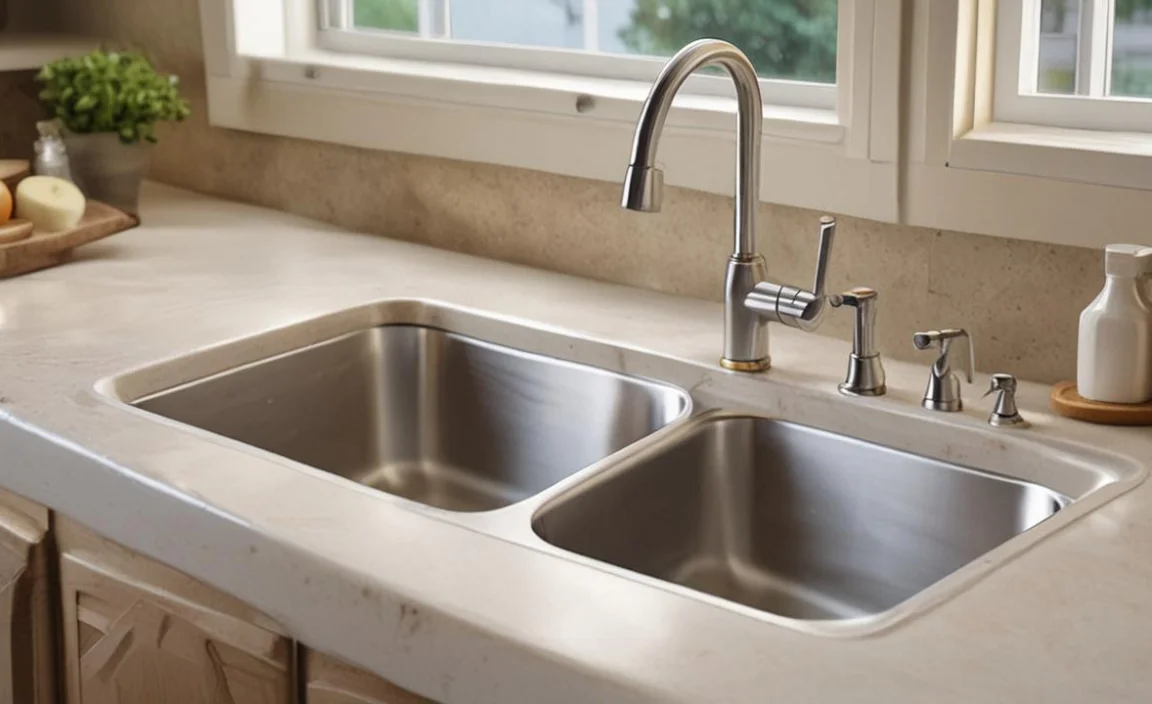
The aerator is at the tip of your faucet. It mixes air with water. Over time, it can get clogged with minerals. This blockage reduces water pressure. Cleaning it is a simple way to increase water pressure in kitchen sink. First, unscrew the aerator. Use pliers if it’s stuck. Be careful not to scratch the finish. Once it’s off, you’ll see a small screen. This screen is often full of tiny particles. Rinse the screen under running water. Use a small brush to scrub away stubborn deposits. If it’s really dirty, soak it in vinegar for an hour. Vinegar dissolves mineral buildup. After cleaning, put the aerator back together. Screw it back onto the faucet. Turn on the water and see if the pressure has improved. This simple step can often make a big difference.
- Find the aerator at the end of your kitchen faucet.
- Unscrew the aerator using your hands or pliers.
- Rinse the aerator screen under running water.
- Soak it in vinegar to remove stubborn mineral buildup.
- Scrub the screen gently with a small brush.
- Reassemble and reattach the aerator to the faucet.
Cleaning the aerator is a quick and easy task. It can significantly improve water flow. Regular cleaning prevents future clogs. This keeps your water pressure strong. If cleaning doesn’t help, the aerator may need replacing. New aerators are inexpensive and easy to install. Remember, a clean aerator means better water pressure. This simple maintenance can save you from bigger plumbing problems. Always turn off the water before starting any faucet repair. A little effort goes a long way in maintaining good water pressure. Now you know one of the easiest ways on how to increase water pressure in kitchen sink.
Why is My Aerator Clogged?
Have you ever wondered why aerators get clogged? The answer lies in the water itself. Most tap water contains minerals like calcium and magnesium. These minerals are harmless to drink. However, they can build up over time. This buildup forms scale inside pipes and on faucet parts. The aerator, with its fine mesh screen, catches these particles. Over time, the screen becomes blocked. This blockage restricts water flow. Homes with hard water are more prone to this problem. Hard water has a higher mineral content. Regular cleaning can prevent severe buildup. Consider using a water softener if you have hard water. A water softener reduces mineral content. This will help keep your aerator clean for longer. Remember, prevention is key to maintaining good water pressure.
How Often Should I Clean It?
How often should you clean your aerator? It depends on your water quality. If you have hard water, clean it more often. A good rule of thumb is every three to six months. If you notice reduced water pressure, check it sooner. Cleaning it regularly prevents severe clogs. This ensures consistent water flow. Set a reminder on your phone or calendar. This will help you remember to clean it. Regular maintenance keeps your faucet working well. It also extends the life of your faucet. Don’t wait until the water barely trickles out. A little maintenance can save you headaches later.
What if Cleaning Doesn’t Help?
What if cleaning the aerator doesn’t help? The aerator might be damaged. The screen could be torn or corroded. In this case, replacing the aerator is the best option. New aerators are easy to find at hardware stores. They are also inexpensive. Make sure to buy the correct size for your faucet. Installation is simple. Just unscrew the old one and screw in the new one. If you’re unsure, ask for help at the hardware store. Replacing a damaged aerator can restore water pressure. It’s a quick and affordable fix. Don’t struggle with low water pressure. A new aerator can make a big difference.
Fun Fact or Stat: A clogged aerator can reduce water flow by up to 50%! Cleaning it regularly can save water and energy.
Checking for Leaks to Improve Water Pressure
Leaks can significantly reduce water pressure. Even small leaks can waste a lot of water. They also lower the overall pressure in your plumbing system. To increase water pressure in kitchen sink, inspect for leaks. Start by checking under the sink. Look at the pipes and connections. Feel for dampness or drips. Check the supply lines that connect to the faucet. Also, inspect the drain pipes. Leaks can be hidden behind cabinets or under flooring. Use a flashlight to get a better view. Check other areas of your home too. Look at toilets, showers, and outdoor faucets. Even a small toilet leak can waste gallons of water. Repairing leaks promptly saves water and improves pressure. If you find a leak you can’t fix, call a plumber. A professional can quickly identify and repair hidden leaks.
- Inspect under the sink for any signs of leaks or drips.
- Check all pipe connections and supply lines.
- Look for dampness or water stains on cabinets or floors.
- Inspect toilets, showers, and outdoor faucets for leaks.
- Listen for the sound of running water when no fixtures are in use.
- Repair any leaks promptly to conserve water and improve pressure.
Finding and fixing leaks is crucial for maintaining water pressure. Leaks not only waste water but can also cause damage. Water damage can lead to mold growth and structural problems. Regular inspections can prevent these issues. If you’re not comfortable fixing leaks yourself, hire a plumber. A plumber has the tools and expertise to handle repairs. They can also identify hidden leaks. Ignoring leaks can lead to costly repairs down the road. Addressing them promptly saves money and protects your home. Remember, every drop counts. Fixing leaks is an important step in conserving water and improving water pressure. Consider that one of the ways on how to increase water pressure in kitchen sink.
Where are Common Leak Spots?
Where are the most common leak spots? Under the kitchen sink is a prime location. The connections between the faucet and water supply lines are vulnerable. Toilets are also frequent culprits. The flapper valve inside the tank can wear out. This causes water to leak continuously. Showerheads and faucets can develop leaks at the connections. Outdoor faucets are susceptible to damage from freezing temperatures. Check these areas regularly for signs of leaks. Early detection can prevent major problems. A small drip can turn into a big problem quickly. Stay vigilant and address leaks promptly.
How Can I Detect Hidden Leaks?
How can you detect hidden leaks? One way is to check your water meter. Turn off all water-using appliances and faucets. Then, check the water meter. If the meter is still running, you likely have a leak. Another method is to look for signs of water damage. Check for water stains on ceilings or walls. Look for mold or mildew growth. These can indicate a hidden leak. A musty odor can also be a sign. If you suspect a leak, call a professional plumber. They have tools to locate hidden leaks. They can also repair them efficiently.
What Tools Do I Need for Repairs?
What tools do you need for basic leak repairs? A pipe wrench is essential for tightening connections. Adjustable pliers are useful for various tasks. Teflon tape helps to seal threaded connections. A screwdriver is needed for removing faucet parts. A bucket is helpful for catching drips. A flashlight is important for seeing in dark areas. With these tools, you can tackle many common leak repairs. If you’re not comfortable, don’t hesitate to call a plumber. Safety is always the priority. Using the right tools makes the job easier and safer.
| Leak Location | Possible Causes | Repair Tips |
|---|---|---|
| Under Sink | Loose connections, corroded pipes | Tighten connections, replace pipes |
| Toilet | Faulty flapper, cracked tank | Replace flapper, repair cracks |
| Showerhead | Worn washers, loose connections | Replace washers, tighten connections |
| Outdoor Faucet | Freeze damage, worn seals | Insulate faucet, replace seals |
Fun Fact or Stat: The average household wastes over 10,000 gallons of water per year due to leaks! Fixing leaks can save you money on your water bill.
Replacing Old or Corroded Pipes
Old or corroded pipes can restrict water flow. Over time, pipes can build up with rust and sediment. This reduces the inside diameter of the pipe. Less water can flow through, resulting in lower pressure. Replacing old pipes can significantly increase water pressure in kitchen sink. If you live in an older home, consider replacing galvanized steel pipes. These pipes are prone to corrosion. Copper or PEX pipes are better alternatives. They are more resistant to corrosion. Replacing pipes is a bigger project. It may require professional help. A plumber can assess your pipes and recommend the best solution. They can also handle the installation. While it’s an investment, it can improve water pressure. It also ensures clean and safe water. Don’t wait until your pipes fail completely. Addressing old pipes proactively can prevent costly repairs.
- Identify old, corroded pipes in your plumbing system.
- Consider replacing galvanized steel pipes with copper or PEX.
- Consult with a plumber to assess the condition of your pipes.
- Obtain necessary permits for plumbing work.
- Ensure proper installation to avoid leaks and damage.
- Test water pressure after replacement for improvement.
Replacing pipes can seem daunting, but it’s a worthwhile investment. Old pipes can also affect water quality. Rust and sediment can leach into your water supply. This can make your water taste unpleasant. It can also pose health risks. Replacing old pipes ensures clean, safe drinking water. It also improves the overall value of your home. Modern piping materials are more durable and efficient. They can last for many years with minimal maintenance. If you’re experiencing low water pressure, consider replacing your pipes. It’s a long-term solution that provides lasting benefits. A plumber can guide you through the process and ensure a successful outcome. Think of it as a complete revamp to how to increase water pressure in kitchen sink.
What are the Signs of Pipe Corrosion?
What are the signs of pipe corrosion? One sign is discolored water. Rust-colored or brown water indicates corrosion. Another sign is low water pressure. Corrosion restricts water flow. Leaks are also a common sign. Corroded pipes are more likely to leak. Visible rust on pipes is another indicator. If you notice any of these signs, inspect your pipes. A professional plumber can assess the extent of the corrosion. They can recommend the best course of action. Don’t ignore these warning signs. Addressing corrosion early can prevent major problems.
Copper vs. PEX: Which is Better?
Copper vs. PEX: Which is better for pipe replacement? Copper is a traditional choice. It’s durable and resistant to corrosion. However, it can be more expensive. PEX is a newer material. It’s flexible and easier to install. It’s also more resistant to freezing. PEX is generally more affordable than copper. Both materials have their pros and cons. The best choice depends on your specific needs. Consult with a plumber to determine the best option for your home. They can consider factors like cost, durability, and ease of installation.
Can I Replace Pipes Myself?
Can you replace pipes yourself? It depends on your plumbing experience. Simple repairs, like replacing a section of pipe, may be manageable. However, replacing an entire plumbing system is complex. It requires knowledge of plumbing codes. It also requires specialized tools. If you’re not comfortable, hire a professional plumber. Improper installation can lead to leaks and water damage. It’s better to be safe than sorry. A plumber can ensure the job is done correctly. They can also obtain necessary permits.
Fun Fact or Stat: Copper pipes can last for over 50 years, while PEX pipes have a lifespan of around 40-50 years!
Installing a Water Pressure Booster
If your home’s water pressure is consistently low, a water pressure booster might help. A booster pump increases the water pressure in your entire house. It’s installed on the main water line. It boosts the pressure to a more usable level. This can significantly increase water pressure in kitchen sink. Water pressure boosters are especially useful in homes with low municipal water pressure. They are also helpful in homes with long or complex plumbing systems. Installing a booster pump requires some plumbing knowledge. It’s often best to hire a professional. A plumber can determine the right size pump for your needs. They can also ensure proper installation. A booster pump can make a big difference in your water pressure. Enjoy stronger showers and faster dishwashing.
- Determine if a water pressure booster is necessary for your home.
- Research different types and sizes of booster pumps.
- Hire a qualified plumber for professional installation.
- Ensure the pump is properly sized for your home’s water needs.
- Follow manufacturer’s instructions for maintenance and care.
- Monitor water pressure after installation for optimal performance.
A water pressure booster can solve persistent low-pressure problems. However, it’s important to address the underlying cause. Low pressure can also be caused by leaks or old pipes. Fix these issues before installing a booster. A booster pump can mask underlying problems. It’s also important to choose the right size pump. An oversized pump can damage your plumbing system. An undersized pump won’t provide enough pressure. A plumber can help you make the right choice. They can assess your water pressure and flow requirements. A properly installed booster pump can provide years of reliable service. It’s a great way to improve your overall water pressure. You can finally know how to increase water pressure in kitchen sink.
How Does a Booster Pump Work?
How does a water pressure booster pump work? It uses an electric motor to increase water pressure. The pump draws water from the main water line. It then increases the pressure using an impeller. The pressurized water is then sent through your plumbing system. Some booster pumps have adjustable settings. This allows you to customize the water pressure. Other pumps have automatic controls. They turn on and off as needed. The pump maintains a consistent water pressure throughout your home. It’s a simple but effective way to boost water pressure.
What Size Pump Do I Need?
What size water pressure booster pump do you need? It depends on your home’s water usage. It also depends on your existing water pressure. A plumber can perform a water pressure test. This test measures your current water pressure and flow rate. They can then recommend the appropriate size pump. Consider the number of fixtures in your home. Also, consider the number of people living there. More fixtures and people require a larger pump. A properly sized pump provides adequate pressure. It also prevents damage to your plumbing system.
Are There Any Downsides to Using One?
Are there any downsides to using a water pressure booster pump? One downside is the cost. Booster pumps can be expensive to purchase and install. Another downside is the noise. Some pumps can be quite noisy when operating. However, newer models are quieter. Booster pumps also require electricity. This adds to your energy bill. Finally, booster pumps require maintenance. They may need occasional repairs. Despite these downsides, a booster pump can be a worthwhile investment. It can significantly improve your water pressure.
Fun Fact or Stat: Water pressure boosters can increase water pressure by 20-40 PSI (pounds per square inch)!
Understanding Your Home’s Water Pressure Regulator
A water pressure regulator controls the water pressure entering your home. It’s usually located near the main water shut-off valve. The regulator ensures that your plumbing system isn’t overwhelmed by high pressure. If the regulator is faulty, it can cause low water pressure. Checking and adjusting the regulator can increase water pressure in kitchen sink. First, locate the regulator. It’s a bell-shaped device with an adjustment screw. Use a wrench to loosen the locknut on the adjustment screw. Then, turn the screw clockwise to increase pressure. Turn it counterclockwise to decrease pressure. Monitor the water pressure gauge while adjusting. Don’t exceed the recommended pressure for your plumbing system. Overly high pressure can damage pipes and fixtures. If you’re unsure, consult with a plumber. They can help you adjust the regulator safely and effectively.
- Locate the water pressure regulator near the main water shut-off valve.
- Loosen the locknut on the adjustment screw.
- Turn the screw clockwise to increase pressure, counterclockwise to decrease.
- Monitor the water pressure gauge while adjusting.
- Do not exceed the recommended pressure for your plumbing system.
- Consult a plumber if unsure about adjusting the regulator.
The water pressure regulator is an important component of your plumbing system. It protects your pipes and fixtures from damage. It also ensures consistent water pressure. If you’re experiencing low water pressure, check the regulator. It may be set too low. Adjusting it can improve your water pressure. However, be cautious. Overly high pressure can cause leaks and damage. It’s also important to understand your local plumbing codes. Some areas have restrictions on water pressure. A plumber can ensure that your water pressure is within the legal limits. Regular maintenance of the regulator can prevent problems. Inspect it periodically for signs of wear or damage. A properly functioning regulator contributes to a healthy plumbing system. It is also a good way on how to increase water pressure in kitchen sink.
Where is the Regulator Located?
Where is the water pressure regulator located? It’s typically near the main water shut-off valve. This valve is usually located where the water line enters your home. It may be in the basement, garage, or near an outside wall. Look for a bell-shaped device with an adjustment screw. The regulator may be labeled with a pressure range. If you can’t find it, consult your home’s plumbing diagram. If you’re still unsure, call a plumber. They can help you locate the regulator. Knowing the location of the regulator is important for maintenance.
How Do I Adjust the Regulator?
How do you adjust the water pressure regulator? First, locate the adjustment screw. It’s usually on top of the regulator. Loosen the locknut on the screw. Then, turn the screw clockwise to increase pressure. Turn it counterclockwise to decrease pressure. Use a water pressure gauge to monitor the pressure. The gauge can be attached to an outdoor faucet. Adjust the screw in small increments. Check the pressure after each adjustment. Don’t exceed the recommended pressure for your plumbing system. Tighten the locknut when you’re finished.
What is the Ideal Water Pressure?
What is the ideal water pressure for your home? The ideal pressure is between 40 and 60 PSI (pounds per square inch). Pressure below 40 PSI may feel weak. Pressure above 60 PSI can damage pipes and fixtures. Check your water pressure with a gauge. Adjust the regulator as needed to maintain the ideal pressure. Regular monitoring can prevent problems. It also ensures comfortable water flow. Maintaining the correct pressure protects your plumbing system.
Fun Fact or Stat: High water pressure can shorten the lifespan of your appliances and plumbing fixtures by up to 50%!
When to Call a Plumber for Low Pressure
Sometimes, low water pressure requires professional help. If you’ve tried the simple fixes and nothing works, call a plumber. A plumber can diagnose complex plumbing problems. They have the tools and expertise to solve them. They can identify hidden leaks or blockages. They can also assess the condition of your pipes. Don’t hesitate to call a plumber if you’re unsure. Addressing plumbing issues early can prevent costly repairs. A plumber can also provide expert advice. They can recommend the best solutions for your home. They can also ensure that your plumbing system meets local codes. Calling a plumber can give you peace of mind. You can be sure that the job is done correctly and efficiently. They can also help on how to increase water pressure in kitchen sink.
- If simple fixes don’t improve water pressure, call a plumber.
- Plumbers can diagnose and repair complex plumbing problems.
- They can identify hidden leaks or blockages in pipes.
- Plumbers can assess the condition of your plumbing system.
- Addressing issues early can prevent costly repairs.
- Plumbers can provide expert advice and ensure code compliance.
Calling a plumber is a smart decision when you’re out of your depth. Plumbing problems can be complex and difficult to diagnose. A plumber has the training and experience to handle these issues. They can also use specialized tools to locate problems. They can also make repairs quickly and efficiently. Don’t risk damaging your plumbing system by attempting DIY repairs. A plumber can ensure that the job is done correctly. They can also provide a warranty for their work. This gives you added protection and peace of mind. When in doubt, call a plumber. It’s the best way to ensure a safe and effective solution. That’s also a surefire way on how to increase water pressure in kitchen sink.
What are Signs of a Major Plumbing Problem?
What are the signs of a major plumbing problem? One sign is a sudden drop in water pressure. This could indicate a major leak or blockage. Another sign is discolored water. This could indicate corrosion or contamination. Frequent clogs are also a sign of a problem. They could indicate a blockage in the main sewer line. The sound of running water when no fixtures are in use is another sign. This could indicate a hidden leak. If you notice any of these signs, call a plumber. They can diagnose and repair the problem quickly.
How Much Does a Plumber Cost?
How much does it cost to hire a plumber? The cost depends on the nature of the problem. Simple repairs, like fixing a leaky faucet, may cost $100-$200. More complex repairs, like replacing pipes, can cost several hundred dollars. Emergency plumbing services may cost more. It’s best to get an estimate from several plumbers. This allows you to compare prices. Also, ask about their experience and qualifications. A reputable plumber will provide a fair and accurate estimate.
Can Ignoring a Problem Make it Worse?
Can ignoring a plumbing problem make it worse? Yes, definitely! Small problems can quickly turn into big problems. A small leak can cause water damage. A clogged drain can lead to a sewer backup. Ignoring these problems can lead to costly repairs. Addressing plumbing problems early can save you money in the long run. It also protects your home from damage. Don’t wait until the problem becomes an emergency. Call a plumber at the first sign of trouble.
Fun Fact or Stat: The average cost of water damage repair in a home is over $2,000!
Summary
Low water pressure in your kitchen sink can be a real headache. It makes everyday tasks like washing dishes and cooking more difficult. Fortunately, there are several steps you can take to increase water pressure in kitchen sink. Start by cleaning the aerator on your faucet. This simple task can remove mineral buildup and improve water flow. Next, check for leaks under the sink and throughout your home. Even small leaks can reduce water pressure significantly. If you have old or corroded pipes, consider replacing them with copper or PEX. These materials are more resistant to corrosion and provide better water flow. A water pressure booster can also help if your home’s water pressure is consistently low. Finally, check your water pressure regulator. Make sure it’s properly adjusted to provide adequate pressure. If you’ve tried these steps and still have low water pressure, it’s time to call a plumber. They can diagnose and repair more complex plumbing problems.
Conclusion
Improving water pressure in your kitchen sink doesn’t have to be a mystery. You can often fix the issue yourself with a few simple steps. Start with the easy solutions, like cleaning the aerator and checking for leaks. If those don’t work, consider more involved options like replacing pipes or installing a booster pump. Remember to consult a plumber if you’re unsure or if the problem persists. By taking these steps, you can increase water pressure in kitchen sink and enjoy a more efficient and enjoyable kitchen experience.
Frequently Asked Questions
Question No 1: Why is the water pressure only low in my kitchen sink?
Answer: If the water pressure is low only in your kitchen sink, the problem is likely localized. The most common cause is a clogged aerator. The aerator is the small screen at the tip of the faucet. It can become clogged with mineral deposits and debris over time. This blockage restricts water flow. Another possible cause is a kinked or blocked supply line under the sink. Check the hoses that connect the faucet to the water supply. Make sure they are not bent or twisted. Also, check for any obstructions in the hoses. If the aerator and supply lines are clear, the problem may be with the faucet itself. The faucet cartridge or valve may be worn or damaged. Replacing these parts can restore water pressure. Remember, knowing how to increase water pressure in kitchen sink is key.
Question No 2: Can hard water affect my kitchen sink’s water pressure?
Answer: Yes, hard water can significantly affect your kitchen sink’s water pressure. Hard water contains high levels of minerals, such as calcium and magnesium. Over time, these minerals can build up inside pipes and fixtures. This buildup restricts water flow. It can also clog aerators and showerheads. The mineral deposits can also damage plumbing components. This can lead to leaks and other problems. If you have hard water, consider installing a water softener. A water softener removes minerals from the water. This prevents buildup and protects your plumbing system. Regular cleaning of aerators and showerheads is also important. This removes mineral deposits and maintains water pressure. Addressing hard water issues can significantly improve how to increase water pressure in kitchen sink.
Question No 3: How do I know if my water pressure regulator is faulty?
Answer: There are several signs that your water pressure regulator might be faulty. One sign is inconsistent water pressure. The pressure may fluctuate or be too high or too low. Another sign is a sudden drop in water pressure. This could indicate that the regulator is failing. You can also test the regulator with a water pressure gauge. Attach the gauge to an outdoor faucet. If the pressure is outside the recommended range (40-60 PSI), the regulator may be faulty. A hissing sound coming from the regulator is another sign. This could indicate a leak or internal damage. If you suspect that your regulator is faulty, call a plumber. They can inspect the regulator and replace it if necessary. Ensuring a properly functioning regulator is crucial for maintaining water pressure. You will learn how to increase water pressure in kitchen sink.
Question No 4: What are the benefits of installing a water pressure booster?
Answer: Installing a water pressure booster can provide several benefits. The main benefit is increased water pressure. A booster pump increases the water pressure in your entire home. This results in stronger showers, faster dishwashing, and improved appliance performance. A booster pump can also solve problems with low water pressure in multi-story homes. It ensures that water reaches all fixtures with adequate pressure. It also compensates for pressure loss due to long or complex plumbing systems. Additionally, a booster pump can improve the efficiency of water-using appliances. This can save you money on your water bill. However, proper installation and maintenance are crucial. This ensures optimal performance and prevents damage to your plumbing system. A booster pump can drastically improve how to increase water pressure in kitchen sink.
Question No 5: Are there any safety precautions I should take when working with plumbing?
Answer: Yes, there are several safety precautions to take when working with plumbing. First, always turn off the water supply before starting any repairs. This prevents flooding and water damage. Wear safety glasses to protect your eyes from debris. Wear gloves to protect your hands from dirt and chemicals. Use the correct tools for the job. This prevents injuries and damage to plumbing components. Be careful when working with pipes. Avoid applying too much force. This can damage the pipes or connections. If you’re not comfortable with a plumbing repair, call a professional. It’s better to be safe than sorry. Working safely can prevent injuries and ensure a successful repair. Remember to learn how to increase water pressure in kitchen sink safely.
Question No 6: Can tree roots affect my water pressure?
Answer: Yes, tree roots can affect your water pressure. Tree roots can grow into underground water pipes. This can cause blockages and reduce water flow. The roots can also damage the pipes. This can lead to leaks and further reduce water pressure. If you suspect that tree roots are affecting your water pressure, call a plumber. They can inspect your pipes with a camera. This helps them locate any root intrusions. They can also remove the roots and repair any damage to the pipes. Preventing root intrusion is also important. Avoid planting trees near underground water pipes. You can also install root barriers to protect your pipes. Addressing tree root problems can restore water pressure. That is one way on how to increase water pressure in kitchen sink.

