Do you like tomatoes? They are juicy and yummy. You can grow them at home. Even if you don’t have a garden, you can still grow tomatoes. Have you ever thought about how to grow tomatoes in pots? It is easier than you think. Let’s learn how!
Key Takeaways
- Choose a large pot with good drainage for your tomato plant.
- Water your tomato plants regularly, especially when the weather is hot.
- Provide support like a stake or cage to help the plant grow strong.
- Use a good potting mix and fertilizer to feed your tomato plants well.
- Learning how to grow tomatoes in pots lets you enjoy fresh tomatoes easily.
Best Pots for Growing Tomatoes
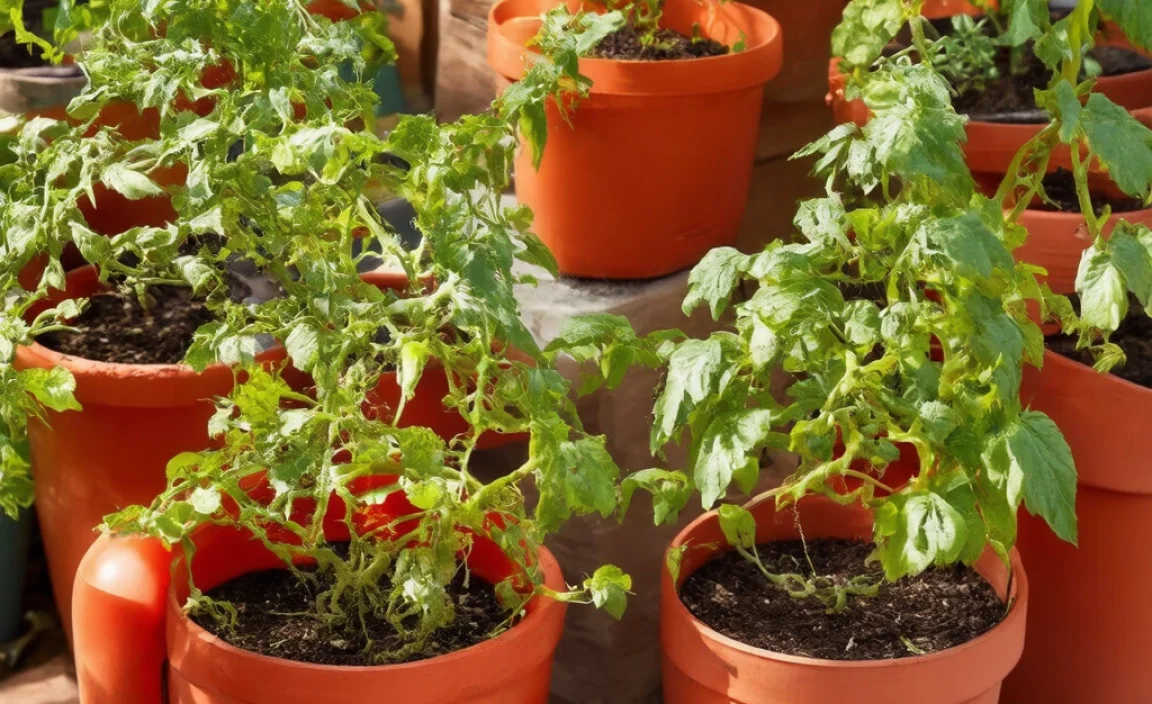
Picking the right pot is super important. It’s like choosing a good home for your tomato plant. The pot should be big enough. Tomatoes need space for their roots to grow. A small pot will make the plant sad. It won’t grow big tomatoes. You also need to think about the material. Some pots are plastic. Others are made of clay. Clay pots dry out faster. Plastic pots hold water longer. Make sure the pot has holes at the bottom. These holes let extra water out. This stops the roots from getting soggy. Soggy roots can make the plant sick. So, choose wisely. Your tomato plant will thank you with lots of yummy tomatoes!
- Pick a pot that is at least 12 inches wide.
- Bigger pots are better for large tomato plants.
- Clay pots need more watering than plastic ones.
- Make sure the pot has drainage holes.
- Dark-colored pots can get very hot in the sun.
Think of the pot as your tomato plant’s house. You want it to be comfy and safe. A good pot helps the plant grow strong roots. Strong roots mean a healthy plant. A healthy plant means lots of tomatoes! Also, consider where you will put the pot. Can you easily water it there? Can the plant get enough sunlight? Some pots are heavy to move when they are full of soil and water. So, pick a spot that is easy to reach and has lots of sun. Your tomatoes will love their new home. They will grow big and juicy for you to enjoy.
Fun Fact or Stat: The size of the pot directly impacts the size and yield of the tomato plant!
What Size Pot is Best?
Have you ever wondered what size pot is best? It’s a great question! Tomato plants need room to grow. Their roots spread out wide and deep. A small pot will stop them from growing. A bigger pot lets the roots stretch. This means the plant can get more water and food. For small tomato plants, like cherry tomatoes, a 10-gallon pot is good. For bigger plants, like beefsteak tomatoes, use a 20-gallon pot. It’s like giving them a big playground. They will grow bigger and give you more tomatoes. Remember, bigger is often better when it comes to pots for tomatoes!
Plastic vs. Clay Pots
Choosing between plastic and clay pots can be tricky. Plastic pots are light and cheap. They hold water well. This means you don’t have to water as often. But, they can get very hot in the sun. Clay pots look nice and let the soil breathe. This helps the roots stay healthy. But, they dry out faster. You need to water them more. Which one should you pick? It depends on your weather and how often you can water. If it’s hot and sunny, and you can’t water every day, plastic might be better. If you like to water and want the roots to breathe, clay is a good choice.
Importance of Drainage Holes
Imagine wearing wet socks all day. That’s how a tomato plant feels with soggy roots. Drainage holes are like tiny escapes for extra water. They stop the roots from sitting in water. Soggy roots can rot. This can kill the plant. Make sure your pot has enough drainage holes. If it doesn’t, you can drill some. It’s a simple step that can save your tomato plant. Good drainage keeps the roots healthy and happy. Happy roots mean a happy plant. A happy plant means lots of juicy tomatoes for you to eat!
Soil Mix for Growing Tomatoes in Pots
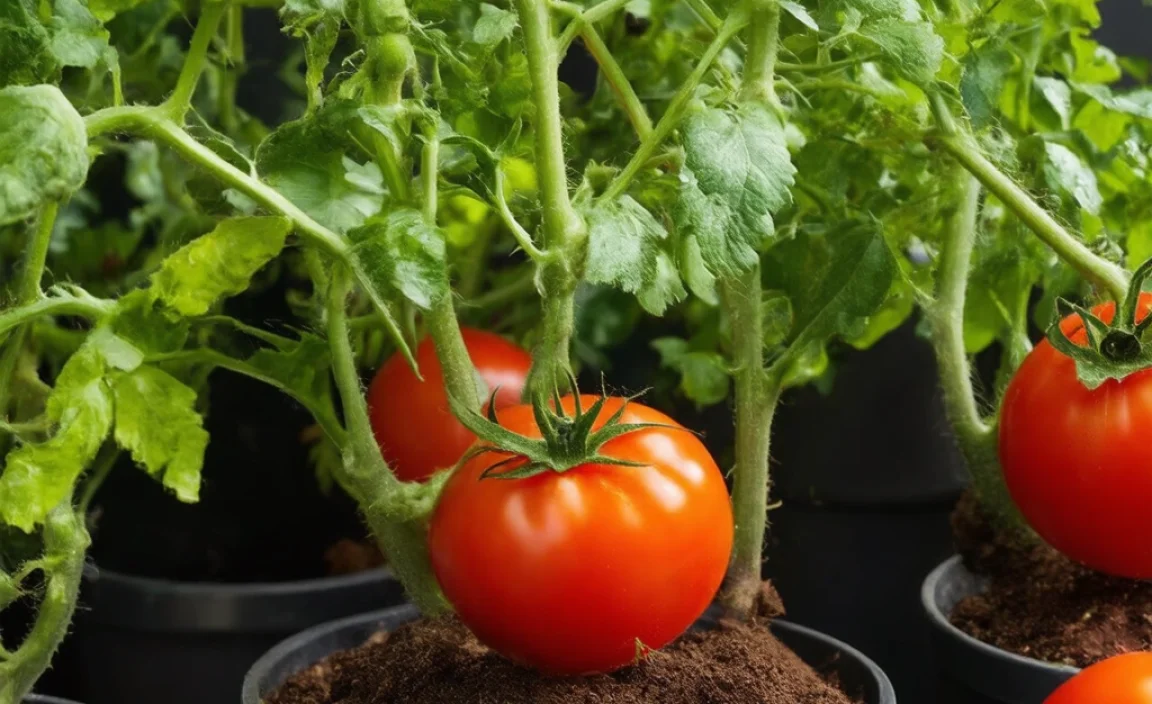
The right soil mix is like giving your tomato plant a yummy meal. Regular garden soil is too heavy for pots. It can get hard and stop the roots from growing. You need a special mix called potting mix. Potting mix is light and fluffy. It lets the water drain well. It also has food for the plant. You can buy potting mix at the store. Or, you can make your own. Mix together peat moss, perlite, and compost. This gives your tomato plant everything it needs. A good soil mix helps the plant grow strong and give you lots of tasty tomatoes.
- Use a potting mix, not garden soil.
- Potting mix is light and drains well.
- You can buy potting mix at the store.
- Or, make your own with peat moss, perlite, and compost.
- Add slow-release fertilizer for extra food.
- Avoid mixes with too much clay.
Think of the soil mix as the plant’s food and water source. A good mix holds enough water but also lets extra water drain away. This keeps the roots healthy. It also gives the plant the nutrients it needs to grow. Nutrients are like vitamins for plants. They help the plant grow big and strong. You can also add fertilizer to the soil mix. Fertilizer is extra food for the plant. It helps the plant make lots of tomatoes. So, choosing the right soil mix is very important for how to grow tomatoes in pots successfully.
Fun Fact or Stat: Tomatoes need well-draining soil to prevent root rot and ensure healthy growth.
What is Potting Mix Made Of?
Have you ever wondered what’s in potting mix? It’s not just dirt! Potting mix is a special blend of things that help plants grow. It usually has peat moss, which holds water. It also has perlite, which helps with drainage. Some mixes have vermiculite, which holds both water and nutrients. Many potting mixes also have compost. Compost is made from old leaves and food scraps. It adds nutrients to the soil. All these things work together to make a perfect home for your tomato plant’s roots.
How to Make Your Own Mix
Making your own potting mix is easy and fun! You can save money and know exactly what’s in it. Start with equal parts of peat moss, perlite, and compost. Mix them together in a big container. You can also add a little bit of slow-release fertilizer. This will feed your plant for a long time. Mix everything well. Now you have your own special potting mix. Your tomato plant will love it. And you’ll love knowing you made it yourself!
Why Not Use Garden Soil?
Garden soil might seem like a good choice. After all, it’s what plants grow in outside. But, garden soil is too heavy for pots. It gets packed down and doesn’t drain well. This can suffocate the roots. Potting mix is much lighter and fluffier. It lets the roots breathe and get the water they need. So, even though it might seem strange, potting mix is much better for growing tomatoes in pots than garden soil.
Sunlight Needs for Potted Tomatoes
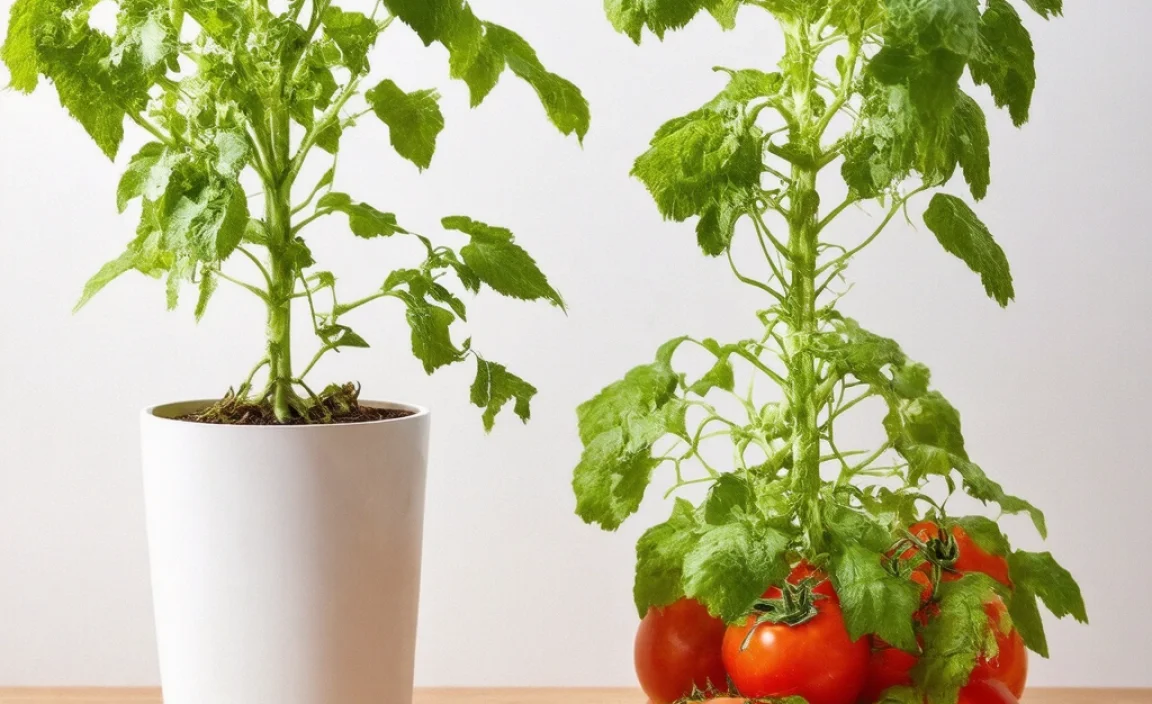
Sunlight is like food for tomato plants. They need lots of it to grow big and strong. Tomatoes need at least six hours of sunlight every day. Find a sunny spot for your pot. A south-facing balcony or patio is perfect. If you don’t have enough sunlight, the plants will be weak. They won’t make many tomatoes. You can also use grow lights. Grow lights give the plants extra light. This is helpful if you live in a cloudy place. Remember, sunlight is key to how to grow tomatoes in pots and get lots of yummy tomatoes!
- Tomatoes need at least six hours of sun per day.
- A south-facing spot is best.
- If you don’t have enough sun, use grow lights.
- Turn the pot regularly so all sides get sun.
- Watch for signs of not enough sun, like leggy growth.
Imagine trying to play outside on a rainy day. That’s how a tomato plant feels without enough sun. Sunlight helps the plant make its own food. This food is what makes the tomatoes grow. Without enough sunlight, the plant will be weak and sad. It might not even make any tomatoes. So, make sure your tomato plant gets plenty of sunshine. If you don’t have a sunny spot, you can use grow lights. These lights give the plant the extra energy it needs to grow and produce yummy tomatoes.
Fun Fact or Stat: Tomatoes require at least 6-8 hours of direct sunlight daily for optimal growth and fruit production.
What Happens Without Enough Sun?
Not enough sun can really hurt your tomato plant. The plant will get tall and skinny. This is called “leggy” growth. The leaves might turn yellow. The plant won’t make many flowers. And without flowers, you won’t get tomatoes. It’s like trying to bake a cake without an oven. The ingredients might be good, but you won’t get the final product. So, make sure your tomato plant gets plenty of sun. It’s the key to getting lots of juicy tomatoes.
Using Grow Lights to Help
If you don’t have a sunny spot, don’t worry! You can use grow lights. Grow lights give the plant the light it needs to grow. There are many different kinds of grow lights. Some are small and cheap. Others are big and expensive. Choose one that fits your needs and budget. Put the grow light close to the plant. Turn it on for 12-16 hours a day. Your tomato plant will think it’s sunny all the time. It will grow big and give you lots of tomatoes.
Signs of Too Much Sun
Too much sun can also be a problem. The leaves can get burned. They might turn brown and crispy. The plant might look wilted, even if the soil is wet. If you see these signs, move the plant to a shadier spot. Or, use a shade cloth to protect it from the sun. Just like people, tomato plants can get sunburned. So, keep an eye on your plant and make sure it’s getting just the right amount of sun.
Watering Tomatoes in Containers
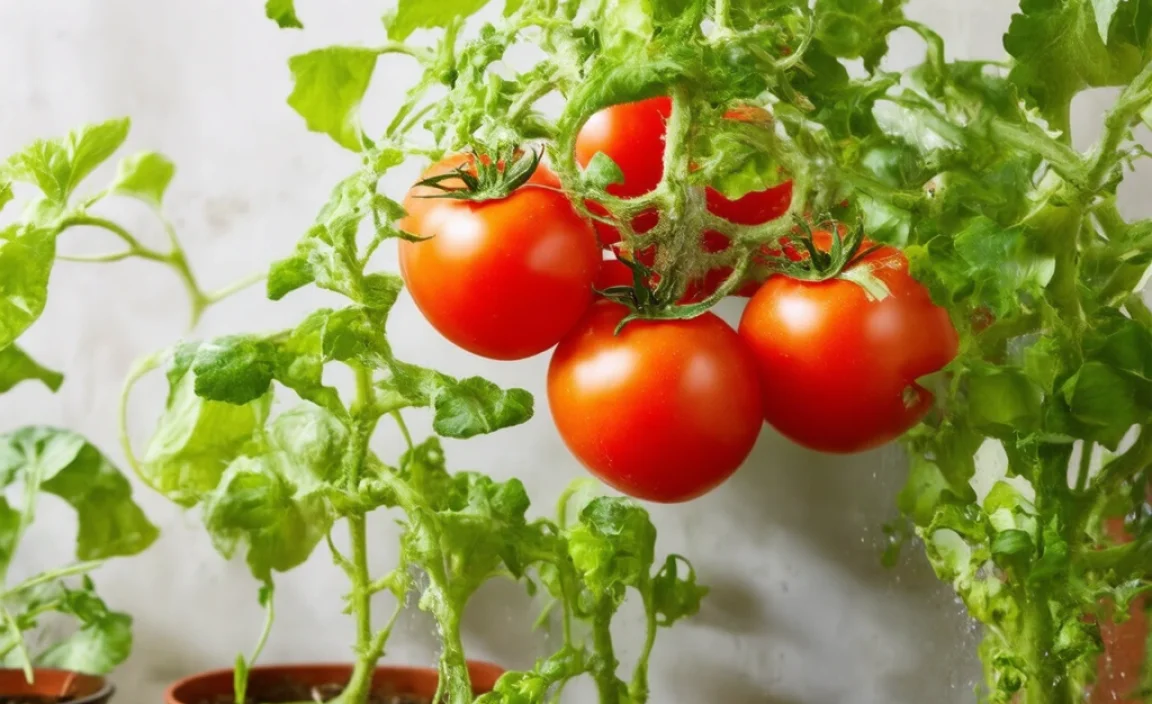
Water is very important for tomato plants. They need water to grow big and make juicy tomatoes. But, you have to be careful. Too much water can be bad. It can make the roots rot. Not enough water is also bad. The plant will dry out and die. Check the soil every day. If it feels dry, it’s time to water. Water deeply, until the water comes out of the drainage holes. Water in the morning, so the leaves can dry before night. This helps prevent diseases. Watering is key to how to grow tomatoes in pots and get lots of yummy tomatoes.
- Check the soil every day.
- Water when the top inch of soil is dry.
- Water deeply until water comes out of the drainage holes.
- Water in the morning.
- Avoid watering the leaves.
- Use a watering can or hose with a gentle spray.
Think of watering as giving your tomato plant a drink. Just like you, it needs water to stay healthy. But, you don’t want to give it too much or too little. The right amount of water keeps the plant happy and growing. Also, remember that the weather affects how much water the plant needs. On hot, sunny days, it will need more water. On cool, cloudy days, it will need less. So, pay attention to the weather and adjust your watering schedule accordingly. Your tomato plant will thank you with lots of delicious tomatoes.
Fun Fact or Stat: Overwatering is a common mistake that can lead to root rot and other diseases in tomato plants.
How Often Should You Water?
How often you water depends on the weather and the size of the pot. On hot, sunny days, you might need to water every day. On cool, cloudy days, you might only need to water every few days. The best way to know is to check the soil. Stick your finger into the soil. If the top inch feels dry, it’s time to water. If it feels wet, wait a day or two and check again. It’s like checking if your friend is thirsty. You ask them if they want a drink. If they say yes, you give them water.
Signs of Overwatering
Overwatering can be just as bad as underwatering. The leaves might turn yellow. They might droop. The soil will feel soggy. The roots might start to rot. If you see these signs, stop watering for a few days. Let the soil dry out. Make sure the pot has good drainage. If the problem continues, you might need to repot the plant with fresh soil. It’s like giving your friend too much to drink. They might feel sick. You need to help them feel better by giving them some rest.
Best Time of Day to Water
The best time to water is in the morning. This gives the leaves time to dry before night. Wet leaves can get diseases. Watering in the morning also helps the plant get ready for the heat of the day. It’s like eating a good breakfast before going to school. It gives you the energy you need to learn and play. Watering in the evening can leave the leaves wet all night. This can cause problems. So, try to water in the morning for the best results.
Fertilizing Tomatoes in Pots
Fertilizer is like vitamins for tomato plants. It gives them the extra food they need to grow big and make lots of tomatoes. Tomato plants need a special kind of fertilizer. It should have more phosphorus and potassium than nitrogen. Look for a fertilizer labeled “tomato fertilizer.” You can use a liquid fertilizer or a slow-release fertilizer. Liquid fertilizer is easy to use. You just mix it with water and pour it on the soil. Slow-release fertilizer comes in small pellets. You mix them into the soil. They release food slowly over time. Fertilizing is an important part of how to grow tomatoes in pots.
- Use a fertilizer labeled “tomato fertilizer.”
- Look for a fertilizer with more phosphorus and potassium.
- You can use liquid or slow-release fertilizer.
- Follow the instructions on the fertilizer package.
- Fertilize every two weeks.
- Don’t over-fertilize.
Think of fertilizer as giving your tomato plant a special treat. It helps the plant grow strong and healthy. A healthy plant makes lots of tomatoes. But, you have to be careful not to give the plant too much fertilizer. Too much fertilizer can burn the roots. This can kill the plant. So, always follow the instructions on the fertilizer package. And remember, a little bit of fertilizer goes a long way. Your tomato plant will thank you with lots of juicy tomatoes.
Fun Fact or Stat: Tomatoes are heavy feeders and require regular fertilization to produce abundant fruit.
Types of Tomato Fertilizer
There are many different kinds of tomato fertilizer. Liquid fertilizer is easy to use. You mix it with water and pour it on the soil. It’s like making juice for your tomato plant. Slow-release fertilizer comes in small pellets. You mix them into the soil. They release food slowly over time. It’s like giving your tomato plant a snack that lasts all day. Organic fertilizer is made from natural ingredients. It’s good for the environment. Choose the fertilizer that works best for you and your plants.
When to Start Fertilizing
You should start fertilizing your tomato plants when they start to bloom. This is when they need the extra food to make tomatoes. Before they bloom, they don’t need as much fertilizer. It’s like waiting until you’re hungry to eat. You don’t want to eat too much before you need it. So, wait until your tomato plants start to bloom, and then start fertilizing them regularly.
How to Avoid Over-Fertilizing
Over-fertilizing can hurt your tomato plants. The leaves might turn yellow. The plant might look wilted. The roots might get burned. To avoid over-fertilizing, always follow the instructions on the fertilizer package. Use the right amount of fertilizer. Don’t fertilize too often. If you’re not sure, it’s better to use less fertilizer than too much. It’s like adding salt to your food. You can always add more, but you can’t take it away.
Supporting Your Tomato Plants
Tomato plants can get very tall and heavy. They need support to stay upright. Without support, they can fall over and break. You can use a stake, a cage, or a trellis to support your tomato plants. A stake is a long stick that you push into the ground next to the plant. You tie the plant to the stake with soft string. A cage is a wire structure that surrounds the plant. The plant grows up through the cage. A trellis is a frame that the plant can climb on. Supporting your tomato plants is important for how to grow tomatoes in pots.
- Use a stake, cage, or trellis to support your plants.
- Install the support when you plant the tomato.
- Tie the plant to the support with soft string.
- Make sure the support is strong enough.
- Check the support regularly.
- Adjust the support as the plant grows.
Imagine trying to stand up straight in a strong wind. That’s how a tomato plant feels without support. The wind can knock it over and break its branches. Support helps the plant stay strong and healthy. It also keeps the tomatoes off the ground. This helps prevent them from rotting. So, give your tomato plants the support they need. They will thank you with lots of yummy tomatoes.
Fun Fact or Stat: Supporting tomato plants prevents the fruit from touching the soil, reducing the risk of disease and pests.
Choosing the Right Support
There are many different kinds of tomato supports. Stakes are simple and cheap. They work well for small tomato plants. Cages are good for larger plants. They give the plant lots of support. Trellises are good for climbing plants. They look nice in the garden. Choose the support that works best for you and your plants. Consider the size of the plant and the look you want.
How to Install a Stake
Installing a stake is easy. Push the stake into the ground next to the plant. Make sure the stake is deep enough to be stable. Tie the plant to the stake with soft string. Tie the string loosely so it doesn’t cut into the plant. As the plant grows, add more ties. It’s like helping your friend climb a ladder. You hold the ladder steady so they don’t fall.
Using Tomato Cages Effectively
Tomato cages are easy to use. Put the cage around the plant when you plant it. As the plant grows, it will grow up through the cage. The cage will support the plant and keep it from falling over. You don’t need to tie the plant to the cage. The cage does all the work. It’s like giving your friend a hug. You hold them close and keep them safe.
Dealing with Pests and Diseases
Sometimes, tomato plants get pests or diseases. Pests are bugs that eat the plants. Diseases are caused by germs. They can make the plants sick. Common pests include aphids, whiteflies, and tomato hornworms. Common diseases include blight, early blight, and blossom end rot. You can use organic pesticides and fungicides to control pests and diseases. Pick off pests by hand. Make sure the plants have good air circulation. This helps prevent diseases. Keeping your plants healthy is key to how to grow tomatoes in pots successfully.
| Problem | Symptoms | Solution |
|---|---|---|
| Aphids | Small green bugs on leaves | Spray with insecticidal soap |
| Whiteflies | Tiny white flies that fly up when disturbed | Use yellow sticky traps |
| Tomato Hornworms | Large green caterpillars eating leaves | Pick them off by hand |
| Blight | Brown spots on leaves | Remove affected leaves, use fungicide |
- Check your plants regularly for pests and diseases.
- Pick off pests by hand.
- Use organic pesticides and fungicides.
- Make sure the plants have good air circulation.
- Water at the base of the plant to avoid wet leaves.
- Remove any diseased leaves or branches.
Think of pests and diseases as bad guys trying to hurt your tomato plants. You need to be a superhero and protect them. Check your plants every day for signs of trouble. If you see something, take action right away. The sooner you deal with the problem, the easier it will be to fix. And remember, a healthy plant is less likely to get pests and diseases. So, give your tomato plants everything they need to stay strong and healthy.
Fun Fact or Stat: Companion planting, such as growing basil near tomatoes, can help deter pests naturally.
Identifying Common Tomato Pests
Knowing what pests look like is important. Aphids are small, green bugs that suck the sap from leaves. Whiteflies are tiny, white flies that fly up when you disturb the plant. Tomato hornworms are large, green caterpillars that eat leaves. Spider mites are tiny, spider-like creatures that make webs on the leaves. Knowing what these pests look like will help you find them early and take action.
Organic Pest Control Methods
There are many organic ways to control pests. You can pick off pests by hand. You can spray the plants with insecticidal soap or neem oil. You can use yellow sticky traps to catch whiteflies. You can attract beneficial insects, like ladybugs, that eat pests. Organic pest control is safe for the environment and for you. It’s a good way to protect your tomato plants without using harmful chemicals.
Preventing Tomato Diseases
Preventing diseases is better than treating them. Make sure the plants have good air circulation. Water at the base of the plant to avoid wet leaves. Remove any diseased leaves or branches. Use disease-resistant tomato varieties. Keep the garden clean and free of debris. These simple steps can help prevent many common tomato diseases.
Summary
Growing tomatoes in pots is a fun and rewarding experience. You can enjoy fresh, juicy tomatoes right from your own home, even if you don’t have a garden. Remember to choose the right pot and soil mix. Give your plants plenty of sunlight and water. Fertilize them regularly. Support them with a stake, cage, or trellis. And watch out for pests and diseases.
Learning how to grow tomatoes in pots is not difficult. With a little bit of care and attention, you can have a bountiful harvest of delicious tomatoes. Whether you’re a beginner or an experienced gardener, growing tomatoes in pots is a great way to enjoy the taste of summer all season long. So, grab a pot, some soil, and a tomato plant, and get started today!
Conclusion
Growing tomatoes in pots is a simple way to enjoy fresh tomatoes. You can grow them on your balcony or patio. Remember to choose the right pot, soil, and fertilizer. Give them lots of sun and water. With a little care, you will have yummy tomatoes. Learning how to grow tomatoes in pots can be fun.
Frequently Asked Questions
Question No 1: How often should I water my tomato plants in pots?
Answer: You should check the soil every day. If the top inch of soil feels dry to the touch, it’s time to water. Water deeply until the water drains out of the bottom of the pot. In hot weather, you may need to water every day. In cooler weather, you may only need to water every few days. Pay attention to the plant’s needs and adjust your watering schedule accordingly. Overwatering can lead to root rot, so avoid letting the plant sit in standing water. Learning how to grow tomatoes in pots involves understanding these watering needs.
Question No 2: What kind of fertilizer should I use for my potted tomatoes?
Answer: Use a fertilizer specifically formulated for tomatoes. These fertilizers are typically higher in phosphorus and potassium, which are essential for fruit development. Look for a fertilizer with an N-P-K ratio like 5-10-10 or 10-15-10. You can use either liquid or slow-release fertilizer. Liquid fertilizers need to be applied more frequently, usually every one to two weeks. Slow-release fertilizers can be applied less often, typically every month or two. Always follow the instructions on the fertilizer package. Proper fertilization is key to how to grow tomatoes in pots.
Question No 3: How much sunlight do tomato plants in pots need?
Answer: Tomato plants need at least six to eight hours of direct sunlight per day. Choose a sunny location for your pots, such as a south-facing balcony or patio. If you don’t have enough sunlight, you can supplement with grow lights. Grow lights can provide the necessary light for your plants to thrive. Make sure the grow lights are positioned close enough to the plants to be effective. Without enough sunlight, your tomato plants will not produce as many tomatoes. Therefore, sunlight is crucial in learning how to grow tomatoes in pots.
Question No 4: How big of a pot do I need for a tomato plant?
Answer: The size of the pot depends on the type of tomato plant you are growing. For small, compact varieties like cherry tomatoes, a 10-gallon pot is sufficient. For larger, indeterminate varieties like beefsteak tomatoes, you will need a 20-gallon pot or larger. The bigger the pot, the more room the roots have to grow. This will result in a healthier, more productive plant. Make sure the pot has good drainage holes to prevent waterlogging. Choosing the right pot size is crucial for success when learning how to grow tomatoes in pots.
Question No 5: What are some common problems when growing tomatoes in pots?
Answer: Some common problems include pests, diseases, and blossom end rot. Pests like aphids, whiteflies, and tomato hornworms can damage the plants. Diseases like blight and early blight can cause leaf spots and plant decline. Blossom end rot is caused by a calcium deficiency and results in black, rotten spots on the bottom of the tomatoes. To prevent these problems, check your plants regularly, use organic pest control methods, and ensure the plants have adequate calcium. Knowing how to grow tomatoes in pots also means knowing how to fix problems.
Question No 6: How do I support my tomato plants in pots?
Answer: Tomato plants can get very tall and heavy, so they need support to stay upright. You can use a stake, a cage, or a trellis to support your plants. A stake is a long stick that you push into the soil next to the plant. You tie the plant to the stake with soft string. A cage is a wire structure that surrounds the plant. The plant grows up through the cage. A trellis is a frame that the plant can climb on. Choose the support that works best for you and your plants. Supporting your plants correctly is important when learning how to grow tomatoes in pots.

