Have you ever seen a garden covered in wood chips? Or maybe straw? That’s mulch! Mulch is like a cozy blanket for your garden. It helps plants grow big and strong. But how to mulch a vegetable garden properly? It’s easier than you think!
Imagine your veggies are little kids. They need protection from the sun and cold. Mulch acts like a superhero, keeping them safe. It also stops weeds from popping up. Weeds steal food and water from your plants. Let’s learn how to mulch a vegetable garden properly and make your plants happy!
Key Takeaways
- Knowing how to mulch a vegetable garden properly helps plants grow strong and healthy.
- Mulch conserves water, so you don’t have to water your garden as much.
- The right mulch can stop weeds from stealing nutrients from your vegetables.
- Organic mulches add nutrients to the soil as they break down over time.
- Choose the right type of mulch for your specific vegetables and climate.
How to Choose the Right Mulch Type
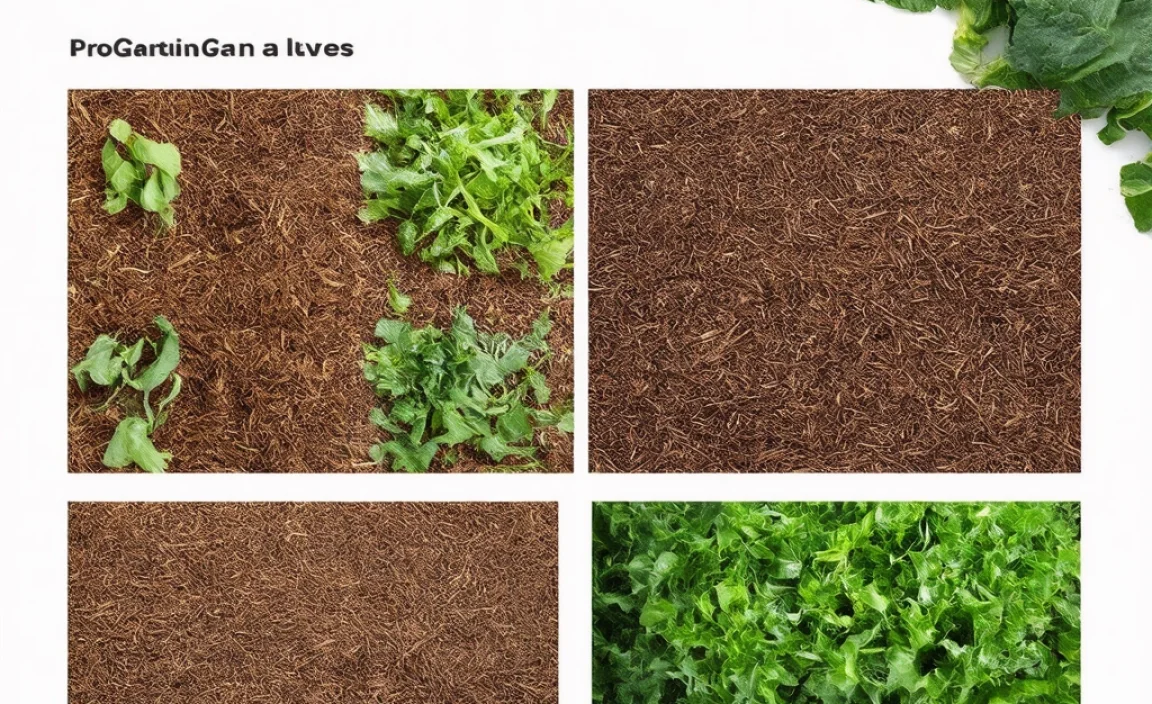
Choosing the right mulch is like picking the perfect shoes. You want something that fits well and does the job. There are many types of mulch. Some are organic, like straw and wood chips. Others are inorganic, like plastic. Organic mulches break down over time. They add good stuff to the soil. Inorganic mulches last longer. But they don’t feed the soil. Think about what your garden needs. Do you want to feed the soil? Or just stop weeds? Consider your budget too. Some mulches are cheaper than others. Ask your local garden store for advice. They can help you pick the best mulch for your garden. Remember, the right mulch makes a big difference. It keeps your plants happy and healthy.
- Straw is good for vegetable gardens.
- Wood chips last a long time.
- Plastic mulch warms the soil quickly.
- Compost adds nutrients to the soil.
- Pine needles are good for acidic soil.
Think about what you want your mulch to do. Straw is great for keeping the soil moist. It also breaks down easily. Wood chips are good for pathways. They last a long time and look nice. Plastic mulch warms the soil quickly. This is good for plants that like warm weather. Compost is like a superfood for your soil. It adds lots of nutrients. Pine needles make the soil more acidic. This is good for plants like blueberries. Choose the mulch that best fits your needs. Your plants will thank you for it! Remember, mulch is your garden’s best friend. It protects them and helps them grow.
Fun Fact or Stat: Did you know that mulching can reduce water usage in your garden by up to 50%?
What are the Benefits of Organic Mulch?
Have you ever wondered why leaves on the forest floor are so good for the trees? It’s because they decompose! Organic mulches like straw, wood chips, and compost act the same way. They break down slowly. As they break down, they add nutrients to the soil. These nutrients feed your plants. They help them grow bigger and stronger. Organic mulches also improve the soil structure. This means the soil is better at holding water. It also drains better. Good soil structure is important for healthy plants. Organic mulches also attract earthworms. Earthworms are like tiny gardeners. They dig tunnels that aerate the soil. They also leave behind castings that are full of nutrients. So, organic mulches are a win-win for your garden!
How Does Mulch Help with Weed Control?
Imagine your garden is a playground. Weeds are like bullies. They steal the swings and slides (food and water) from the other kids (your plants). Mulch acts like a playground monitor. It stops the bullies from getting to the swings. Mulch blocks sunlight. Weeds need sunlight to grow. Without sunlight, they can’t sprout. Mulch also creates a physical barrier. It makes it hard for weed seeds to reach the soil. Some mulches even contain chemicals that kill weeds. But be careful with those! You don’t want to hurt your good plants. A thick layer of mulch is the best way to stop weeds. Make sure to cover all the bare soil. This will keep your garden weed-free and happy.
How Does Mulch Affect Soil Temperature?
Think of mulch as a blanket for your garden. In the summer, it keeps the soil cool. In the winter, it keeps the soil warm. This is important because soil temperature affects how plants grow. Some plants like warm soil. Others like cool soil. Mulch helps to keep the soil temperature steady. It prevents big swings in temperature. This is good for your plants. In the summer, mulch reflects sunlight. This keeps the soil from getting too hot. In the winter, mulch insulates the soil. This keeps it from freezing. Mulch also protects the soil from erosion. Erosion is when the soil gets washed away by rain or wind. Mulch helps to hold the soil in place. This is important for keeping your garden healthy.
Fun Fact or Stat: A 3-4 inch layer of mulch can reduce soil temperature by as much as 10-15 degrees Fahrenheit in the summer!
How to Prepare Your Garden Bed for Mulching
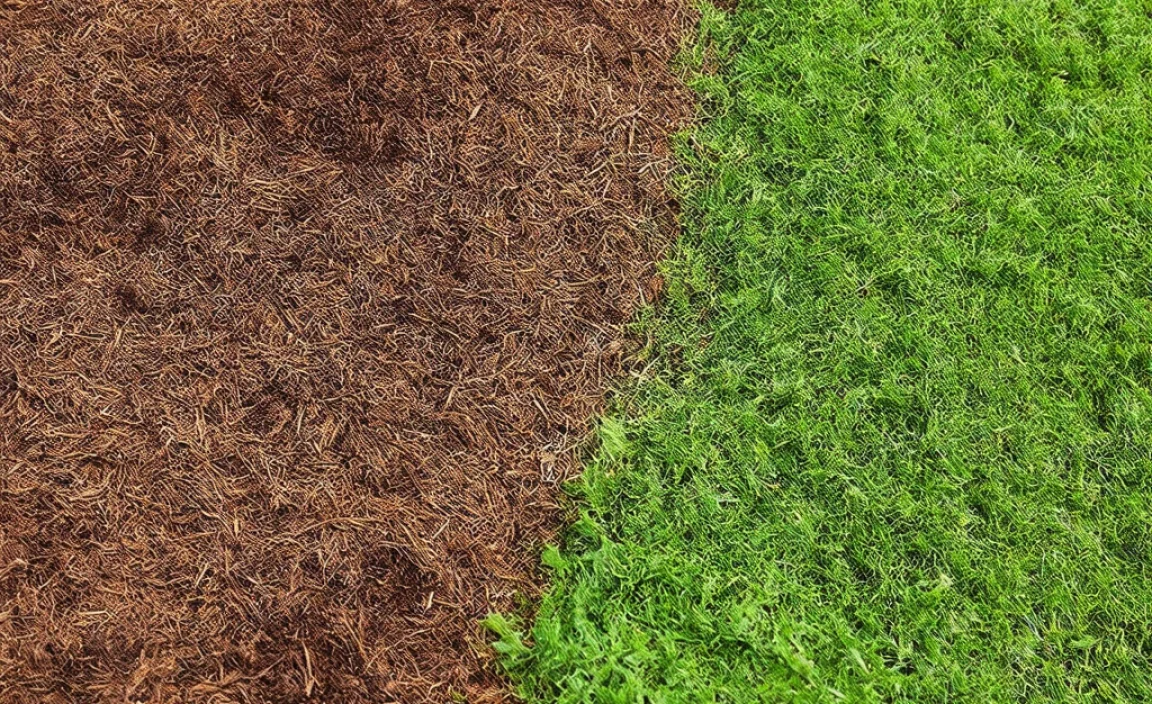
Before you put down mulch, you need to get your garden ready. Think of it like painting a wall. You need to clean the wall first. In your garden, you need to remove any weeds. Pull them out by the roots. This will stop them from growing back. Then, add some compost to the soil. Compost is like a vitamin boost for your plants. It adds nutrients and helps the soil hold water. Rake the soil smooth. This will make it easier to spread the mulch evenly. Water the soil well. This will help the mulch stay in place. Now you’re ready to mulch! Spread the mulch evenly around your plants. Be careful not to pile it up against the stems. This can cause them to rot.
- Remove all weeds and grass.
- Add compost or other organic matter.
- Rake the soil smooth.
- Water the soil thoroughly.
- Make sure your plants are healthy.
- Check the weather forecast.
Preparing your garden bed is very important. Removing weeds prevents them from competing with your plants. Adding compost enriches the soil. Smooth soil makes mulching easier. Watering helps the mulch settle. Healthy plants benefit most from mulch. Checking the weather is smart. Avoid mulching right before heavy rain. This can wash away the mulch. A well-prepared garden bed makes mulching more effective. Your plants will grow better and be healthier. Remember, good preparation leads to a great garden!
Fun Fact or Stat: Adding compost to your garden can increase yields by up to 25%!
Why is Removing Weeds Important?
Imagine weeds are like uninvited guests at a party. They eat all the snacks (nutrients) and drink all the juice (water). This leaves less for the guests you actually invited (your plants). Weeds compete with your plants for resources. They steal water, nutrients, and sunlight. This can stunt the growth of your plants. It can even kill them. Removing weeds before mulching is very important. It gives your plants a head start. They don’t have to fight for resources. Mulch also helps to prevent new weeds from growing. But it won’t kill the weeds that are already there. So, make sure to remove all weeds before you mulch. Your plants will thank you for it!
How Does Compost Improve Soil?
Have you ever made a compost pile? It’s like a big salad of food scraps and yard waste. Over time, the scraps break down. They turn into a dark, rich material called compost. Compost is like a superfood for your soil. It adds nutrients, improves drainage, and helps the soil hold water. Compost also attracts earthworms. Earthworms are like tiny gardeners. They dig tunnels that aerate the soil. They also leave behind castings that are full of nutrients. Adding compost to your soil is a great way to improve its health. Your plants will grow bigger and stronger. Compost is also good for the environment. It reduces waste and helps to conserve resources.
What is the Best Time to Prepare the Bed?
The best time to prepare your garden bed is in the spring or fall. In the spring, the soil is starting to warm up. This makes it easier to work with. In the fall, the weather is cooler. This makes it more pleasant to work outside. Avoid preparing your garden bed when the soil is too wet. Wet soil is hard to work with. It can also damage the soil structure. Wait until the soil is dry enough to crumble in your hand. Then you can start preparing it. Spring is great for planting warm-season crops. Fall is great for planting cool-season crops. Prepare your garden bed a few weeks before you plan to plant. This will give the soil time to settle.
How to Apply Mulch Around Plants
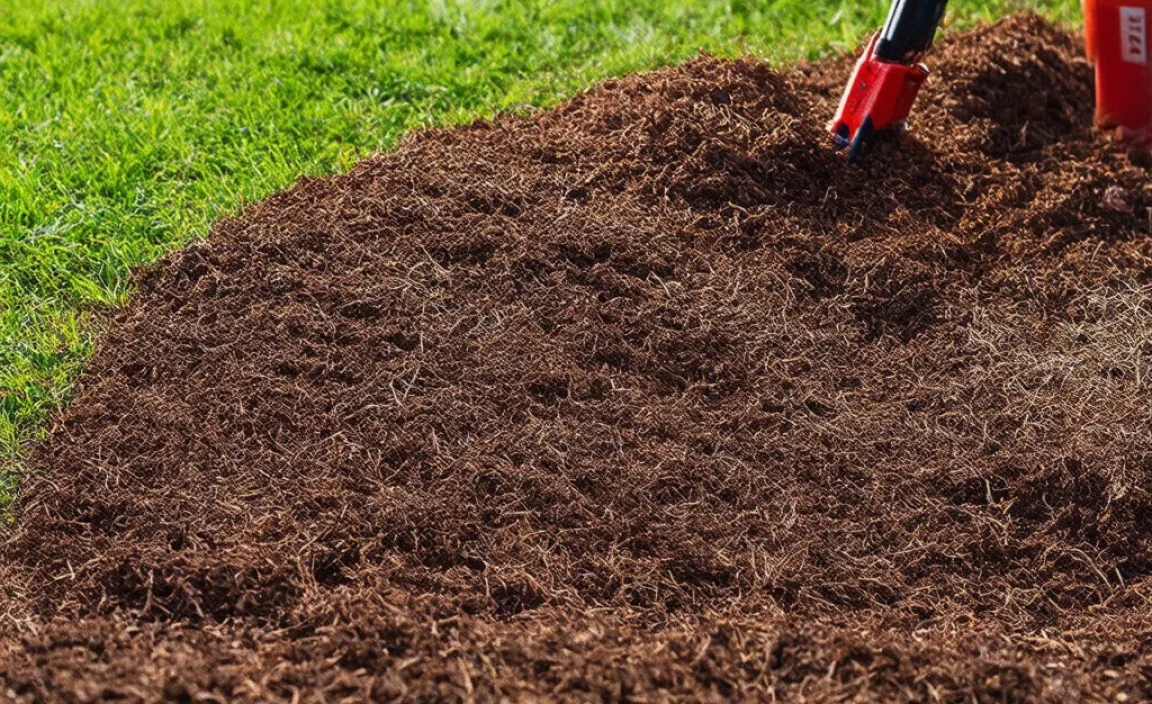
Applying mulch is like tucking your plants into bed. You want to make them cozy and comfortable. Spread the mulch evenly around each plant. Be careful not to pile it up against the stem. This can cause the stem to rot. Leave a little space around the stem for air to circulate. The mulch should be about 2-4 inches thick. This is enough to block weeds and conserve water. But it’s not so thick that it smothers the plants. Use your hands or a rake to spread the mulch. Make sure it’s evenly distributed. Don’t forget to mulch between the rows of plants. This will help to keep weeds from growing there too.
- Apply mulch evenly around plants.
- Keep mulch away from plant stems.
- Use a 2-4 inch layer of mulch.
- Mulch between rows of plants.
- Water the mulch after applying.
- Check mulch depth regularly.
Applying mulch correctly is key. Even application ensures consistent benefits. Keeping mulch away from stems prevents rot. A 2-4 inch layer balances weed control and plant health. Mulching between rows maximizes weed prevention. Watering after application helps settle the mulch. Regular checks ensure the mulch remains effective. Proper application maximizes the benefits of mulch. It protects your plants and improves their growth. Remember, mulch is a valuable tool for a healthy garden!
Fun Fact or Stat: Applying mulch properly can reduce weed growth by up to 90%!
Why is Mulch Thickness Important?
Imagine mulch is like sunscreen. You need to apply enough to protect your skin from the sun. But you don’t want to apply so much that you can’t breathe! The right thickness of mulch is important for several reasons. Too little mulch won’t block weeds effectively. Too much mulch can smother your plants. A 2-4 inch layer is usually just right. This provides good weed control and conserves water. It also allows air to circulate around the plants. The type of mulch you use can also affect the ideal thickness. Finer mulches like compost can be applied in thinner layers. Coarser mulches like wood chips may need to be applied thicker.
How Do You Avoid Stem Rot?
Stem rot is like a bad cold for your plants. It can make them weak and even kill them. Stem rot is caused by too much moisture around the stem. This creates a breeding ground for fungus. To avoid stem rot, keep the mulch away from the stems. Leave a little space around the stem for air to circulate. This will help to keep the area dry. You can also use a coarser mulch. Coarser mulches allow more air to circulate. Avoid using wet or compacted mulches. These can trap moisture around the stem. Check your plants regularly for signs of stem rot. If you see any, remove the affected leaves or stems.
Should You Water After Mulching?
Yes, you should water after mulching. Watering helps to settle the mulch. It also helps to keep it in place. Think of it like watering a newly planted tree. You water it to help the roots settle in. Watering the mulch does the same thing. It helps the mulch settle around the plants. This creates a barrier against weeds. It also helps to conserve water. Water the mulch thoroughly after applying it. This will help it to stay in place and do its job. You can also water the mulch periodically during dry spells. This will help to keep it moist and effective.
Maintaining Your Mulched Garden
Mulching isn’t a one-time job. It’s like taking care of a pet. You need to feed it, water it, and keep it clean. You need to check your mulch regularly. Look for bare spots or areas where the mulch has thinned out. Add more mulch as needed. This will keep your garden protected. You should also remove any weeds that pop up. Even with mulch, some weeds may still sneak through. Pull them out before they get too big. You may also need to replace the mulch every year or two. Organic mulches break down over time. They add nutrients to the soil. But they also need to be replaced.
- Check mulch depth regularly.
- Add more mulch as needed.
- Remove any weeds that appear.
- Replace mulch every 1-2 years.
- Turn mulch occasionally to aerate.
- Consider adding fertilizer.
Regular maintenance keeps your mulch effective. Checking depth ensures consistent weed control. Adding more mulch prevents bare spots. Removing weeds stops them from spreading. Replacing mulch replenishes nutrients. Turning mulch improves air circulation. Fertilizer can boost plant growth. Consistent care maximizes the benefits of mulch. It keeps your garden healthy and productive. Remember, a little maintenance goes a long way!
Fun Fact or Stat: Regularly maintaining your mulch can increase vegetable yields by up to 20%!
How Often Should You Replenish Mulch?
Think of mulch like the ink in a pen. Eventually, it runs out. Organic mulches break down over time. They add nutrients to the soil. But they also decompose. This means they get thinner and less effective. How often you need to replenish mulch depends on the type of mulch you use. Finer mulches like compost break down faster. You may need to replenish them every year. Coarser mulches like wood chips last longer. You may only need to replenish them every two to three years. Check your mulch regularly. If you see bare spots or thinning areas, it’s time to add more.
What are Signs of Mulch Degradation?
Imagine mulch is like a loaf of bread. Over time, it gets stale and moldy. Mulch degrades over time. This means it breaks down and loses its effectiveness. There are several signs of mulch degradation. The mulch may become thinner. It may also become compacted. This means it’s not as fluffy and airy as it used to be. The mulch may also start to decompose. This means it’s breaking down and turning into soil. You may also see weeds growing through the mulch. This is a sign that it’s not blocking weeds effectively. If you see any of these signs, it’s time to replenish your mulch.
Is it Okay to Mix Old and New Mulch?
Yes, it’s okay to mix old and new mulch. Think of it like making a smoothie. You can mix different fruits and vegetables together. Mixing old and new mulch can actually be beneficial. The old mulch has already started to decompose. This means it’s adding nutrients to the soil. The new mulch will provide fresh weed control and water conservation. Just make sure to mix the old and new mulch evenly. This will create a consistent layer of protection. Avoid using mulch that is heavily degraded. This may contain weed seeds or disease.
Troubleshooting Common Mulching Problems
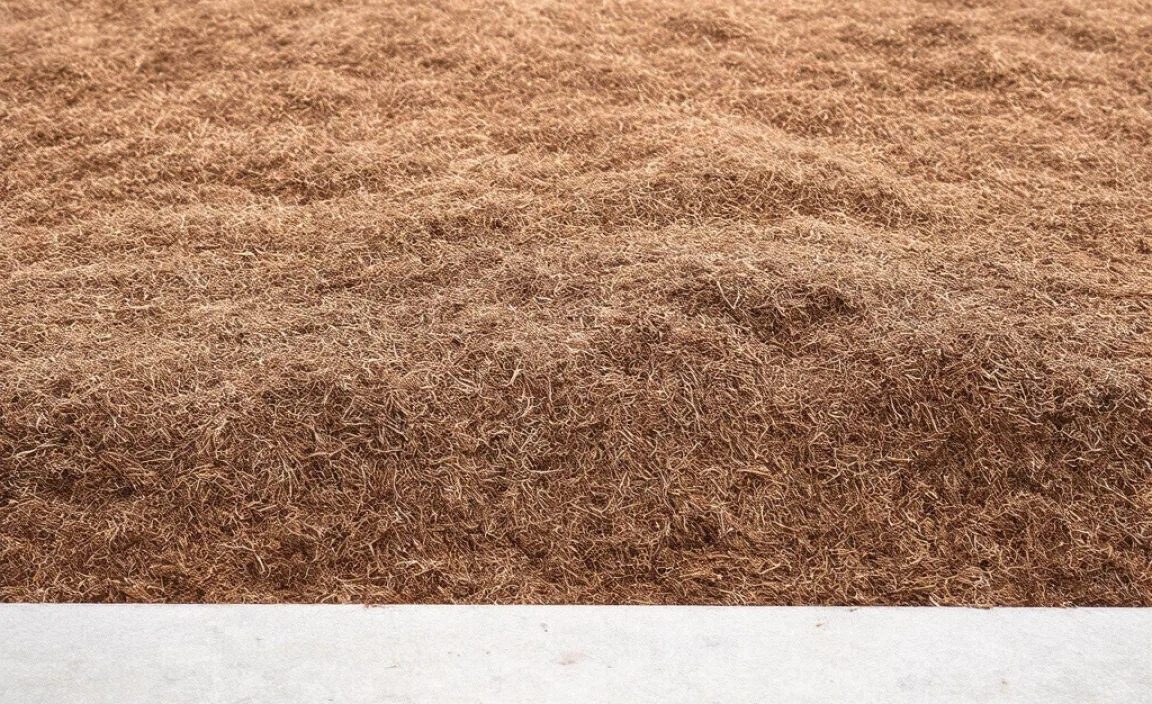
Sometimes, things don’t go as planned. Even with mulch. You might see weeds popping up. Or your plants might not be growing well. Don’t worry! There are solutions. If you see weeds, pull them out. Then add more mulch to block new weeds. If your plants aren’t growing well, check the soil. It might be too wet or too dry. Adjust your watering schedule. You might also need to add fertilizer. Some mulches can attract pests. If you see pests, try using a different type of mulch. You can also use organic pest control methods.
| Problem | Solution |
|---|---|
| Weeds growing through mulch | Add more mulch; pull weeds regularly |
| Plants not growing well | Check soil moisture; add fertilizer |
| Pests in the mulch | Use a different mulch; use organic pest control |
| Mulch is compacted | Turn the mulch; add new mulch |
| Stem rot | Remove mulch from around stems |
Knowing how to fix problems keeps your garden thriving. Adding mulch stops weeds. Checking soil and fertilizing helps plants grow. Changing mulch or using pest control reduces pests. Turning mulch improves air flow. Removing mulch from stems prevents rot. Solving problems keeps your garden healthy. Remember, every garden faces challenges.
Fun Fact or Stat: Properly addressing mulching problems can improve plant health by up to 30%!
Why are Weeds Still Growing?
Imagine mulch is like a raincoat. It keeps you dry, but not if the rain is coming from underneath! Weeds may still grow through mulch for several reasons. The mulch layer may be too thin. Weed seeds may already be in the soil. Some weeds are very persistent. They can grow through almost anything. Make sure your mulch layer is thick enough. Pull out any weeds that do pop up. You can also use a pre-emergent herbicide. This will prevent weed seeds from germinating.
How Do You Fix Compacted Mulch?
Think of compacted mulch like a squished sponge. It can’t absorb water or air. Compacted mulch is mulch that has become dense and heavy. This can prevent water and air from reaching the soil. To fix compacted mulch, turn it over with a rake or shovel. This will loosen it up and allow air to circulate. You can also add new mulch to the top. This will help to create a lighter, more airy layer. Avoid walking on the mulch. This can cause it to become compacted.
What if Mulch Attracts Pests?
Imagine mulch is like a buffet for pests. They might come for the food, but you don’t want them staying for dinner! Some mulches can attract pests like slugs, snails, and rodents. If you notice pests in your mulch, try using a different type of mulch. Cedar mulch is a natural pest repellent. You can also use organic pest control methods. These include traps, baits, and sprays. Keep your garden clean. Remove any decaying plants or debris. This will help to reduce pest populations.
Choosing the Best Mulch for Different Vegetables
Different vegetables have different needs. It’s like how some people prefer pizza and others prefer salad. Some vegetables like acidic soil. Others like neutral soil. Some vegetables need lots of water. Others need less water. The best mulch for a particular vegetable depends on its needs. Straw is a good all-around mulch for many vegetables. It helps to conserve water and suppress weeds. Wood chips are good for pathways. They last a long time and look nice. Compost is good for adding nutrients to the soil. Choose the mulch that best fits the needs of your vegetables.
- Straw: Good for tomatoes and peppers.
- Wood chips: Good for pathways between rows.
- Compost: Good for leafy greens.
- Pine needles: Good for blueberries and raspberries.
- Plastic mulch: Good for warming soil for melons.
Matching mulch to vegetable needs is key. Straw helps tomatoes and peppers retain moisture. Wood chips make pathways neat and walkable. Compost feeds leafy greens like spinach. Pine needles acidify the soil for berries. Plastic warms soil for heat-loving melons. Choosing the right mulch boosts vegetable growth. It also improves overall garden health. Remember, happy vegetables make for a happy gardener!
Fun Fact or Stat: Using the right mulch for specific vegetables can increase yields by up to 40%!
Why is Straw Good for Tomatoes?
Think of straw as a comfy blanket for tomatoes. Tomatoes love warm soil and consistent moisture. Straw helps to keep the soil warm. It also helps to conserve water. This is important for tomatoes because they need lots of water to produce juicy fruits. Straw also helps to prevent soil from splashing onto the tomatoes. This can help to prevent diseases. Spread a thick layer of straw around your tomato plants. This will help them to grow big and strong.
How Does Compost Benefit Leafy Greens?
Imagine compost is like a vitamin smoothie for leafy greens. Leafy greens like spinach, lettuce, and kale need lots of nutrients to grow. Compost is full of nutrients. It also helps the soil hold water. This is important for leafy greens because they need lots of water to stay hydrated. Compost also improves the soil structure. This makes it easier for the roots to grow. Mix compost into the soil before planting leafy greens. You can also use it as a mulch.
Why Use Plastic Mulch for Melons?
Think of plastic mulch as a personal heater for melons. Melons like watermelons, cantaloupes, and honeydews need warm soil to grow. Plastic mulch helps to warm the soil quickly. It also helps to retain heat. This is important for melons because they need a long growing season. Plastic mulch also helps to prevent weeds. This reduces competition for resources. Lay down plastic mulch before planting melons. Make sure to cut holes in the plastic for the plants to grow through.
The Environmental Benefits of Mulching
Mulching is not just good for your garden. It’s also good for the environment. It’s like recycling. You’re using materials that would otherwise be thrown away. Mulch helps to conserve water. This reduces the need for irrigation. Mulch also helps to prevent soil erosion. This protects our waterways. Organic mulches add nutrients to the soil. This reduces the need for chemical fertilizers. Mulching is a sustainable gardening practice. It helps to protect our planet.
- Conserves water.
- Reduces soil erosion.
- Adds nutrients to the soil.
- Reduces the need for fertilizers.
- Reduces waste by using organic materials.
Mulching protects the environment. Conserving water saves resources. Reducing erosion protects waterways. Adding nutrients improves soil health. Reducing fertilizer use lowers pollution. Using organic materials reduces waste. Mulching is an eco-friendly choice. It helps create a healthier planet. Remember, small actions can make a big difference!
Fun Fact or Stat: Mulching can reduce the need for chemical fertilizers by up to 50%!
How Does Mulch Reduce Water Use?
Imagine mulch is like a lid on a pot. It keeps the water from evaporating. Mulch helps to reduce water use by slowing down evaporation. Evaporation is when water turns into a gas and escapes into the air. Mulch creates a barrier between the soil and the air. This helps to keep the soil moist. You don’t have to water your garden as often when you use mulch. This saves water and money. Mulch is a valuable tool for conserving water in dry climates.
How Does Mulch Prevent Soil Erosion?
Think of mulch as a shield for the soil. It protects it from the elements. Soil erosion is when the soil gets washed away by rain or wind. Mulch helps to prevent soil erosion by covering the soil surface. This prevents the rain and wind from directly impacting the soil. Mulch also helps to hold the soil in place. This is important in areas with steep slopes. Mulch is a valuable tool for preventing soil erosion.
Why is Reducing Fertilizer Important?
Imagine fertilizer is like medicine. Too much can be harmful. Chemical fertilizers can pollute our waterways. They can also harm beneficial insects and other organisms. Reducing the use of chemical fertilizers is important for protecting our environment. Organic mulches add nutrients to the soil naturally. This reduces the need for chemical fertilizers. Organic mulches also improve the soil structure. This makes it easier for plants to absorb nutrients.
Summary
How to mulch a vegetable garden properly involves several key steps. First, choose the right type of mulch for your plants and climate. Organic mulches like straw and wood chips are great for adding nutrients to the soil. Second, prepare your garden bed by removing weeds and adding compost. Third, apply the mulch evenly around your plants, keeping it away from the stems. Fourth, maintain your mulched garden by replenishing the mulch as needed and removing any weeds that pop up. Finally, troubleshoot any common mulching problems, such as pests or compacted mulch. Following these steps will help you create a healthy and productive vegetable garden. Remember, mulch is like a superhero for your plants! It protects them, feeds them, and helps them grow big and strong.
Conclusion
Mulching is a simple way to improve your vegetable garden. It helps to conserve water, suppress weeds, and add nutrients to the soil. Learning how to mulch a vegetable garden properly can make a big difference. Your plants will be healthier and more productive. You’ll also be helping the environment. So, get out there and start mulching! Your garden will thank you for it.
Frequently Asked Questions
Question No 1: What is the best time of year to mulch my vegetable garden?
Answer: The best time to mulch your vegetable garden is in the spring, after you have planted your vegetables and the soil has warmed up. You can also mulch in the fall, after you have harvested your crops. Fall mulching helps to protect the soil over the winter and prevent weeds from growing. Mulching in the spring is ideal for conserving moisture during the hot summer months. It also gives your plants a head start by suppressing weeds early in the growing season. Remember, timing is key when it comes to how to mulch a vegetable garden properly!
Question No 2: How thick should the mulch layer be in my vegetable garden?
Answer: The mulch layer in your vegetable garden should be about 2-4 inches thick. This is enough to suppress weeds, conserve moisture, and regulate soil temperature. If the mulch layer is too thin, it won’t be effective at blocking weeds. If the mulch layer is too thick, it can smother your plants and prevent air from circulating. Adjust the thickness of the mulch layer depending on the type of mulch you use. Finer mulches like compost can be applied in thinner layers. Coarser mulches like wood chips may need to be applied thicker. Learning how to mulch a vegetable garden properly includes understanding the ideal mulch thickness.
Question No 3: Can I use grass clippings as mulch in my vegetable garden?
Answer: Yes, you can use grass clippings as mulch in your vegetable garden, but you need to be careful. Only use grass clippings that are free of herbicides and pesticides. Let the grass clippings dry out before using them as mulch. Fresh grass clippings can mat together and prevent air from circulating. Apply a thin layer of grass clippings, about 1-2 inches thick. Too much grass clippings can smother your plants. Grass clippings are a good source of nitrogen. They can add nutrients to the soil as they decompose. When considering how to mulch a vegetable garden properly, remember to use grass clippings sparingly and carefully.
Question No 4: How do I prevent slugs and snails from eating my vegetables under the mulch?
Answer: Slugs and snails love to hide under mulch. They can also eat your vegetables. There are several ways to prevent slugs and snails from becoming a problem. Use copper tape around your vegetable plants. Copper is a natural slug and snail repellent. You can also use diatomaceous earth. This is a natural powder that kills slugs and snails. Beer traps are another effective method. Bury a container of beer in the ground. Slugs and snails will be attracted to the beer and drown. Regularly check under the mulch for slugs and snails. Remove them by hand. Knowing how to mulch a vegetable garden properly also means managing potential pests.
Question No 5: Is it necessary to remove the mulch at the end of the growing season?
Answer: It’s not always necessary to remove the mulch at the end of the growing season. If you used organic mulch, you can leave it in place. The mulch will decompose over the winter and add nutrients to the soil. If you used inorganic mulch, like plastic, you should remove it. Plastic mulch doesn’t decompose. It can also prevent water from reaching the soil. Consider the type of mulch when deciding whether to remove it. Leaving organic mulch can improve soil health. Removing inorganic mulch prevents environmental problems. Understanding how to mulch a vegetable garden properly includes knowing when to remove or leave the mulch.
Question No 6: Can I use shredded leaves as mulch in my vegetable garden?
Answer: Yes, shredded leaves make excellent mulch! They’re a free, readily available resource, especially in the fall. Make sure to shred the leaves first, as whole leaves can mat together and prevent water and air from reaching the soil. A lawnmower with a bagging attachment works great for shredding leaves. Spread a 2-4 inch layer of shredded leaves around your plants. They’ll decompose over time, adding valuable nutrients to the soil. Avoid using leaves from trees that are known to have diseases. Shredded leaves are a fantastic way to recycle yard waste. Using them is also part of how to mulch a vegetable garden properly in an eco-friendly way.

