Many people enjoy composting. Composting helps reduce waste and creates rich soil. But what happens when you find maggots in tumbler compost? It can be a surprise! Maggots are often a sign of rotting food. They can seem scary, but they help break down materials. Still, you might want to get rid of them. In this article, we will explore how to kill maggots safely in your compost tumbler.
How do you feel when you see maggots? Some people might feel grossed out. Others may wonder if they are harmful. The good news is that maggots can be removed easily. There are safe ways to do this without harming your compost. Let’s learn how to manage maggots in tumbler compost safely and effectively.
Key Takeaways
- Remove food scraps to control maggots in compost.
- Use natural methods to kill maggots safely.
- Regularly check your tumbler to avoid infestations.
- Keep your compost balanced for healthy decomposition.
- Learn how to kill maggots in tumbler compost safely.
What Causes Maggots in Tumbler Compost?
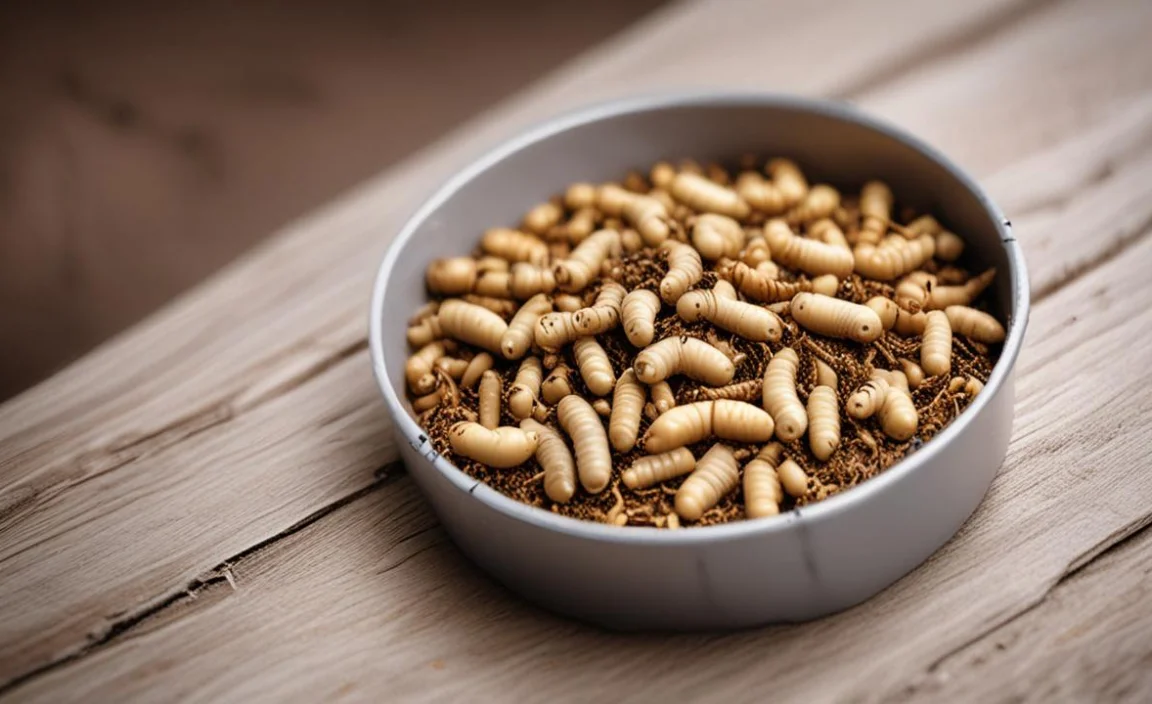
Many people ask, “Why do I have maggots in my compost?” The answer lies in what you add to it. When food scraps break down, they can attract flies. Flies lay eggs in warm, wet places. Soon, these eggs turn into maggots. They love decomposing organic matter.
If you add too many food scraps, it can create a perfect home for flies. Keeping your compost tumbler balanced is very important. A healthy mix of greens and browns will help keep pests away.
- Overfeeding can attract pests.
- Flies lay eggs in warm areas.
- Adding too many greens increases moisture.
- Rotting food attracts unwanted insects.
- Maintaining a balanced compost helps deter flies.
If you know the causes, you can prevent maggots. Always check what goes into your compost. Limit food scraps and balance them with browns like leaves or paper. Keeping a healthy compost tumbler is key.
Fun Fact or Stat: Did you know that some flies can lay hundreds of eggs at once?
How to Identify Maggots in Compost
Identifying maggots in your compost is easy. They are small, white, and worm-like. You might find them crawling in warm, moist areas. If you see them, don’t panic! They won’t harm you.
Maggots can be mistaken for other insects. Knowing what to look for helps. They thrive in decaying food and can multiply quickly. If you see a few maggots, act fast.
Effects of Maggots on Compost Quality
Do maggots affect the quality of your compost? The answer is yes and no. They help break down food, which can be good. However, too many can indicate a problem.
You want a balanced compost. If maggots are present, it means food scraps are breaking down quickly. This can lead to a smelly compost. A small number of maggots might not be harmful.
Best Practices for Preventing Maggots
Prevention is often easier than removal. To avoid maggots, regularly turn your compost. This helps mix materials and aerate it.
Limit kitchen scraps to what your compost can handle. You want a mix of greens and browns. Keeping the right balance prevents flies from laying eggs.
Maintaining moisture levels is important too. If it’s too wet, it can attract pests. Add dry materials like leaves to help.
Fun Fact or Stat: Some maggots can turn into flies in just a few days!
How to Kill Maggots in Tumbler Compost Safely
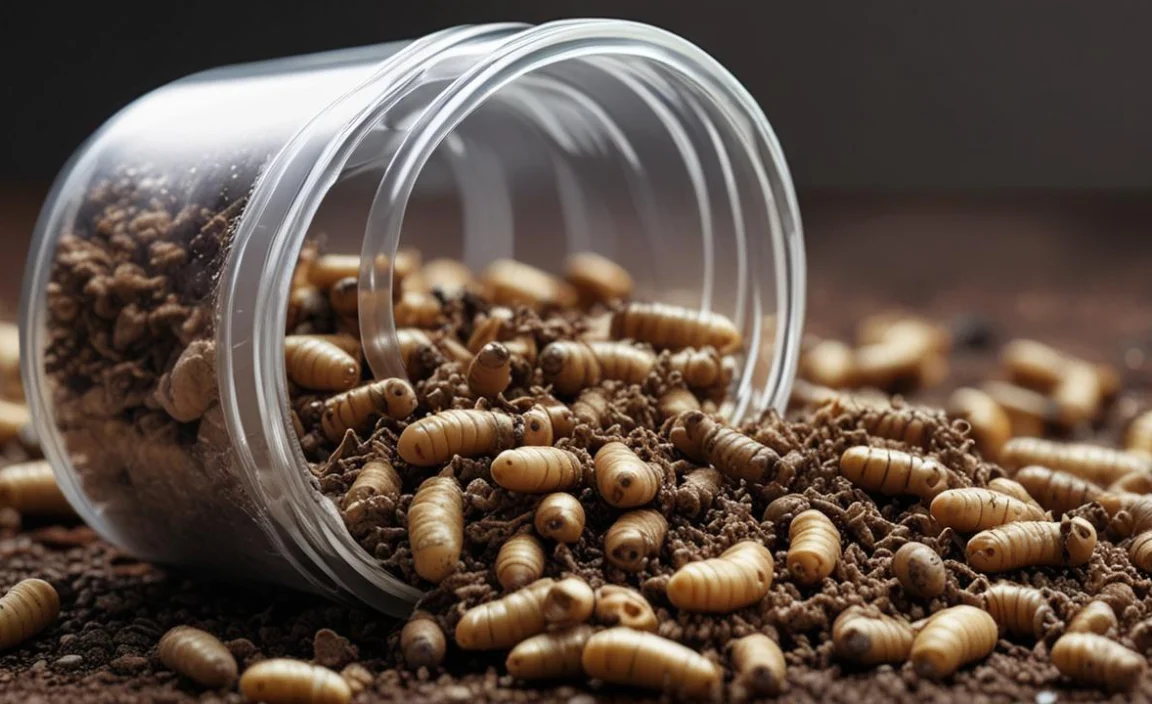
Many people want to know how to kill maggots in tumbler compost safely. There are several methods you can try. First, consider temperature. Heat can kill maggots quickly. If you turn your compost often, it can reach high temperatures.
Another method is to add salt. Salt can dehydrate maggots. Just sprinkle it over the areas where you see them. Be careful not to overuse it, as too much salt can harm the compost.
You can also use diatomaceous earth. It’s a natural powder made from tiny sea creatures. Sprinkle it on maggots to kill them safely.
- Turn compost to raise the temperature.
- Add salt to dehydrate maggots.
- Use diatomaceous earth as a natural remedy.
- Cover food scraps to deter flies.
- Keep the compost well-aerated and dry.
Always remember that killing maggots is not the only solution. Understanding how they get there is very important. Prevention can save you time and effort. By keeping your compost balanced and healthy, you can avoid maggots altogether.
Fun Fact or Stat: Did you know that diatomaceous earth can also help with other garden pests?
Using Temperature to Kill Maggots
Did you know that heat is a great way to kill pests? Maggots can’t survive in high temperatures. When you turn your compost, it can heat up inside. This is a natural part of the composting process.
Keep the compost moist but not too wet. When it’s well-aerated, it can get hot. You can check the temperature with a thermometer.
Applying Salt as a Natural Solution
Have you ever tried using salt for pests? Salt is a common kitchen item that can help. Just sprinkle some salt on the maggots.
Salt pulls moisture from the maggots. This can kill them without harming your compost. But remember, don’t use too much.
Diatomaceous Earth for Safe Killing
Have you heard of diatomaceous earth? This natural powder can help with pests. It’s gentle on compost but rough on maggots.
Sprinkle it wherever you see maggots. It cuts through their outer layer. This causes them to dry out and die.
Fun Fact or Stat: Diatomaceous earth is used in many gardens for pest control.
How to Maintain a Healthy Compost Tumblers
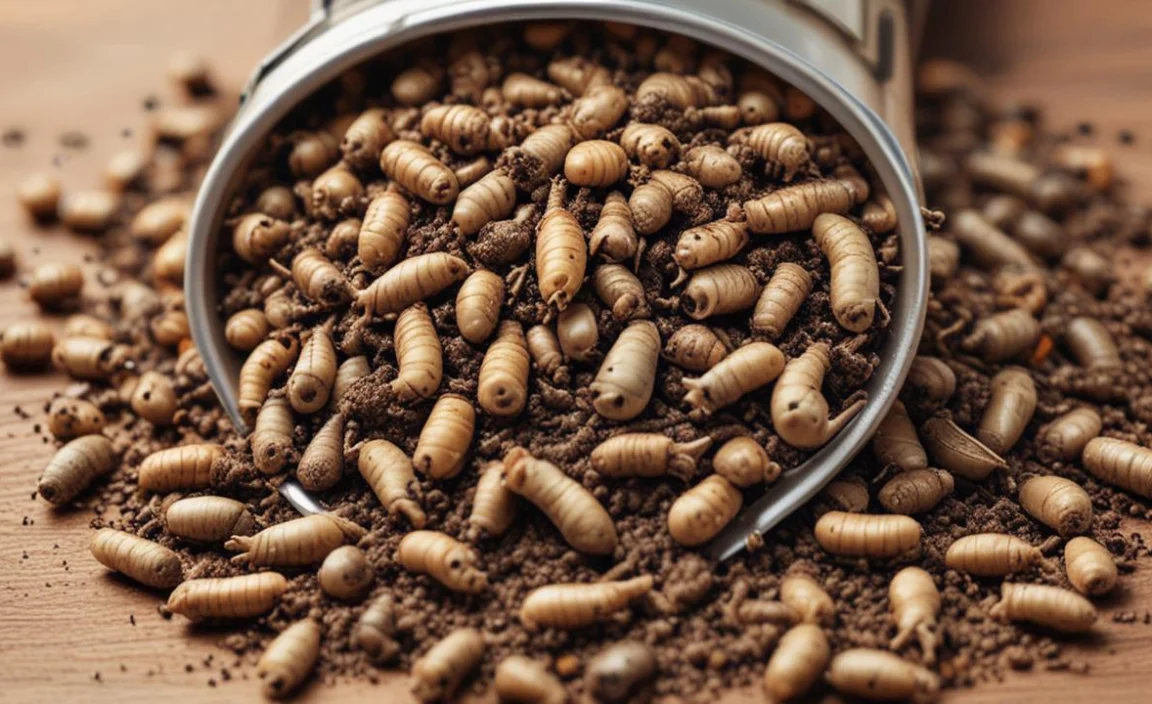
Maintaining a healthy compost tumbler is very important. A good balance keeps your compost happy and healthy. Always add a mix of greens and browns.
Greens are things like fruit scraps and vegetable peels. Browns include leaves, straw, and cardboard. Together, they create a balanced environment.
Another key factor is moisture. The compost should feel like a damp sponge. If it’s too wet, add more brown materials. If it’s too dry, add some water.
- Mix greens and browns for balance.
- Keep moisture at the right level.
- Turn the compost regularly for air.
- Add food scraps only in moderation.
- Watch for any signs of pests.
When you maintain your tumbler, you encourage healthy decomposition. This means less chance of problems like maggots. A happy compost tumbler can give you rich soil for your garden.
Fun Fact or Stat: Healthy compost can reduce waste by up to 30%!
Turning the Compost Regularly
Why is turning your compost important? Turning adds air and helps break down materials. It also helps keep the temperature high.
Use a pitchfork or shovel to turn it every few weeks. This gets everything mixed up. It keeps the compost active and working.
Checking Moisture Levels
Have you ever felt your compost? It should feel damp but not soggy. If it’s too wet, you can add dry leaves or shredded paper.
If it’s too dry, sprinkle some water. You want it to feel like a damp sponge.
Adding Food Scraps Wisely
How much food can you add to your compost tumbler? You should only add small amounts at a time. This helps prevent problems.
Too many scraps can create odors and attract flies. Always chop up larger pieces to speed up decomposition.
Fun Fact or Stat: Compost can take 2 to 6 months to fully break down!
Why You Should Avoid Chemical Solutions
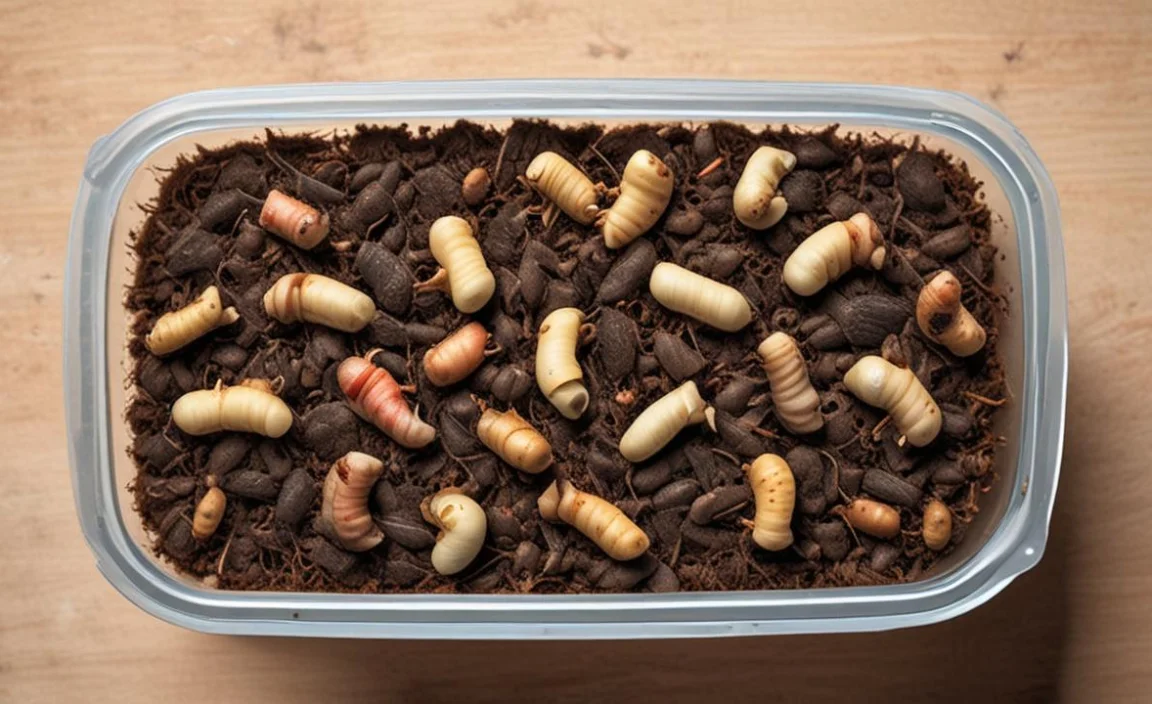
Some people might think about using chemicals to kill pests. But this is not a good idea. Chemicals can harm your compost and the environment.
Using chemicals can kill beneficial organisms in your compost. These organisms help break down materials. Instead, focus on natural solutions. They are safer and better for your compost.
- Chemicals can harm beneficial microbes.
- Natural solutions are safer for the environment.
- Healthy compost is better for plants.
- Organic compost supports local ecosystems.
- Chemicals can affect soil quality.
Always choose safe, natural ways to manage pests. Keeping your compost healthy will help you get the best results. You want your compost to support plants and soil life.
Fun Fact or Stat: Healthy compost can improve plant growth by up to 50%!
Understanding the Importance of Microbes
Do you know why microbes matter in compost? These tiny organisms help break down materials. They make nutrients available to plants.
Without them, compost wouldn’t work as well. Chemicals can kill these important microbes. This can harm your compost and plants.
Supporting Local Ecosystems
Did you know that composting helps local wildlife? A healthy compost tumbler supports insects, worms, and more. These creatures rely on rich soil to thrive.
Using chemicals can disrupt this balance. Natural compost is a friend to wildlife.
How Chemicals Affect Soil Quality
Have you ever thought about soil quality? It’s very important for plants and gardens. Chemicals can damage soil, making it less healthy.
Using natural methods helps keep soil alive. Healthy soil leads to better plants and gardens.
Fun Fact or Stat: Healthy soil can hold more water, which helps during dry spells!
Common Mistakes When Composting
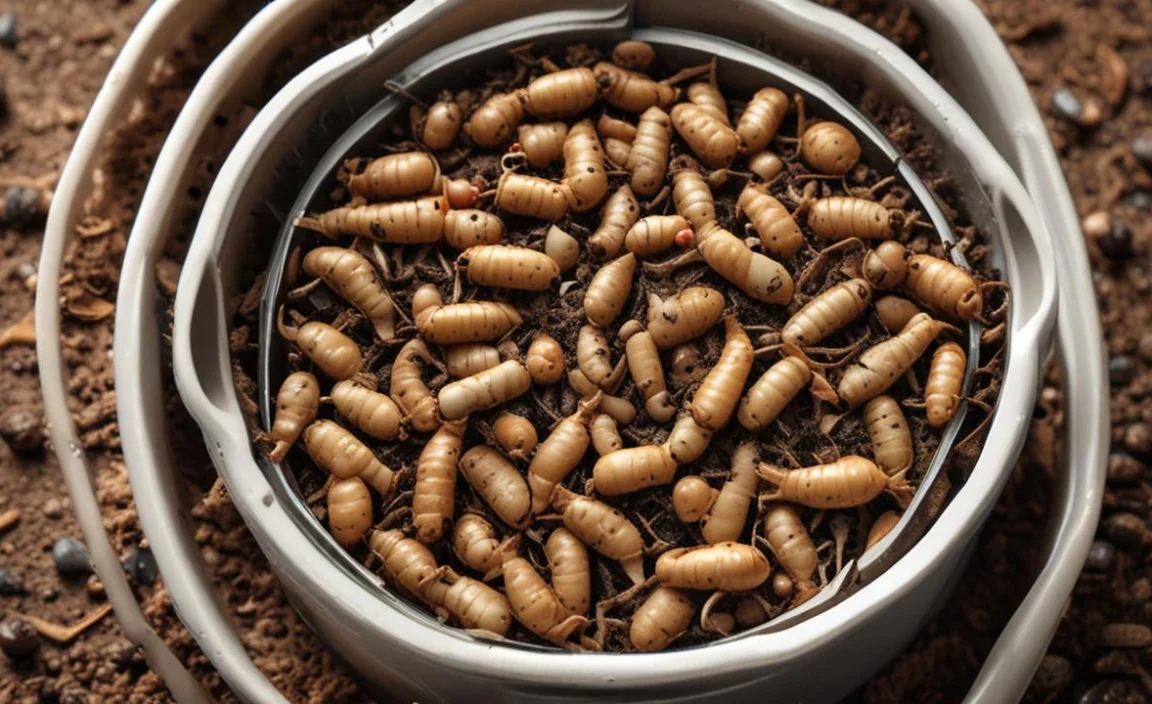
Composting can be tricky. Many people make mistakes that lead to pests. One common mistake is adding too many food scraps.
Another mistake is not turning the compost often. This can lead to odors and pests. Always maintain a good balance of materials.
It’s also important to avoid adding meat or dairy. These items attract flies and can create problems.
- Adding too many food scraps can attract pests.
- Not turning the compost can create odors.
- Meat and dairy should never be added.
- Ignoring moisture levels can lead to flies.
- Not mixing materials can slow down composting.
By avoiding these mistakes, you can create a healthy compost tumbler. It will provide rich soil for your plants and garden.
Fun Fact or Stat: Composting can reduce landfill waste by 30%!
Overloading the Compost Tumbler
Have you ever added too much to your compost? This is a common mistake. Overloading can lead to excess moisture and odors.
Make sure to add a mix of materials. A balance is essential for good composting.
Ignoring Odors in Compost
What does your compost smell like? It should have a pleasant earthy smell. If it smells bad, there might be a problem.
Bad odors can mean it’s too wet or overloaded. Always check your compost for smells and adjust as needed.
Not Using Enough Browns
Do you know what browns are? They are materials like dry leaves and cardboard. Browns are important for balancing greens like food scraps.
If you don’t use enough browns, it can lead to problems. Always aim for a good mix for successful composting.
Fun Fact or Stat: A good compost mix is one part greens to two parts browns!
Summary
Maggots in tumbler compost can be a surprise. However, you can manage them safely. Understanding what causes maggots helps prevent them. Regularly turning the compost and maintaining moisture levels are key. You can also use natural methods like salt or diatomaceous earth to kill maggots. Learning how to kill maggots in tumbler compost safely is important for a healthy compost bin.
Conclusion
In conclusion, dealing with maggots in tumbler compost can be easy. You can use safe, natural methods to kill them. Remember to keep your compost balanced and check it often. This will help you avoid maggots in the first place. Learning how to kill maggots in tumbler compost safely makes your composting experience better.
Frequently Asked Questions
Question No 1: How can I prevent maggots in my compost?
Answer: To prevent maggots in your compost, maintain a good balance of greens and browns. Turn your compost regularly to aerate it. Don’t overload it with food scraps, which attract flies. Keeping the right moisture levels also helps. This will create a healthier compost environment.
Question No 2: Is it safe to eat vegetables from compost with maggots?
Answer: Yes, it is safe to eat vegetables from compost that had maggots. Maggots help break down food, which benefits compost. Just ensure the compost is well-aerated and balanced. Wash your vegetables before eating them to stay safe. A healthy compost can enhance your garden’s growth.
Question No 3: What should I do if I find maggots?
Answer: If you find maggots, don’t worry! Turn your compost to increase its temperature. You can also sprinkle salt or diatomaceous earth on the infested areas. These methods kill maggots safely. Regularly check your compost for balance, moisture, and pests.
Question No 4: Can I use chemicals to kill maggots?
Answer: It’s best to avoid using chemicals on compost. Chemicals can harm beneficial microbes that help with decomposition. Instead, use natural methods like salt or diatomaceous earth. Keeping your compost healthy will prevent maggot problems in the first place.
Question No 5: How often should I check my tumbler compost?
Answer: You should check your tumbler compost at least once a week. This allows you to monitor moisture levels and balance materials. Regular checks help prevent pests like maggots. Turning the compost regularly also keeps it active and healthy.
Question No 6: Are maggots harmful to my garden?
Answer: Maggots are not harmful to your garden. They help break down organic materials, which enriches your compost. However, too many maggots can indicate a problem in your compost. Managing them safely ensures a healthy garden environment.

