Composting is a great way to help the Earth. It turns food scraps and yard waste into rich soil. Do you know how to make your compost better? Many people wonder how to balance greens and browns in a compost tumbler. This balance is important for creating healthy compost.
Greens are wet materials, like vegetable scraps and grass clippings. Browns are dry materials, like leaves and cardboard. Mixing these two types of materials can help your compost break down faster. When you have the right balance, you can make nutrient-rich compost for your garden.
Let’s explore how to balance greens and browns in a compost tumbler and why it matters!
Key Takeaways
- Balance greens and browns for healthy compost.
- Greens add moisture and nitrogen to the mix.
- Browns provide carbon and help with airflow.
- Use a compost tumbler for easy mixing.
- Learn how to balance greens and browns in a compost tumbler.
Understanding Greens and Browns in Compost Tumblers
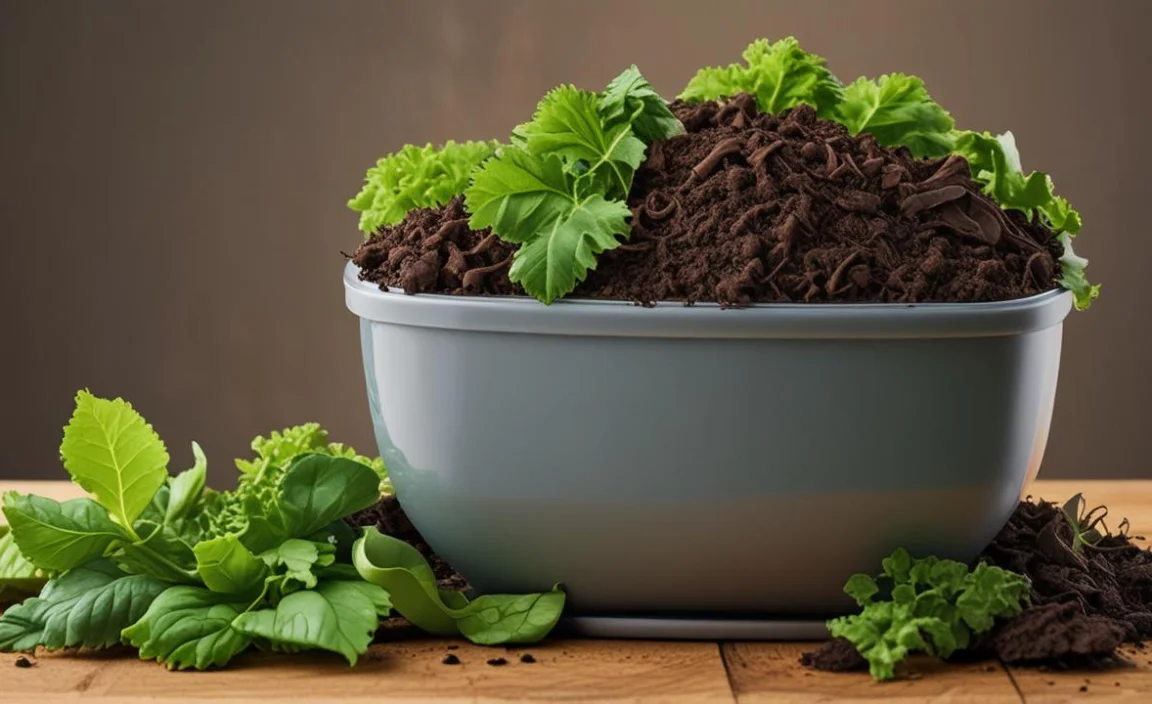
Compost tumblers are special bins for composting. They let you mix materials easily. Understanding what greens and browns are is key. Greens are materials high in nitrogen. They help break down the compost. Examples of greens include fruit peels, vegetable scraps, and fresh grass.
Browns provide carbon. They help balance the nitrogen from greens. Examples of browns include dry leaves, straw, and cardboard. When you add greens and browns together, you create a rich environment for microbes. These tiny creatures do the work of breaking down materials.
- Greens are wet and break down quickly.
- Browns are dry and break down slowly.
- Too many greens can make compost smelly.
- Too many browns slow down the process.
- Mix both to keep compost healthy.
Balancing greens and browns is crucial. If your compost is too wet, it can smell bad. If it’s too dry, it won’t break down. That’s why a compost tumbler is helpful. It allows you to stir the compost and check the balance easily.
Fun Fact or Stat: Did you know a compost tumbler can heat up to 140°F? This heat helps kill harmful germs!
What Are Greens in Compost?
Greens are important for composting. They include items like fruit scraps, vegetable peels, and coffee grounds. These materials are rich in nitrogen. Nitrogen helps microbes grow. It helps compost break down faster.
Do you love bananas? When you eat a banana, don’t throw away the peel! Put it in your compost tumbler instead. It’s a great source of nitrogen.
Adding too many greens can make your compost wet and smelly. It’s best to mix greens with browns. This keeps the right balance.
What Are Browns in Compost?
Browns are just as important as greens. They give your compost carbon. Carbon helps to air out the compost. This airflow is crucial for healthy composting.
You can use items like dried leaves, straw, or shredded newspaper as browns. Did you ever wonder what happens to fallen leaves in autumn? Instead of raking them all up, use them for compost! They can break down and enrich your soil.
Too many browns can slow down the composting process. Always try to mix browns with greens for the best results.
How to Identify the Right Balance?
Finding the right balance can be tricky. A good rule is to use three parts browns to one part greens. When you mix these together, your compost tumbler will work well.
Think of it like a recipe. If you add too much of one ingredient, the result can be off. You want a mix that is moist but not soggy.
Keep an eye on your compost. If it smells bad, you might need more browns. If it’s too dry, add some greens. Adjusting the balance can help it break down faster.
Fun Fact or Stat: The ideal carbon to nitrogen ratio in compost is about 30:1!
How to Balance Greens and Browns in a Compost Tumbler
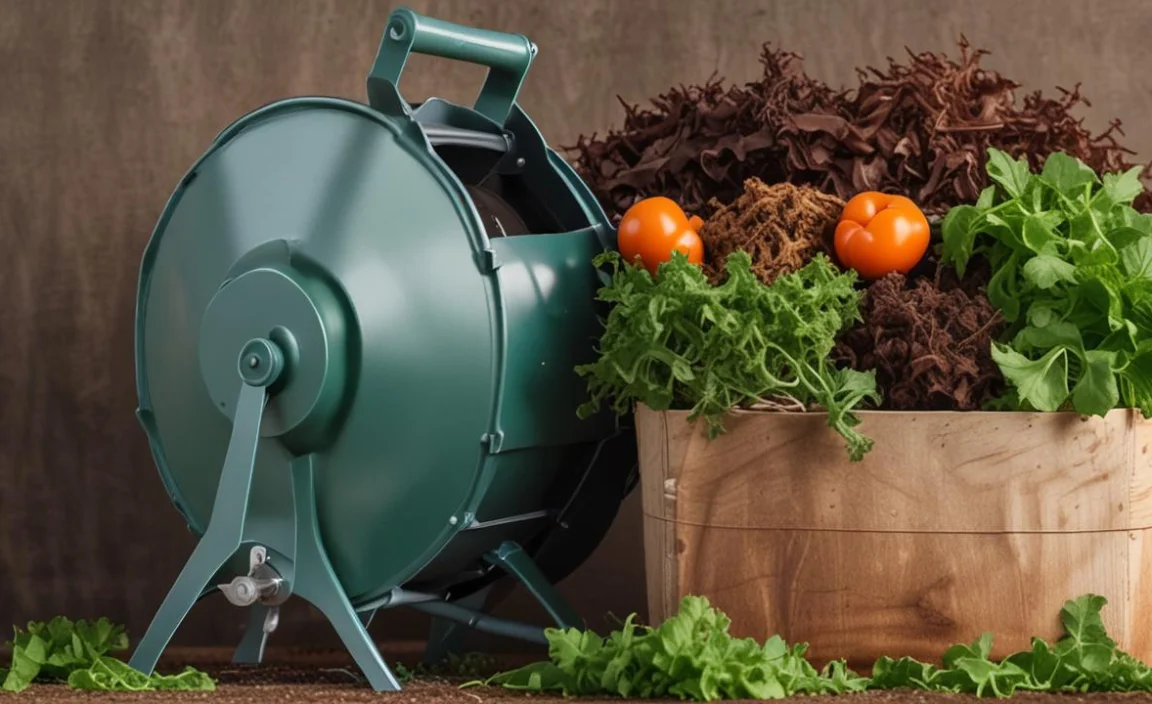
Balancing greens and browns in a compost tumbler is easy with these steps. Start by preparing your materials. Collect greens and browns separately. Chop them into smaller pieces. This helps them break down faster.
Next, add your materials to the tumbler. Aim for a mix of three parts browns to one part greens. Stir the tumbler regularly. This adds air to the compost. Aeration is vital for microbes to thrive.
Remember to monitor the moisture level. If it’s too dry, add water or more greens. If it’s too wet, add more browns to soak up the moisture.
- Chop materials into small pieces.
- Add three parts browns for every part of greens.
- Mix regularly to aerate the compost.
- Check moisture levels often.
- Adjust materials as needed for balance.
Balancing greens and browns in a compost tumbler is like playing a game. It takes practice to find the right mix. Each time you compost, pay attention to how it looks and smells. Adjust as needed, and you will create great compost.
Fun Fact or Stat: Composting can reduce waste sent to landfills by 30% or more!
What Happens If You Add Too Many Greens?
Adding too many greens can cause problems in your compost. It may become too wet and smelly. Wet compost can attract pests. You might notice flies and other bugs.
Imagine you’re making soup. If you add too much water, it turns into broth. You want a flavorful soup! Compost works the same way. If it’s too wet, it won’t break down properly.
To fix this, add more browns. They will help soak up the moisture. It’s a simple fix for a common problem.
What Happens If You Add Too Many Browns?
Too many browns can slow down composting. The compost may dry out and not break down. Dry compost lacks moisture. This can lead to a slow process.
Think of it like baking a cake. If you add too much flour, the cake will be dry. You want the right amount of ingredients for a tasty cake. Compost needs balance, too.
If your compost feels dry, add more greens. This will bring back the moisture. Keep mixing, and your compost will thrive.
The Benefits of a Balanced Compost Tumbler
A balanced compost tumbler produces rich compost. This compost nourishes your plants and garden. Healthy plants grow strong. They can fight off pests and diseases better.
Using compost also reduces waste. It keeps food scraps out of landfills. This helps the environment. Plus, it saves you money! You don’t need to buy expensive fertilizers.
When you make compost at home, you learn about recycling. You help your community by reducing waste. Everyone can make a difference with composting.
Fun Fact or Stat: One pound of food scraps can create up to 20 pounds of compost!
Easy Tips for Successful Composting
Creating great compost is simple with these tips. Start with a variety of materials. Use greens and browns from your kitchen and yard.
Keep the compost tumbler in a sunny spot. Sunlight warms the compost and helps it break down. Make sure to turn the tumbler regularly. This adds air and helps the microbes thrive.
Don’t worry if your compost doesn’t work perfectly the first time. Learning how to balance greens and browns in a compost tumbler takes practice. Over time, you will become an expert composter.
- Use a mix of materials for diversity.
- Position the tumbler in a sunny area.
- Turn the tumbler every few days.
- Monitor the compost’s smell and moisture.
- Keep learning about composting techniques.
Successful composting brings rewards. You get rich compost that helps your garden grow. Plus, it feels good to recycle waste. You make a positive impact on the planet.
Fun Fact or Stat: You can compost paper towels, but avoid those with chemicals!
How Often Should You Turn the Compost?
Turning your compost tumbler is important. It lets air in and helps break down materials. You should turn it every few days.
Have you ever baked cookies? You need to mix the dough to get the right texture. Composting is similar. Mixing helps speed up the process.
If you notice your compost isn’t breaking down, try turning it more often. This will help aerate the compost.
What Can You Add to Your Compost?
You can add many things to your compost tumbler. Include fruit scraps, vegetable peels, and coffee grounds. You can also add grass clippings and dried leaves.
Avoid adding meat, dairy, or oily foods. These can attract pests and create odors. Always check what you are adding.
Do you want to help your garden? Start composting with the right materials today!
Why Is Aeration Important?
Aeration means adding air to your compost. This is very important for healthy composting. Microbes need oxygen to break down materials.
If your compost is too compact, it won’t break down well. Think of a sponge. When it’s squished, it doesn’t soak up water. When it’s loose, it soaks up moisture better.
Turning your compost tumbler regularly lets air in. This helps microbes thrive. Your compost will break down faster and richer.
Fun Fact or Stat: Aerated composting can be up to 30% faster than non-aerated composting!
Common Mistakes in Composting
Many people make mistakes when composting. One common mistake is not balancing greens and browns. If you add too many greens, it can smell bad.
Another mistake is adding the wrong items. Meat and dairy can create problems. They attract pests and make composting harder.
Sometimes, people forget to turn the compost. This can lead to slow breakdown. Remember to check your compost regularly.
- Balance greens and browns to avoid smell.
- Avoid adding meat or dairy products.
- Turn the compost every few days.
- Don’t add too much of one material.
- Check moisture levels often.
Learning from mistakes helps us improve. Each time you compost, you’ll get better. With practice, you’ll create rich compost for your garden.
Fun Fact or Stat: Composting food scraps can reduce methane emissions by 20%!
How to Fix Smelly Compost?
If your compost smells bad, it usually means too many greens. You can fix it by adding more browns. Shredded leaves or cardboard can help soak up excess moisture.
Check the moisture level as well. If it’s too wet, turn the compost to add air. Aeration helps reduce odor.
Imagine if you left a lunchbox in your backpack too long. It would smell! That’s like wet compost. By fixing the balance, you can make it smell fresh again.
How to Speed Up Composting?
To speed up composting, balance greens and browns perfectly. Chop materials into small pieces. Smaller pieces break down faster than larger ones.
Turn the compost tumbler regularly. This adds air and helps microbes thrive. Keep the tumbler in a sunny spot. The warmth helps break down materials faster.
Have you ever seen a flower bloom? It doesn’t happen overnight! Just like that, compost takes time. But with the right steps, you can speed up the process.
Why Do We Compost?
Composting is great for many reasons. It reduces waste in landfills. It helps create nutrient-rich soil for plants. Composting also saves money on fertilizers.
When you compost, you recycle organic waste. This helps the environment. Every time you compost, you are helping the planet.
Think about how much waste we produce daily. By composting, we can make a difference. Each small step counts!
Fun Fact or Stat: Compost can enrich soil and improve plant growth by 50%!
Summary
Composting is a fun and rewarding activity. Learning how to balance greens and browns in a compost tumbler is key. Greens provide nitrogen, while browns add carbon. The right balance creates healthy compost. Remember to turn your tumbler and check the moisture often. With practice, you’ll create rich compost for your garden.
Composting helps the environment, reduces waste, and saves money. Every small step in composting makes a big difference.
Conclusion
In conclusion, knowing how to balance greens and browns in a compost tumbler is essential. It helps produce nutrient-rich compost for your garden. Always mix green and brown materials properly. Regularly check the moisture and turn the tumbler. Composting is a great way to help the Earth while enjoying your garden.
Frequently Asked Questions
Question No 1: What is composting?
Answer: Composting is the process of breaking down organic materials. These materials include food scraps and yard waste. When these materials break down, they create a rich soil. This soil is great for plants. Composting helps reduce waste and saves money on fertilizers.
Question No 2: How do I start composting?
Answer: Starting composting is easy! Choose a compost tumbler or bin. Gather greens, like vegetable scraps, and browns, like dried leaves. Mix them together in the tumbler. Remember to turn it regularly and check the moisture level. With time, you’ll produce compost.
Question No 3: How can I balance greens and browns?
Answer: To balance greens and browns, use three parts browns to one part greens. Browns include dry leaves and cardboard. Greens are fruit scraps and vegetable peels. Mixing these together helps create healthy compost. Adjust the materials as needed for the best results.
Question No 4: What should I avoid adding to compost?
Answer: Avoid adding meat, dairy, and oily foods to your compost. These materials can create bad smells and attract pests. Instead, stick with greens and browns. This will help create healthy compost for your plants.
Question No 5: How do I know if my compost is working?
Answer: You’ll know your compost is working when it becomes dark and crumbly. It should have a sweet, earthy smell. If it smells bad or looks wet, adjust the balance of greens and browns. Turn the tumbler regularly for best results.
Question No 6: How long does composting take?
Answer: Composting can take anywhere from a few weeks to several months. It depends on the materials and how often you turn it. Regularly mixing and balancing greens and browns can speed up the process. With patience, you’ll create rich compost for your garden.

