Gardening can be a fun way to grow plants. But, have you heard of no till gardening? This method helps keep the soil healthy. It reduces work and uses less water too. Are you curious about how to start? This no till gardening transition guide will help you.
Imagine a garden where you don’t dig or till the soil. Instead, you build up layers of natural materials. These layers include compost, leaves, and grass clippings. They create a rich environment for plants. This method protects tiny creatures in the soil. It also helps plants grow strong roots. With this guide, you can learn how to switch to no till gardening easily.
Many people want to try no till gardening. They want to help the environment while growing food. Let’s explore how to make this change successful!
Key Takeaways
- No till gardening improves soil health over time.
- This transition guide makes switching easy for beginners.
- Growing plants is simpler with less soil disturbance.
- No till gardening saves water and reduces weeds.
- Healthy soil means more delicious fruits and vegetables.
No Till Gardening Transition Guide: Getting Started
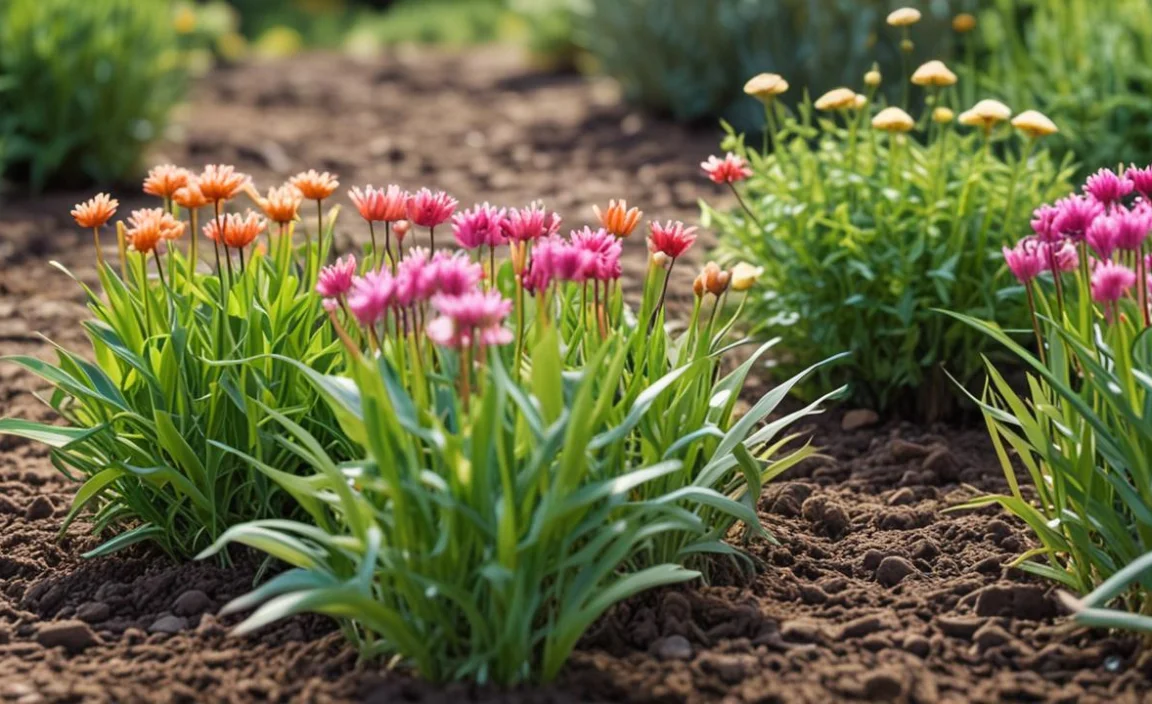
Starting with no till gardening may seem tough. But it can be simple and fun! First, you need to prepare your space. Choose a spot in your yard or garden. The area should get plenty of sunlight. Then, gather materials like cardboard, newspaper, and compost. These will help you cover the ground.
Cover the soil with a thick layer of cardboard. This prevents weeds from growing. Then, add compost and organic matter on top. You can use grass clippings or leaves. Water the area well to help the materials break down. This creates a healthy environment for your plants to grow.
No till gardening means you work with nature. You let worms and microbes do their job. They will help create healthy soil. As you follow this no till gardening transition guide, you’ll see great results.
- Choose a sunny spot for your garden.
- Gather cardboard and compost materials.
- Cover the soil completely with cardboard.
- Add layers of compost and organic matter.
- Water the area to start the process.
As you begin this journey, remember to be patient. Healthy soil takes time to build. Soon, you will see plants thriving in your garden. They will bring joy and delicious food for you and your family.
Fun Fact or Stat: No till gardening can increase soil carbon levels by up to 30%.
Why Choose No Till Gardening?
Have you ever thought about why people choose no till gardening? Many choose this method to protect the environment. It helps keep the soil healthy. Healthy soil means strong plants. These plants can fight off pests better.
Many gardeners find that no till gardening reduces their workload. It saves time and effort. You don’t need to dig or turn the soil. This method also helps keep moisture in the ground. Less watering is needed, which can save you money.
Think about how much easier it is to garden without tilling. You can spend more time enjoying your plants. You’ll also help nature at the same time. What’s not to love about that?
How to Prepare Your Garden for No Till
Preparing your garden for no till gardening is easy. First, you must clear away any weeds. You can cut them down or pull them out. Next, lay down cardboard or newspaper on the ground.
Cover this with a thick layer of compost. You can add leaves or straw too. These materials will break down over time. They will enrich the soil and help plants grow.
Do you know what happens next? The soil becomes healthier and more alive. Worms and other creatures will thrive. They will create the best environment for your plants.
Common Mistakes to Avoid
Many new gardeners make mistakes when switching to no till gardening. One common mistake is not covering the soil enough. If you leave bare spots, weeds can still grow.
Another mistake is not using enough compost. Healthy soil needs organic matter to thrive. Without it, plants may struggle to grow.
Avoiding these mistakes will help you succeed. Following this no till gardening transition guide will make it easier.
Fun Fact or Stat: Over 90% of gardeners see better results with no till gardening.
Benefits of No Till Gardening
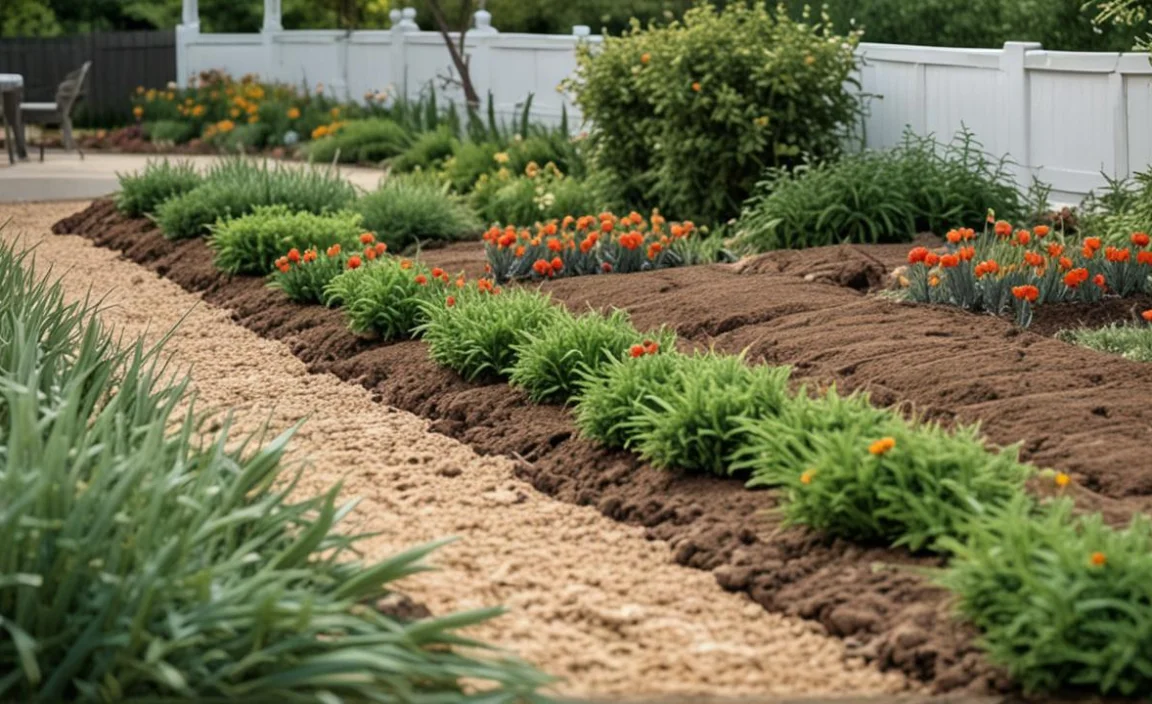
No till gardening has many benefits. First, it helps improve soil health. By avoiding tilling, you maintain the soil structure. This keeps important nutrients in the soil. It also protects tiny creatures that live there.
Second, no till gardening saves time. You don’t need to spend hours digging. Instead, you can focus on planting and enjoying your garden.
Lastly, this method can reduce the need for water. The soil holds moisture better. This is great for hot summer days. You can feel good knowing you are saving water.
- Improved soil health leads to better plant growth.
- No till saves time and effort in the garden.
- Less water needed means lower bills.
- Less weeding helps you enjoy your garden more.
- Supports local wildlife and soil organisms.
As you embrace the benefits, you’ll notice a big difference. Your garden will flourish. You will also help the planet. No till gardening is a simple way to make a positive impact.
Fun Fact or Stat: No till gardening can reduce soil erosion by up to 90%.
Soil Health in No Till Gardening
Healthy soil is vital for all plants. But how do we keep our soil healthy? In no till gardening, we build up the soil with layers. Each layer adds nutrients and helps keep moisture in.
You can start by adding compost. Compost is rich in nutrients. It helps feed your plants. Regularly adding organic materials will keep the soil lively.
Have you ever seen worms in the soil? They are a sign of healthy soil. They help break down organic materials. This makes nutrients easier for plants to absorb.
Remember, healthy soil creates healthy plants!
Water Management in No Till Gardening
Water management is important in gardening. No till gardening helps with this too. Healthy soil holds water better than tilled soil. This means you water less often.
When you add layers of materials, they absorb moisture. This protects plants during dry spells. You can even set up a rain barrel. This catches water from your roof to use in the garden.
Do you want to save water while gardening? No till gardening can help you do that. You save money while keeping your plants happy.
No Till vs. Traditional Gardening
Many people wonder about the difference between no till and traditional gardening. Traditional gardening often requires digging and tilling. This can harm soil structure and disturb living organisms.
In contrast, no till gardening keeps the soil intact. This allows nutrients to stay in the ground. It also protects worms and microbes that help plants grow.
Here’s a quick comparison of both methods:
| Gardening Method | Soil Disturbance | Water Use | Time Required |
|---|---|---|---|
| No Till | Low | Less | Less |
| Traditional | High | More | More |
Choosing the right method depends on your garden goals. But many find no till gardening easier and more effective in the long run.
Fun Fact or Stat: Studies show no till can increase crop yields by 20% or more.
No Till Gardening Transition Guide: Planting Techniques
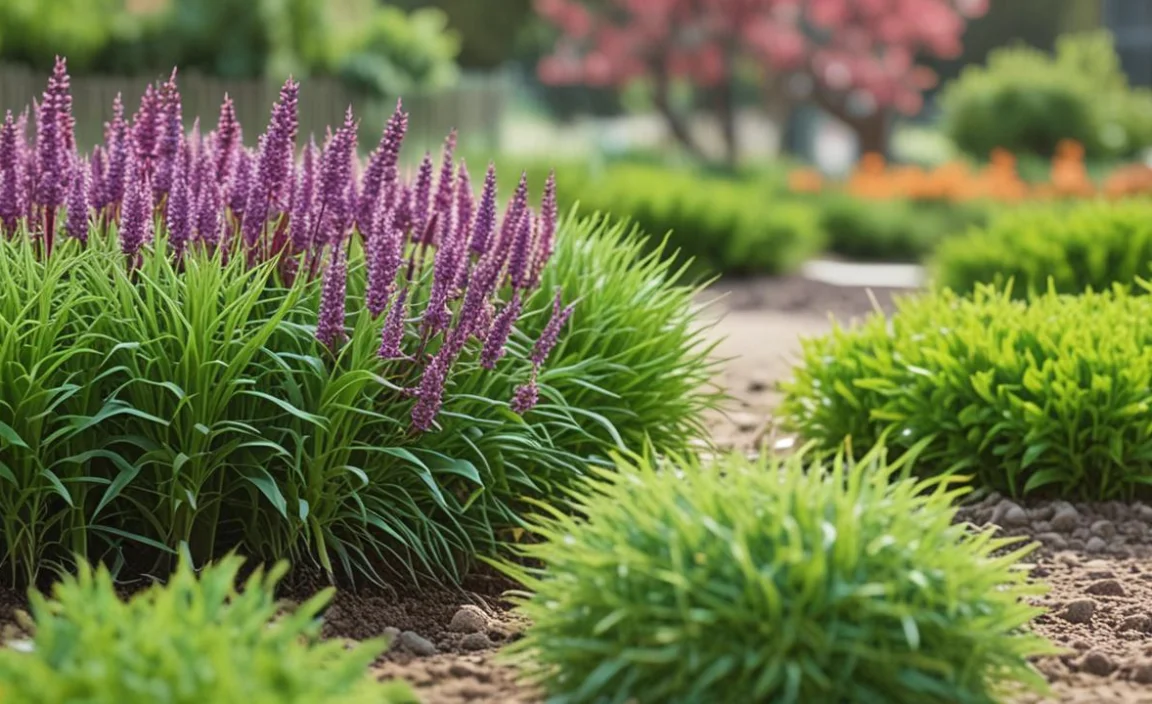
Planting in a no till garden is different. Instead of digging, you make small holes or furrows. You can use a trowel or your hands to do this.
Add your seeds or plants into the holes. Cover them gently with soil. It’s like planting in a cozy blanket. This helps them grow strong.
Using mulch can also help. Mulch keeps weeds down and moisture in. It also adds nutrients as it breaks down.
With these techniques, your plants will thrive. Following this no till gardening transition guide will make planting easier for you.
- Make small holes for seeds or plants.
- Use a trowel or your hands to dig.
- Cover plants gently with soil.
- Add mulch to keep weeds away.
- Water plants well after planting.
As you plant, think about what you want to grow. Choose vegetables or flowers that you love. Watching them thrive will bring you joy. Soon, you’ll be harvesting the fruits of your labor!
Fun Fact or Stat: No till gardening can help increase biodiversity in your garden.
Choosing the Right Plants for a No Till Garden
Have you ever thought about what plants grow best in a no till garden? Many plants thrive with minimal soil disturbance. Vegetables like tomatoes and peppers do well.
Flowers also love this type of gardening. Sunflowers and marigolds can bring color and beauty. These flowers attract helpful insects to your garden.
Choosing native plants is a smart choice too. They are already adapted to your environment. They will grow well with less care.
Remember to think about your climate and soil when choosing plants. This will help ensure a successful garden.
Companion Planting in No Till Gardening
Companion planting is a great strategy. It helps plants grow better together. In a no till garden, you can plant flowers with vegetables.
For example, plant basil next to tomatoes. Basil helps repel pests that bother tomatoes. This means healthier plants and more food.
You can also plant marigolds with your veggies. They attract helpful insects and keep bad ones away.
Think about how plants can help each other. This makes your garden more productive and fun!
Harvesting in No Till Gardening
Harvesting in a no till garden can be exciting. When your plants are ready, gather your fruits and vegetables. Be careful not to disturb the soil around the plants.
Use scissors or garden shears for clean cuts. This will help preserve the plant for future growth. Don’t forget to check for pests while harvesting. Keeping your plants healthy is important.
After harvesting, leave any plant waste in the garden. This helps feed the soil and keeps it healthy. No till gardening is all about working with nature. Your efforts will pay off in delicious produce!
Fun Fact or Stat: No till gardens can yield crops throughout the year.
No Till Gardening Transition Guide: Maintenance Tips
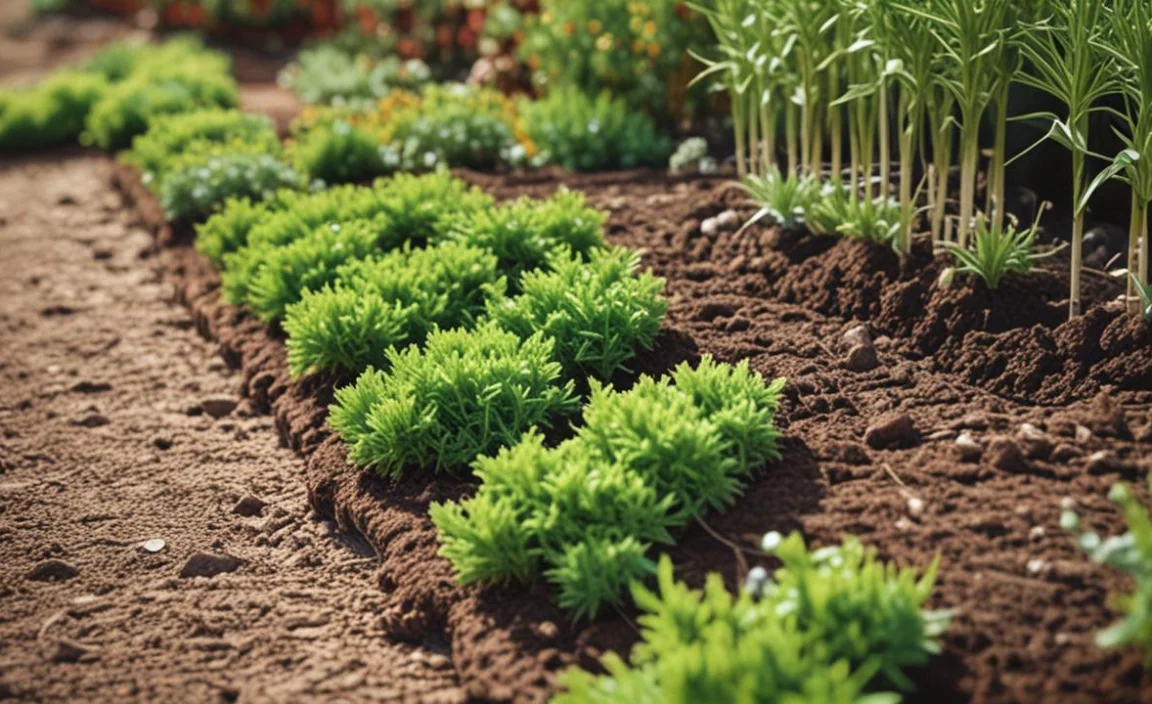
Maintaining a no till garden is easy. You don’t need to dig or disturb the soil. Regular maintenance will keep your garden healthy.
Start by adding new layers of compost every year. This helps supply nutrients. You can also add mulch between plants. Mulch helps keep moisture in and weeds out.
Check your plants often for pests. Catching problems early helps keep your garden safe. With no till gardening, you’ll spend more time enjoying your garden, not working in it.
- Add compost each year for nutrients.
- Use mulch to keep weeds and moisture in.
- Check for pests regularly to protect plants.
- Water plants deeply but less often.
- Rotate your crops each year for best results.
With these tips, your no till garden will thrive. You can enjoy gardening without a lot of hard work. Soon, you will see how easy it is to care for your plants.
Fun Fact or Stat: 80% of gardeners say no till gardening is less stressful.
Seasonal Care for Your No Till Garden
Caring for your no till garden changes with the seasons. In spring, prepare your soil and plant new seeds.
As summer heats up, focus on watering. Ensure your plants receive enough moisture during hot days.
In fall, it’s time to add more organic materials. This helps prepare the soil for winter. Covering the garden helps protect it from frost.
During winter, relax! Your no till garden is working hard under the snow. The organic materials are breaking down, enriching your soil for next year.
Knowing what to do each season will help your garden flourish.
Dealing with Pests and Weeds
Every gardener faces pests or weeds. But no till gardening can help reduce these problems. Healthy soil and plants can fight off pests better.
If you see weeds, pull them out gently. You don’t want to disturb the soil too much. Regularly adding mulch can keep weeds down.
For pests, you can use natural remedies. Soap sprays or neem oil can help. Encourage beneficial insects like ladybugs to help control pests.
With patience and care, you can keep your garden healthy and thriving.
Community Support for No Till Gardening
Many communities support no till gardening. Local gardening clubs often share tips and advice. Joining a club can help you learn from others.
You can also find online groups and forums. These places let you ask questions and share experiences. Connecting with others makes gardening more fun.
Support from your community can help you succeed. You’ll learn new ideas and find new friends.
Fun Fact or Stat: Joining a gardening club can increase your harvest by 30%.
Summary
No till gardening is a great way to grow plants. It improves soil health and saves time. This no till gardening transition guide offers tips to help you start. You can choose the right plants and care for them easily. With practice, you’ll enjoy a beautiful and productive garden.
Conclusion
In conclusion, no till gardening is a fantastic method for planting. It helps the environment and makes gardening easier. Following this no till gardening transition guide will help you succeed. Join the fun and grow a garden that thrives naturally!
Frequently Asked Questions
Question No 1: What is no till gardening?
Answer: No till gardening is a method where you don’t dig or disturb the soil. Instead, you layer organic materials on top. This helps keep the soil healthy and full of life. Many gardeners enjoy this method because it reduces work and improves soil health. Following a no till gardening transition guide can help you start this method successfully.
Question No 2: Why is no till gardening beneficial?
Answer: No till gardening is beneficial for many reasons. It helps improve soil health and retains moisture. This method reduces the need for watering and weeding. It also supports beneficial soil organisms. Using a no till gardening transition guide can help you enjoy these benefits as you start your gardening journey.
Question No 3: How do I start no till gardening?
Answer: To start no till gardening, choose a sunny area in your yard. Prepare the ground by laying down cardboard or newspaper. Add layers of compost and organic materials on top. Water the area well. Following a no till gardening transition guide will provide more steps and tips for your success.
Question No 4: Can I grow vegetables in a no till garden?
Answer: Yes! You can grow many types of vegetables in a no till garden. Tomatoes, peppers, and carrots thrive with this method. It’s important to choose plants that grow well with less soil disturbance. Following a no till gardening transition guide will help you select the best vegetables for your garden.
Question No 5: What should I do in fall for my no till garden?
Answer: In fall, you should add more organic materials to your no till garden. This helps prepare the soil for winter. Covering the garden can protect it from frost. Make sure to remove any weeds and keep the soil healthy. A no till gardening transition guide will provide more details about seasonal care.
Question No 6: How do I maintain my no till garden?
Answer: To maintain your no till garden, regularly add compost each year. Use mulch to keep weeds down and moisture in. Check for pests and water deeply but less often. Following this no till gardening transition guide will help you keep your garden healthy and flourishing.

