Spider mites are tiny bugs that can harm your plants. They are so small that you might not notice them at first. But if you see fine webbing on your indoor plants, you may have a spider mite problem. Did you know that these pests can make your plants sick? They suck the juice from leaves and stems. This can cause your plants to die.
If you have indoor plants, you should keep an eye out for spider mites. Their webbing is often the first sign of trouble. You don’t want to lose your beautiful plants to these tiny pests. Let’s learn more about spider mites and how to deal with them.
Key Takeaways
- Spider mites webbing on indoor plants is a sign of trouble.
- They suck plant juices, causing yellow leaves.
- Look for fine webs on leaves and stems.
- Try natural methods to control spider mites.
- Keep your plants clean to prevent infestation.
What Are Spider Mites and Their Webbing?
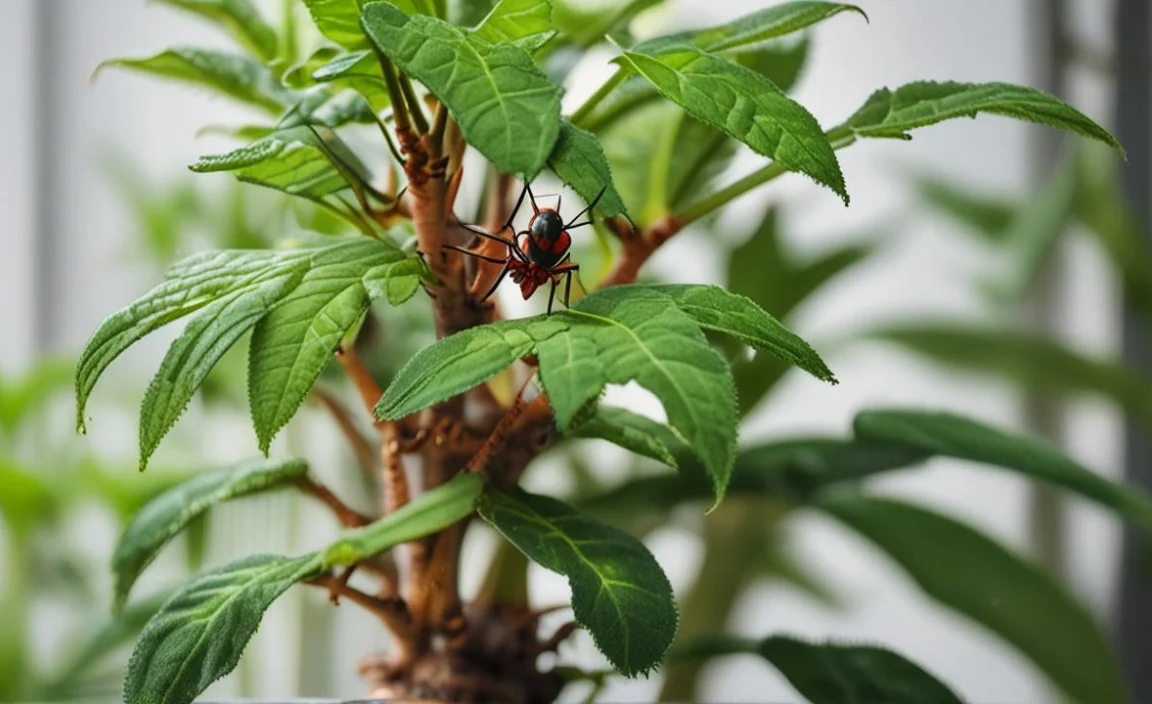
Spider mites are small pests that can cause big problems for your plants. They are usually red, green, or yellow. These tiny creatures live on the undersides of leaves. They suck the juice from leaves and cause damage. You might notice yellow spots on leaves. Eventually, the leaves can turn brown and fall off.
The webbing they create is a sign of a serious problem. It can cover leaves and stems. This webbing protects them from predators and helps them survive. When spider mites create webs, they often multiply quickly. This makes it hard to get rid of them.
- Spider mites are super small, often invisible.
- They create webs to protect themselves.
- They multiply fast, causing rapid damage.
- They thrive in warm, dry conditions.
- They can survive without water for a long time.
To keep your indoor plants healthy, check them often. If you see webbing, act quickly. You can spray them with water or use insecticidal soap. Keeping the area around your plants clean helps too. Regularly wipe the leaves to remove dust and webs.
Fun Fact or Stat: Spider mites can lay up to 20 eggs a day!
How Do Spider Mites Damage Indoor Plants?
Spider mites can cause many problems for indoor plants. They feed on plant juices. This can weaken the plant over time. You may see yellowing leaves or stunted growth.
Imagine having a beautiful green plant. Then, suddenly, it starts to look sick. You might feel sad and worried. This is what spider mites can do. They can turn a vibrant plant into a dull one.
Check your plants regularly. If you see any signs of spider mites, don’t ignore them. The sooner you act, the better chance you have to save your plants.
Fun Fact or Stat: Spider mites can reproduce in just a few weeks!
Signs of Spider Mites on Indoor Plants
It’s important to know the signs of spider mites. First, look for tiny webs on the leaves. These webs are usually fine and delicate. They can be hard to spot.
Next, check for small yellow spots on the leaves. This happens when spider mites suck the juice from the leaves. You may also notice leaves that are turning brown or falling off.
If you see any of these signs, take action. You don’t want to wait until it’s too late.
Fun Fact or Stat: Spider mites can cause damage in just a few days!
How to Spot Spider Mites Early
Spotting spider mites early can save your plants. Use a magnifying glass to look closely at leaves. Check the undersides where spider mites like to hide.
Another way to check is by shaking the leaves. If you see tiny specks flying away, they are likely spider mites.
You can also use a white piece of paper under the leaves. If you see small dots moving, those are spider mites. Being vigilant can help you catch them early.
Fun Fact or Stat: A spider mite is smaller than a pinhead!
Preventing Spider Mites Webbing on Indoor Plants
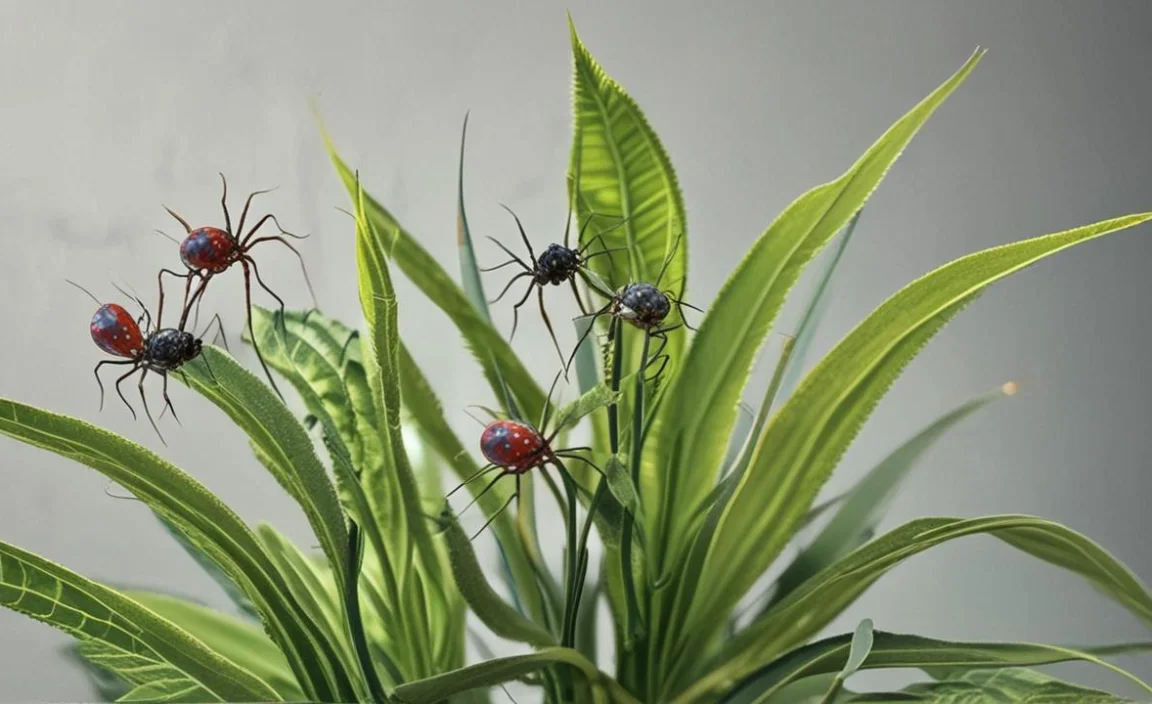
Preventing spider mites is easier than getting rid of them. Start with healthy plants. Healthy plants are less likely to get sick. Make sure they get enough water and sunlight. Dust can also collect on leaves. Regularly wipe the leaves with a damp cloth.
Humidity is important too. Spider mites like dry air. You can increase humidity by misting your plants. Alternatively, place a small water dish nearby.
Check your plants regularly for signs of spider mites. If you spot webs or yellow leaves, act fast.
- Keep your plants clean by wiping leaves.
- Ensure plants get enough water and light.
- Increase humidity around your indoor plants.
- Check for pests regularly and act quickly.
- Use natural remedies to prevent infestations.
Taking these steps helps keep spider mites away. Remember, prevention is key. A little effort now can save your plants later.
Fun Fact or Stat: Indoor plants can thrive with proper care!
Natural Ways to Control Spider Mites
You can control spider mites naturally. One option is to spray your plants with water. A strong jet of water can knock them off. This helps to dislodge the spider mites from leaves.
Another option is to use insecticidal soap. This soap is safe for plants and can kill spider mites. You can find it at most garden stores.
Herbal sprays can also help repel spider mites. Mix garlic or neem oil with water and spray it on the leaves.
These natural methods can be effective and safe for your plants.
Fun Fact or Stat: Most spider mites prefer dry environments!
When to Seek Professional Help
Sometimes, spider mites can be tricky to manage. If you have a severe infestation, it may be time to get help. You might notice your plants are still getting worse despite your efforts.
Look for signs of brown or dying leaves. If the webs are everywhere, it’s time to call a professional. They can help treat your plants safely.
Don’t hesitate to ask for help. Protecting your plants is important.
Fun Fact or Stat: Early treatment can save your plants!
Using Chemical Solutions Against Spider Mites
If natural methods fail, chemical solutions may be needed. These solutions can kill spider mites quickly. However, they can also harm beneficial insects. Use them carefully and follow directions.
Always test a small area of the plant first. This helps ensure the chemical won’t damage your plant.
Make sure to isolate infected plants. This prevents spider mites from spreading to other plants.
After using chemicals, monitor your plants closely. Look for any signs of spider mites returning.
Fun Fact or Stat: Chemical treatments can be very effective when used correctly!
Successful Treatment of Spider Mites Webbing
Are you dealing with spider mites webbing on indoor plants? If so, you must start treatment soon. First, isolate any affected plants. This stops the spread of spider mites.
Next, check the leaves and stems for webs. Remove any visible webbing with a damp cloth. This can help reduce the mite population.
You might want to use insecticidal soap or neem oil. These treatments help kill spider mites without harming your plants. Follow the instructions on the label for the best results.
Check your plants regularly after treatment. Look for any signs of spider mites returning.
- Isolate the affected plants from healthy ones.
- Remove visible webbing using a damp cloth.
- Use insecticidal soap or neem oil safely.
- Follow instructions for chemical treatments.
- Monitor plants closely after treatments.
Taking these steps can help bring your plants back to health.
Fun Fact or Stat: Spider mites can regenerate quickly if not treated!
Evaluating the Effectiveness of Treatments
After treating your plants, you need to evaluate how well it worked. Check the leaves and stems for new signs of spider mites. If you see no new webs or yellow leaves, you did well.
Keep an eye on your plants for a few weeks. Sometimes spider mites can come back. Regular checks help catch any new infestations early.
If treatments don’t work, consider trying a different method.
Fun Fact or Stat: Spider mites can survive harsh conditions!
Timing Treatments for Best Results
Timing is crucial when treating spider mites. Start treatment as soon as you notice webs. Early action gives you the best chance to save your plants.
Consider the best times to check your plants. Morning or evening may be the best, as temperatures are cooler then.
If you’re using chemicals, apply them during cooler parts of the day. This helps prevent damage to your plants.
By timing your treatments well, you can effectively manage spider mites.
Fun Fact or Stat: Quick action can save a sick plant!
Spider Mites Webbing on Different Types of Indoor Plants
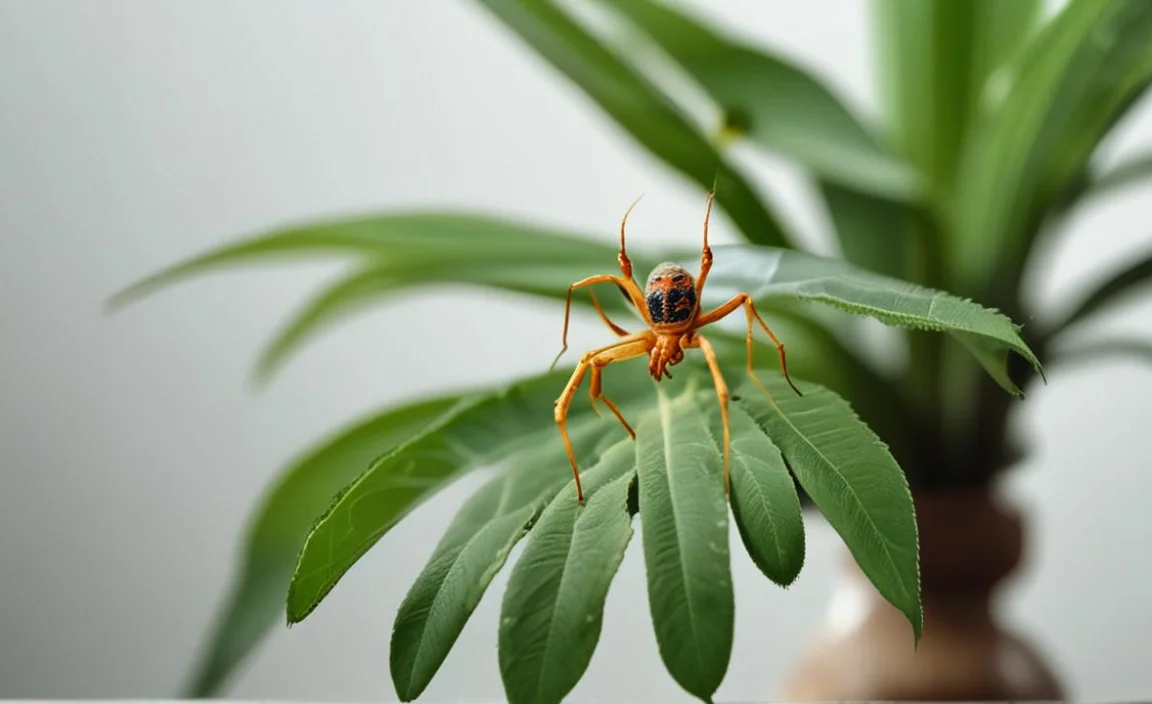
Different indoor plants can have varying responses to spider mites. Some plants are more resistant while others are very vulnerable. For example, succulents can be quite hardy. They may survive some spider mite damage.
On the other hand, delicate plants like ferns can suffer a lot. They need extra care to stay healthy.
If you have a mix of plants, check them often. Spider mites can easily move from one plant to another.
- Succulents are often more resilient to spider mites.
- Ferns need extra care to avoid damage.
- All plants should be checked regularly.
- Keep different plants isolated when possible.
- Healthy plants can withstand small infestations.
Understanding how different plants react can help you manage spider mites. Give each plant the care it needs to stay healthy.
Fun Fact or Stat: Some plants can naturally repel spider mites!
Identifying Spider Mites on Specific Indoor Plants
Certain indoor plants are more prone to spider mites. For example, spider plants may attract these pests. Look under the leaves for webs and yellow spots.
Household favorites like peace lilies can also be affected. Regular care and inspections can help keep them safe.
If you notice any signs, take action quickly.
Fun Fact or Stat: Spider mites can be a problem for many common houseplants!
Impact of Spider Mites on Plant Growth
Spider mites can slow down plant growth dramatically. When they suck out the juices, plants lack nutrients. This can cause leaves to turn yellow and fall off.
The overall health of the plant can decline. You may also notice stunted growth. Affected plants may take longer to bloom or grow new leaves.
Regularly check your plants to catch infestations early. Keeping them healthy helps them fight off pests.
Fun Fact or Stat: Healthy plants are better at resisting pests!
Summary
Spider mites webbing on indoor plants can signal a problem. These tiny pests suck the juices from leaves, causing damage. Regular checks will help you spot them early. Use natural solutions first to control them. If needed, chemical treatments can help, too. Always monitor your plants after treatment to catch any return of spider mites.
Conclusion
Managing spider mites webbing on indoor plants is possible. Regular checks and good plant care are key. Use natural methods first for safety. If needed, don’t hesitate to seek professional help. Your plants will thrive with the right care.
Frequently Asked Questions
Question No 1: What are spider mites?
Spider mites are tiny pests that feed on plants. They suck out plant juices, harming leaves and stems. You may see fine webbing on indoor plants. This webbing is a sign of spider mite infestation. It’s essential to check your plants regularly for any signs of these pests.
Question No 2: How can I tell if my plant has spider mites?
Look for fine webs on the leaves. You may also see yellow spots where the mites have fed. If leaves look unhealthy or are falling off, check for spider mites. Early detection is crucial. Remove any webs and treat the plants immediately.
Question No 3: How do I prevent spider mites on my indoor plants?
To prevent spider mites, keep your plants clean. Wipe the leaves regularly and ensure they have enough water. Increase humidity around the plants, as spider mites thrive in dry conditions. Regular checks for infestations can help keep your plants healthy.
Question No 4: Can spider mites spread to other plants?
Yes, spider mites can easily spread from plant to plant. If one plant has spider mites, they can crawl to nearby plants. Isolate affected plants to prevent spreading. Regular checks help catch problems early.
Question No 5: What should I use to treat spider mites?
You can use water sprays to knock spider mites off. Insecticidal soap is also effective and safe for plants. Neem oil can help repel them. If infestations are severe, consider chemical treatments but use them carefully.
Question No 6: How quickly do spider mites multiply?
Spider mites can multiply very quickly. In just a few weeks, one female can lay hundreds of eggs. This rapid reproduction makes it crucial to check your plants often. Early action helps control and prevent heavy damage.

