Many people love composting. It helps reduce waste. But, have you ever noticed a bad smell? You might wonder, “Why does my compost smell like ammonia and how to fix it?” Ammonia smells strong and unpleasant. It can be a sign that something is wrong in your compost bin. Let’s explore how to make your compost smell fresh again.
It’s important to address this issue quickly. A smelly compost pile can drive away helpful insects and worms. They help break down the compost. Plus, it can attract unwanted pests. We want our compost to stay healthy and productive. Let’s learn what causes that ammonia smell and how we can fix it.
Key Takeaways
- Smelly compost may need more brown materials.
- Check wetness; too much water can cause odors.
- Mix compost regularly to improve aeration.
- Adding lime can help reduce ammonia smells.
- Know why does my compost smell like ammonia and how to fix it.
Why Does My Compost Smell Like Ammonia?
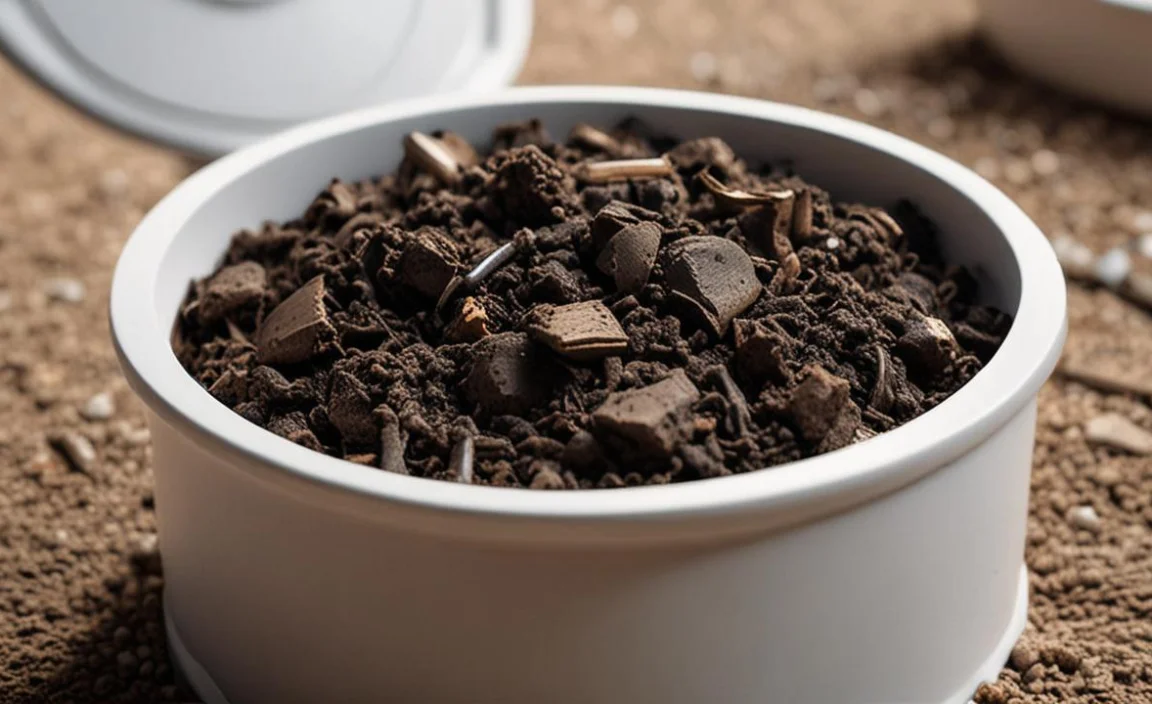
Understanding why your compost smells like ammonia is the first step. Ammonia is a gas that comes from breaking down certain materials. If there is too much nitrogen, the compost can become smelly. Nitrogen comes from many things, like food scraps and green plants. When compost has too much nitrogen and not enough carbon, it can start to smell. This imbalance leads to that nasty ammonia smell. It’s important to keep a good balance of materials.
- Compost needs a mix of green and brown materials.
- Too much food waste can add extra nitrogen.
- Dry leaves, straw, and paper are great brown materials.
- Mixing your compost helps reduce strong odors.
- Smell can change if compost gets too wet or dry.
To fix this problem, you can add more brown materials to your compost. This helps balance the nitrogen level. Check your compost often and mix it up. This will keep the air flowing. Proper airflow is key for healthy compost. Remember, a well-balanced compost smells fresh, not like ammonia. Keeping a close eye on your compost helps you catch problems early.
Fun Fact or Stat: Composting can reduce trash by 30%!
What Materials Cause Ammonia Smell?
Do you know what materials can cause that ammonia smell? When we add food scraps to our compost, they can bring extra nitrogen. This is especially true for fruit and vegetable scraps. These materials break down quickly, but they often add too much nitrogen. If you add too many, your compost may smell bad. Another culprit is grass clippings. They have high nitrogen levels, too. It is vital to balance these with brown materials.
- Fruit and vegetable scraps add high nitrogen.
- Grass clippings can be too rich in nitrogen.
- Cooked food can lead to smelly issues.
- Eggshells have calcium, but add them in moderation.
- Brown materials help balance nitrogen-rich scraps.
To prevent smells, always balance your scraps. Add dried leaves, straw, or shredded paper. These brown materials have carbon and help absorb excess nitrogen. Mixing them creates a better environment for composting. A well-balanced compost will smell fresh and earthy. Plus, it helps create the best compost for your garden. It’s a win-win situation!
Fun Fact or Stat: Compost can become rich soil in just a few months!
Signs of Imbalanced Compost
How can you tell if your compost is imbalanced? One key sign is smell. If it smells like ammonia, something is wrong. Another sign is color. Healthy compost is dark brown and crumbly. If it looks wet and mushy, it might have too much moisture. Look for pests too. If you find bugs or flies, your compost may need attention. Regular checks can help you spot these signs early.
- Bad smells indicate a nitrogen imbalance.
- Mushy texture means too much moisture.
- Dark brown color is a good sign.
- Pests may be attracted to smelly compost.
- Dry compost can look dusty and pale.
Keeping an eye on these signs is important. Regular mixing and monitoring can prevent most issues. If you notice bad smells or other signs, take action quickly. Adjust your materials to help solve the problem. A healthy compost pile should not have strong odors. It should smell like the rich soil it will become.
Fun Fact or Stat: Composting enriches soil and saves water!
How to Fix Ammonia Smells in Compost
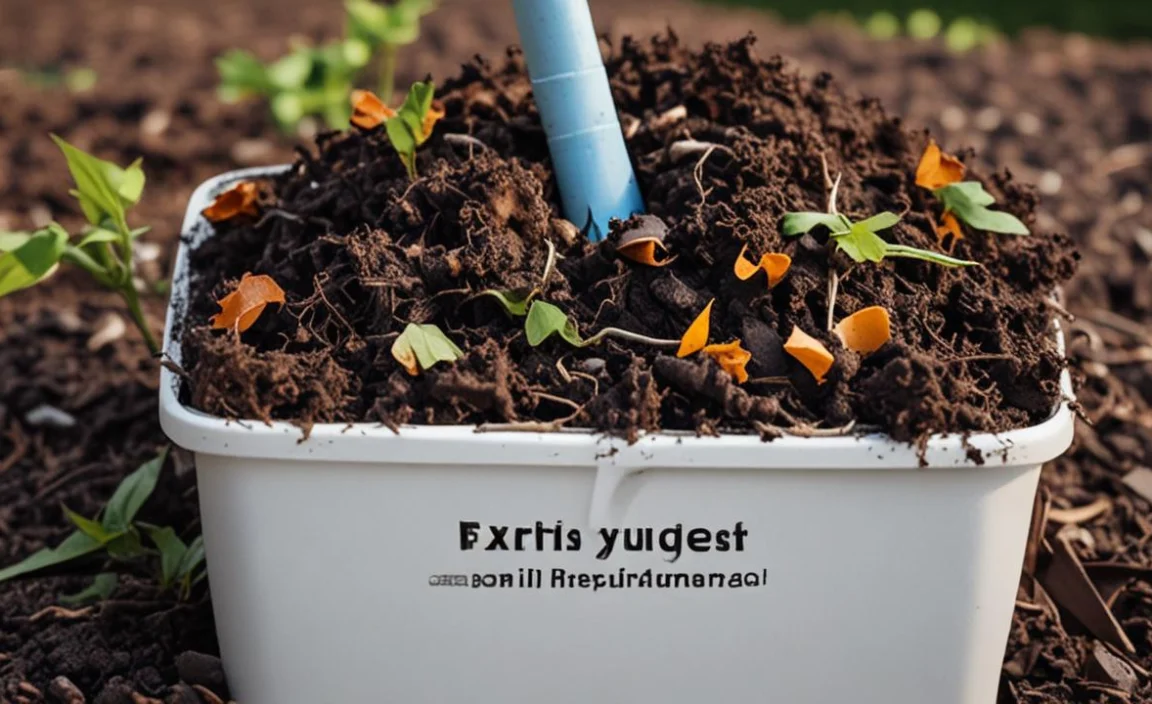
Fixing ammonia smells in compost is simple. Start by adding more dry, brown materials. This balances nitrogen levels. You can use dried leaves, cardboard, or straw. Mixing these materials helps air reach the pile. Proper aeration allows beneficial microbes to thrive. They help break down food scraps without creating bad smells. Another option is to check the moisture level. If it’s too wet, add dry materials. If it’s too dry, add some water.
- Add brown materials like leaves or paper.
- Mix compost to improve airflow and reduce smells.
- Check moisture; it should feel like a damp sponge.
- Add lime to help reduce ammonia.
- Turn your compost regularly to keep it active.
Regular checks and adjustments can keep your compost healthy. If you maintain a good balance, it will smell nice. This is important for keeping pests away. A healthy compost pile can grow rich soil for your garden. Remember, taking care of your compost means less work later. Good compost is worth the extra effort.
Fun Fact or Stat: Compost can reduce greenhouse gases!
Importance of Proper Composting
Have you ever wondered why proper composting is essential? Composting not only reduces waste but also improves soil quality. Good compost adds nutrients to your garden. It also helps retain moisture. This is vital during hot summer months. Healthy soil grows strong plants. When we compost well, we help the environment. We create less waste and use fewer chemicals. It’s a natural cycle that benefits everyone.
- Good compost improves soil health and plant growth.
- Reduces waste in landfills and helps the environment.
- Helps retain moisture in gardens and lawns.
- Supports local wildlife and beneficial insects.
- Encourages recycling and sustainable habits.
Proper composting creates a healthy ecosystem. By maintaining balance, we create a space where worms and insects can thrive. This benefits our gardens and the environment. Remember, each compost pile is a step towards a greener planet. Taking care of your compost is much easier than you think. It pays off in the long run.
Fun Fact or Stat: Composting can prevent soil erosion!
Using Additives to Fix Smells
Sometimes, using special additives can help fix compost smells. Lime is a popular choice. It helps balance pH levels and reduces ammonia smells. You can also use activated charcoal. It absorbs odors effectively. Other options include adding specific bacteria cultures. These can help break down materials faster. They can also combat bad smells. Always follow the instructions on the product.
- Lime helps reduce ammonia and balances pH.
- Activated charcoal absorbs strong odors in compost.
- Specific bacteria can speed up the composting process.
- Check your additives for organic approval.
- Regular mixing can also improve compost quality.
Using additives is a great way to solve problems. Just remember to combine them with good practices. Regular mixing and managing moisture levels is key. Additives can help, but they are not a substitute for balance. Always keep an eye on your compost to prevent future smells. With the right care, your compost will thrive.
Fun Fact or Stat: Composting can create healthy ecosystems!
Can Too Much Water Cause Ammonia Smells?
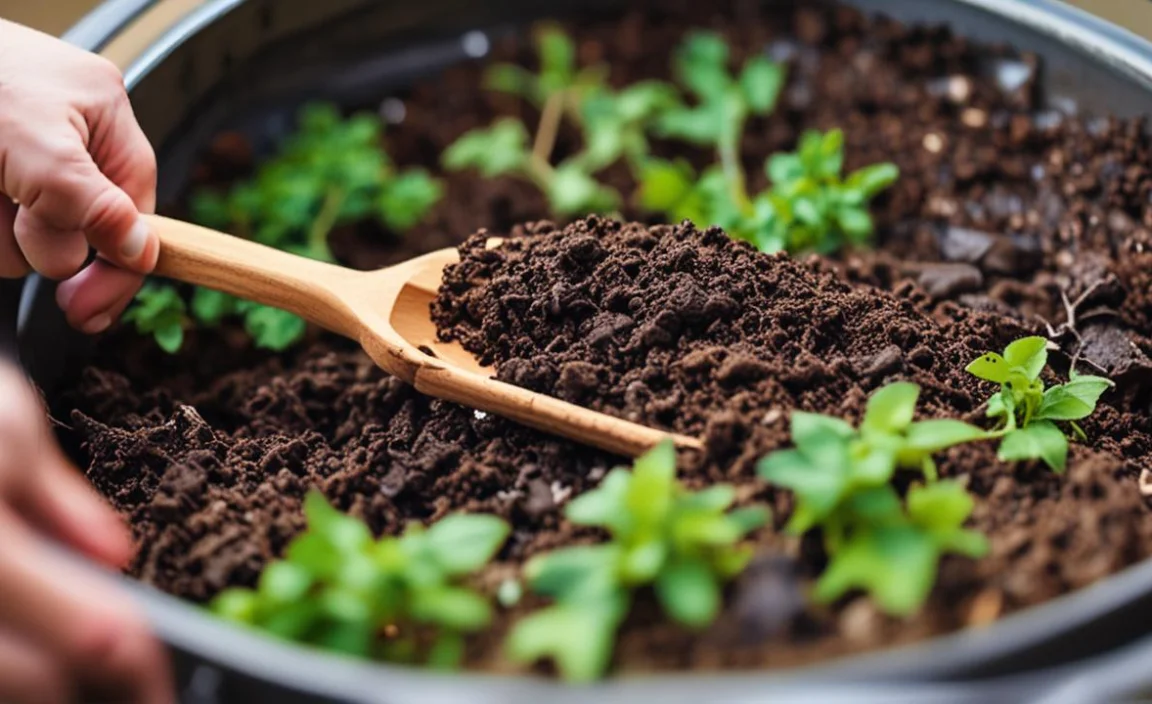
Yes, too much water can cause your compost to smell like ammonia. When compost is too wet, it can become anaerobic. This means there isn’t enough oxygen. Without oxygen, bad bacteria thrive. These bacteria create unpleasant smells, including ammonia. It is important to monitor moisture levels regularly. If the compost feels soggy, it may need dry materials added.
- Wet compost can lead to bad bacteria growth.
- Check moisture; it should feel damp, not soaked.
- Add dry materials if compost is too wet.
- Turn the pile to mix in air and dry it out.
- Proper moisture keeps compost healthy and productive.
To maintain good moisture, think about where you place your compost. If it rains a lot, consider covering it. A tarp or lid can help control water levels. Remember, air is crucial in composting. If your compost smells, check for moisture and balance it. Taking these steps can keep your compost fresh and healthy.
Fun Fact or Stat: Compost can help fight climate change!
Signs of Overwatering in Compost
What are the signs of overwatering in compost? One sign is a strong, unpleasant odor. If your compost smells like ammonia, it might be too wet. Another sign is a dark, muddy appearance. Healthy compost should look crumbly, not mushy. You might also notice fewer worms and insects. These creatures thrive in well-aerated compost. If they are missing, your compost may need air. Regular monitoring can help catch these signs early.
- Strong odors often mean overwatering.
- Mushy texture indicates too much moisture.
- Dark appearance can signal issues.
- Fewer worms can mean poor aeration.
- Regular checks help prevent problems.
Being aware of these signs helps. You can take action to fix the issue. If you see any of these signs, check the moisture level. If it’s too wet, add dry materials and mix well. This will help add air back into the compost. Keeping your compost healthy is vital for nutrient-rich soil. This creates a wonderful environment for your plants to grow.
Fun Fact or Stat: Composting can save you money on soil amendments!
Common Mistakes in Composting
Many people make common mistakes when composting. One big mistake is adding too much food waste. If you only add green materials, your compost may smell. Another mistake is not mixing compost regularly. Compost piles need air to break down materials. Without air, your compost can become smelly. Too much water is another issue. Always check moisture levels before adding more water.
- Adding too much food scraps can spoil compost.
- Not mixing can lead to poor aeration.
- Failing to balance green and brown materials is a mistake.
- Ignoring moisture can cause bad odors.
- Not monitoring temperature can lead to problems.
Learning from these mistakes can help. If you follow the right steps, your compost will thrive. Remember to balance your materials and check moisture often. A healthy compost pile is easy to maintain. With practice, anyone can create rich compost for their garden. Avoiding common mistakes is key to compost success!
Fun Fact or Stat: Composting can create up to 30% less waste!
Summary
So, why does my compost smell like ammonia and how to fix it? The answer lies in balancing your compost materials. Too much nitrogen and not enough carbon can cause bad smells. Keeping an eye on moisture levels is essential, too. Add brown materials to balance out green scraps. Regular mixing helps improve airflow and reduce odors. By following these steps, you can have fresh and healthy compost for your garden.
Conclusion
In conclusion, understanding why does my compost smell like ammonia and how to fix it is very important. A balanced compost pile will smell fresh and earthy. By checking moisture levels and mixing regularly, you can maintain a healthy compost. Remember to add a good mix of materials. With a little effort, you can create the best compost for your plants.
Frequently Asked Questions
Question No 1: What should I do if my compost smells?
Answer: If your compost smells, check the balance of materials. Add more brown materials like leaves or paper. Mixing can help improve airflow. Also, check moisture levels. If it’s too wet, add dry materials to help fix the smell. Regularly monitoring your compost will help prevent issues.
Question No 2: How can I tell if my compost is too wet?
Answer: A soggy texture and strong ammonia smell are signs of too much moisture. Compost should feel damp like a sponge, not muddy. If it looks dark and mushy, it may need dry materials added. Turning the compost can also help dry it out by introducing air.
Question No 3: Can I add lime to my compost?
Answer: Yes, adding lime can help reduce ammonia smells. Lime balances the pH and helps break down materials faster. It’s important to use it in moderation. Always mix it well into the compost to ensure even distribution. This helps create a healthier compost environment.
Question No 4: How often should I mix my compost?
Answer: You should mix your compost every few weeks. Regular mixing helps introduce air and speed up the breakdown process. This also helps reduce strong ammonia smells. If you notice odors, you may need to mix more frequently until the smell goes away. Keep an eye on your compost!
Question No 5: What materials should I avoid in my compost?
Answer: Avoid adding meat, dairy, or oily foods. These can attract pests and create bad smells. It’s best to stick to fruit scraps, vegetable peels, and yard waste. Adding too many green materials can also cause issues. Always balance with brown materials like leaves or paper.
Question No 6: How can I improve my compost quality?
Answer: To improve your compost quality, focus on balance. Mix green and brown materials well. Check moisture levels regularly and mix frequently. You can also add specific bacteria or lime to speed up the process. Healthy compost will smell earthy and be great for your garden!

