Composting is a great way to recycle food scraps and yard waste. It helps create rich soil for gardens. Did you know you can check compost temperature without a thermometer? Many people don’t realize that feeling the heat can tell you a lot. How warm your compost is shows how well it’s breaking down.
When compost heats up, it means the microorganisms are working hard. It’s like a tiny world of helpers cooking your waste into valuable compost. You can see this process by feeling the heat. Let’s explore how you can check compost temperature without a thermometer.
Key Takeaways
- You can check compost temperature without a thermometer.
- Feel the heat to see if compost is active.
- Turn compost regularly to keep it hot.
- Watch for steam rising from the pile.
- Healthy compost should feel warm to touch.
Checking Compost Temperature Without a Thermometer
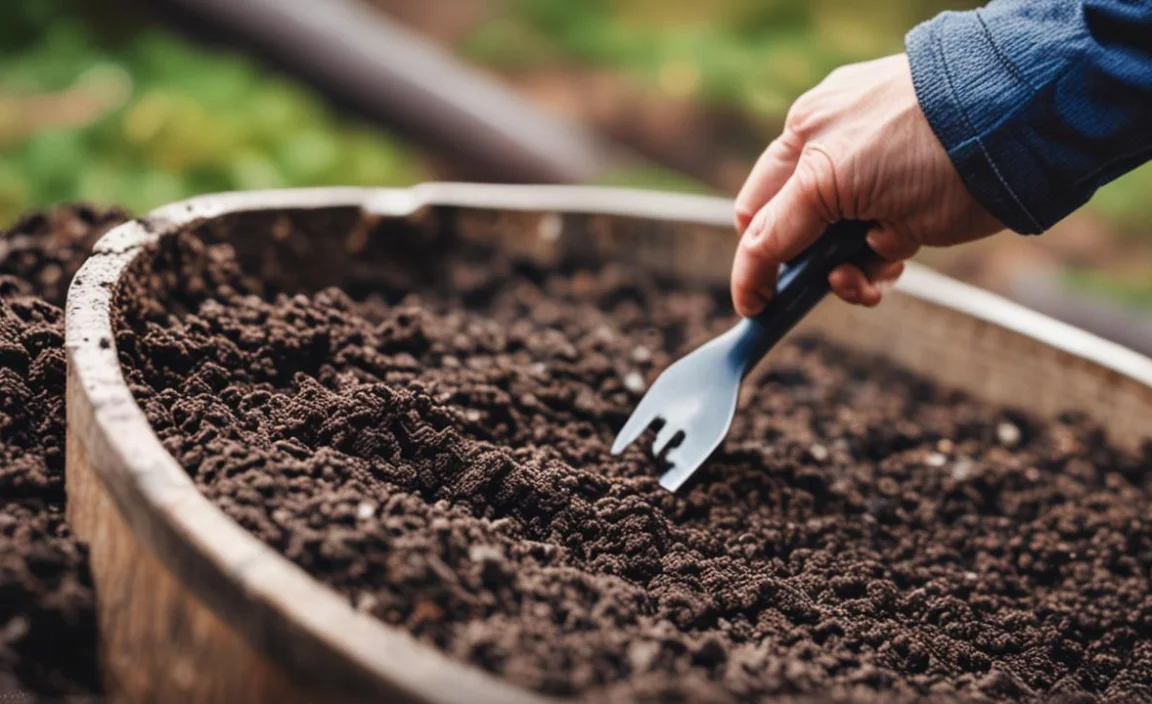
Many gardeners want to know if their compost is working. One easy way is by feeling the heat. If your compost pile feels warm, it is likely active. When compost decomposes, it produces heat. This means the microorganisms are busy breaking down the materials. Composting is like a recipe. You need the right ingredients and the right conditions. Just like cooking, you want to check often to ensure everything is going well.
- Feel the temperature with your hand.
- Look for steam rising from the pile.
- Check the outer edges for warmth.
- Pay attention to the smell of the compost.
- Observe the compost’s color and texture.
Checking compost temperature without a thermometer is simple. Just trust your senses! When compost feels warm, it shows that the microorganisms are doing their job. If it feels cold, it may need more materials or air. Regularly checking helps improve the compost. So, next time you wonder if your compost is active, just feel the heat!
Fun Fact or Stat:
Compost piles can reach temperatures of 130°F to 160°F!
How to Know When to Turn Your Compost
Turning compost is important for many reasons. It helps mix the materials and adds air. When compost piles sit too long, they can get compacted. This cuts off air and slows down decomposition. Did you know that turning your compost can raise the temperature? The fresh air gets the microorganisms excited. They want to keep breaking down the waste. When they are busy, the compost heats up. If you feel warmth when you turn it, it’s a good sign!
Signs of Active Compost
Active compost has some telltale signs. Warmth is one of the first things you’ll notice. You might also see steam coming from the pile. This shows that the bacteria are working hard. Another sign is the smell. Healthy compost gives off an earthy smell. If it smells bad, it may mean something is wrong. Check the moisture level, too. It should feel like a damp sponge. These signs help you know if your compost is alive!
The Role of Air in Composting
Air is a key ingredient in composting. It helps the microorganisms thrive. When compost is packed too tightly, it becomes low in oxygen. Without air, the decomposition slows down. This can cause the compost to cool off. To improve airflow, turn your pile often. Use a pitchfork to mix materials and add air pockets. If your compost feels warm after turning, you know the air is working!
Visual Comparison of Compost Temperature Indicators
| Indicator | Warm | Cold |
|---|---|---|
| Feeling | Warm to the touch | Cool to the touch |
| Steam | Visible steam rising | No steam |
| Odor | Earthy smell | Foul smell |
| Texture | Moist and crumbly | Dry and hard |
This table shows how to check compost temperature without a thermometer. You can see different indicators of warmth. Knowing these signs helps you assess your compost easily. If you notice warmth, it means the compost is active. If it’s cold, it might need some attention!
Fun Fact or Stat:
Microorganisms can double in number every 20 minutes in warm compost!
Common Mistakes in Composting
Composting can be easy, but mistakes happen. One common mistake is not adding enough carbon. Carbon-rich materials are essential for healthy compost. If there’s too much nitrogen, it can smell bad. Another mistake is not turning the pile enough. If it stays still too long, it cools off. Some people also add too many wet items, making it soggy. This can stop airflow and harm the microorganisms. Be careful to balance your compost!
- Adding too much nitrogen-rich waste.
- Not turning the pile regularly.
- Ignoring moisture levels.
- Using diseased plants in the compost.
- Not chopping materials into smaller pieces.
By knowing common mistakes, you can improve your composting skills. Always check your pile for warmth and smells. If you notice anything off, make adjustments right away. This way, your compost will stay healthy and productive. The goal is to create a rich, dark soil that nourishes your plants.
Fun Fact or Stat:
A well-managed compost pile can reduce waste by 50%!
Understanding Compost Ingredients
The ingredients in your compost are very important. Compost needs both green and brown materials. Green materials are rich in nitrogen. They include food scraps and grass clippings. Brown materials are high in carbon, like leaves and cardboard. Balancing these two types keeps your compost active. Did you know that the right mix can help maintain temperature? A good mix allows air to flow and keeps it moist. You want to aim for about 30 parts brown to every 1 part green!
- Food scraps add nitrogen to the mix.
- Dry leaves provide carbon and air pockets.
- Eggshells improve calcium content in compost.
- Yard waste, like branches, gives structure.
- Avoid meat and dairy to reduce odors.
When you understand compost ingredients, you can make better piles. Always remember to balance greens and browns. This balance helps the microorganisms do their job. When the ingredients are right, your compost will heat up. Check for warmth regularly to ensure everything is working well. Active compost is a sign of a healthy garden!
Fun Fact or Stat:
Compost can take anywhere from 2 months to a year to fully mature!
Monitoring Moisture Levels in Compost
Moisture is another key factor in composting. The compost pile should be moist, but not soaked. It should feel like a damp sponge. If it’s too dry, the microorganisms will slow down. If it’s too wet, it can get soggy and smelly. A good way to check moisture is to grab a handful. If water drips, it’s too wet. If it crumbles, it needs more water. Regularly adding water while turning helps maintain balance.
- Moisture keeps microorganisms active.
- Too dry slows down decomposition.
- Too wet can cause odors.
- Check moisture during hot weather.
- Use mulch to cover and retain moisture.
Monitoring moisture levels keeps your compost healthy. You want the perfect balance for the microorganisms to thrive. Every time you check for heat, also check moisture. This simple task helps ensure your compost is working well. Remember, a thriving compost pile leads to rich soil for your plants!
Fun Fact or Stat:
Moist compost contributes to faster decomposition!
Summary
Checking compost temperature without a thermometer is easy and fun. You can feel the heat and look for signs of activity. Knowing how to monitor your compost helps create great soil. Regularly turning your compost and checking moisture keeps it alive. Signs like warmth, steam, and earthy smells tell you it’s working. Always balance your compost with greens and browns for the best results.
Conclusion
In conclusion, checking compost temperature without a thermometer is simple. Use your hands and senses to feel the heat. Watch for signs of activity, like steam and smell. Regular care will help your compost thrive. With practice, you’ll become a composting expert!
Frequently Asked Questions
Question No 1: How can I tell if my compost is too hot?
Answer: If your compost feels very hot, it may be too hot for microorganisms. You can feel the heat with your hand. If it’s too hot to touch, it’s time to turn the pile. Overheating can kill the beneficial bacteria. This is why checking compost temperature without a thermometer is important. A healthy compost pile should feel warm but not scorching hot.
Question No 2: What should I do if my compost is too cold?
Answer: If your compost feels cold, it may need more nitrogen-rich materials. Check for food scraps or grass clippings. You can also turn the pile to add air. Air helps raise the temperature by activating the microorganisms. This is how checking compost temperature without a thermometer can help you improve your compost. Make sure to keep the moisture level right as well!
Question No 3: Is it okay to add meat or dairy to compost?
Answer: It’s best not to add meat or dairy to compost. These materials can attract pests and create odors. Instead, focus on fruits, vegetables, and yard waste. Keeping your compost balanced helps maintain good temperature. So, when checking compost temperature without a thermometer, you’ll notice a healthy, earthy smell instead.
Question No 4: How often should I turn my compost?
Answer: You should turn your compost every 2-4 weeks. Turning helps mix materials and add air. This keeps the temperature up and speeds up the decomposition process. Regular turning also helps you check compost temperature without a thermometer. When you turn it, feel for warmth to ensure it’s active!
Question No 5: How long does composting take?
Answer: Composting can take anywhere from 2 months to a year. It depends on materials and management. Frequent turning and right moisture speed up the process. By checking compost temperature without a thermometer, you can keep track of its health. The goal is to have rich, dark compost ready for your garden.
Question No 6: What can I use instead of a thermometer?
Answer: Instead of a thermometer, you can use your hands. Feel the warmth of the compost pile. You can also look for steam rising and smell earthy odors. These are good indicators of active compost. By checking compost temperature without a thermometer, you can easily monitor your compost’s health and progress.

