Composting is a great way to recycle food scraps and yard waste. Did you know that composting can help our planet? It turns waste into rich soil. Many people want to know how to make compost quickly. The secret is in the temperature! The optimal temperature range for hot composting is between 130°F and 160°F. When the temperature is just right, the compost breaks down faster. In this article, we will explore why temperature matters and how to achieve the best results.
Key Takeaways
- Hot composting works best at 130°F to 160°F.
- Maintaining the right temperature speeds up composting.
- Temperature affects the breakdown of materials.
- Pay attention to moisture for hot composting.
- Cover compost to keep it warm and dry.
Understanding Optimal Temperature Range for Hot Composting
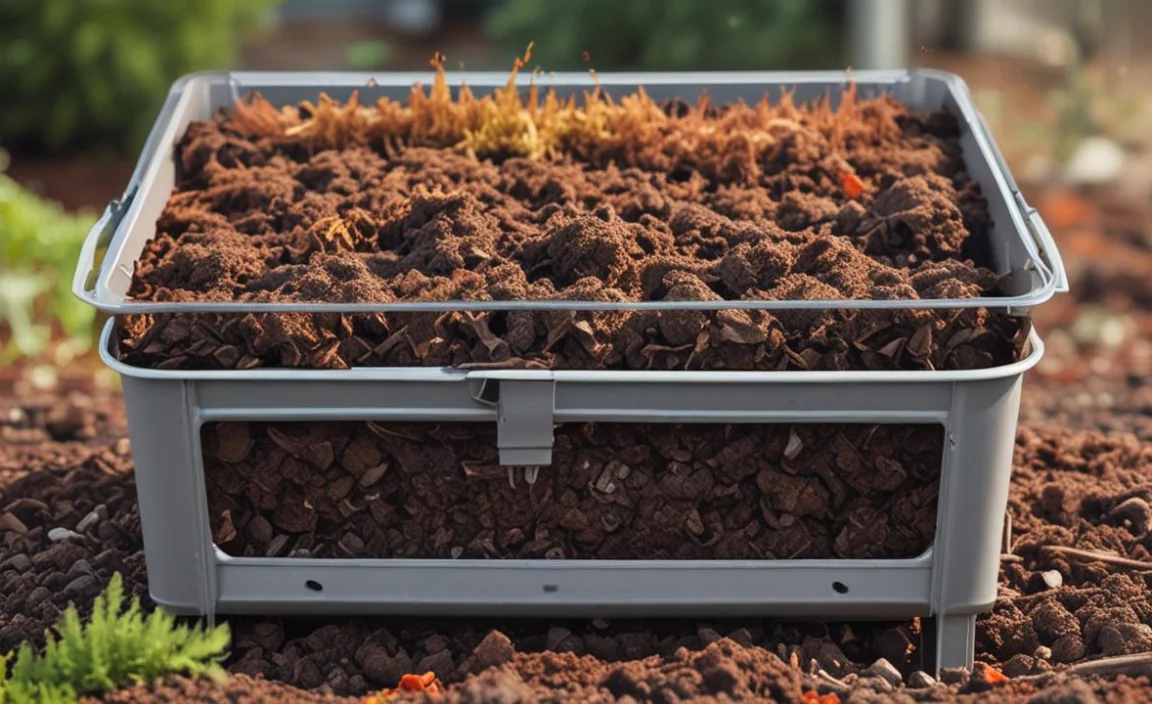
The optimal temperature range for hot composting is very important. When compost is hot, it breaks down faster. Bacteria work hard to decompose materials. They thrive when it’s warm. The heat helps kill pests and seeds. This makes your compost better. If the temperature drops too low, decomposition slows down. You may end up with unfinished compost. That’s why checking the heat is key to hot composting success. Keeping the compost pile warm is one of the best ways to create rich soil for your garden.
- Temperature affects how quickly compost breaks down.
- Hot composting kills harmful bacteria and seeds.
- Hot temperatures speed up the composting process.
- Regularly turning the pile keeps it hot.
- Monitor temperature with a compost thermometer.
By maintaining the optimal temperature range for hot composting, you’ll notice faster results. The process can take just a few weeks. Hot composting creates a nutrient-rich product for your garden. It’s also a great way to reduce waste. When you compost at the right temperature, you’re helping the environment too. You can make a difference in your backyard!
Fun Fact or Stat: Composting can reduce waste by 30%!
The Science Behind Hot Composting
Have you ever wondered how compost becomes soil? It’s all about bacteria! They love warm conditions. When the compost pile heats up, bacteria multiply. They break down materials like food scraps and leaves. It’s like a tiny ecosystem working hard. They need oxygen, moisture, and warmth. If you give them the right environment, they do their job well. The heat from bacteria makes the compost even hotter! This cycle continues as more materials are added. Isn’t it amazing how nature works?
Factors Affecting Compost Temperature
Many things affect compost temperature. First, think about the pile size. A larger pile holds heat better. Smaller piles cool down quickly. Next, consider the moisture level. Compost needs to be damp, not wet. Too much water can stop the bacteria. Also, the materials you use matter. Brown materials are dry, and green materials are wet. Balancing these helps maintain heat. Lastly, turning the pile keeps it aerated. This allows more oxygen in, which is vital for heating. All these factors work together to achieve the optimal temperature range for hot composting.
Importance of Temperature Monitoring
How do you know if your compost is hot enough? Temperature monitoring is key! Using a compost thermometer is simple. Insert it into the pile and check the reading. If it’s too low, turn the pile. Mixing the compost increases oxygen flow. This helps raise the temperature. If it’s too high, allow it to cool down a bit. You want to stay within the optimal temperature range for hot composting. Regular checks keep the process on track. Soon, you’ll have finished compost for your garden!
Fun Fact or Stat: Compost can reach temperatures over 160°F!
Optimal Temperature Range for Hot Composting: Benefits
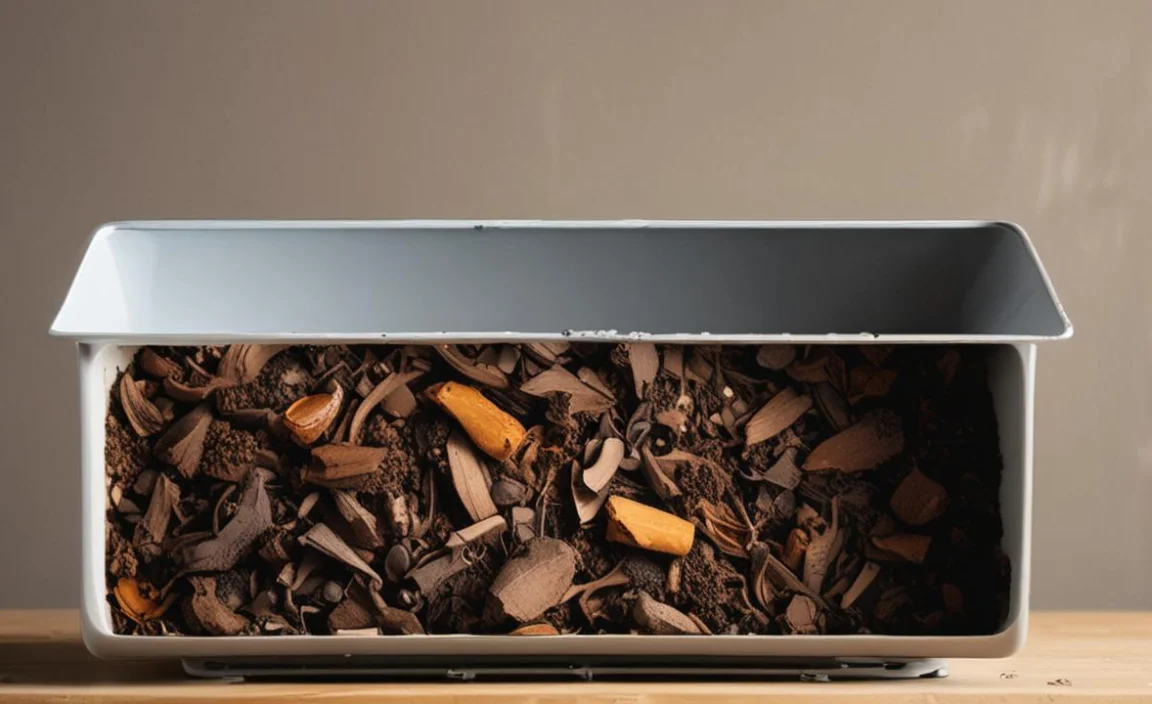
Why is the optimal temperature range for hot composting so important? It brings many benefits. First, rapid decomposition saves time. You don’t have to wait for months to get compost. Second, hot composting eliminates pests and weed seeds. This way, your garden stays healthy. Third, it produces nutrient-rich compost. This makes plants grow better. Lastly, it’s eco-friendly. You recycle waste and help the planet at the same time. Understanding these benefits can motivate you to start hot composting today.
- Fast decomposition saves time and effort.
- Eliminates pests and harmful seeds in compost.
- Produces nutrient-rich compost for plants.
- Eco-friendly practice reduces landfill waste.
- Encourages healthy soil for gardening.
By understanding the benefits, you can see why the optimal temperature range for hot composting matters. It’s not just about making compost. It’s about creating a healthier environment. When you compost hot, you support local ecosystems. Your garden will thrive, and you’ll feel proud of your work. Start hot composting and enjoy the many rewards it brings!
Fun Fact or Stat: Composting can help reduce greenhouse gases!
How to Achieve Hot Composting Temperatures
Are you ready to start hot composting? Achieving the right temperature is easy. Begin by building a large compost pile. A size of at least three feet helps retain heat. Next, balance your materials. Use a mix of brown and green items. This helps keep moisture levels just right. Turn your pile regularly to add air. This will keep bacteria happy and working. Finally, monitor the temperature often. Adjust as needed to stay within the optimal range. With these steps, you can create hot compost successfully!
Best Materials for Hot Composting
Choosing the right materials makes composting easier. Always use a mix of green and brown materials. Green items include fruit scraps and grass clippings. They provide nitrogen, which helps bacteria grow. Brown materials include dried leaves and cardboard. They add carbon to the mix. Aim for a ratio of about 2:1. This means two parts brown for every one part green. Adding too much of one type can slow down the process. The right mix helps maintain the optimal temperature range for hot composting.
Common Mistakes in Hot Composting
Even the best composters make mistakes. One common error is not turning the pile enough. Turning increases airflow and keeps the temperature up. Another mistake is using too much water. Wet compost can become smelly and stop decomposing. Too little moisture can make it dry and slow. Also, adding too much food waste can lead to pests. Remember to keep a good balance. Avoid these pitfalls to enjoy hot composting and stay within the optimal temperature range!
Fun Fact or Stat: Adding eggshells can add calcium to your compost!
How Temperature Impacts Compost Quality
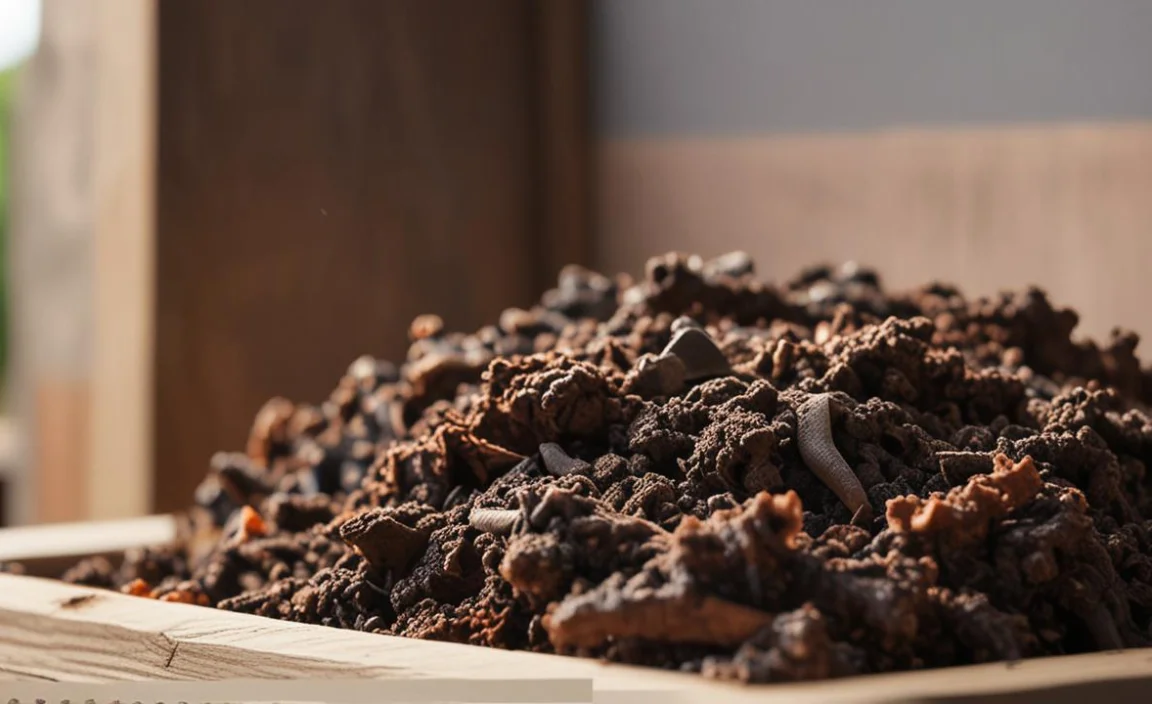
The temperature of your compost affects its quality. When compost stays in the optimal temperature range for hot composting, it breaks down well. This results in a rich, dark soil. High temperatures kill harmful pathogens. This means your compost is safe to use. If the temperature is too low, it may not break down completely. You might find pieces of food or leaves in it. A good compost should feel crumbly and smell earthy. Keeping the right temperature helps you produce quality compost.
- High temperatures kill harmful bacteria and seeds.
- Quality compost should feel crumbly and dark.
- Low temperatures can lead to unfinished compost.
- Hot compost is safe to use in gardens.
- Monitoring temperature ensures the best results.
Understanding how temperature impacts compost quality can help you improve your composting skills. You want to create something that benefits your garden. By maintaining the optimal temperature range for hot composting, you can make healthy compost. This compost will nourish plants and improve soil structure. You can feel good about using compost from your backyard!
Fun Fact or Stat: Quality compost can help plants grow stronger!
Testing the Quality of Your Compost
How do you know if your compost is ready? Testing its quality is easy! One way is to check its temperature. If it cools down and feels warm, it’s a good sign. You can also look at its color and texture. Finished compost should be dark and crumbly. Next, smell it. Healthy compost smells like earth, not rotten food. Lastly, you can do a simple test with a handful. If it crumbles easily, it’s ready to use. Checking these signs ensures you have quality compost!
The Role of Microorganisms in Composting
Have you ever thought about the tiny creatures in your compost? Microorganisms play a big role in breaking down waste. They love heat! When the temperature is right, they multiply quickly. Bacteria, fungi, and worms all work together. They eat the organic matter and turn it into compost. The heat they generate helps keep the pile warm. This allows them to continue their work. Without these tiny helpers, composting would take much longer. They are essential for creating healthy compost.
Using Compost in Your Garden
What do you do with finished compost? Using it in your garden is a great way to recycle! Spread it on your garden beds to improve soil. It adds nutrients and helps retain moisture. You can also mix it into potting soil. This gives your houseplants a boost. If you’re growing vegetables, compost is essential. It encourages healthy growth and increases yields. Using compost creates a thriving garden. Your plants will thank you for it!
Fun Fact or Stat: One cubic yard of compost can enrich an entire garden!
Challenges in Maintaining Compost Temperature
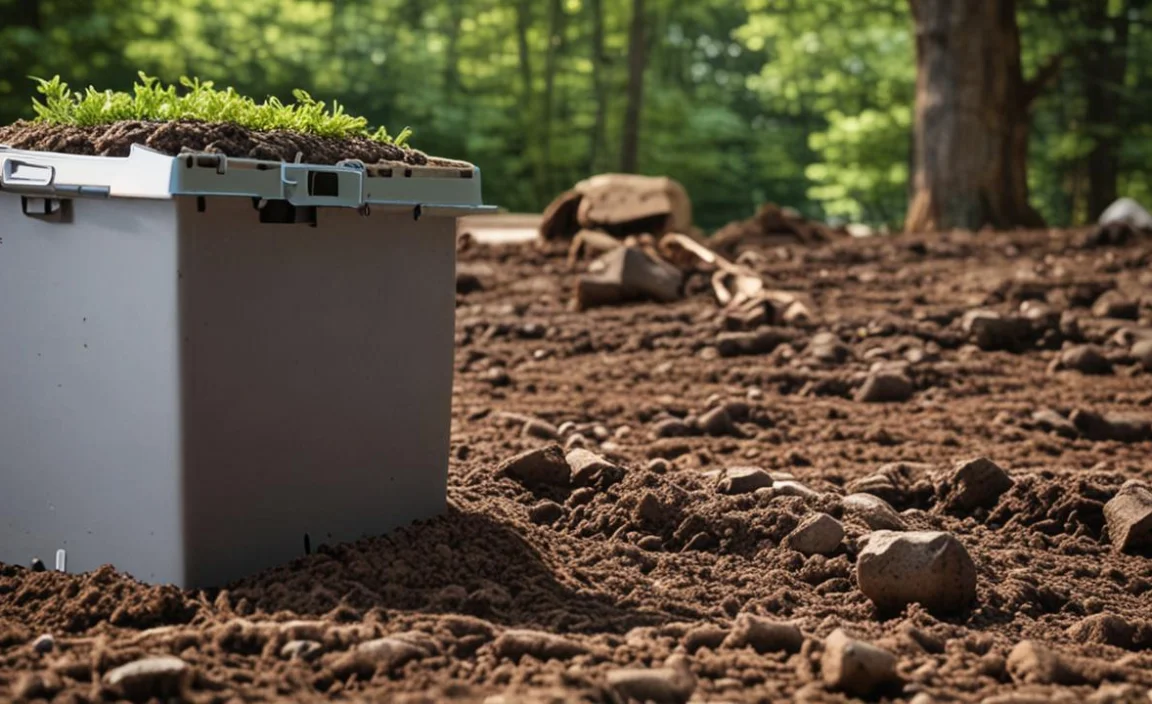
Keeping the right temperature in your compost pile can be tricky. Weather changes can affect it. Rain can make the pile too wet. This slows down the process. On hot days, the pile may dry out. The balance of moisture is key. Also, if the pile is too small, it can lose heat quickly. Regular turning is important for airflow. All these factors make hot composting a challenge. However, with attention and care, you can succeed!
- Weather changes can affect compost temperature.
- Too much rain can make compost too wet.
- Small piles cool down quickly.
- Regular turning helps maintain airflow.
- Watch for dry conditions on hot days.
By being aware of these challenges, you can take steps to keep your compost warm. Make adjustments when needed. If it rains, check the moisture level. Turn the pile more often on hot days. These actions help maintain the optimal temperature range for hot composting. Your compost will break down efficiently, giving you rich soil for your garden!
Fun Fact or Stat: Adding water can help rehydrate a dry compost pile!
Adjusting Moisture Levels in Compost
Wondering how to adjust moisture levels? It’s an important part of hot composting! First, check how wet your compost is. It should feel like a damp sponge. If it’s too dry, add water slowly. Mixing it well helps distribute moisture. If it’s too wet, mix in dry materials like straw or leaves. This absorbs excess water. Maintaining the right moisture helps bacteria thrive. They need it to multiply and produce heat. Keeping moisture levels just right helps achieve the optimal temperature range for hot composting.
Signs Your Compost Needs Attention
How do you know if your compost needs help? Watch for certain signs. If it smells bad, it might be too wet. If it’s dry and hard, it needs water. Look for temperatures outside the optimal range. If it’s too hot or too cold, adjust it. Also, check for pests. If you see many bugs, it might need more browns. Regular observation helps you keep your compost healthy. Paying attention ensures a successful hot composting process.
Tips for Successful Compost Management
What are some tips to manage your compost well? Start by building a balanced pile. Mix browns and greens in the right ratio. Turn the pile regularly to keep it aerated. Monitor temperature and moisture levels often. If you notice issues, take action quickly. Keep a compost journal to track changes. This helps you learn what works best for your pile. With these tips, you can maintain the optimal temperature range for hot composting.
Fun Fact or Stat: Composting can save money on fertilizers!
Summary
The optimal temperature range for hot composting is key to success. Keeping temperatures between 130°F and 160°F helps speed up decomposition. Hot composting kills pests and produces rich compost. Monitoring temperature and moisture is essential. With the right care, anyone can create great compost for their garden. Composting is beneficial for both plants and the environment.
Conclusion
In conclusion, understanding the optimal temperature range for hot composting is important. It helps create nutrient-rich compost efficiently. With a few simple steps, anyone can succeed in hot composting. Remember to monitor temperature and moisture regularly. This way, you’ll enjoy a healthy garden and help the planet thrive!
Frequently Asked Questions
Question No 1: What is hot composting?
Answer: Hot composting is a method that uses high temperatures to break down organic matter quickly. The optimal temperature range for hot composting is 130°F to 160°F. This method helps to kill off pests and weed seeds, making composting more effective. It transforms food scraps and yard waste into valuable compost faster than traditional methods.
Question No 2: Why is temperature important in composting?
Answer: Temperature is crucial in composting because it affects decomposition speed. The optimal temperature range for hot composting allows bacteria to work efficiently. When temperatures are right, compost breaks down faster and produces high-quality soil. If it’s too cold, decomposition slows down, and your compost may not finish properly.
Question No 3: How can I maintain compost temperature?
Answer: To maintain compost temperature, regularly turn the pile for airflow. Use a compost thermometer to check the temperature. Add materials in the right balance of browns and greens. Monitor moisture levels, ensuring they stay around 50%. This helps keep the compost within the optimal temperature range for hot composting.
Question No 4: What materials are best for hot composting?
Answer: The best materials for hot composting include a mix of greens and browns. Greens are nitrogen-rich, like fruit scraps and grass clippings. Browns, such as dried leaves and cardboard, provide carbon. A good ratio is two parts brown to one part green. This mix helps maintain the optimal temperature range for hot composting.
Question No 5: How long does hot composting take?
Answer: Hot composting can take anywhere from 3 to 12 weeks. The time depends on various factors, such as temperature, moisture, and the materials used. Keeping the compost within the optimal temperature range for hot composting speeds up the process. Regularly turning the pile and monitoring conditions also helps shorten the composting time.
Question No 6: Can I compost meat and dairy?
Answer: It’s best to avoid composting meat and dairy in hot composting. These materials can attract pests and create odors. They may not break down well, even in the optimal temperature range for hot composting. Stick to fruits, vegetables, and yard waste for a successful composting experience.

