Composting is a fun way to recycle food scraps and yard waste. It helps create rich soil for gardens. Many people wonder, “Does compost stop breaking down in the shade?” This question is important for anyone who wants to compost effectively.
Did you know that compost needs heat and moisture to break down? Sunlight can help with both. But what happens when your compost pile is in the shade? Does it still work as well? Understanding this can help you make the best choice for your garden.
Composting is not just a way to reduce waste. It also helps the environment. When we compost, we create a natural fertilizer. Plants love it! So, let’s explore how shade affects compost.
Key Takeaways
- Compost can break down in the shade, but slower.
- Sunlight helps heat the compost pile.
- Moisture is key for composting success.
- Does compost stop breaking down in the shade? Not completely.
- Adding green materials can speed up composting.
Does Compost Stop Breaking Down in the Shade?
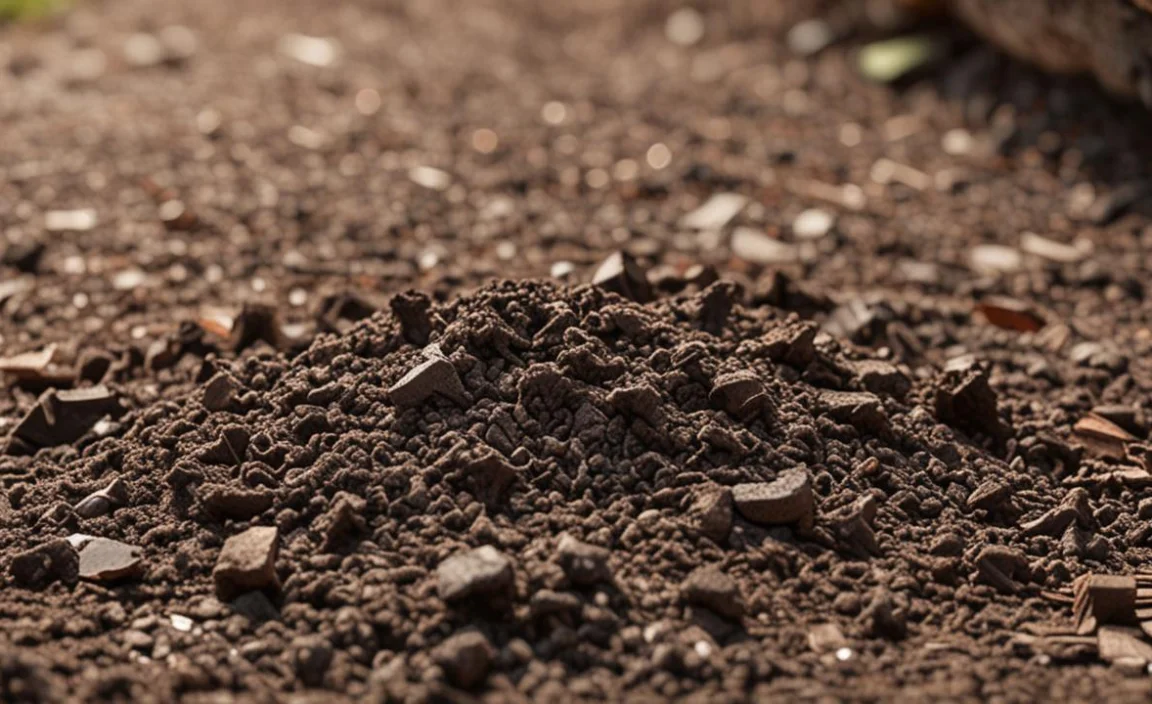
Many gardeners ask, “Does compost stop breaking down in the shade?” The answer is no. Compost continues to break down even without direct sunlight. However, it may take longer. Sunlight helps raise the temperature of the compost pile. This temperature is important for microorganisms. These tiny helpers break down materials. In the shade, the temperatures can drop. This slows down the process. If your compost is too cool, it may not break down as fast.
- Shade decreases the temperature of compost piles.
- Microorganisms thrive in warm conditions.
- Compost still breaks down without sunlight.
- Adding nitrogen-rich materials helps speed up composting.
- Regularly turning your compost can help it break down faster.
Even if your compost is in the shade, it can still work well. You can add more green materials to improve the breakdown process. These include grass clippings, fruit scraps, and vegetable peels. Mixing these materials gives microorganisms more food. This helps them work faster even in cooler conditions. If you notice your compost is not breaking down, try adding more greens or turning it more often. This can keep the process going strong.
Fun Fact or Stat:
Microorganisms in compost can double their numbers every 20 minutes when conditions are right!
What Factors Affect Composting in the Shade?
Many factors affect how compost breaks down. Temperature is one of the most important. In sunny spots, compost gets warm. In shaded areas, temperatures drop. Another factor is moisture. Compost needs a balance of wet and dry materials. Too much shade can mean too much moisture. This can cause the compost to become soggy. Soggy compost breaks down slower. It can also smell bad. So, finding the right balance is important.
How to Improve Composting in the Shade
If your compost is in a shady spot, you can still make it work. First, consider moving your compost pile. If you can, find a sunny area. It can help heat things up. If moving the pile is not an option, add more greens. Greens provide nitrogen. Nitrogen helps heat up the pile. You can also turn the pile more often. This brings air to the compost. Air is another important part of the composting process. It helps balance moisture and temperature.
The Role of Moisture in Composting
Moisture is very important for composting. It helps microorganisms thrive. They need moisture to break down materials. If your compost is in the shade, it might hold more moisture. This can be good, but not too much! If compost is too wet, it can become smelly and not break down well. You can add dry materials, like leaves or straw. This helps balance moisture in the pile. Remember to check your compost regularly. The right moisture level makes a big difference.
Benefits of Composting in the Shade
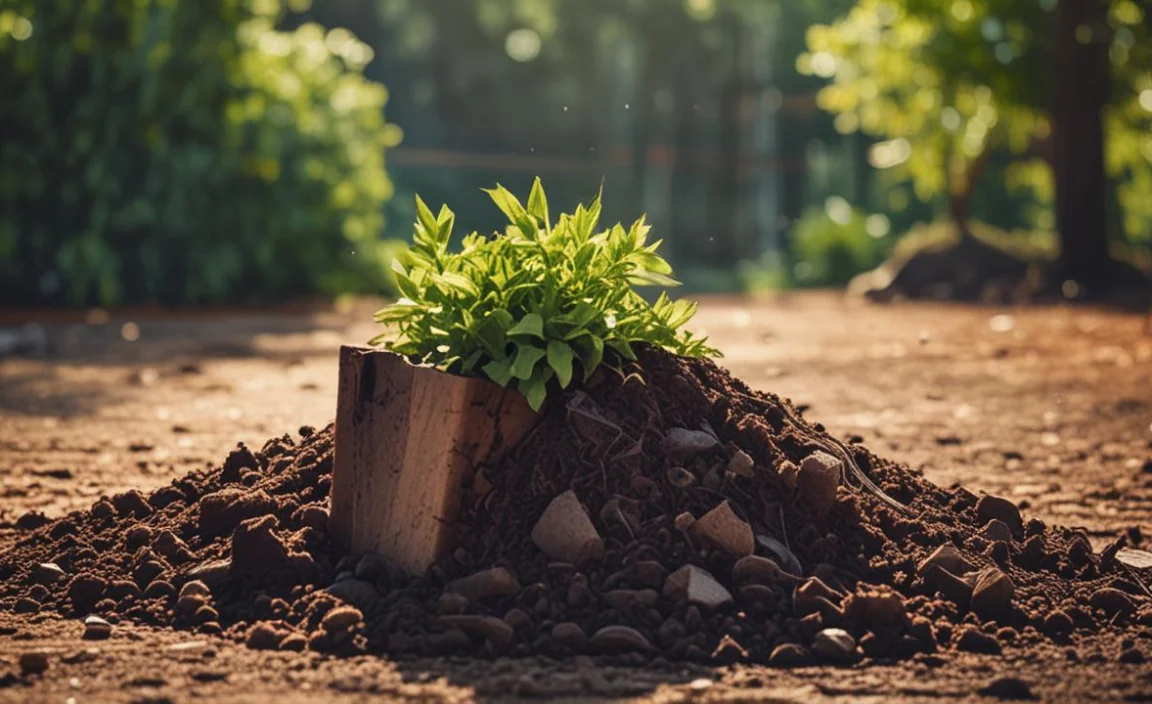
Composting in the shade has its own benefits. First, shaded areas can protect your compost from drying out. This is great in hot, dry weather. Moist compost breaks down better. Additionally, shaded areas often have less direct rain. This helps control moisture levels. Too much rain can make compost soggy. Shaded compost piles can also attract fewer pests. This can make composting more pleasant. So, even in the shade, you can have successful composting!
- Shaded compost stays moist longer.
- Less direct rain reduces sogginess.
- Fewer pests can mean less hassle.
- Shaded areas can protect compost from drying out.
- Shaded compost can still produce rich soil.
Despite some challenges, composting in the shade can work. With proper care, your compost can break down effectively. It may just take a bit longer. Remember to monitor your compost regularly. Adjusting moisture and materials can keep the process going. That way, you’ll still create great compost. It will help your plants thrive, even in a shaded area.
Fun Fact or Stat:
Compost can reach temperatures of over 150 degrees Fahrenheit when conditions are right!
The Best Types of Composting Bins for Shade
Choosing the right compost bin matters, especially in the shade. Some bins are better for cooler conditions. A tumbler bin can warm up quickly. It gets airflow and heat from turning it. A traditional bin may work well, too. It can keep moisture in and help break down materials. If using a pile, make sure it’s built up high. Taller piles can heat better than flat ones. Also, consider covering your compost. A tarp can help trap heat while still allowing airflow.
How Often Should You Turn Compost in the Shade?
Turning your compost is important, especially in the shade. It helps mix materials and adds air. In cooler areas, you may want to turn it more often. This can help raise the temperature. Aim to turn your compost every 1 to 2 weeks. If it seems wet or smells, turn it right away. This lets air in and helps dry it out. Keeping it mixed can speed up breakdown. This way, you’ll have great compost sooner!
Plants That Thrive Near Shaded Compost
Even if your compost pile is shaded, it can support plants. Some plants grow well in shaded areas. Ferns and hostas love shade. They can benefit from the nutrients in your compost. You can also try growing leafy greens. Spinach and lettuce can thrive without much sun. Using compost can boost their growth. The rich nutrients can help them grow strong and healthy. So, don’t worry about composting in the shade. Your garden can still thrive!
Does Composting in the Shade Affect Soil Quality?
Composting in the shade does not hurt soil quality. In fact, it can help! Even though the breakdown process is slower, the final product is still rich. Shade can help keep compost moist. This is good for the microorganisms that break down material. When you use this compost, it adds nutrients to the soil. Strong soil helps plants grow. It provides them with what they need. So, even in the shade, compost can improve soil quality over time.
- Compost adds nutrients to the soil.
- Moist compost supports healthier microorganisms.
- Soil quality improves with consistent composting.
- Shaded compost can still create rich soil.
- Healthy soil helps plants thrive.
So, the idea that shade hurts composting is a myth. It may slow the process, but the results can still be great. When you use compost in your garden, you’re giving plants a boost. This is true even if the compost came from a shaded area. Always remember to monitor moisture and mix materials. This will ensure that your compost is effective, no matter where it’s located.
Fun Fact or Stat:
Some gardeners prefer to compost in the shade to reduce evaporation!
Understanding Compost Decomposition Rates
Compost decomposition rates can vary. Depending on conditions, some compost may break down quickly. Other piles take longer. In shaded areas, your compost may take more time. But this does not mean it is ineffective. The key is knowing the factors that affect decomposition. These include moisture, temperature, and the materials used. With the right balance, even shaded compost can break down well. It’s helpful to keep track of your compost’s progress.
Comparing Shaded vs. Sunny Composting
Let’s compare shaded and sunny composting. Each has its pros and cons. In sunny spots, compost warms up faster. This helps microorganisms work quickly. However, too much sun can dry out compost. In shaded areas, compost stays moist. This helps breakdown in some cases. Below is a table that highlights these differences:
| Aspect | Shaded Compost | Sunny Compost |
|---|---|---|
| Temperature | Cooler, may slow down decomposition | Warmer, speeds up decomposition |
| Moisture | Higher moisture retention | Can dry out quickly |
| Pest Attraction | Fewer pests | More pests in warm areas |
| Soil Quality | Still improves soil quality | Improves soil quality faster |
Knowing these differences helps you make smart choices. You can adapt your composting efforts based on where you live. Whether in the shade or sun, composting can be successful. Just remember that each environment offers its own challenges.
What to Do with Finished Compost
When your compost is ready, it’s time to use it. Finished compost should be dark and crumbly. It should smell earthy. You can use it in many ways. Add it to your garden beds for rich soil. Mix it into potting soil for indoor plants. You can also use it as a top dressing for lawns. Spreading finished compost helps keep grass healthy. This also provides a boost to flower beds. No matter where you use it, finished compost is great for plants!
Is Temperature Important for Composting?
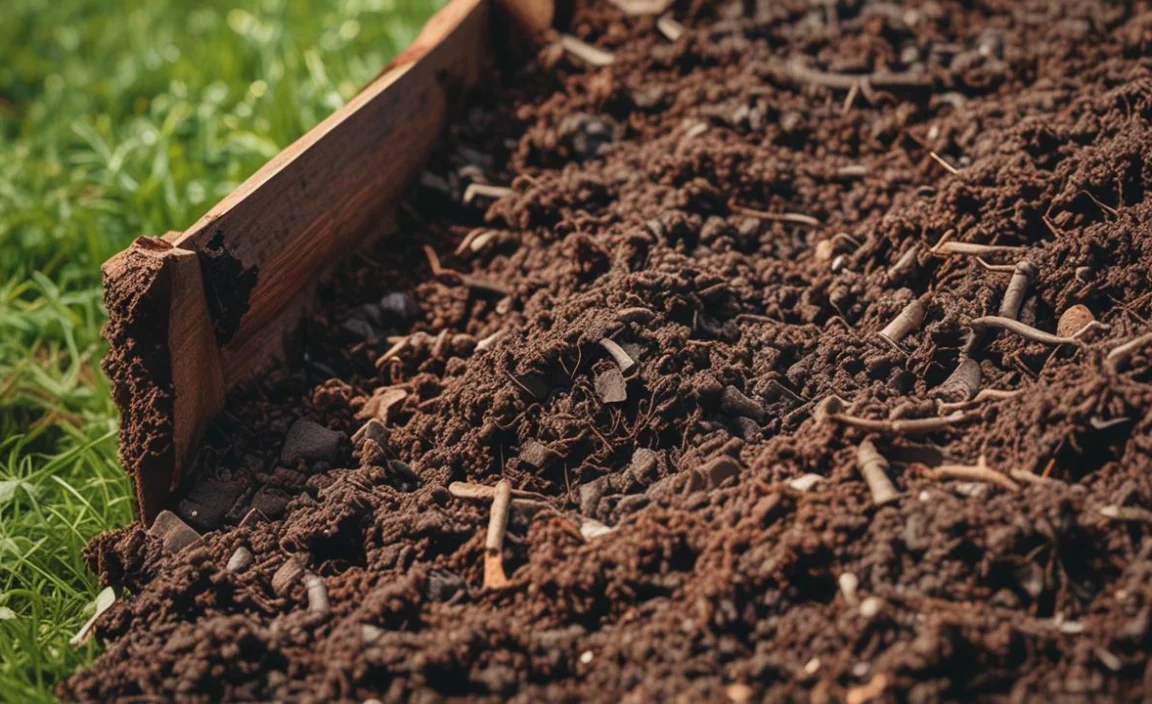
Yes, temperature is very important for composting. It affects how quickly materials break down. Microorganisms need warmth to work efficiently. In sunny areas, compost can reach high temperatures. But in shaded areas, temperatures are often cooler. This can slow the process. However, you can still have success in the shade. It just takes a little more time and effort. You may need to monitor your compost closely.
- Microorganisms thrive in warmer compost.
- Cooler temperatures slow down decomposition.
- Regularly turning compost raises temperature.
- Moisture levels affect compost temperature.
- Composting in the shade can work well with care.
Temperature control is part of successful composting. If your compost pile is cool, try turning it often. You can also add more nitrogen-rich materials. This can help raise the temperature. Monitoring temperature helps keep composting on track. It’s essential for maintaining the perfect environment for microorganisms.
Fun Fact or Stat:
Compost can reach temperatures up to 160 degrees Fahrenheit when it’s cooking well!
How to Measure Compost Temperature
Measuring the temperature of your compost is easy. Use a compost thermometer for accurate readings. Insert the thermometer into the center of the pile. This spot is usually the warmest. You can check the temperature every few days. This helps you know how well the compost is breaking down. A temperature between 130°F and 150°F is ideal. If it’s too cool, consider turning it. This will help raise the temperature.
What Happens If Compost Gets Too Hot?
Sometimes compost can get too hot. This happens when there is too much nitrogen or moisture. When compost gets too hot, microorganisms can die. This can stop the breakdown process. If your compost is very hot, you should turn it. This adds air and helps cool things down. You can also mix in dry materials like leaves or straw. This helps balance the nitrogen levels, making the compost healthy again.
When to Use Thermometer for Compost
Using a thermometer is important during different compost stages. At the start, check the temperature after a few days. This helps you know if the pile is heating up. During the active phase, monitor it weekly. If it gets too hot, adjust moisture levels or materials. Finally, check the temperature as compost matures. This ensures it’s cooling down, signaling it’s ready to use.
Does Compost Stop Breaking Down Completely in the Shade?
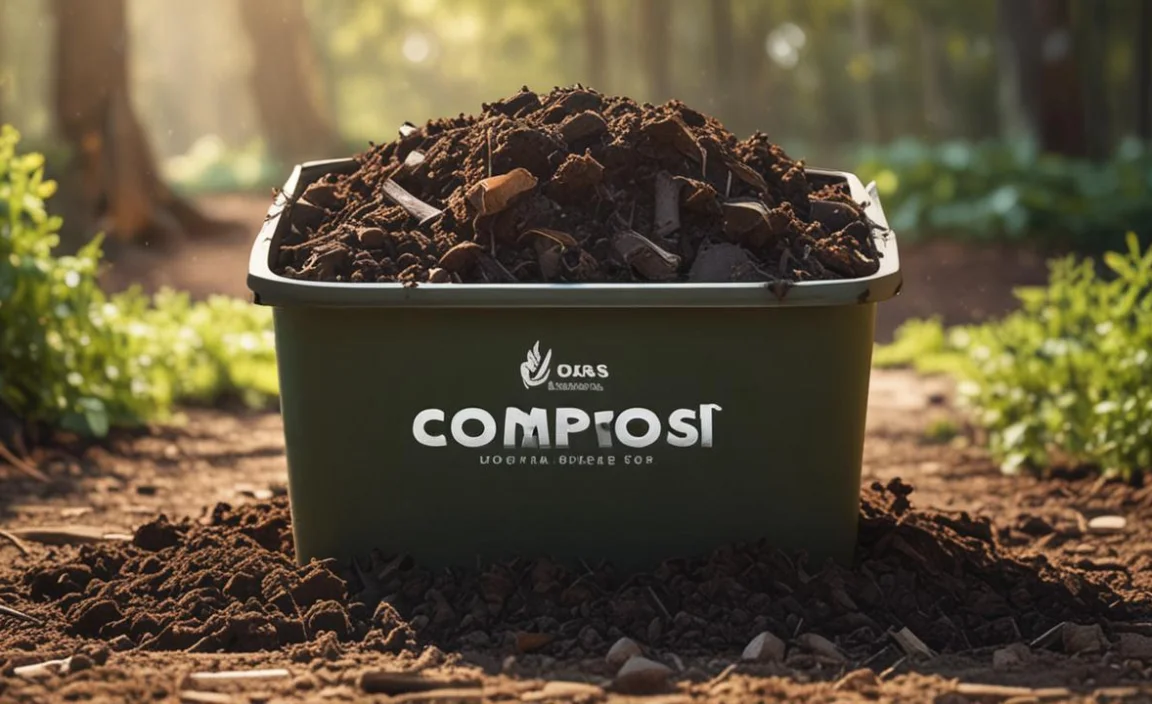
Compost does not stop breaking down completely in the shade. It may just take longer. This is because shade affects temperature. Cooler temperatures slow down the work of microorganisms. However, the process continues. Even in shade, compost will eventually break down into rich soil. If your compost seems slow, try adjusting moisture. Add more greens or turn it often. These steps can help speed up the process.
- Compost in the shade still breaks down.
- It may take longer than in sunny areas.
- Adjusting moisture can help speed up breakdown.
- Mixing in greens gives microorganisms food.
- Turning compost regularly helps maintain temperature.
So, don’t be discouraged by shade. Your compost can still work effectively. Monitor it closely and adjust when needed. With time, even shaded compost can become great soil for your garden. Patience is key when composting in the shade. Keep nurturing your compost, and it will reward you with rich nutrients.
Fun Fact or Stat:
Composting can reduce waste by up to 30%, even in the shade!
How Long Does It Take for Compost to Break Down?
The time it takes for compost to break down varies. It can take as little as a few weeks to several months. Factors include temperature, moisture, and materials used. In sunny spots, compost may break down faster. In shaded areas, it might take longer. Regularly turning compost helps speed things up. Also, adding the right mix of materials can improve breakdown time. Keep an eye on your compost’s progress. With patience, you’ll have rich compost ready for your garden.
Signs of Finished Compost
How do you know when compost is finished? Finished compost looks dark and crumbly. It should smell like earth, not rotten food. You won’t see recognizable food scraps. The materials will be fully broken down. You can test it by taking a handful. If it holds together and crumbles easily, it’s ready! Using finished compost enriches your garden soil. It helps plants grow strong and healthy.
What to Do if Compost Is Taking Too Long
If your compost is taking too long, don’t worry! There are ways to help it along. First, check the moisture level. If it’s too wet, add dry materials like leaves or straw. If it’s too dry, add a little water to moisten it. Next, consider turning the compost more often. This adds air and helps raise the temperature. Finally, check the balance of your materials. Adding more nitrogen-rich greens can help speed up the process.
Summary
In summary, composting can still be effective in shady areas. It may take longer, but the process continues. Temperature and moisture are key factors. You can help improve decomposition by adding greens and turning the pile. So, does compost stop breaking down in the shade? Not at all! With some effort, you can create rich compost for your garden.
Conclusion
Composting in the shade does not mean failure. It just takes a little more time and care. Monitor your compost closely, and make adjustments as needed. Remember, does compost stop breaking down in the shade? The answer is no. With patience, you’ll enjoy the rewards of rich, nutrient-filled compost.
Frequently Asked Questions
Question No 1: Can compost break down without sunlight?
Answer: Yes, compost can break down in the shade without sunlight. However, the process may be slower. Sunlight helps heat the compost. This warmth encourages microorganisms that break down material. Even without direct sunlight, you can still create rich compost.
Question No 2: What should I do if my compost pile smells bad?
Answer: If your compost pile smells bad, it may be too wet or have too many greens. Turn the pile to add air. This helps improve smell and moisture. You can also add dry materials like leaves or straw. Adjusting these factors can help balance your compost’s health.
Question No 3: Is it okay to compost in a shady area?
Answer: Yes, it is perfectly okay to compost in a shady area. Your compost will still break down, even though it may take longer. Just monitor moisture and temperature. Make adjustments as needed to ensure effective composting. Plants can still benefit from the compost produced.
Question No 4: How do I know my compost is finished?
Answer: You can tell your compost is finished when it is dark, crumbly, and smells earthy. You will no longer see recognizable food scraps. It should hold together but break apart easily. This finished compost is great for enriching your garden soil!
Question No 5: Can I speed up the composting process?
Answer: Yes, you can speed up the composting process by adding more nitrogen-rich greens. Regularly turning the pile also helps. This adds air and can increase temperature. Checking moisture levels and adjusting materials is also key to faster breakdown.
Question No 6: Does compost need to be turned?
Answer: Yes, turning compost is important. It helps mix materials and adds air. In shaded areas, turning can help raise temperature for better decomposition. Aim to turn the pile every 1 to 2 weeks. This keeps the compost healthy and active as it breaks down.

