Composting is a fun way to recycle food scraps. It helps the environment and gives you rich soil. But what happens when your compost pile becomes soggy and slimy? This can be a big problem for gardeners. A soggy compost pile can smell bad and attract pests. Have you ever wondered how to fix it? Learning about fixing a soggy and slimy compost pile can help you create healthy compost.
In this article, we will explore ways to make your compost better. We will share tips and tricks to keep it balanced. Let’s dive into the world of composting!
Key Takeaways
- Fixing a soggy and slimy compost pile is essential.
- Add dry materials to soak up moisture.
- Turn the pile regularly for better air flow.
- Avoid adding too many wet materials.
- Keep the right balance of greens and browns.
Understanding a Soggy and Slimy Compost Pile
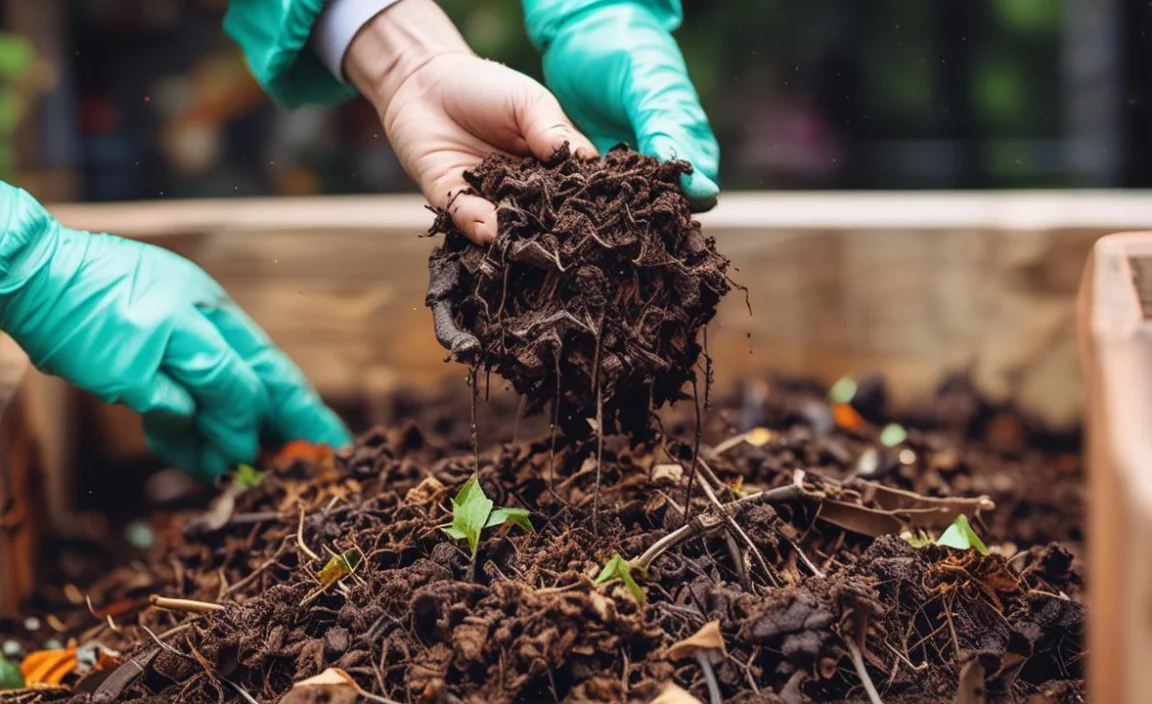
A soggy and slimy compost pile can happen for many reasons. First, it may have too many wet materials. Adding lots of food scraps like fruits and vegetables can cause this. When the pile becomes too wet, it can smell bad. This smell comes from bacteria breaking down the waste. They thrive in wet conditions.
Your compost needs a balance of greens and browns. Greens include food scraps, while browns are dry leaves or paper. Too many greens can make the compost pile soggy. Keeping a good mix helps it break down properly.
- Compost needs greens for nitrogen.
- Browns provide carbon for energy.
- Too much moisture invites pests.
- Healthy compost should smell earthy.
- Balanced compost heats up properly.
Fixing a soggy and slimy compost pile starts with understanding. Knowing how to balance greens and browns helps. Consider adding dry leaves, straw, or shredded paper to absorb extra moisture. Turning the pile often will add air. This air helps bacteria work better.
Fun Fact or Stat: Composting can reduce waste by up to 30%!
What Causes a Soggy Compost Pile?
Have you ever seen a pile of compost turn into a mushy mess? This often happens due to wet materials. When too many food scraps are added, moisture builds up. This can lead to slimy compost.
You might wonder why this is bad. Soggy compost does not break down well. It can attract pests like flies and rodents. These pests can create more problems.
The best way to fix this is to control what goes into the pile. Adding dry materials can help. Always mix in browns when you add greens. This keeps the pile healthy and balanced.
Signs of a Soggy Compost Pile
How do you know if your compost is too soggy? There are several signs to look for. First, a strong, bad smell is a big clue. A healthy compost pile should smell pleasant and earthy.
You might also notice slimy textures. Touch the compost. If it feels wet and mushy, it’s too wet. Check for standing water at the base. This can indicate a drainage problem.
If your compost is soggy, it is time to take action. Fixing a soggy and slimy compost pile is important for a healthy garden.
How to Prevent a Soggy Compost Pile
Wondering how to prevent sogginess? Start by monitoring what you add to the pile. Do not add too many wet items at once. This includes fruits, veggies, and coffee grounds.
Mixing in browns often helps. You can use dried leaves, straw, or shredded paper. Also, turn the pile regularly. This helps air circulate and keep moisture at bay. It also helps the compost break down faster.
By being careful, you can keep your compost pile from becoming soggy.
Fun Fact or Stat: A well-maintained compost can reach temperatures of 130 to 160 degrees Fahrenheit!
Fixing a Soggy and Slimy Compost Pile Step-by-Step
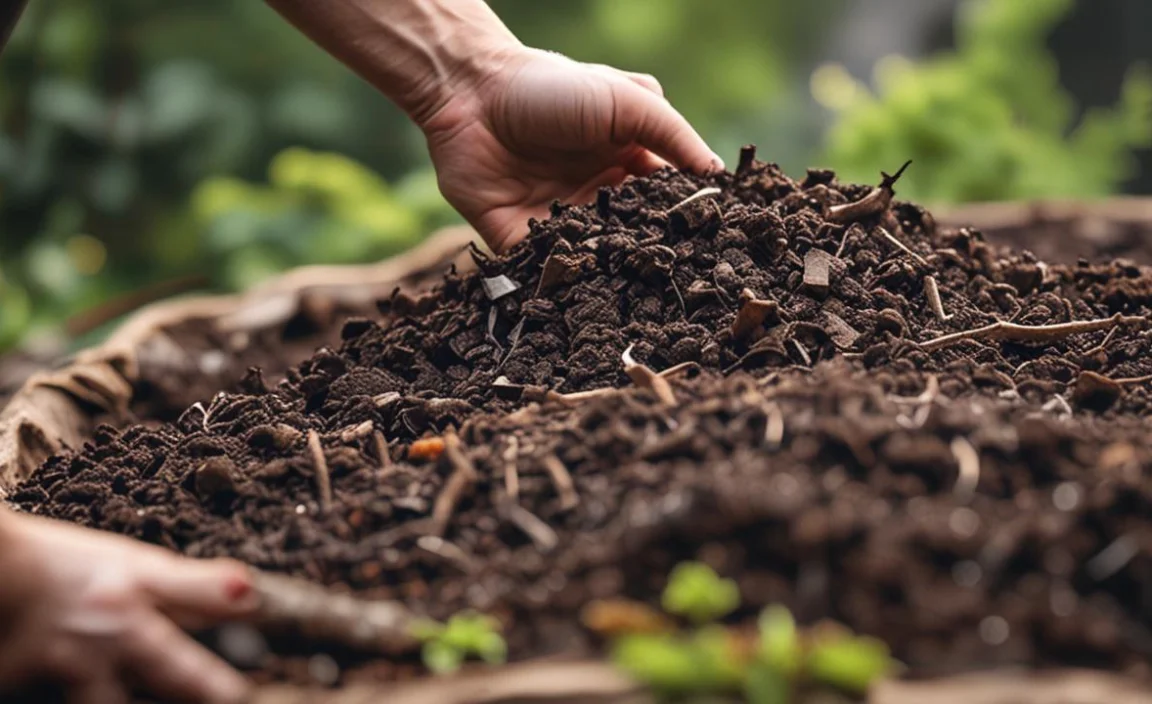
Fixing a soggy and slimy compost pile is easier than you think. First, stop adding wet materials. Next, check the moisture level of your pile. If it feels too wet, you need to act fast.
Start by adding dry materials. You can use dried leaves or sawdust. These materials will soak up the extra moisture. Mix them into the compost pile well. This helps even out the moisture and air.
After that, turn the pile. Use a pitchfork or shovel to mix it. This adds air and helps bacteria work. The more air, the better your compost will break down.
- Stop adding wet materials immediately.
- Add dry materials to absorb moisture.
- Mix and turn the compost weekly.
- Check for balance between greens and browns.
- Ensure proper drainage in your compost bin.
By following these steps, you can easily fix your compost pile. This makes it healthier and ready to use in your garden. With time and care, your compost will return to normal.
Fun Fact or Stat: A compost pile can reduce garden waste by 50%.
Importance of Turning Your Compost
Why is turning your compost so crucial? When you turn your compost pile, you add air. Air helps the bacteria break down materials faster. It speeds up the composting process.
Turning the pile also distributes moisture. This helps prevent sogginess. Without air, the pile can become compacted and slimy. By turning, you keep things lively in your compost.
Try to turn your compost every week. Use a pitchfork or shovel to mix it up. You’ll be surprised at how quickly your compost changes.
Tools for Easy Compost Turning
Are you looking for tools to help with turning compost? There are many options to make it easier. A pitchfork is great for lifting and mixing. It allows you to reach deep into the pile.
Compost tumblers are another option. They spin and mix the compost for you. This saves time and effort. You can also use a shovel or garden fork.
Choose the tool that works best for you. With the right tools, turning your compost will become fun!
How Moisture Affects Composting
Have you ever thought about how moisture affects composting? Too much moisture can lead to anaerobic conditions. This means your compost lacks oxygen. Without oxygen, compost can smell bad and become slimy.
A good compost pile has moisture but not too much. The right moisture level helps bacteria break down materials. It also helps keep the pile warm. A warm pile speeds up the process.
Check your compost regularly. The moisture level should be like a damp sponge. Squeeze it in your hand. If water drips, it’s too wet!
Fun Fact or Stat: Composting can help grow plants 30% faster!
Balancing Greens and Browns in Compost
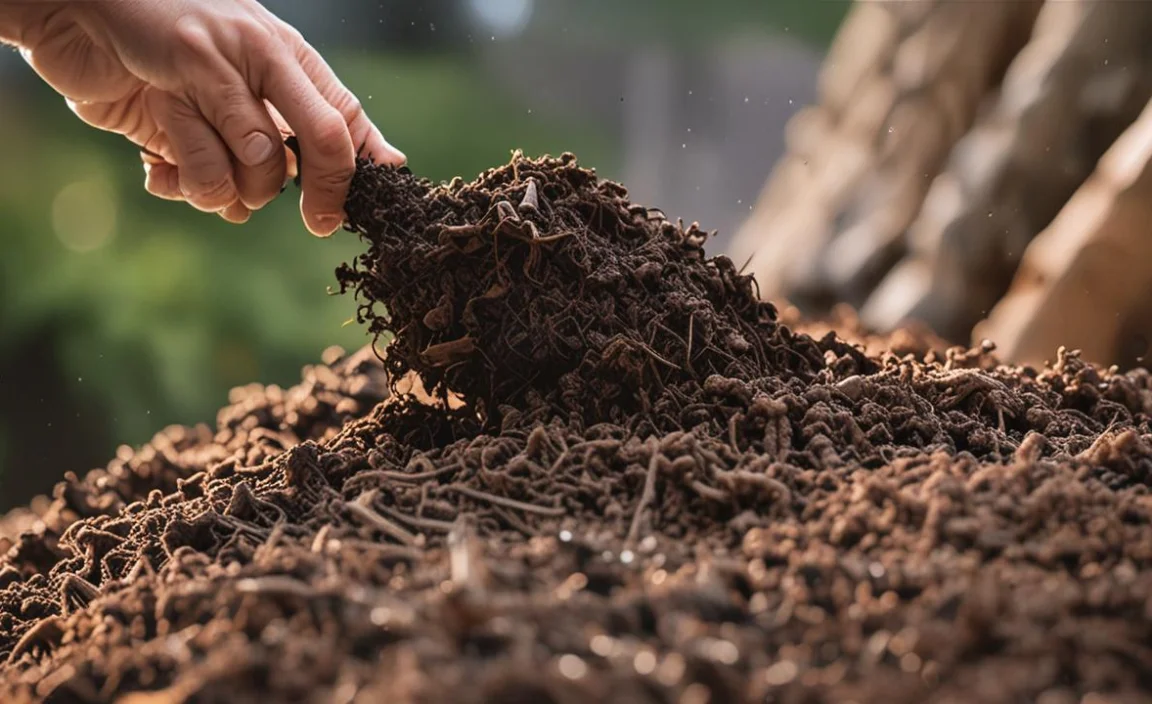
Balancing greens and browns in your compost is important. Greens contain nitrogen, while browns provide carbon. Both are essential for healthy compost.
Too many greens can make your compost pile slimy. Too many browns will slow the process down. The key is to find the right mix. A good rule is to use three parts browns to one part greens.
This will help keep your compost balanced. It also helps prevent odors and sliminess. Regularly check what you add to maintain balance.
- Greens provide nitrogen for growth.
- Browns provide energy for bacteria.
- Mix well to keep moisture level balanced.
- Check ratios to avoid slimy compost.
- Adjust as needed for healthy decomposition.
By understanding this balance, you can create great compost. A balanced pile heats up and breaks down quickly. Your garden will love the rich soil!
Fun Fact or Stat: Healthy compost can attract earthworms, improving soil quality!
Examples of Greens for Compost
What are some greens you can add to your compost? Greens are moist materials like food scraps. You can use vegetable peels, fruit scraps, and grass clippings.
Coffee grounds are also great. They add nitrogen and improve compost quality. Just remember to balance these with browns. Too many greens can lead to a soggy pile.
Try to rotate the greens you add. This keeps your compost fresh and diverse. Every little bit helps your garden grow!
Examples of Browns for Compost
Do you know what browns to use in your compost? Browns are dry materials that add carbon. You can use dried leaves, straw, or shredded paper.
Cardboard pieces also work well. Just tear them into small bits first. These materials help absorb moisture and keep the pile balanced.
When adding browns, mix them well. This ensures even distribution. A good mix helps your compost break down faster.
When to Add More Greens and Browns
Wondering when to add more greens and browns? The answer depends on your compost’s condition. If your pile smells bad, you may need more browns.
If it’s not breaking down quickly, add more greens. Regularly check the pile’s texture and smell. Adjust the mix as needed to maintain balance.
Keeping an eye on your compost will make it healthy.
Fun Fact or Stat: Composting reduces greenhouse gases by keeping waste out of landfills!
Using Water Wisely in Compost
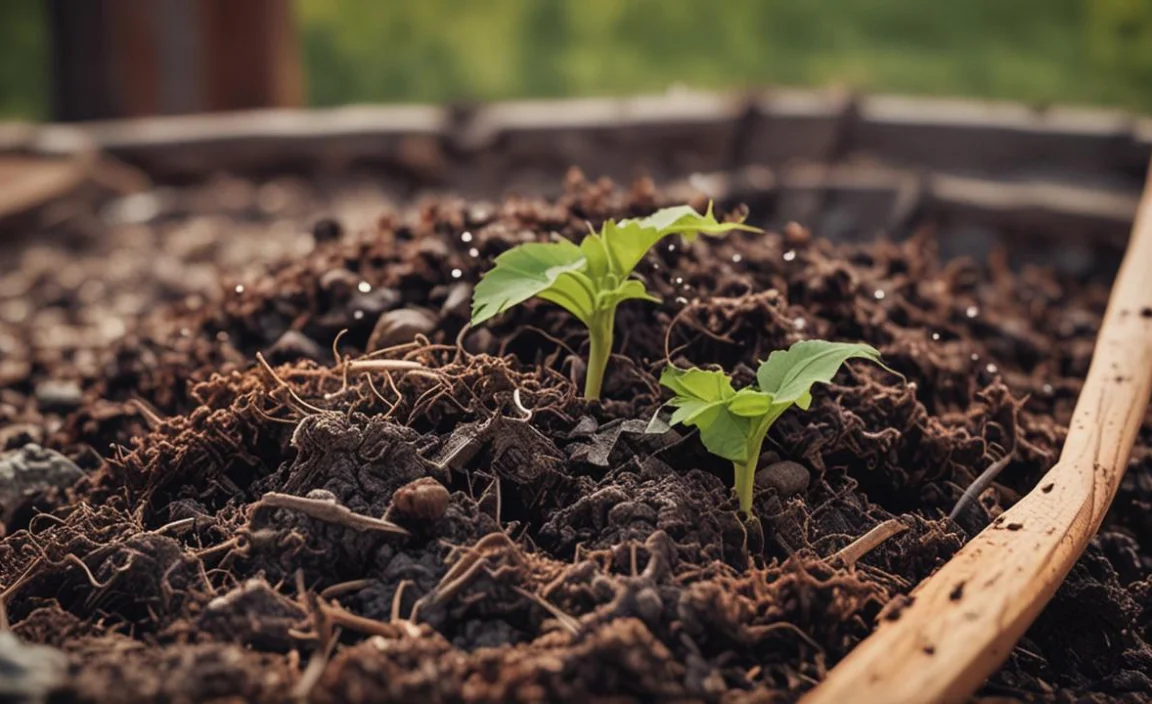
How much water should you use in compost? The answer is not too much! Compost should be damp but not soaked. If it feels too wet, it can turn slimy.
When adding water, do so carefully. A light spray can help keep things moist. If it’s too dry, add a little more. Always check the moisture level before adding more water.
A well-maintained compost pile will have the right amount of moisture. This helps bacteria thrive and keeps compost healthy.
- A light mist is enough for moisture.
- Check moisture levels often.
- Too much water leads to slimy compost.
- Damp but not soaked is ideal.
- Adjust based on weather conditions.
By learning to use water wisely, you can create the best compost. This will help your garden grow strong and healthy.
Fun Fact or Stat: Composting can save you money on fertilizer!
Best Times to Water Compost
When is the best time to water your compost? It’s best to water during dry spells. If it hasn’t rained in a while, check your pile.
You can also water after adding new materials. This helps the compost break down better. Just remember not to overdo it. Too much water can cause problems.
Keep an eye on the weather. If it rains, you may not need to add water.
Effects of Rain on Compost
Have you thought about how rain affects compost? Rain can help keep your pile moist. However, too much rain can make it soggy.
If your compost is outside, check it often. If it’s too wet, add dry materials. This will help balance things out.
During heavy rain, consider covering your compost. This can prevent it from becoming too wet.
Signs of Overwatering Compost
How do you know if you’ve overwatered your compost? There are a few signs to watch for. First, a bad smell is a big clue.
You might also notice a slimy texture. If the compost feels soggy, it needs fixing. Check for standing water at the bottom of the pile.
If you see these signs, it’s time to act. Add dry materials and turn the pile to fix it.
Fun Fact or Stat: Over 60% of kitchen waste can be composted!
Choosing the Right Compost Bin
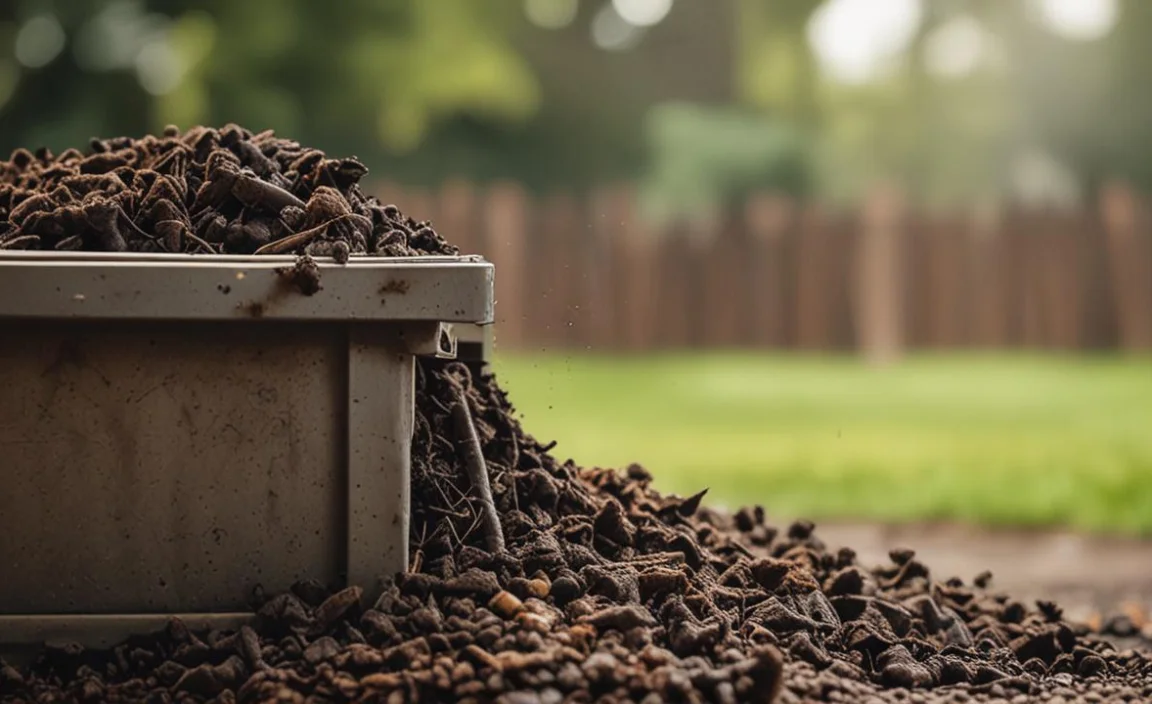
Picking the right compost bin is important for success. There are many bins to choose from. You can use a simple pile in your yard or a bin with a lid.
A bin with a lid can help keep moisture levels steady. It can also keep pests away. If you choose an open pile, make sure it gets enough air.
Your choice will depend on your space and needs. A good compost bin makes fixing a soggy and slimy compost pile easier.
- Choose a bin with good ventilation.
- A lid can protect against pests and moisture.
- Size matters; pick one that fits your space.
- Consider compost tumblers for easy mixing.
- Make sure it’s easy to access for adding materials.
Finding the right compost bin helps you maintain healthy compost. This makes gardening easier and more enjoyable!
Fun Fact or Stat: Compost bins can reduce waste problems in cities!
Types of Compost Bins
What are the types of compost bins available? There are several options to choose from. A pile is the simplest way to compost. Just stack materials in a corner of your yard.
Compost tumbler bins are also popular. They rotate easily for mixing. This helps break down materials faster.
Lastly, you can use a worm bin for composting. This adds nutrient-rich compost from worms.
Choose the type that works best for your needs.
How to Maintain Your Compost Bin
Maintaining your compost bin is key to success. Check it regularly for moisture and texture. If it’s too wet, add dry materials.
Turn it often to keep air flowing. This helps bacteria work better. Also, be sure to keep the right mix of greens and browns.
Following these steps will help you maintain a healthy compost bin. Your plants will thank you for it!
How to Clean Your Compost Bin
Cleaning your compost bin is part of maintenance. Remove any leftover materials regularly. This helps prevent pests and odors.
Use a hose to rinse it out if needed. Allow it to dry in the sun. This helps kill any unwanted bacteria.
Keeping your bin clean will support healthy composting.
Fun Fact or Stat: Composting can produce natural fertilizers for your plants!
Summary
Fixing a soggy and slimy compost pile is important for healthy gardening. Start by understanding what makes a compost pile soggy. Balancing greens and browns is key. Regularly turning the pile helps with air circulation.
Make sure to monitor moisture levels too. Adding dry materials absorbs excess moisture. With these tips, you can create rich compost for your garden.
Conclusion
In conclusion, fixing a soggy and slimy compost pile is essential. By balancing greens and browns, adding dry materials, and turning the pile, you can improve your compost. Remember to check moisture levels regularly. This ensures healthy compost for your garden. Happy composting!
Frequently Asked Questions
Question No 1: What should I do if my compost smells bad?
Answer: If your compost smells bad, it might be too wet. Stop adding wet materials. Add dry items like leaves or straw to absorb moisture. Also, turn the pile to add air. This will help reduce odors and fix the soggy conditions.
Question No 2: Can I still use my compost if it is slimy?
Answer: Yes, you can still use slimy compost, but it needs fixing first. Adding dry materials will help improve the texture. Turn the pile often to introduce air. Once the compost is balanced, it will be ready to use in your garden.
Question No 3: How often should I turn my compost pile?
Answer: You should turn your compost pile about once a week. This adds air and helps break down materials. Regular turning also helps prevent sogginess. If you notice your compost becoming slimy, turn it more often until it improves.
Question No 4: How do I know if my compost is ready to use?
Answer: Your compost is ready when it looks dark and crumbly. It should smell earthy, not bad. You won’t see any recognizable food scraps. If it’s soggy, fix it first before using it in your garden.
Question No 5: What should I avoid putting in my compost pile?
Answer: Avoid adding meat, dairy, or oily foods to your compost pile. These can attract pests and create bad smells. Stick to fruits, vegetables, and dry materials. This will help keep your compost healthy and balanced.
Question No 6: Can I compost during winter?
Answer: Yes, you can compost during winter! Just be careful with moisture levels in cold weather. Add dry materials to keep the pile balanced. If it freezes, wait until spring to use it. Composting is possible year-round!

