Composting is a great way to recycle food and garden waste. Have you ever wondered how it works? Composting turns scraps into rich soil. This process can take time, but it has many benefits. One important question is: how long should compost stay hot before turning?
When compost is hot, it means it’s breaking down. This heat helps to kill off harmful bacteria and weed seeds. Knowing when to turn compost is vital for making the best compost. It ensures that the material stays healthy and decomposes well.
Many gardeners want to know the right time to turn their compost. It can be confusing at first. Some say to turn it every few weeks. Others suggest waiting longer. The truth is in understanding the process.
Compost should stay hot for at least two weeks before turning. During this time, the microorganisms work hard. They break down the material and create heat. Once the compost cools down, it is time to turn it. This helps mix everything and brings air into the pile.
Let’s explore more about composting and why heat matters!
Key Takeaways
- Compost should be hot for about two weeks before turning.
- Heat helps kill harmful bacteria and seeds.
- Turning compost adds air and aids decomposition.
- The temperature should be monitored regularly.
- Composting can reduce waste and help the environment.
How Long Should Compost Stay Hot Before Turning?
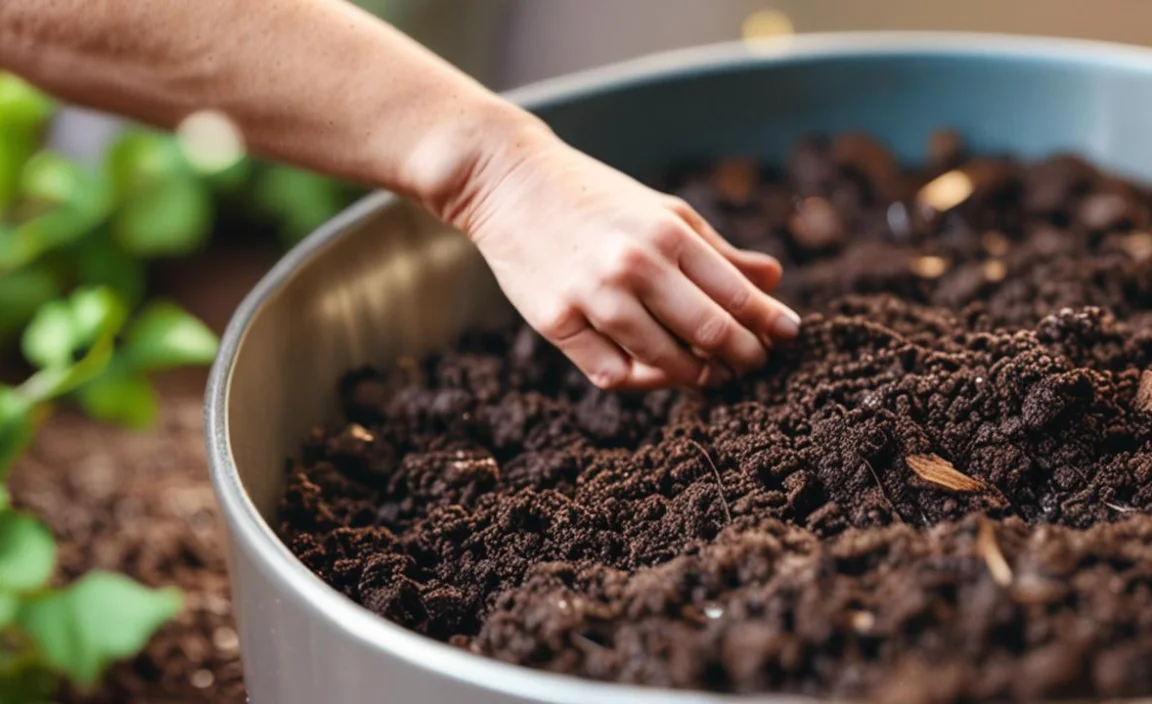
Knowing how long compost should stay hot before turning is key. The heat comes from microorganisms breaking down organic matter. This process generates temperature inside the compost pile. A well-maintained compost pile can reach temperatures of 130°F to 160°F. This hot stage usually lasts for two weeks. After this, the temperature drops. When it cools, it is time to turn the compost.
- Composting is a natural process.
- Heat is generated by microbial activity.
- Turning compost helps it break down faster.
- The right temperature encourages good microbes.
- Temperature can be checked with a compost thermometer.
Once you understand how long compost should stay hot before turning, you can manage your pile better. Keeping a close eye on the heat will help ensure good results. If you wait too long, the compost may not decompose well. On the other hand, turning it too soon can also slow down the process. Finding the right balance is important for success.
Fun Fact or Stat: Microorganisms in compost can double in number every 20 minutes!
What Happens When Compost is Hot?
When compost is hot, it’s a sign of healthy activity. Microbes are busy breaking down food scraps and yard waste. You might think of it like a campfire. You need hot coals to cook your food well. The same goes for compost. If the pile is not hot, it’s not breaking down efficiently. Keeping the compost hot for two weeks allows it to reach maximum efficiency. The heat helps create nutrient-rich compost.
Signs Your Compost is Ready to Turn
There are signs to look for when your compost is ready to turn. First, the temperature will drop, usually after two weeks. You might notice a change in smell too. A strong earthy smell means it’s doing well. If you smell rotting, it needs more air. Also, the pile will look darker and have shrunk in size. These signs tell you it’s time to mix things up! Turning the compost helps it break down faster and better.
Why is Temperature Important in Composting?
Temperature plays a big role in the composting process. It affects how fast compost breaks down. If it’s too cold, the microbes won’t work as hard. If it’s too hot, some beneficial microbes may die off. The sweet spot is around 130°F to 160°F. Keeping the compost in this range encourages active microbial growth. Good temperature management helps create quality compost. It enriches your garden soil efficiently!
Best Practices for Monitoring Compost Temperature
Monitoring compost temperature is important for success. One way to check is by using a compost thermometer. This tool helps you see how hot it is inside the pile. Insert it into the center of the compost. If it reads around 130°F, you are in a good place. You should check the temperature every few days. If it starts to cool down, it’s time to turn the compost. Keeping a log of the temperatures can help you track changes over time.
- Use a compost thermometer for best results.
- Check temperatures every few days.
- Insert the thermometer into the center.
- Write down temperature changes.
- Turn the compost when it cools.
By monitoring the temperature, you can help your compost stay healthy. This way, you know exactly how long compost should stay hot before turning. It helps prevent issues and ensures a good breakdown of materials. Remember, good compost needs attention to detail!
Fun Fact or Stat: A compost thermometer can show temperature changes in minutes!
How to Turn Your Compost Pile
Turning your compost pile is a simple but important task. Start by using a pitchfork or shovel. Gently lift and mix the compost to aerate it. This adds oxygen and helps the microbes. Be careful not to compact it too much. You want to keep air pockets for the microbes to breathe. Turn the pile every few weeks once it cools down. This will keep your compost active and healthy.
When to Stop Adding Materials
Knowing when to stop adding materials is crucial. When your compost is hot and active, it’s a good time to add scraps. However, once it starts cooling down, it’s best to stop. Adding more materials can slow down the process. Wait until you turn the pile to add new scraps. This keeps the compost process running smoothly. You want to focus on letting it break down efficiently.
Using the Right Ingredients for Compost
Choosing the right ingredients is key for hot compost. You need a mix of “greens” and “browns.” Greens provide nitrogen. Browns give carbon. Good examples of greens are fruit scraps, grass clippings, and coffee grounds. Brown materials include dried leaves, cardboard, and straw. A good balance helps maintain heat. Aim for about three parts browns to one part greens. This will help your compost stay hot for the right amount of time.
How Long Should Compost Stay Hot Again?
To recap, compost should stay hot for about two weeks before turning it. This heat allows the microbes to work efficiently. After this period, the temperature will start to drop. It’s crucial to pay attention to these changes. If the compost stays too hot for too long, it can cause problems. Therefore, knowing how long compost should stay hot before turning is essential for a successful composting process. Regularly turning your compost helps it decompose more evenly.
- Two weeks is the recommended time frame.
- Consistent heat is crucial for decomposition.
- Turn it when temperatures drop.
- Watch for proper microbial activity.
- Maintain a good mix of ingredients.
Remember, composting takes some patience. It is a wonderful way to recycle and help your garden. By knowing how long compost should stay hot before turning, you’ll be well on your way to making rich soil! Keep an eye on your compost and enjoy the process.
Fun Fact or Stat: Compost can reduce kitchen waste by up to 30%!
Common Mistakes in Composting
Composting can be tricky with several common mistakes. One mistake is adding too much of one material. For example, too many greens can create a smelly pile. Another mistake is not turning the compost enough. Without air, it won’t decompose well. Some people also forget to monitor the temperature. This can lead to a slower breakdown. It’s good to learn from these mistakes, so your compost can thrive!
- Too much of one material can spoil compost.
- Not turning the pile slows decomposition.
- Ignoring temperature can harm microbes.
- Stopping too soon can leave food scraps.
- Not monitoring moisture can dry it out.
By avoiding these mistakes, you can create better compost. Learning how to compost properly takes time. Each mistake helps you improve. The more you practice, the better your compost will be. Keep these tips in mind for the best results!
Fun Fact or Stat: Compost can take anywhere from a few months to a year to mature!
What to Avoid in Your Compost Pile
There are some materials you should avoid when composting. Items like meat, dairy, and oils can attract pests. They can also create bad smells. Another item to skip is diseased plants. This can spread disease into your compost. Also, avoid adding large branches or logs without breaking them down first. These materials take a long time to decompose. Sticking to safe ingredients helps your compost stay healthy and effective!
How to Balance Greens and Browns
Balancing greens and browns is essential for compost health. Greens add nitrogen, while browns add carbon. A good rule of thumb is to use three parts browns to one part greens. This mix helps keep the compost hot and active. You can add grass clippings and vegetable scraps as greens. Use dry leaves and cardboard as browns. This mixture provides the right nutrients for microbes to thrive.
Understanding Composting Time
Composting takes time and patience. The amount of time it takes depends on what’s in your pile. Hot compost can take only a few weeks. Cold composting can take months or even years. Many factors influence the time, like moisture and temperature. Keeping it hot for at least two weeks helps speed up the process. Remember, each compost pile is different, so keep checking!
Summary
Composting is a great way to recycle waste. Knowing how long compost should stay hot before turning is important. The heat helps break down materials. Keep the compost hot for about two weeks. After this, it is time to turn it. This process helps with aeration and keeps the compost healthy. Monitoring temperature and turning regularly leads to rich compost. It’s an easy way to help your garden and the environment!
Conclusion
In conclusion, how long should compost stay hot before turning? The answer is about two weeks. This heat is essential for good composting. Remember to keep an eye on the temperature and turn it when it cools. By following these tips, you will create nutrient-rich compost for your garden. Happy composting!
Frequently Asked Questions
Question No 1: How often should I turn my compost?
Answer: You should turn your compost every few weeks. This helps it to remain aerated. When it cools down after about two weeks, it’s the perfect time to turn it. Regularly turning compost ensures all ingredients break down evenly and efficiently. It also helps to keep the temperature in the ideal range for decomposition.
Question No 2: What materials can I put in my compost?
Answer: You can add many materials to your compost. Fruit scraps, vegetable peels, grass clippings, and dry leaves are all great choices. However, avoid meat, dairy, and oils. They can create bad smells and attract pests. When you know how long compost should stay hot before turning, you can manage what goes in better.
Question No 3: Can composting go too fast?
Answer: Yes, composting can go too fast. If the temperature gets too high, it can kill beneficial microbes. This is why monitoring temperature is important. If it cools down quickly, it might be time to turn your compost. Keeping the right balance of greens and browns helps maintain a steady composting process.
Question No 4: How do I know when my compost is ready?
Answer: Your compost is ready when it looks dark, crumbly, and has an earthy smell. The temperature will have dropped after about two weeks of heat. Regular turning helps with this process. When you see these signs, your compost is ready to use in your garden. It will enrich the soil and help plants grow.
Question No 5: Is composting hard to do?
Answer: No, composting is not hard to do. It just takes some knowledge and a little patience. Start by knowing how long compost should stay hot before turning it. Then, follow the steps for adding materials, turning, and monitoring temperature. With time, it becomes easier, and you’ll see the benefits in your garden!
Question No 6: Can I compost in the winter?
Answer: Yes, you can compost in the winter! While it may take longer for the compost to heat up, it can still decompose. Heat can still be generated in the pile as long as it is well-balanced. You may find that you need to monitor it more closely. Remember how long compost should stay hot before turning even in the winter months!

