Composting is fun and helpful. Many people enjoy using kitchen scraps as compost. But did you know that composting potato skins can have risks? This is especially true when it comes to blight. Blight can ruin potato plants. It can also affect the compost you create. So, what are the risks of composting potato skins? Let’s find out!
When you throw potato skins in your compost, some problems can arise. If the skins carry blight, they can spread the disease. It can cause havoc in your garden. This is why many gardeners wonder about the safety of composting potato peels. The good news is that with care, you can still compost them. You just need to know how to do it safely.
Understanding the risks helps you make better choices. Blight is a serious problem for potatoes. But that doesn’t mean you need to give up on composting. Learn how to manage these risks.
Key Takeaways
- Composting potato skins may spread blight disease.
- Healthy compost can improve garden soil.
- Always check for signs of potato blight.
- Composting reduces kitchen waste effectively.
- Proper composting can prevent blight risks.
Composting Potato Skins: Blight Risks Explained
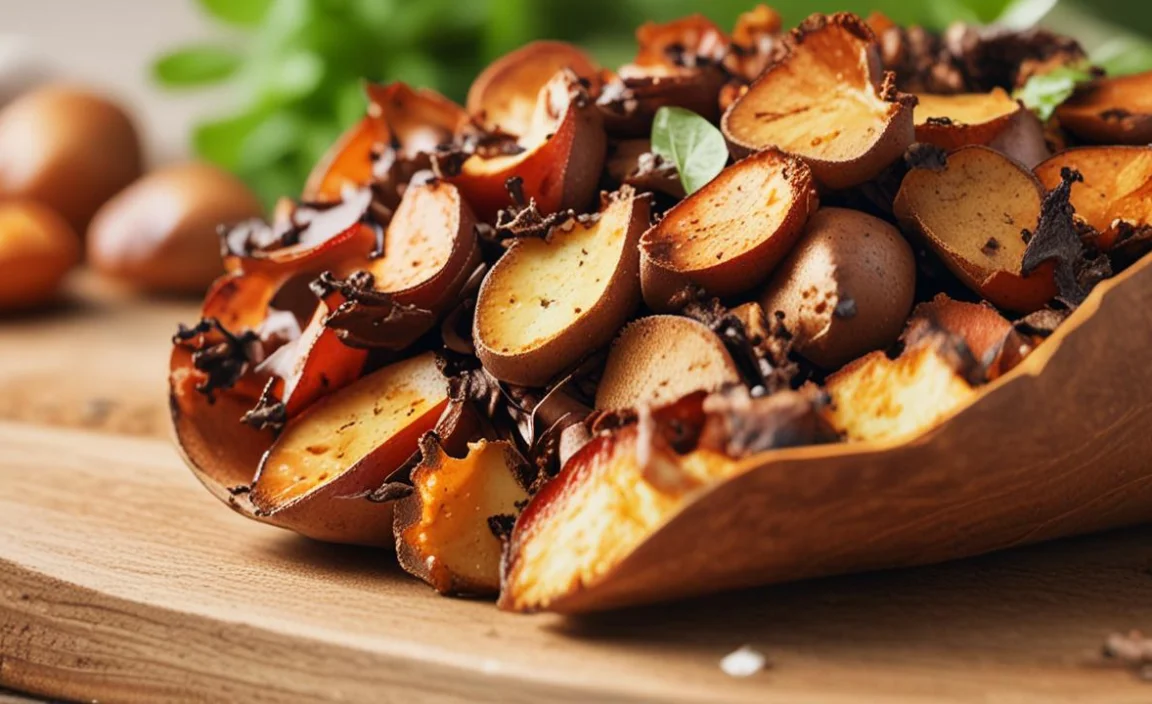
When you compost potato skins, you must think about blight. Blight is a fungus that affects potatoes. It can spread through the soil and plants. If your potato skins have blight, they can contaminate your compost. This can lead to new plants getting sick. Many gardeners don’t realize this risk. They might just toss their potato scraps in the compost pile. It is important to understand how to manage this problem.
- Potato blight is a common disease in gardens.
- It can spread quickly through infected plants.
- Hot, humid weather increases blight risks.
- Signs of blight include dark spots on leaves.
- Composting helps recycle food scraps but can risk blight.
To avoid spreading blight, you need to check your potato skins closely. If you see any signs of disease, do not compost them. Instead, throw them in the trash. You can also use a hot compost method. This method kills harmful pathogens. Remember, healthy compost means healthy plants.
Fun Fact or Stat:
Blight can reduce potato yields by up to 50%!
What Is Potato Blight?
Potato blight is a serious plant disease caused by a fungus. This disease mainly affects potato plants. It can also harm tomatoes. A gardener may first notice blight in their garden when they see dark spots on the leaves. These spots can grow and turn the leaves yellow. Eventually, the plant can die. Many gardeners have lost entire crops to this disease. Have you ever grown potatoes? Imagine working hard, only to lose them to blight!
How Does Blight Spread?
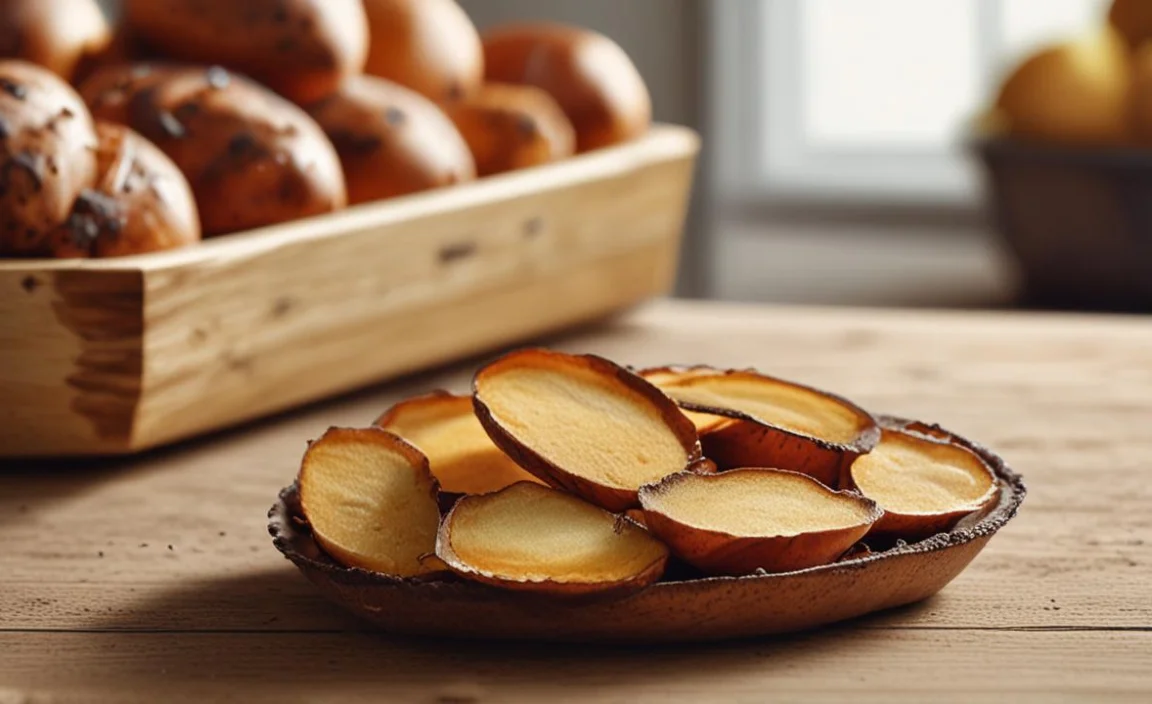
Blight spreads easily. It can blow in the wind or splash from rain. When you compost potato skins with blight, you risk spreading it further. The fungus can linger in the soil and infect new plants. This is why it is crucial to be careful. If parts of your plant show signs of blight, you should not compost those parts. Instead, throw them away to keep the garden safe.
What Can You Do to Prevent Blight?
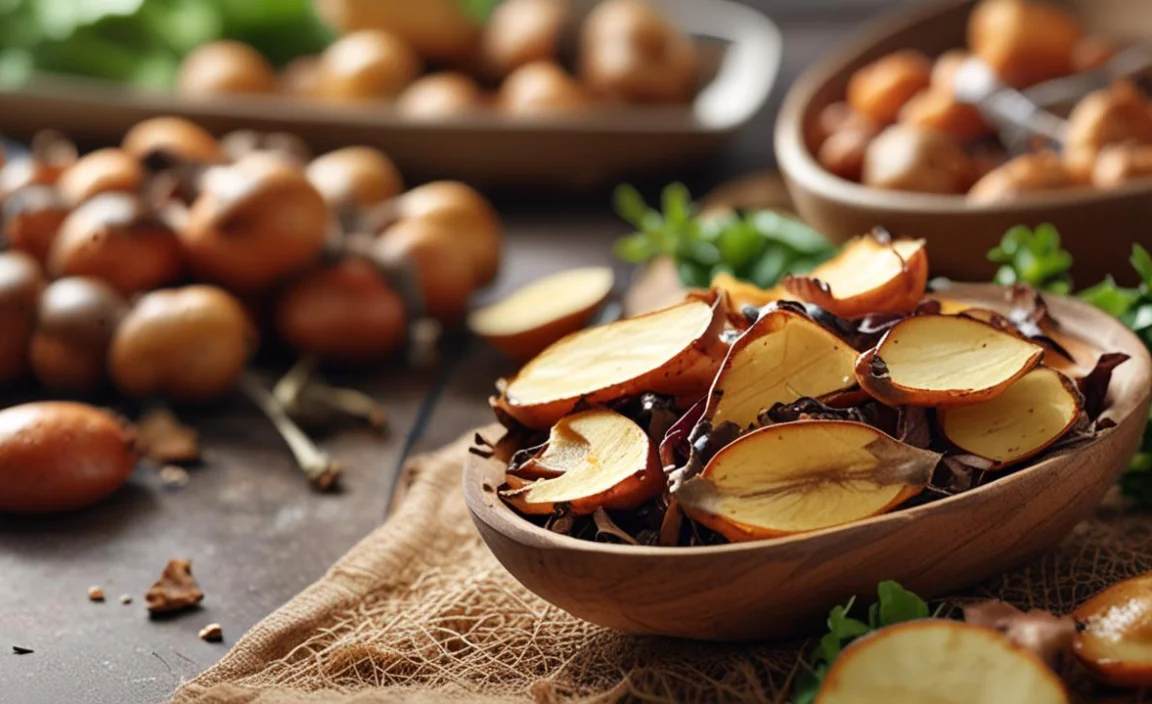
Preventing blight is important for healthy plants. First, always buy disease-free potato seeds. Second, practice crop rotation. This means planting potatoes in different spots each year. Third, keep your garden tidy. Remove any dead or sick plants. Finally, monitor your potatoes. Look for any signs of disease. If you catch blight early, it is easier to manage.
Composting Potato Skins: Safe Practices
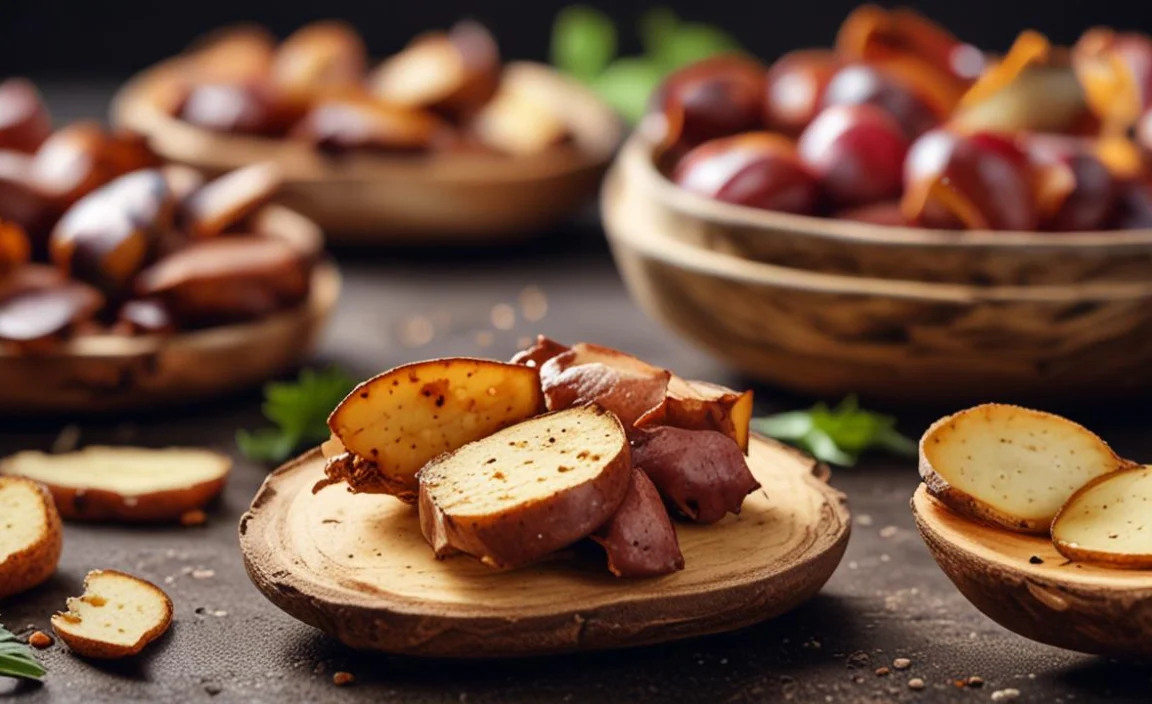
Composting potato skins can be safe with the right practices. First, inspect your potato skins. If they look healthy, they can go in the compost. If you see any dark spots, throw them away. Second, use a hot compost method. This method heats the compost pile enough to kill harmful germs. Third, mix your compost well. This helps air flow and speeds up the composting process. By following these steps, you can enjoy composting without the worry of blight.
- Check potato skins for signs of disease.
- Use a hot compost method to kill germs.
- Mix compost regularly for better results.
- Avoid composting sick or diseased plants.
- Monitor your compost pile carefully.
When composting, it’s essential to keep the balance right. Healthy compost helps your garden thrive. Think of composting as a way to give back to your garden. By following safe practices, you can enjoy natural fertilizer without spreading disease. Remember to keep an eye on your potato skins and stay informed about potato blight.
Fun Fact or Stat:
A healthy compost pile can reach temperatures of 130°F to 160°F!
Benefits of Composting Potato Skins

Composting potato skins has many benefits. First, it reduces waste. Instead of throwing scraps away, you can recycle them. Second, composting enriches soil. It adds nutrients that help plants grow strong. Third, it helps save money. You can create your own fertilizer instead of buying it. Have you ever thought about how much food we waste? Composting helps turn waste into something useful!
What to Avoid When Composting Potato Skins
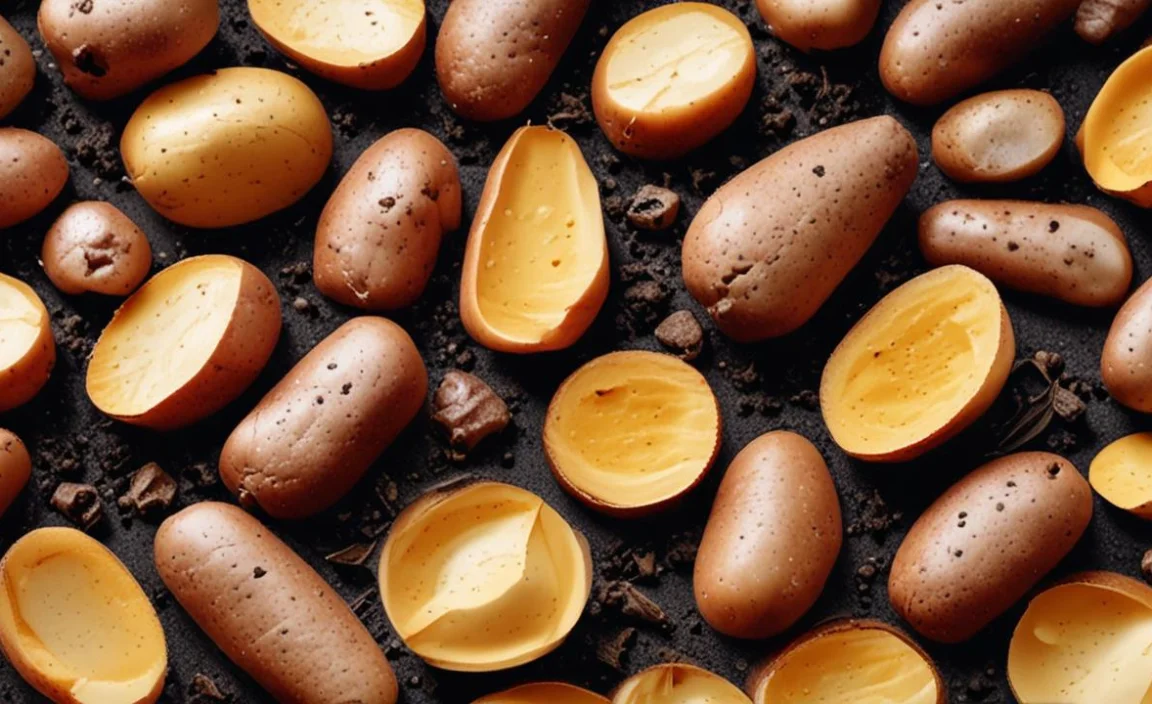
When composting, be careful about what you add. Avoid composting potato skins that show signs of blight. Also, do not add other diseased plants. They can contaminate your compost. Avoid adding too many potato skins at once. Too many can make the compost heavy and wet. This can slow down the composting process. Remember, a little care goes a long way!
Other Kitchen Scraps to Compost
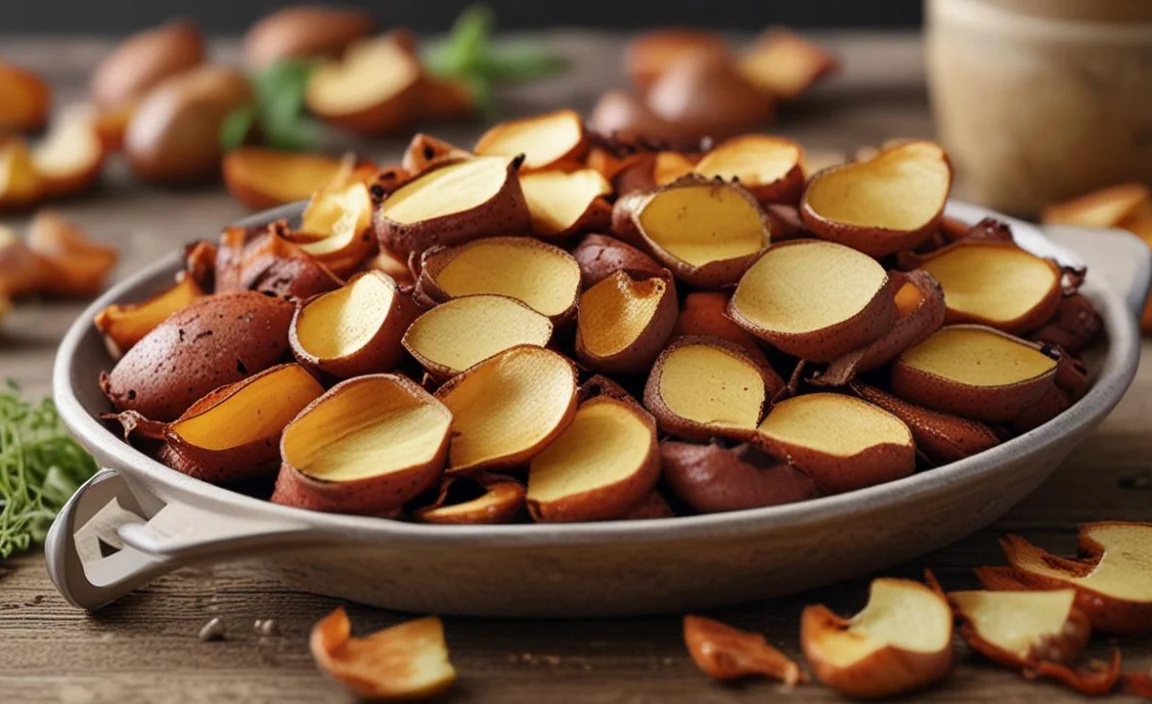
You can compost many other kitchen scraps. For example, fruit and vegetable peels are great choices. Coffee grounds and eggshells also make excellent compost. They add nutrients and help improve soil structure. But, be careful with items like meat and dairy. They can attract pests and create odors. Have you ever tried composting other scraps? It can be an exciting way to help your garden!
Understanding Potato Skin Diseases
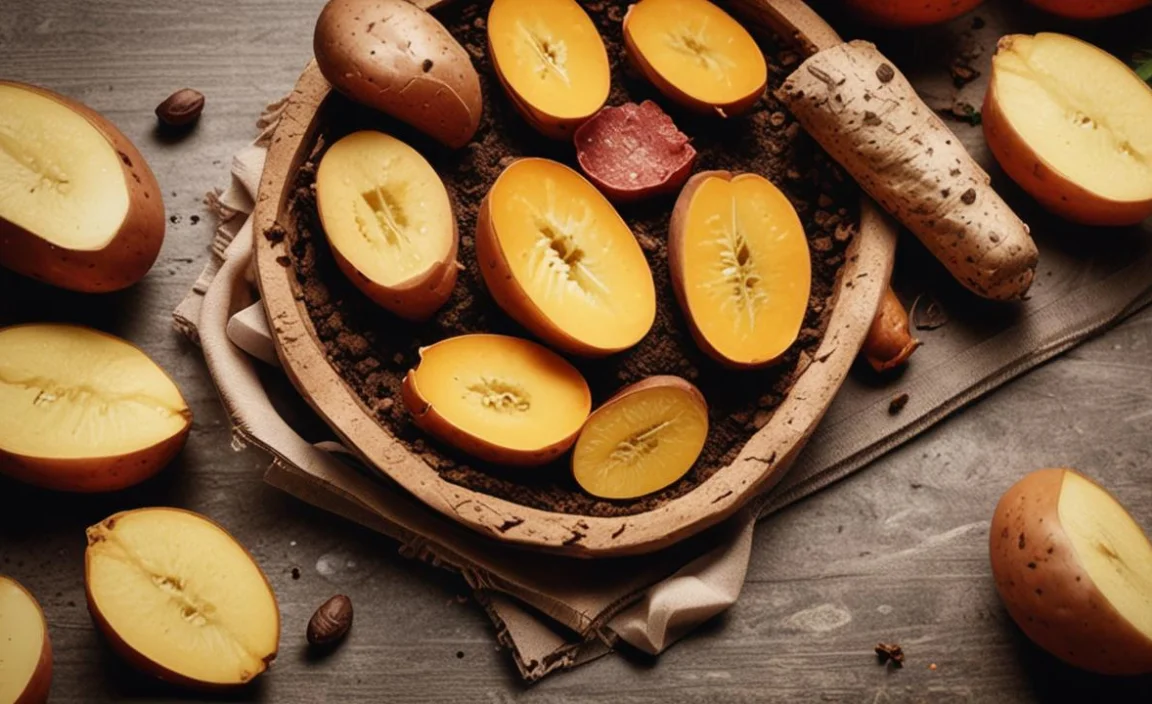
Potato skins can carry diseases like blight. Understanding these diseases is key to healthy gardening. Blight can lead to darker spots on the plant. If you see these spots, act quickly. Remove the affected parts and do not compost them. Other diseases can also affect potato plants. By learning about these diseases, you can keep your plants healthy and strong.
- Blight is a common issue for potato growers.
- Fungal diseases can affect both potatoes and tomatoes.
- Regular checks can prevent diseases from spreading.
- Healthy plants are less likely to get sick.
- Early detection is vital for disease management.
As a gardener, your goal is to grow healthy plants. Understanding potato skin diseases helps you protect your garden. By checking your plants often and knowing what to look for, you can keep blight at bay. Remember, healthy potatoes mean more delicious meals!
Fun Fact or Stat:
The first potato blight outbreak occurred in Ireland in the 1840s!
Common Diseases Affecting Potatoes
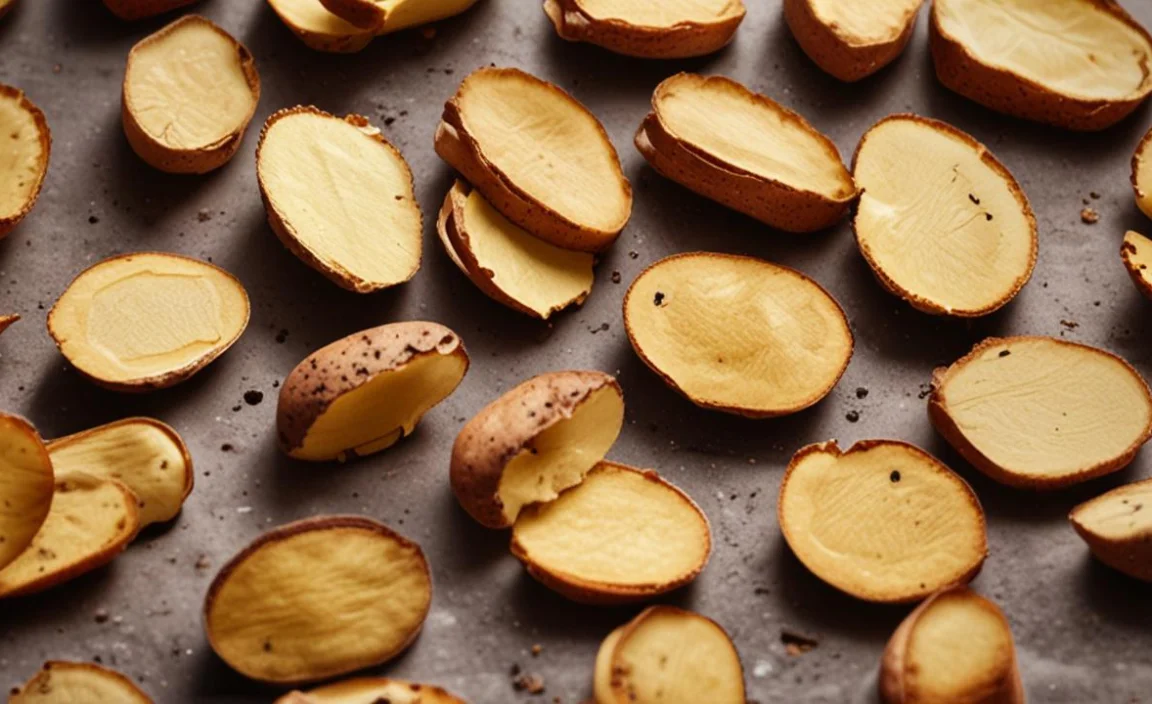
Many diseases can affect potatoes. Blight is one of the most well-known. Another is early blight, which appears as brown spots on leaves. Late blight can also cause significant damage. It is crucial to know the signs of these diseases. If you do not recognize the symptoms, you risk losing your crops. Have you ever seen a plant that looked sick? It’s essential to act quickly!
How to Identify Blight in Your Garden
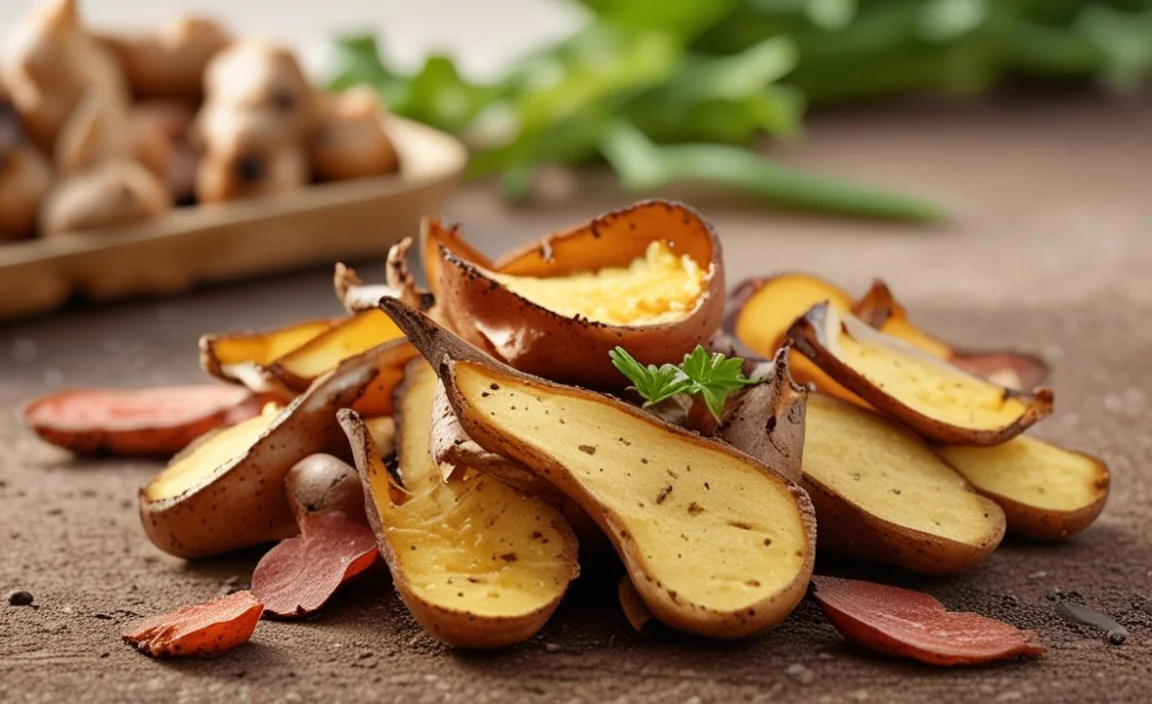
Identifying blight is key to protecting your potatoes. Look for dark spots on the leaves. The leaves may wilt and turn yellow. If you see these signs, check your potato skins. If they show any issues, do not compost them. Instead, remove them from your garden. This will help prevent the spread of blight and keep your plants healthy.
Managing Potato Diseases Effectively
Managing potato diseases can be challenging. Regularly inspect your plants for any signs of trouble. Rotate your crops each year to prevent disease buildup. Use disease-resistant potato varieties when possible. Keep your garden clean by removing dead plants. This helps protect your healthy potatoes. Have you tried these methods in your garden? They can make a big difference!
Composting Strategies for Vegetable Waste
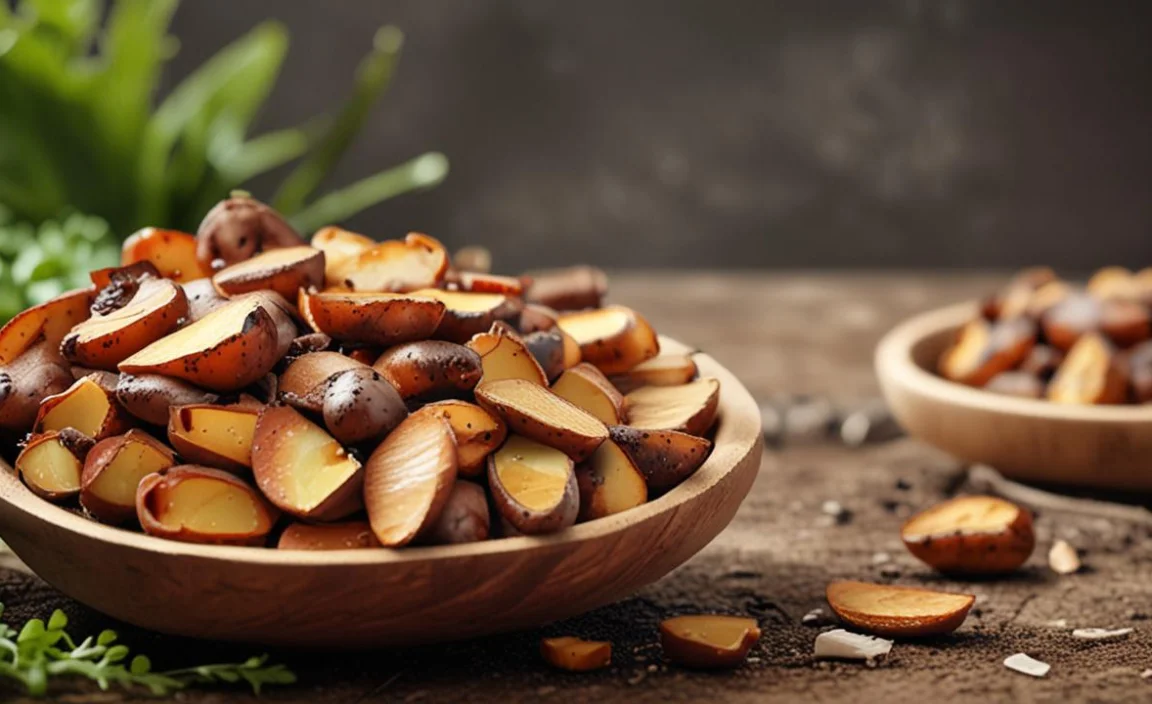
Composting vegetable waste is an excellent way to recycle. Use a balance of green and brown materials. Green materials include fresh kitchen scraps. Brown materials include dry leaves and cardboard. This balance is essential for a healthy compost pile. You can add potato skins as long as they are disease-free. Remember to turn the pile regularly for good airflow. This helps break down the materials faster.
- Balance greens and browns in composting.
- Turn the compost pile regularly for airflow.
- Use a mix of kitchen scraps and yard waste.
- Keep compost moist but not too wet.
- Check temperature for effective composting.
Using proper composting strategies can improve your garden’s health. Composting is not just about reducing waste; it can also enrich your soil. When you add healthy compost to your garden, your plants grow better. They become stronger against diseases like blight. By focusing on your composting techniques, you are helping your garden thrive.
Fun Fact or Stat:
About 30% of kitchen waste can be composted!
How to Build a Compost Bin
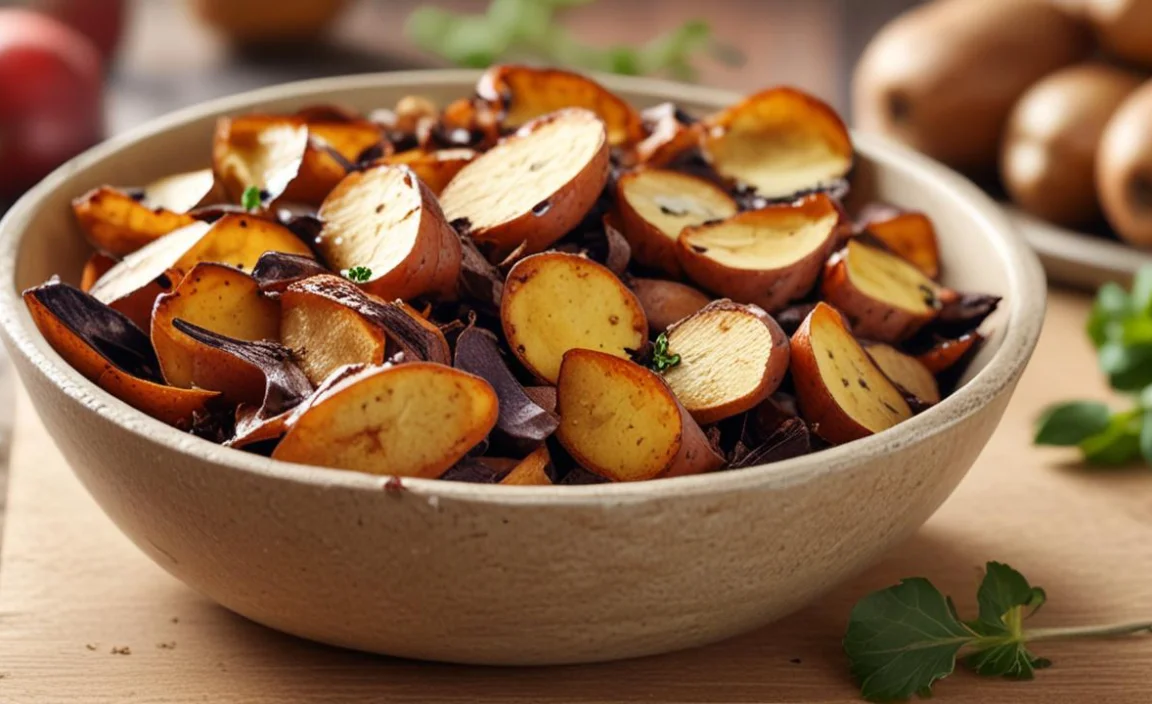
Building a compost bin is easy. You can use wood, pallets, or even wire mesh. The bin should have good airflow. This helps the compost break down faster. Start with a layer of brown materials at the bottom. Then add green materials on top. Keep adding layers until the bin is full. In a few months, you will have rich compost for your garden! Have you ever made your own compost bin? It’s a fun project!
What to Include in Your Compost Bin
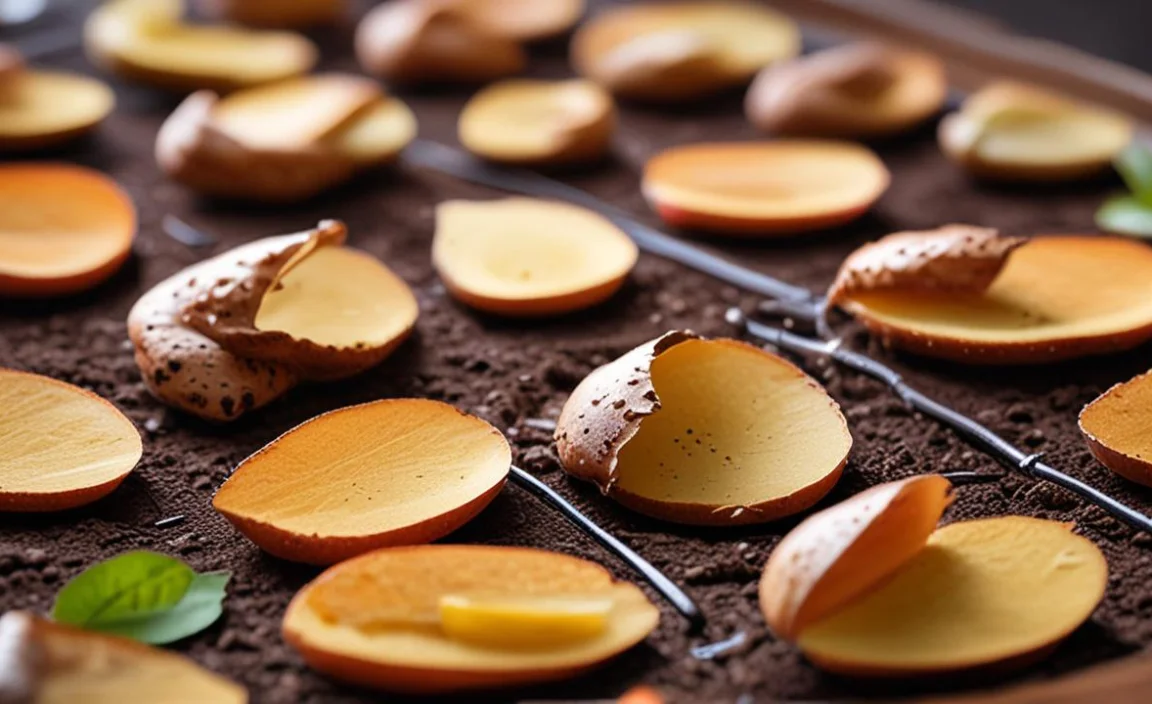
Your compost bin can hold many materials. Use vegetable scraps, fruit peels, and coffee grounds. Include dried leaves, grass clippings, and even eggshells. Avoid adding meat, dairy, or oils. These items attract pests and create odors. The key is to keep it balanced and natural. Have you thought about what you throw away? Many scraps can be composted instead!
Tips for Successful Composting
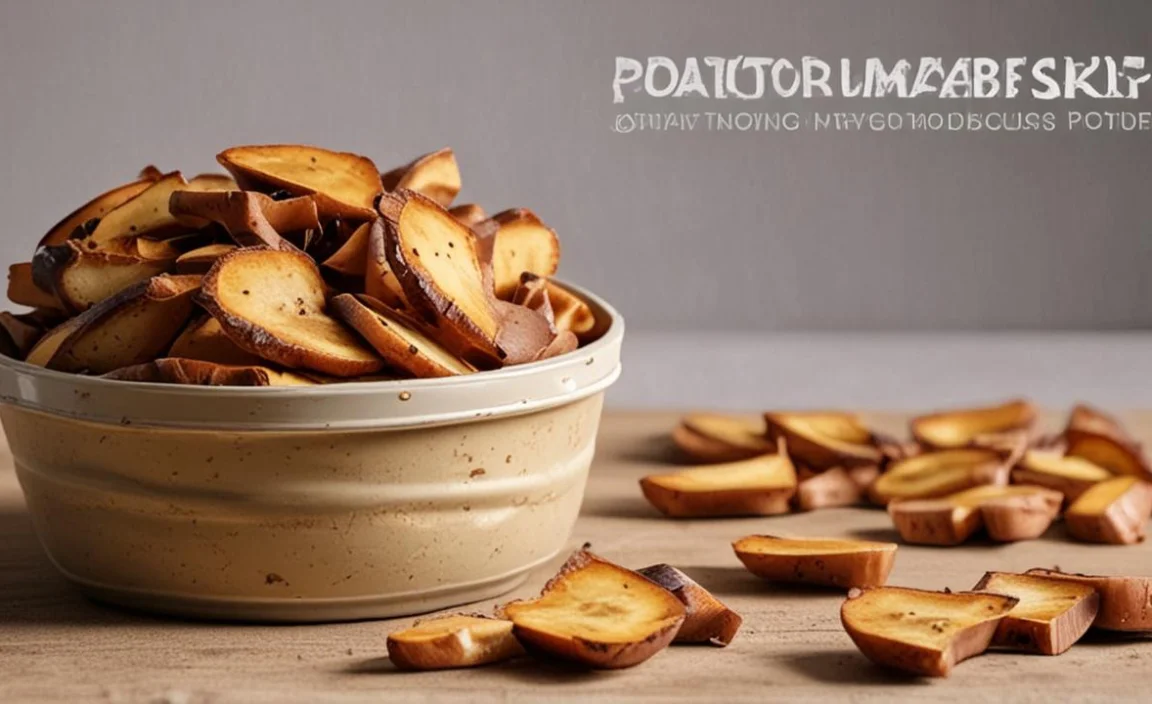
Successful composting takes some effort. Keep your compost pile moist but not soaking wet. Turn it regularly to aerate the materials. A hot compost pile can kill bad germs. Monitor the temperature to ensure it’s working. Be patient! Good compost takes time to form. Have you seen a compost pile mature? It’s like watching magic happen in your backyard!
Summary
Composting potato skins can have risks. Blight can spread through the compost. It is important to check for signs of disease. This way, you can keep your plants healthy. With proper composting practices, you can still enjoy composting potato scraps. Remember to inspect your potatoes and know the risks. Healthy compost leads to a thriving garden.
Conclusion
In conclusion, composting potato skins comes with blight risks. However, with careful management, you can reduce these risks. Always check for signs of disease before composting. By being aware and taking action, you can enjoy composting while protecting your garden. Happy composting!
Frequently Asked Questions
Question No 1: Can I compost potato skins with blight?
Answer: No, you should not compost potato skins with blight. The fungus can spread and infect your compost. Always check for signs of disease before adding them to your compost pile. If you find any signs, throw them in the trash. This prevents the disease from harming your garden later on.
Question No 2: What are the signs of potato blight?
Answer: Signs of potato blight include dark spots on leaves. The spots often grow larger over time. Leaves may also wilt and turn yellow. If you notice these signs, check your potato skins. If they show any signs of disease, do not compost them. Act quickly to avoid spreading blight in your garden.
Question No 3: How can I prevent blight in my potatoes?
Answer: To prevent blight, start with healthy potato seeds. Practice crop rotation to reduce disease buildup. Monitor your plants regularly for any signs of blight. Remove any infected plants immediately to avoid spreading disease. Keeping your garden tidy and clean helps prevent blight as well. Healthy potatoes mean a better harvest!
Question No 4: Is it safe to compost kitchen scraps?
Answer: Yes, it is safe to compost many kitchen scraps. You can compost vegetable peels, fruit skins, and coffee grounds. However, avoid composting meat, oils, or dairy products. These can attract pests and create bad smells. Always check if your scraps are healthy. Healthy scraps lead to healthy compost!
Question No 5: What happens if I compost diseased potato skins?
Answer: If you compost diseased potato skins, you risk spreading blight. The disease can survive in the compost and infect your garden. To keep your plants safe, only compost healthy potato skins. Make sure to inspect them first. Healthy compost leads to a healthy garden!
Question No 6: How do I know my compost is ready?
Answer: Your compost is ready when it is dark, crumbly, and smells earthy. It should look like rich soil. You can also check the temperature; it should cool down after a few months. If you see no recognizable scraps, it is a sign that your compost is done. Use it to nourish your garden!

