Worm composting is a fun and easy way to help the environment. Have you ever thought about what happens to your worm compost in winter? Freezing temperatures can hurt your worms and compost. It’s important to know how to protect worm compost from freezing temperatures. Many people don’t realize how cold can affect their compost. Keeping your worms safe is key to healthy compost.
When the weather gets cold, worms become inactive. They need warmth to thrive. If the compost freezes, your worms might not survive. Learning how to protect worm compost from freezing temperatures helps you maintain a healthy compost bin. Let’s explore some simple ways to keep your worms warm.
Key Takeaways
- Keeping compost warm is essential for worm survival.
- Insulation can protect compost from freezing temperatures.
- Choose the right location for your compost bin.
- Monitor temperature changes in winter.
- Learn how to protect worm compost from freezing temperatures.
How to Insulate Your Worm Compost Bin
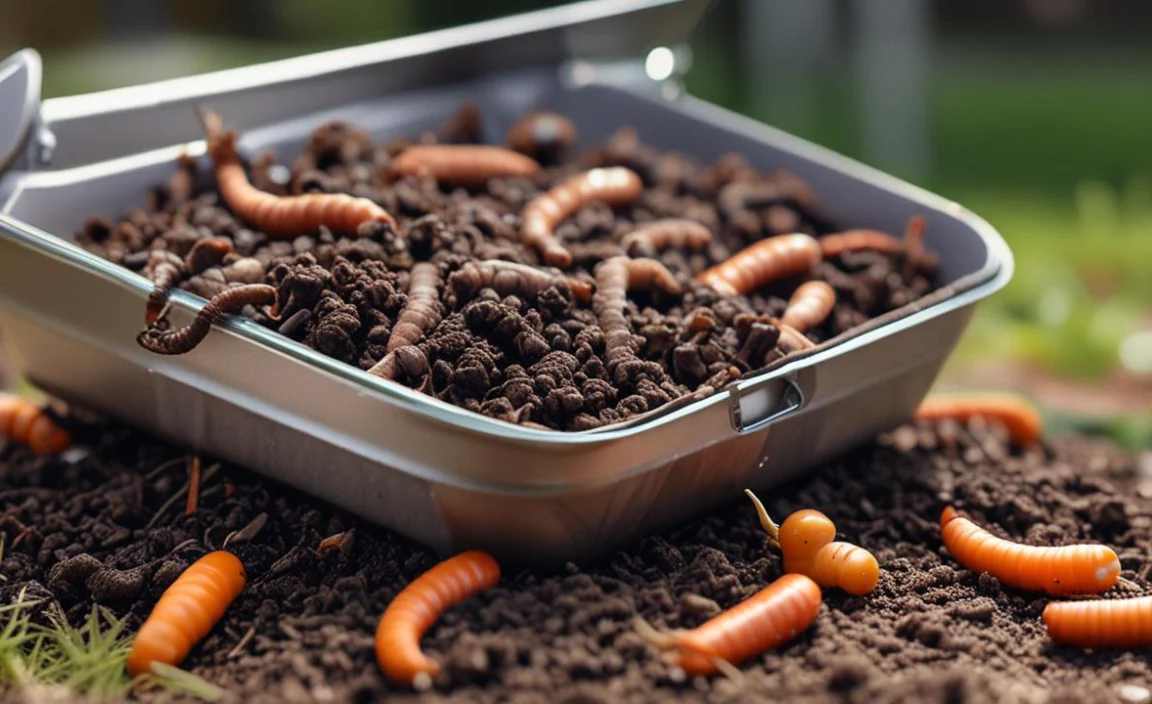
To keep your worms warm, consider insulation. Insulation helps trap heat inside the bin. You can use many materials, like straw, blankets, or foam. Adding these materials keeps the compost cozy and warm. Worms need warmth to stay alive and active. If your compost is well insulated, your worms will thrive even in cold weather.
- Use straw bales around the bin.
- Wrap the bin in blankets or towels.
- Place foam board on the lid.
- Fill the bin with extra bedding material.
- Use a thermal blanket for added warmth.
Insulating your worm compost bin is simple. You can gather materials from your home or garden. Make sure to check the insulation often. If it gets wet or damaged, replace it. Keeping your compost warm is vital, especially in winter. Your worms rely on you to provide a safe habitat so they can thrive.
Fun Fact or Stat: Did you know that worms can live in temperatures between 50°F and 85°F?
What Materials Work Best for Insulation?
Choosing the right materials is crucial. Not all materials work well for insulation. Some absorb water, which can freeze. Look for dry, thick materials. Straw and shredded paper are great options. They act as a barrier against the cold. Have you ever felt how warm straw can be? It’s nature’s blanket!
Worms need a cozy home for survival. By using the right materials, you help your worms stay warm. Check your bin regularly to ensure insulation stays dry. You want your worms to stay as active as possible. Materials that retain heat help them do just that.
How Often Should You Check the Insulation?
Regular checks are important in winter. You should look at your insulation at least once a week. This way, you can catch any problems early. If you notice wet or damaged insulation, replace it. Keeping an eye on your compost bin helps your worms stay happy.
Think about it like a blanket. You wouldn’t want a wet blanket on a cold night. The same goes for your worm compost. Take time to inspect and fix any issues. Your worms will thank you for it with healthy compost!
Can You Use a Heated Compost Bin?
Heated compost bins are another option. They keep the compost warm even in freezing weather. These bins can run on electricity or use solar power. Have you heard of people using heated mats? They are great for keeping worms warm.
However, heated bins can be more expensive. If you have a small number of worms, a heated bin might be overkill. But for larger bins, they can help maintain the right temperature. Consider your needs and budget when choosing a bin.
Fun Fact or Stat: Heated compost bins can maintain a temperature of 70°F even in winter!
Choosing the Right Location for Your Compost Bin
The location of your worm compost bin is very important. Placing it in a sheltered area protects it from wind and snow. Look for places that receive sunlight during the day. The sun can warm your compost, helping your worms.
Avoid placing the bin in the open where the wind blows. Strong winds can chill the compost quickly. If possible, place your bin near a wall or fence. This gives a barrier against cold drafts.
- Choose a sunny spot for warmth.
- Avoid windy areas to prevent cold air.
- Keep the bin close to your home.
- Consider shade in the summer months.
- Check for moisture levels in the area.
Choosing the right location for your compost bin can make a difference. Worms can thrive in a warm and cozy environment. A sunny spot keeps them active. A protected area shields them from harsh conditions. Make sure to adjust your bin’s location for the best results.
Fun Fact or Stat: Worms can eat their weight in food each week!
How Does Wind Affect Compost Temperature?
Wind can greatly impact your compost temperature. When cold winds blow, they can lower the compost’s warmth. It’s like when you feel cold on a windy day. Worms feel that chill too! They need a warm environment to stay healthy.
If your compost bin is exposed, consider blocking the wind. Using barriers like shrubs or fences can help. They will shield the bin and keep the worms warm.
Check your location often. When you notice cold winds, it may be time to adjust your bin’s position. Your worms will appreciate a cozy spot away from the chill.
What About Indoor Compost Bins?
Indoor compost bins are another option for winter. They provide a stable temperature. Inside your home, it’s warm and safe. You can keep your worms healthy without worrying about the cold. Have you ever thought about composting in your kitchen?
Just make sure you have enough space. Indoor bins should fit in your home comfortably. Plus, keeping them inside means you can add kitchen scraps easily. This can keep your worms happy and fed.
Remember to watch moisture levels in indoor bins. Too much moisture can lead to problems. A well-maintained indoor bin is a great solution for winter composting.
Fun Fact or Stat: Worms can help reduce food waste by 30%!
Monitoring Temperature Changes in Winter
It’s important to monitor the temperature of your compost bin. Cold weather can sneak up on you. Use a compost thermometer to check the heat inside the bin. The ideal temperature for worms is between 60°F and 75°F.
If the temperature drops, take action quickly. Insulate the bin or move it somewhere warmer. Regular monitoring helps ensure your worms stay safe. You want them to be happy and healthy all winter long.
- Use a compost thermometer regularly.
- Check temperature at different times of the day.
- Look for signs of worm activity.
- Adjust insulation if the temperature drops.
- Keep a log of temperature changes.
Monitoring temperature is a key part of successful worm composting. The better you control the temperature, the healthier the worms will be. You can enjoy the benefits of rich compost while keeping your worms safe.
Fun Fact or Stat: Worms can live for up to 4 years in the right conditions!
Signs Your Compost is Too Cold
How do you know if your compost is too cold? Watch for signs that indicate problems. If your worms are inactive, they may be too cold. You might also notice a drop in composting activity.
Another sign is a cold temperature reading. If you check your thermometer and see low numbers, it’s time to act. Healthy worms should be wriggling and munching on food scraps.
If you notice these signs, warm up your compost. Add insulation or move the bin to a warmer spot. Keeping a close eye on your compost helps your worms thrive.
What Should You Do if Your Compost Freezes?
If your compost freezes, don’t panic. First, check on your worms. Gently dig into the compost to see if they are alive. If they are, you can start warming the bin.
Add insulation right away. Move the bin to a warmer place if possible. Once the compost warms up, your worms should become active again. They have amazing survival skills but need your help.
Take steps to prevent freezing in the future. Use the tips we discussed to keep your worms safe.
Fun Fact or Stat: Worms can survive freezing temperatures for short periods!
Creating a Warm Environment for Your Worms
Creating a warm environment is essential for worm composting. Consider using heated mats or lights. They can help keep the compost warm. A warm compost bin allows worms to be active and eat.
Make sure to monitor the temperature regularly. Too much heat can also be harmful. Your goal is to find a comfortable balance. A stable environment keeps your worms healthy and productive.
- Use heated mats to warm the compost.
- Install lights that provide warmth.
- Check moisture levels to avoid overheating.
- Keep the bin well-insulated as well.
- Watch for signs of worm activity.
Creating a warm environment is key to successful composting. Keep your worms cozy and happy, and they will reward you. Healthy worms produce rich compost, perfect for your garden.
Fun Fact or Stat: Healthy worms can produce compost in just 60 days!
How Do Heated Mats Work?
Heated mats work by providing gentle warmth. They are placed under the compost bin. This can help raise the bin’s temperature. Have you ever tried using a heating pad? It’s similar!
These mats use electricity to keep the compost warm. They are easy to set up and use. Just plug them in and watch the temperature rise.
It’s important to monitor the heat. Too much warmth can harm your worms. Adjust the settings as needed to find the right temperature.
Can You Use Light to Keep Compost Warm?
Using light is another way to warm your compost. Grow lights or heat lamps can provide warmth. This method is effective, especially in colder climates.
When using light, make sure to not overheat the compost. Keep it at a safe temperature. You want your worms to stay active without overheating.
This method also helps with visibility. You can easily check on the worms and compost. Just remember to monitor the temperature regularly.
Fun Fact or Stat: Worms reproduce faster in warmer conditions!
Maintaining Moisture Levels in Winter
Moisture levels are important for worm composting. In winter, it can be hard to tell how wet your compost is. Cold air can dry out your bin quickly. Keeping the right moisture level helps your worms thrive.
Worms need moisture to breathe. If the compost is too dry, they may struggle. Regularly check the moisture levels in your bin. Add water if it feels too dry.
- Use a spray bottle to add moisture.
- Check moisture levels weekly during winter.
- Cover the bin to reduce evaporation.
- Add damp bedding materials when needed.
- Watch for signs of dryness in the compost.
Maintaining moisture levels is critical in cold weather. A dry bin can be harmful to your worms. Keep checking on your compost to ensure it’s healthy. Happy worms make great compost!
Fun Fact or Stat: Worm compost can be over 90% moisture!
Signs Your Compost is Too Dry
Sometimes, compost can become too dry. Dry compost can hurt your worms. They may become inactive and stop eating. You can tell if your compost is dry by checking its texture.
If it feels crumbly and falls apart easily, it needs moisture. You may also notice fewer worms. They like to stay in moist areas of the bin.
Add water to moisten the compost when needed. You want it to feel like a damp sponge, not soaking wet. Keeping moisture levels in check keeps your worms happy and active.
How to Add Moisture Without Overdoing It?
Adding moisture is important, but don’t add too much. You want to find a balance. Use a spray bottle to mist the compost evenly. This helps avoid over-saturation.
Start with a small amount of water. Check the compost after a few hours. If it still feels dry, add a little more. Too much water can harm your worms and ruin the compost.
Be patient and check often. Finding the right moisture balance takes time. Your worms will appreciate your efforts!
Fun Fact or Stat: Worms can absorb moisture through their skin!
Summary
Protecting your worm compost from freezing temperatures is important. Insulating the bin, choosing the right location, and monitoring moisture helps. Learn how to protect worm compost from freezing temperatures to keep your worms safe. Remember to check the temperature regularly. Happy worms make rich compost for your garden!
Conclusion
Keeping your worm compost safe in winter is essential. It ensures your worms stay healthy and active. Use insulation, monitor temperatures, and maintain moisture levels. Now you know how to protect worm compost from freezing temperatures. Happy composting!
Frequently Asked Questions
Question No 1: How can I tell if my worms are okay?
Answer: Check if your worms are active and moving. If they are still wriggling, they are likely okay. If not, inspect the temperature and moisture levels. You might need to adjust the insulation or add moisture. Keeping an eye on your compost helps ensure your worms are safe.
Question No 2: Can I use a thermometer for my compost?
Answer: Yes! A compost thermometer is a great tool. It helps you monitor the temperature inside the compost bin. If the temperature drops too low, it indicates your worms may be cold. Take action by insulating the bin or moving it to a warmer location.
Question No 3: What materials should I use for insulation?
Answer: Straw, blankets, and foam work well for insulation. These materials trap heat and protect the worms. If you notice wet insulation, replace it immediately. Keeping your compost warm prevents freezing temperatures from harming your worms.
Question No 4: How often should I check my compost in winter?
Answer: Check your compost at least once a week in winter. This allows you to monitor temperature and moisture levels. If you notice any issues, you can take action quickly. Regular checks help ensure your worms remain healthy and active.
Question No 5: Is it okay to keep my compost indoors?
Answer: Yes! Keeping compost indoors is a great option in winter. It provides a stable and warm temperature for your worms. Just make sure you have enough space and check moisture levels. An indoor bin can make it easy to add kitchen scraps.
Question No 6: What should I do if my compost freezes?
Answer: If your compost freezes, check on your worms. Gently dig into the compost to find them. If they are alive, warm up the bin quickly. Add insulation and move it to a warmer spot if needed. Act quickly to prevent harm to your worms.

