Have you ever seen a funny-shaped carrot at the store? Did you know you can grow your own? It is fun and easy to learn how to grow carrots in raised beds. Growing carrots this way can give you the best crop. You can have yummy carrots to eat all season long.
Carrots need the right soil and sunlight. They also need enough water to grow well. Let’s learn how to make your own carrot garden.
How to grow carrots in raised beds is not hard. We will show you all the steps. Get ready to have the best carrots ever! Let’s start our adventure now.
Key Takeaways
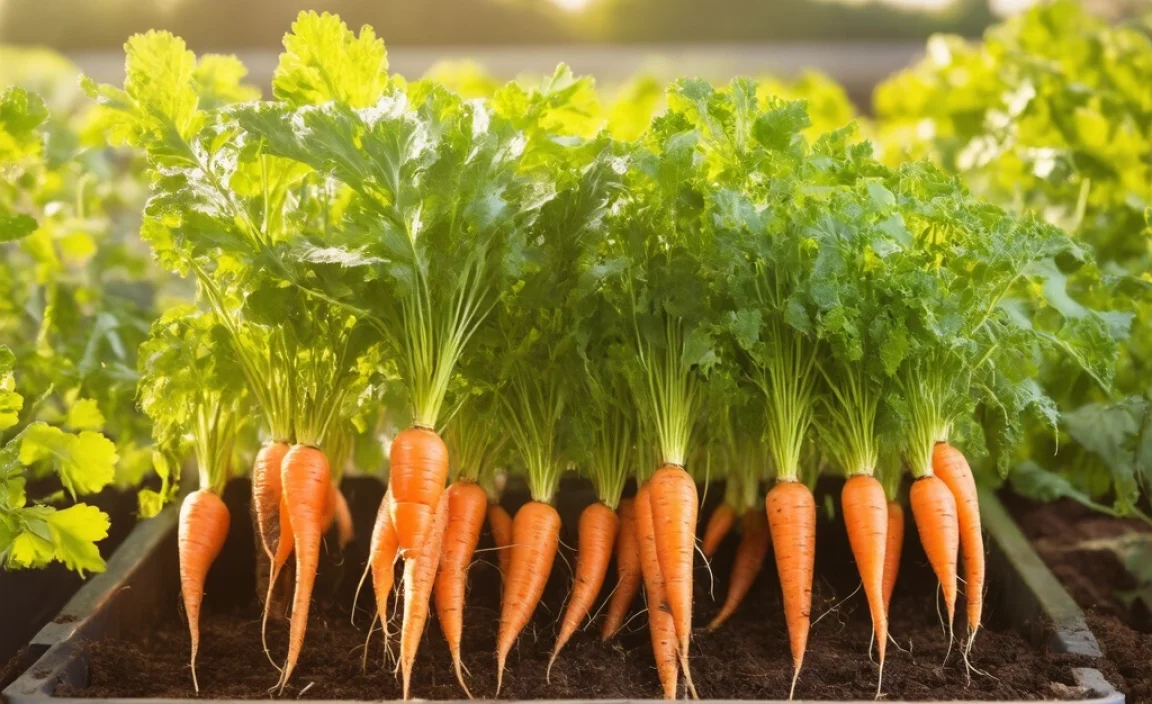
- Using raised beds helps control soil and drainage for better carrot growth.
- Choose the right carrot variety based on your climate and garden space.
- Proper soil preparation is key to preventing stunted or misshapen carrots.
- Consistent watering and thinning seedlings are essential for healthy carrot development.
- Learning how to grow carrots in raised beds can be a fun and rewarding experience.
How to Choose the Right Raised Bed
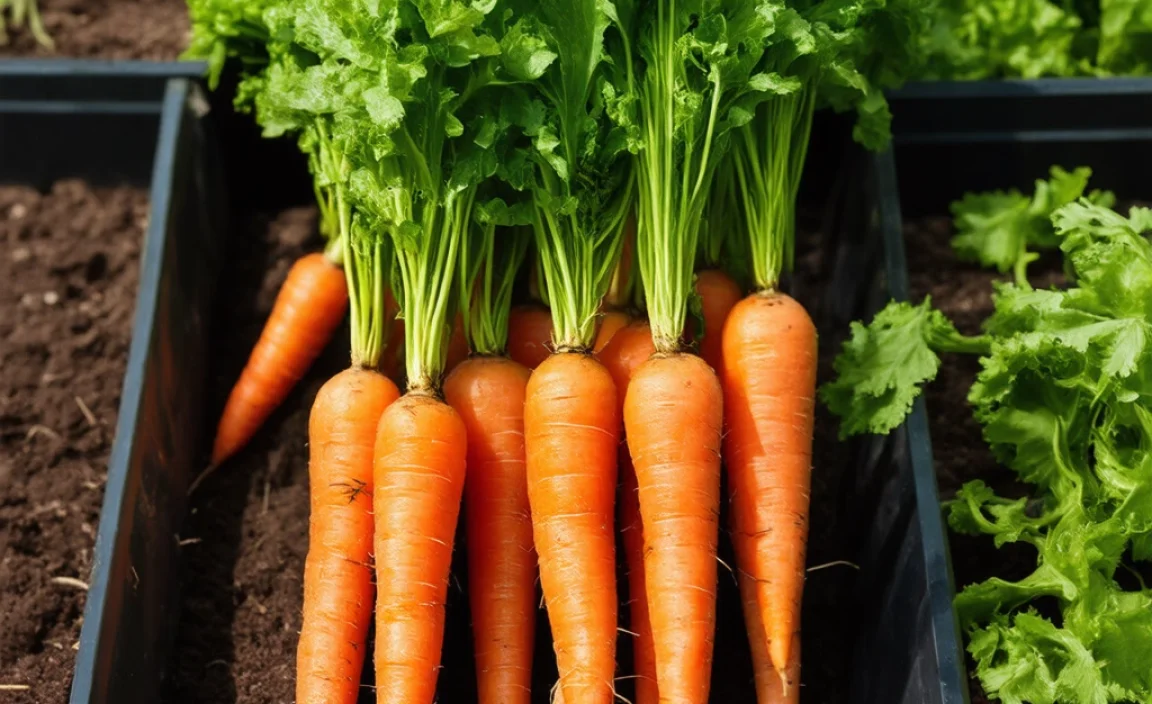
Choosing the right raised bed is important. It helps your carrots grow big and strong. A good bed gives carrots enough space. It also helps with soil and water. The size of your bed depends on your yard. Think about how many carrots you want. A small bed is good for a few carrots. A bigger bed can grow many more. The depth is also key. Carrots need deep soil to grow long. A bed that is 12 inches deep is a good start. Make sure the bed is easy to reach. You want to water and weed without trouble. Picking the right bed makes growing carrots easier. You will have lots of fun watching them grow.
- Choose a bed size that fits your space.
- Make sure the bed is at least 12 inches deep.
- Pick a spot that is easy to reach and work in.
- Consider the material of the bed (wood, metal, plastic).
- Ensure the bed has good drainage to avoid soggy soil.
Think about the material of your raised bed. Wood is a common choice. It looks nice and is easy to find. Metal beds are strong and last a long time. Plastic beds are light and easy to move. No matter what you pick, make sure it is safe for plants. Some materials can leak bad chemicals. Always use beds made for gardening. This will keep your carrots healthy and tasty. A good raised bed sets the stage for a great carrot harvest. You will enjoy fresh carrots from your garden all season long.
Fun Fact or Stat: Raised beds can warm up faster in the spring than the ground, giving you a head start on the growing season!
What Size Bed is Best?
What size raised bed should you use? The answer depends on your garden. Small yards may need smaller beds. Big yards can have bigger beds. A 4×4 foot bed is a good size for beginners. It gives you enough space to grow many carrots. You can reach all parts of the bed easily. This makes watering and weeding simple. If you have more space, try a 4×8 foot bed. This gives you even more room for carrots. Remember to leave space between beds. You need room to walk and work. Think about how much time you have for gardening. A bigger bed needs more care. Choose a size that you can manage well. This way, you will enjoy your carrot garden without feeling stressed.
What Depth is Needed?
Have you ever wondered why some carrots are short and stubby? The depth of your raised bed matters a lot. Carrots need deep soil to grow long and straight. Aim for a bed that is at least 12 inches deep. Deeper is even better if you can. This gives the carrots room to grow down. If the soil is too shallow, they will hit the bottom. Then they will grow sideways or get bumpy. Use good soil in your raised bed. This helps the carrots grow well. Make sure the soil is loose and not too hard. This lets the roots move easily. A deep bed with good soil is the secret to long, tasty carrots.
Where Should I Place the Bed?
Where you put your raised bed is key. Carrots need lots of sunlight. Choose a spot that gets at least six hours of sun each day. Watch your yard during the day. See where the sun shines the most. That is the best place for your bed. Also, think about water. You need to be able to water your carrots easily. Place the bed near a hose or water source. This makes watering simple. Don’t put the bed under trees. Trees can block the sunlight. They can also drop leaves and make a mess. A sunny spot with easy water access is perfect. Your carrots will thank you with a big harvest.
Picking the Best Carrot Varieties
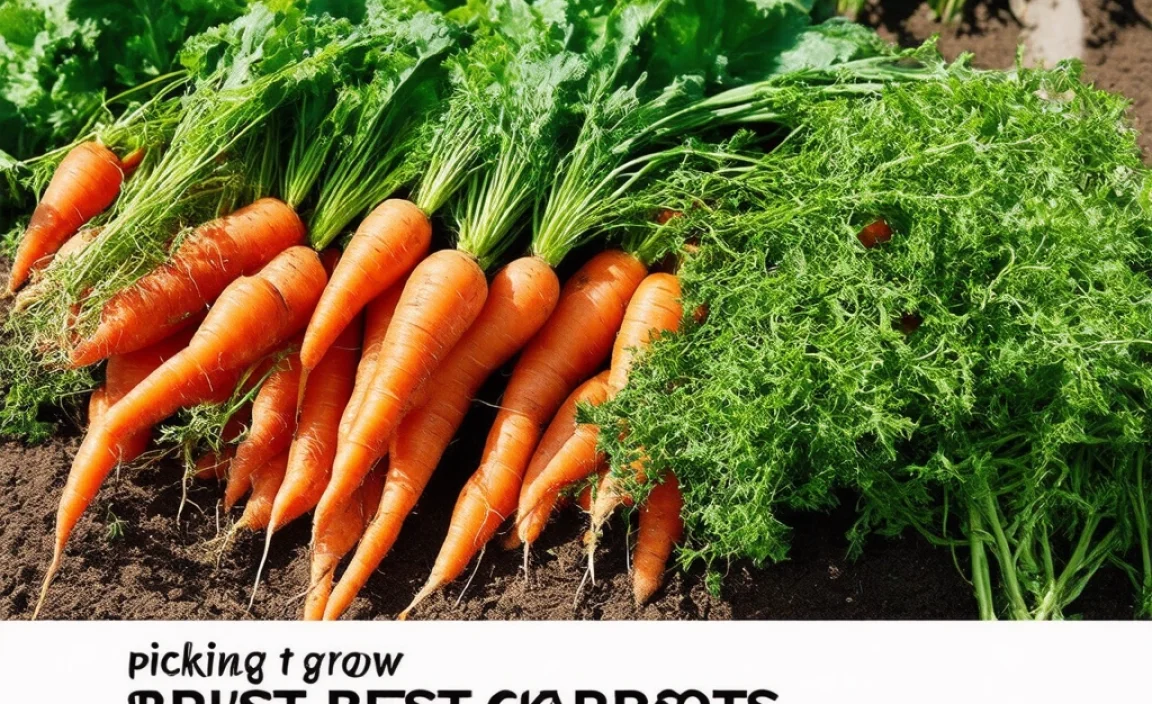
Picking the best carrot varieties is fun. Did you know there are many kinds of carrots? Some are short and round. Others are long and thin. The best kind depends on your taste. It also depends on your garden. Shorter carrots do well in shallow beds. Longer carrots need more space. ‘Nantes’ carrots are sweet and easy to grow. ‘Danvers’ carrots are classic and all-purpose. ‘Chantenay’ carrots are short and thick. They are good for heavy soil. Think about what you want to use the carrots for. Some are best for eating raw. Others are good for cooking. Try a few kinds to see what you like best. This way, you will always have your favorite carrots growing.
- ‘Nantes’ carrots are sweet and grow well in raised beds.
- ‘Danvers’ carrots are a classic choice for all-purpose use.
- ‘Chantenay’ carrots are good for heavy or shallow soil.
- Consider the length and shape of the carrot variety.
- Think about how you plan to use the carrots (raw, cooked).
Consider the time it takes for carrots to grow. Some carrots mature faster than others. If you want carrots quickly, pick a fast-growing type. Check the seed packet for the days to maturity. This tells you how long it takes to harvest. You can also plant different kinds of carrots. Plant some early types and some later types. This way, you will have carrots to eat all season long. Don’t be afraid to try new things. Gardening is all about learning. Have fun picking out your carrot seeds. Soon, you will have a colorful and tasty harvest. Sharing your home-grown carrots with friends and family is a special treat.
Fun Fact or Stat: Carrots come in many colors, including purple, yellow, white, and even red!
‘Nantes’ vs. ‘Danvers’: Which is Better?
Ever wonder which carrot is better, ‘Nantes’ or ‘Danvers’? Both are great choices. ‘Nantes’ carrots are known for their sweet taste. They are also very tender. These carrots grow well in raised beds. They don’t need very deep soil. ‘Danvers’ carrots are a classic type. They are longer and have a strong carrot flavor. ‘Danvers’ do well in many different soils. Think about what you like in a carrot. If you want sweet and tender, choose ‘Nantes’. If you want a classic carrot taste, pick ‘Danvers’. You can even try growing both. See which one you like better. Both will give you a great harvest.
Carrots for Small Spaces
Do you have a small garden? Don’t worry, you can still grow carrots. Choose carrot types that are short and round. ‘Thumbelina’ carrots are perfect for small spaces. They are small and easy to grow in pots or raised beds. ‘Parisian’ carrots are also a good choice. They are round and grow quickly. Plant these carrots close together. They don’t need a lot of room. Make sure the soil is loose and well-drained. This helps the carrots grow without problems. Even in a small space, you can enjoy fresh, home-grown carrots. These little carrots are fun to grow and tasty to eat.
Colored Carrot Varieties
Did you know carrots come in different colors? You can grow purple, yellow, and even white carrots. These colored carrots add fun to your garden. They also have different flavors. Purple carrots are sweet and a bit spicy. Yellow carrots are mild and tender. White carrots are very sweet and juicy. Try growing a mix of colors. Your carrot harvest will be bright and interesting. ‘Cosmic Purple’ and ‘Yellowstone’ are popular choices. These carrots are easy to find and grow well. Surprise your friends with a colorful carrot salad. They will love the taste and look of these special carrots.
Preparing the Soil for Carrots
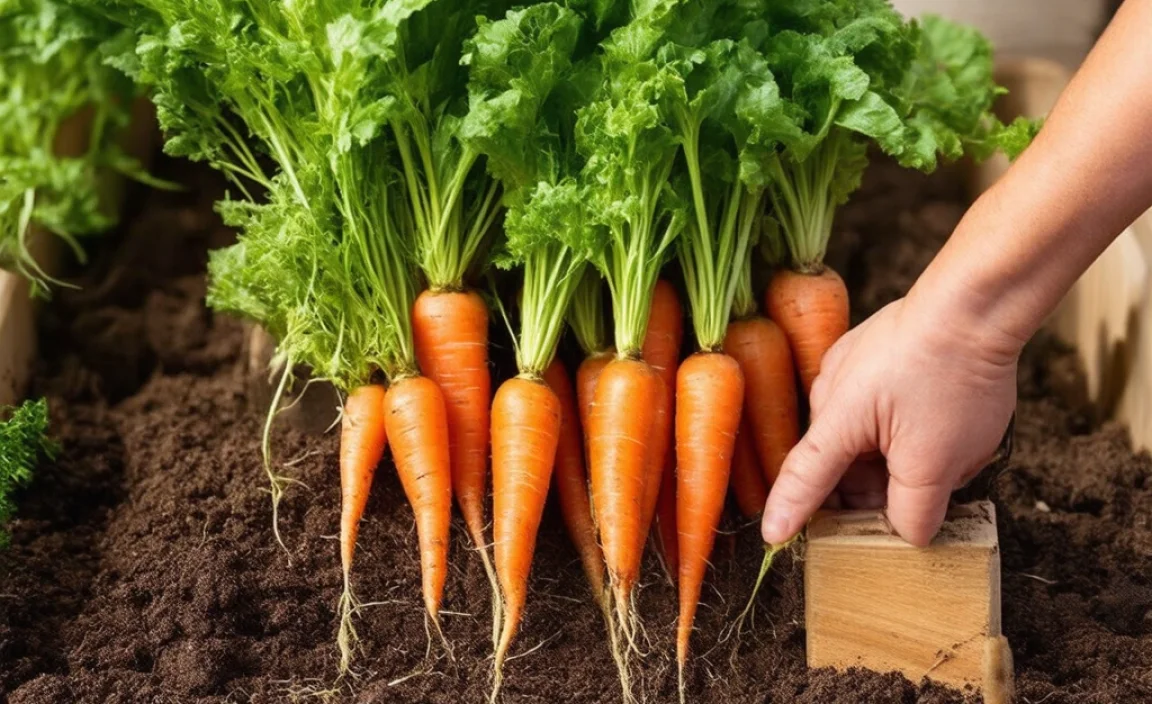
Preparing the soil is super important. Carrots need loose, sandy soil. This helps them grow long and straight. If the soil is hard, carrots will be bumpy. They might even split. Start by removing any rocks or sticks. These can get in the way of the roots. Add compost to the soil. Compost makes the soil rich and full of nutrients. Mix the compost well. Make sure the soil is not too wet. Carrots don’t like soggy soil. It can cause them to rot. Use a soil test kit to check the pH. Carrots like soil that is slightly acidic. Aim for a pH between 6.0 and 6.8. Good soil is the key to happy, healthy carrots.
- Remove rocks and debris from the raised bed.
- Add compost to enrich the soil with nutrients.
- Ensure the soil is loose and well-draining.
- Check the soil pH and adjust if necessary.
- Avoid using soil that is too heavy or compacted.
Think about the texture of your soil. Carrots need soil that is easy for their roots to push through. If your soil is heavy clay, add sand. Sand helps to break up the clay. This makes the soil lighter and easier to work with. You can also use peat moss. Peat moss helps to retain moisture. But it also keeps the soil from getting too hard. Mix everything together well. Use a garden fork to turn the soil. Make sure there are no big clumps. The soil should be fine and crumbly. This gives your carrots the best start. They will grow long, straight, and delicious.
Fun Fact or Stat: Carrots are about 88% water, so well-draining soil is important to prevent them from becoming waterlogged.
Why Loose Soil Matters
Why is loose soil so important for carrots? Imagine trying to walk through mud. It’s hard, right? Carrots feel the same way in hard soil. Their roots can’t push through easily. This makes them short and stubby. Loose soil lets the roots grow long and straight. It also helps them get the nutrients they need. Add compost and sand to make your soil loose. Break up any clumps. Make sure the soil is easy to dig into. Your carrots will thank you with a great harvest. Loose soil is the secret to perfect carrots.
Adding Compost for Nutrients
Compost is like a superfood for your carrots. It is full of nutrients that help them grow strong. Compost also improves the soil. It makes it lighter and better at holding water. Add compost to your raised bed before planting. Mix it well with the soil. You can use compost from your own backyard. Or you can buy it at a garden store. Use plenty of compost. Carrots love it. Your carrots will grow bigger and taste better with compost. It is an easy way to give them a boost.
Testing and Adjusting Soil pH
Did you know soil has a pH level? This tells you how acidic or alkaline it is. Carrots like soil that is slightly acidic. A pH between 6.0 and 6.8 is best. You can test your soil with a kit from the store. Follow the directions carefully. If your soil is too alkaline, add sulfur. This will lower the pH. If it is too acidic, add lime. This will raise the pH. Test your soil again after adding anything. Make sure the pH is right for carrots. This will help them grow healthy and strong.
Planting Carrot Seeds Correctly
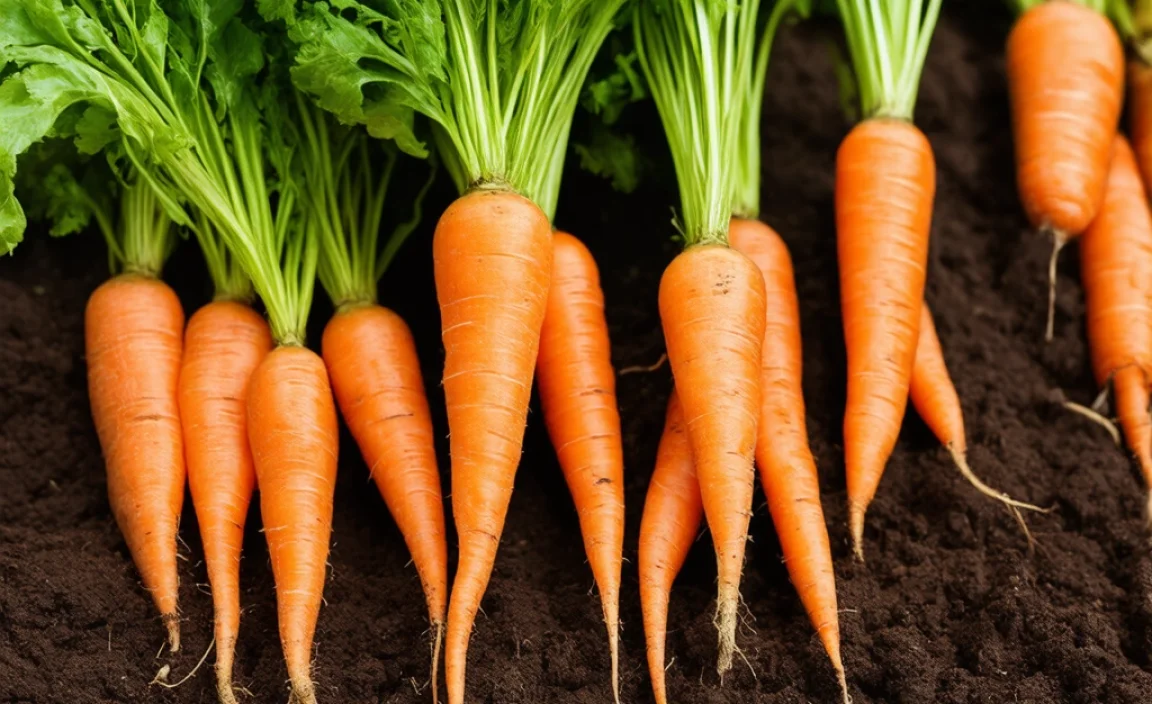
Planting carrot seeds correctly is simple. First, make small rows in the soil. These rows should be about half an inch deep. Space the rows about two inches apart. Sprinkle the carrot seeds into the rows. Don’t put too many seeds in one spot. Carrot seeds are small, so this can be tricky. Cover the seeds lightly with soil. Gently pat the soil down. Water the area well. Keep the soil moist until the seeds sprout. This usually takes about one to three weeks. Be patient. Soon you will see tiny green sprouts. These will grow into your delicious carrots. Planting seeds the right way gets you off to a good start.
- Make shallow rows about ½ inch deep.
- Space rows about 2 inches apart.
- Sprinkle seeds thinly in the rows.
- Cover seeds lightly with soil.
- Water gently and keep soil moist.
Think about the timing of your planting. Carrots like cool weather. Plant them in the spring or fall. Avoid planting in the heat of summer. The seeds might not sprout well. Check the weather forecast. Make sure there is no frost coming. Frost can hurt the young plants. Plant a new batch of seeds every few weeks. This is called succession planting. It gives you a continuous harvest of carrots. You will have fresh carrots to eat all season long. Planting at the right time helps you get the best results.
Fun Fact or Stat: Carrot seeds are tiny! There are about 2,000 seeds in just one gram.
Spacing Seeds for Best Growth
Why is spacing important when planting carrot seeds? If you plant the seeds too close, the carrots will fight for space. They won’t have enough room to grow big. This can lead to small, thin carrots. Space the seeds about one inch apart in the rows. This gives each carrot enough room to grow. After the seedlings sprout, you can thin them. Remove some of the extra seedlings. This gives the remaining carrots even more space. Proper spacing is key to a good carrot harvest. Your carrots will be big, healthy, and delicious.
Watering After Planting
Watering is very important after planting carrot seeds. The seeds need moisture to sprout. Water the soil gently so you don’t wash the seeds away. Use a watering can with a soft spray. Or use a hose with a gentle nozzle. Water the soil every day. Keep it moist but not soggy. Once the seedlings sprout, you can water less often. But make sure the soil stays moist. Dry soil can hurt the young plants. Consistent watering helps the carrots grow strong roots. This leads to a bigger and better harvest.
Dealing with Seedlings
Seeing those first tiny seedlings is exciting. But now the real work begins. You need to protect and care for the seedlings. Watch out for pests. Bugs can eat the young plants. Use insect netting to keep them away. Weed the area carefully. Weeds can steal nutrients from the carrots. Thin the seedlings when they are a few inches tall. Remove the extra plants so the others have room to grow. Water regularly and watch for any problems. With a little care, your seedlings will grow into healthy carrot plants.
Watering and Caring for Carrots
Watering and caring for carrots is essential. Carrots need consistent moisture. Water them deeply but not too often. Water when the top inch of soil feels dry. Use a watering can or a hose with a gentle spray. Avoid getting the leaves wet. Wet leaves can lead to disease. Weed the area around the carrots regularly. Weeds steal nutrients and water. Add mulch around the plants. Mulch helps to keep the soil moist. It also prevents weeds from growing. Watch out for pests like carrot rust flies. Use insect netting to protect your plants. With the right care, your carrots will thrive.
- Water deeply when the top inch of soil is dry.
- Avoid getting the leaves wet to prevent disease.
- Weed regularly to prevent competition for nutrients.
- Add mulch to retain moisture and suppress weeds.
- Protect plants from pests with insect netting.
Think about the weather. Carrots need more water in hot, dry weather. Check the soil often. Make sure it is not too dry. In rainy weather, you might not need to water at all. Too much water can be bad for carrots. It can cause them to rot. Fertilize your carrots with a balanced fertilizer. Follow the directions on the package. Don’t use too much fertilizer. Too much can burn the plants. With the right watering and care, your carrots will grow big and tasty. You will be proud of your harvest.
Fun Fact or Stat: Carrots are a good source of beta-carotene, which your body turns into Vitamin A!
Best Watering Practices
What is the best way to water carrots? Water deeply and less often. This encourages the roots to grow deep. Deep roots help the carrots find water even when the soil is dry. Water in the morning. This gives the leaves time to dry before nightfall. Avoid watering in the evening. Wet leaves overnight can lead to disease. Use a soaker hose or drip irrigation. These methods deliver water directly to the soil. This helps to prevent water waste. Check the soil moisture regularly. Adjust your watering schedule as needed. Good watering practices are key to healthy carrots.
Dealing with Common Pests
Pests can be a problem for carrots. Carrot rust flies are a common pest. Their larvae tunnel into the carrots. This can ruin your harvest. Use insect netting to keep the flies away. Cover your plants with the netting. Make sure the netting is secured to the ground. You can also use sticky traps. These traps catch the flies before they lay eggs. Another pest is the carrot weevil. These beetles eat the leaves and roots. Handpick the weevils off the plants. Or use an organic insecticide. Regular inspections can help you catch pests early. This can save your carrot crop.
The Importance of Mulch
Mulch is like a blanket for your garden. It helps to keep the soil moist. It also prevents weeds from growing. Use organic mulch like straw or wood chips. Spread a layer of mulch around your carrot plants. Make sure the mulch is not touching the stems. This can cause them to rot. Mulch also helps to regulate soil temperature. It keeps the soil cooler in the summer. And it keeps it warmer in the winter. Mulch is an easy way to improve your carrot garden. It will help you grow healthier and more productive plants.
Harvesting Your Homegrown Carrots
Harvesting your homegrown carrots is the best part. You get to enjoy the fruits (or vegetables) of your labor. Carrots are ready to harvest when they reach the right size. Check the seed packet for the expected size. Gently loosen the soil around the carrots. You can use a garden fork or a trowel. Pull the carrots out of the ground. Twist them gently as you pull. If the soil is hard, they might break. Wash the carrots with water. Remove any dirt or debris. Now you can eat them fresh from the garden. Or you can store them for later. Harvesting is a rewarding experience. Enjoy your delicious, homegrown carrots.
| Carrot Variety | Days to Maturity | Ideal Size | Best Use |
|---|---|---|---|
| Nantes | 60-70 | 6-7 inches | Eating raw, juicing |
| Danvers | 70-80 | 7-8 inches | Cooking, storage |
| Chantenay | 65-75 | 5-6 inches | Heavy soils, canning |
| Thumbelina | 50-60 | 1-2 inches | Small spaces, containers |
- Check the seed packet for the expected size.
- Loosen the soil around the carrots before pulling.
- Gently twist and pull the carrots out of the ground.
- Wash the carrots with water to remove dirt.
- Eat fresh or store for later use.
Think about the weather when you harvest. It is best to harvest on a dry day. Wet carrots can rot more easily. If the soil is very dry, water it a day before harvesting. This will make it easier to pull the carrots. Handle the carrots gently. They can bruise easily. Cut off the green tops. Leave about an inch of stem. This helps to prevent the carrots from drying out. Store the carrots in a cool, dark place. You can store them in the refrigerator or in a root cellar. With proper harvesting and storage, you can enjoy your carrots for months.
Fun Fact or Stat: The world’s longest carrot was over 20 feet long!
Knowing When Carrots Are Ready
How do you know when your carrots are ready to harvest? Check the seed packet. It will tell you the days to maturity. This is an estimate of how long it takes for the carrots to grow. You can also look at the size of the carrots. Gently dig around one carrot to see how big it is. If it is the size you want, harvest the rest. Another sign is the color of the tops. When the tops start to turn yellow, the carrots are usually ready. Don’t wait too long to harvest. Overripe carrots can get tough and bitter. Harvesting at the right time ensures the best flavor.
Proper Carrot Storage Techniques
How do you store carrots to keep them fresh? The key is to keep them cool and moist. Cut off the green tops. Leave about an inch of stem. Wash the carrots and let them dry. Store them in a plastic bag in the refrigerator. You can also store them in a container of damp sand. Keep the container in a cool, dark place. Check the carrots regularly. Remove any that are starting to rot. Properly stored carrots can last for several months. This allows you to enjoy your harvest long after the growing season is over.
Enjoying Your Harvest
What is the best way to enjoy your carrot harvest? There are so many options. You can eat them raw as a snack. Dip them in hummus or ranch dressing. You can add them to salads or soups. You can roast them in the oven with olive oil and herbs. You can juice them for a healthy drink. Carrots are also great in baked goods. Try adding them to muffins or cakes. Share your carrots with friends and family. They will be impressed by your gardening skills. Enjoy the taste of your homegrown carrots. They are a delicious and healthy treat.
Summary
Growing carrots in raised beds is a fun and rewarding experience. First, choose the right raised bed size and material. Then, pick the best carrot varieties for your space. Prepare the soil by adding compost and ensuring it is loose. Plant the seeds correctly, spacing them properly. Water and care for the carrots, watching for pests. Finally, harvest your carrots when they are ready. How to grow carrots in raised beds is easy with these steps. You will have fresh, delicious carrots all season long. Raised beds help control the soil and water. This makes growing carrots easier and more successful. Enjoy your homegrown carrots!
Conclusion
How to grow carrots in raised beds is a simple and fun project. You can enjoy fresh carrots from your own garden. Raised beds make it easier to control the soil and water. Choose the right carrot variety and follow the steps. With a little care, you can have a great harvest. Growing your own food is a rewarding experience. Enjoy the taste of your delicious, homegrown carrots.
Frequently Asked Questions
Question No 1: Why should I grow carrots in raised beds instead of the ground?
Answer: Growing carrots in raised beds offers many benefits. Raised beds provide better soil control. You can create the perfect soil mix for carrots. This ensures they have loose, well-draining soil. Raised beds also warm up faster in the spring. This allows you to start planting earlier. They also help with drainage. This prevents the carrots from rotting. Weeds are easier to control in raised beds. Plus, it’s easier on your back. You don’t have to bend over as much. Learning how to grow carrots in raised beds is a great way to get a better harvest.
Question No 2: What kind of soil is best for growing carrots in raised beds?
Answer: Carrots need loose, sandy soil to grow well. Heavy clay soil can cause them to be short and stubby. Mix compost into your raised bed soil. This adds nutrients and improves drainage. You can also add sand or peat moss. These help to loosen the soil. Make sure the soil is free of rocks and debris. These can get in the way of the roots. A soil pH between 6.0 and 6.8 is ideal for carrots. Test your soil and adjust as needed. Learning how to grow carrots in raised beds starts with good soil.
Question No 3: How often should I water my carrots in a raised bed?
Answer: Carrots need consistent moisture to grow well. Water them deeply when the top inch of soil feels dry. Avoid watering too often. Soggy soil can cause the carrots to rot. Water in the morning. This gives the leaves time to dry before nightfall. Use a watering can or a hose with a gentle spray. Add mulch around the plants to help retain moisture. Check the soil moisture regularly. Adjust your watering schedule based on the weather. Proper watering is essential when considering how to grow carrots in raised beds.
Question No 4: What are some common pests that affect carrots, and how can I control them?
Answer: Several pests can bother carrots. Carrot rust flies are a common problem. They lay eggs near the plants. The larvae tunnel into the carrots. Use insect netting to keep the flies away. Cover your plants with the netting. Carrot weevils can also damage carrots. Handpick the weevils off the plants. Or use an organic insecticide. Nematodes are tiny worms that can attack the roots. Rotate your crops to prevent nematode problems. Inspect your plants regularly for pests. Early detection can help you control them. Knowing how to grow carrots in raised beds also means knowing how to protect them.
Question No 5: How do I know when my carrots are ready to harvest from the raised bed?
Answer: Check the seed packet for the days to maturity. This is an estimate of how long it takes for the carrots to grow. You can also look at the size of the carrots. Gently dig around one carrot to see how big it is. If it is the size you want, harvest the rest. The tops of the carrots may also start to turn yellow. This is another sign that they are ready. Don’t wait too long to harvest. Overripe carrots can get tough and bitter. Harvesting at the right time ensures the best flavor. This is a key part of how to grow carrots in raised beds.
Question No 6: Can I grow other vegetables in the same raised bed as carrots?
Answer: Yes, you can grow other vegetables with carrots. Companion planting can be beneficial. Onions and garlic can help to repel carrot rust flies. Lettuce and radishes grow well alongside carrots. They don’t compete for the same nutrients. Avoid planting carrots near fennel. Fennel can inhibit their growth. Consider the space and sunlight needs of each plant. Make sure they have enough room to grow. Learning how to grow carrots in raised beds can be enhanced by companion planting.

